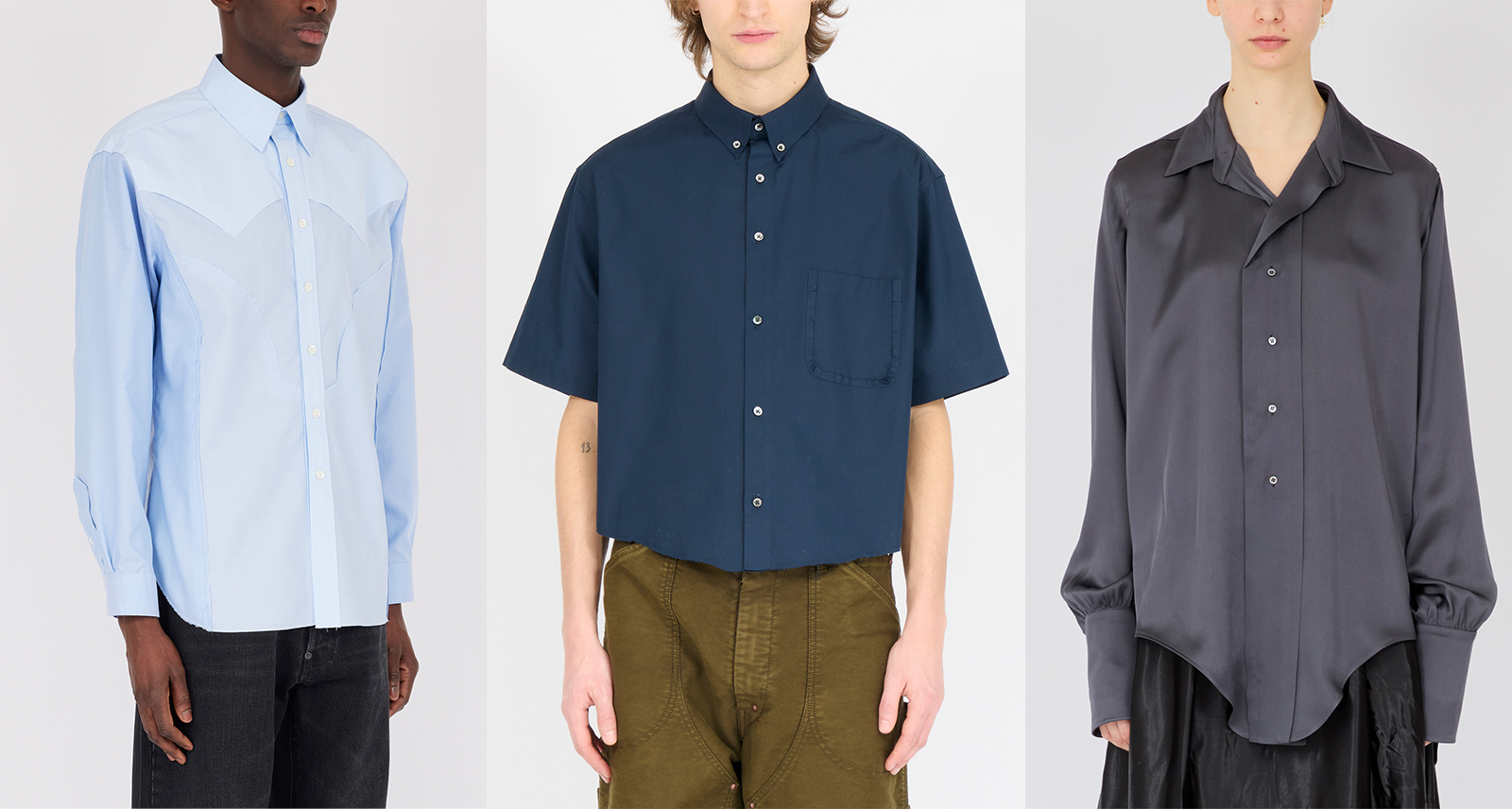
Shirting is the modern designer’s playground. In Paris, this year alone saw every possible interpretation of the garment’s potential: Saint Laurent’s retro-futuristic, box-cut shoulders; Dior’s deconstructed Romantic-era frock shirts; Sean Suen’s avant-garde pieces with their theatrically oversized collars. The dress shirt may be uniquely rooted in traditions, structures, and notions of formality that most men take for granted, but its ubiquity makes it endlessly mutable. Even as wardrobes have become less formal over the past half century, the dress shirt has persisted, versatile and variable, as likely to be a catalyst for other pieces as it is to be a statement on its own.
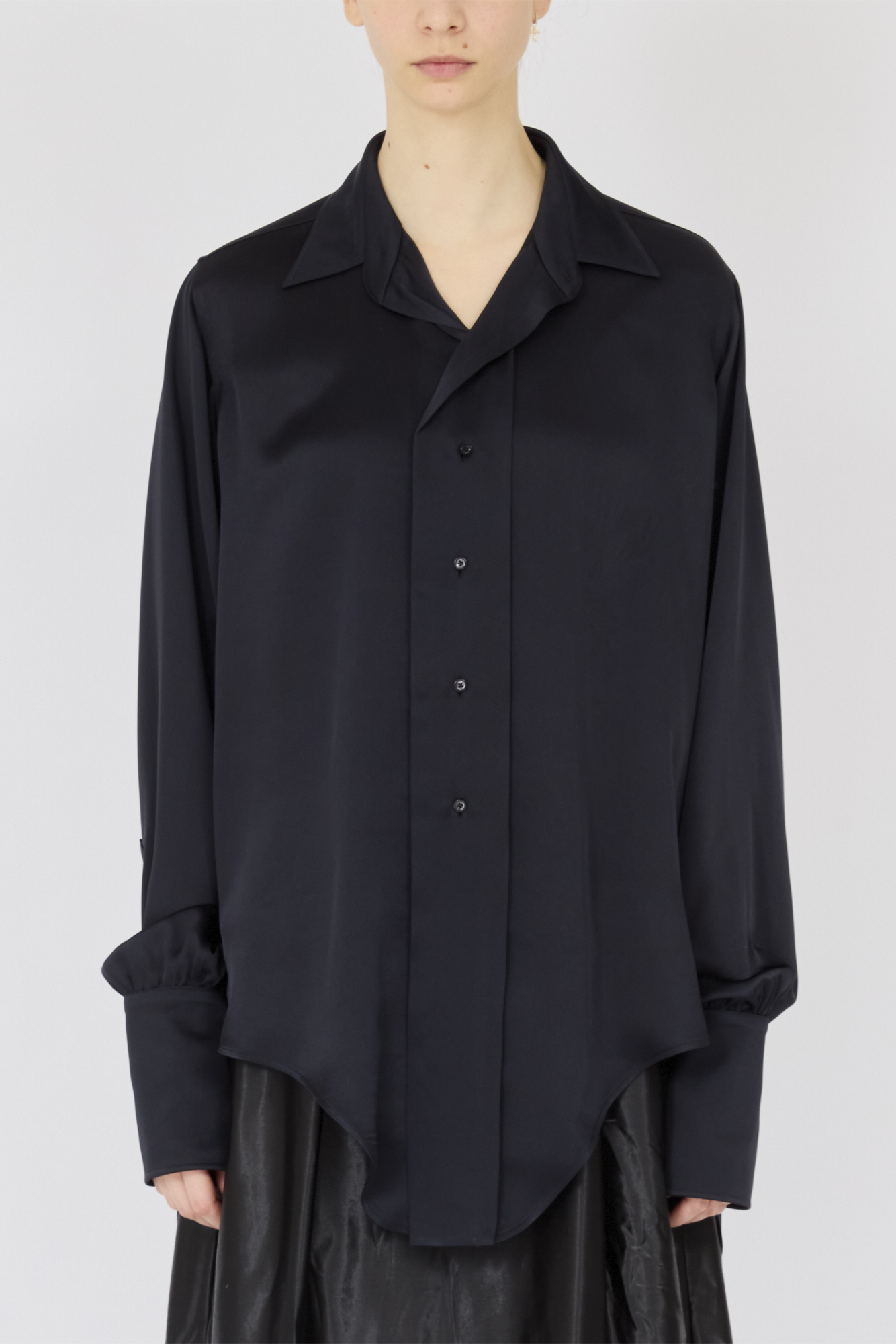
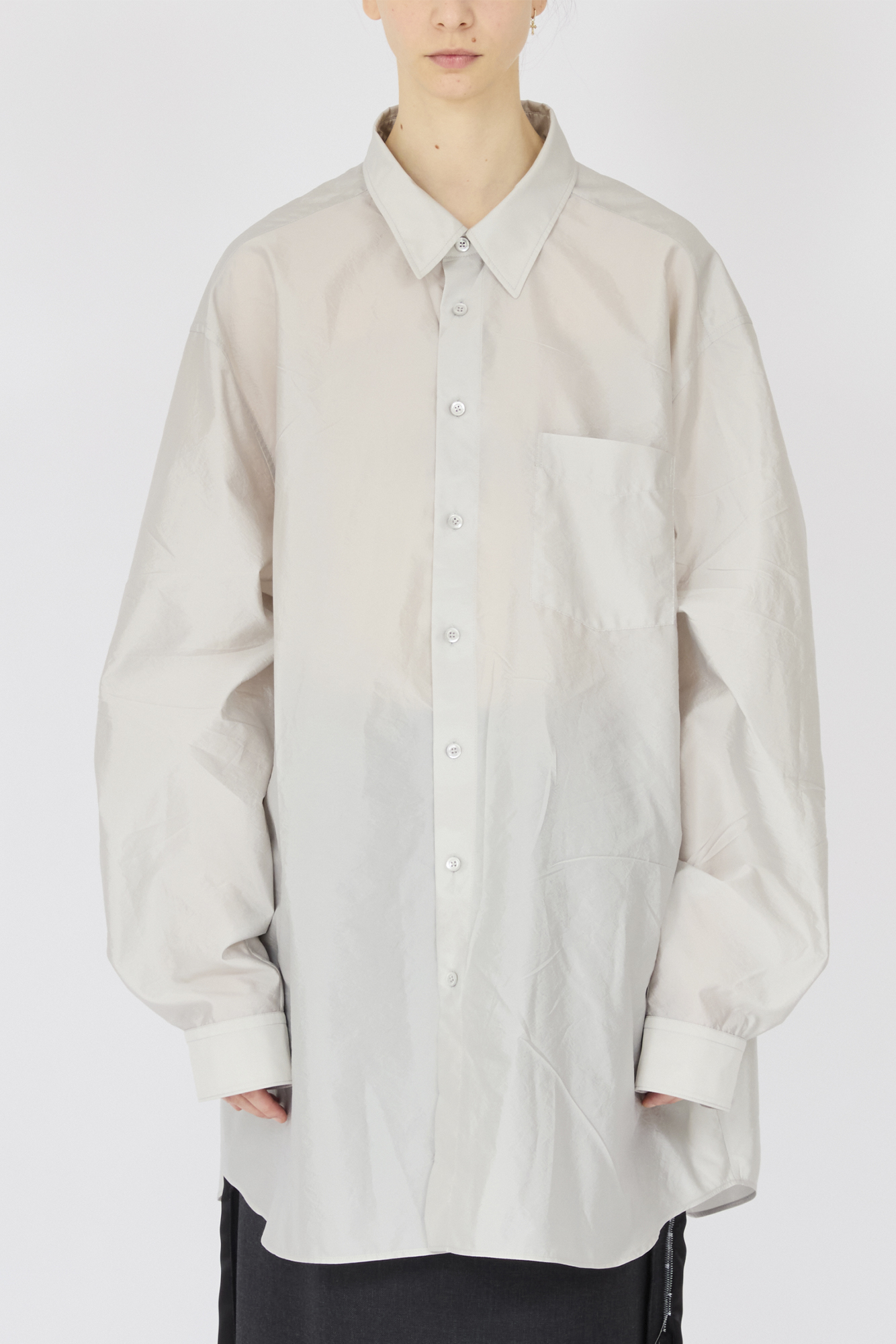
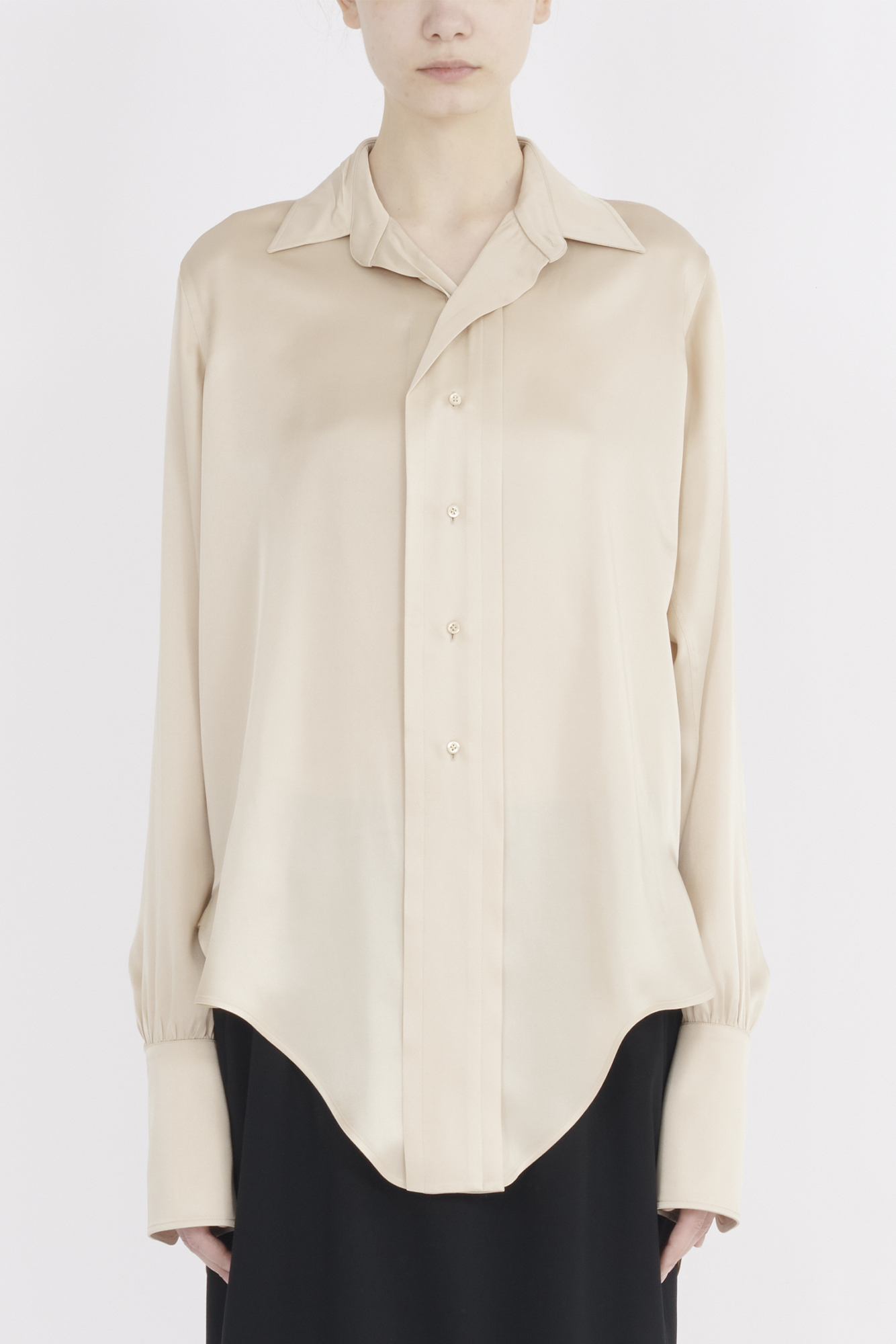
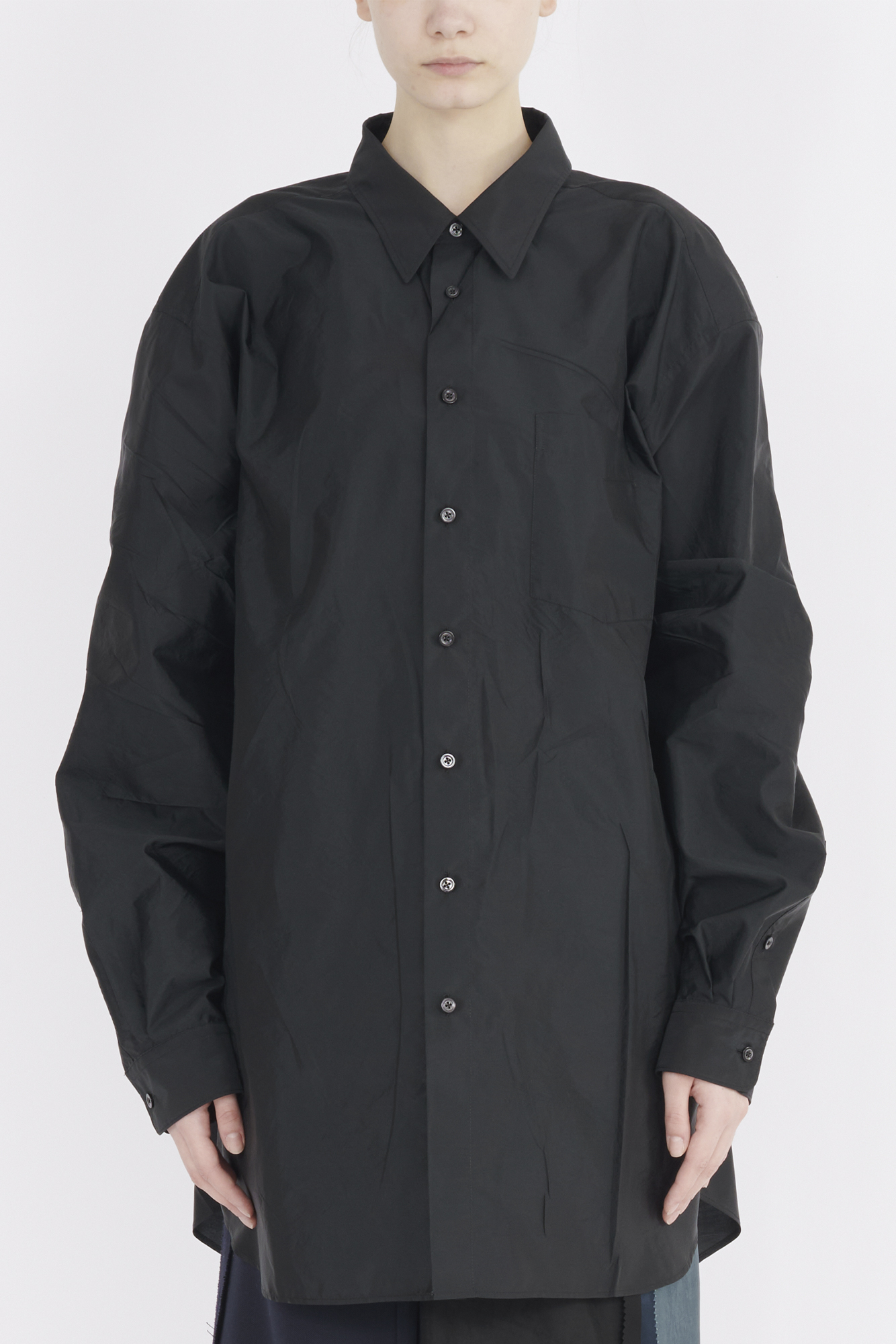
Nobody has experimented with the shirt quite like Maison Margiela. From the very beginning, Martin Margiela pushed its limits, turning pieces inside out, exposing threads, disrupting symmetry. And, radical though his ideas may have seemed at the time, Margiela wasn’t an iconoclast — quite the opposite. By deconstructing the shirt and exposing its hidden architecture, he drew attention to the craftsmanship behind high-quality tailoring. The introduction of the Replica line in 1994 — in which unique vintage pieces were meticulously reproduced and recontextualized — only reinforced that reverence. Even the most traditional-seeming Margiela shirt carries with it that essence of tailoring history.
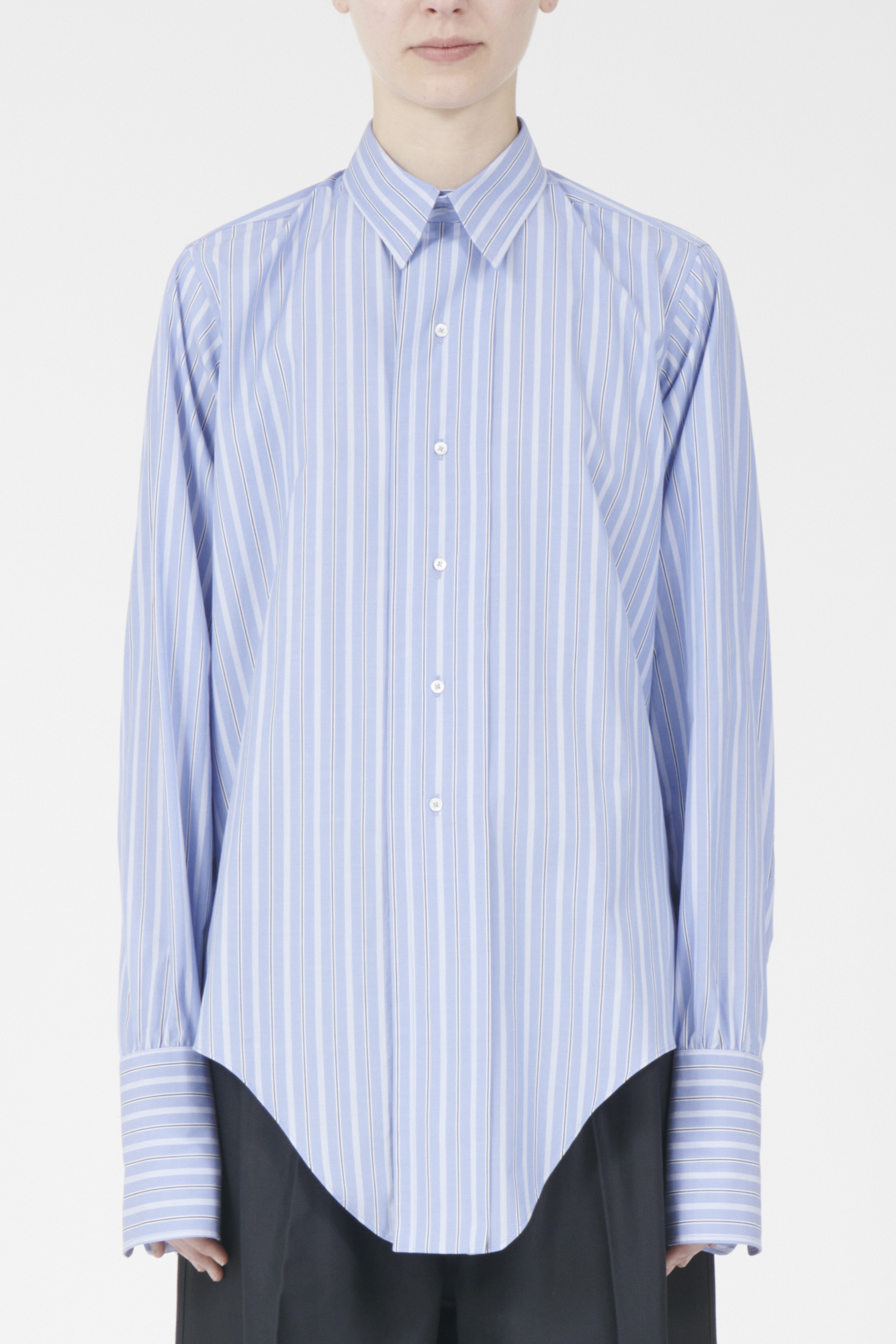
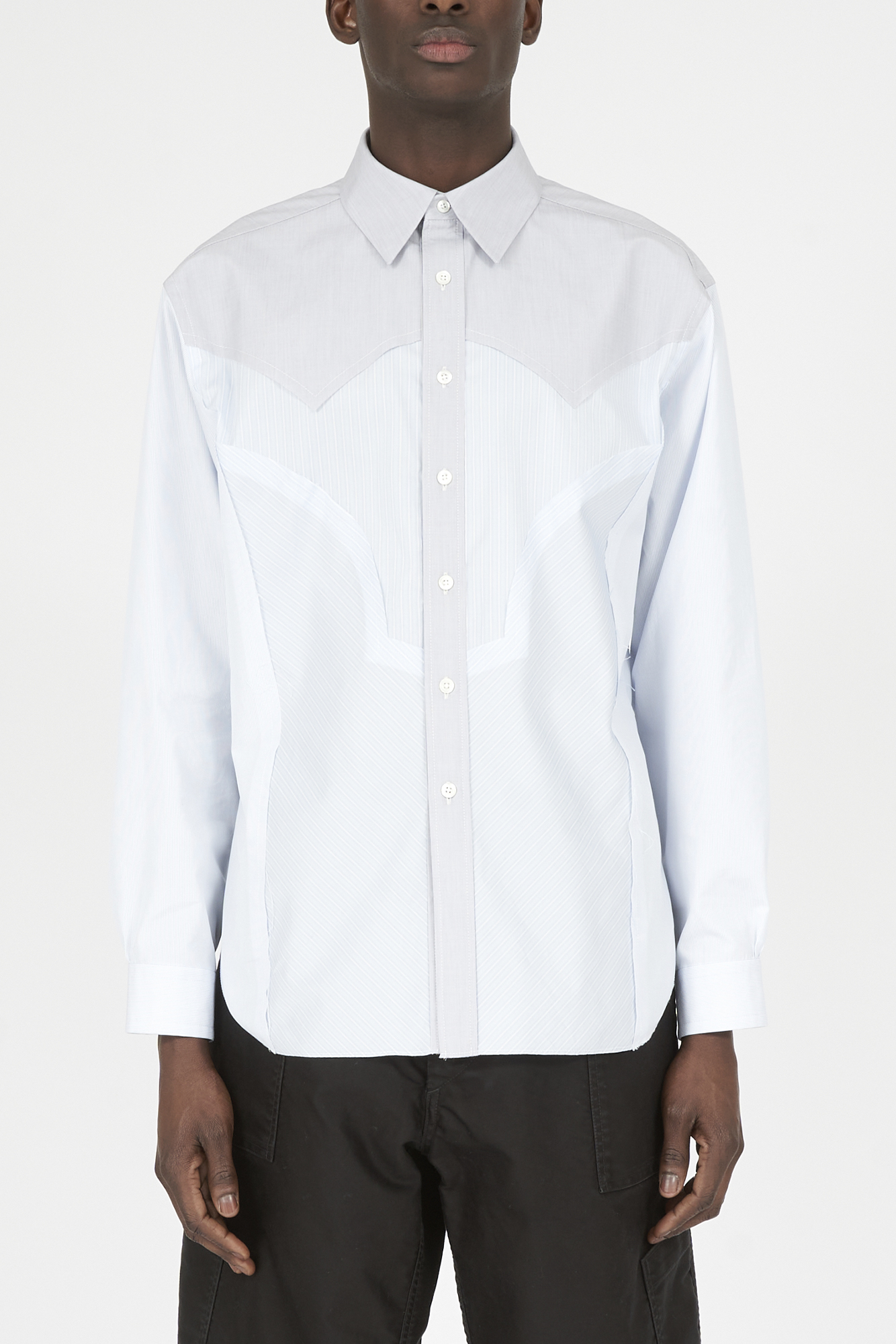
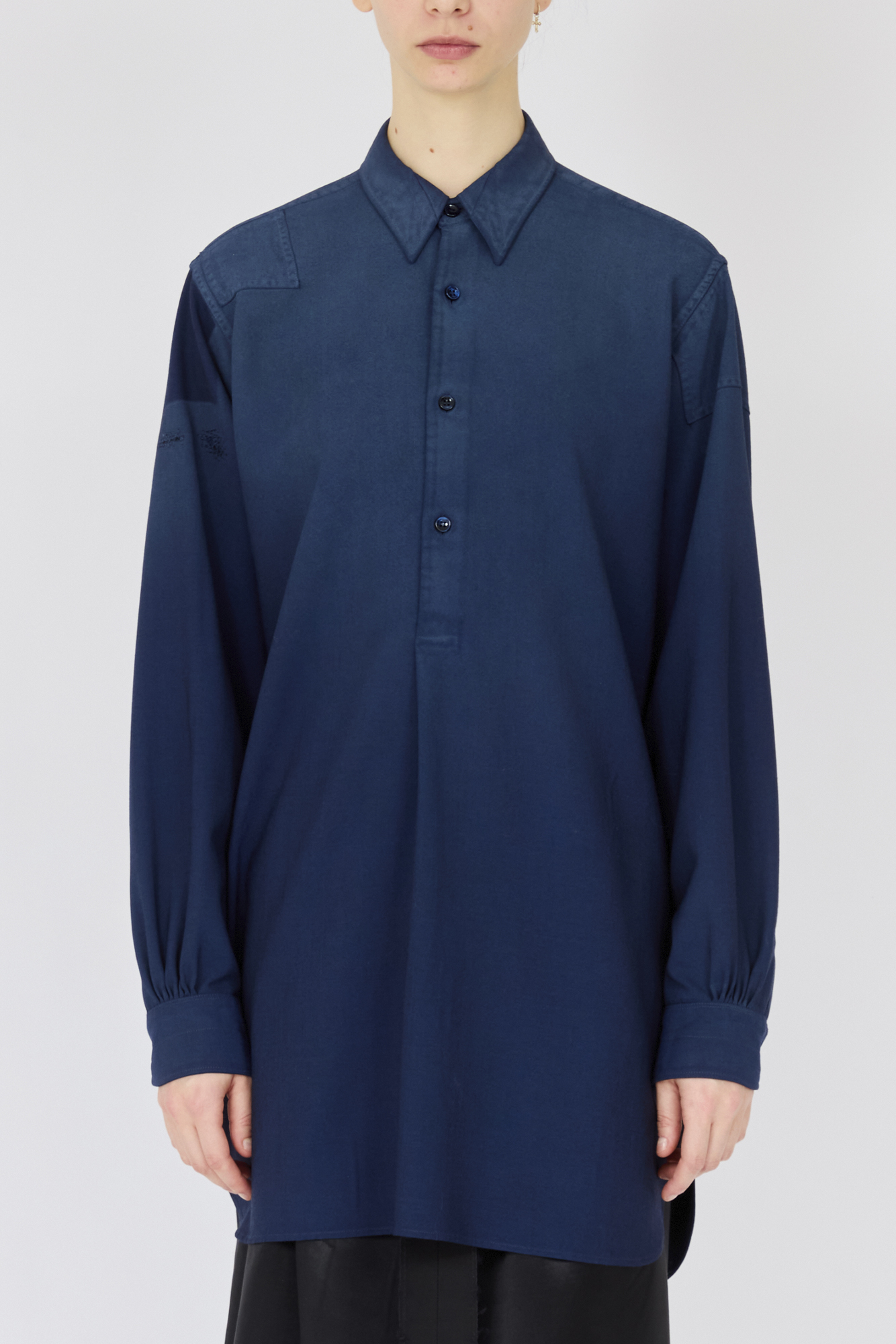
Margiela’s Fall/Winter 2025 collection continues that evolution. Many of this year’s shirts appear traditional at first glance — crisp poplins in block whites and blues, symmetrical silhouettes, all cut from cotton and linen. But just as Margiela’s more experimental shirts have told stories through exposed seams and intentionally unfinished hems, here the magic is in the details. The teardropshaped pain-front bib on a brilliant-white tuxedo shirt is flanked by a yoke more common on Western shirts than Milan runways. Scalloped hems are either dramatically exaggerated or excised entirely to create hard boundaries. Patch pockets on otherwise immaculate shirts are puckered at the seams, drawing attention to the construction.
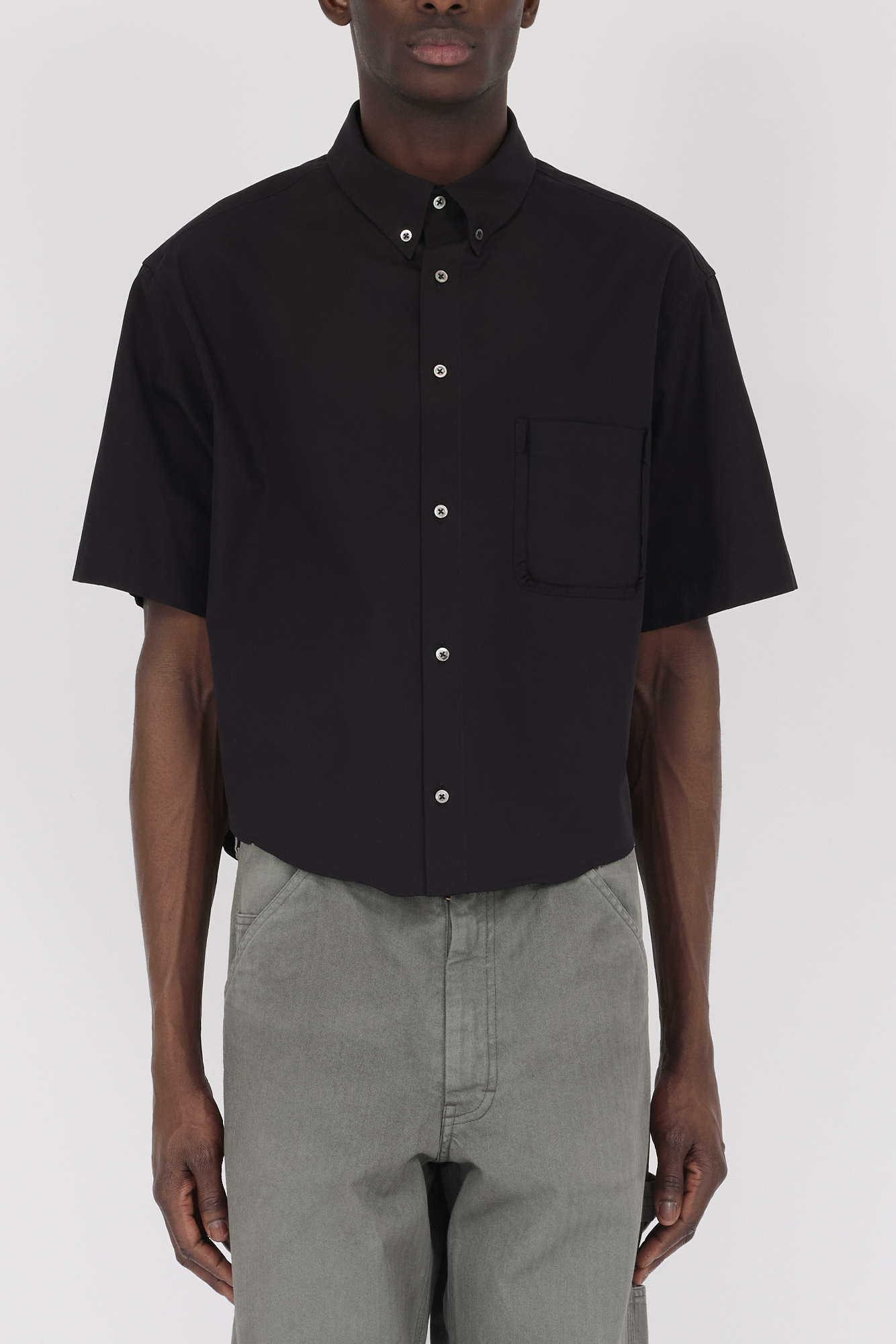
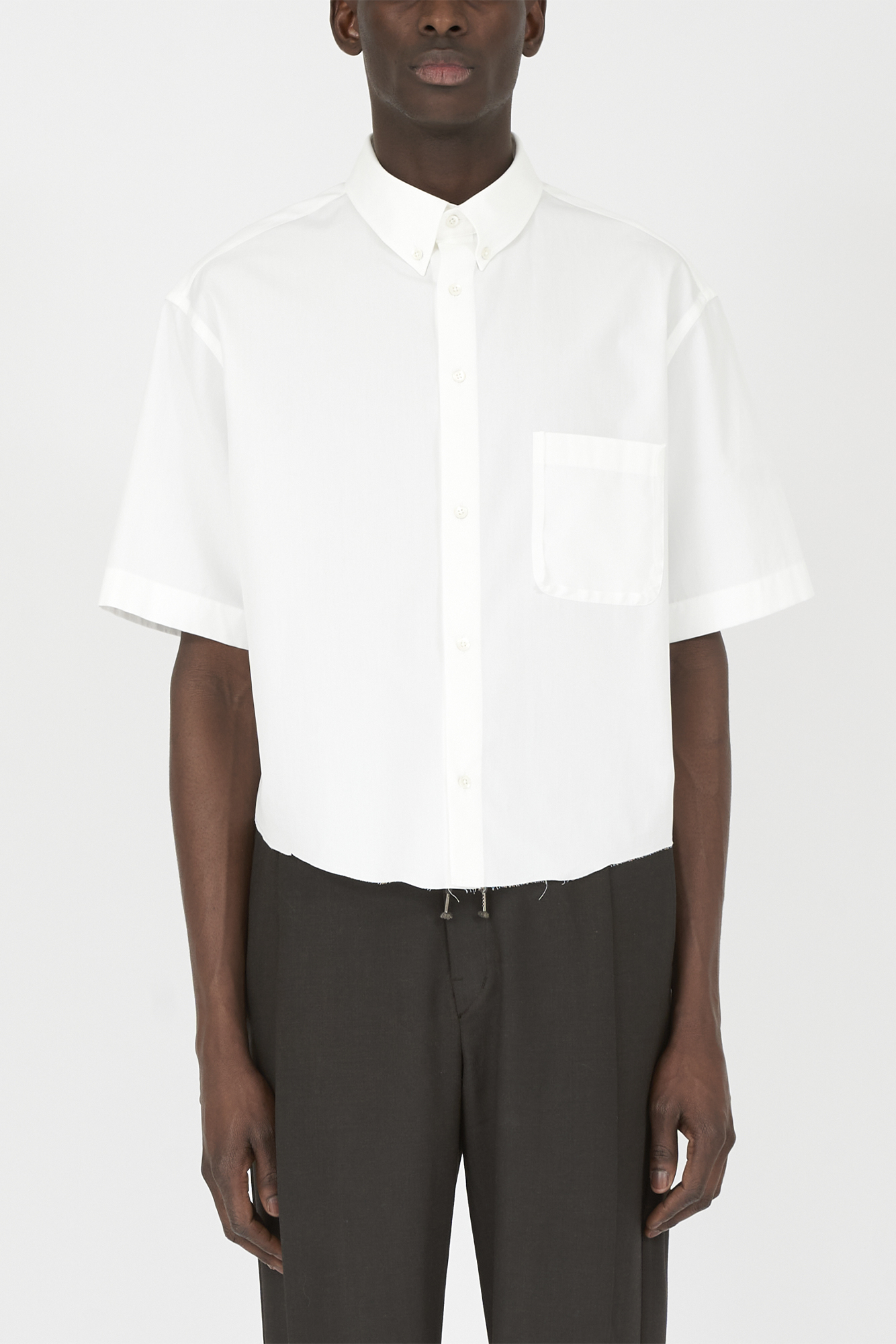
These pieces aren’t designed to draw looks from random passersby. They reward close attention, curiosity, and, at the most granular level, proximity. Above all, they retain what has set Margiela’s best pieces apart from the start: the sense that those who wear them are a part of a history that stretches back far beyond Martin Margiela himself. It’s luxury as a vehicle for legacy.