When CBC went live in 1952, it hit the airwaves running. Experimental shows abounded, including a satirical comedy called Stopwatch and Listen developed by daring producer Ross McLean. Each week, a different aspect of everyday life — from movie theatres to telephones — would be sent up in a faux-documentary format. The show flopped, badly. Later in his career, McLean recalled the project as “nothing but a trauma.”
And yet, in an interview with the Ottawa Journal in 1956, McLean coined a new word when describing his doomed comedy: “It was done in a mock documentary form. I thought, perhaps, I had invented something. A mockumentary, I went around saying, hoping the word would catch on.”
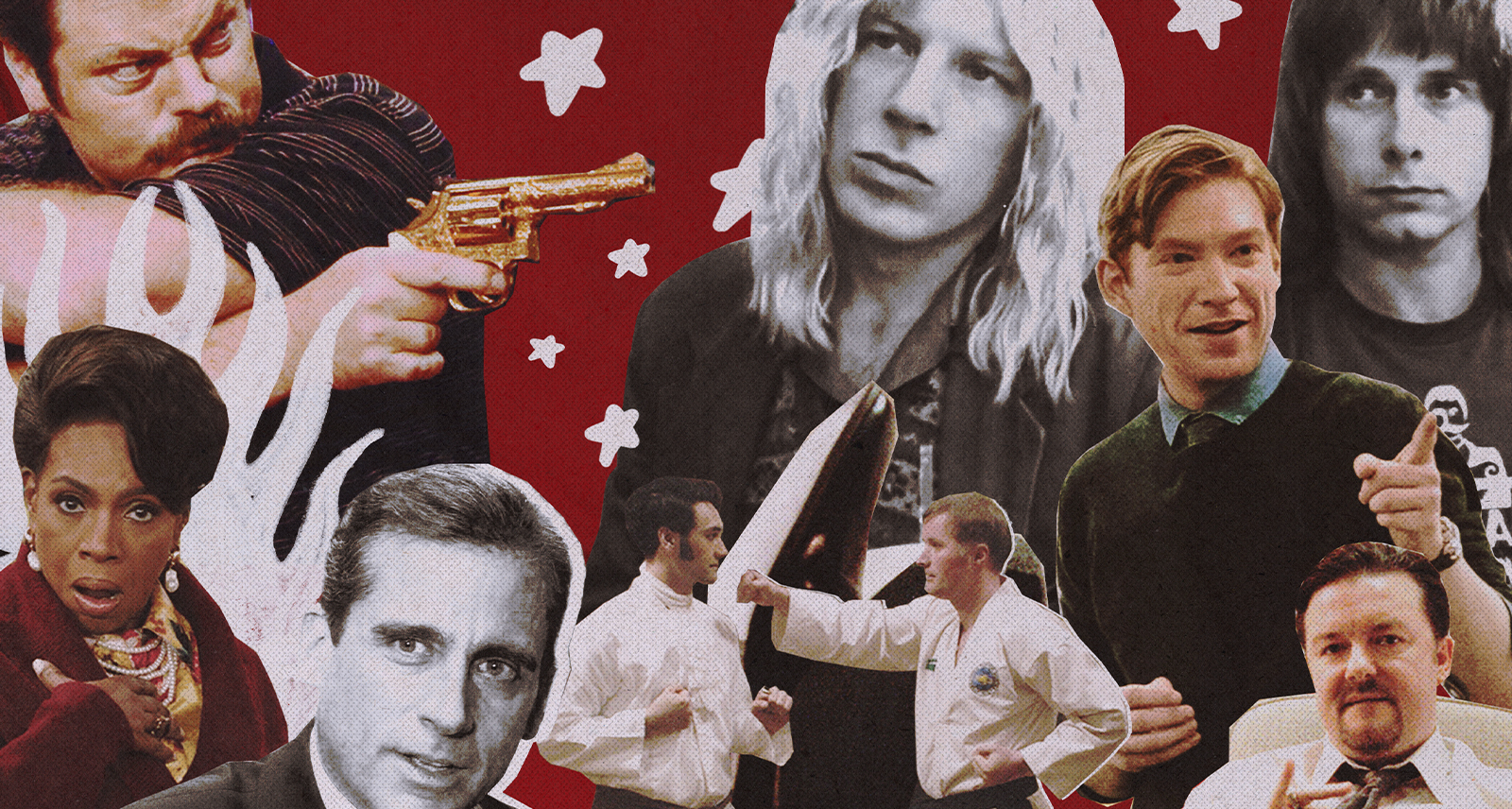
How happy McLean would be today. For, if the show tanked, the word certainly didn’t. Almost 75 years later, the mockumentary format continues to push boundaries and elicit laughs. This month sees sequels to two paragons of the self-aware form: The Paper, a follow-up to the U.S. version of The Office, and a continuation of 1984’s This Is Spinal Tap — widely regarded as the best mockumentary ever made.
“People are responding to the spontaneity and immediacy. The process itself is a musical process of improvising.”
Christopher Guest on the allure of mockumentaries
The seminal “rock-mock” established music-based mockumentaries as a stand-alone genre. Through the 2010s, we saw Joaquin Phoenix’s ersatz efforts to reinvent himself as a hip-hop star in I’m Still Here, The Lonely Island in the lewd and crude Popstar: Never Stop Never Stopping, and Ricky Gervais in David Brent: Life on the Road, a cinematic spin-off of The Office, the television show that popularized the form on the small screen.
Gervais’s 2001 sitcom revitalized the format. Not only was The Office remade in 15 countries (from Chile to the Czech Republic), but it also influenced the style and success of Modern Family, Parks and Recreation, and Abbott Elementary. FX’s recently-concluded What We Do in the Shadows was a spinoff from a 2014 mockumentary of the same name from Taika Waititi, who commented during that original film’s press tour that he “really liked films like Spinal Tap, and those Christopher Guest documentaries.”
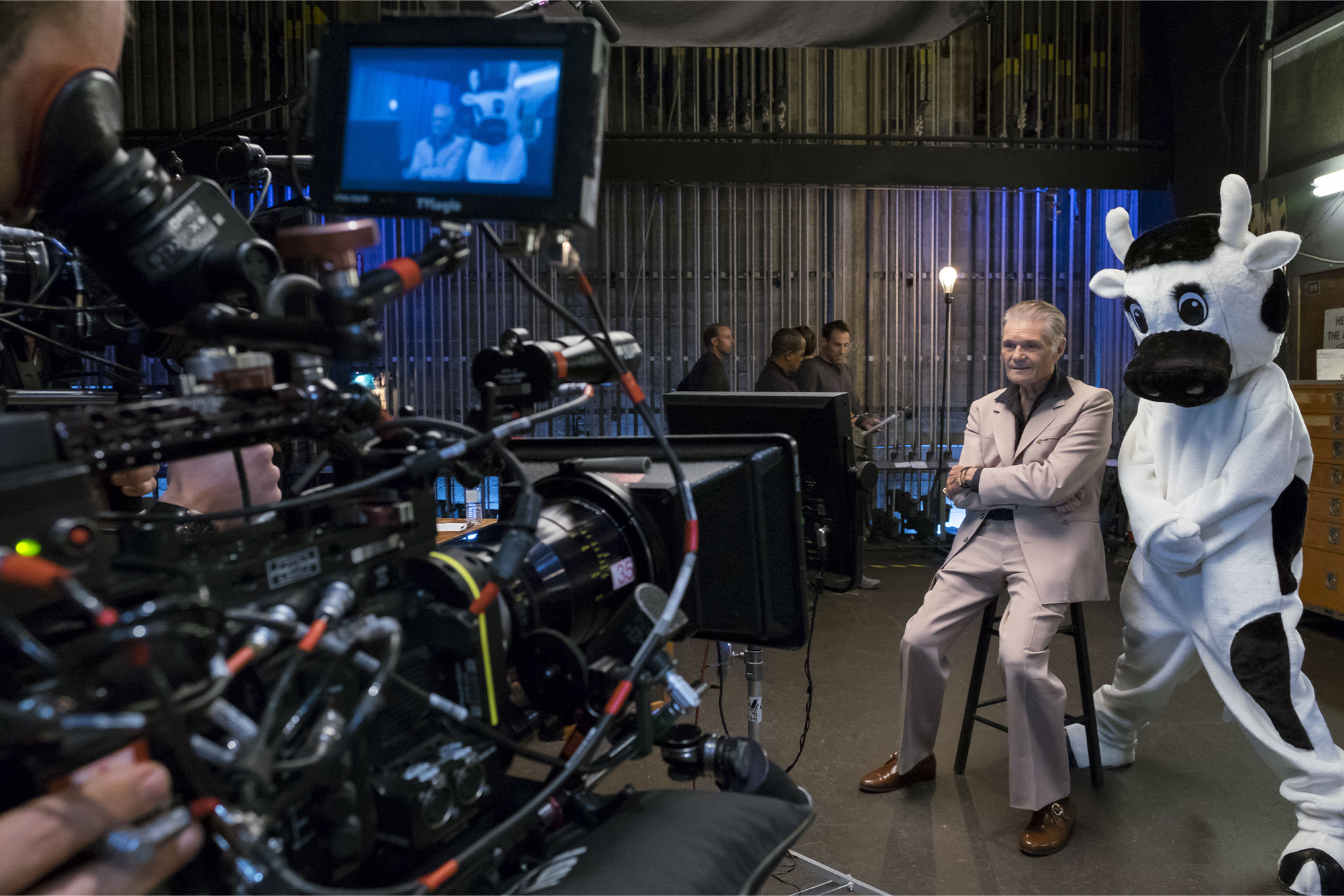
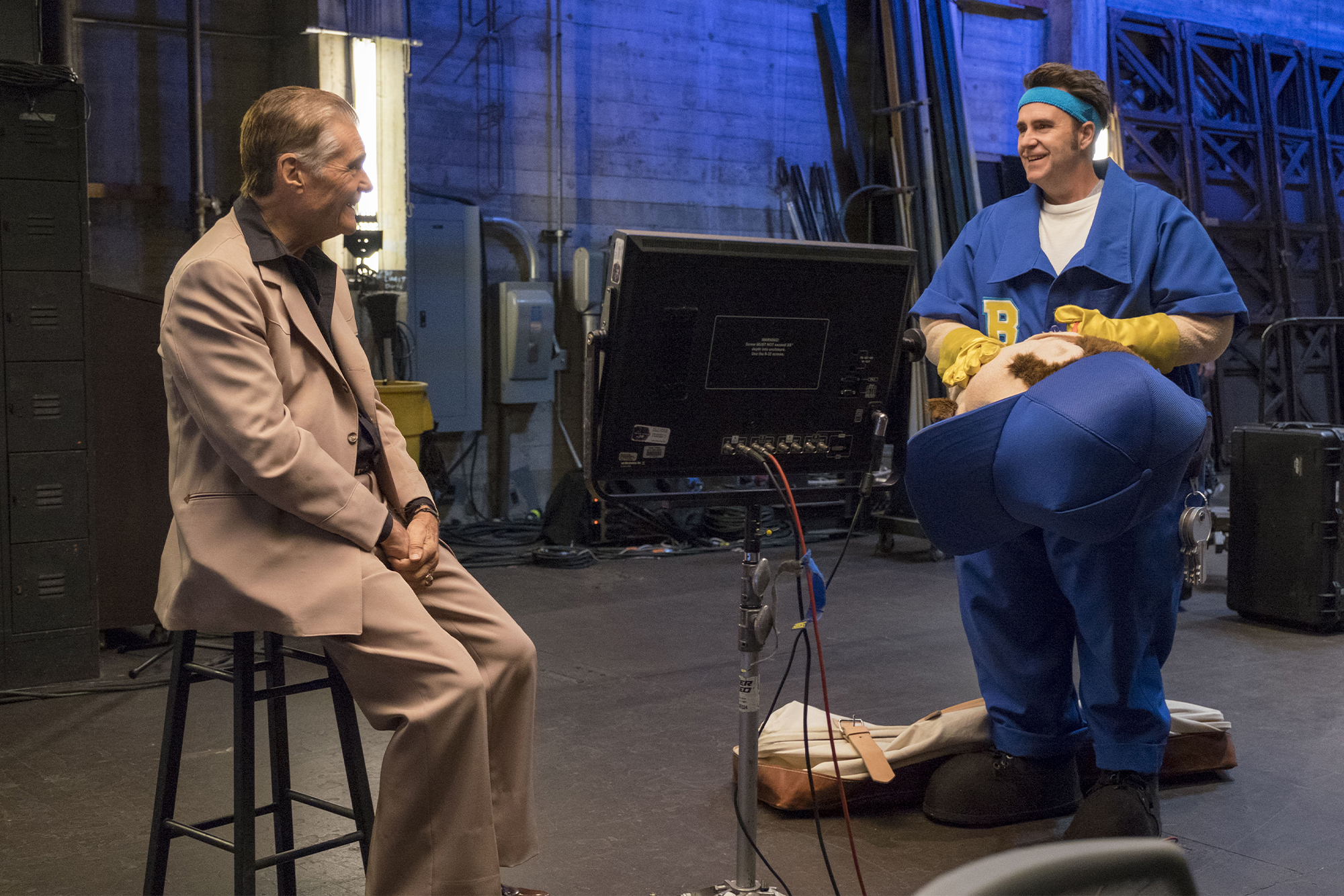
Guest, who co-created Tap’s titular, tongue-in-cheek metalheads, is the master of the genre. His films, from Best in Show to For Your Consideration, have lampooned dog shows, awards seasons, and sports mascots. In 2003, A Mighty Wind saw him turn his cameras toward music once more, spoofing the folk scene. But Guest has long compared making mockumentaries to making melodies. “People are responding to the spontaneity and immediacy,” he said in 2000. “The process itself is a musical process of improvising. Think about the way jazz people play. You hold back, some people solo and then some people chime in.”
Performances, however, are just one piece of the deadpan puzzle. Unlike other genres, mockumentaries demand a different visual language, one that creates an illusion of genuine life. Testimonials and talking heads allow actors to break the fourth wall. Characters can openly reveal their emotions and motivations to audiences. Throw in shaky hand-held shots and on-the-fly framing, and things soon really do feel real.
Comedy also comes easier when authenticity is achieved. An eye roll to camera. A stumble. A mistimed entrance. In other formats, they’d feel staged — but in these projects, they work. That’s not to say making mockumentaries is easy. Orlando Bloom’s boxing comedy, The Calcium Kid, didn’t land, and last year’s short-lived, Steph Curry–starring Mr. Throwback on Peacock missed the mark.
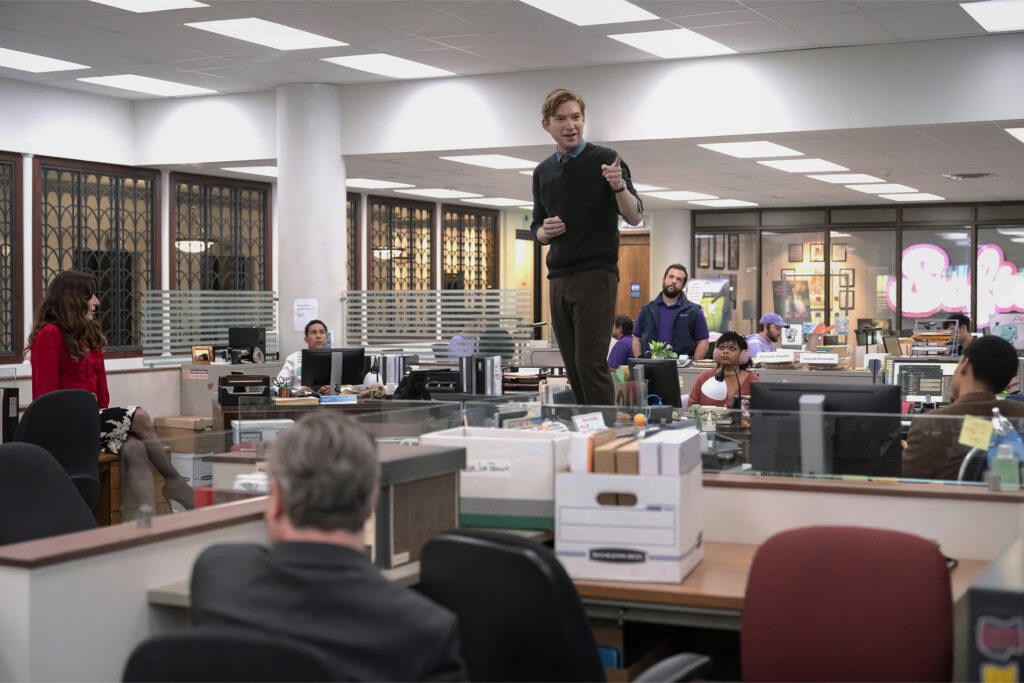
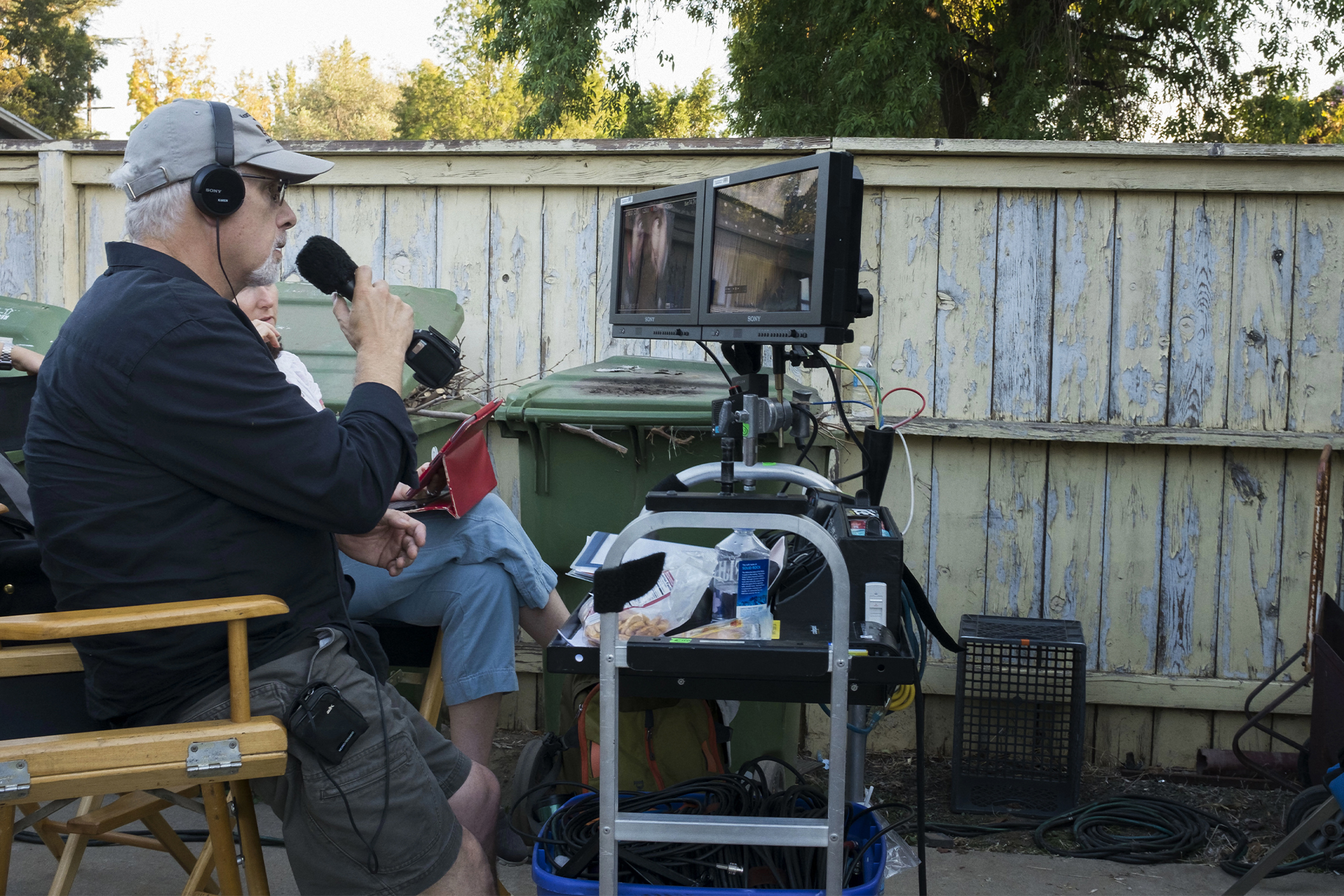
The Paper will also drop on Peacock. Series creator Greg Daniels recently told The Hollywood Reporter that he was excited about returning to the mockumentary format, but he has also frequently admitted how tricky it was to pin down the visual style of The Office. For that sitcom, Daniels enlisted a camera operator from Survivor, strapping a camera to his shoulder. The operator would often “miss” characters delivering their lines and capture so-called “dirty shots,” obstructed by objects, or featuring too many people in frame.
Most mockumentaries have a similar playbook; Christopher Guest leans heavily on long takes, minimal lighting, and ambient noise to up the realism — tactics which will be turned up to 11 in Spinal Tap II: The End Continues, which features cameos from real-world celebrities Paul McCartney and Elton John, even further blurring the line between reality and musical make-believe.
So, what does the future hold for the mockumentary? More music, initially. Next year, Charli XCX will play a fictionalized pop star counting down the days to her first major tour. And, this month, a film spinoff of cult Toronto TV show, Nirvanna the Band the Show, hits cinemas. It’s proof that what began on the Canadian small screen in 1952, albeit as a flop, has become a format that thrives on imperfection (and the odd catchy tune) — where bad lighting, off-kilter shots, and the occasional eye roll aren’t mistakes, but the best punchlines of all.
Featured illustration by Claudine Derken.