MUBI x SHARP
It started with a short story. Ben Shattuck authored The History of Sound: Stories — published in 2024 — as a collection of twelve intertwining tales that take place throughout rugged, romantic landscapes and melancholy shores of the northeastern United States and Canadian Maritime provinces. Envisioning the collection as “a duet” between contemporary writers and those of the past, Shattuck characterizes research as a time machine, linking past and present through shared stories. It’s fitting, then, that The History of Sound features Paul Mescal and Josh O’Connor — whom Mescal dubs “the oldest soul that I know” — in its film adaptation. Working in tandem, the two actors animate Shattuck’s story for the screen, infusing somber scenes with moving song.
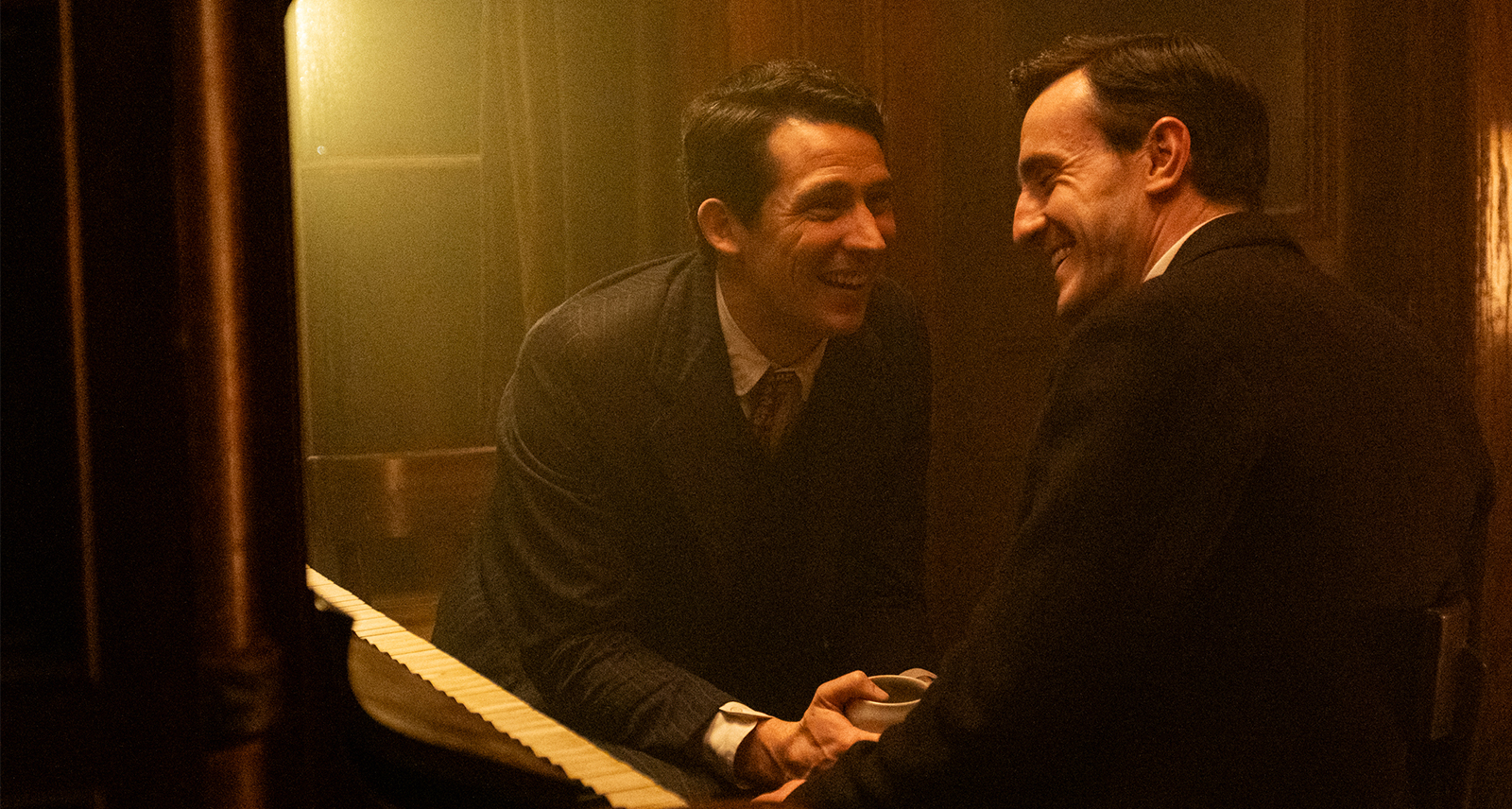
Set in the midst of World War 1, The History of Sound begins with its two leads, Lionel (Mescal) and David (O’Connor), as students at the New England Conservatory. Propelled by piano chords and the narrative, literary lyrics of folk songs, their connection is instant. When the draft inevitably puts distance between the two men, the film ventures south to Kentucky, where Lionel’s family works on a farm. Removed from the central relationship, the historical-romance film explores its shadow; the film demonstrates how romance, as a genre, endures in the absence of a partner.
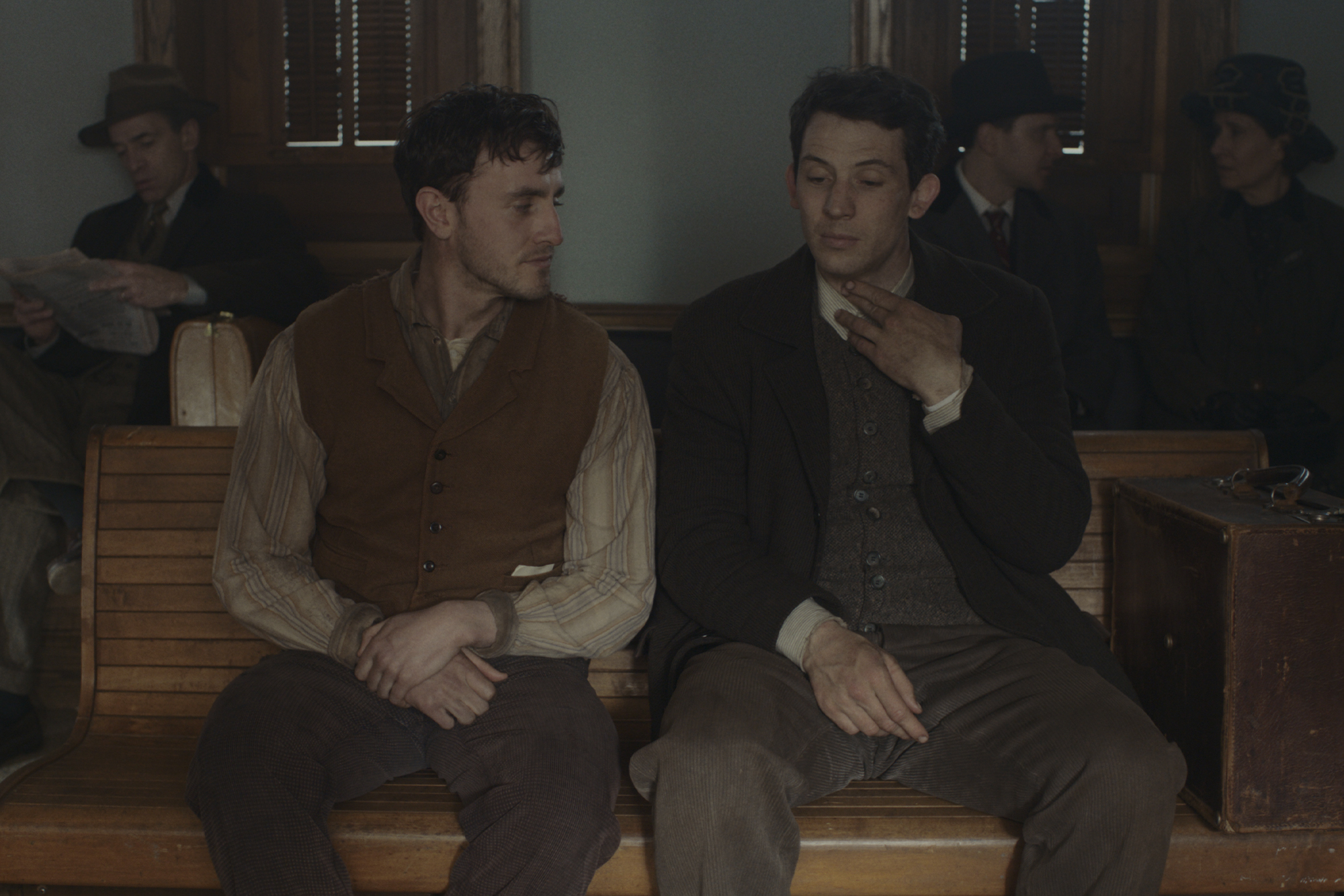
In “The History of Sound,” Josh O’Connor & Paul Mescal Offer A Poetic Performance
Still from “The History of Sound,” courtesy of MUBI.


In “The History of Sound,” Josh O’Connor & Paul Mescal Offer A Poetic Performance
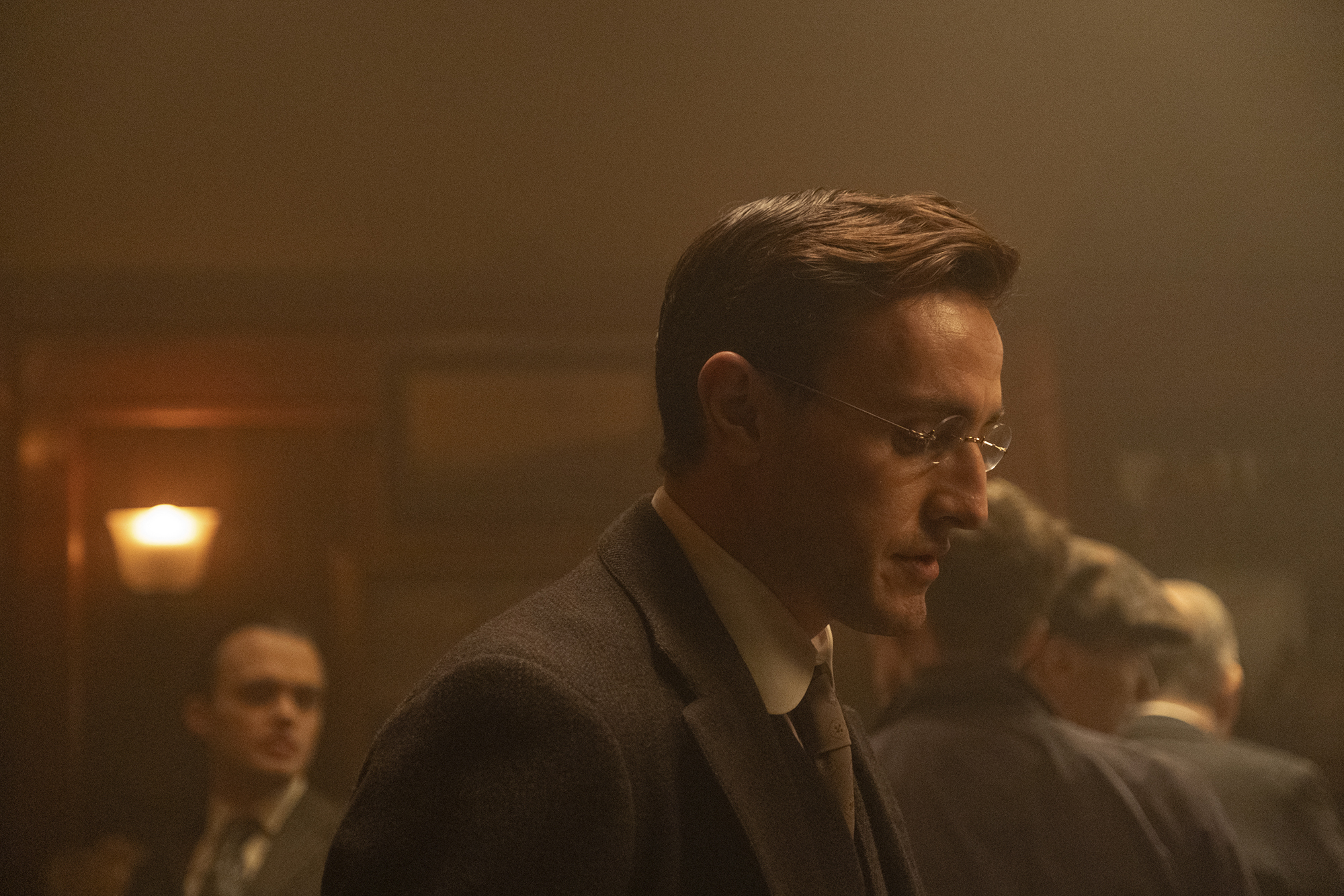
Still from “The History of Sound,” courtesy of MUBI.
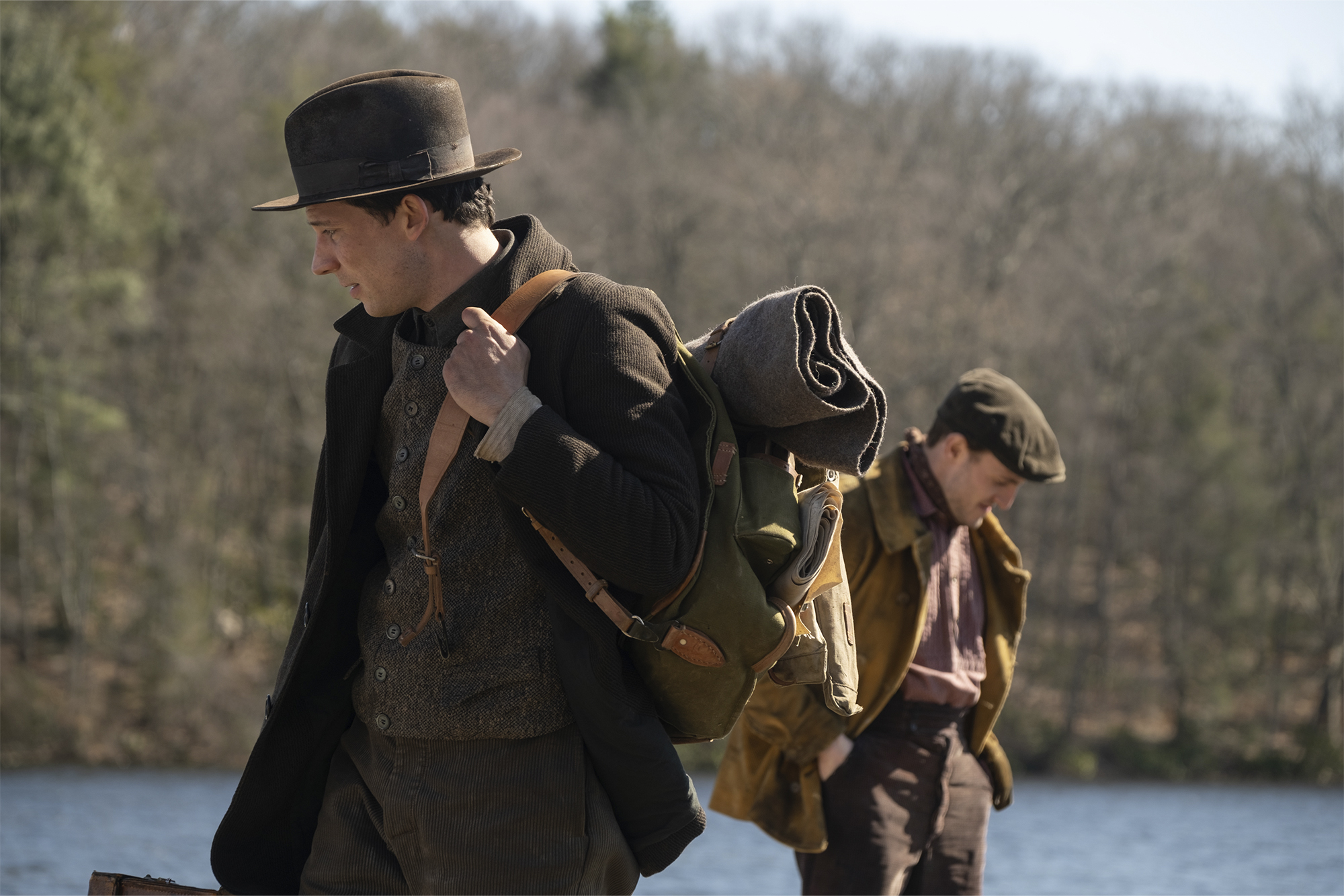
In “The History of Sound,” Josh O’Connor & Paul Mescal Offer A Poetic Performance
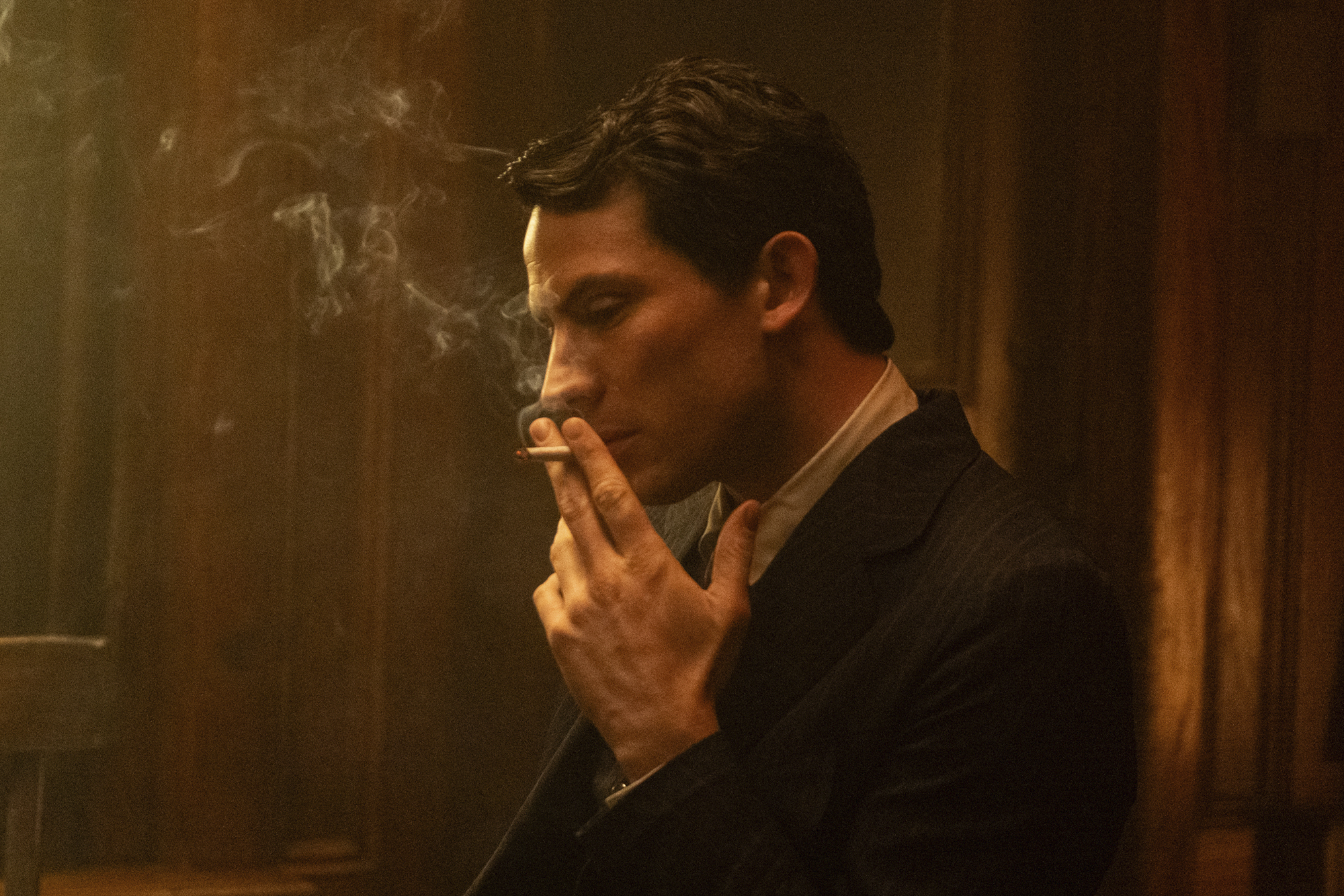
Still from “The History of Sound,” courtesy of MUBI.

In “The History of Sound,” Josh O’Connor & Paul Mescal Offer A Poetic Performance
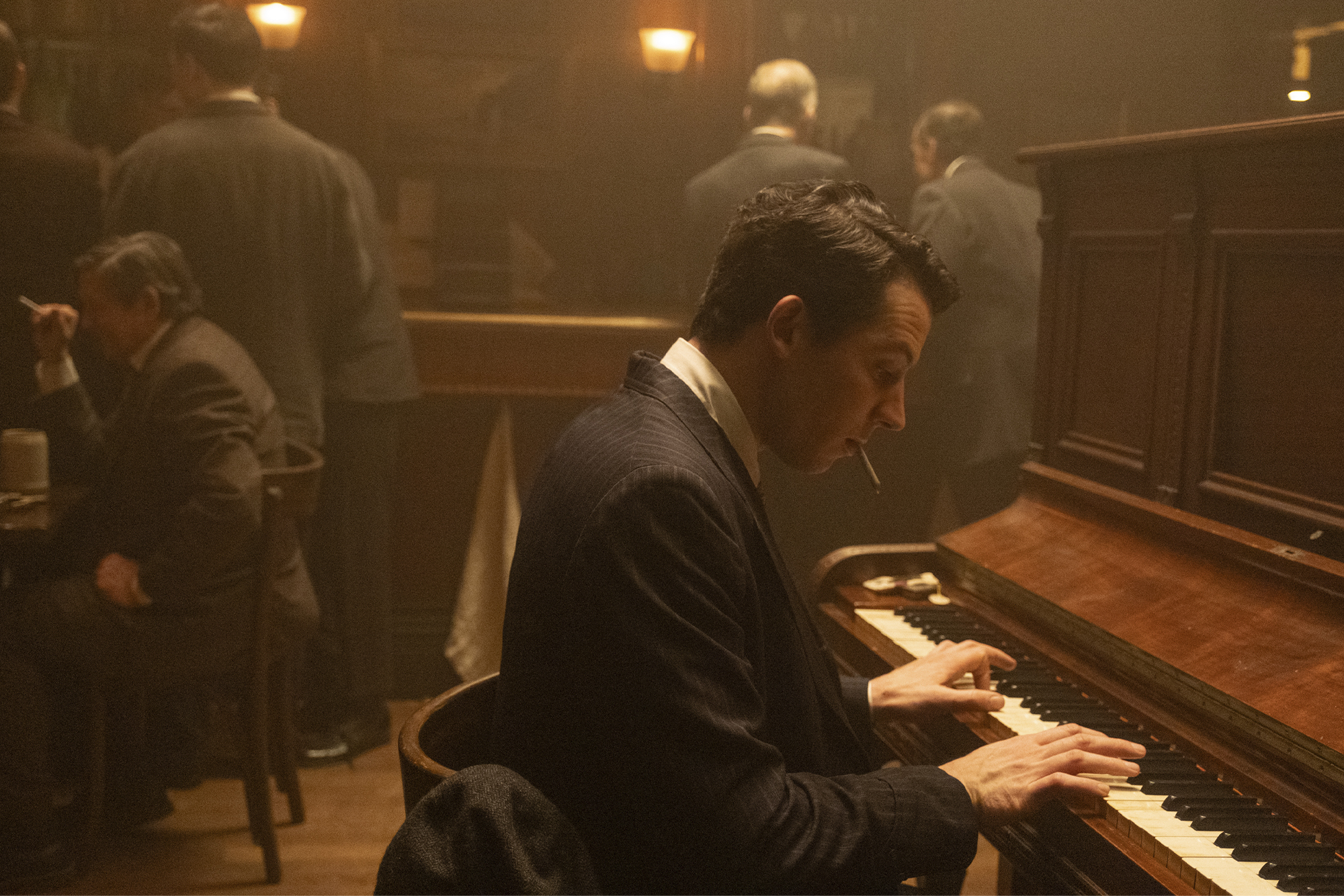
Still from “The History of Sound,” courtesy of MUBI.
In fact, this inversion communicates the character of the film: instead of a bombastic, action-packed arc, the story unfurls through subtleties — its lingering scenes leave room for reflection. Even when the pair reunite for a song-collecting sojourn, recording various folk music across the country, their dynamic is demonstrated through nuance.
Perhaps, given the opening line of “Silver Dagger” — the first song to be featured in The History of Sound — the film’s pensive pace is to be expected: Don’t sing love songs, you’ll wake my mother, sings Lionel, She’s sleeping here, right by my side. Though Lionel is cheerful as he performs, these lyrics foreshadow the tension between family pressure and romantic partnership that underscore the story.
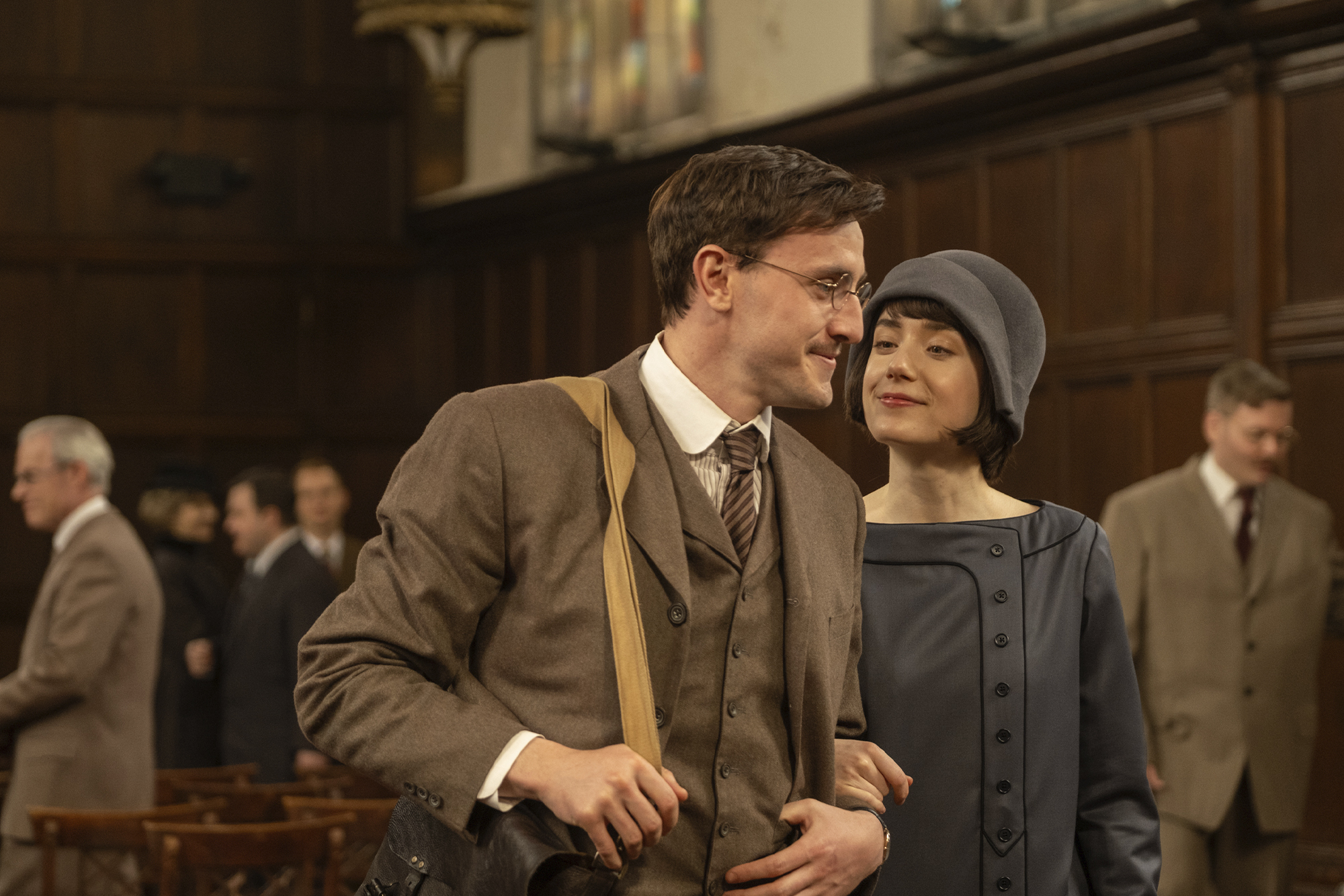
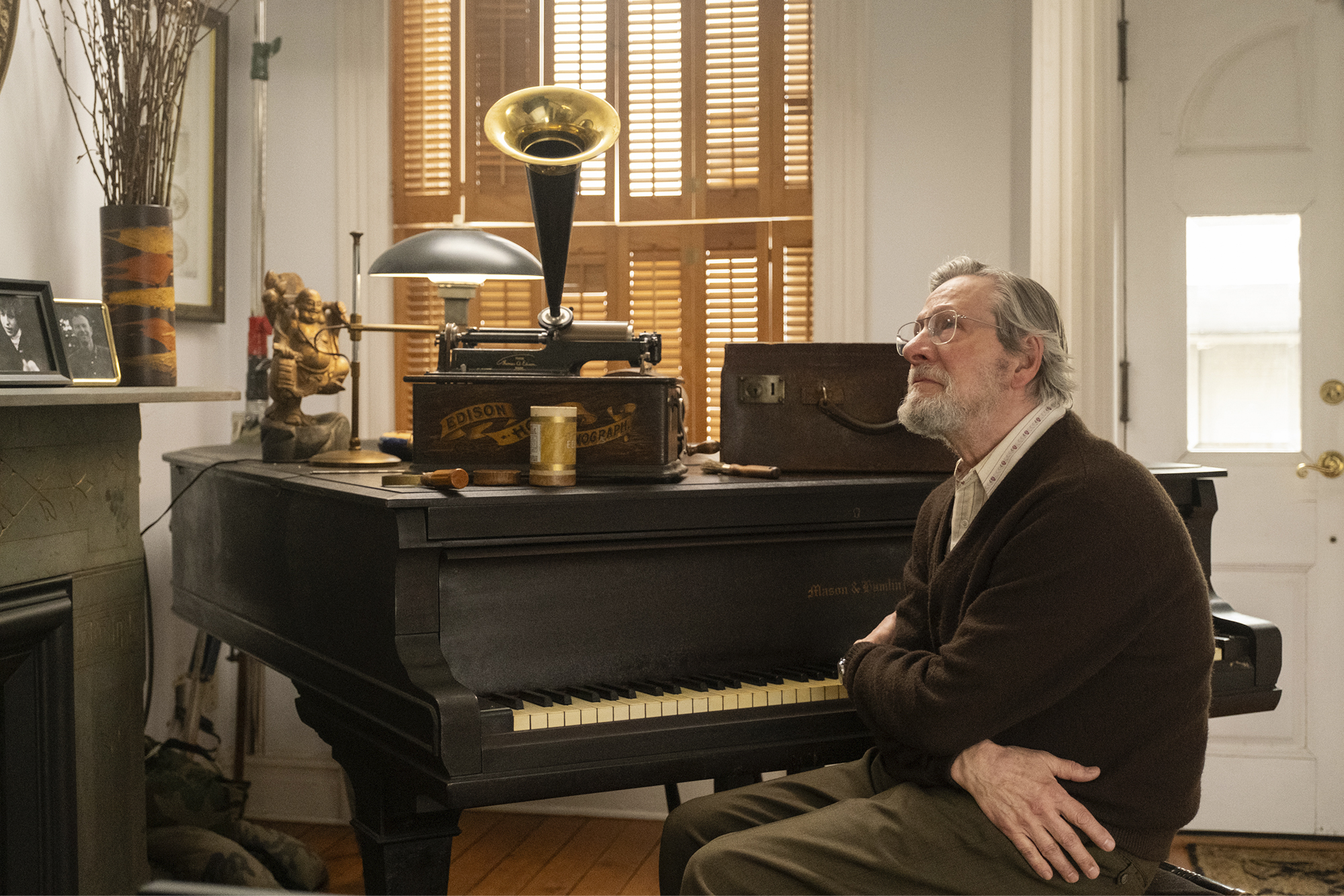
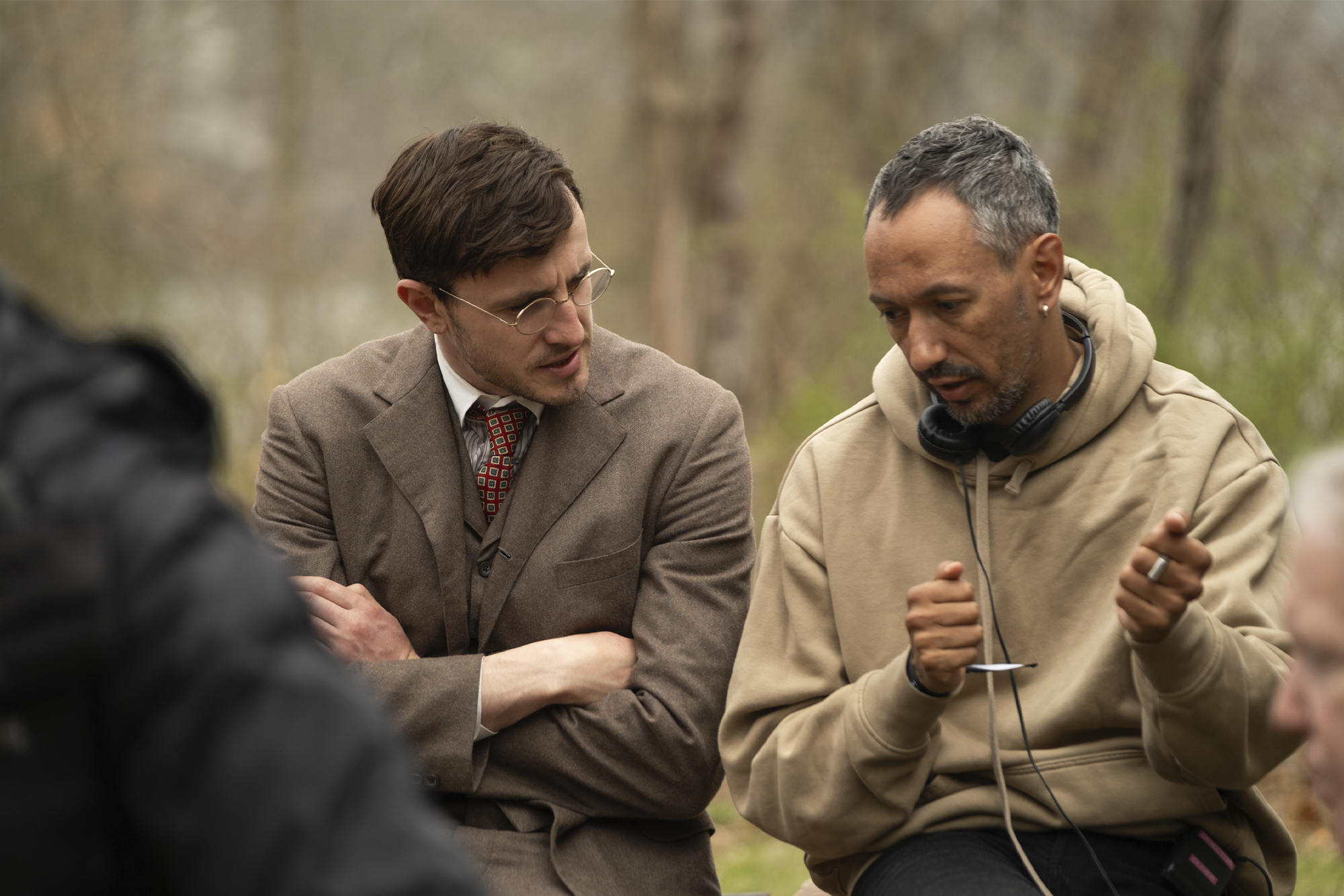

Alongside an expectedly-brilliant score, The History of Sound offers a moving visual narrative. Nostalgic costuming includes deep side parts, white button-ups and vests; indoors, there is plenty of candlelight and dark wood furniture. Romance reveals itself through handwritten notes and feathers falling from a pillowcase. Coupled with passionate performances by O’Connor and Mescal, the effect is quiet, poetic, and raw.
The History of Sound is now in cinemas. Learn more about the film on MUBI.