<< Back to Ralph’s Club | SHARP
The Night Shift: 4 Creatives on Artistic Practice & All-Nighters
/
SHARP x RALPH’S CLUB NEW YORK
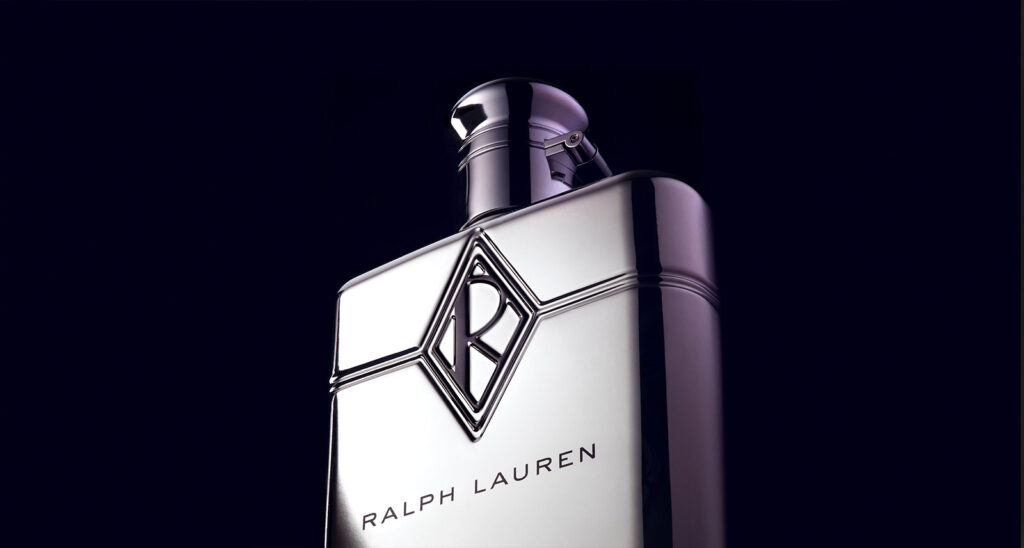
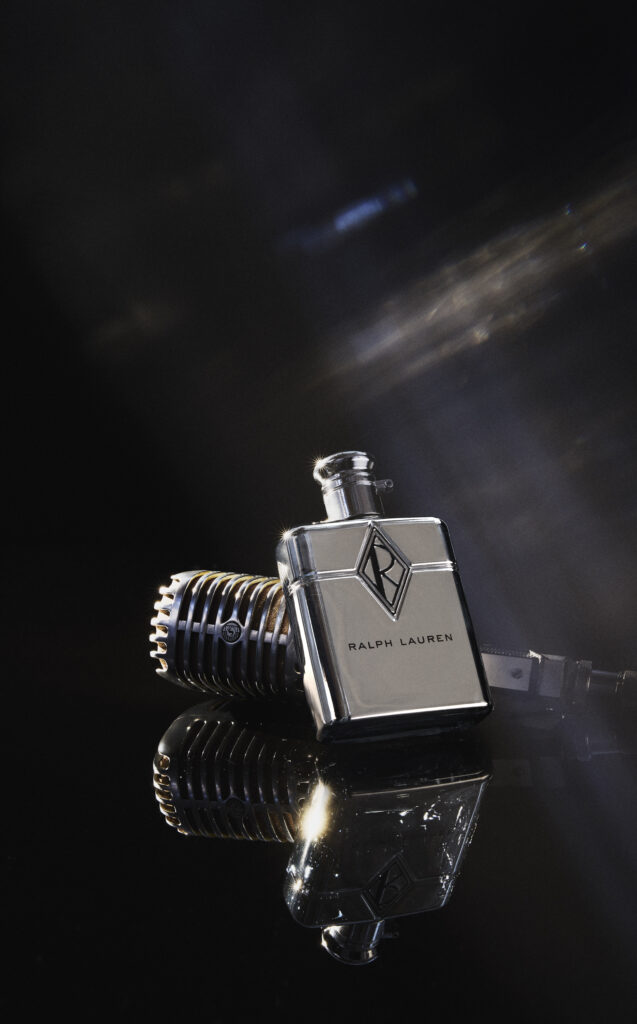
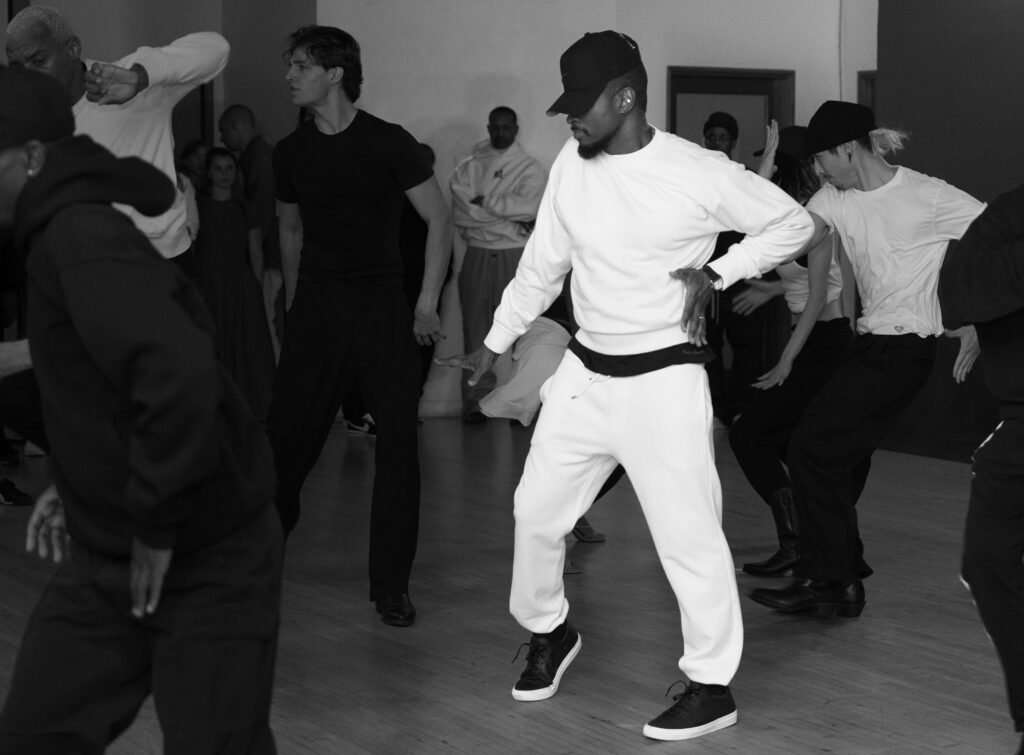
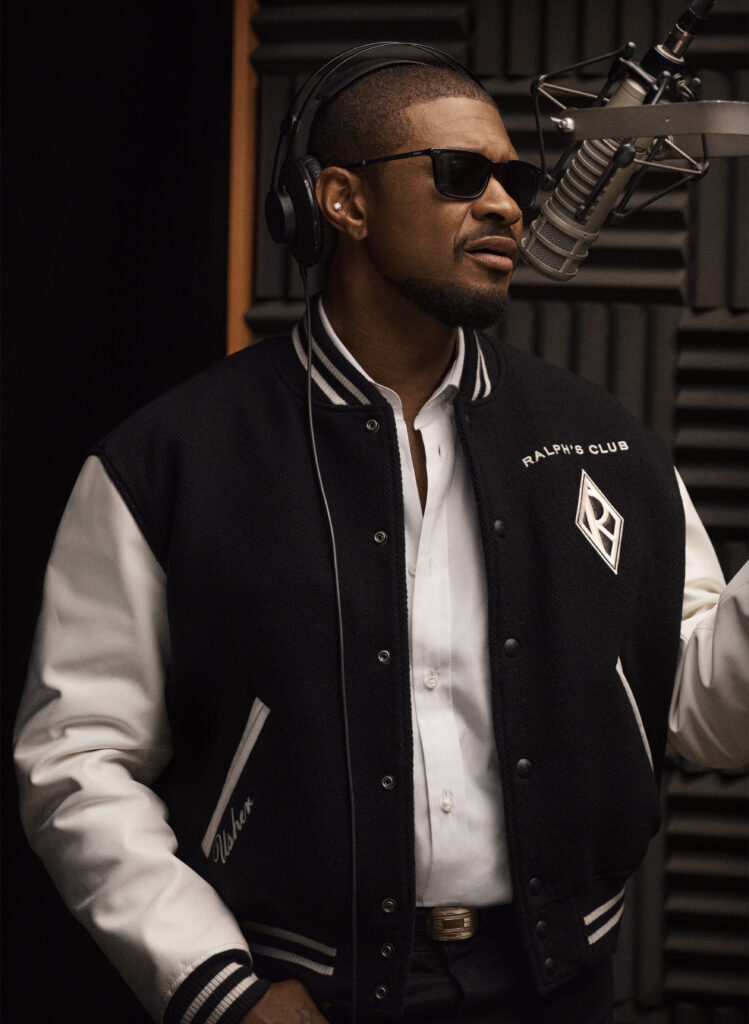
Creativity isn’t confined by the clock. It shouldn’t be bound by convention or limited in scope. At its best, the same can be said for cologne; a signature should be as dynamic as those who wear it. That was the vision behind the historic team-up between Ralph Lauren Fragrances and Usher, a captivating collaboration that led to the launch of Ralph’s Club New York: a new scent that celebrates nightlife, boldness, and New York City.
“Ralph’s Club New York EDP smells intoxicating and enticing,” say Senior Perfumers Nadège Le Garlantezec and Shyamala Maisondieu. “It’s a bold scent that balances vertigo and magnetic attraction.” With descriptors like these, the fragrance elicits the same sense of excitement and opportunity that Usher, the new face of Ralph’s Club New York, captured with hits like Yeah! and DJ Got Us Fallin’ In Love. With an impressive nine number one hits to his name, the R&B superstar’s signature songs remain on heavy rotation from dusk to dawn.
As Usher would attest, however, nightlife represents more than festivities. For artists of all stripes, inspiration often strikes outside of the typical nine to five. With longer nights on the horizon, we spoke to a slew of designers and artists to learn how the electric early-morning atmosphere allows creativity to bloom.
Kevin Chan & Samer Shaath: Co-Founders and Partners at Nivek Remas
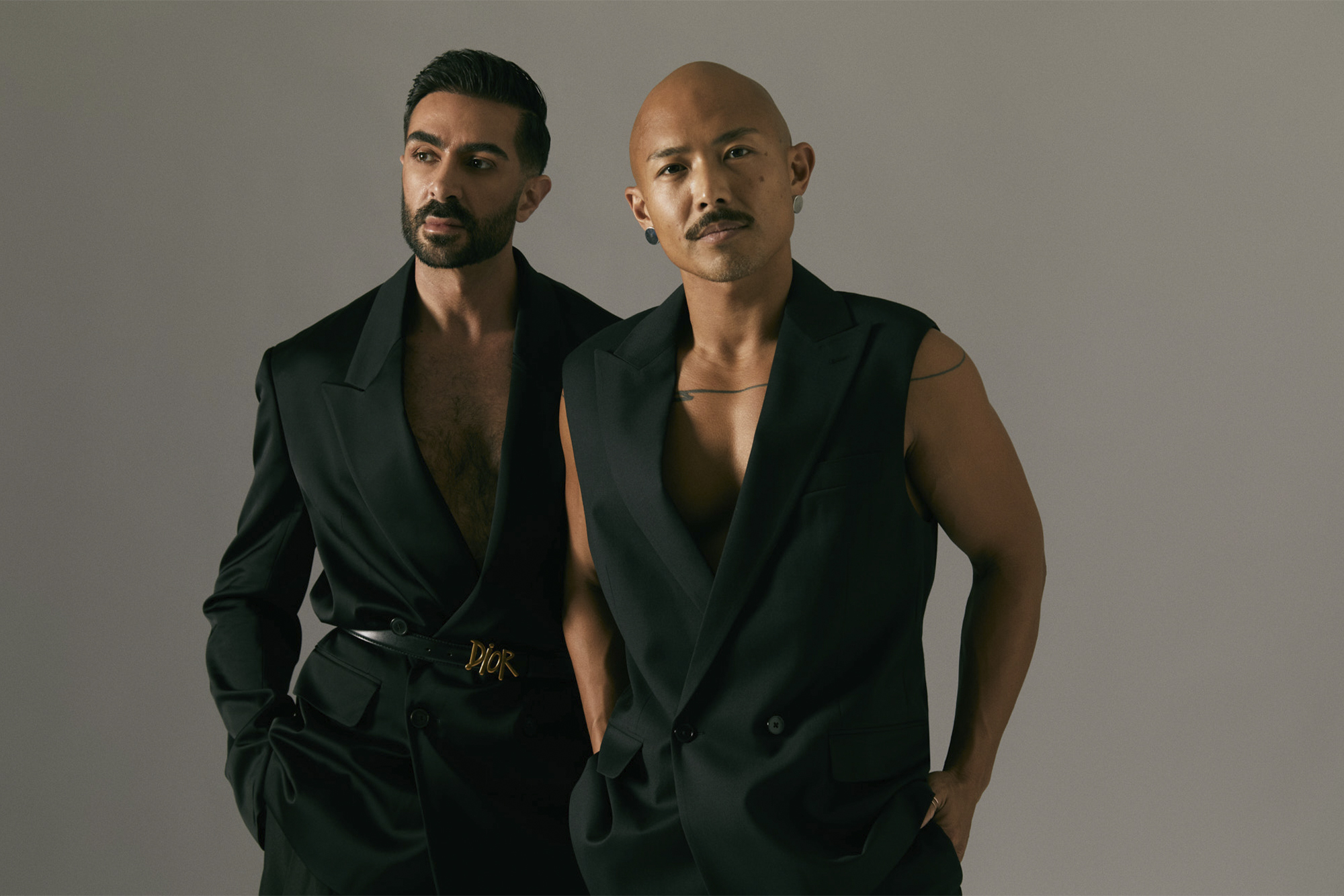
Nivek Remas co-founders and partners, Kevin Chan & Samer Shaath
Kevin Chan & Samer Shaath.

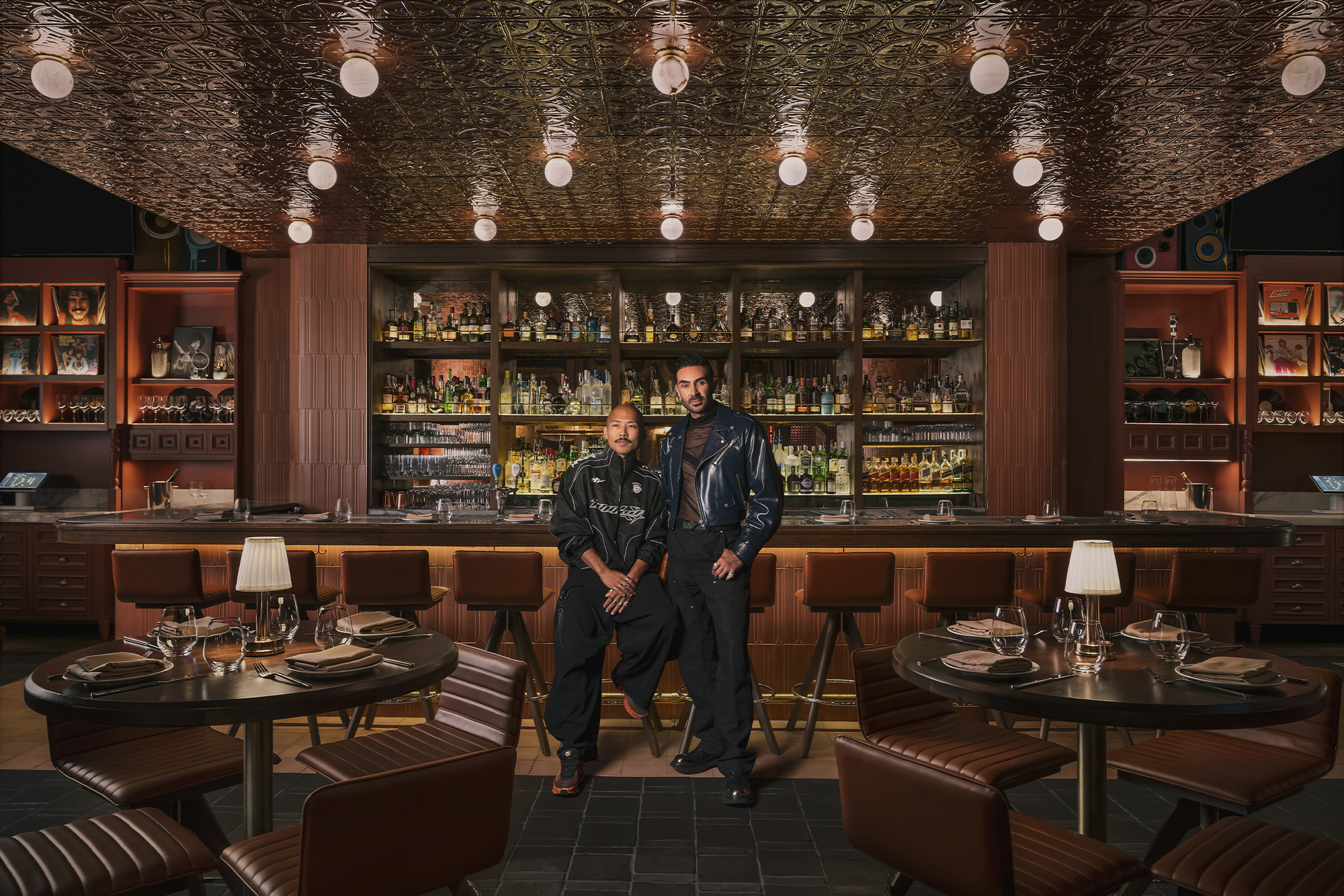
Nivek Remas co-founders and partners, Kevin Chan & Samer Shaath
Vinny’s, designed by Nivek Remas.
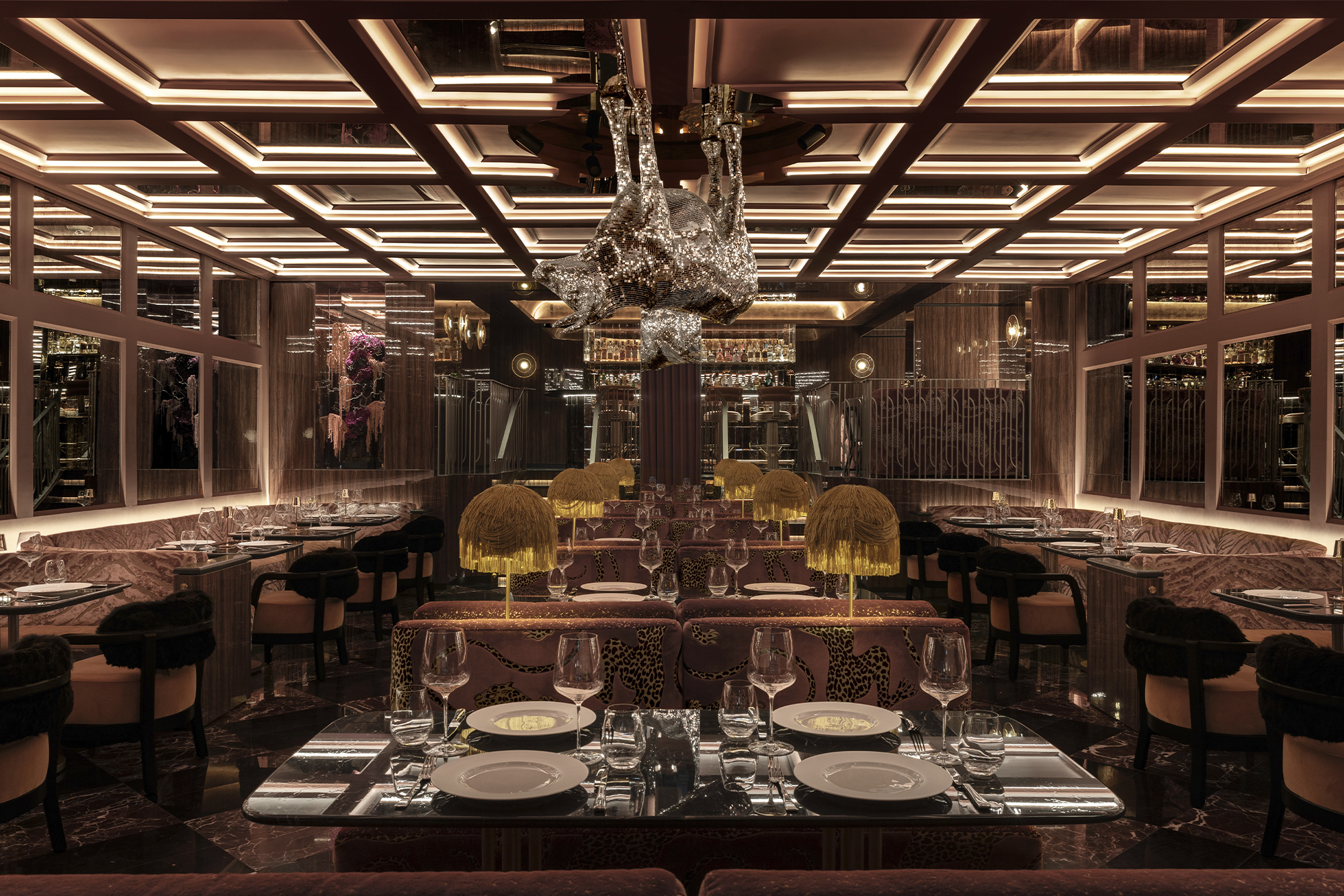
Nivek Remas co-founders and partners, Kevin Chan & Samer Shaath
Animl Steakhouse, designed by Nivek Remas.
Nivek Remas co-founders and partners, Kevin Chan & Samer Shaath
Animl Steakhouse, designed by Nivek Remas.
Nivek Remas co-founders and partners, Kevin Chan & Samer Shaath
Bar Chica, designed by Nivek Remas.

Nivek Remas co-founders and partners, Kevin Chan & Samer Shaath
Kevin Chan & Samer Shaath.
Can you tell us a bit about your current work and what your creative practice looks like?
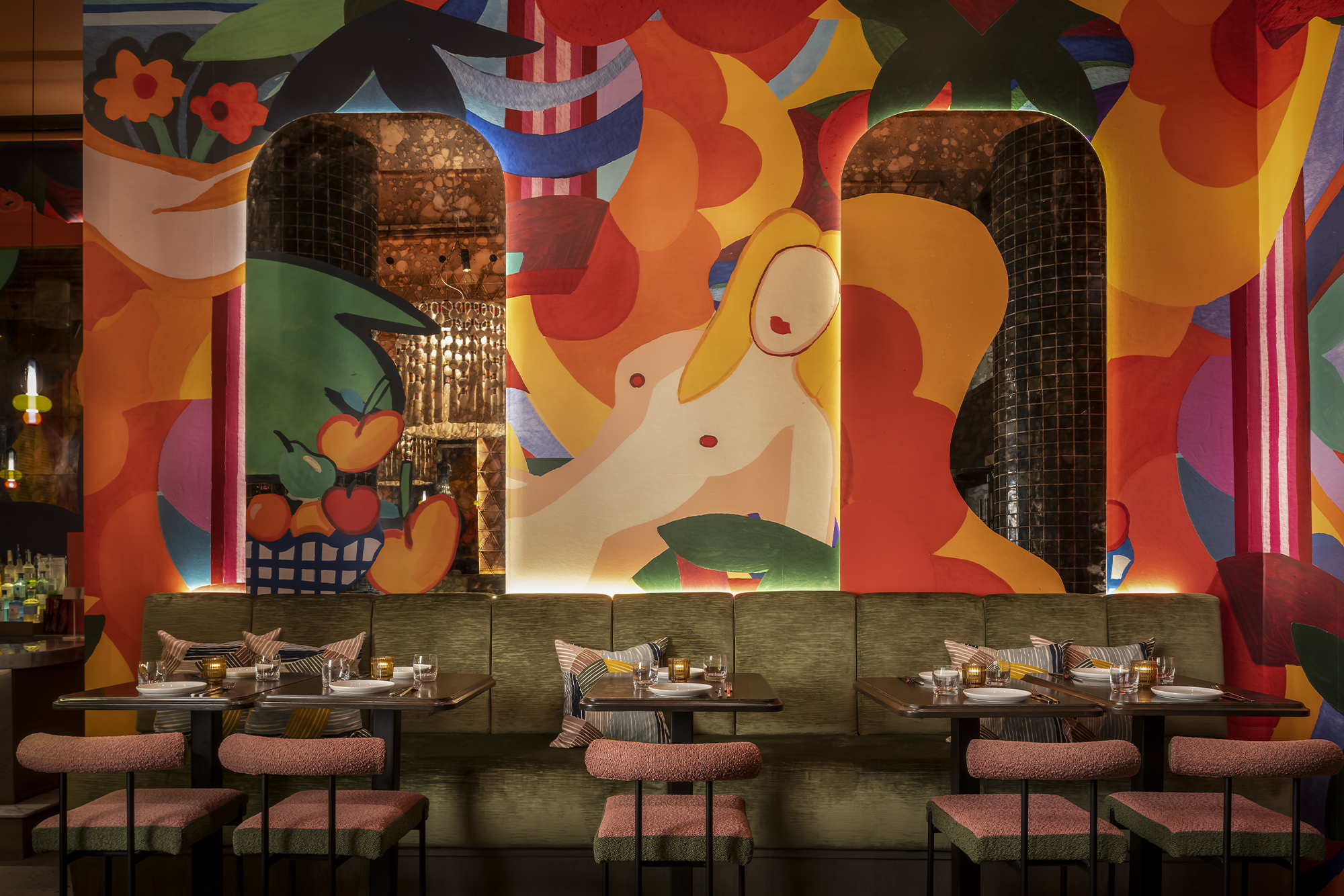
Our design studio’s work spans hotels, restaurants and bars, creating spaces that define nightlife culture while also extending across hospitality and residential projects. Every design project begins with a compelling story, whether it is the primal disco energy of Animl Steakhouse, the Hong Kong night market noir of Honey’s Chinese, the Spanish matador drama of Beso by Patria, or the funky eclectic nostalgia of Vinny’s, a music and record-driven bar designed for exploration. We shape those narratives through texture, light, and detail to build spaces that feel immersive and transportive. A bar or restaurant is never static, it is a performance that unfolds every night, and our creative practice is about crafting the stage for that experience.
When you think of “nightlife,” what visuals does it evoke? Does time of day play a role in your work or identity?
Nightlife evokes mood, mystery, and momentum. We picture velvet banquettes, reflective surfaces, dramatic lighting, and a room that seems to vibrate with energy. Time of day is critical; a restaurant at noon is not the same as it is at midnight, so we design spaces that transform as the day moves into night, brighter and more open during the day, more intimate and theatrical after dark.
What does “after dark” mean to you, personally or creatively?
For us, ‘after dark’ is where design transforms into atmosphere. It’s not just about lighting or finishes — it’s about creating spaces that heighten energy, mystery, and intimacy once the sun sets. In restaurants and bars, that means designing for a shift in mood: the same space that feels inviting at dinner can feel electric, seductive, or even cinematic at night. We think of ‘after dark’ as the moment when a venue takes on a second life, where design choices — lighting, texture, acoustics, layout — become part of the experience, fuelling connection, discovery, and a sense of escape.
Creatively, it is an opportunity to embrace intensity, deeper palettes, layered lighting, tactile materials that only reveal their richness in low light. After dark is when design crosses into performance, where every detail works together to heighten the guest’s sensory experience.
Do you have a ritual, soundtrack, or visual that always accompanies your night work?
Music is always part of our process. When we design nightlife spaces, we often imagine them to their own soundtrack. At night, our studio takes on the same rhythm, it could be cinematic soundscapes, deep house, or atmospheric tracks that mirror the mood of the interiors we are shaping. That sound helps us visualize how a guest might feel moving from the bar to the dining room, or how the energy should rise as the night builds.
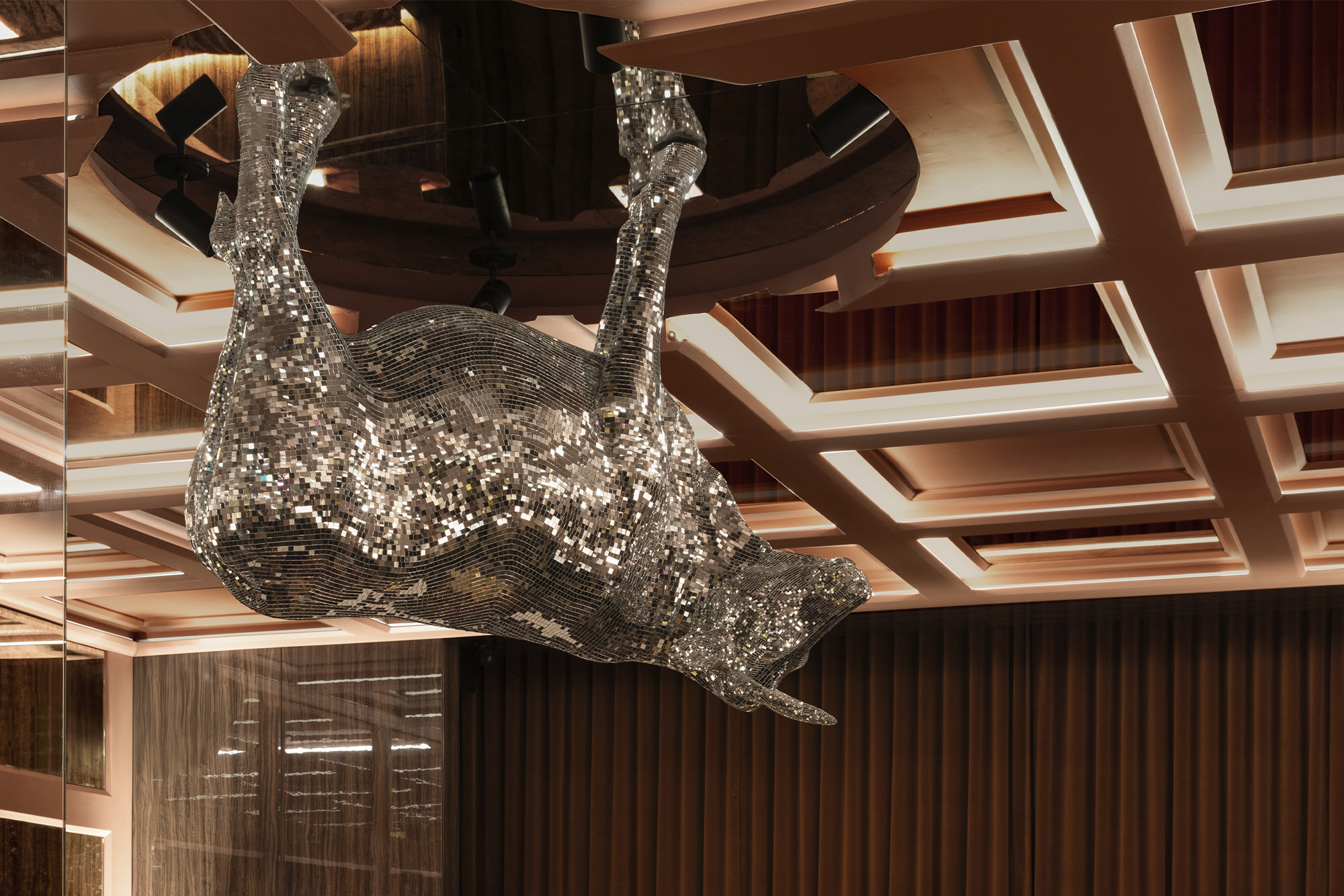
Our moodboard for Animl Steakhouse was a rich combination of inspirations drawn from the lavish indulgence and celebration of the ‘70s and ‘80s in New York — particularly the free-spirited essence of nightlife venues like Studio 54 playing Donna Summer — “I Feel Love” and Sylvester – “You Make Me Feel (Mighty Real)”. At the centre of Animl is a stunning upside-down mirror-encased bull that dazzles above patrons, paying homage to the free-spirited days of Studio 54 and the extravagant lifestyle of the past.
How does working at night change the way you think, feel, or produce?
Working at night connects us directly to the environments we design. Restaurants and bars operate at their peak after dark, and designing in that context helps us refine how light, texture, and atmosphere should perform. The focus of night work is sharper, the energy is more aligned with the culture of nightlife, and it allows us to make decisions that give a restaurant its presence and a bar its character.
Jason Baerg: Fashion Designer, Artist, & Professor
Jason Baerg: Fashion Designer, Artist, & Professor
Jason Baerg at New York Fashion Week. Photo by Tira Howard.
Jason Baerg: Fashion Designer, Artist, & Professor
Jason Baerg. Photo by Kristy Boyce.
Can you tell us a bit about your current work and what your creative practice looks like?
I am a busy artist making paintings, new media, and fashion as well as teaching as an associate professor in Indigenous Visual Culture at OCAD University.
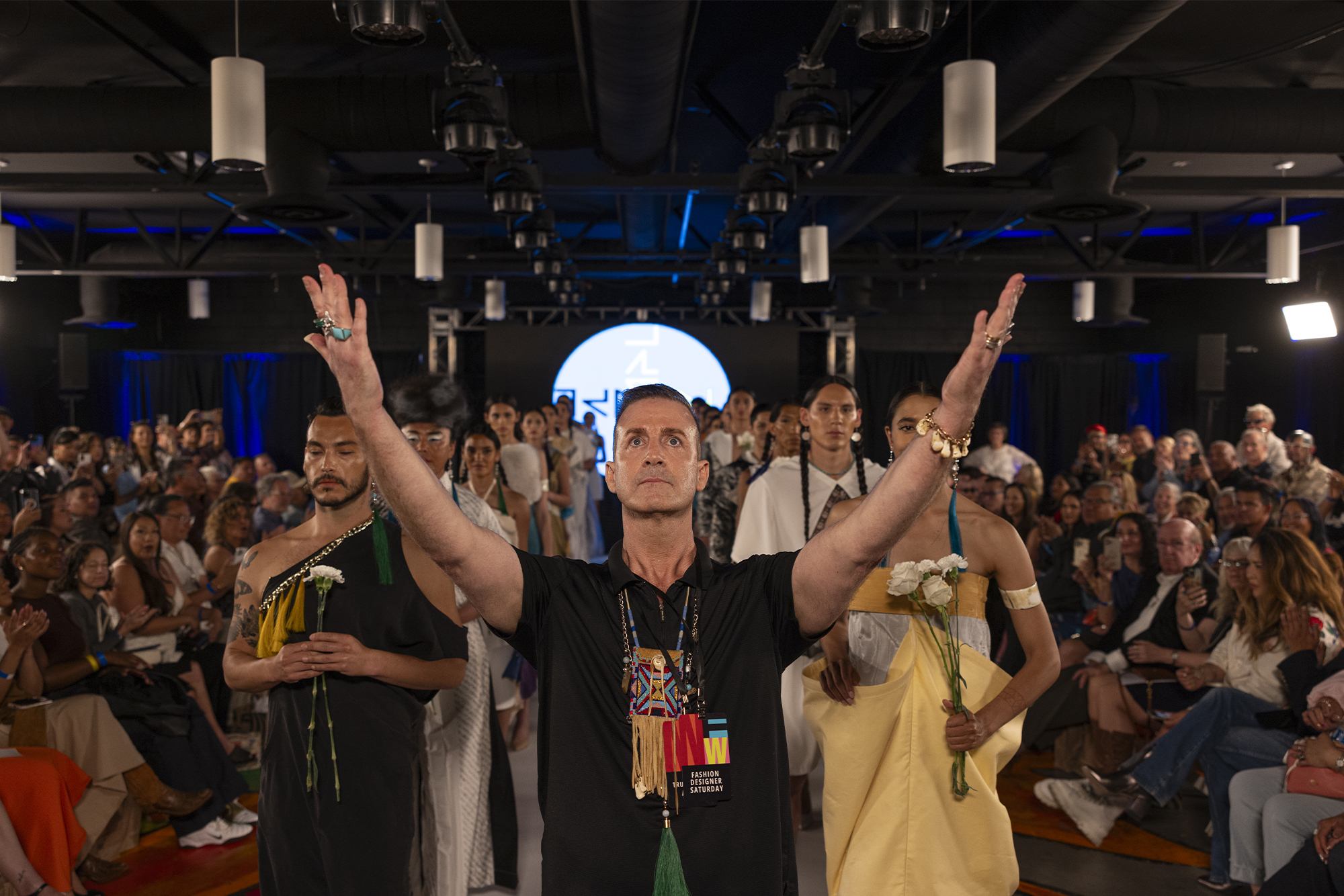
I currently have exhibitions at InterAccess in Toronto and Robert Langen Art Gallery in Waterloo, and I just debuted a new collection with my brand, Ayimach Horizons, at the inaugural Indigenous Fashion Week New York last week. Coming up, I’m preparing for a new show opening at the OCAD University Graduate Gallery in Toronto, and for Vancouver Indigenous Fashion Week in the fall.
When you think of “nightlife,” what visuals does it evoke? Does the time of day play a role in your work or identity?
I am definitely nocturnal! I am at my best late at night and I also do a lot of creating at night. When I think of the term nightlife, I think of outings with friends and social times taking on the city.
What does “after dark” mean to you, personally or creatively?
It conjures a creative and fun energy.
Do you have a ritual, soundtrack, or visual that always accompanies your night work?
I tend to hit playlists on YouTube. It’s not uncommon for the latest fashion collections to be serving as audio tracks in the background as I am getting down to work in the studio. I am never surprised — when the music is interesting, so are the visuals.
How does working at night change the way you think, feel, or produce?
At night, my energy is strongest and that allows me to throw my full being into making.
Michael Usling: Designer & Artist

Michael Usling
Michael Usling. Photo by Ryan Emberley.
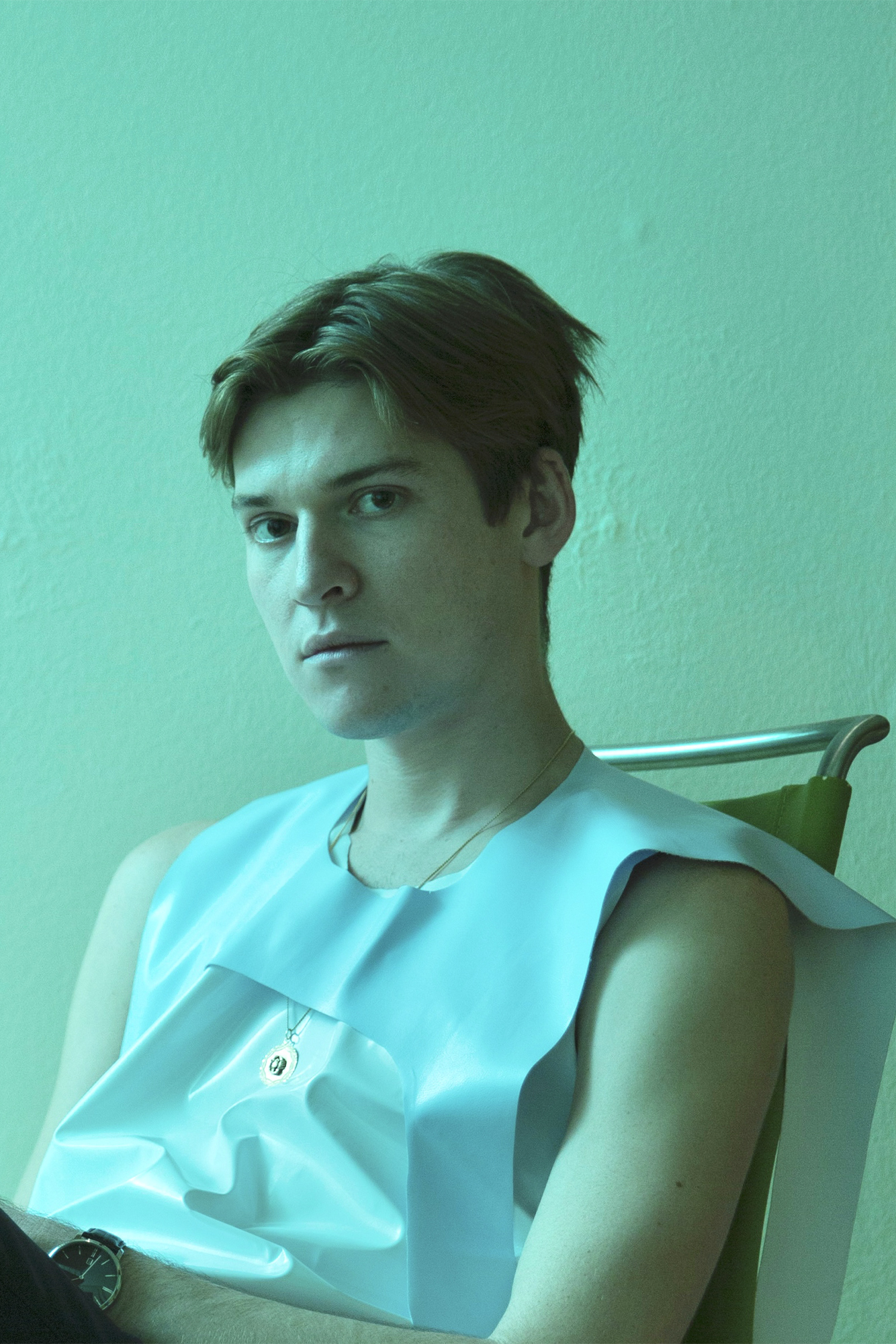
Michael Usling
Michael Usling. Photo by Mihnee Ahn.
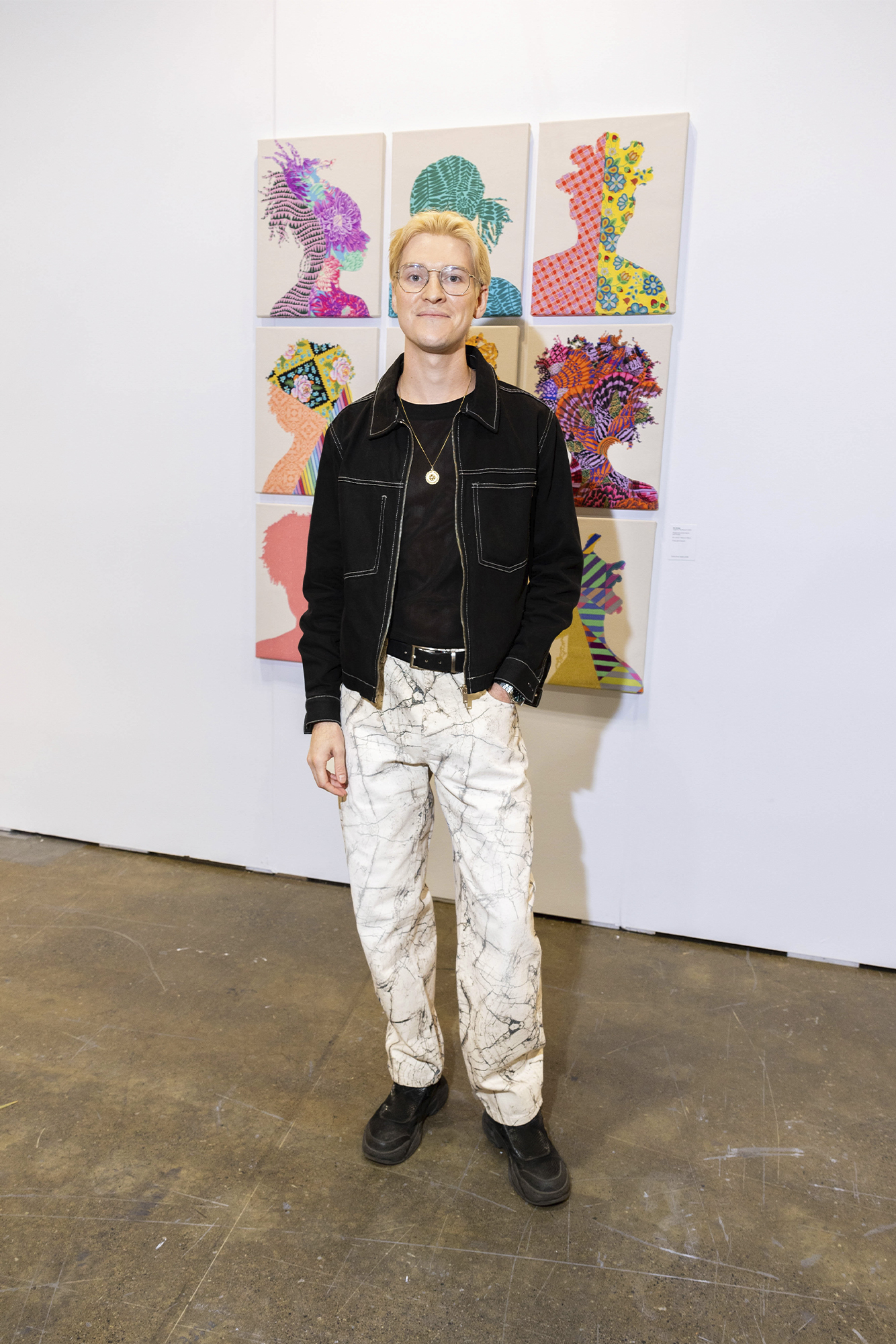
Michael Usling
Michael Usling. Photo by Ryan Emberley.
Can you tell us a bit about your current work and what your creative practice looks like?
I’m currently working on a new collection for my handbag brand, Edte, ahead of Fashion Art Toronto this November. I’m also showing a sculpture in a group exhibition in Berlin this fall, as part of the 7th Berliner Herbstsalon. My creative practice is a bit tumultuous — I work in bursts. I’m not someone who can create every day; I need those in-between moments to recharge and gather inspiration.
When you think of “nightlife,” what visuals does it evoke? Does time of day play a role in your work or identity?
“Nightlife” takes me back to the years I lived in Germany while completing my Master’s in Public Art. Some of the best nights out of my life were there, with visuals that felt straight out of a music video. Time of day definitely shapes my identity — I’m a night owl through and through, and all my friends and family know me as such.
What does “after dark” mean to you, personally or creatively?
For me, “after dark” means peak creativity. Once the sun goes down, it feels natural to retreat inside and start making something, almost like that’s what the night is for.
Do you have a ritual, soundtrack, or visual that always accompanies your night work?
I have a playlist inspired by late nights out and the feeling of leaving a festival at sunrise. It captures the sense of freedom I try to bring with me into the studio. I also love high-energy mixes from artists like Grimes and SOPHIE — they are quintessential nighttime artists for me.
How does working at night change the way you think, feel, or produce?
I love the quiet of late nights working in my studio. I feel most like myself then; no interruptions, no one to judge or question me. It’s just me and the hours ahead that I get to fill with creativity.
Andrew Ooi: Artist
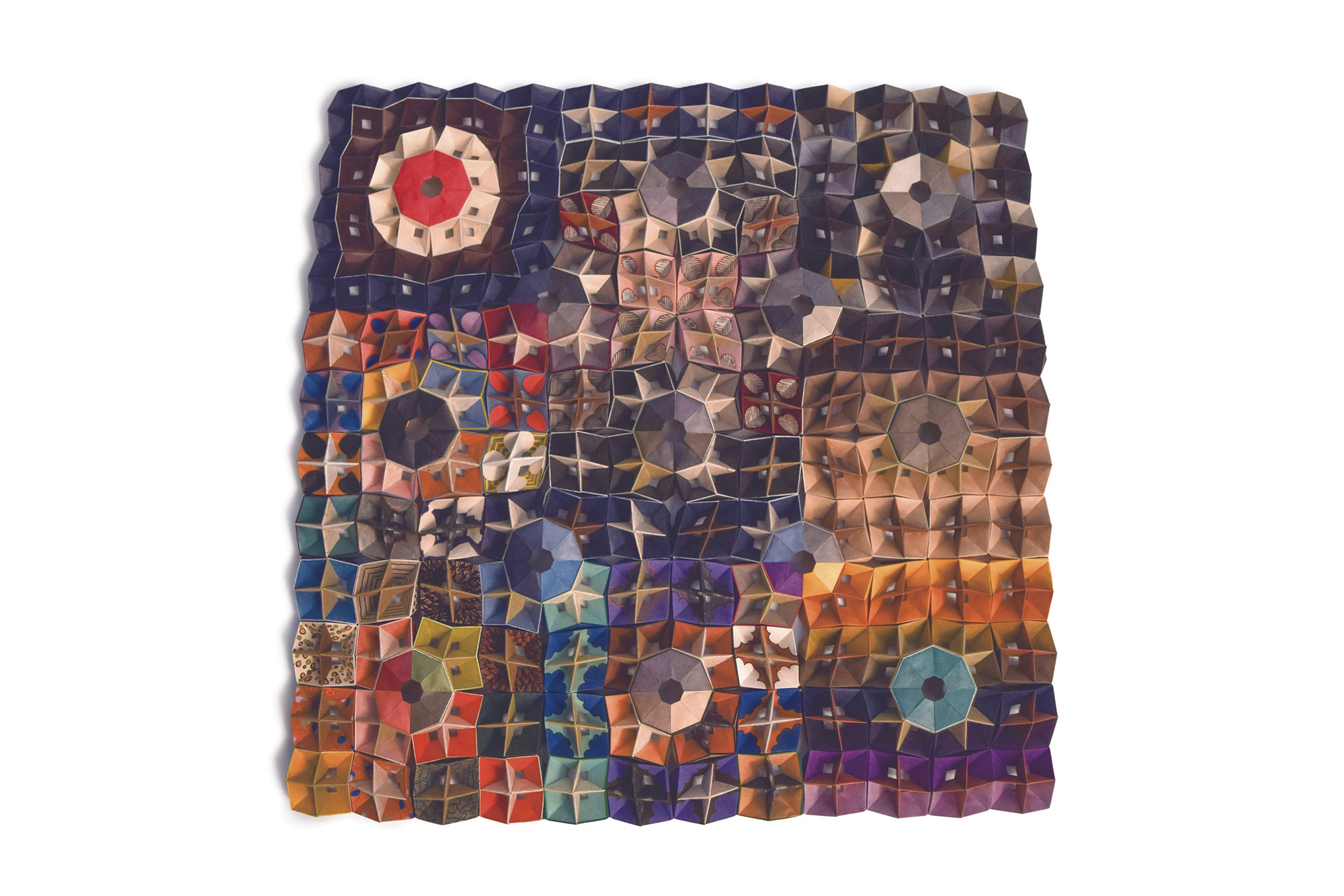
Andrew Ooi: Artist
“Boreal” by Andrew Ooi.
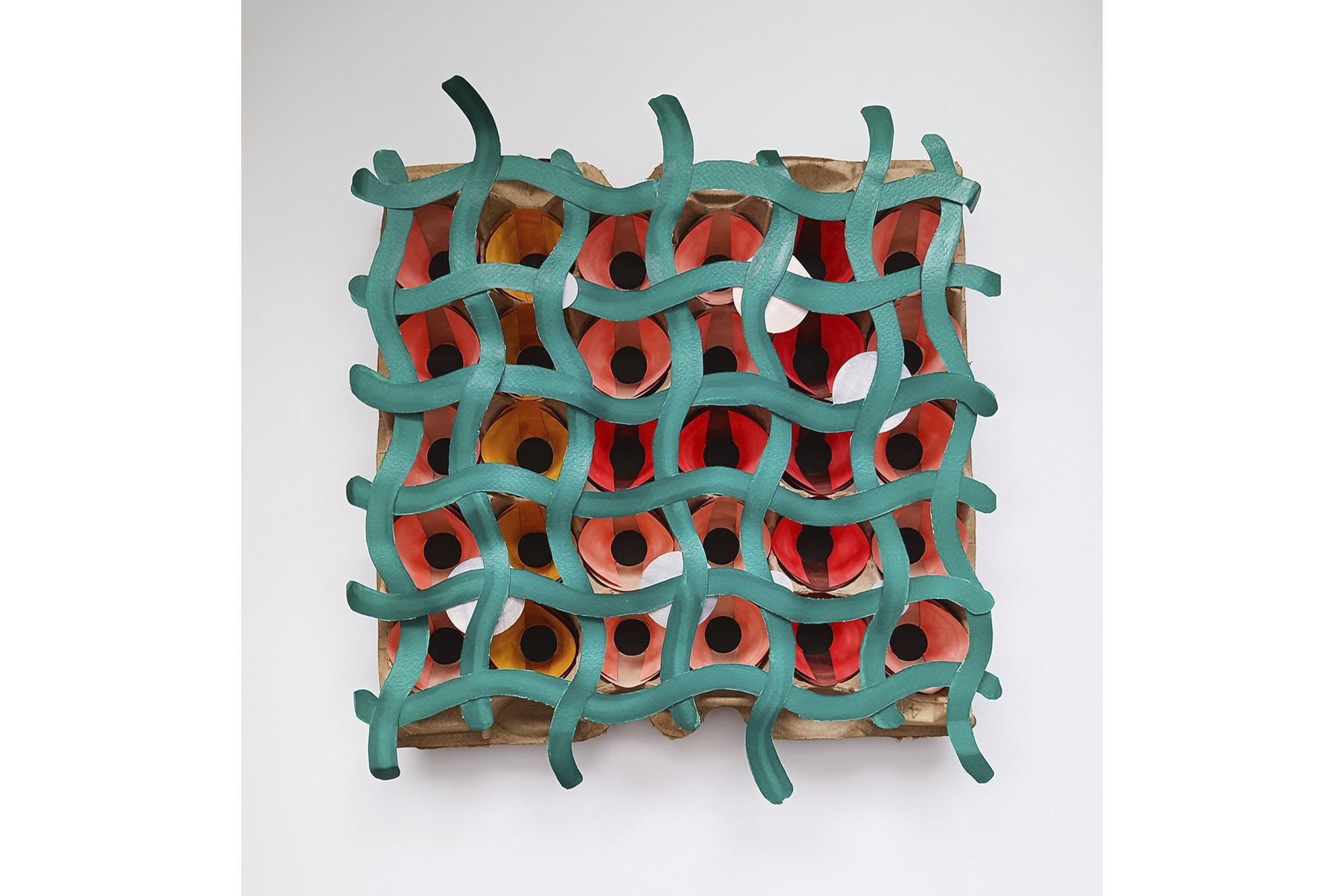
Andrew Ooi: Artist
“Centipede” by Andrew Ooi.
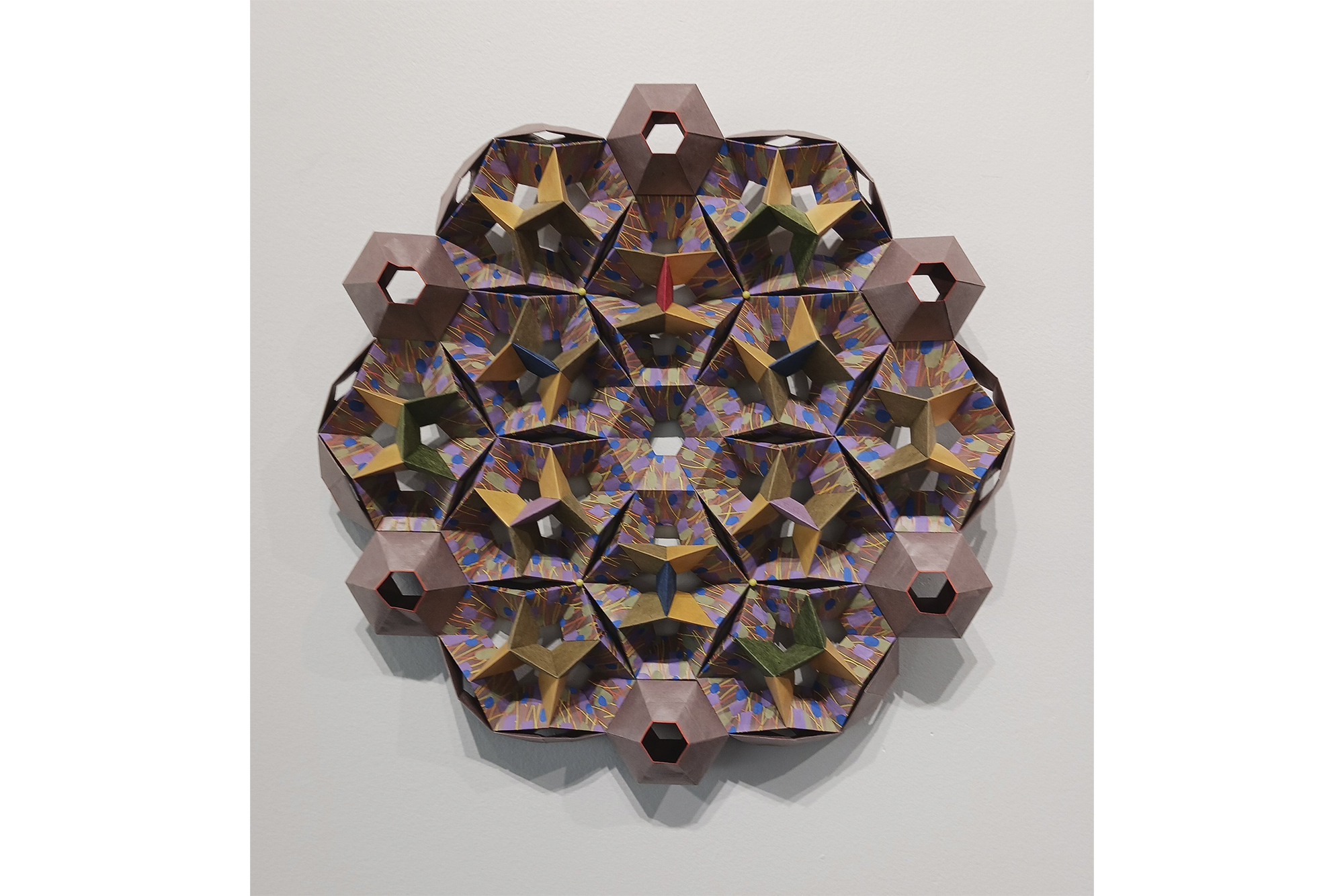
Andrew Ooi: Artist
“Galaxy” by Andrew Ooi.
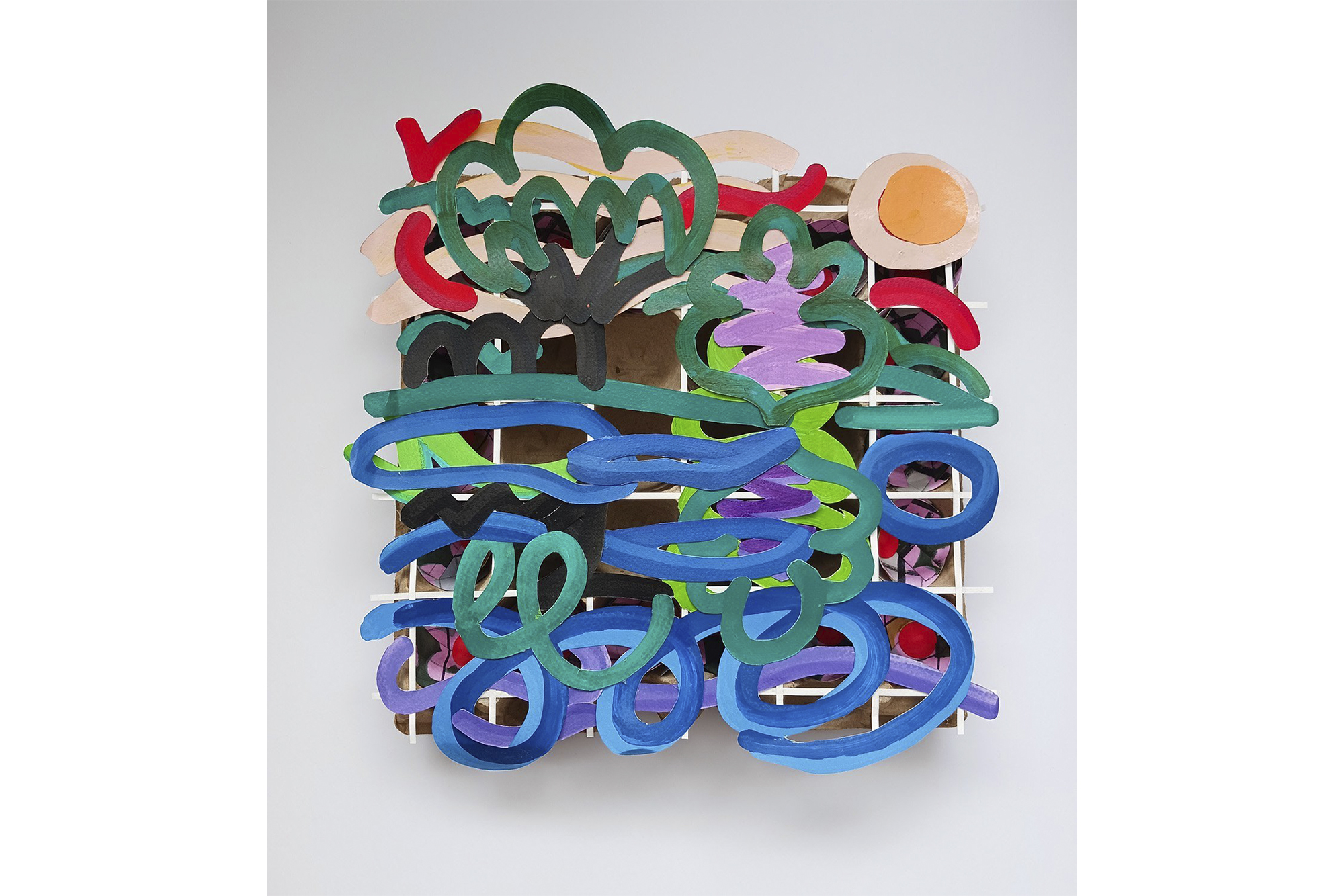
Andrew Ooi: Artist
“My Landscape” by Andrew Ooi.

Andrew Ooi: Artist
“Refraction” by Andrew Ooi.
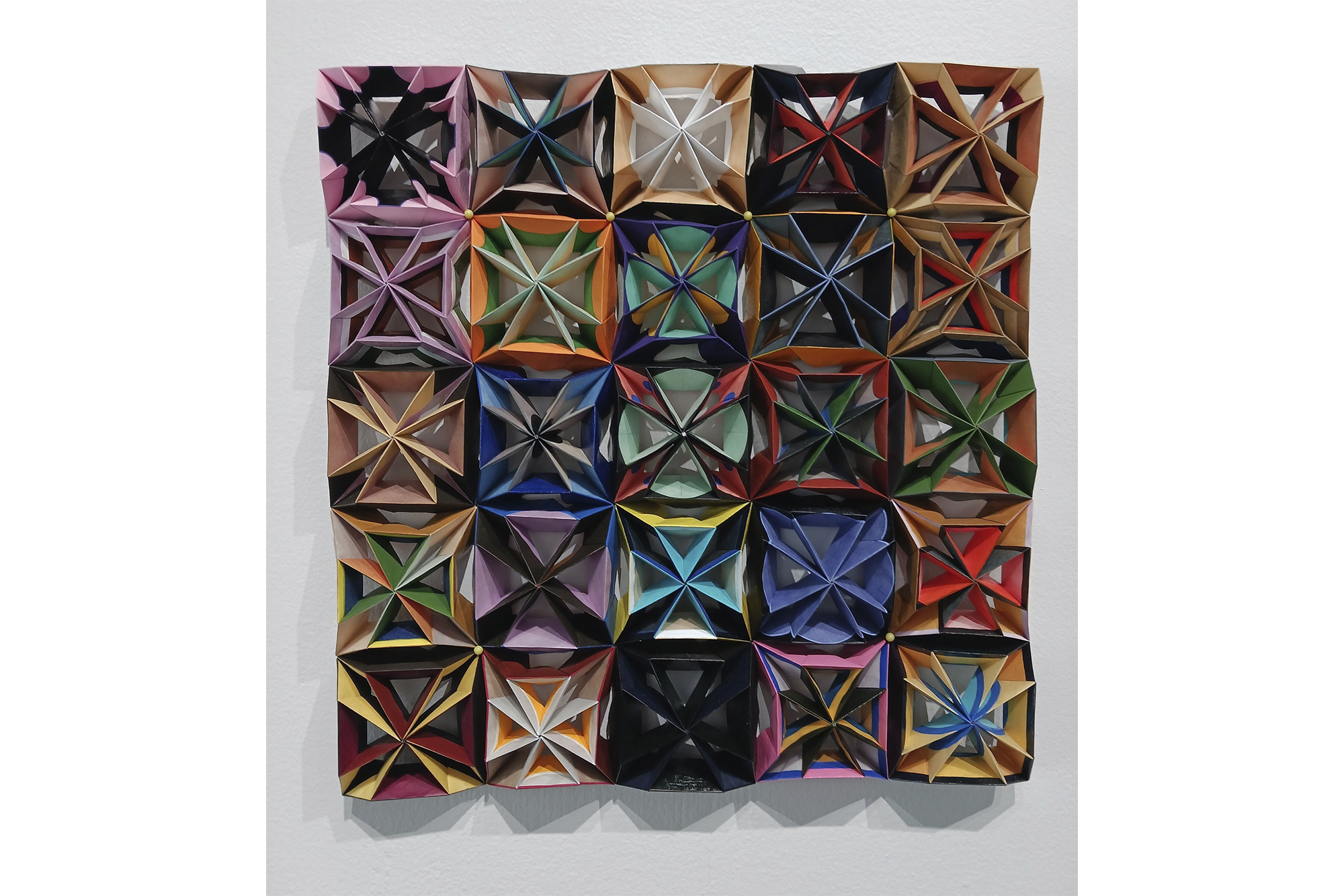
Andrew Ooi: Artist
“Retro-Active” by Andrew Ooi.
Can you tell us a bit about your current work and what your creative practice looks like?
My recent work is more installation based and is incorporating the work that I’ve been making for the last eleven years. In terms of my creative practice, I am the product of my environment. Everyday experiences, objects, and materials really inspire me. Sometimes, getting a feel for the object in my hands — and what it’s made out of — can be the start of learning a new technique or application of a material. I’m finding this method of being conscious of my environment is really affecting the kind of conceptual work and installations I’m pursuing now. I currently have an exhibition on, Andrew Ooi: In Dialogue with Paper at SSEW Project.
When you think of “nightlife,” what visuals does it evoke? Does time of day play a role in your work or identity?
Visually, “nightlife” makes me think about how much more noticeable everything is. It’s almost as if everything has to make an extra effort to stand out at night. And maybe sometimes I have to make an extra effort, too, to notice the subtlety in everything.
The night is when I do my work. There’s less noise, less stimulus, less activity at night, which gives me the chance to take in some of the things that might have happened during the day, process my thoughts, and develop some of the ideas I’m thinking about incorporating into my work. I go for a lot of walks at night: thinking and looking. You wouldn’t believe how much clearer your surroundings and thoughts are at night.
What does “after dark” mean to you, personally or creatively?
“After dark” is usually when I begin working. This is when I get to my desk and start making my work.
Do you have a ritual, soundtrack, or visual that always accompanies your night work?
Walking is key. I tend to go for a few walks at night. I find that walking sometimes reveals another way of going about my work that may be better than what I was initially thinking. This kind of flash or inspiration is especially true when the type of work I’m doing is totally new to me. Then, I get to my rocking chair and begin to research some of my ideas. Rocking helps me ease into work after walking. My studio is always set up from the night before, so — after walking, rocking and researching — it’s straight to making.
How does working at night change the way you think, feel, or produce?
Working at night really means having the space to think freely. There aren’t any distractions; I can stay focused for a long time. Much of my work is made at night — it’s when I’m the most productive.
FOLLOW US @SHARPMAGAZINE
"The fourth season of @industryhbo has just wrapped, and with it another round of anxious, fluorescent-lit dealmaking and chemically enhanced risk-taking," writes @benzirk. "The HBO drama has built its reputation on portraying young bankers as hyper-competitive, status-obsessed and permanently on edge."
After the captivating season four finale, SHARP spoke to a longtime Bay Street veteran — anonymously — to learn how HBO’s #Industry compares to Toronto’s own financial sector. Read the full story on sharpmagazine.com.
Slide 1: Steven Campbell More. Photo by Simon Ridgway, courtesy of @hbocanada.
Slide 2-6: Photo courtesy of Adobe.


Ryan Gosling is ready for adventure. In his upcoming film, "Project Hail Mary," #RyanGosling goes interstellar with @tagheuer
Throughout the film, the SHARP cover alum wears the TAG Heuer Connected Calibre E5 in titanium with a vivid red strap. In a story of science and survival, it’s a crucial companion.
#ProjectHailMary will hit theatres on March 20th. Time to watch closely.
Photos courtesy of TAG Heuer.

Jake Gyllenhaal’s newest role? A Global Brand Ambassador for @bvlgari. The SHARP cover alum says his latest partnership is all about authenticity.
"Authenticity, to me, is rooted in our relationships, the people we care about, the dedication we bring to what we all create, but most of all being true to one’s self," Gyllenhaal says.
Get the full story on sharpmagazine.com.
Video courtesy of BVLGARI.

"While many iterations of #SherlockHolmes focus on the solitary genius, the new Prime Video series directed by Guy Ritchie breathes life into the character through a surprisingly collaborative, “Butch and Sundance” style partnership between a young Sherlock Holmes (Hero Fiennes Tiffin) and a young James Moriarty (Donal Finn)," writes @marriska.fernandes.
Ahead of the series premiere, @hero_ft let SHARP into the world of #YoungSherlock.
In an interview, he tells us about his experience taking on the legendary role and working with @guyritchie.
Visit sharpmagazine.com for the full interview.

"The new RS turns in quick, bites and powers out of bends with a satisfying and authentic rear-drive push," writes Peter Bleakney. "It’s engaging, balanced, cohesive and just plain joyful. (Damn fast too.)"
With #Audi RS big kahuna" Rolf Michl — managing director of #AudiSport — riding shotgun, Bleakney chronicles his time driving the new Audi RS.
Read the full story on sharpmagazine.com
Photos courtesy of Audi.

"It’s not every day you get to sit down with someone you’ve grown up watching on the big screen," writes Tyler Frederick. "Nor with someone who single-handedly shaped your love and passion for Japanese cars and motorsport."
A day at the Canadian International AutoShow, however, is not like everyday — for Frederick, it came with a chance to interview #FastandFurious star @sungkangsta about his new film #Drifter.
"As Sung describes, Drifter is a movie created with the car community in mind — a love letter to those who are passionate and share the same deep love for cars, racing, and anything to do with a beautiful mechanical object," Frederick adds.
Read the full interview on sharpmagazine.com, where you’ll find a candid conversation with Sung, covering passion, cars, and the beauty of the #car community.
Interview: @horologyobsessed
Photos: courtesy of Canadian International AutoShow.

The news never sleeps. BOSS hit the runway with a new Fall-Winter collection, IWC revealed an all-new Portugieser, and CHANEL brought it`s iconic J12 back to centre stage with a fresh campaign featuring @gisele and @clementchabernaud.
Swipe to see the latest in watches, fashion, cars, and more.

While in Milan for the @boss Fall-Winter 2026 fashion show, we caught up with one of Canada’s favourite new actors, @robsgk
Watch the full interview to hear Robbie’s thoughts on fashion and the hotshot success of #HeatedRivalry.
Video by @saharxnooraei
