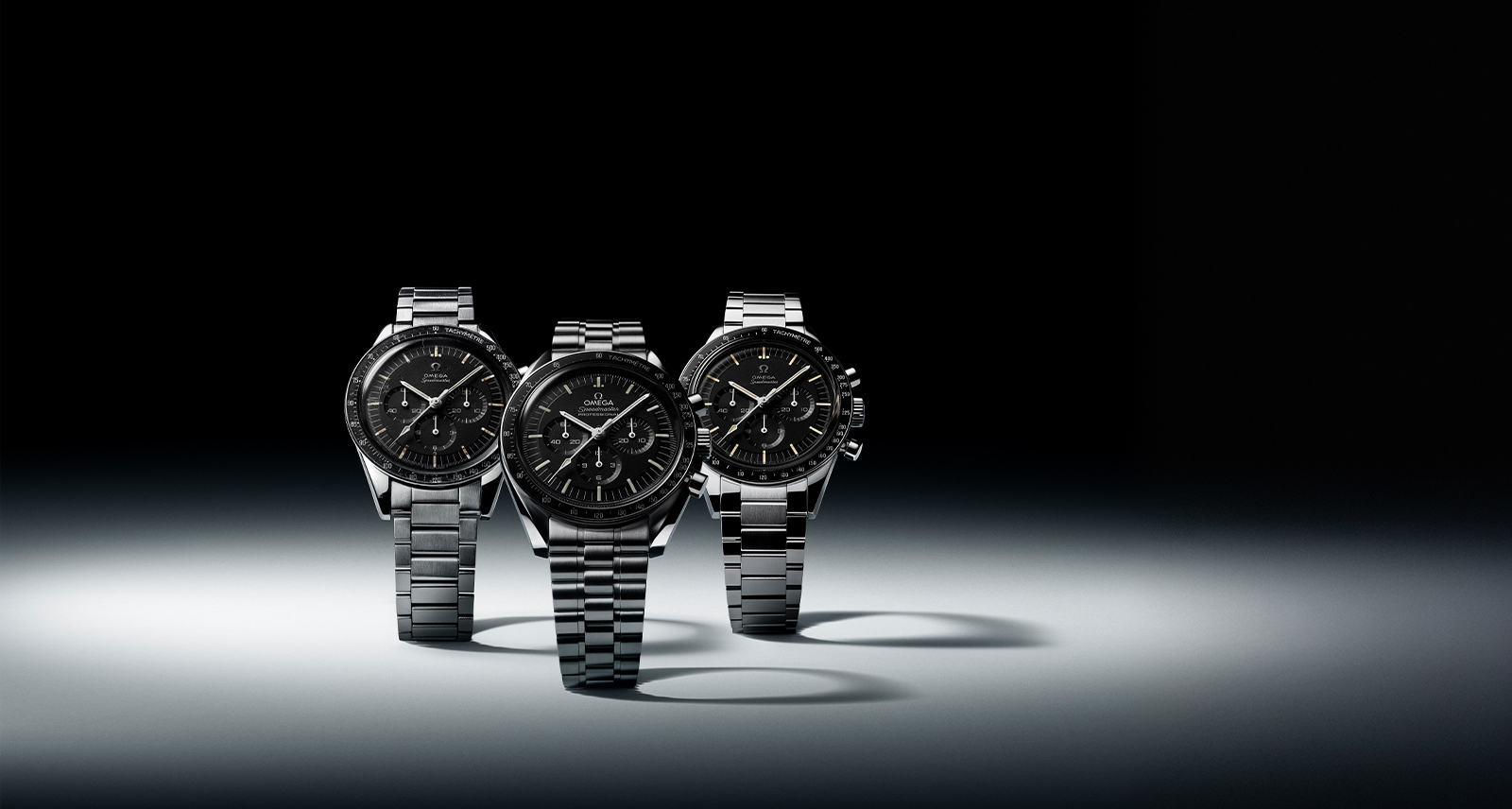
On July 20, 1969, the world watched Neil Armstrong take his first steps on the moon wearing an Omega Speedmaster on his wrist. In addition to being a “giant leap for mankind,” as Armstrong famously put it, it was also one of the biggest milestones in the history of mechanical timekeeping. The Speedmaster is now synonymous with that historic journey to the moon and back, but less well-known are its origins as a watch designed not for space travel, but for car enthusiasts, filmmakers, and engineers.
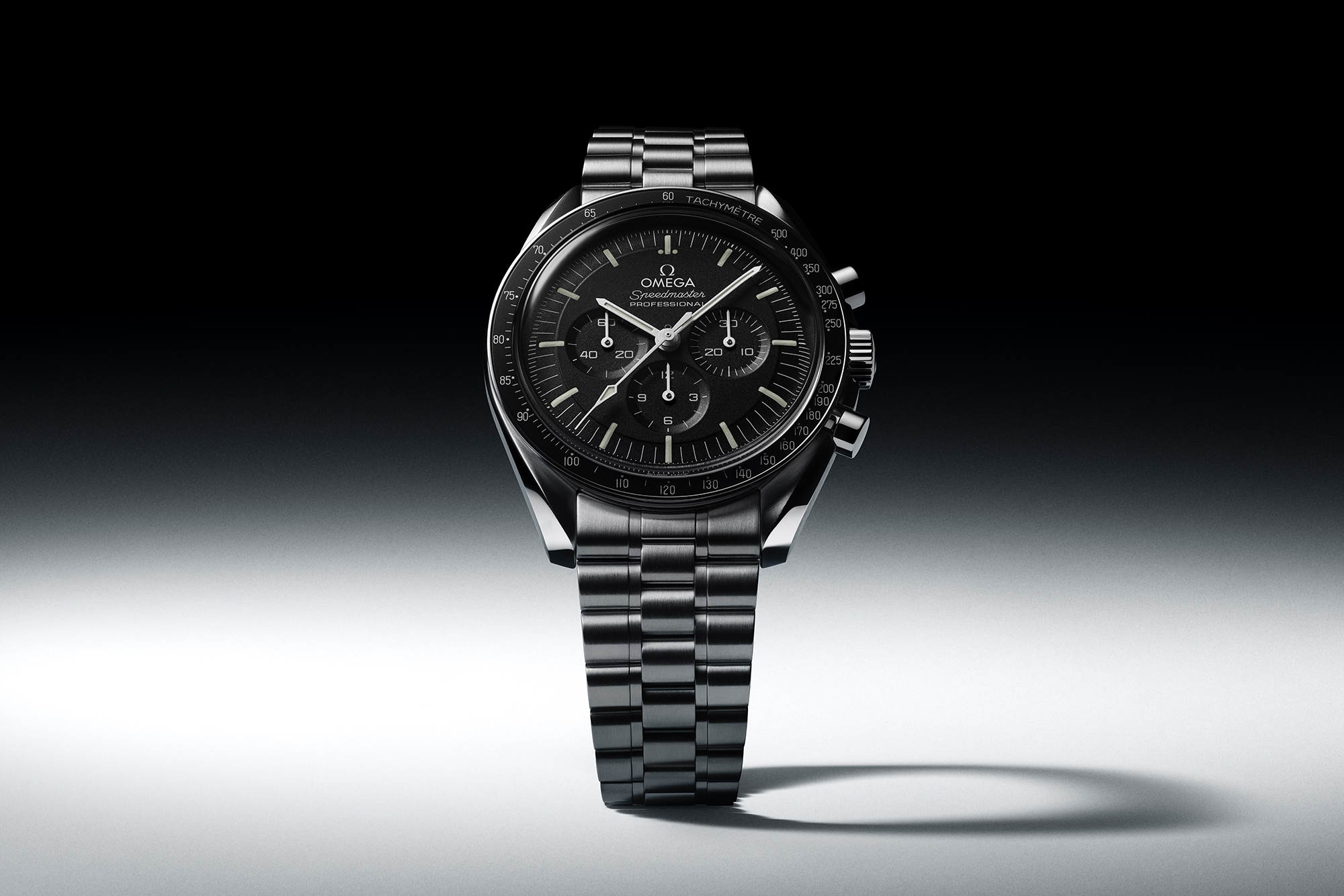
“We designed the Speedmaster for men who reckon time in seconds…For scientists, TV and movie directors, athletes, and their coaches,” reads one of the first Speedmaster ads from its launch year, 1957. Despite the absence of “astronauts” on this list (NASA wouldn’t start using the term until the following year), the Speedmaster was uniquely qualified for space travel from the very first, with a triple-sealed, stainless-steel case, anti-shock and anti-magnetic protection, and the world’s first tachymeter scale engraved directly into the bezel. While the tachymeter was primarily useful for timing laps, the accompanying stopwatch would prove an essential piece of kit for astronauts, for whom accurate timekeeping was a matter of life and death.

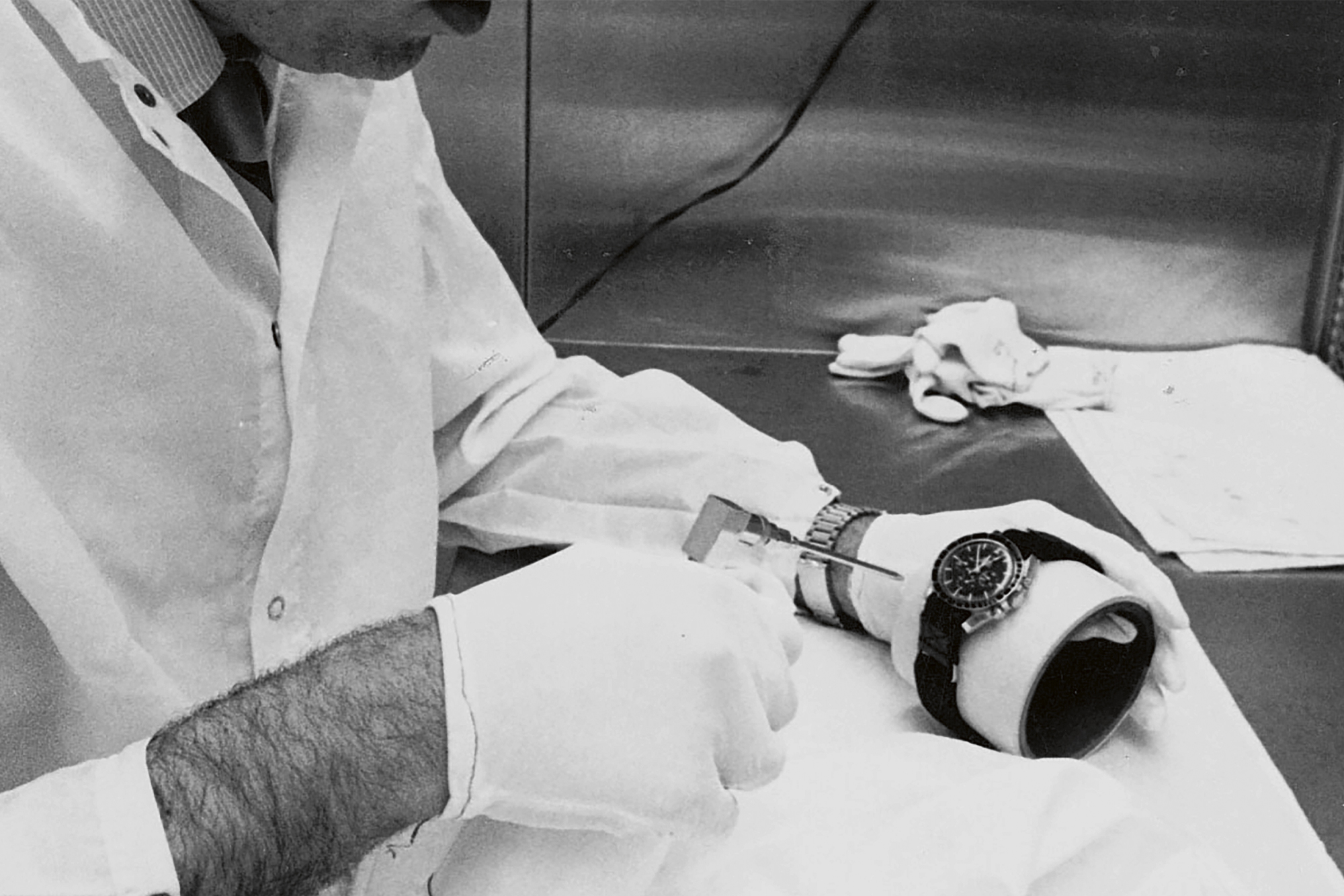
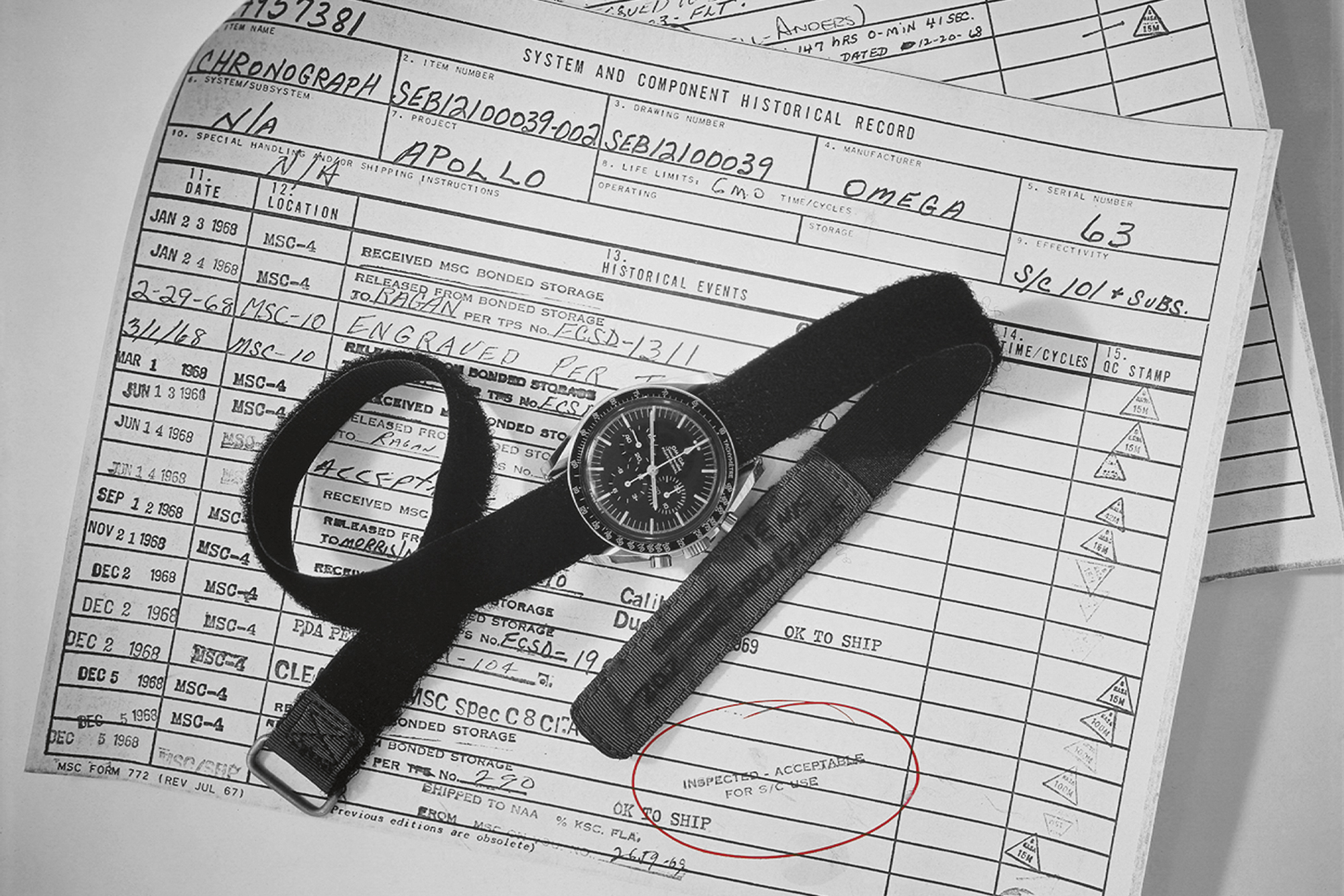
“When you’re in space, your baseline is time,” recalled James Lovell, a veteran of the Apollo 13, Apollo 8, Gemini 7, and Gemini 12 missions. “Everything is based on time. We loved the professional Speedmaster. [It] never failed.” Indeed, during the ill-fated Apollo 13 mission, Lovell and his crewmates averted catastrophe by using their Speedmasters to navigate their crippled spacecraft safely back to Earth.
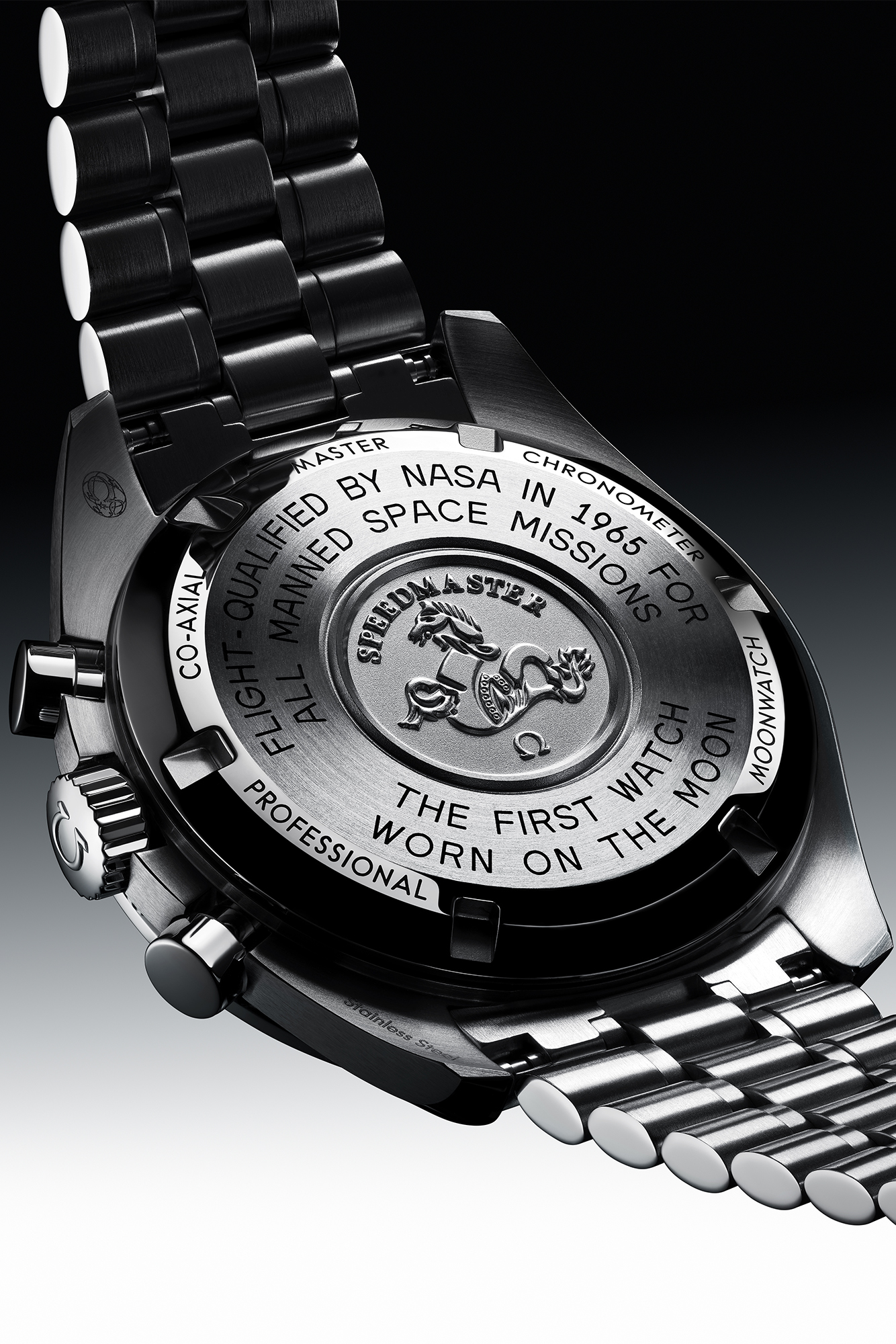
By 1964, with the Apollo program ramping up, NASA needed a watch that could act as a fail-safe for the spacecraft’s on-board timing instruments, and it put out a call to the world’s leading watch brands. Of the three Swiss watches that met NASA’s criteria, only the Speedmaster survived the brutal battery of tests designed to replicate the harsh conditions astronauts would face on their journeys to the moon. “Even I was surprised that I could get any watches through those tests,” admitted James Ragan, the engineer tasked with submitting the watches to everything from sub-zero temperatures to shocks to vibration. “It was the most extreme testing you could do to a piece of hardware.” On March 1, 1965, NASA declared the Speedmaster to be “Flight Qualified for all Manned Space Missions,” and the rest — as every watch enthusiast knows — is history.
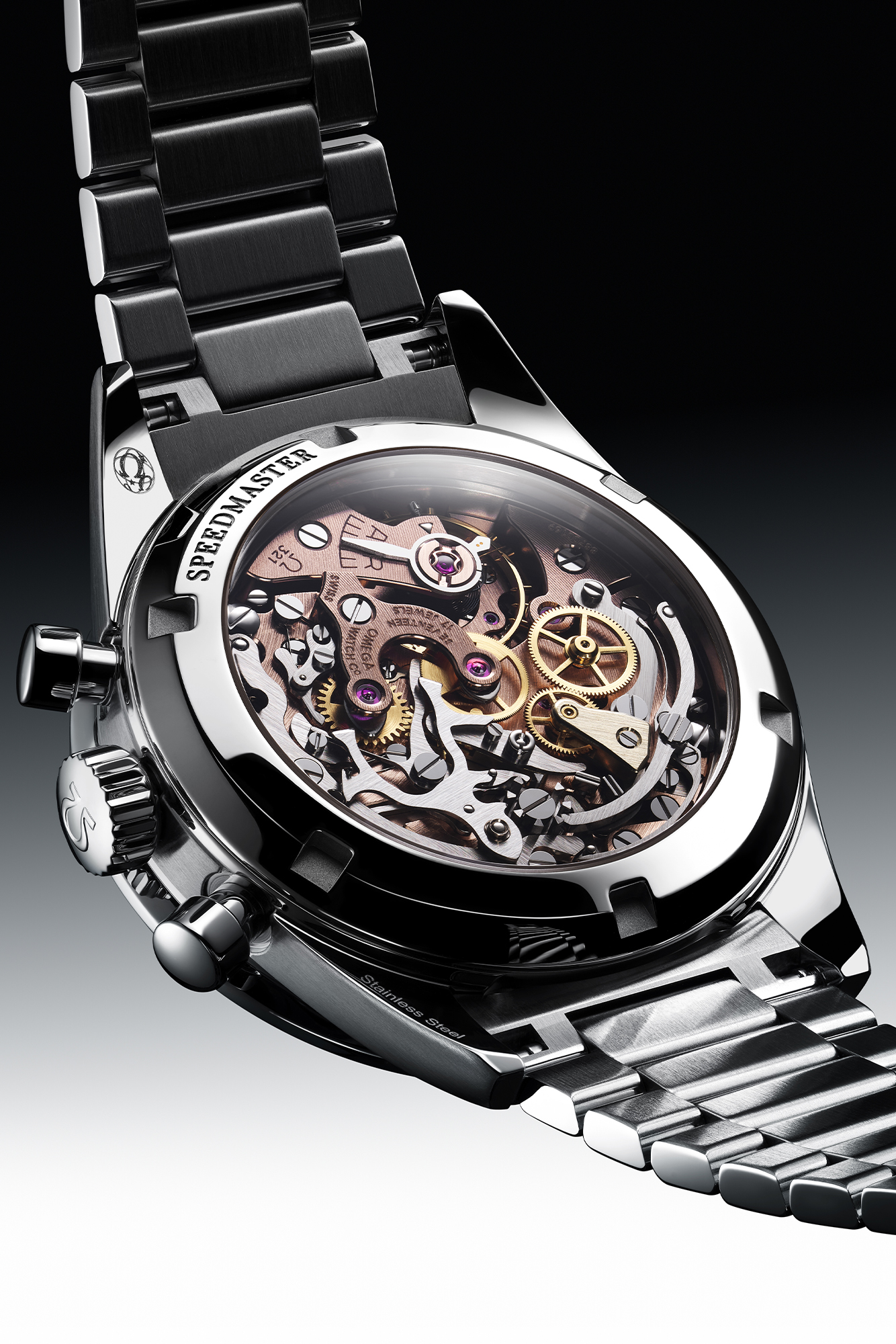
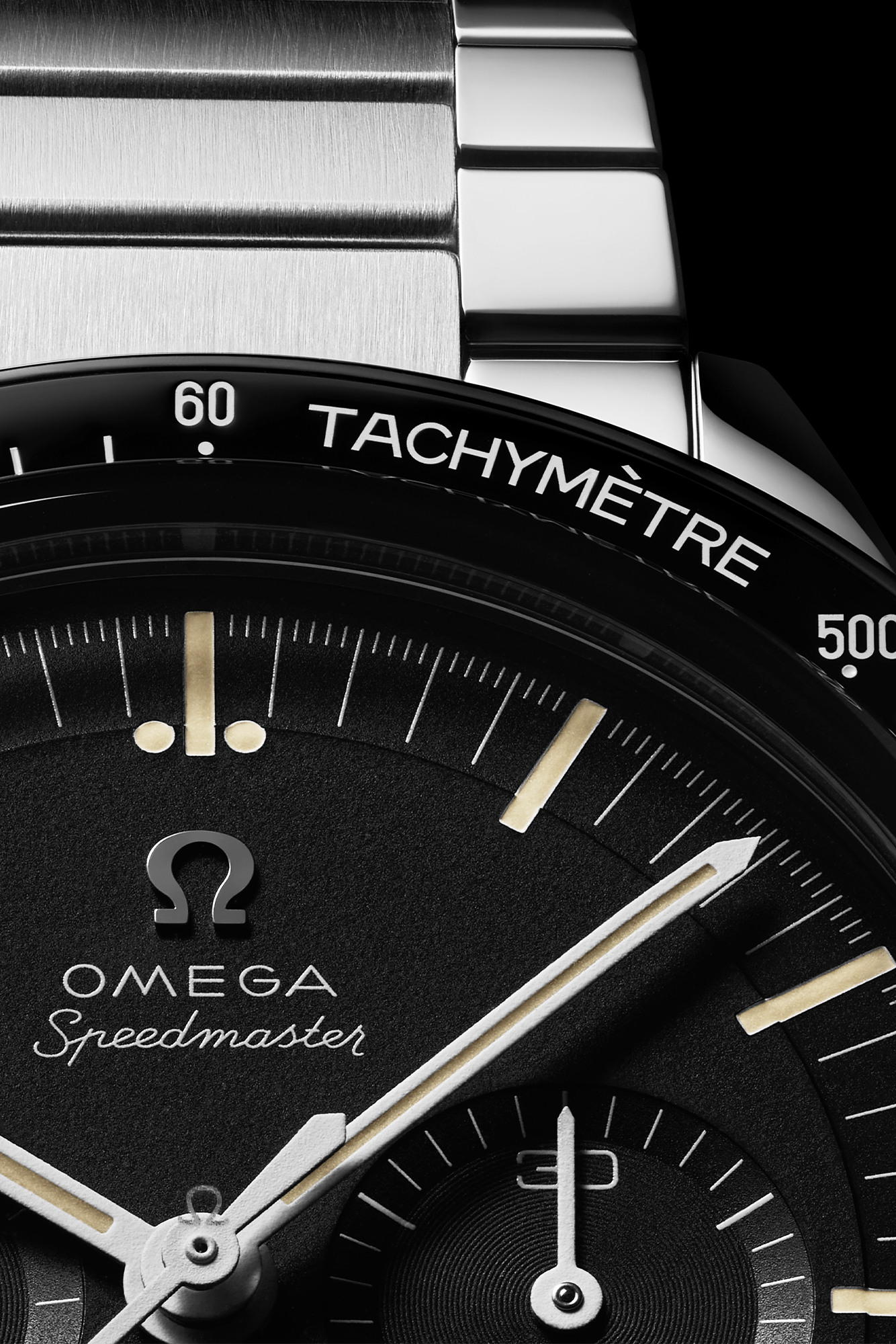
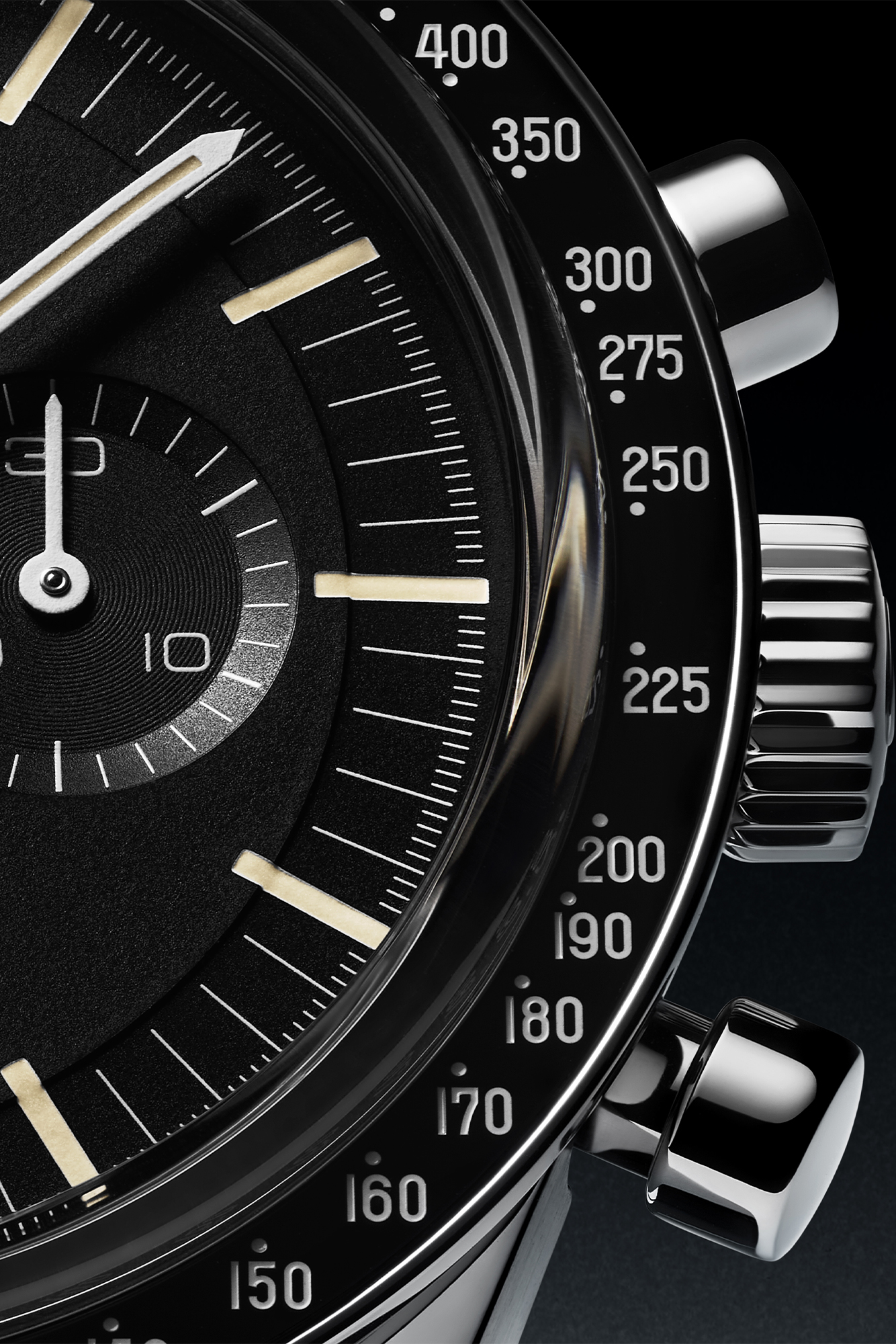
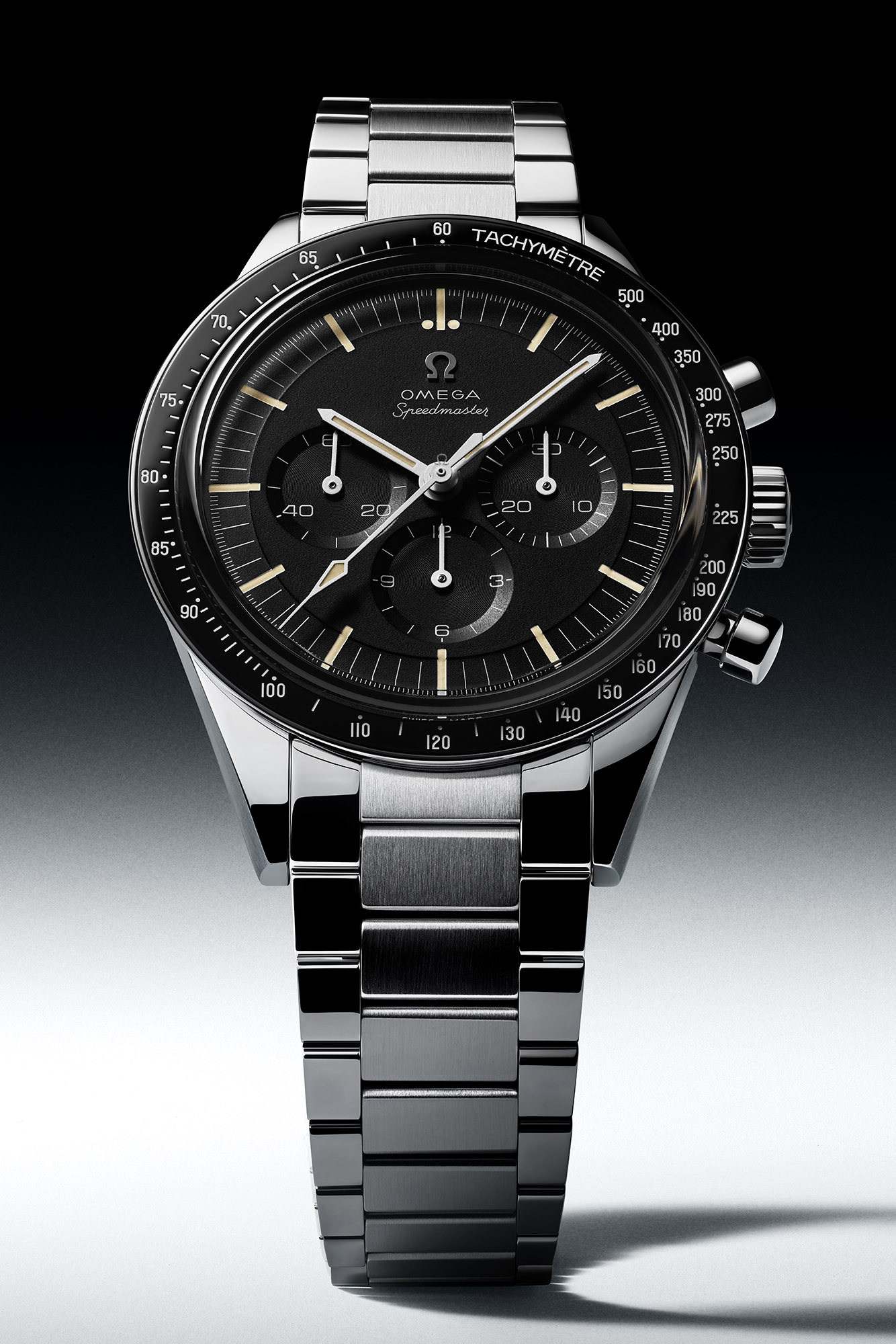
Six decades later, the Speedmaster remains inseparable from its legacy as the watch chosen to accompany NASA’s pioneering explorers on their journeys to space. With dozens of variations ranging from the iconic Moonwatch Professional to the colourful Omega × Swatch MoonSwatch, it has expanded into a varied lineup of chronographs, each offering unique looks and functionality. The Speedmaster started life as a tool for race-car drivers and engineers and rose to fame as a tough and reliable timer for space pioneers, but today, when a wristwatch is as much an accessory as a timing device, its most impressive feature might be its near-universal appeal.