If you want to see where design is headed in the next decade, go to Venice. Every two years, La Biennale Architettura di Venezia, otherwise known as the Venice Biennale of Architecture, brings together the world’s leading architects, designers, and multi-hyphenate creators for the world’s oldest and most prestigious summit on global design. Established in 1895, the Biennale has a well-earned reputation for showcasing bold ideas at dozens of pavilions created by some 60 countries and regions. One of the Biennale’s most compelling installations this year, however, wasn’t created by a country, but by Swiss luxury watchmaker — and Official Timepiece of the Biennale Architettura — Rolex.
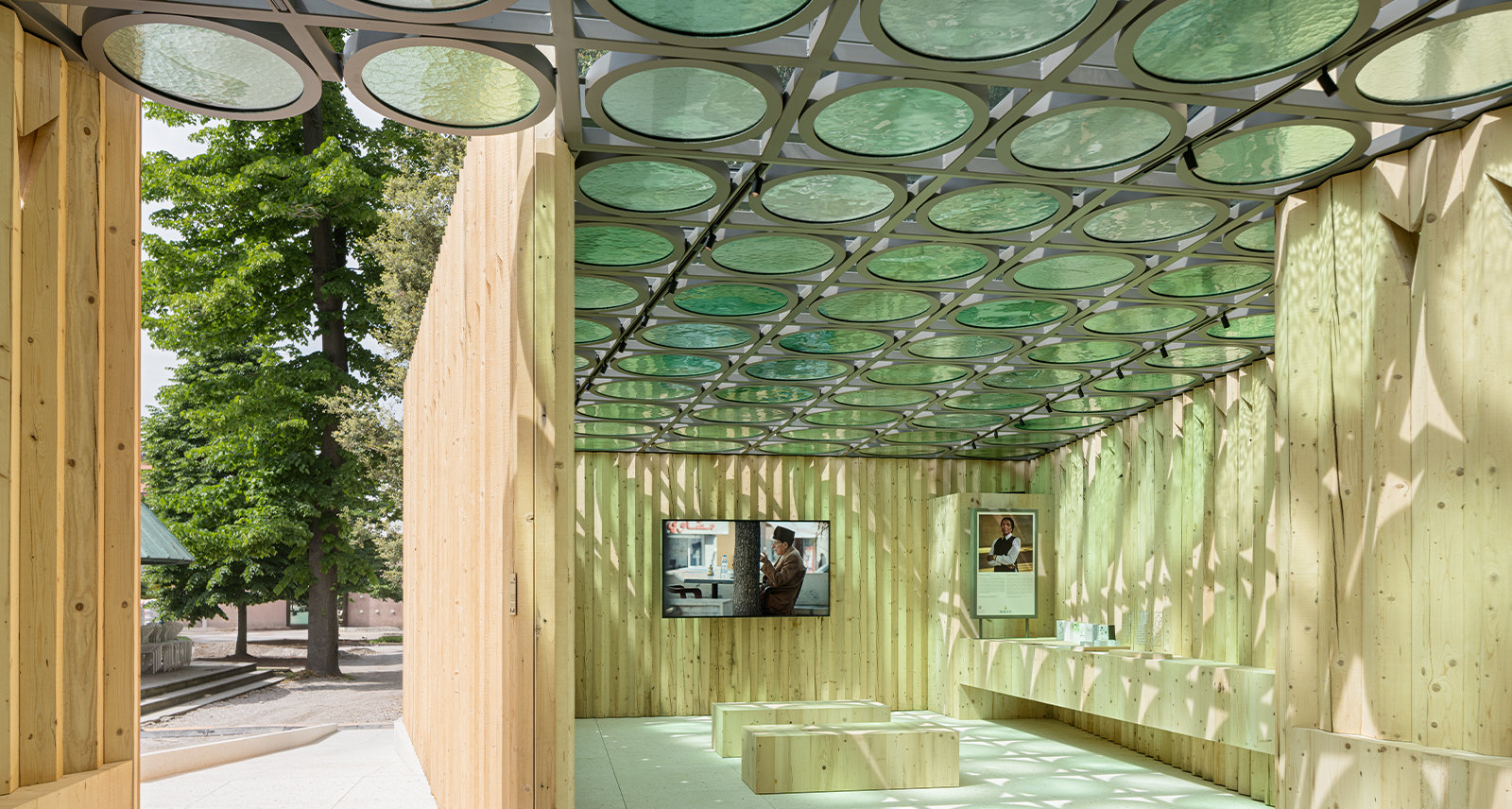
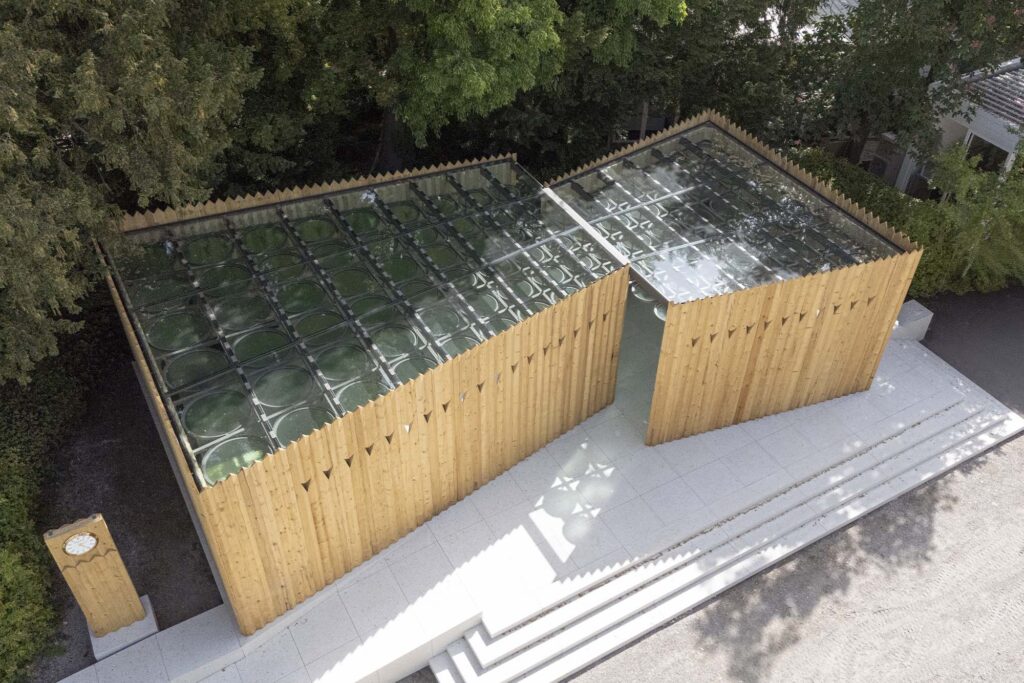
Crafted from wooden beams, glass, and custom-made terrazzo tiles, the Rolex pavilion is as much an exhibition space as it is a metaphor. At a glance, the palisade-like facade calls to mind the brand’s signature fluted bezel, and the glass discs that form the structure’s roof evoke Rolex’s hallmark shade of green, but — as with the best work of the Biennale — the pavilion’s significance runs much deeper. Created by Niger-born architect Mariam Issoufou, who is also a professor of architecture heritage and sustainability at ETH Zurich, the understated wooden structure stands as a testament to the brand’s long-standing commitment to architectural achievement.
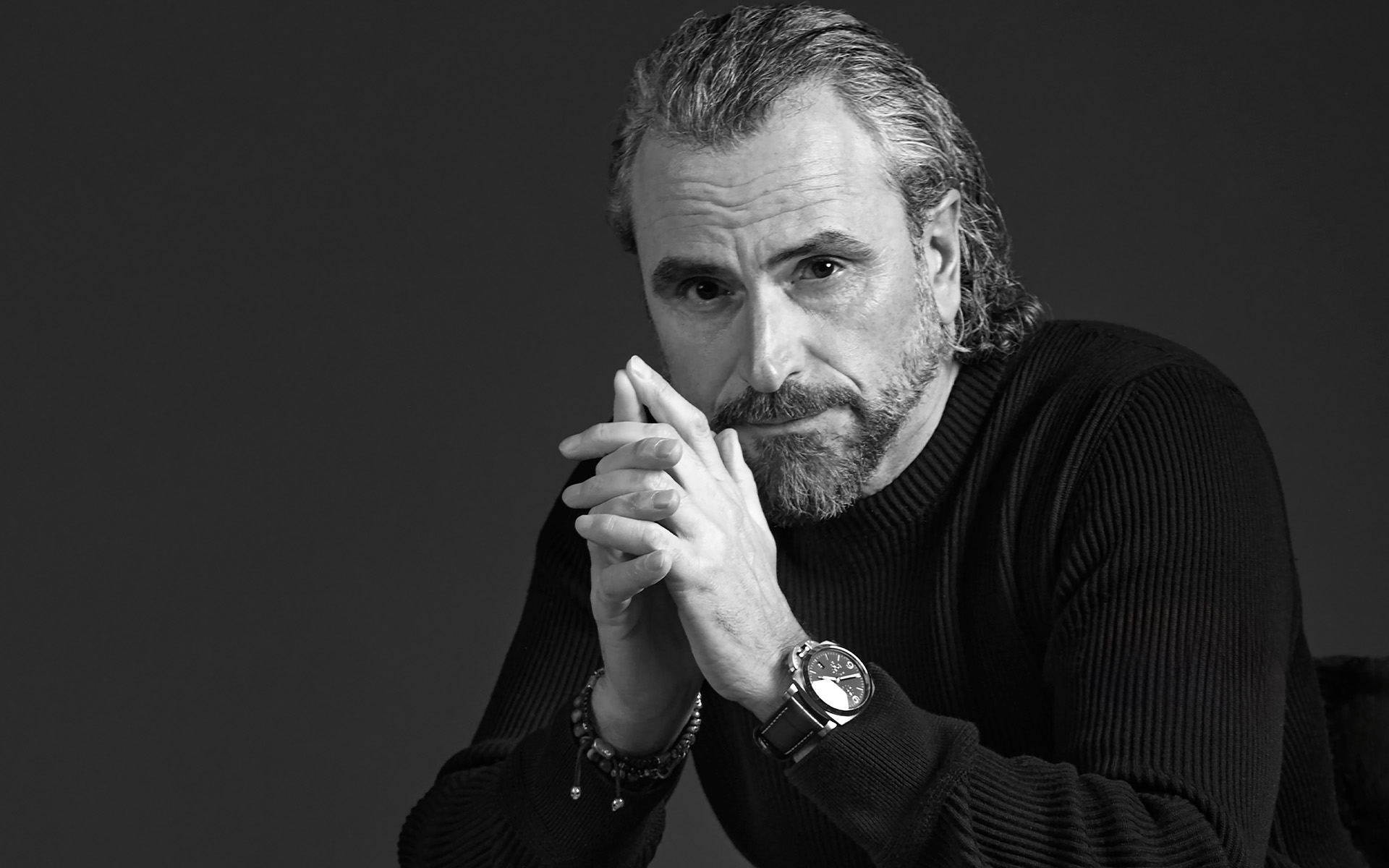
“The Rolex Pavilion is a celebration of Italian craftsmanship, Swiss precision, and my own approach to architecture and sustainability,” says Issoufou, whose recent projects include a museum in Senegal, a housing complex in the UAE, and a cultural centre in Niger. As one of the most sought-after architects working in Africa, Issoufou’s projects adapt traditional building typologies and local materials to serve the needs of the modern world. When Rolex approached her to create a pavilion whose theme was sustainability, Issoufou was intrigued by the brand’s commitment to craftsmanship, precision, and quality, along with the opportunity to work in a location that offered a completely new palette of materials.
“Most of our projects are in Africa, but when it came to the work itself, we applied the same principles we do elsewhere,” Issoufou says. “We researched the history of the place, I met with local craftspeople to find out what they know how to make, and I worked with materials that could be made locally, which is something we do in our projects elsewhere. I want all my projects to contribute to the local economy by supporting the work of people already working in the region, and we managed to achieve this in Venice.”
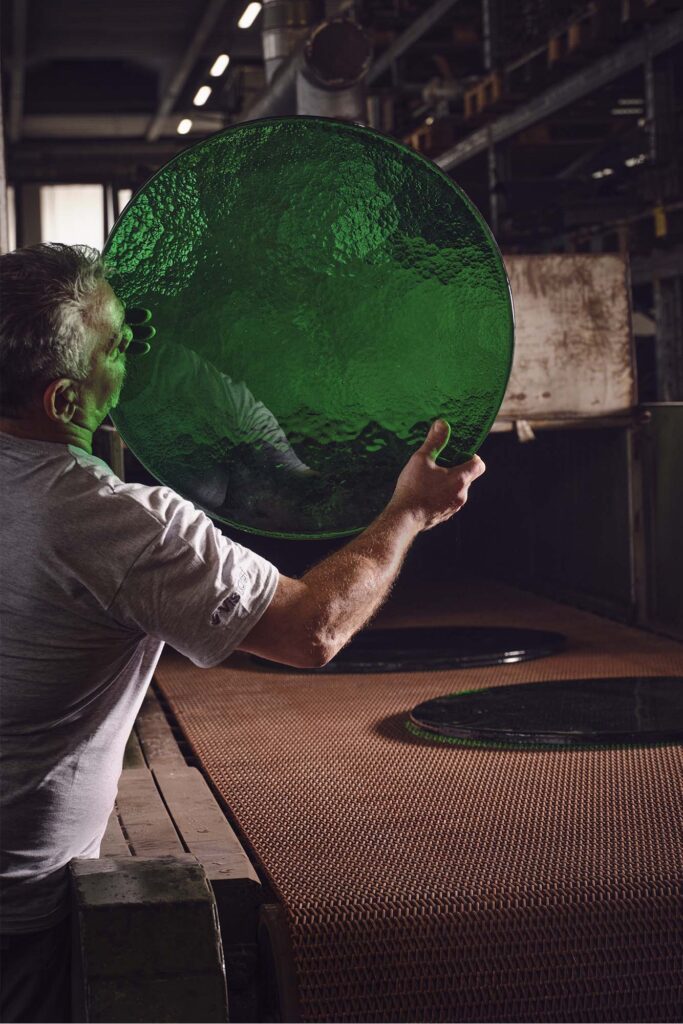


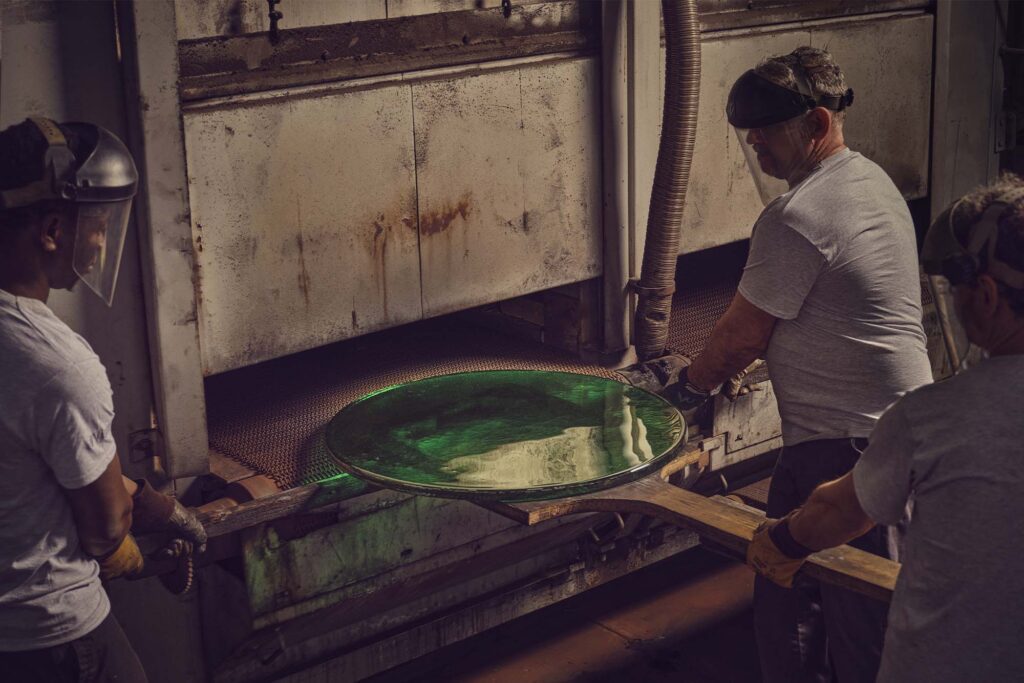
The result is a structure whose elements include locally made glass, repurposed 200-year-old Venetian palazzi wood beams, and terrazzo made in part from recycled Murano glass scraps. “I want people to be delighted when they experience the pavilion,” Issoufou says. “I hope it inspires them to appreciate Italian craft, but perhaps to even approach the local craft and architectural conditions in their corner of the world.”
The pavilion also acts as a stage for what is perhaps Rolex’s most unique contribution to the field of architecture. As part of its Perpetual Arts Initiative, which also extends to cinema and music, the brand pairs young architects from around the world with leaders in their field for a two-year mentorship program. In light of this, the Rolex pavilion at the 2025 Biennale Architettura also serves as a screening room for The Value of the Existing, a documentary directed by Lebanese-Armenian architect Arine Aprahamian, who was paired with Pritzker Prize–winning architect Anne Lacaton in 2023. Focused on Bourj Hammoud, the densely populated Beirut neighbourhood where Aprahamian grew up, the film documents her ongoing work to adapt under-utilized or abandoned buildings into spaces that improve the lives of the community.
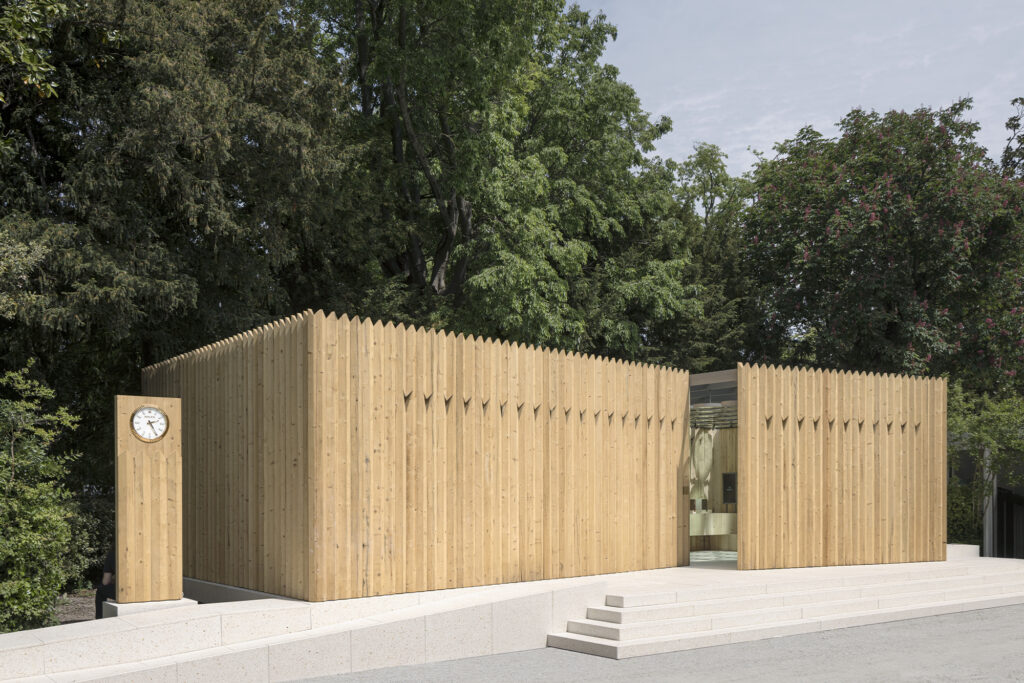
While the chaotic urban context of Bourj Hammoud is a world away from the orderly environs of the Biennale, the contrast between Issoufou’s newly built pavilion and Aprahamian’s architectural study of a century-old neighbourhood creates a conversation about the role of architects and architecture in the modern world. “Arine’s work is exciting because she embodies the future of architecture,” Issoufou says. “Her spatial design interventions in this low-income neighbourhood show that as architects, our work is not always to come and intervene; there is great value in design interventions that champion and work with what already exists. The two [projects] balance each other out.”
Inside the pavilion, the Venetian sunlight filters through the branches of trees overhead before illuminating the green glass of its roof, giving the interior a serene, otherworldly feel that belies its austere wooden exterior. Part experiential installation, part proof of concept, and part screening room, it serves as a stage for designers with ideas for changing the world for the better. Whether it’s finding new uses for century-old materials or repurposing under-utilized structures for the good of a community, from inside the light-dappled walls of the Rolex pavilion at the Venice Biennale, the future of architecture looks bright.