January tends to mark a “fresh start,” of sorts, when it comes to new directions for fashion, culture, and design. Of course, there’s the natural instigator of another calendar year beginning. And then, there are the more constructed indicators of fashion weeks signalling fresh collections and award shows, bookending the influence of film. In the case of Canadian design, that “fresh start” is most often sparked by the Interior Design Show, which invites a wide range of brands and designers to forecast the emerging design trends set to shape the coming year. This year, it should be no surprise that one of the most impactful (and consistently packed) booths was none other than IKEA.
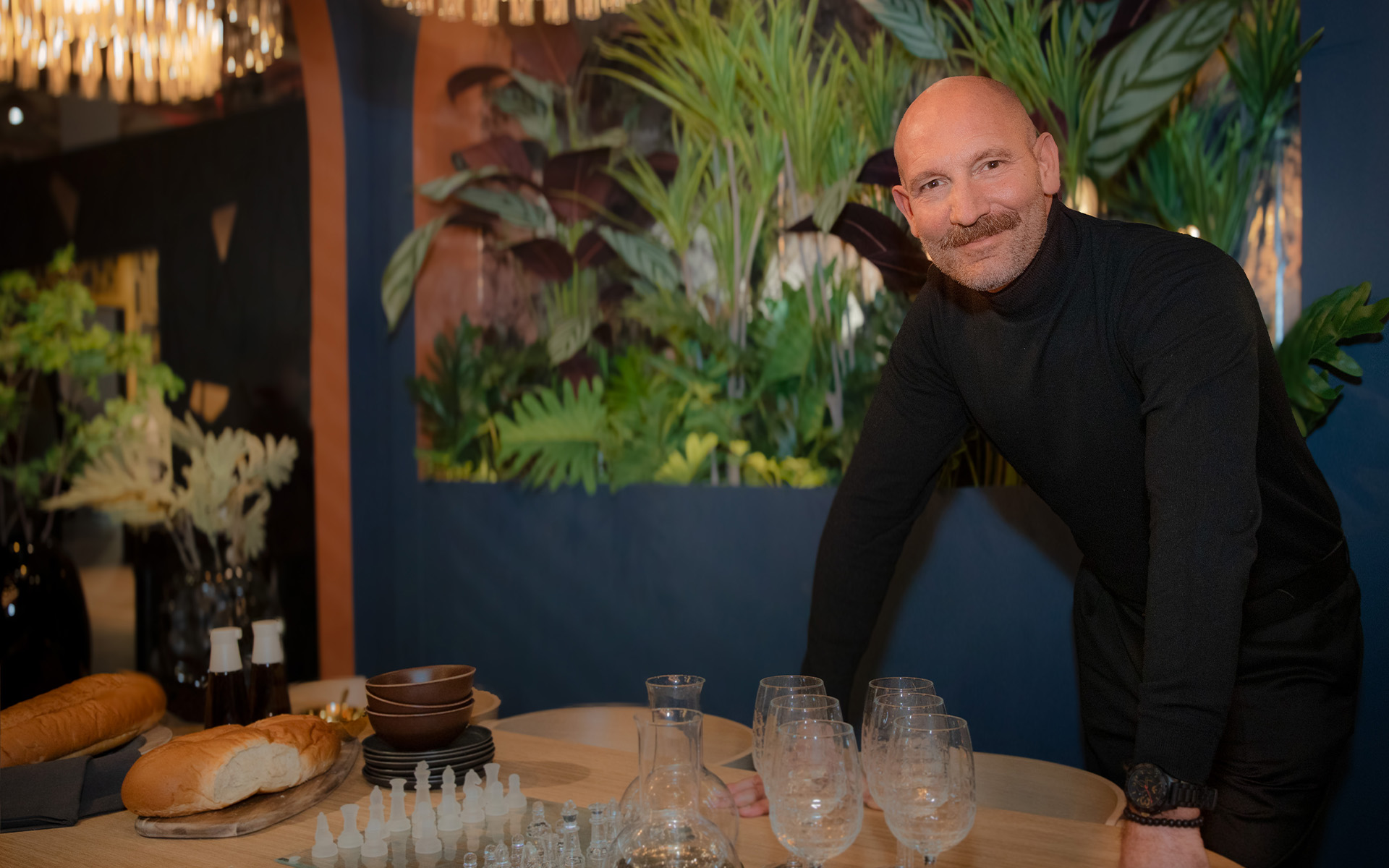
“To me, a home should tell a story. I cannot tell you what your story needs to be, but I would advise you to look at your life and how those experiences and interests might manifest in physical objects, furniture, layout, colours, et cetera.”EJ Middelhoven, Head of Home Furnishing & Retail Design, IKEA Canada.
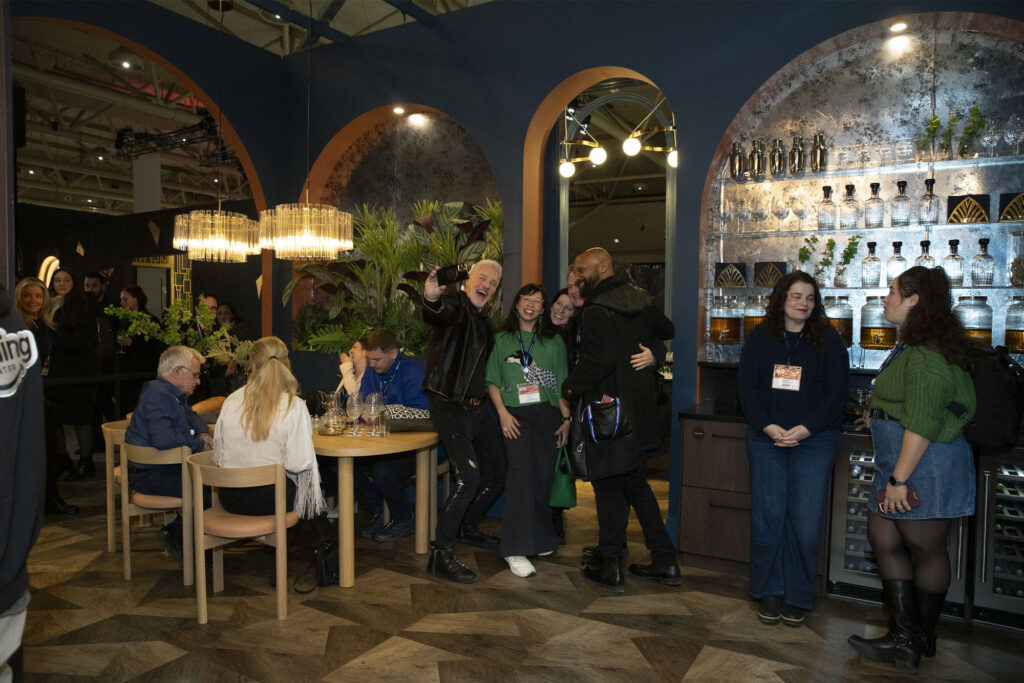
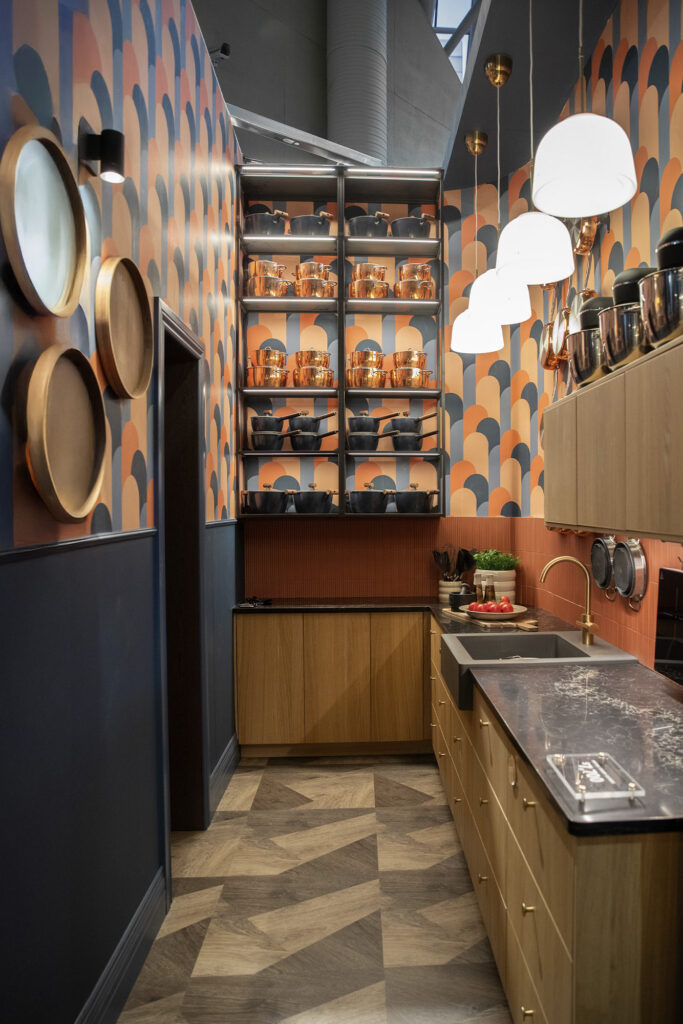
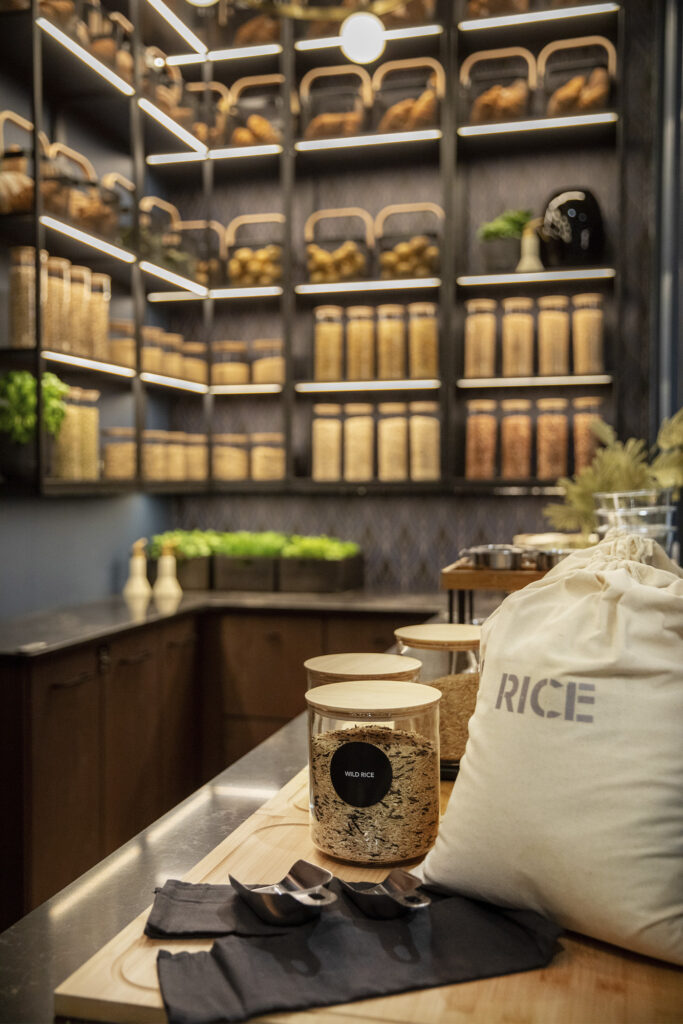
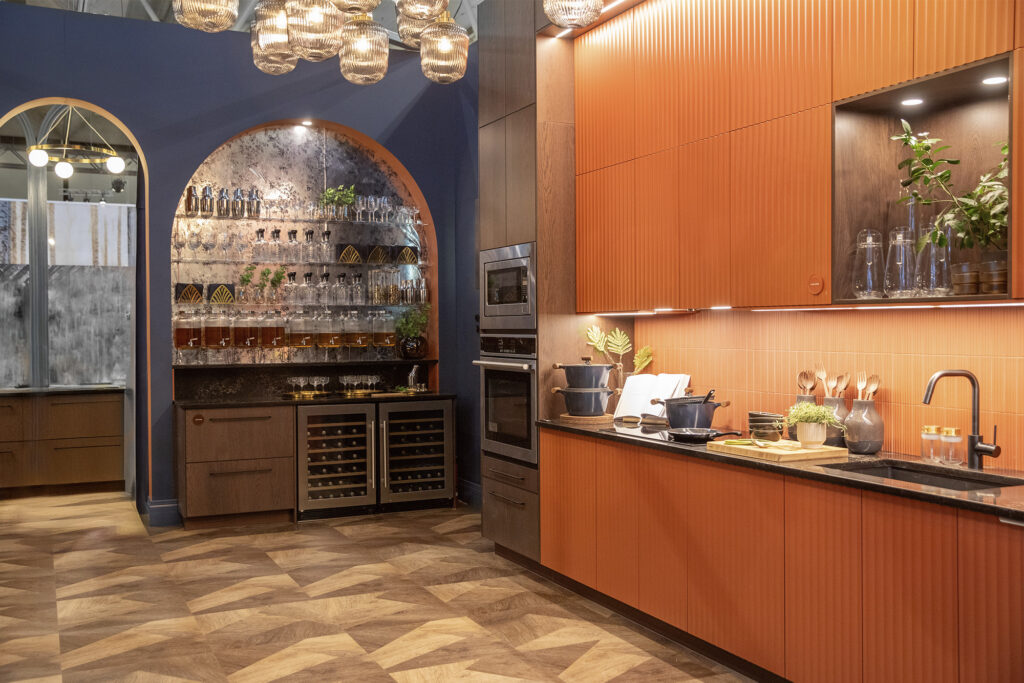
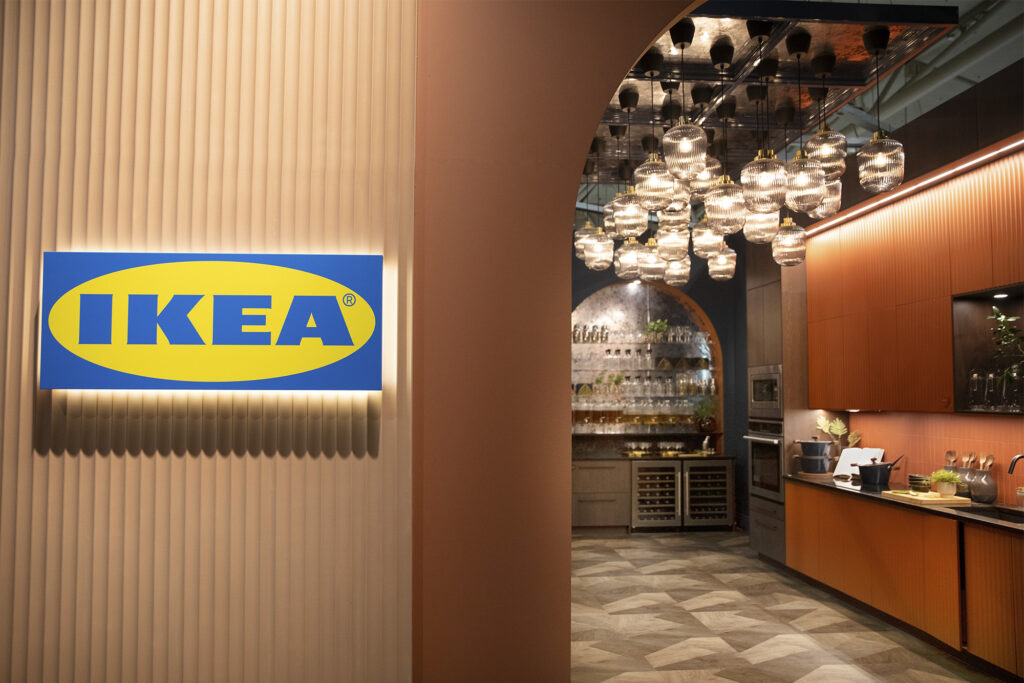
For over 80 years, the Swedish brand has been synonymous with tasteful, accessible, and (in a very Swedish sense) unwaveringly reliable in its offering. And yet, still, that reliability doesn’t come at the sacrifice of distinctive, provoking design sensibilities, as evidenced once again at the brand’s IDS display. Vibrant warm tones splashed across a striking terracotta kitchen, a walk-in pantry for smart storage, and a dining area with a beverage station came together to paint a vision of what 2026 has in store for one of the world’s biggest décor brands. To learn more about the intention behind IKEA’s design and how its influence might stretch beyond the brand, we asked designer EJ Middelhoven, Head of Home Furnishing & Retail Design, IKEA Canada.


To start, EJ, from a big-picture perspective, what are some of the more general trends that you’re focused on this season when it comes to home design?
The trend that we have to acknowledge, to start, is this big mood shift. Because that’s very basic, right? We started really with this mood shift. We wanted to incorporate either a turquoise or a terracotta brownish ground tone. So, we went with our new door, the TERRSJÖ door, which is launching in April. On top of that, it was the right colour for us, this warm terracotta glow. It also has this fluting, which really gives a sense of distinction.
We’re coming from a time where every space has to be multi-purposeful, right? Now, we’re gravitating more towards being very intentional and purposeful. So, when you look around our space here, we’re creating moments, and we really have dedicated spaces to host those moments. We have a workstation for drinks, where you can imagine mixing your Negroni at home. We have a pantry over here, where you can walk in and really conceptualize the potential storage. […] And then we chose to have a main kitchen with an uncluttered workshop space, one of the most common complaints. We also created a prep kitchen, or a messy kitchen, if you will. When you think about hosting, the idea of serving dishes in one space, and cleaning in another — it’s something very intentional that we’re reintroducing.


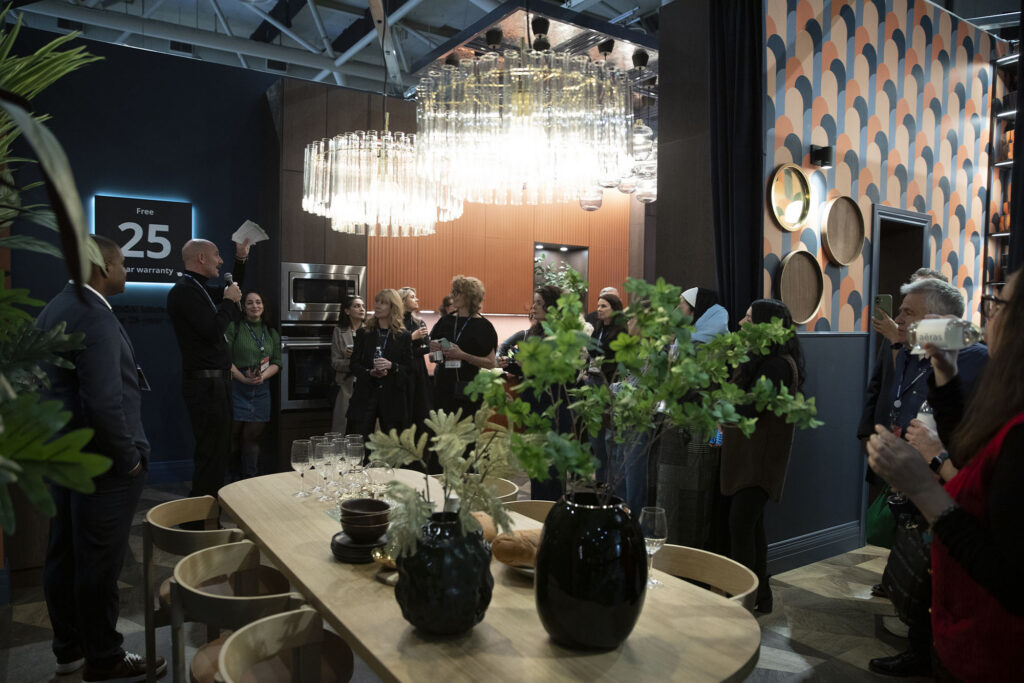
And I think what stands out is that each space feels so distinctive. For someone with a blank canvas of a home in terms of design, what are “dos” and “don’ts” when it comes to injecting personality into a space?
To me, a home should tell a story. I cannot tell you what your story needs to be, but I would advise you to look at your life and how those experiences and interests might manifest in physical objects, furniture, layout, colours, et cetera. For example, I’ve lived in 12 countries throughout my career, so I have a lot of influences. Naturally, by default, my story and my home become eclectic. Also, it should complement how you live your day.
When I come home from work, my husband and I always play a board game before dinner. So, it sounds simple, but that directs the space. We shouldn’t have a sofa as the central furniture piece. It should be a table, it should be proper seating, it should be well-lit. These are all things directed by how we live our lives. Design matters, of course. But start with function, always, and build from there. That’s also how we design our products.
When you talk about functionality feeding into aesthetics, my mind immediately anchors to the idea of materials. Can you speak to what considerations went into the materials in this year’s designs?
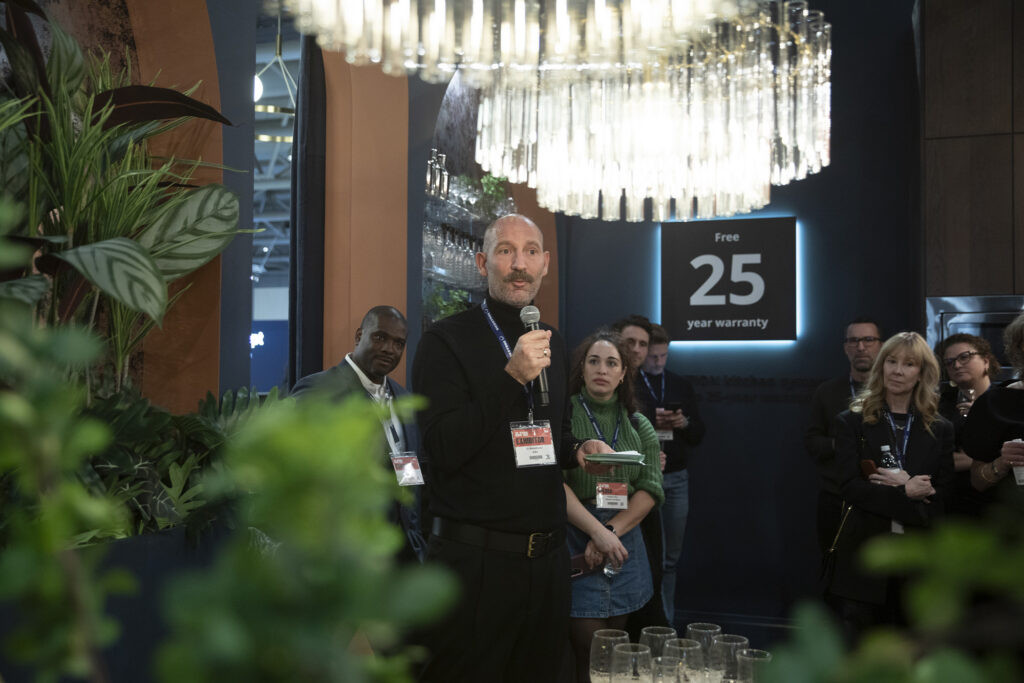
First of all, I think a lot of people correctly connect the concept of materials with the concept of durability. So, I’d be remiss if I didn’t [mention] that all our kitchen cabinets and doors come with a free 25-year warranty. And when talking about durability, we know what we’ve created. We stand for that, that’s also why it’s free. We believe absolutely in a minimum of 25 years.
Otherwise, I think what you’re going to see is people are more sustainable and conscious of raw materials. We’re moving away from natural stones; they’re beautiful but have limited availability. So, what we have chosen here is this glass composite with 80 percent recycled content. We can still have beautiful, rounded edges; it can look like quartz, it can look like marble, depending on which one you choose; however, it’s more durable.
Can you take us through what the moodboard looked like when you were first conceptualizing the year?
My direction and vision were very clear. I really wanted this very moody, warm feel. I wanted high tactility; I wanted to be able to touch everything and feel the characteristics of the space. It needed to have great fluting. So, we started warm and added some of the shinier objects and appliances to create that tension. And really, it’s a space meant for joy and warmth.