When it comes to the essence of Italian dining, Zachary Kolomeir says it boils down to two elements quintessential to the culture’s rich culinary roots.
In Toronto’s Little Italy, restaurants’ reliance on those items tends to yield “a very non-traditional Italian experience,” says the head chef and co-owner at N.L. Ginzburg, which recently opened near the eastern edge of that very neighbourhood (at 548 College St.). “We wanted to do something more authentic by combining two of the most Italian things we know: warm hospitality and local ingredients.”
“The whole point is to feel like you’re at somebody’s home, whether it’s a nonna’s house in Little Italy or a bubbe’s house in Côte Saint-Luc. There’s a generosity to the food that connects both cultures.”
Zachary Kolomeir
Following the 2020 launches of Dreyfus and Taverne Bernhardt’s, and of Vilda’s sandwich shop two years later, the fourth eatery from culinary power couple Kolomeir and Carmelina Imola is notably introspective. “The whole project started with Carm and our experiences going to Italy, surrounding ourselves in her culture and her language and her people,” explains Kolomeir, who was previously the chef de cuisine at Montreal’s Joe Beef. “To me, the most Italian thing of all is sourcing locally. Plenty of restaurants in Little Italy import prosciutto, for example, but for us it’s about only using Ontario charcuterie and making things ourselves as much as possible.”
Kolomeir’s Jewish background is reflected in more than the restaurant’s name, which honours Italian-Jewish activists and intellectuals Natalia and Leone Ginzburg. “When people say it’s Italian-Jewish fusion, I don’t see it that way. It’s food made by a Jewish guy who thinks about food all the time,” Kolomeir explains. “The whole point is to feel like you’re at somebody’s home, whether it’s a nonna’s house in Little Italy or a bubbe’s house in Côte Saint-Luc. There’s a generosity to the food that connects both cultures.”
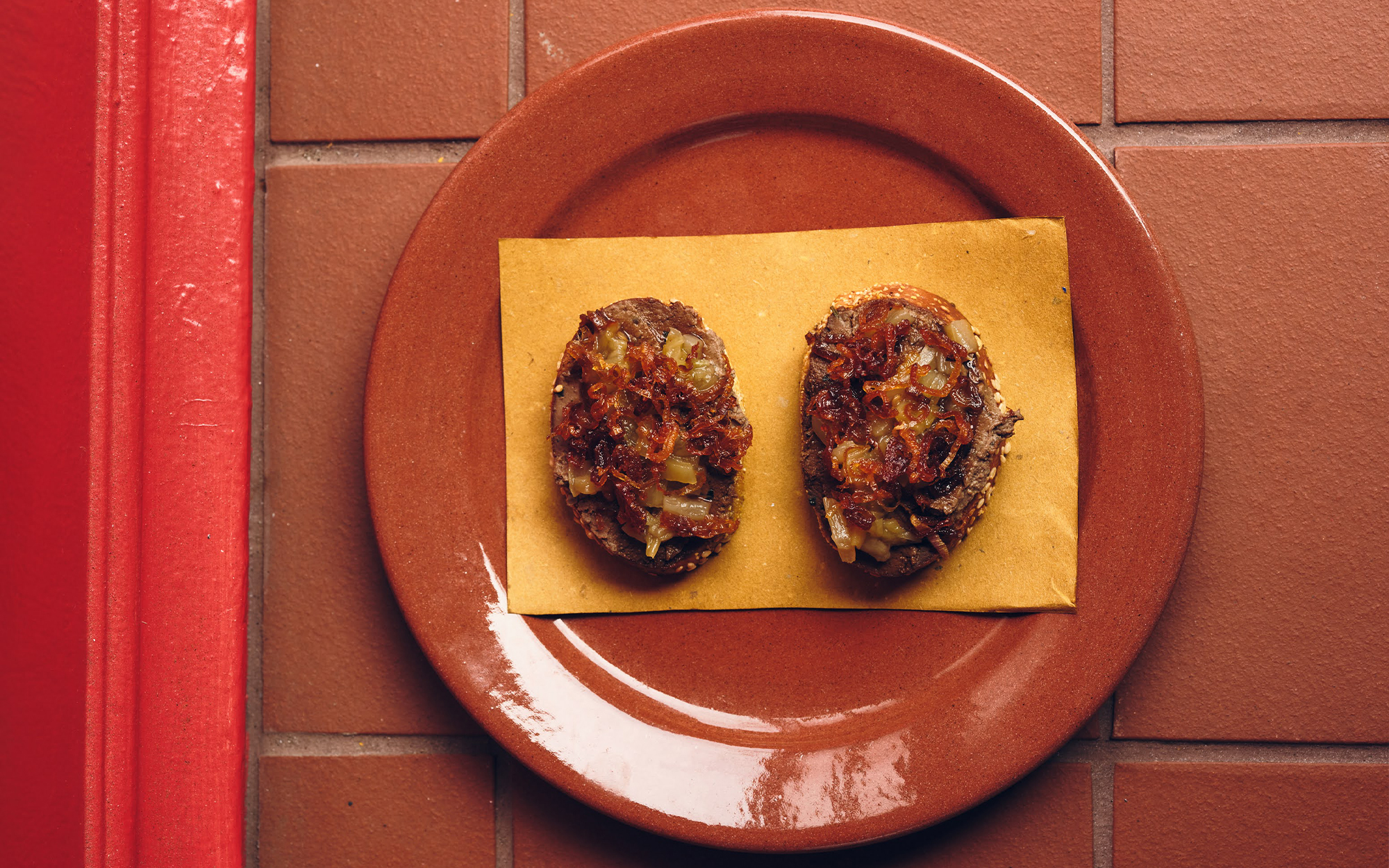
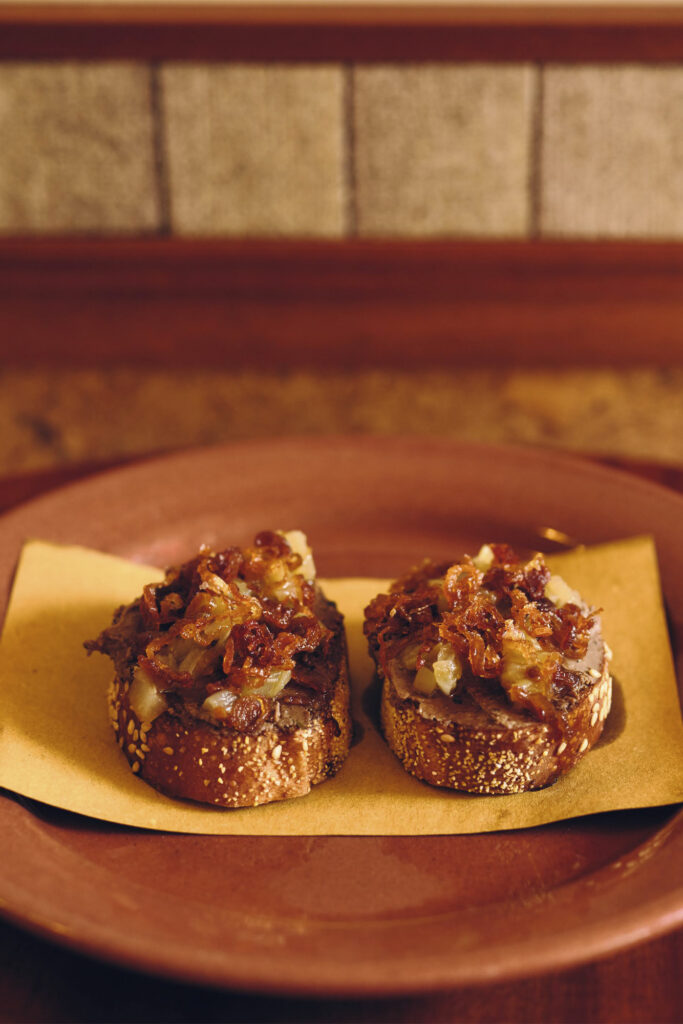
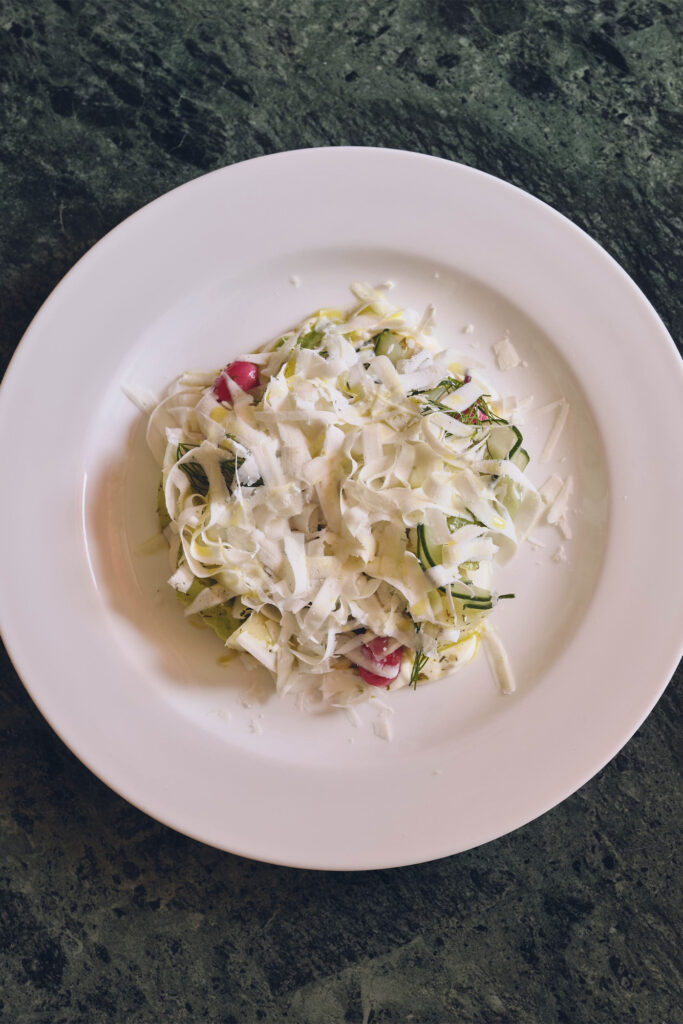
This merging of cultures and techniques is apparent in a refreshingly vernal salad of Ontario green beans, shaved cucumber, and hazelnut crumbs tossed in crème fraîche, topped with grated ricotta salata, and finished with a light dill vinaigrette. The same goes for chopped-chicken-liver crostini layered with fried onions, rosemary, thyme, and served on semolina-sesame bread.
A primi of handmade tagliatelle arrives swathed in a light ragù prepared with Ontario duck — dishes are designed to be shared — followed by a quartet of Ontario lamb chops bathing in sublimely savoury jus and topped with mildly picante salsa verde.
Rather than restricting itself to Italy, the wine list instead focuses on small organic producers worldwide. Cocktails nod to northern Italian traditions, yet they lean on Ontario’s seasonal bounty. A subtly summery vesper martini, for instance, is crafted with gin infused with Ontario strawberries, while other drinks incorporate fresh herbs and citrus to align with the kitchen’s emphasis on freshness.
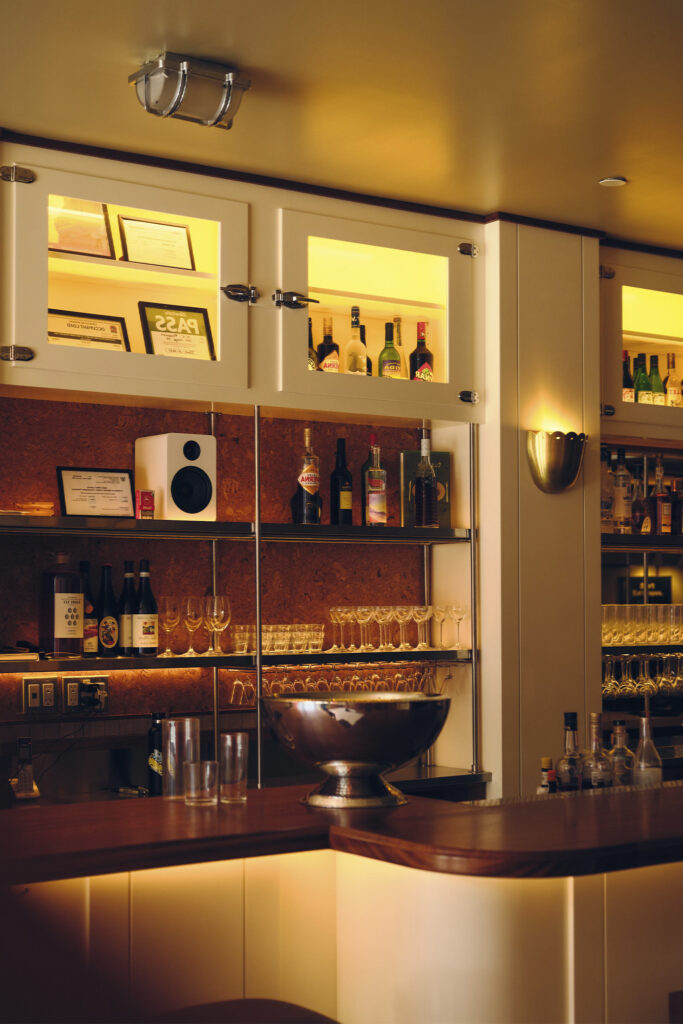
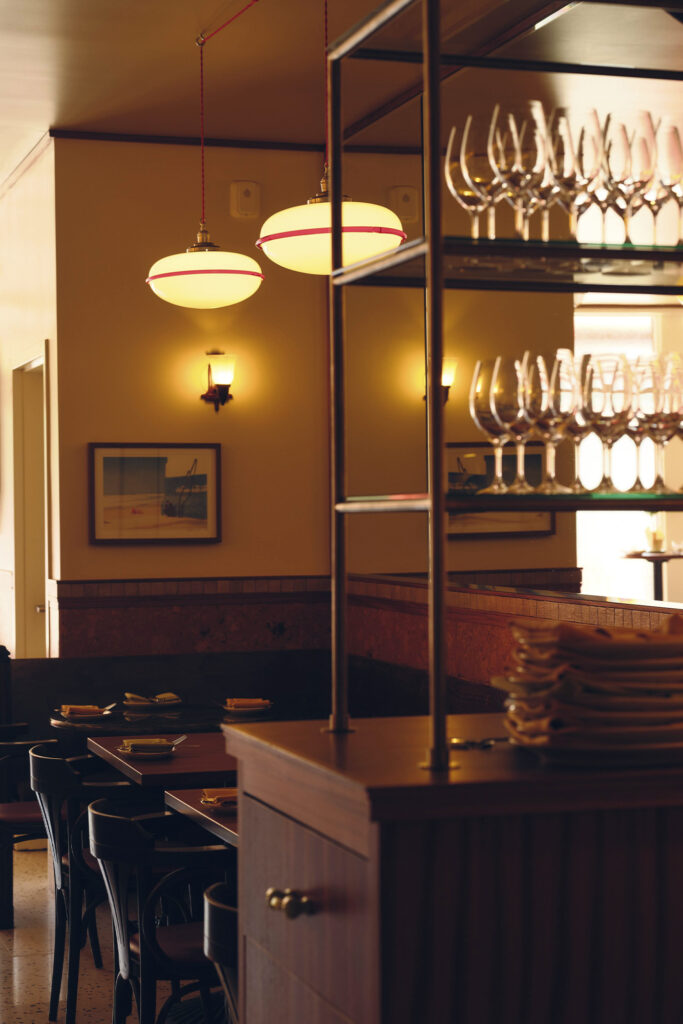
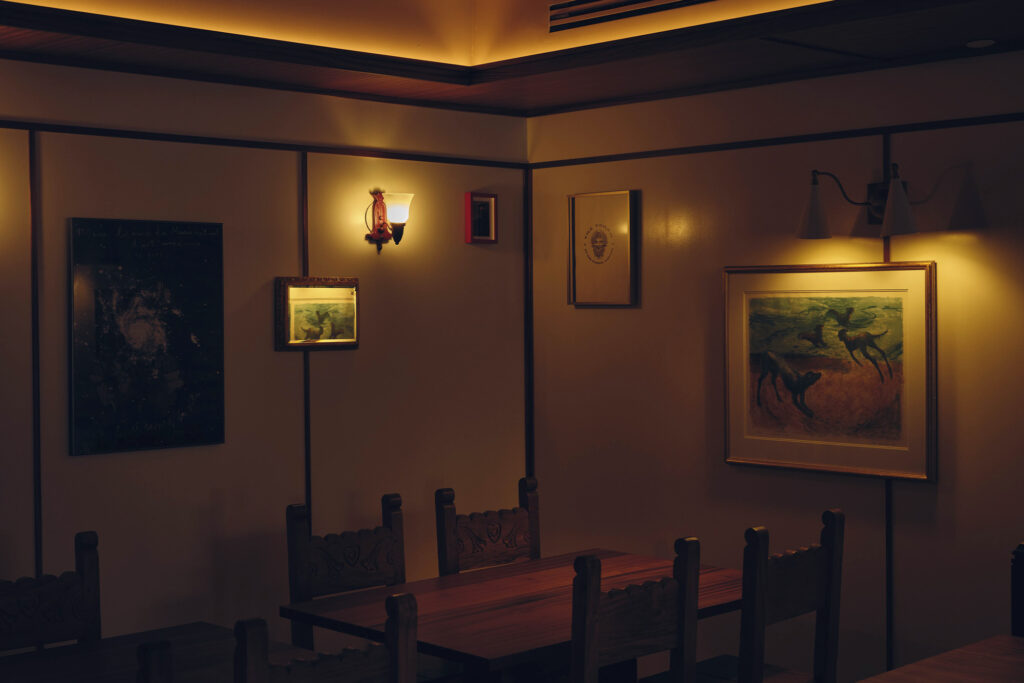
The atmosphere and service are as carefully composed as the food and drink. Finished with warm wood, terrazzo floors, and vintage banquettes, the deep-set room is dimly lit yet inviting. Original 1980 Simonetti chairs anchor the seating, while the walls carry an eclectic mix of Italian film posters, religious artwork, and whimsical dog portraits. And when wine glasses empty moments before the lamb chops arrive, two new ones appear with remarkable haste.
By blending memory with culinary innovation, Imola, Kolomeir, and partner and general manager Tristan Eves have created a restaurant that is as much about storytelling and cultural identity as it is about flavour — a space where Little Italy gains not just another restaurant, but a deeper narrative about food, roots, and belonging.
FEATURE PHOTO BY GRAYDON HERRIOTT.