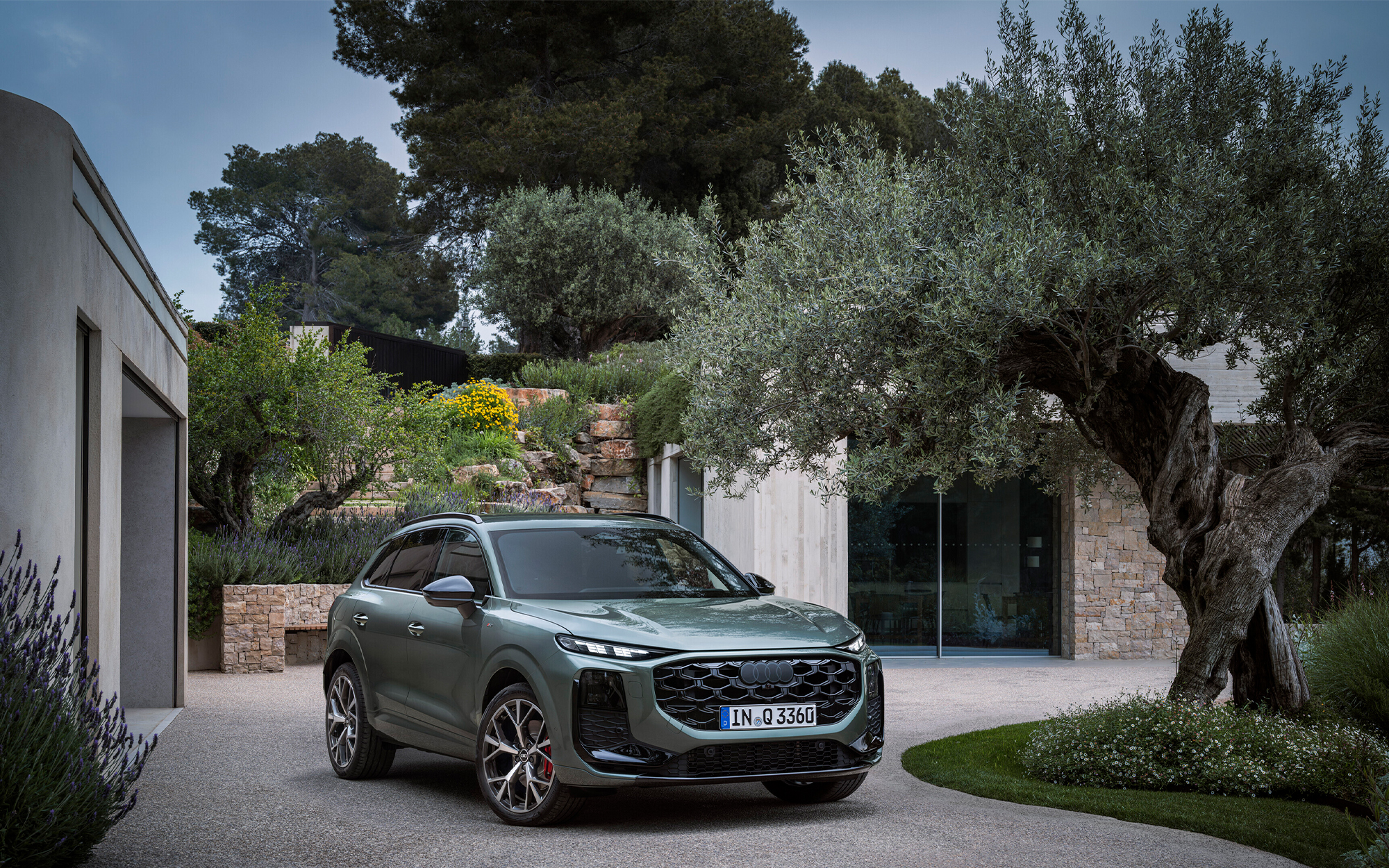
Audi’s third‑generation Q3 lands with the confidence of a suit tailored a half‑size slimmer and a full degree sharper. It still plays in the entry‑luxury sandbox, but the new one broadcasts a more mature brief: tighter refinement, richer tech, and a design language that feels pulled from the brand’s bigger, pricier SUVs and distilled. It’s the smallest Audi crossover that finally looks and feels like a real Audi again, not an upsized hatchback with four rings. That’s not just marketing gloss; it’s baked into the platform, the cabin, and even the way its lights think for you at night.


From fifty paces, the Q3 reads lower and longer, its tensions crisper, its surfaces more disciplined. The single frame grille sits high and proud, flanked by slim split headlights; the shoulder line extends across the flanks, nodding — subtly — to the original Quattro’s muscle. Official dimensions inch up only modestly, but the stance does the heavy lifting, and aero work (CD as low as 0.30) pairs style with efficiency. Look closer and you’ll catch an optional full‑width rear light bar and illuminated rings — a flourish ever-present on six‑figure metal. The “grown‑up” vibe isn’t imagined; it’s deliberate, and it shows. This new Q3 feels much closer to a Q5 than ever before.
Inside, Audi moves the Q3 decisively into its modern UX era with the “Digital Stage” — an elegant, single housing for an 11.9‑inch Virtual Cockpit and a 12.8‑inch central touchscreen (with an available head‑up display). The interface runs Android‑based software with an Audi app store, and the important stuff — navigation guidance right in the cluster, natural‑language voice control — works the way you want it to. Ambient lighting (30 colours) traces the dash and doors, while a 420‑watt, 12‑speaker Sonos system provides proper sound. A new steering‑column control unit that relocates the shifter to the right stalk and consolidates lighting/wiper/indicator functions on the left. The upside is tangible: more console space for two honest cupholders and a cooled 15‑watt wireless charging tray under a tidy sliding lid. As you’d imagine the on‑board Audi assistant uses AI, appears as an avatar in the central display, and echoes prompts in the HUD and instrument cluster for natural, eyes‑up control. Beyond the cabin, the refreshed myAudi app ties it all together with remote lock/unlock and other Audi connect services — useful, everyday utilities that make the Q3 feel like a well‑designed gadget as much as a compact luxury SUV. It’s modern Audi minimalism with actual usability and it’s all rendered with a solid, high-quality feel in pleasingly textured materials. It’s a nice space.


Refinement is the clearest measure of the Q3’s glow‑up. Acoustic glazing for the front side windows — available here for the first time in Audi’s compact class — filters out the urban hash that used to seep into the cabin. Pair that with the improved aero and you get a small SUV that is hushed, nearly silent, at highway speeds, even on larger wheels. Our test drive on the undulating b-roads of Scotland revealed a plush but composed ride with precise steering; Europe gets trick two‑valve adaptive dampers, but even the fixed‑rate Canadian setup benefits from the chassis’ broader revisions. The result: the Q3 no longer fidgets; it flows down the road soaking up imperfections and bends alike.
Under the hood is a reworked 2.0‑litre turbo four with 255 hp and 273 lb‑ft, now paired to a seven‑speed dual‑clutch gearbox and standard quattro all‑wheel drive. Audi claims 0–60 mph in 5.5 seconds — nearly a full two seconds quicker than before — thanks in part to the quicker‑shifting transmission. It’s an efficient and refined powertrain well suited to the size and station of the Q3.

Practicality hasn’t been sacrificed at the altar of style. The rear bench still slides and reclines, splitting 40/20/40, and cargo capacity grows to 488 L (17.2 cu‑ft) with the seats up and as much as 1,386 L (48.9 cu‑ft) with them folded. Towing, if you care, is rated up to 2,100 kg (about 4,630 lb) when properly configured — handy for a pair of sleds or a compact track toy. Details matter: the revised console storage, the available panoramic glass roof, and the way the door fabrics can be perforated and backlit to become a design feature at night. It’s everyday luxury executed with restraint — a return to the Audi interiors that made them famous for design and taste in the first place.


About those headlights: Audi’s new Digital Matrix LED units are the Q3’s party trick, and they’re more than a fancy startup animation. Each headlamp uses a micro‑LED module with 25,600 individually controlled pixels (each about 40 micrometres) to paint an ultra‑precise light pattern. That precision enables “lane guidance” and “orientation” functions: the headlights can subtly carpet the lane you’re using and highlight its edges, easing your eyes on dark highway runs. They’re also woven into the driver‑assist net — active lane‑change warnings can appear within the lighted lane if a vehicle sits in your blind spot; on frosty nights, an ice‑crystal symbol can project ahead above 70 km/h to cue caution.


The big payoff isn’t dazzle but discretion: brilliant foreground and sign illumination, seamless shadowing around cars ahead, and less cognitive load in the dark. The technology arrives from Audi’s full‑size class; the Q3 is the first Audi to use this micro‑LED module in the compact segment.
The 2026 Q3 doesn’t shout; it edits — tightening the lines, trimming the noise, and adding intelligence where it matters most. If you’ve been waiting for the baby Audi SUV to feel like a shrunken Q5 rather than a stretched A3, your patience has been rewarded.