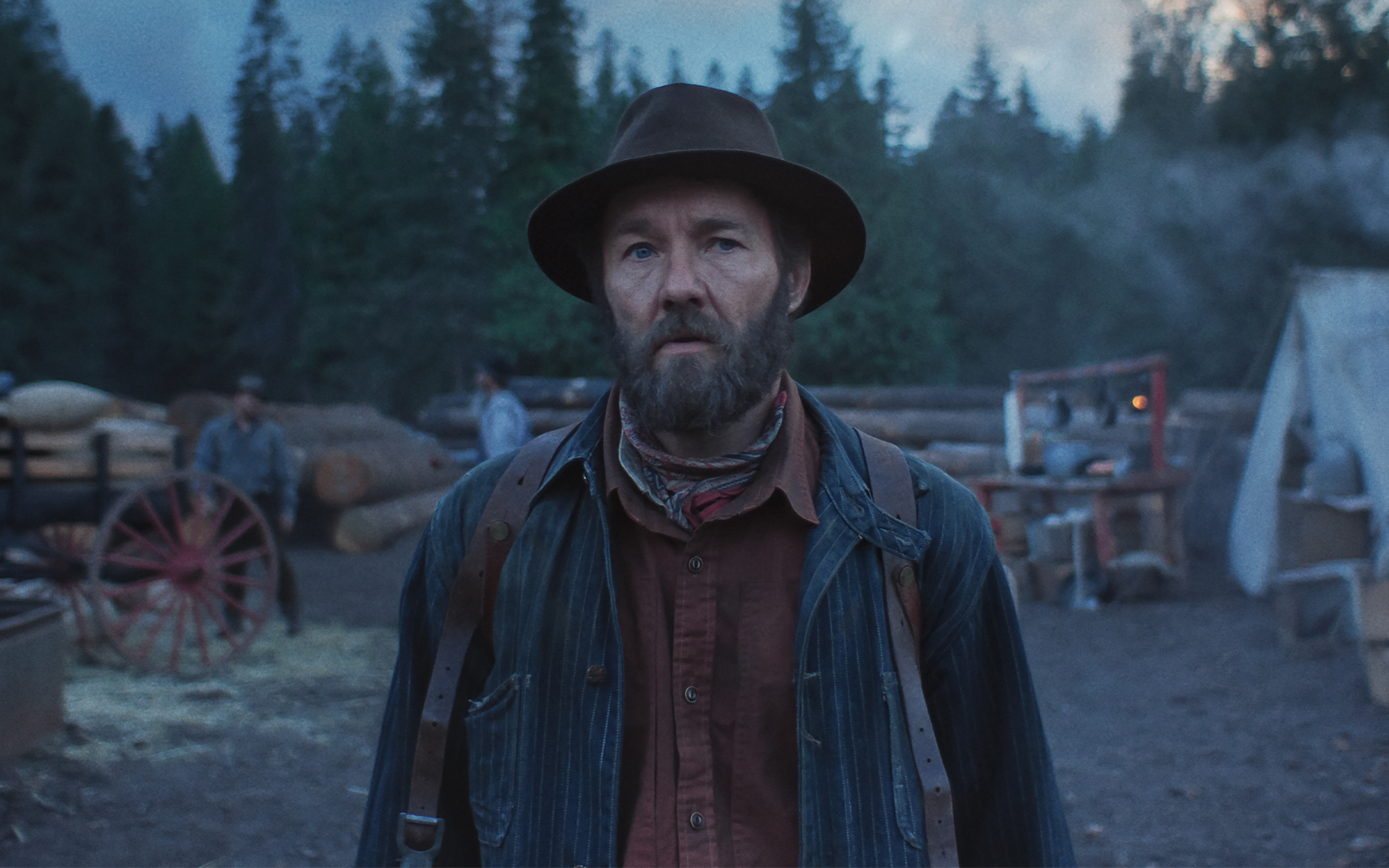
Forget the typical actor’s process of transformation. For Joel Edgerton, starring as the logger Robert Grainier in Netflix’s Train Dreams was not about becoming someone else, but about the act of unmasking. In a career filled with dynamic, often “louder” roles, this quiet, deeply expressive performance is, by his own admission, the most personally connected he has ever been. It’s also the most exposing role yet. Edgerton moved beyond the usual artifice of acting to channel his own life as a husband and father, resulting in a heartbreaking and vulnerable on-screen presence.
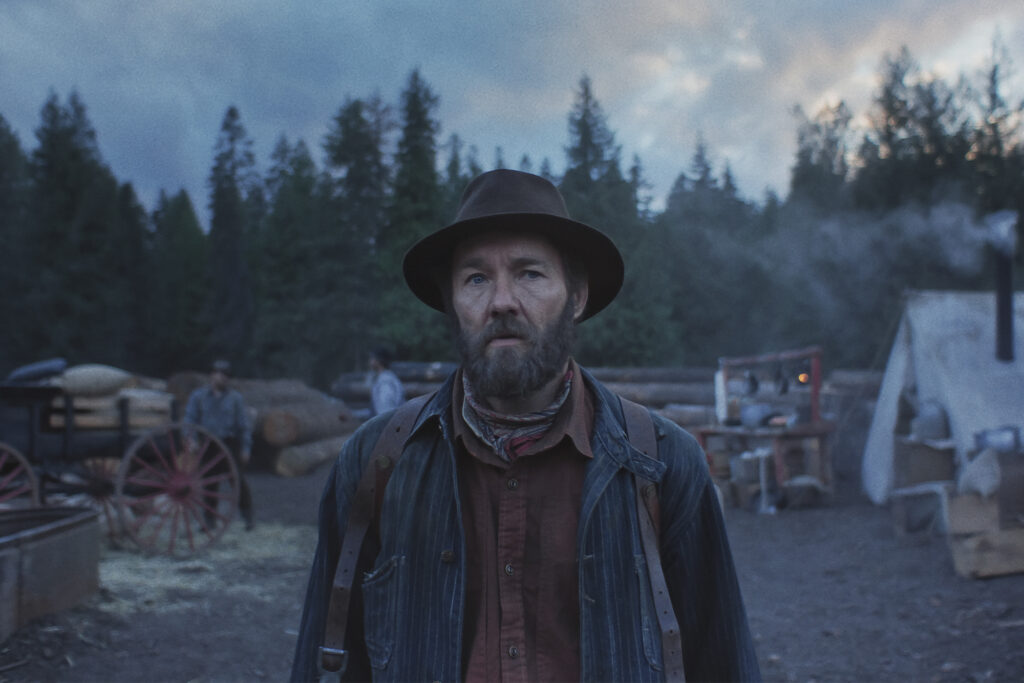
Train Dreams, directed by Clint Bentley, who co-wrote the screenplay with Greg Kwedar, is based on a 2011 novella by Denis Johnson. The film stars Edgerton, Felicity Jones, Clifton Collins Jr., Kerry Condon and William H. Macy. It follows Robert Grainier (Edgerton), a logger and labourer in the American West during the early 20th century. His simple life with his wife and daughter is shattered when they are tragically lost in a wildfire while he is away working on the railroad. The movie chronicles his long, solitary existence that’s haunted by loss and memory, navigating a rapidly industrializing wilderness.
“If you take [the fact that] I’m a logger in the film away, it’s very much a very personal journey for me.”Joel Edgerton
The Australian actor typically approaches a new character by seeking out and amplifying aspects of himself that he normally keeps “leashed.” He calls this process letting certain traits, like violence and certain darker aspects of you, “take a walk” on screen. The challenge is often one of transformation: how to fit into the skin of somebody else.
With Robert Grainier, this dynamic was inverted. Edgerton found that Grainier’s core emotional life, one with fear, the joy and heartache, was already his own. As a father of two young children, Edgerton instantly related to Robert’s anxieties. The need to leave family for work, coupled with the primal fear that “anything might happen to any of them,” made the character’s journey deeply resonant.
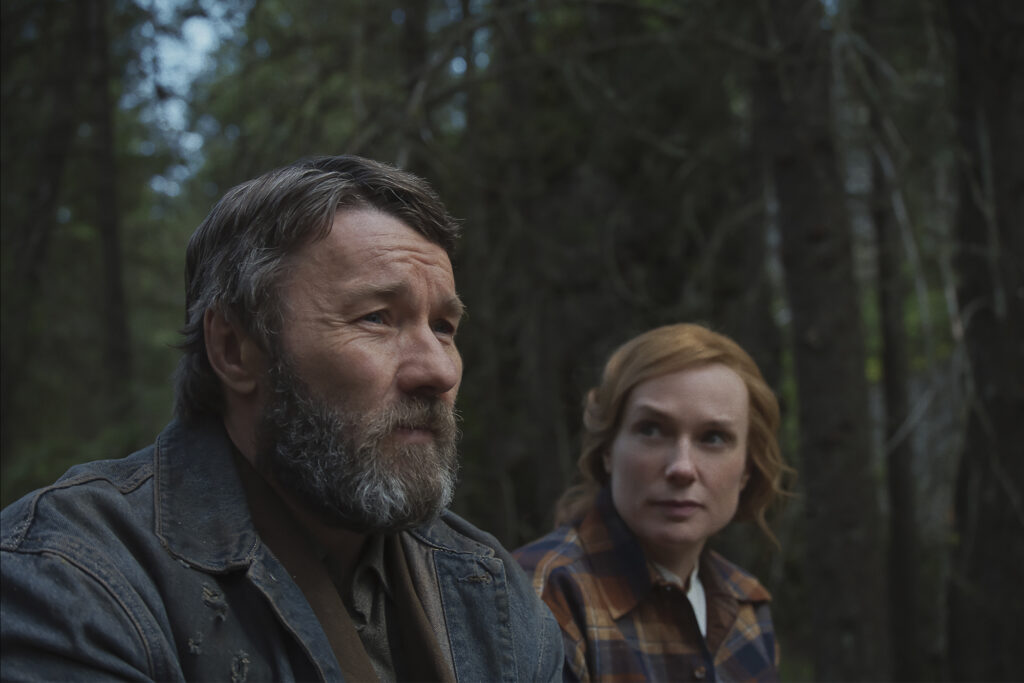
“I realized there’s so many aspects of him and traits of him, that are very much me,” Edgerton said in a virtual interview, describing the experience as uniquely “exposing.” “If you take [the fact that] I’m a logger in the film away, it’s very much a very personal journey for me,” he explained. He didn’t have to stretch too far to access the required emotions.
This radical connection transformed the role from a technical acting exercise into a heartfelt exploration of his own life, a rare and vulnerable experience for the seasoned actor. The role, Edgerton believes, came to him at the right moment in his life, “that I could really, really find myself in it whereas five years beforehand, it would have been a lot more of me using an imagination for things I had less connection with.”
Edgerton, whose career spans over three decades, is often celebrated for his ability to convey volumes with little to no dialogue, a gift he deployed in his performance in Loving. In Train Dreams, this stoic and non-verbal approach is paramount, demanding a different kind of focus than the louder, more dynamic roles he has also inhabited in the past.
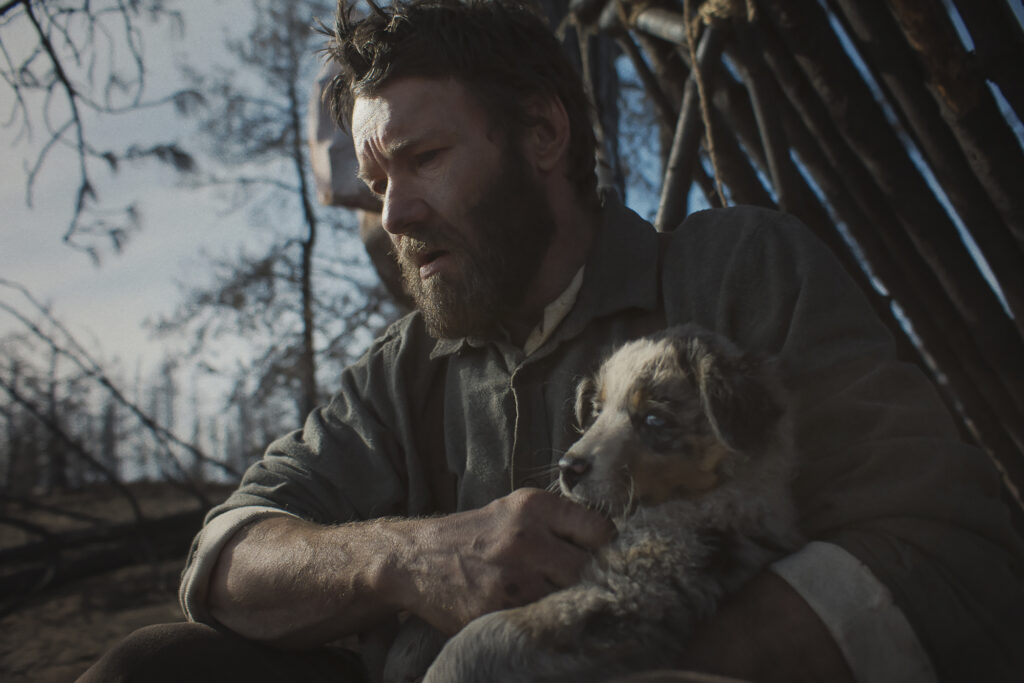
For Edgerton, a non-verbal performance is an exercise in trust. When an actor can’t rely on big speeches to explain what they’re feeling, the truth resides in the thoughts and micro-expressions visible to the camera: “The camera is going to see whatever you’re thinking and so your thoughts better be in order.”
Acting, he muses, is always “some version of a lie.” The appeal of roles lies in the challenge of “tricking yourself into the belief of it.” He said: “Reading the most micro expressions on people has always been a pleasure of mine as a moviegoer. [I] kind of feel like this allows me inside their brain. I could see what they’re thinking. It’s always something I’ve really admired and I think that it’s something I’ve always wanted to be able to emulate.”
“One day you’ll look back on all these special things and wonder, ‘Did I give this person the time and the importance that I know that they held for me?'”Joel Edgerton
The lack of dialogue in Train Dreams heightened his vulnerability. “One of my favourite characters I ever played was in Black Mass which was a character who, unlike Robert, just would not shut up and there’s a way of hiding amongst words in its own different way. But, when all the words are taken away, you are very exposed and so that makes it quite a vulnerable thing to go about doing that. I do enjoy it.”
Beyond the technical craft, Train Dreams fundamentally altered Edgerton’s perspective on life and work, urging him toward greater authenticity.
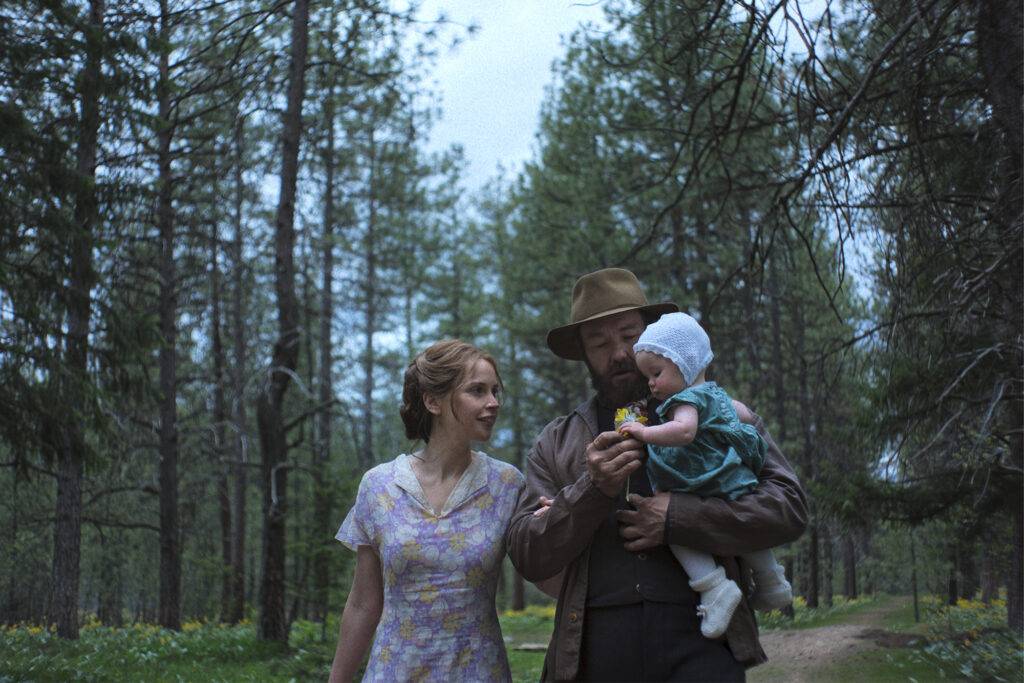
On a professional level, the success of this deeply personal role has encouraged him to trust his own emotional experiences. “I think I will be more trusting of seeking characters that bring more of my personal feelings [out] and not hiding from myself. I think in the past, I’ve often thought, ‘Well, I’m not interesting enough. I need to be a character that’s fascinating to an audience.’ I do feel like it’s worth plugging into personal experience in order to make the film more special or the character more relatable.”
The film’s emotional core, which examines the purpose of life through grief and loss, has had a lasting impact on how Edgerton operates in the world.
“If there’s things that I read that I can really connect with and I find very personal, I’ll be less afraid to trust doing those things in the future.”Joel Edgerton on lessons learned from “Train Dreams.”
The film’s message, for Edgerton, is a call to cherish the present. It forced him to reflect on the purpose of life, grief, loss and the importance of being present. “Cherishing the moments you have and the people you have and the life that you’re living and to be present to the moment,” he stresses. “Because one day you’ll look back on all these special things and wonder, ‘Did I give this person the time and the importance that I know that they held for me?’ And regretting not holding on to certain things more tightly or paying attention to certain things, and I’m talking mainly about family.”
This theme resonated powerfully with audiences, many of whom told him the movie made them want to “race home and hug my wife and hug my kids.” Edgerton states that in a world saturated with digital distractions and constant stimulation, the film serves as a vital reminder that “the real stimulation that is of value is the people that you really care about.”
As for the future projects, Edgerton knows what he’d like to tap into. “I think I’m always just looking for whatever the next challenge is and finding ways to sort of bend myself into different shapes, but like I said: if there’s things that I read that I can really connect with and I find very personal, I’ll be less afraid to trust doing those things in the future.”
The quiet journey of Grainier arrived at the perfect time for him, not only solidifying his place as one of the most expressive actors working today but also reshaping his dedication to treating all roles — whether leading or supporting — with equal importance and truth.
Edgerton brings incredible restraint to the role, making this a soulful portrait of an ordinary man who walks through the world feeling immense grief and loss. It’s clearly one of Edgerton’s best, and I think he rightfully deserves to get recognized by critics and fans alike, and earn his well-deserved first Oscar nomination.
Train Dreams is now streaming on Netflix.