The moment I knew we were officially cooked was the morning I saw the Protein Latte on the menu at my local Tim Hortons.
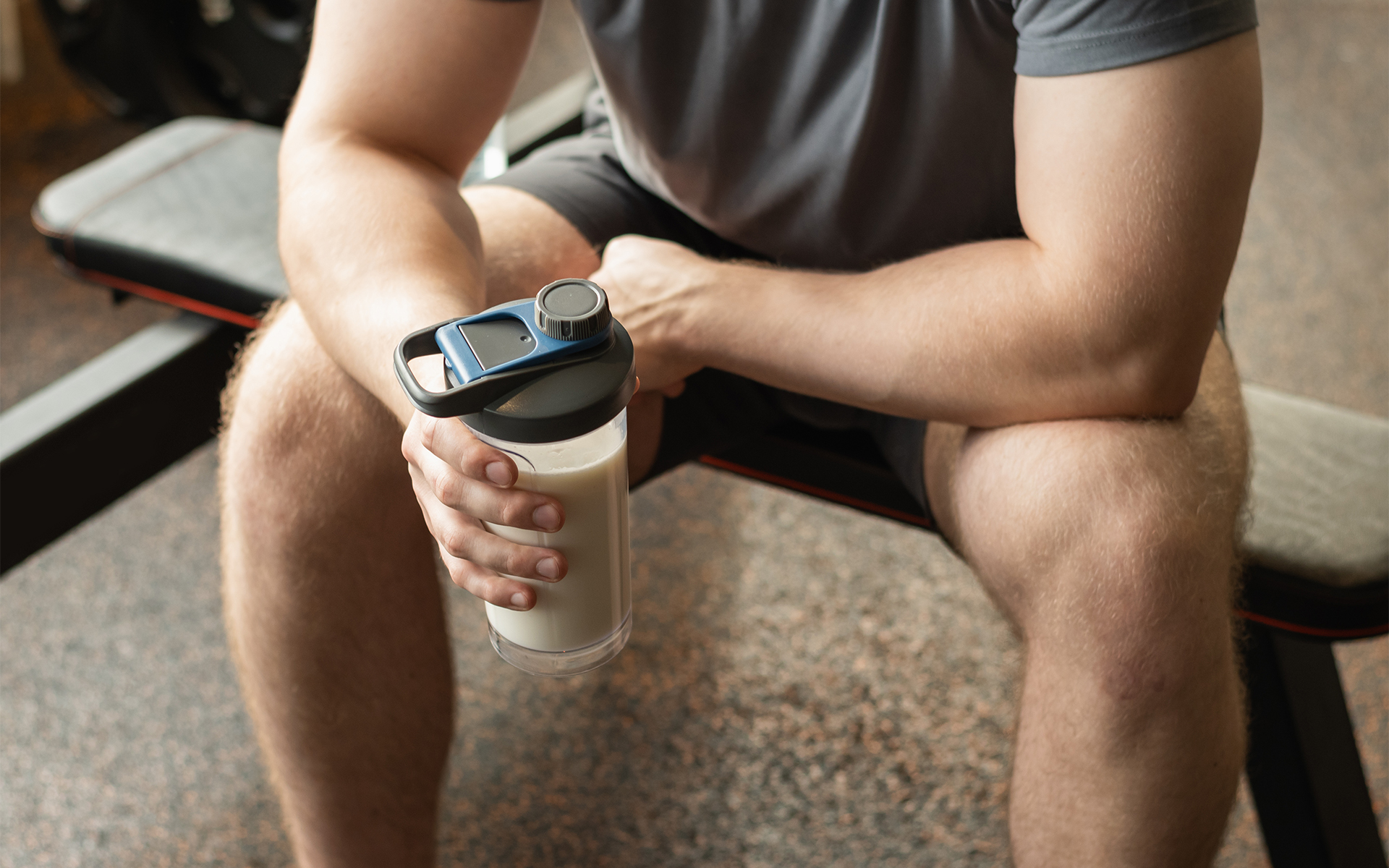
For decades, protein was a subterranean subculture. It was the domain of the gym rat — chalk-dusted men shaking plastic cups of beige sludge in locker rooms, smelling faintly of artificial vanilla or chocolate. It was functional, unglamorous, and utilitarian. But when Canada’s most ubiquitous coffee chain starts spiking its Double Doubles with 20 grams of “lactose-free high-protein dairy beverage,” the nutrient has successfully migrated from the weight rack to the suburbs.
Look around the grocery store aisles and you’ll see the “proteinification” of everything. It’s in our pancake mix, our chips, our candy bars — even our water. It’s the darling of Shark Tank, where Patrick Schwarzenegger recently pitched MOSH, his “brain brand” protein bar. Standing before Mark Cuban, he didn’t talk about getting swole; he talked about longevity and cognitive health. His goal was rebranding the muddy aesthetic of bodybuilding supplements into a sleek, venture-backed lifestyle essential.
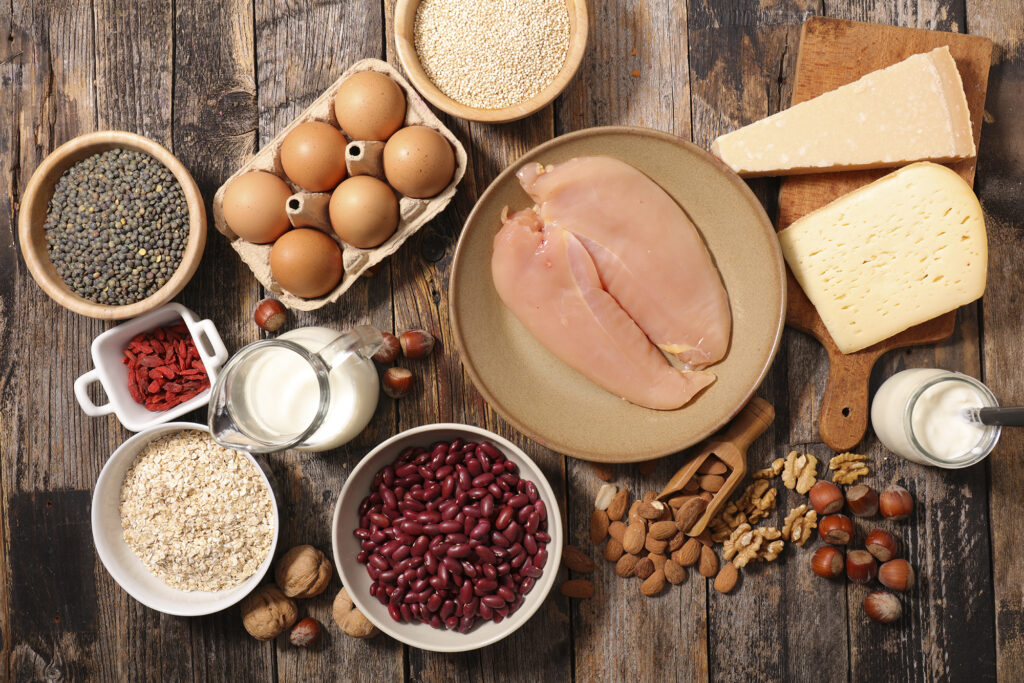
The gradual loss of muscle mass as we age, also known as sarcopenia, is the enemy of longevity. Experts, including Dr. Stuart Phillips from McMaster University, argue that the Recommended Dietary Allowance (RDA) (0.8 g per kilogram) is woefully inadequate for anyone who wants to be active in their 80s (Phillips recommends is 1.2-1.6 g per kilogram for healthy seniors and even higher for active ones).
The experts aren’t wrong — if you’re lifting heavy iron and training like a centenarian Olympian. But the industry has taken this clinical advice for athletes and repackaged it for the guy sitting in a Herman Miller chair for nine hours a day (me and probably you, if you’re reading this). The result is a billion-dollar feedback loop where anxiety about muscle loss fuels the purchase of ultra-processed snacks that often carry the caloric load of the junk food they replaced.
“Protein is essential, but let’s not pretend a candy bar is a health food just because a Schwarzenegger — or a Tim Hortons barista — says so.”
And, at some point, is there such a thing as too much protein? American chain Sweetgreen’s recently debuted the “Power Max Protein Bowl,” featuring a walloping 106 grams of protein. To get to that number, the bowl includes four portions of roasted chicken, two portions of quinoa, two portions of spicy broccoli, and two portions of green goddess ranch. Basically, it’s just a regular bowl with heaping extras of everything. Although you’re bound to feel gassy and bloated after consuming that much protein in one go, It turns out you might not be wasting money after all — it was long speculated that an adult could really only digest around 30 grams of protein per meal, but a 2023 study suggests that up to 100 grams of protein per meal can be utilized by the body.
Although the health benefits of protein are well documented, the protein boom is also arguably the greatest industrial upcycling scam in history.
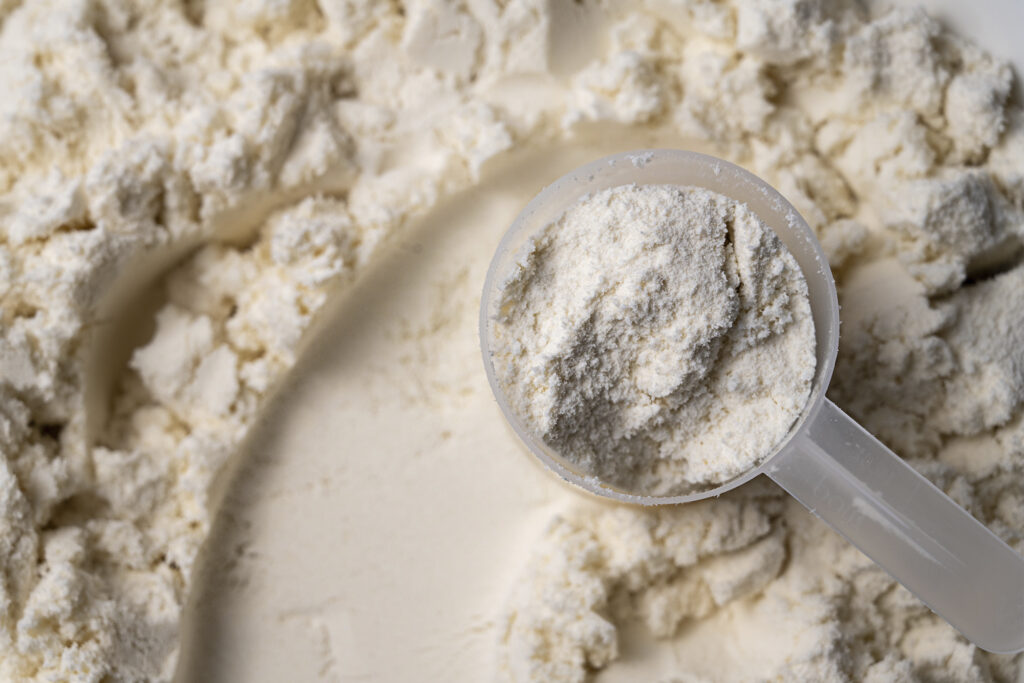
Most of the protein added to your “wellness cookies” and “performance waters” is whey — the liquid waste product left over from making cheese. Thirty years ago, dairy giants paid to dump this runoff into rivers. Today, global conglomerates like Glanbia and Danone have turned that waste into “gold dust,” refining it into isolates and charging a premium for it. When you buy a $5 protein cookie, you’re effectively subsidizing the dairy industry’s waste disposal.
The narrative is further complicated by the “Ozempic effect.” Researchers right here at the University of Alberta have been studying the impacts of GLP-1 weight-loss drugs, noting that while they melt fat, they can also strip muscle mass and even shrink heart muscle in both mice and human cells. This has the potential to create a panic-driven secondary market: people taking the drug to get thin, then chugging protein shakes to keep from withering away.
But for the rest of us — the non-Ozempic users, the non-bodybuilders — skeptics are starting to push back. A growing chorus of nutritionists argue that we are witnessing “protein washing,” a term coined by British journalist Julie Bindel.
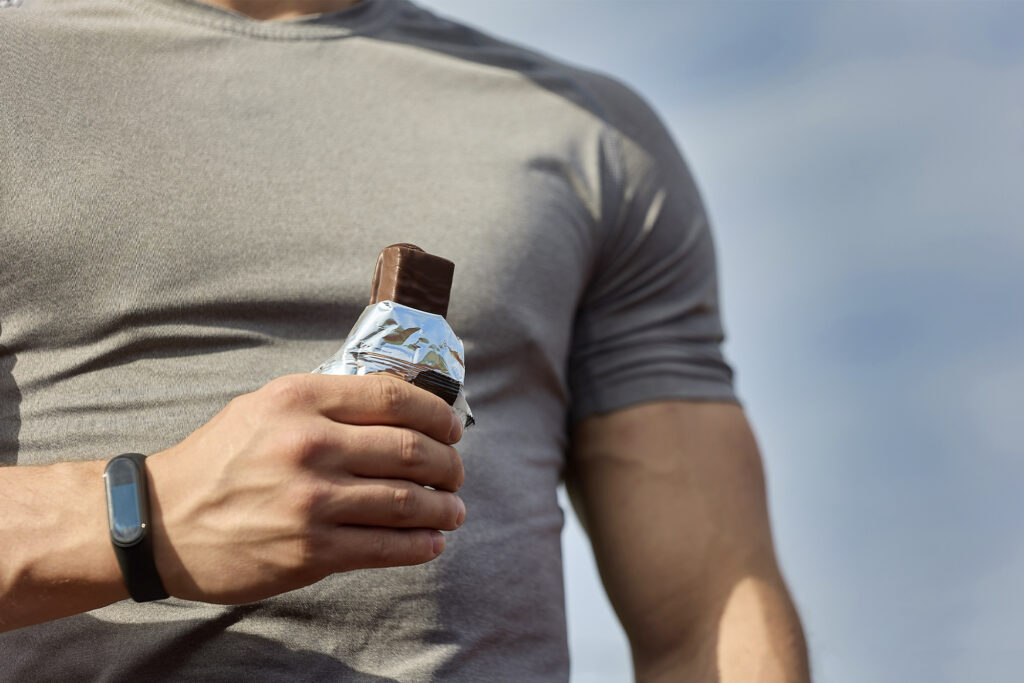
In 2025, the protein bar has effectively become the new Diet Coke (or Coke Zero, if you’re a person of sophistication and taste). It’s the permissible vice. It allows us to eat chocolate and peanut butter while telling ourselves we are “fuelling recovery.” But unlike a chicken breast or lentil stew, these products are often chemical cocktails. New research from Washington University suggests there is a biological ceiling to this madness; excessive protein intake in sedentary adults can actually trigger cardiovascular inflammation.
So, should you skip the protein latte?
If you are crushing a heavy deadlift session at 6:00 AM, that whey isolate is a tool. But if your only exertion is typing and traffic, you probably don’t need to dose macros like medicine. Protein is essential, but let’s not pretend a candy bar is a health food just because a Schwarzenegger — or a Tim Hortons barista — says so.