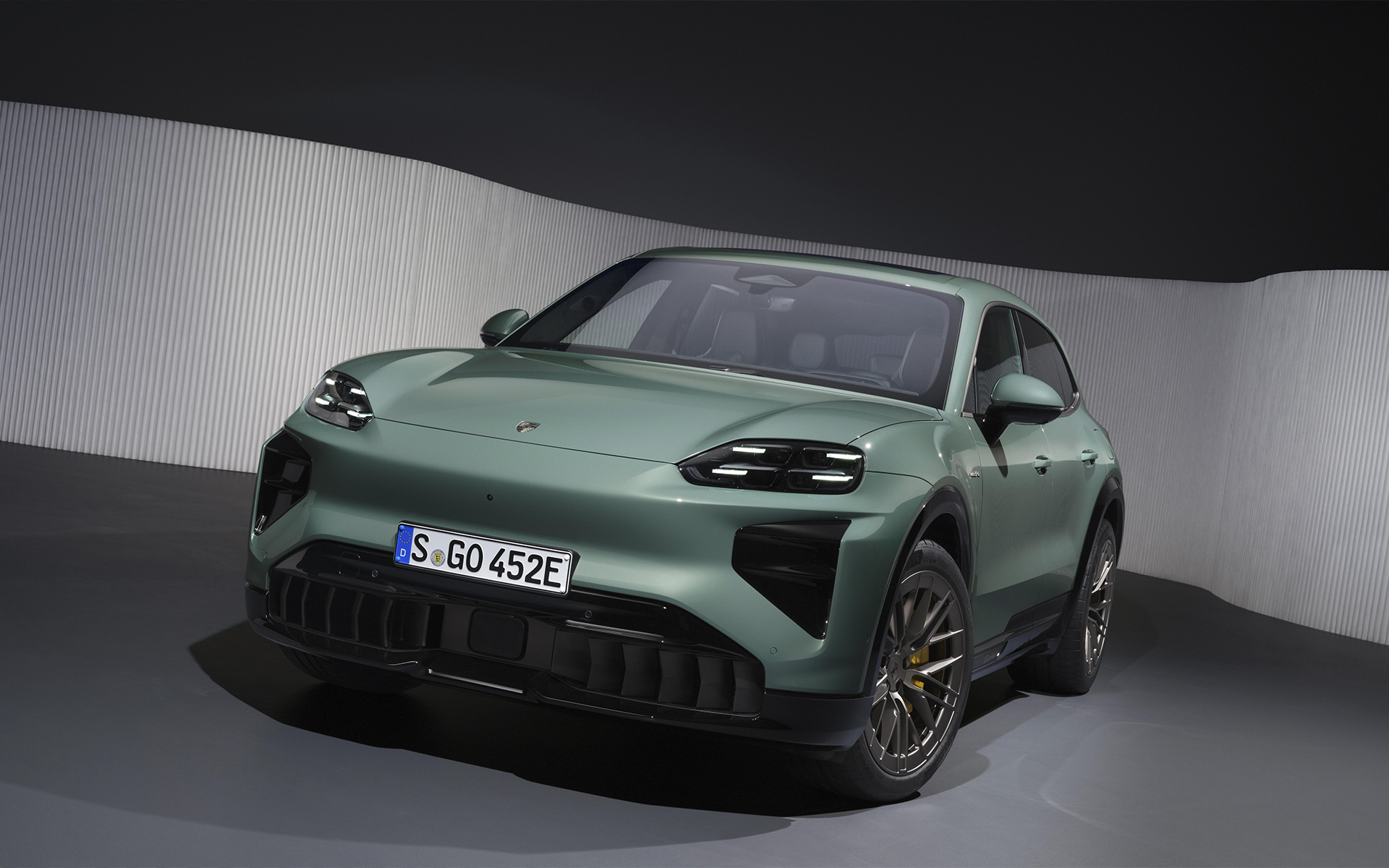
Hard to believe, but it’s more than 20 years since the Porsche Cayenne burst onto the scene and claimed its place as the king of fast SUVs. Now, the king is making its next big move. That’s right, Porsche is shaking up the SUV market again, launching the battery-powered Porsche Cayenne Electric and Cayenne Turbo Electric.
At long last, the Cayenne is going electric. But before the purists start to fret, don’t worry, the gas-burning Cayenne is sticking around too, as are the hybrid models. Porsche says offering three different powertrains is “part of a commitment to offer choice.” In other words, it’s up to you: do you want your fast Porsche SUV as an EV, a hybrid, or a traditional combustion-engined machine?
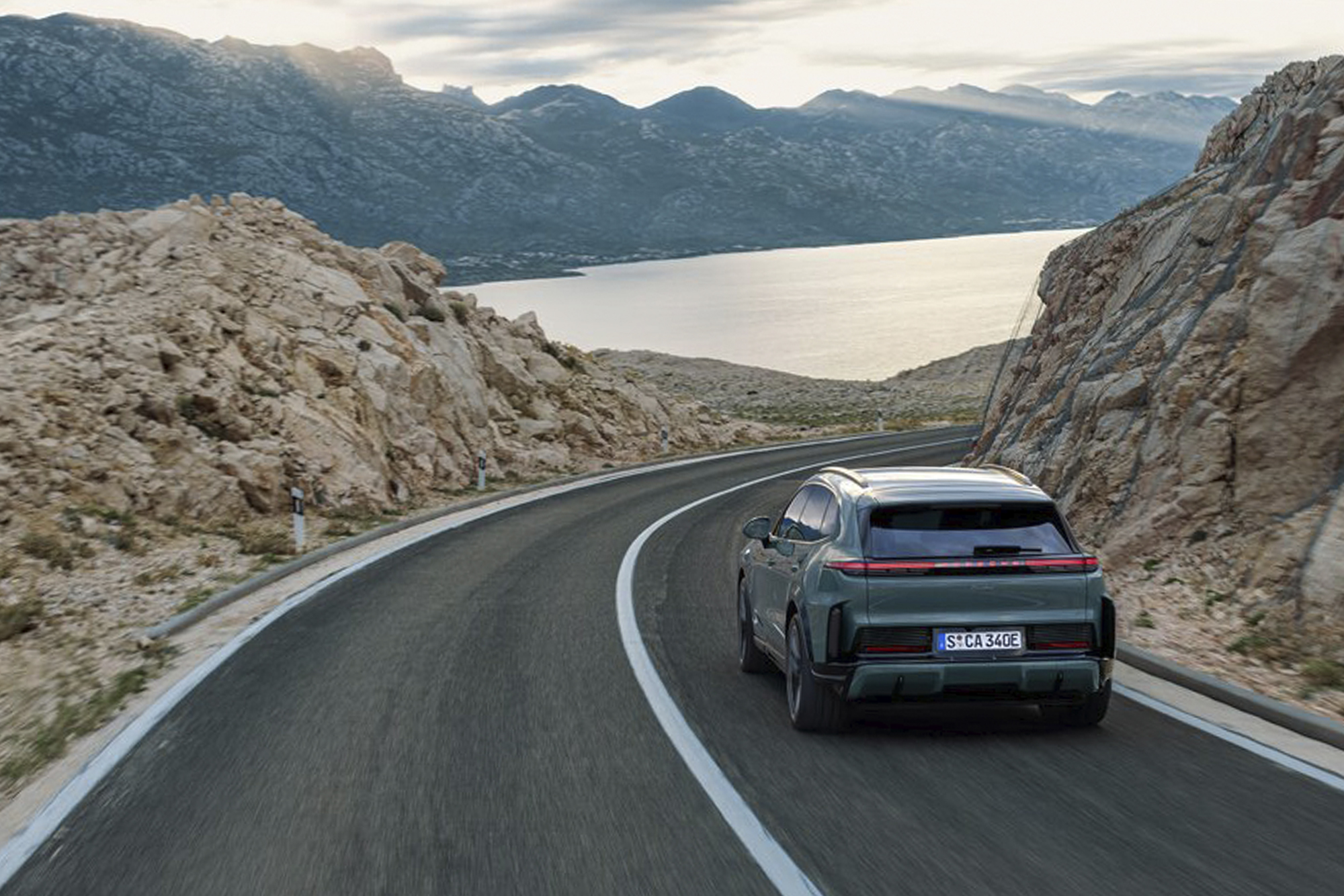
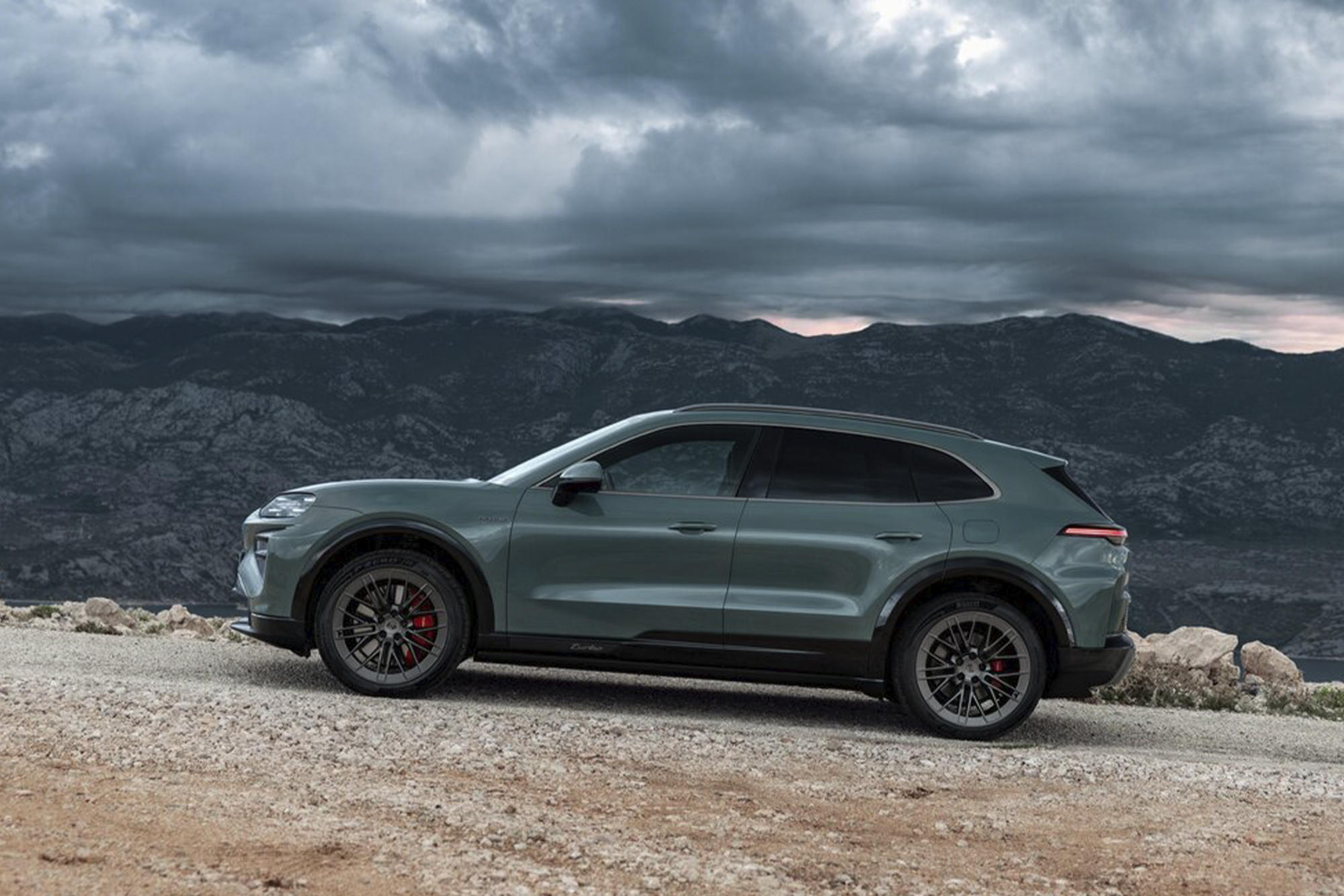
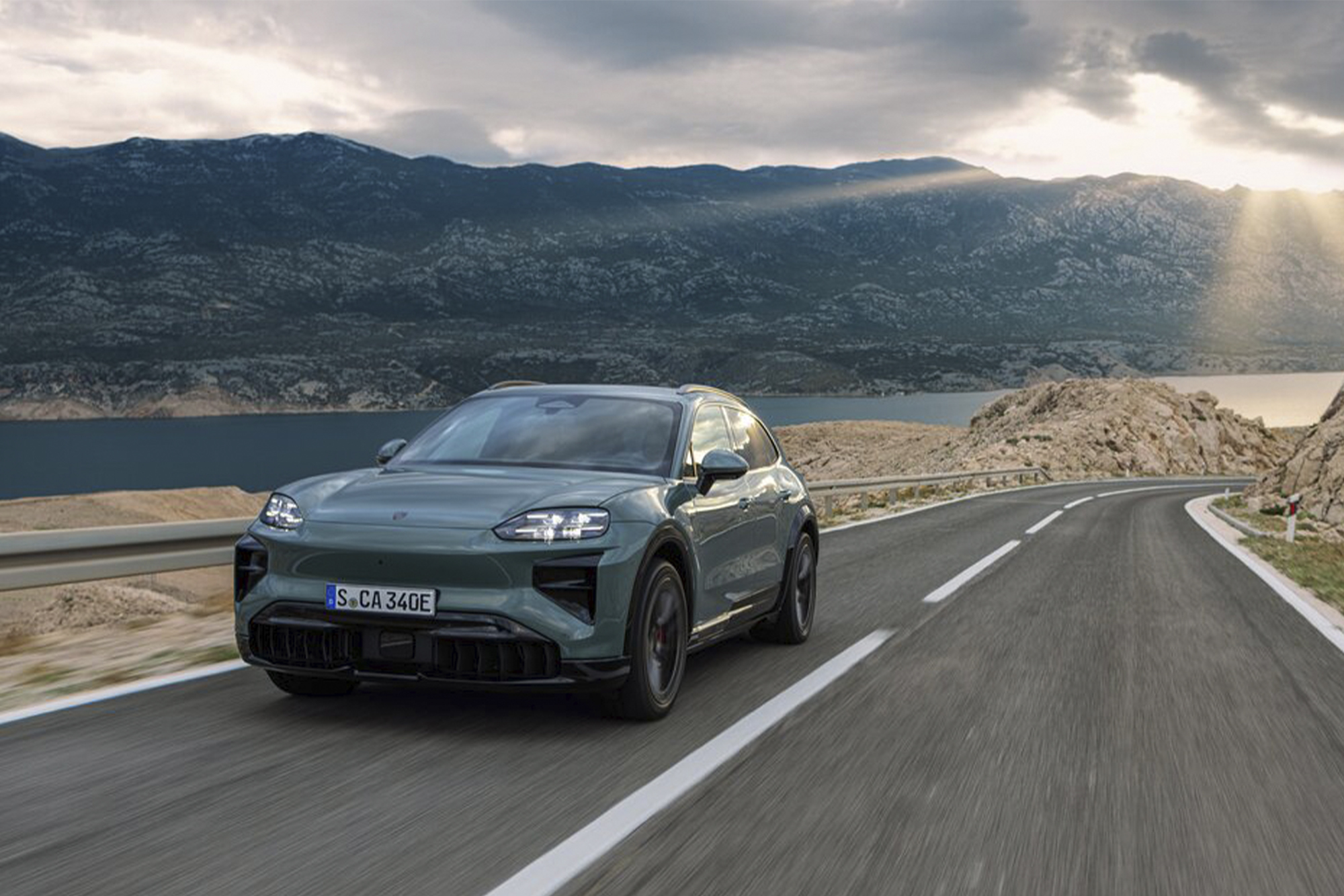
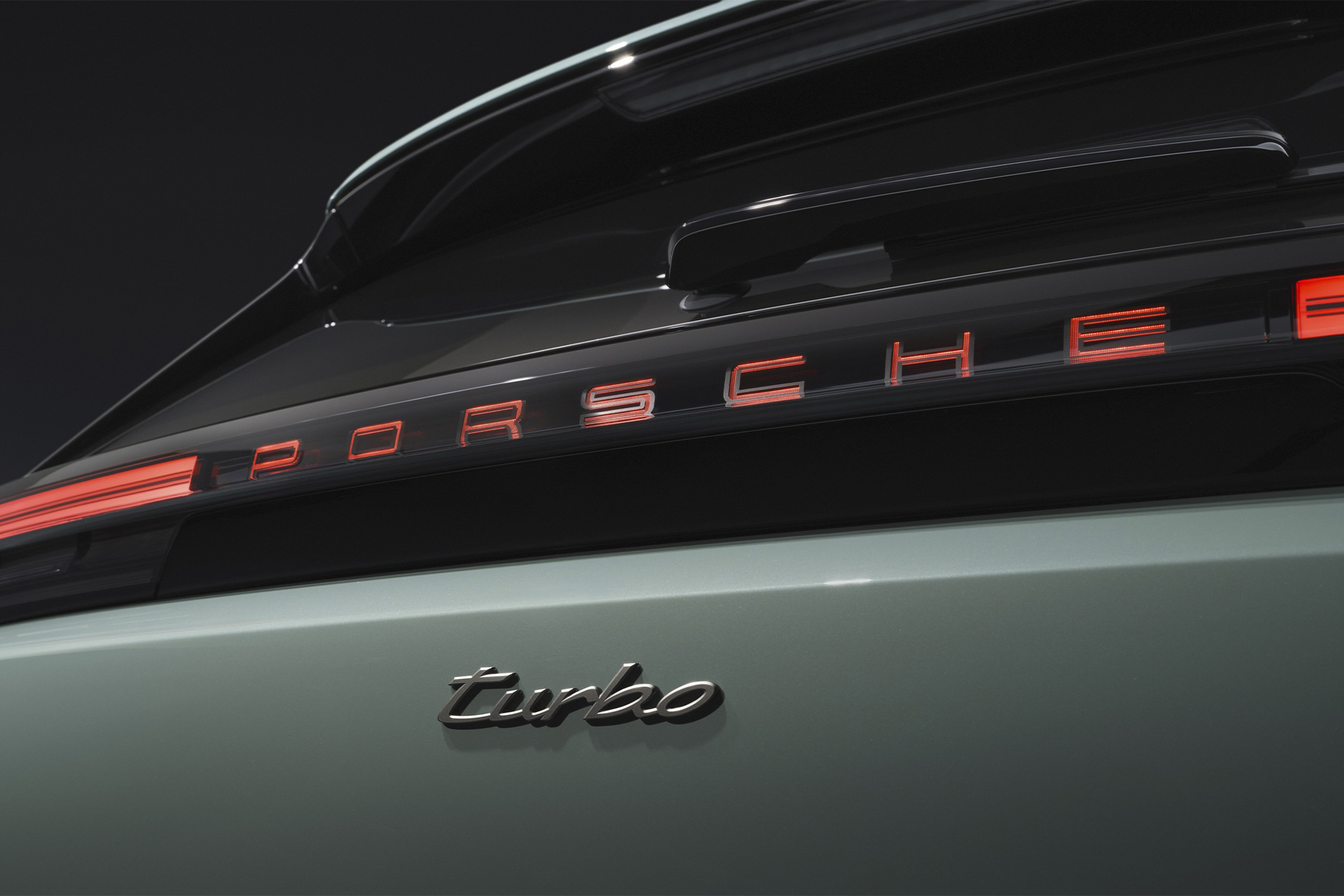
Before you answer, you should know a few things about the new all-electric Cayenne. For starters, it’s simply called the Cayenne Electric. There’s also a Cayenne Turbo Electric. (Yes, yes, we know the naming scheme makes no sense because the “Turbo” has no turbos but just go with it.)
“The Cayenne Electric shows performance in a completely new dimension, with innovative technologies that we have developed in motorsport. It sets new standards in the SUV segment — in terms of driving characteristics as well as charging,” says Oliver Blume, Porsche’s chairman of the executive board.
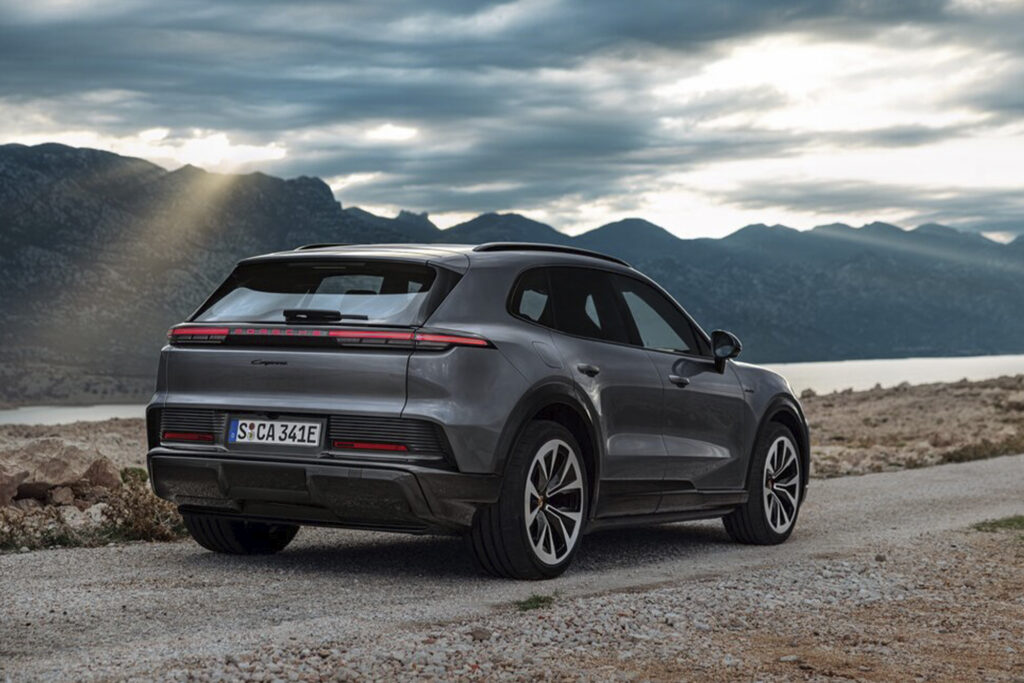
How Fast is the Cayenne Electric?
Let’s not bury the lede: 1,139 horsepower. That’s how much juice the range-topping Cayenne Turbo Electric has, which makes this the most powerful production car Porsche has ever made. That’s right, the most powerful Porsche is not a 911 or the 918 supercar, it’s a Cayenne SUV — a family hauler — that has plenty of room for luggage and skis and dogs. With 1,139 horsepower and 1,106 lb-ft of torque it can do 0-100 km/h in a zippy 2.5 seconds — which is significantly quicker than a GT3 RS — and it’ll rocket to 200 km/h in 7.4 seconds. That’s pin-you-into-the-seat speed, the sort of speed you need to warn passengers about beforehand.
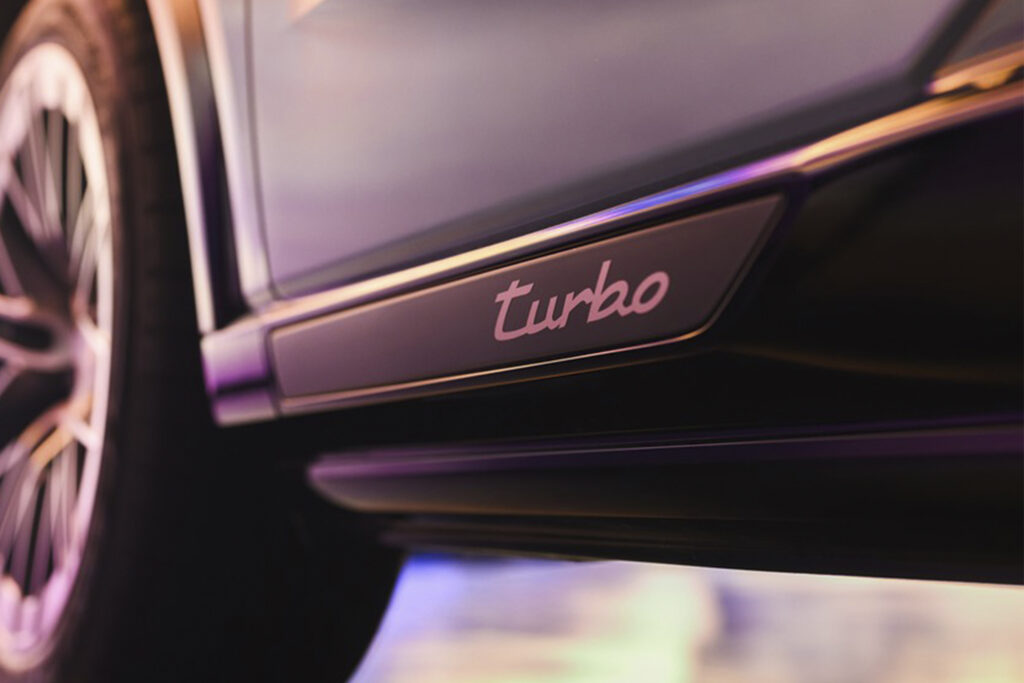
The non-Turbo member of the family is no slouch either. The standard Cayenne Electric has 402 horsepower, or 435 hp with Launch Control. It’ll do the usual 0-100 km/h sprint in 4.8 seconds, which is plenty fast for a family hauler.
The Best Part? Wireless Charging
Okay, sure, all electric cars are pretty quick, so what sets the Cayenne apart from the crowd? Two words: wireless charging. No more bulky cables. No more making sure you have the right plug. No more worrying about which side the charger is on. With Porsche’s Wireless Charging system all you have to do is park above the charging plate on the floor. Then the charging process starts automatically, at up to 11 kW. It’s as easy as placing your phone on a wireless charger; it just works.
This may sound like a small thing, but trust us, it’s a game-changer for living with an EV. It removes the friction of charging and makes the whole process effortless. (In the future, wireless charging will surely become the standard for charging at home.)
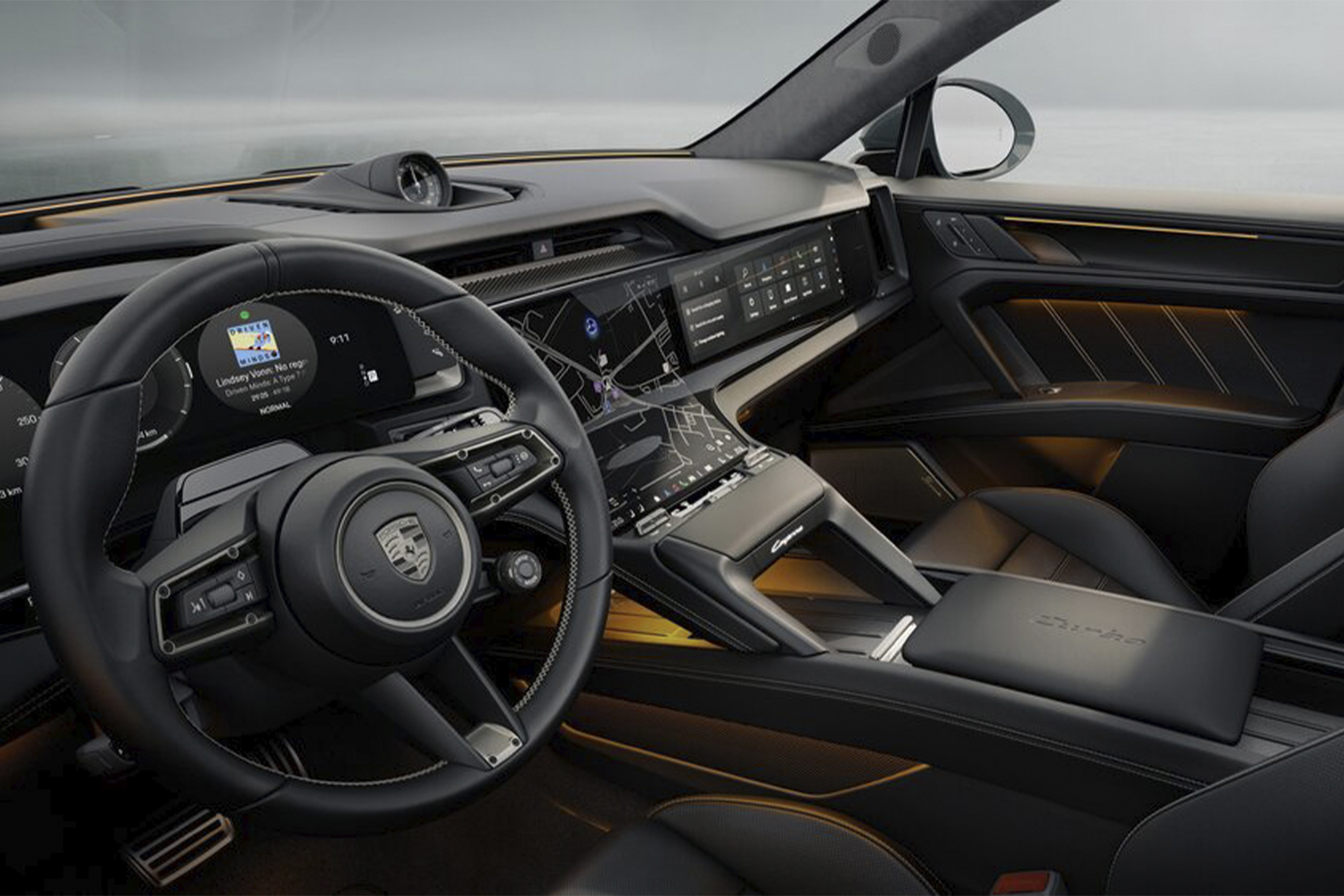
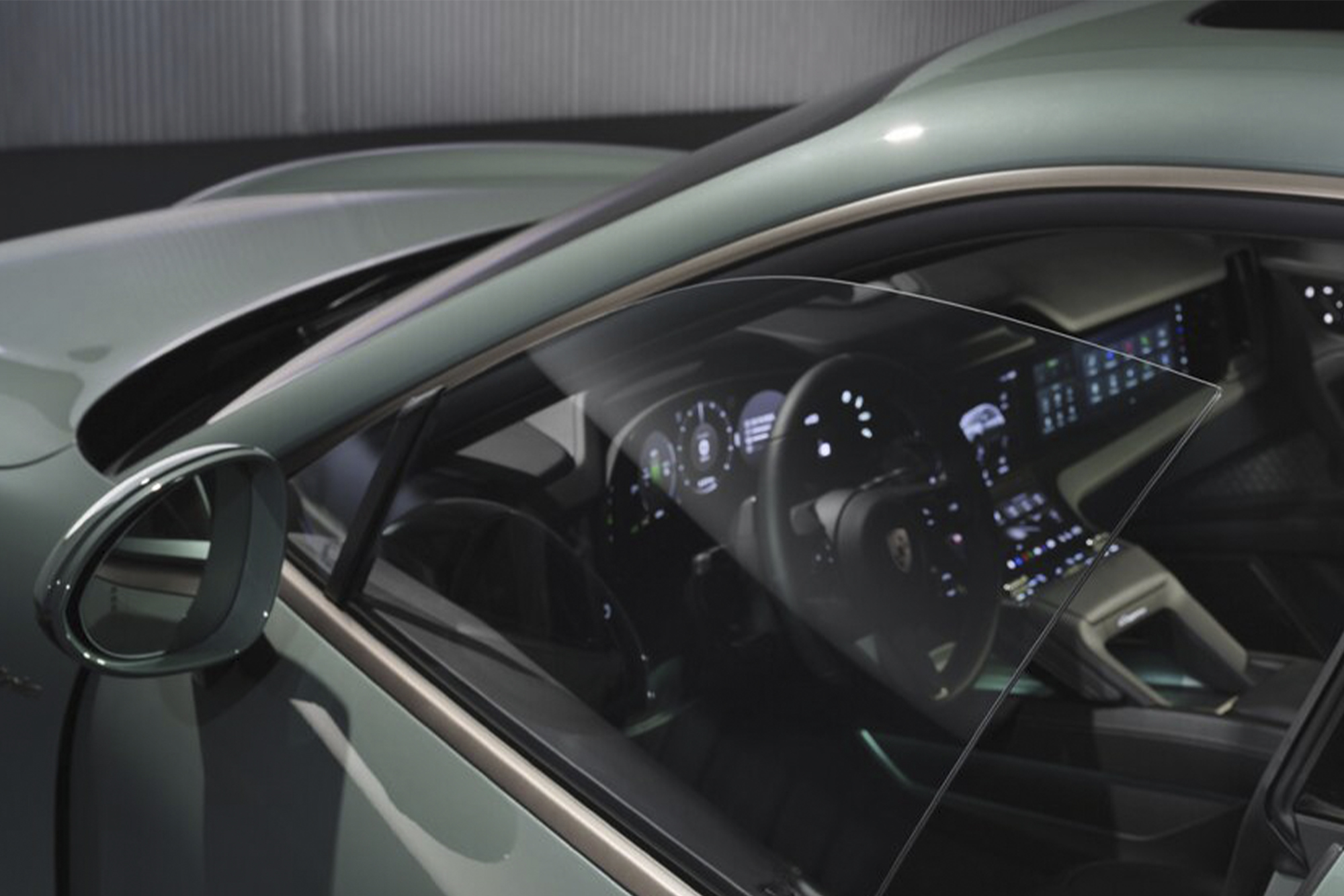
If you’re charging on the go, the Cayenne has both a NACS (Tesla plug) charging port and a J1772 port for slower AC charging. The vehicle’s 800-volt system can charge at up to 400 kW, meaning it could take as little as 16 minutes to recharge the battery from 10 to 80 percent.
As Oliver Blume said, the Cayenne Electric was intended to deliver “outstanding electric performance meets very real everyday usability. Excellent long-distance comfort combines with uncompromising off-road capability.”
What’s the Driving Range of the Cayenne Electric?
Keep in mind this is not a small vehicle. It’s 55 millimetres longer than the gas-burning Cayenne, which makes the rear seats much more spacious. (Parents rejoice! Toddler seats should now fit with room to spare!) There’s also a front trunk, and a healthy 3,500 kg (7,716 lb) maximum towing capacity. And, the Cayenne Electric also has Porsche Active Ride — the magical active suspension system found on the Taycan and Panamera E-Hybrid — which smooths out the road as only a few other luxury cars can.
Like Blume said, the intent wasn’t just to electrify the Cayenne, but to offer real everyday usability.
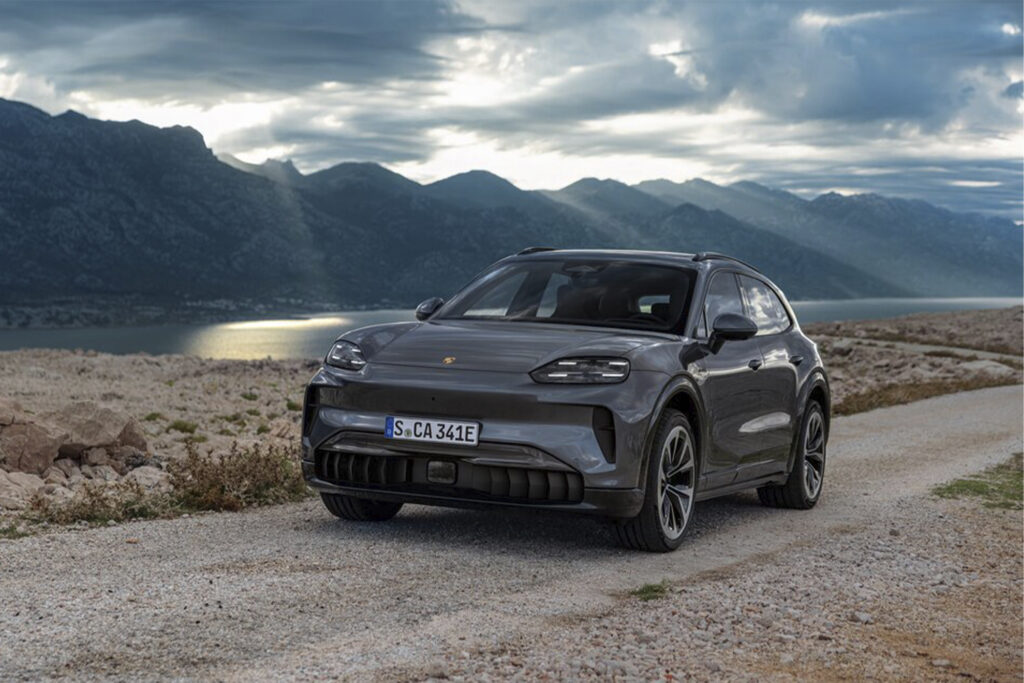
The estimated driving range is up to 642 km for the Cayenne Electric and up to 623 km for the Turbo on the admittedly generous European WLTP test. (Official North American ratings will be lower, but still more than enough for most drivers.)
To achieve that driving range, Porsche’s designers and engineers used some clever tricks to maximize efficiency. The Porsche Active Aerodynamics (PAA) system reduces drag and optimizes cooling using movable flaps in the nose, an adaptive roof spoiler, and — on the Turbo — a pair of nifty active aero blades. As Porsche explains, “they extend the lateral tear-off edges and improve the flow characteristics, which leads to an increase in range, especially at higher speeds.”
How Does the Cayenne Electric Fit Into Porsche’s EV Plans?
Great question. After the Taycan sedan showed the world an electric car could still drive like a Porsche should, the all-electric Macan pushed Porsche EVs into more mainstream territory, the Cayenne is here to solidify Porsche’s EV credentials and move the game forward with next-gen tech.
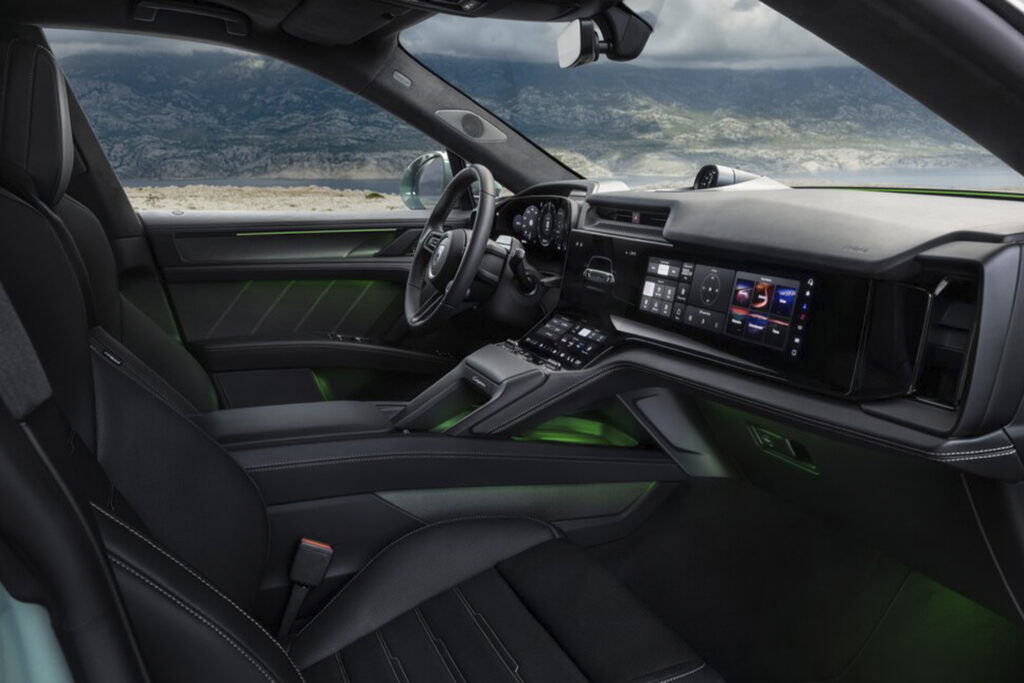
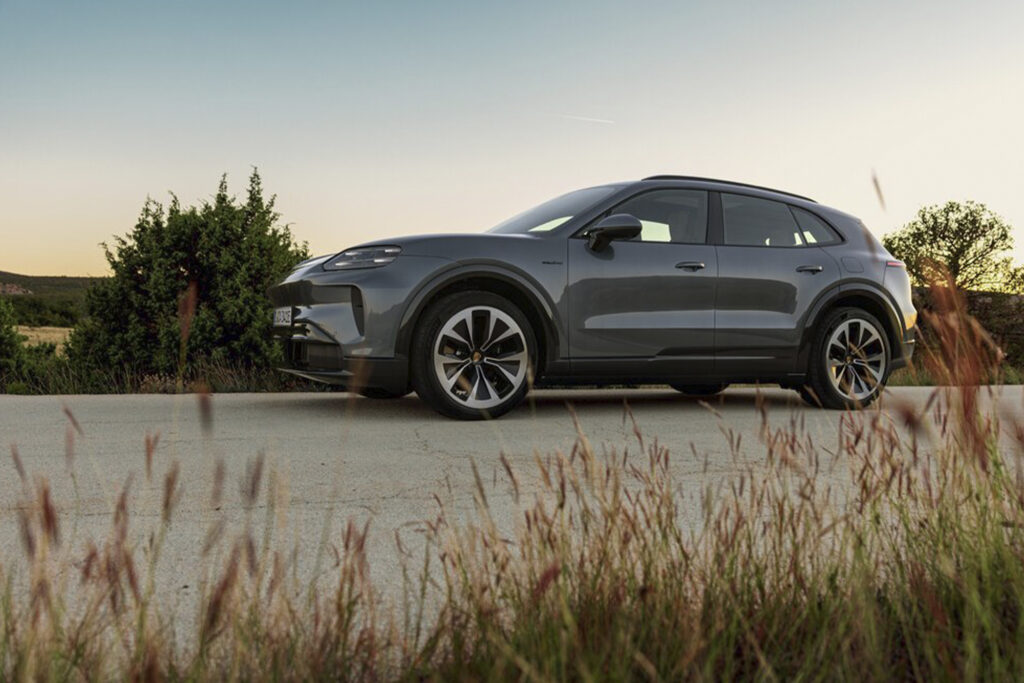
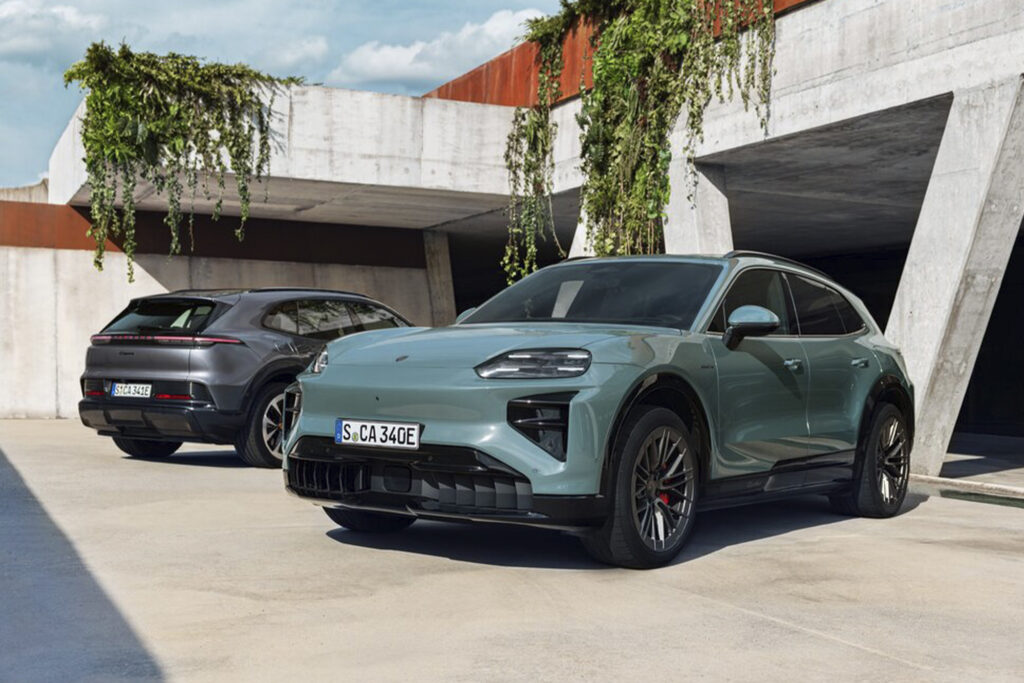
While the original Cayenne is arguably the car that saved Porsche back in the early ‘00s and turned it into the luxury juggernaut it is today, the Cayenne Electric is an expansion of the model’s bandwidth. It’s not going to dramatically alter the company but it does finally (finally!) put a true family-friendly EV in the Porsche lineup.
Porsche, like other brands, is pushing back its electric ambitions in light of geopolitical and regulatory changes, as well as evolving consumer preferences. Case in point: Porsche’s larger SUV, which will sit above the Cayenne, won’t be all-electric as previously planned. It’ll launch with combustion and plug-in hybrid engine options. An all-new EV platform that was slated for the 2030s is being pushed back to a later date as well. That said, the company reaffirmed its commitment to existing EVs, including the upcoming (and slightly delayed) two-door 718-sized electric sports car.
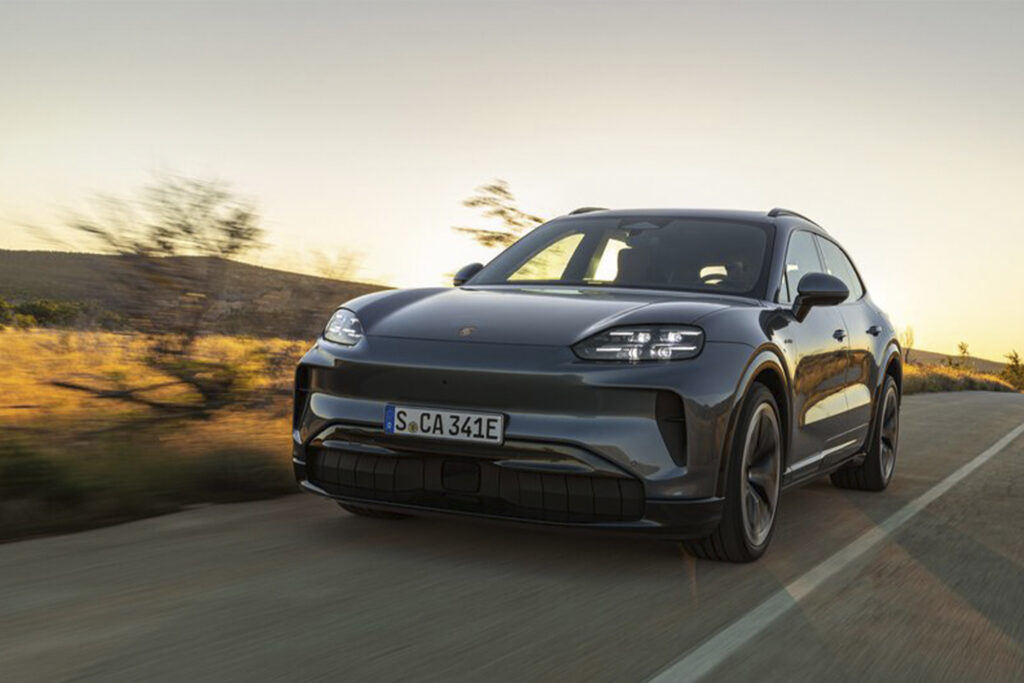
The good news for drivers and Porsche fans is that we can expect more choice than ever before when it comes to the cars from Stuttgart. Gas, electric or hybrid, there’ll be a Porsche for you.
Learn more about the Porsche Cayenne Electric.