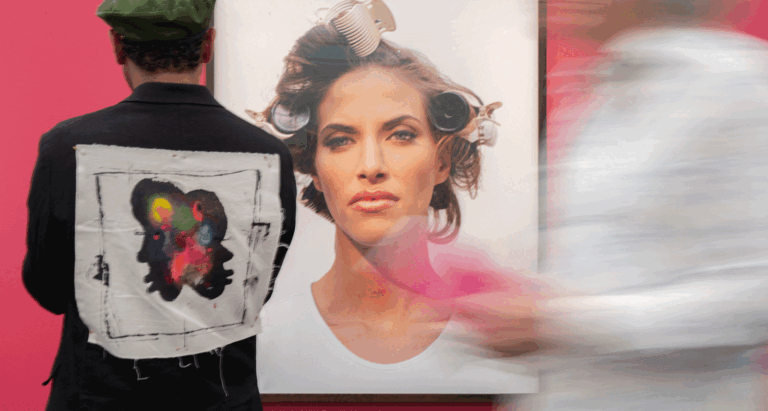
Dubai Design District, or D3, as it’s known to locals and frequent visitors, offers a unique snapshot of commerce and design. Prestigious architecture firms – like Foster + Partners – have their offices there, not far from luxury retailers, jewelers and car dealerships, yet also close to mainstream brands like Lego and everyday sportswear purveyors. It is both aspirational and attainable – full of functional things, but also things you simply want to look at.
That’s especially true when Dubai Design Week takes over D3 in early November.

Now in its 11th year, Dubai Design Week has carved out a niche as both a hyper-focused event (unlike its European counterparts, most festivities, installations and fair activities are concentrated in one place rather than scattered around the city) and one with broad appeal. It draws big names and fosters emerging talent in equal measure.
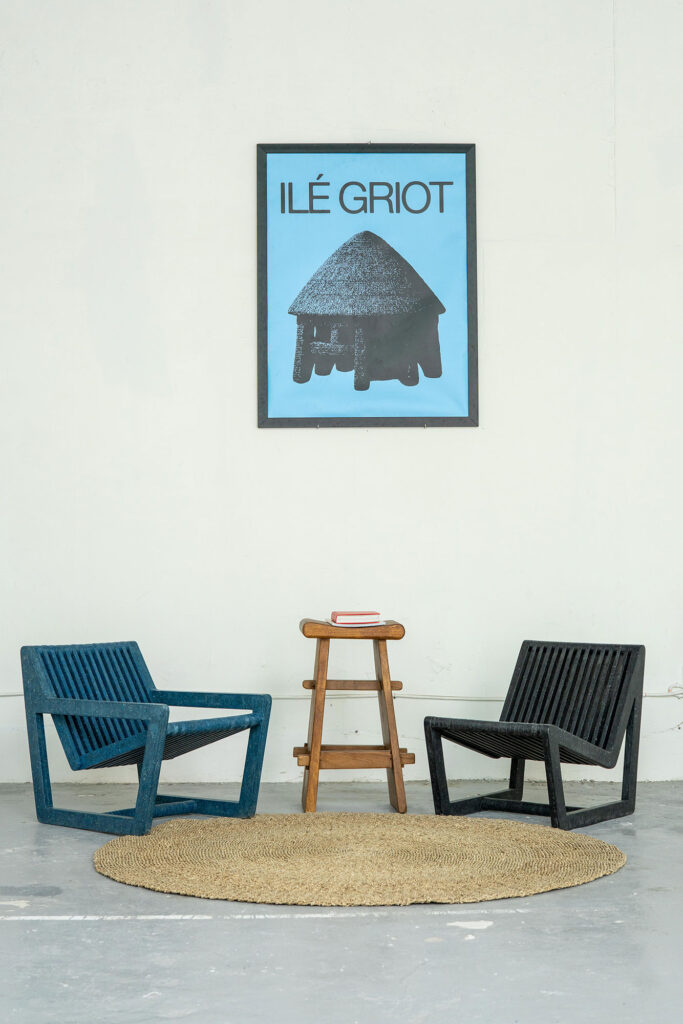
This year’s edition marked the famed lighting designer Tom Dixon’s debut in Dubai, where he hosted a talk on sustainability and design – one of the festival’s key tenets. It was also home to a much-talked-about installation by Bootleg Griot, an independent public library project shedding light on African literature, culture and art. Run by a young trio of creatives from the African diaspora, Ile Griot showcased over 3,000 books, all sourced in the United Arab Emirates, with carefully curated art and furnishings that created a space fostering dialogue and togetherness during Design Week.
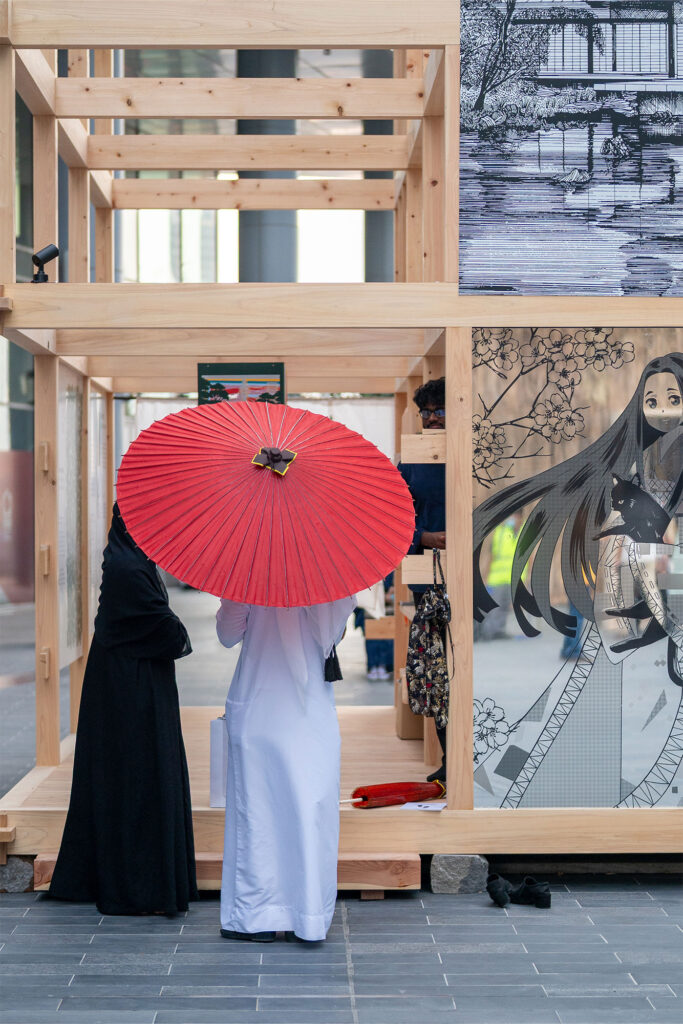
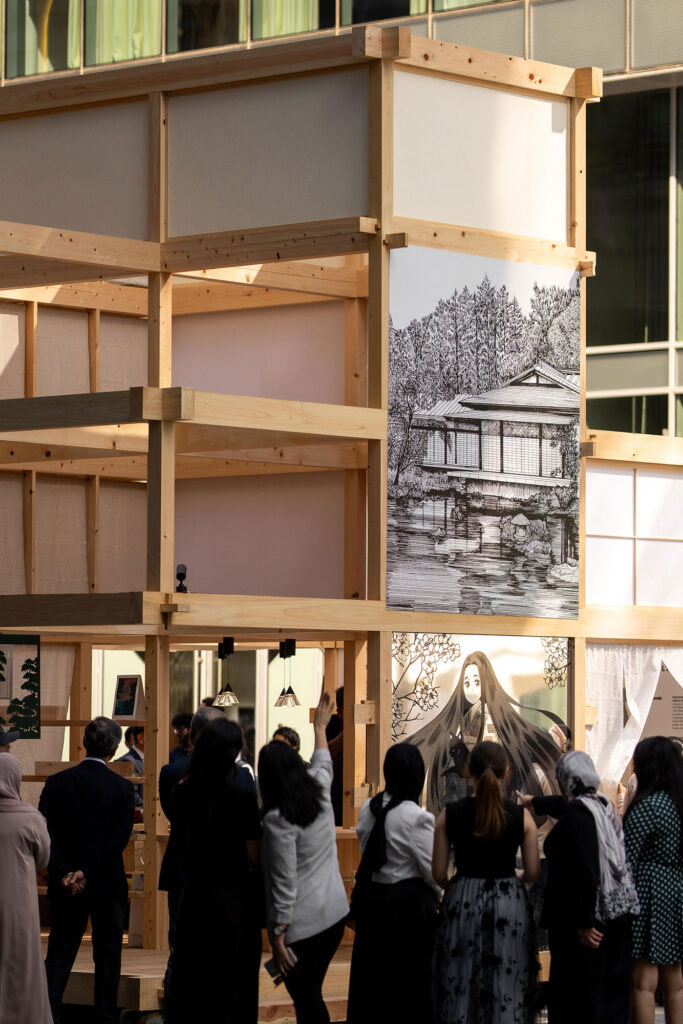
Togetherness was a common thread throughout the week, with the 2025 edition focusing on the theme of community. In a way, it’s a theme emblematic of Dubai itself, a gathering place for people from around the world. That global confluence of thinkers has helped position Dubai at the bleeding edge of design and luxury. Surrounded by gleaming, ultra-modern towers, many of this year’s installations and projects stood out in striking contrast.
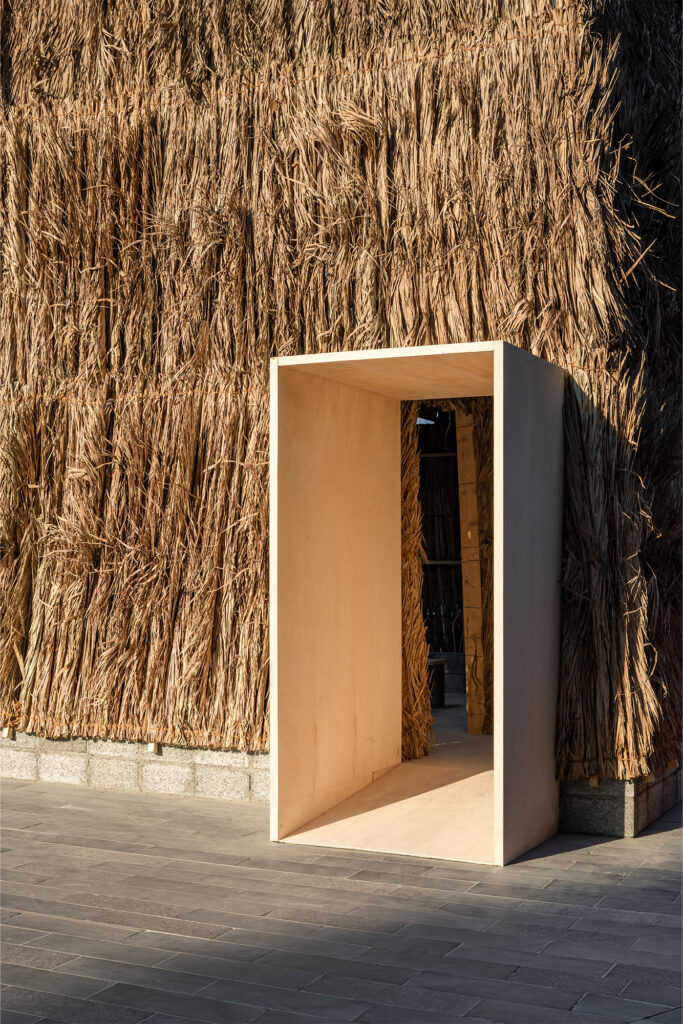
Take, for example, Some Kind of Practice’s When Does a Threshold Become a Courtyard, which used palm fronds and rudimentary materials like corrugated metal and concrete blocks to create a regionally specific courtyard-slash-meeting area – quiet and private in the middle of a bustling neighbourhood. It was simple, reflective and seemed designed to encourage slowing down in a district often defined by speed and spectacle.
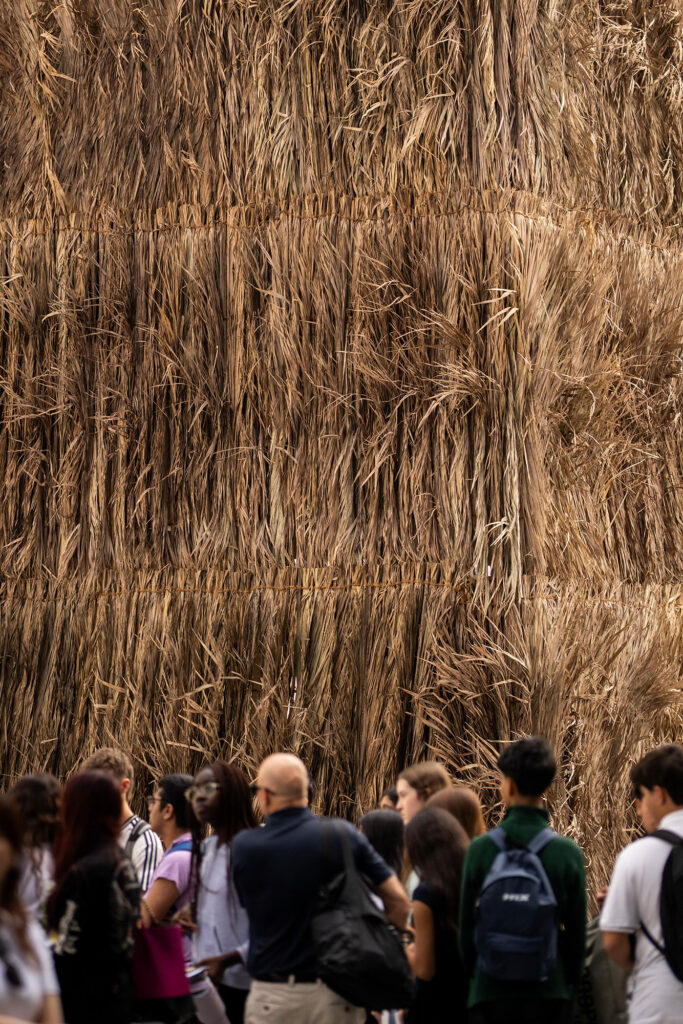
That’s part of what makes Dubai Design Week the center of the Middle East’s design universe: a juxtaposition of new and old, respect for tradition and a commitment to innovation – all within a creative hub that welcomes everyone, no matter where they hail from. It’s in such settings that creativity thrives, where people feel both challenged and safe to explore.
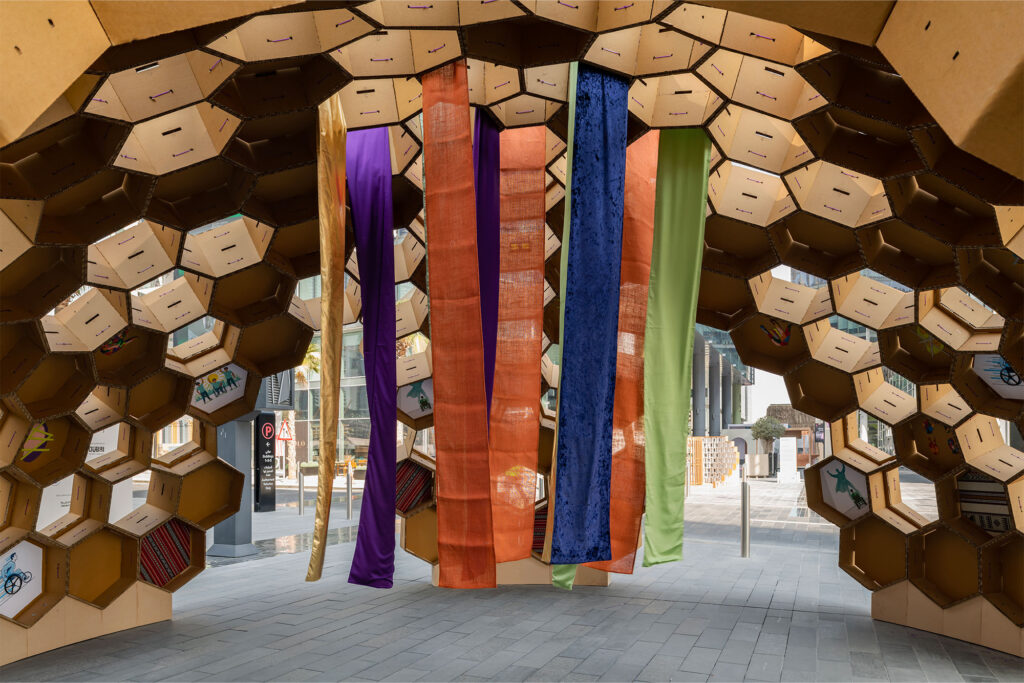
After more than a decade, Dubai Design Week has firmly entrenched itself as one of the most compelling celebrations of design on the global stage. As it continues to grow, it’s refreshing to see a focus on a welcoming, community-driven approach to design at a time when so much emphasis is placed on futurism. Yet there’s always room for innovation, whether through new technology or advances in sustainability. Dubai has earned its reputation as a hub for design and luxury – with an eye toward sustainability and accessibility – because it offers a welcoming space for both established ideas and new ones. This year’s edition only strengthened that legacy.
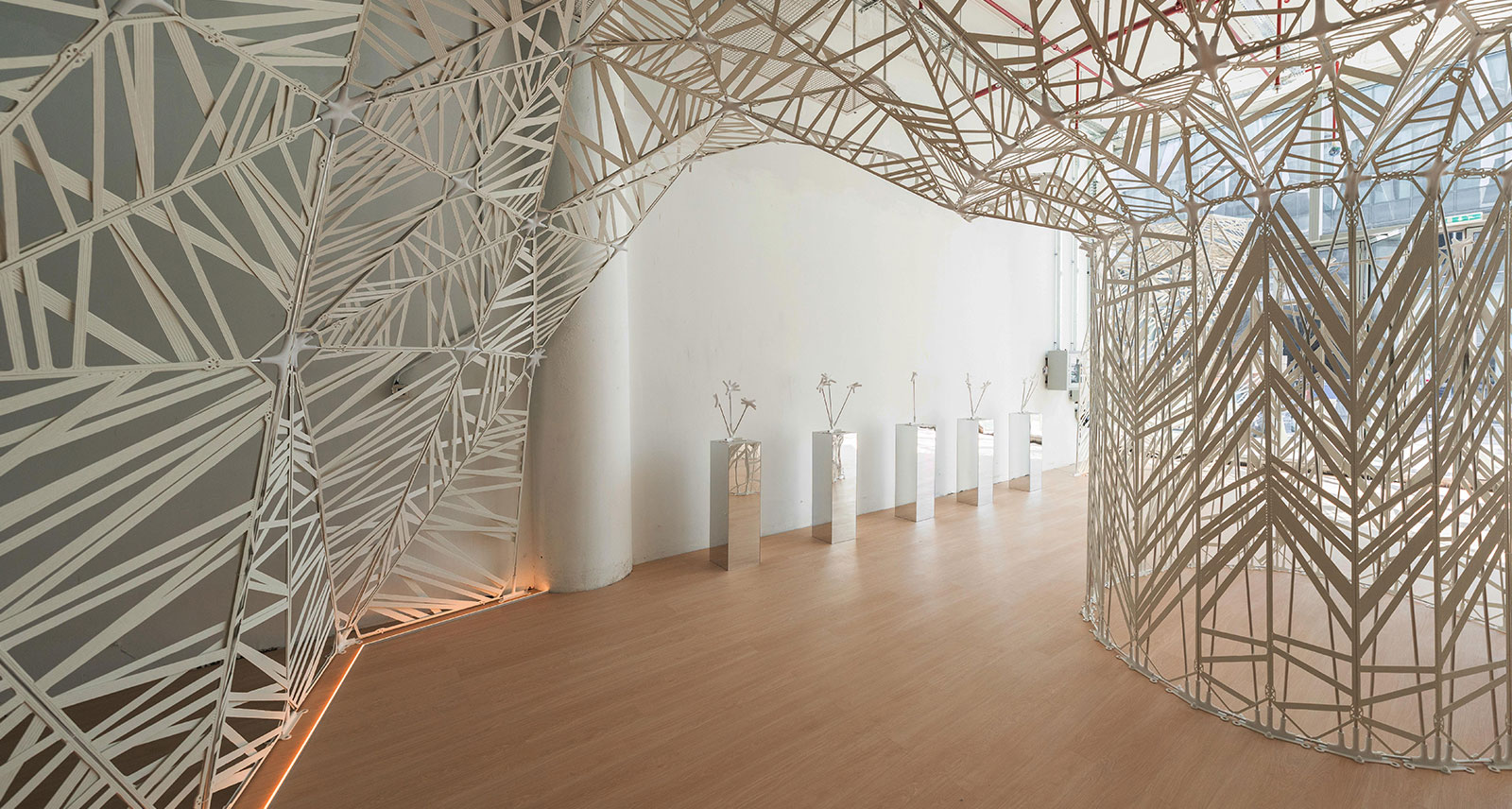
Feature image: DEOND’s Exsalted pavilion at Dubai Design Week 2025 explores the spirit of salt crystals – from faceted surface to luminous interior – conceived by Ross Lovegrove and Ila Colombo. (photo: Dubai Design Week).