For more than a century, Audi’s name has been synonymous with motorsport innovation — from the dominance of the Auto Union Silver Arrows in the 1930s to quattro’s Group B rally monsters and thirteen Le Mans wins. It’s a heritage built on technological innovations and racing prowess that transcends trophies to shape the very identity of the four rings. This past November, Audi executives and motorsport royalty reaffirmed that legacy in dramatic fashion at Audi One in Munich, a gala evening celebrating Audi’s racing past and future, Formula One.
“Our entry into Formula 1 is part of something bigger.”Audi CEO Gernot Döllner
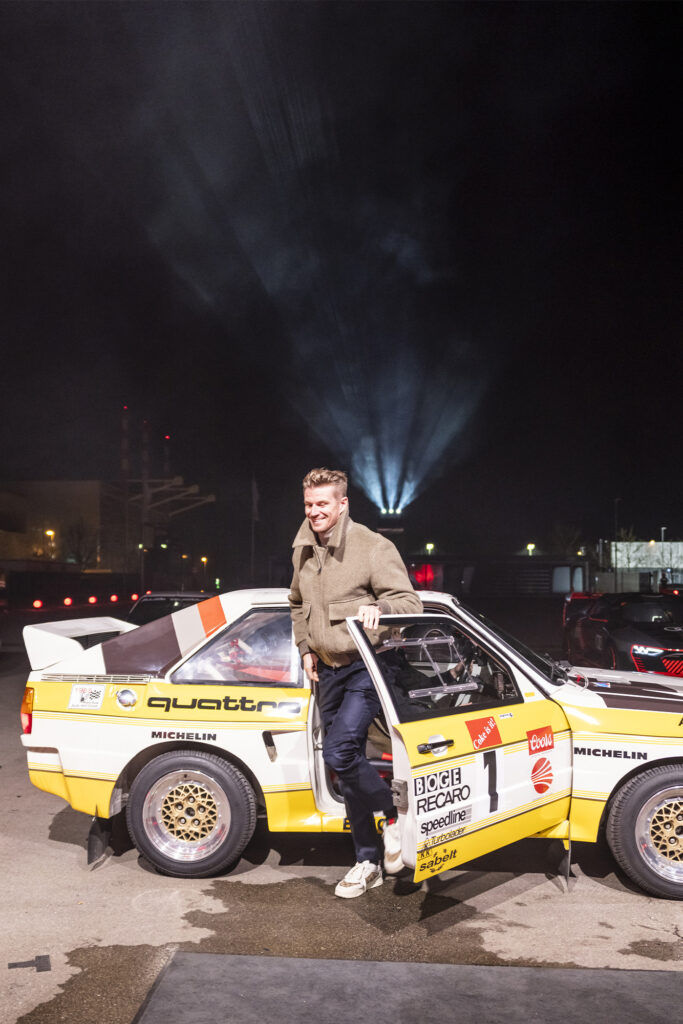
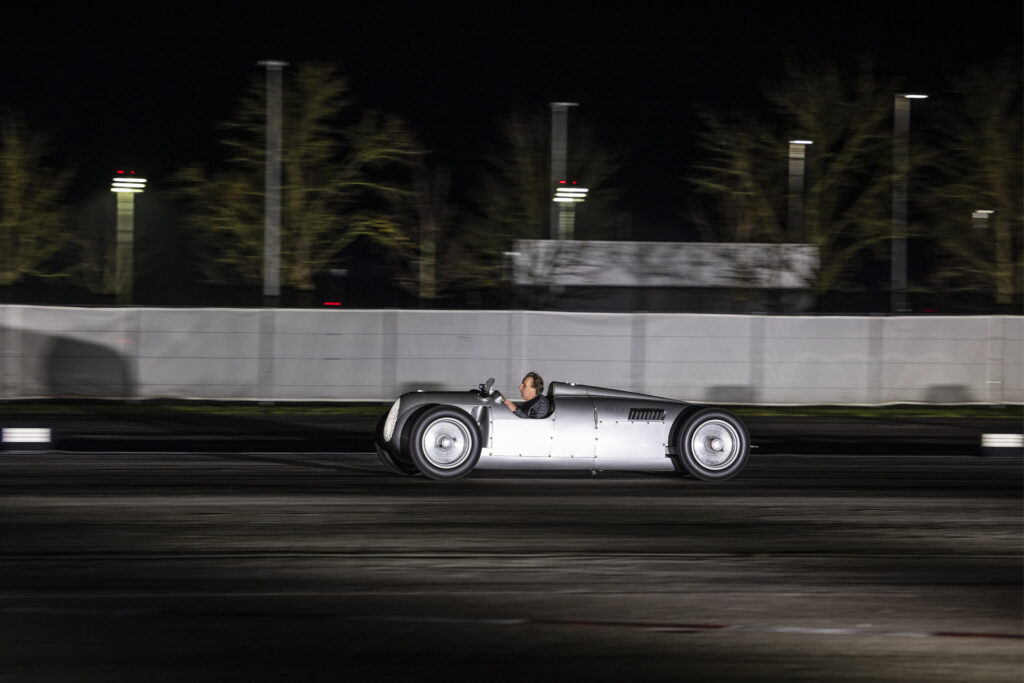
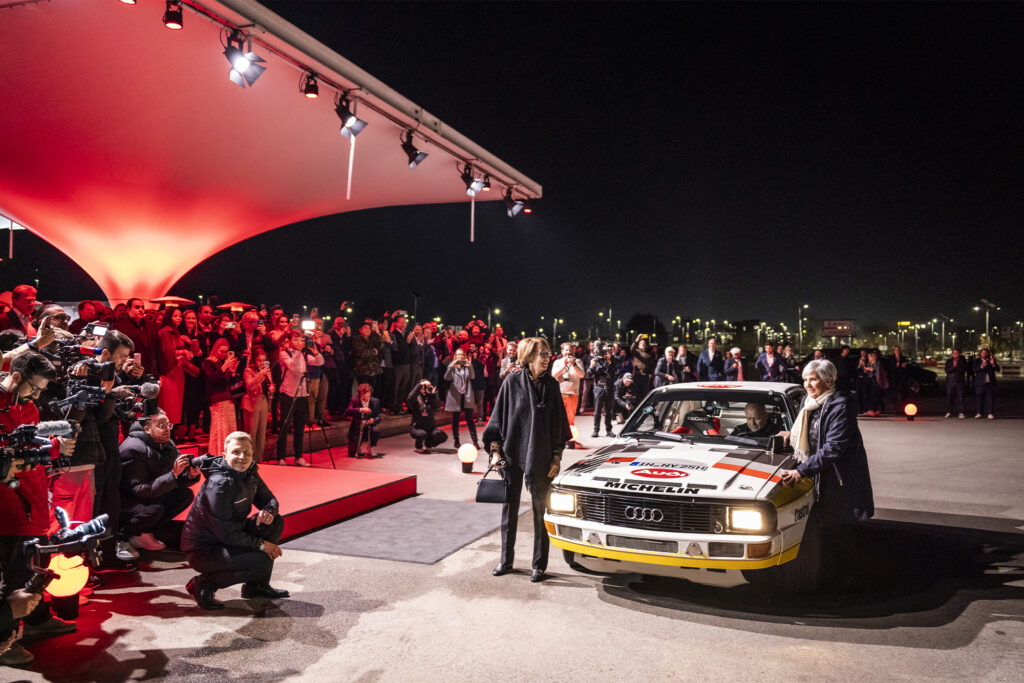
Arriving not in A8Ls and Q7s, Audi’s executives and most notable guests arrived behind the wheel or in the passenger seats of some of the most legendary racing machines from Audi’s past. From the gravel-eating Sport quattro S1 to the ferocious LMP1 R8s and IMSA-winning 90 quattro GTOs, the procession across an open runway-like lot was less arrival than reminder: this is a brand forged on speed, innovation, and competition. Some tire smoke and much noise was present!

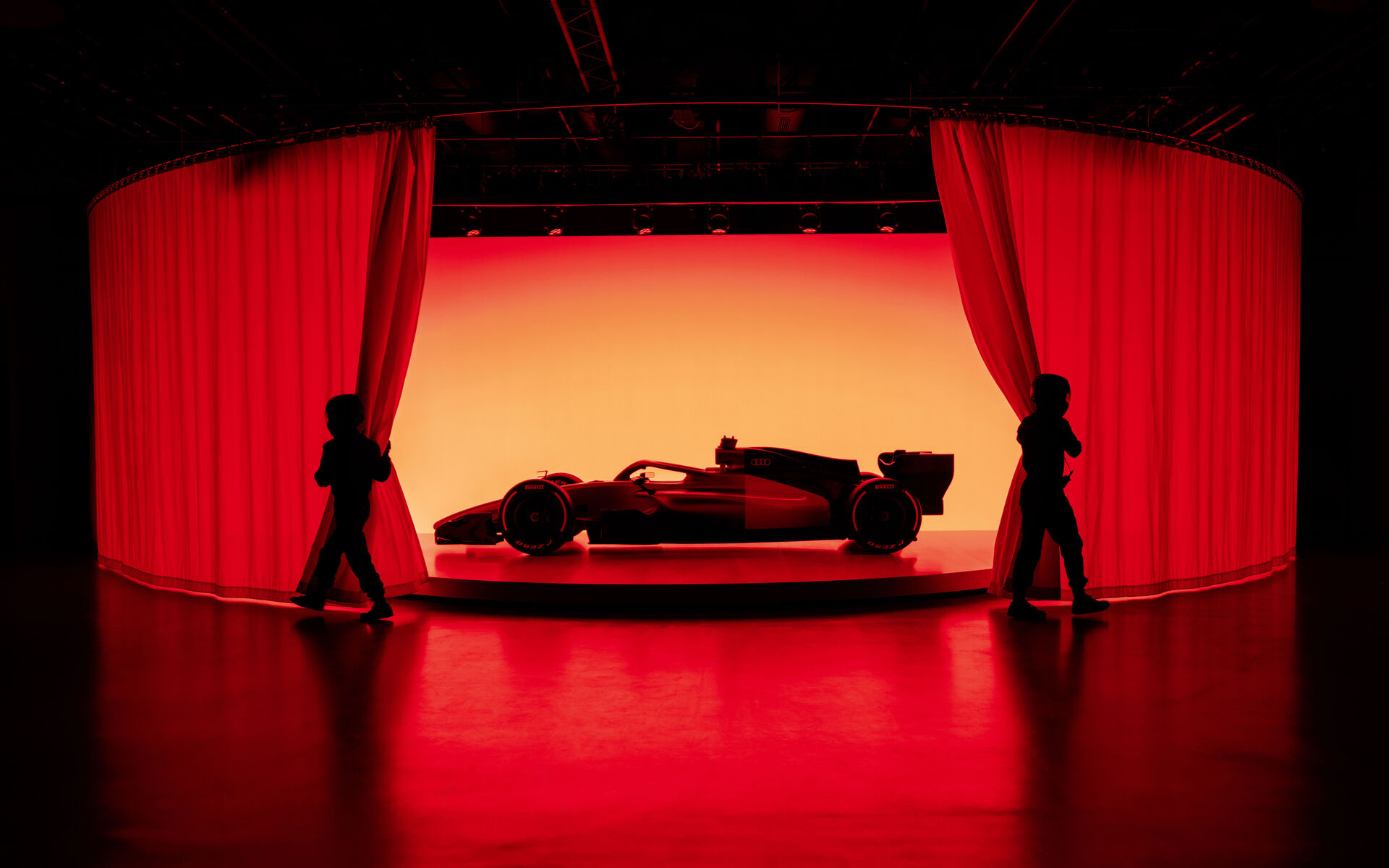
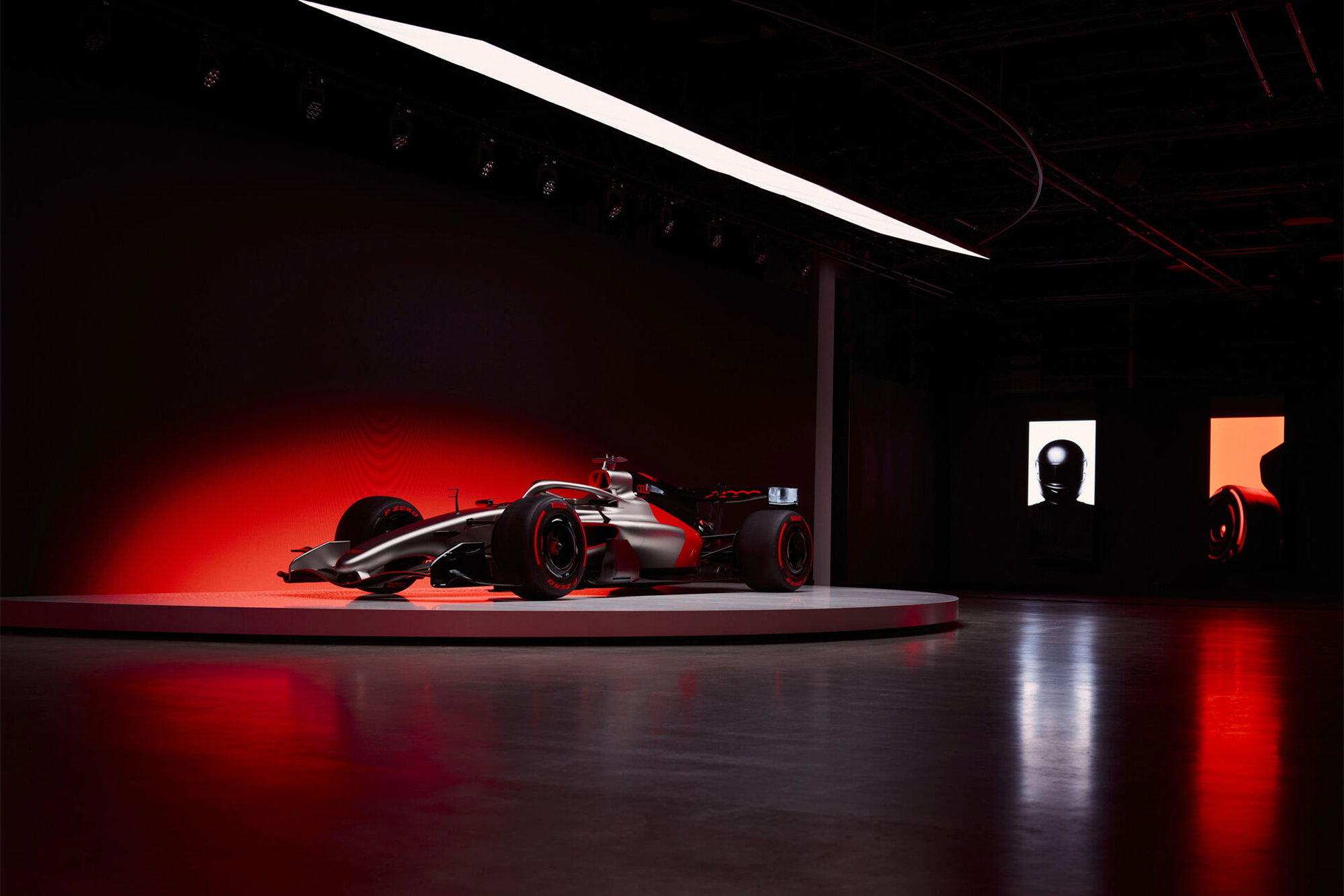
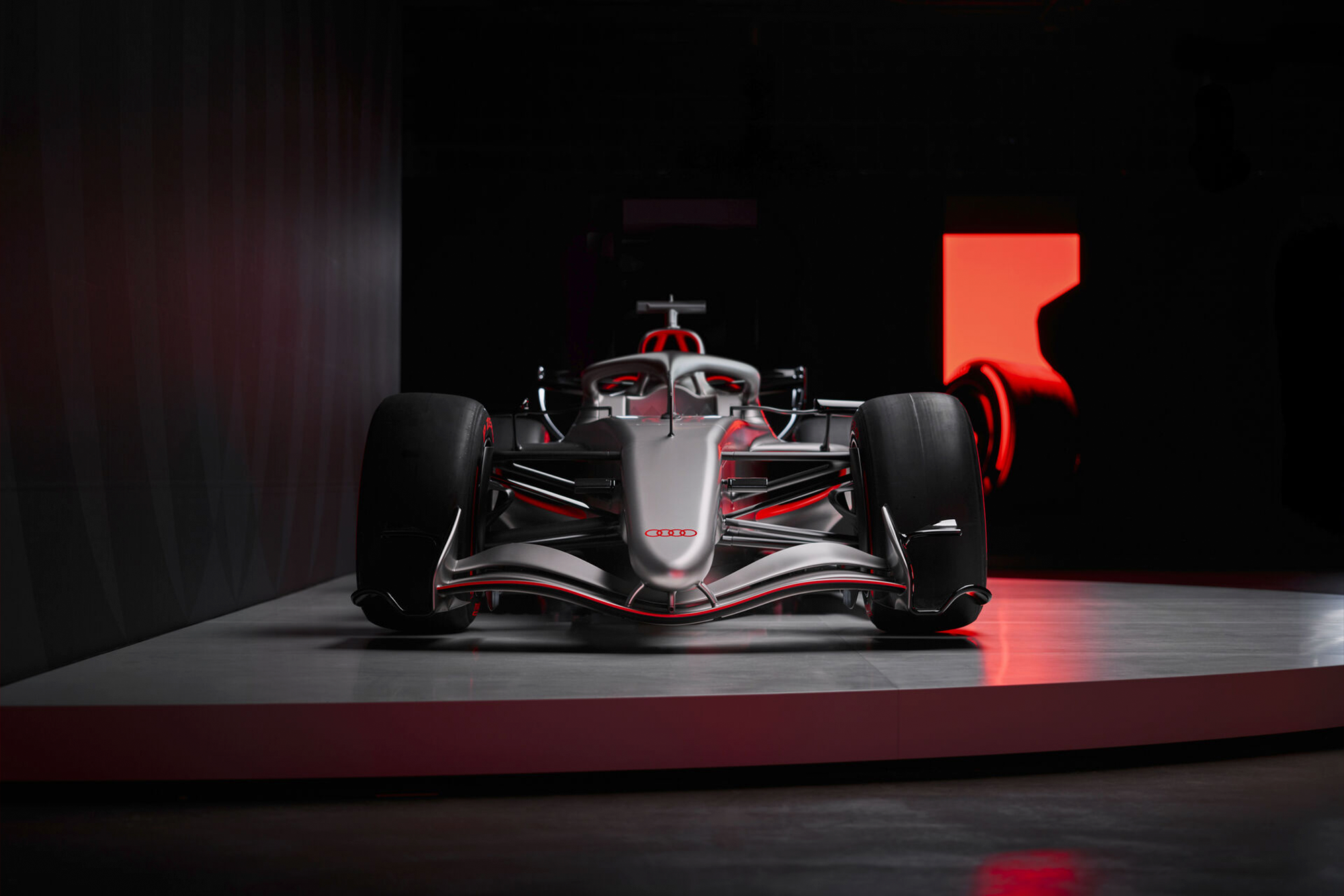
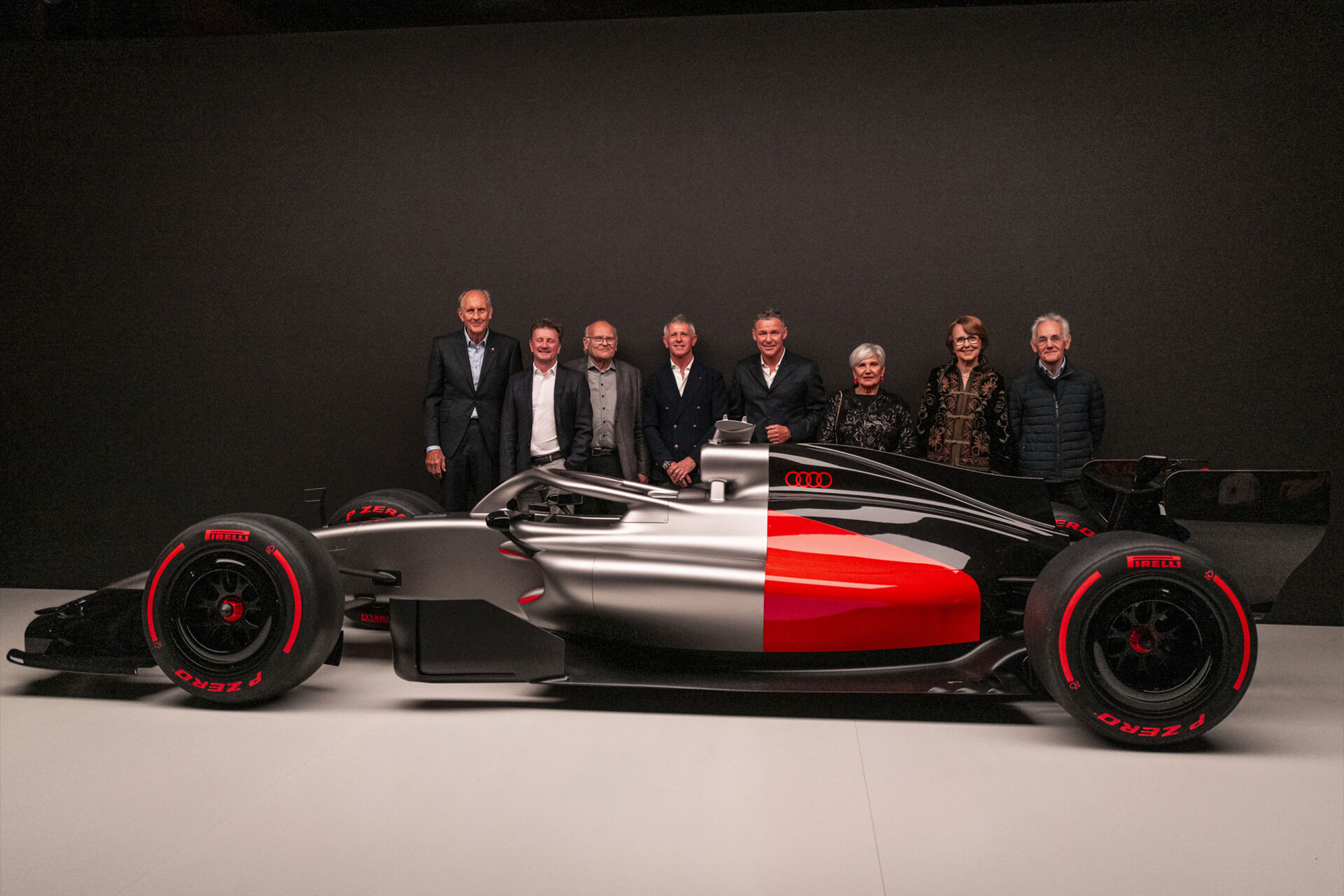
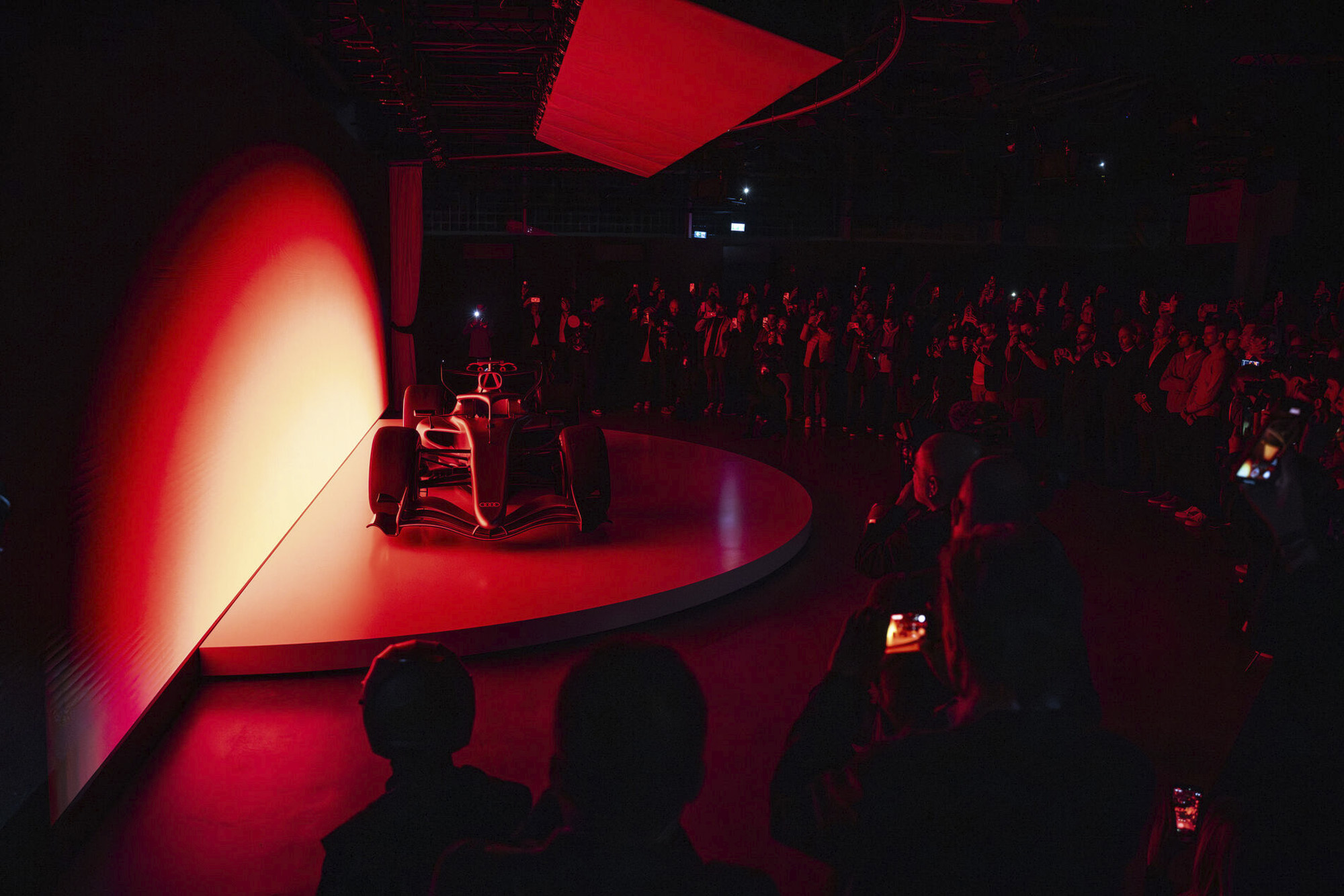
The centrepiece of the evening, however, was the Audi R26 Concept — a full-scale design study that previews the brand’s technical and visual direction for Formula One in 2026. “Our entry into Formula 1 is part of something bigger,” Audi CEO Gernot Döllner told SHARP. “It’s the next step in the company’s renewal, designed to strengthen our competitiveness on the global stage. In Formula 1, every second counts. Success demands performance, precision and teamwork.”
Döllner’s remarks underscored that Audi’s leap into F1 is as much strategic as it is emotional. He also told us of the global impact and brand reach that the pinnacle of motorsport offers, while connecting the brand’s rich history to its ambitions for the future. “Audi’s Formula 1 story is just beginning, but motorsport has always been part of who we are,” he said, referencing Audis from historic touring car battles to endurance racing glory. “Audi has never entered just to compete, but instead with the aim of leading, innovating and being victorious.” Let’s not forget, Audi has dominated every motorsport they’ve competed in and now they’ve moved up from all of them to focus one-hundred percent on Formula 1.
‘Audi One’ Celebrates the Automaker’s Past & Future In Racing
PHOTO COURTESY OF AUDI

‘Audi One’ Celebrates the Automaker’s Past & Future In Racing
PHOTO COURTESY OF AUDI
‘Audi One’ Celebrates the Automaker’s Past & Future In Racing
PHOTO COURTESY OF AUDI
‘Audi One’ Celebrates the Automaker’s Past & Future In Racing
PHOTO COURTESY OF AUDI
‘Audi One’ Celebrates the Automaker’s Past & Future In Racing
PHOTO COURTESY OF AUDI
Indeed, that blend of emotion and engineering precision was reflected in the Audi Formula One Project’s team leader, none other than Italian engineer and team architect Mattia Binotto, who oversees the F1 program, framed the journey ahead in unmistakably human terms, even as he set clear competitive goals. “This is the most exciting project in motorsports, if not in all sports,” Binotto said. “The goal is clear: to fight for championships by 2030. That journey takes time, the right people and a mindset of continuous improvement.” He acknowledged the reality that Formula 1 is unforgiving — “mistakes will happen, but learning from them is what drives transformation” — but emphasized that each step forward contributes to a collective ambition.
“We want to shape a brand capable of making a deep emotional connection that forges new partnerships with like-minded brands and inspires a global community.” Audi Chief Creative Officer Massimo Frascella
Let’s be honest, as much as Audi is known for technology and performance, it’s also very much a design brand and much of the attention that night was reserved for the R26 Concept’s livery. Audi’s approach is striking in its simplicity and coherence: a restrained palette dominated by titanium, carbon black and the brand’s new “Audi red,” with clean lines and minimalist graphic elements that reflect Audi’s visual identity it is rolling out across products and motorsport programs. The colour strategy — particularly the vivid red accents — is set to become a defining visual marker on the grid next year, probably the podium too.
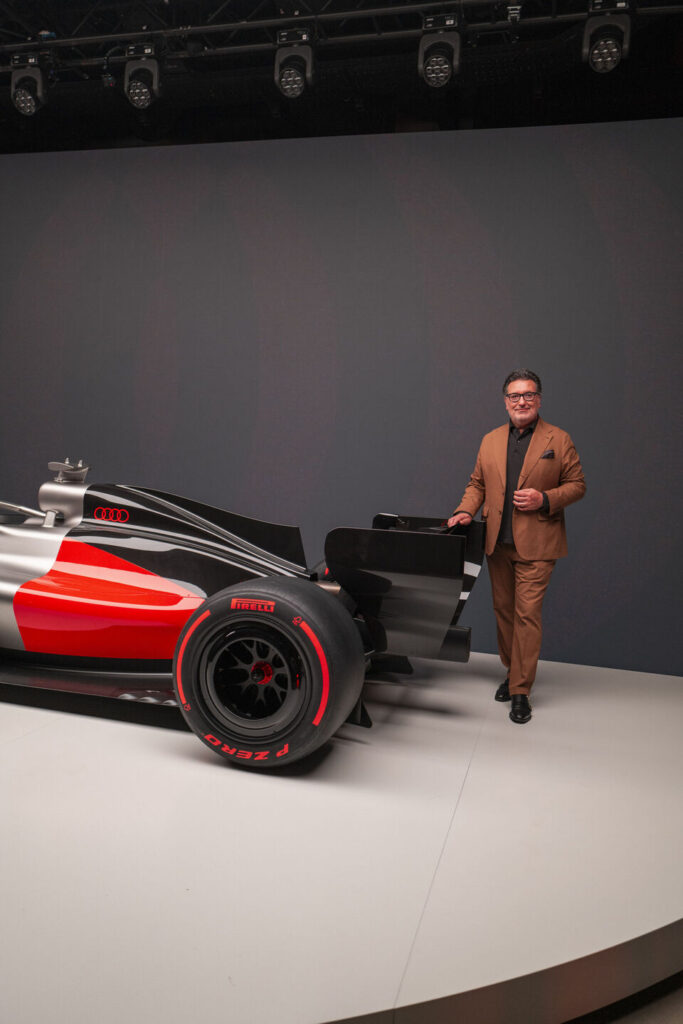
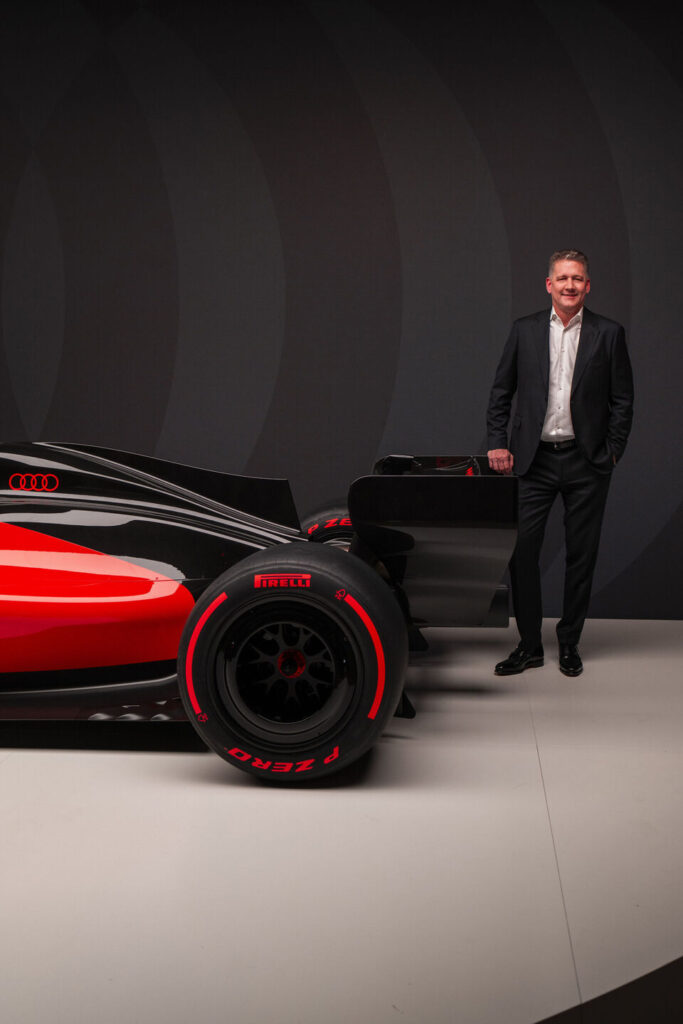
Chief Creative Officer Massimo Frascella, your humble writer’s doppleganger, spoke about design’s role in forging emotional connections. “We want to shape a brand capable of making a deep emotional connection that forges new partnerships with like-minded brands and inspires a global community — one that not only consists of F1 fans but also people who appreciate courage and sophistication,” he said. Frascella described the new design system as unifying, rooted in Audi’s iconic four rings, and expressive of a daring identity both on and off the track. An identity Audi has become known for.
Ultimately, Audi One wasn’t just a showcase — it was a statement of intent. For Audi, Formula 1 is not an appendage to its business but a central pillar of its strategic transformation, a beacon for innovation, and a means to engage with new audiences worldwide. The full competitive race livery — complete with sponsors and final technical graphics — is scheduled to be revealed in January 2026, ahead of the team’s debut season, and you can count on SHARP to be there. As the company transitions from concept to competition, the brand’s legacy of competition and success will serve as both inspiration and challenge for the future. We can’t wait for Melbourne in March 2026!