The Winter Olympics have felt like an afterthought for a decade, but Milano-Cortina 2026 feels different. We’re finally past the era of empty stands and strict bubbles, and for the first time since 2014, we’re getting best-on-best hockey featuring NHL players. If you’re planning on following Team Canada from February 6 to 22, here’s how to navigate the noise.
Team Canada: The Names to Know


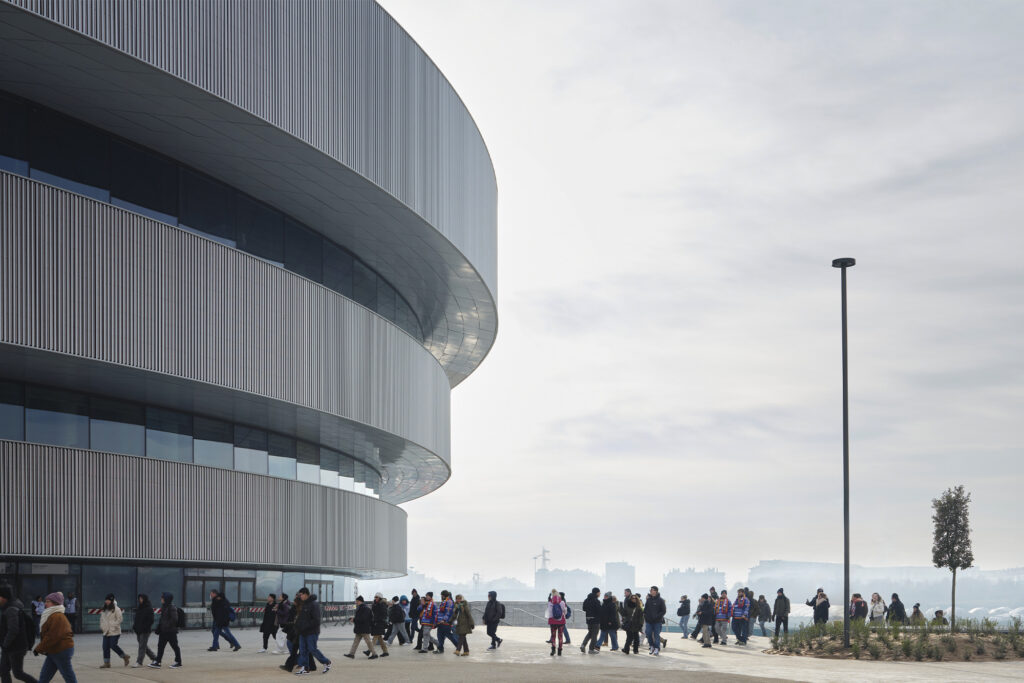
TOP LEFT: ICE HOCKEY GAME WITH SPACE FOR ALMOST 15000 VISITORS.
TOP RIGHT: VIEW TOWARDS THE MAIN ENTRANCE.
BOTTOM: VIEW OVER THE PIAZZA.
The biggest story is obviously Connor McDavid. At 29, the best player on earth finally gets his Olympic debut. We’ve spent years wondering what a McDavid-Crosby-MacKinnon power play would look like in a high-stakes gold medal game, and we’re about to find out. If Canada doesn’t walk away with gold on the final Sunday, it’ll be the only thing anyone in this country talks about for months. For McDavid, the Olympics are one of the final pieces of a legacy that has almost everything but an Olympic gold (and a Stanley Cup, which this Oilers fan still isn’t over).
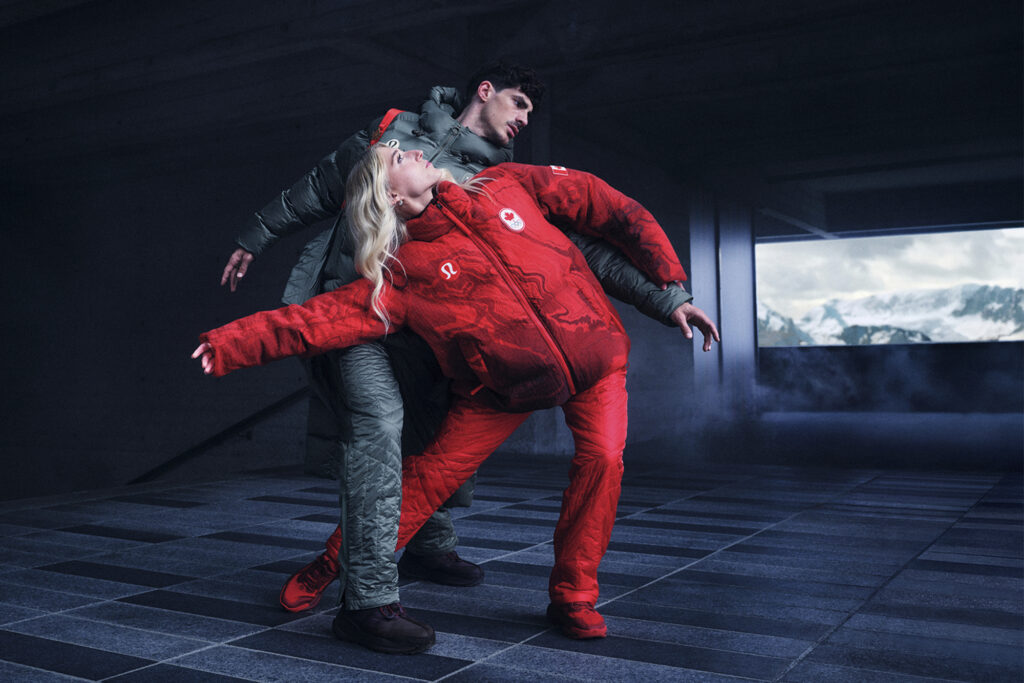
Outside the rink, we’re keeping an eye on Piper Gilles and Paul Poirier. This is their third Olympics together, but the road to Milan was sidelined by Gilles’ battle with ovarian cancer during the 2022-23 season. Now back at the top of the world rankings in ice dance, their presence is as much about the human spirit as it is about the technical score.
In a similar vein, we’re hoping to watch Deanna Stellato-Dudek on the ice. After retiring for 16 years — and building a career as an aesthetician — Stellato-Dudek decided she wasn’t done and reentered the sport at 42. She is currently set to compete in pairs figure skating, a sport usually reserved for teenagers. While an injury led Stellato-Dudek and her partner, Maxime Deschamps, to withdraw from the team event earlier this week, the pair still hasn’t ruled out competition in individual pairs. If all works out, she and Deschamps will be a legitimate medal threat.
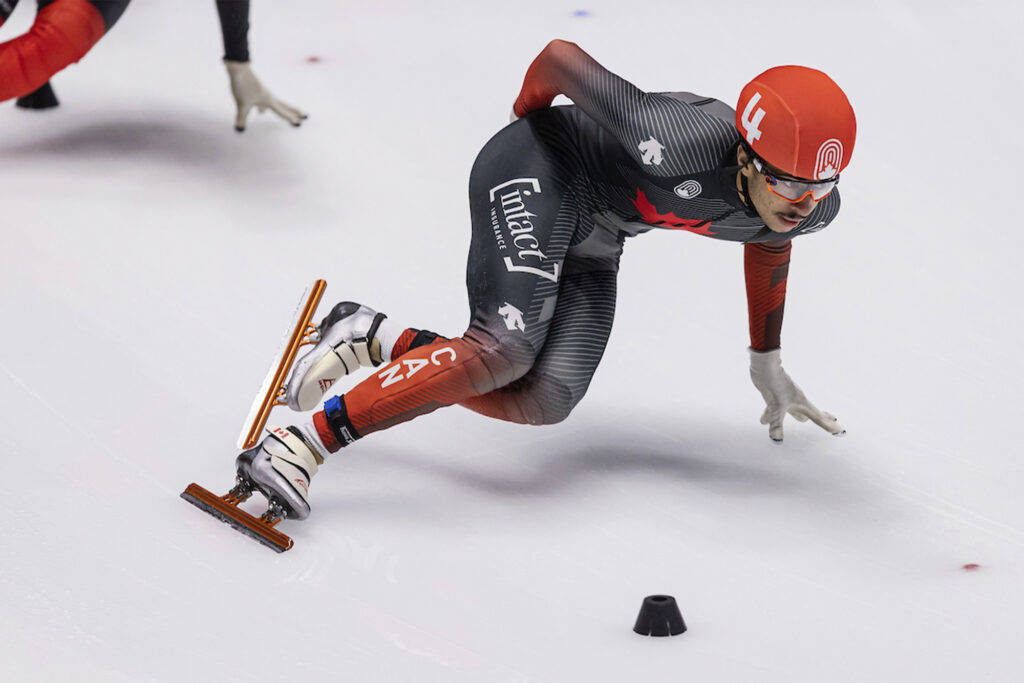
Then there’s the new generation of Canadian Olympians. Will Dandjinou has become the most dominant force in short-track speed skating. He’s the favourite to pick up the mantle from Charles Hamelin as Canada’s next multi-medal machine. On the slopes, watch for Marielle Thompson (ski cross) and Mikaël Kingsbury (moguls), who were just named Canada’s flag bearers. Both are 33, going to their fourth Games, and are still the paragons in their disciplines. Kingsbury just hit his 100th World Cup victory, the first freestyle skier to reach this mark, making him the undisputed GOAT of freestyle skiing.
Where to Watch the 2026 Winter Olympics in Canada


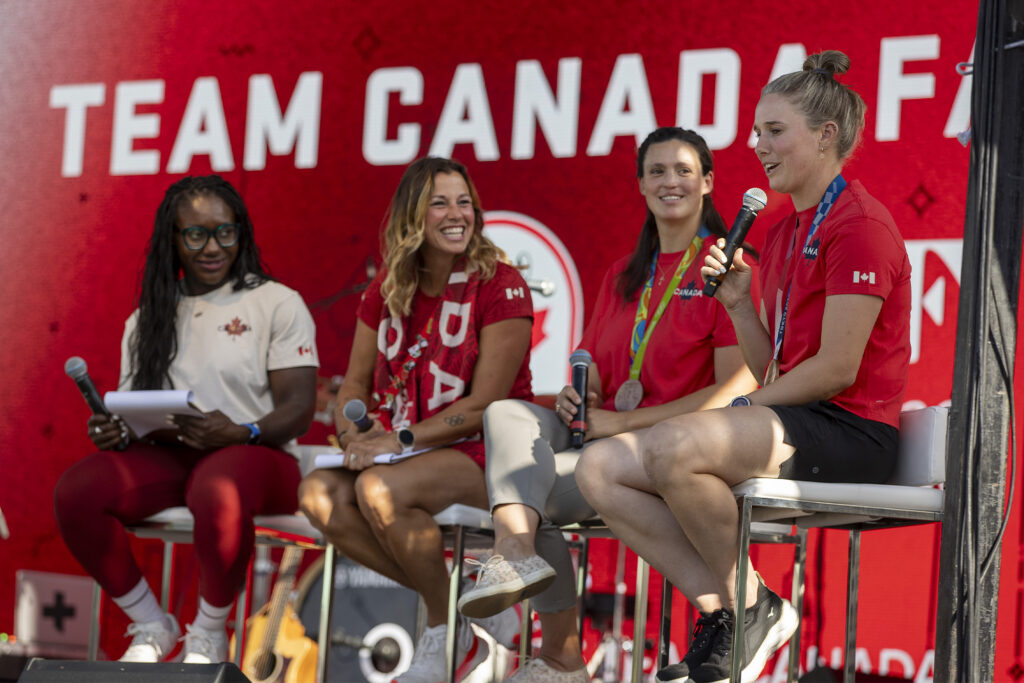
TOP RIGHT: CALGARY FANFEST 2024. PHOTO BY TODD KOROL.
BOTTOM: TORONTO FANFEST 2024. PHOTO BY CARLOS OSORIO.
Italy is six-to-nine hours ahead of the majority of Canada, so prepare for a weird schedule. If you’ve still got cable, the coverage will be split across CBC, TSN, and Sportsnet. For everyone else, just use the CBC Gem app — it’s free and carries basically every event live. If you’re working during the day, the Gem app’s replay function is going to be your best friend for catching the overnight finals without having to dodge spoilers on social media all morning.
If you’re looking to connect with other sports fanatics, check out Team Canada’s free FanFests. Held in Montreal, Toronto, Calgary, and Vancouver, these events offer a chance to see the competitions alongside other enthusiastic spectators. Bonus perks include appearances by Team Canada athletes, winter sport participation (and demonstrations) as well as a slew of activations from Team Canada partners. It’s an easy way to support the team — bring a friend and make new ones.
Key Dates for the 2026 Winter Olympics
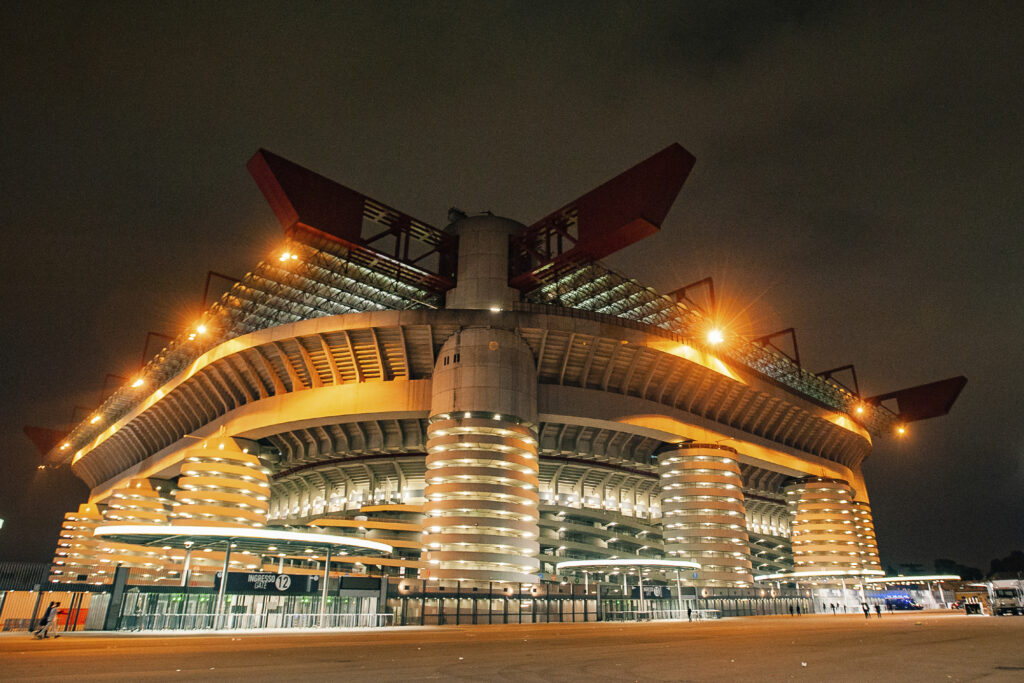
February 6: Opening Ceremony. This takes place at the San Siro in Milan. It’s worth tuning in just to see Kingsbury and Thompson lead a Canadian delegation that, for the first time, features more women than men.
February 8: Men’s Downhill. Pure adrenaline. Watch for James (Jack) Crawford and Cameron Alexander, the leaders of the “new cowboys” — a nod to the 2000s-era “Canadian cowboys” like Erik Guay and the original 1970s “Crazy Canucks,” which included the likes of Ken Read, Steve Podborski, Dave Irwin, and Dave Murray, who became world-famous for their reckless, all-or-nothing style that broke the European stranglehold on downhill skiing. Crawford recently stunned the world by winning the legendary Kitzbühel downhill, and both he and Alexander are serious threats to bring home Canada’s first men’s downhill gold.

February 12: Canada vs. Czechia in Men’s Hockey. This is the first real look at the most anticipated roster in a generation. It’s the “where were you” moment for the start of the McDavid/Crosby Olympic era.
February 13: Men’s Figure Skating Free Skate. Canada’s lone entry is the 21-year-old Stephen Gogolev. He’s having a career renaissance after winning his first senior national title last month. While he’s an underdog against the quad-heavy international field, a clean skate could put him back in the global conversation.

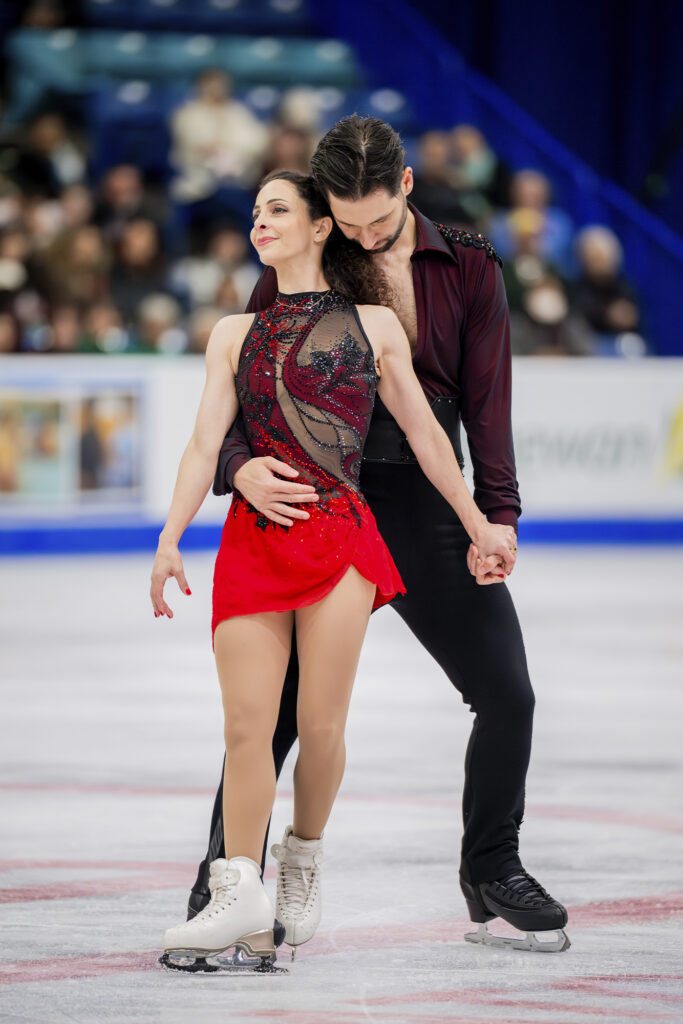
February 19: Gold Rush Thursday. This is the biggest day on the calendar. You have the Women’s Hockey Gold Medal game — a rivalry with the USA that is one of the most intense in all of sport. Earlier that day, keep an eye on the Pairs Figure Skating final, where Stellato-Dudek and Deschamps will likely be battling for the top step of the podium.
February 22: The Men’s Hockey Final. This is the unofficial national holiday. In Canada, Olympic success is often measured by this single game. It’s the final event before the Closing Ceremony, and if the Maple Leaf is on the ice, the country will be at a standstill.
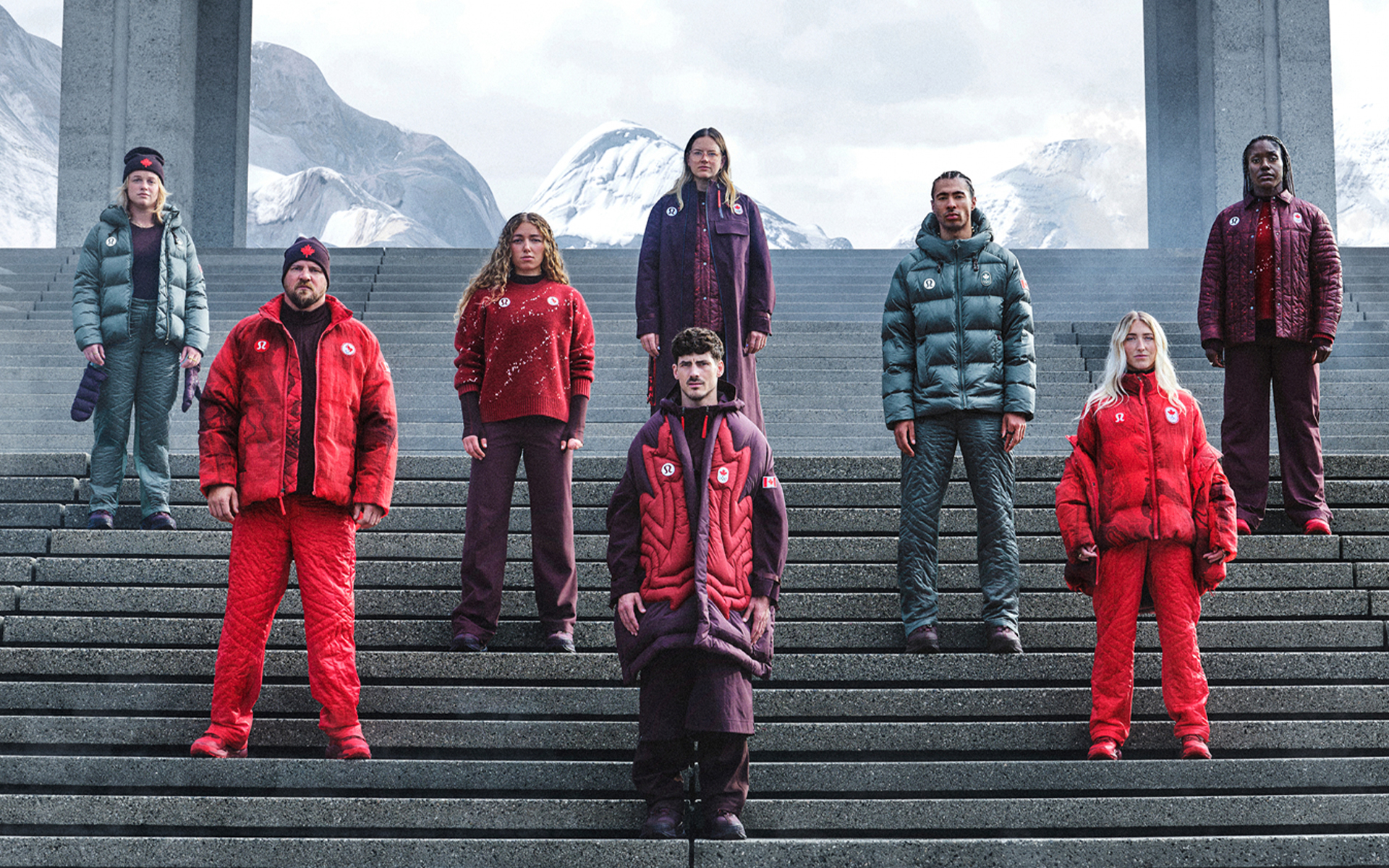
FEATURE PHOTO COURTESY OF LULULEMON.