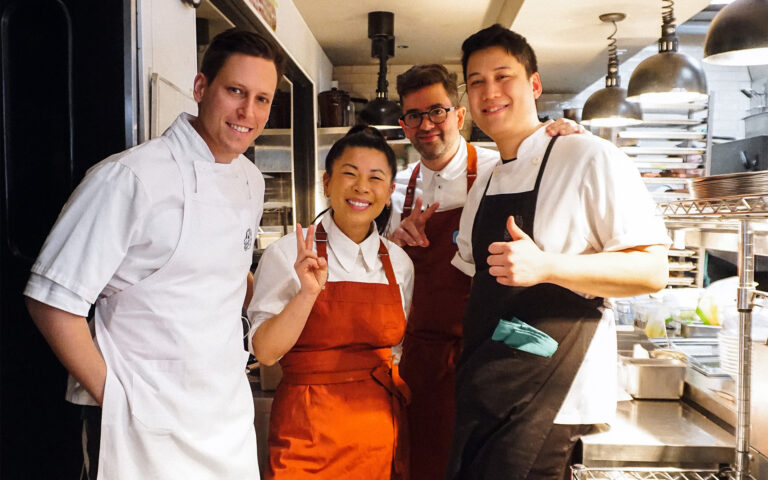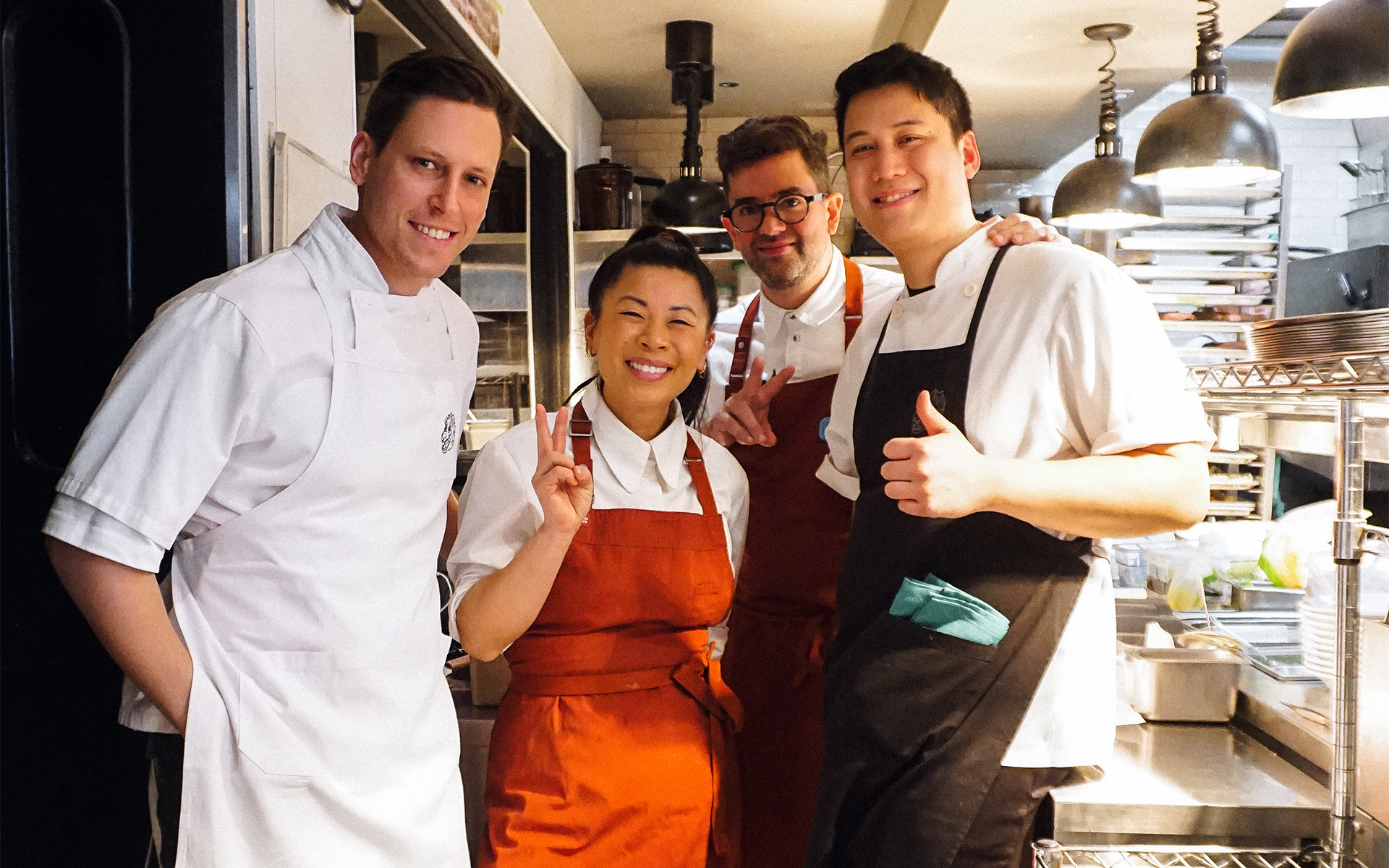
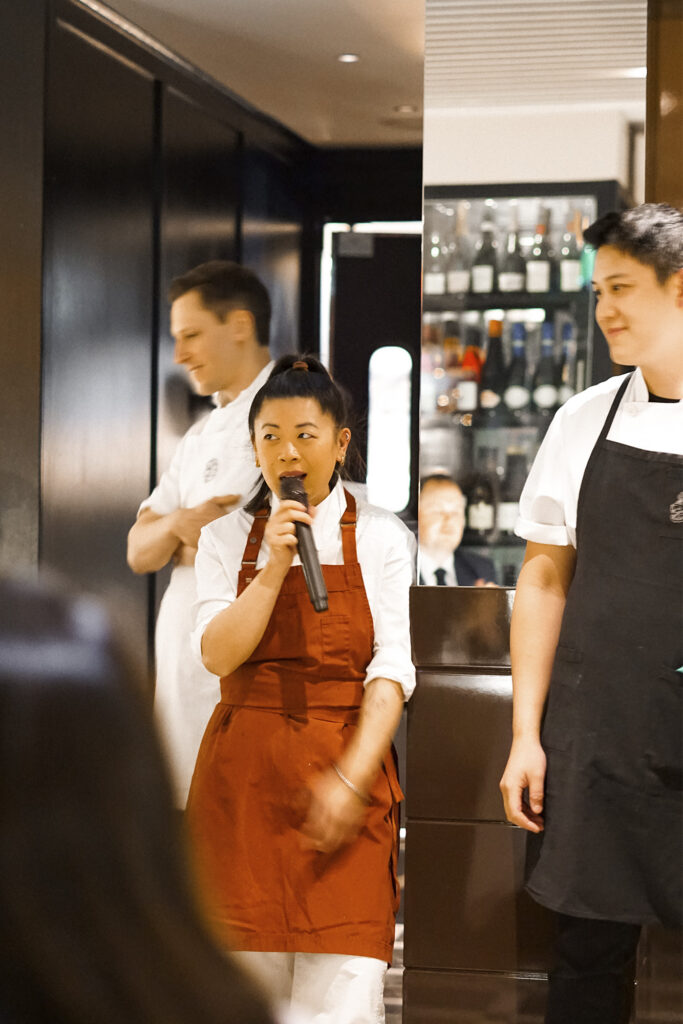
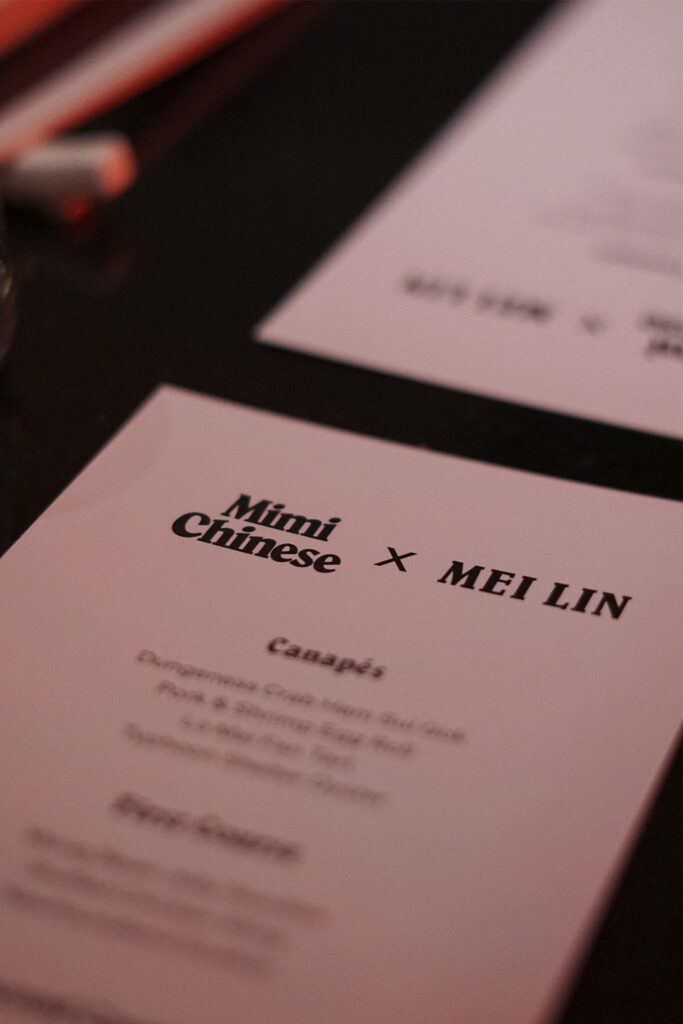
On Tuesday, February 17th, we’ll be riding into the Year of the Horse — and there’s no better way to ring in the Lunar New Year than a good conversation in one of Canada’s favourite kitchens. SHARP got the chance to see chefs Braden Chong and David Schwartz in action at MIMI Chinese alongside a very special guest: Top Chef winner Mei Lin. Flying in for the exclusive MIMI Chinese x Mei Lin event, the chef called the collaboration “an unforgettable night.”
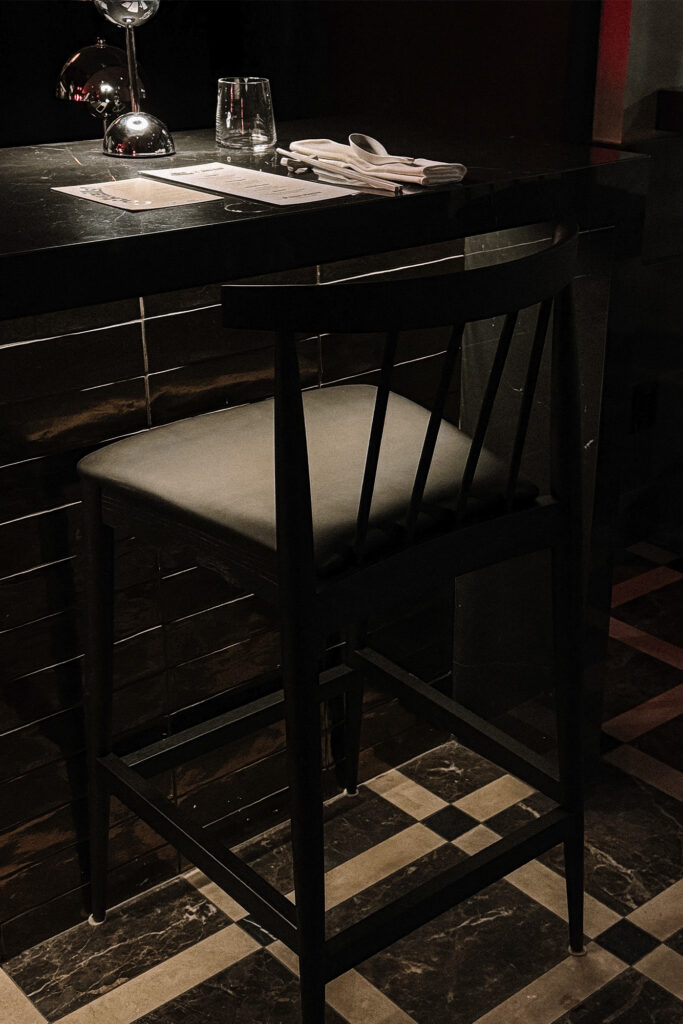
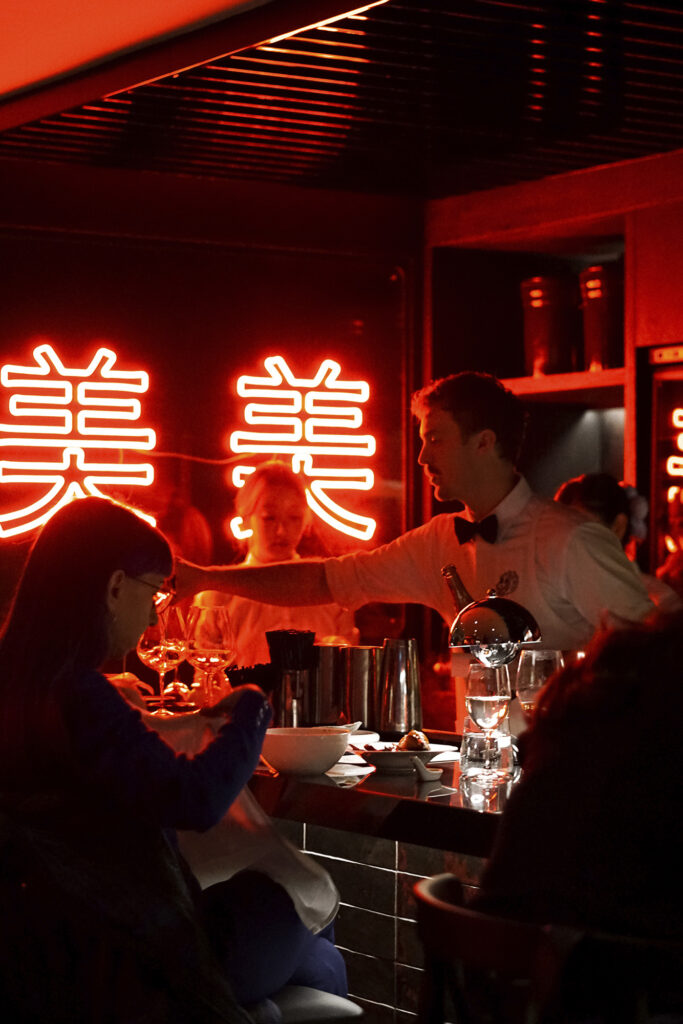
Offering a modern take on traditional Chinese cuisine, MIMI Chinese describes itself as “refined yet nostalgic.” On the menu, this idea shows up in tasty specialties like honey walnut shrimp and Canadian wagyu. And, after to its recent renovation, MIMI Chinese has a look to match. Glamorous black tiles and white tablecloths elevate the atmosphere, while soft red glow of a neon sign pours over the restaurant.
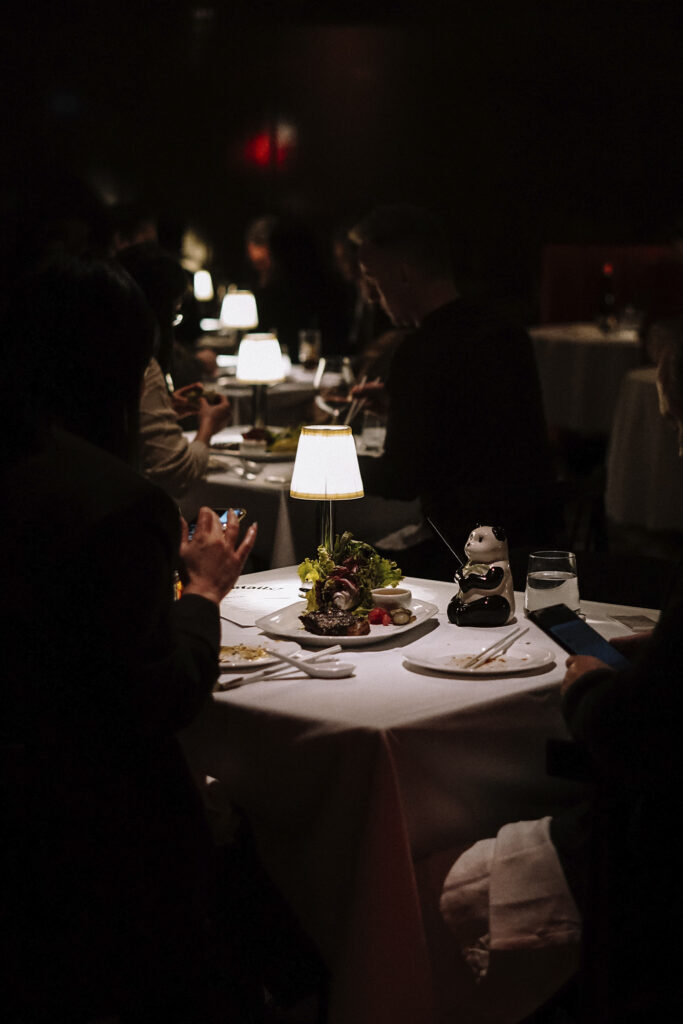
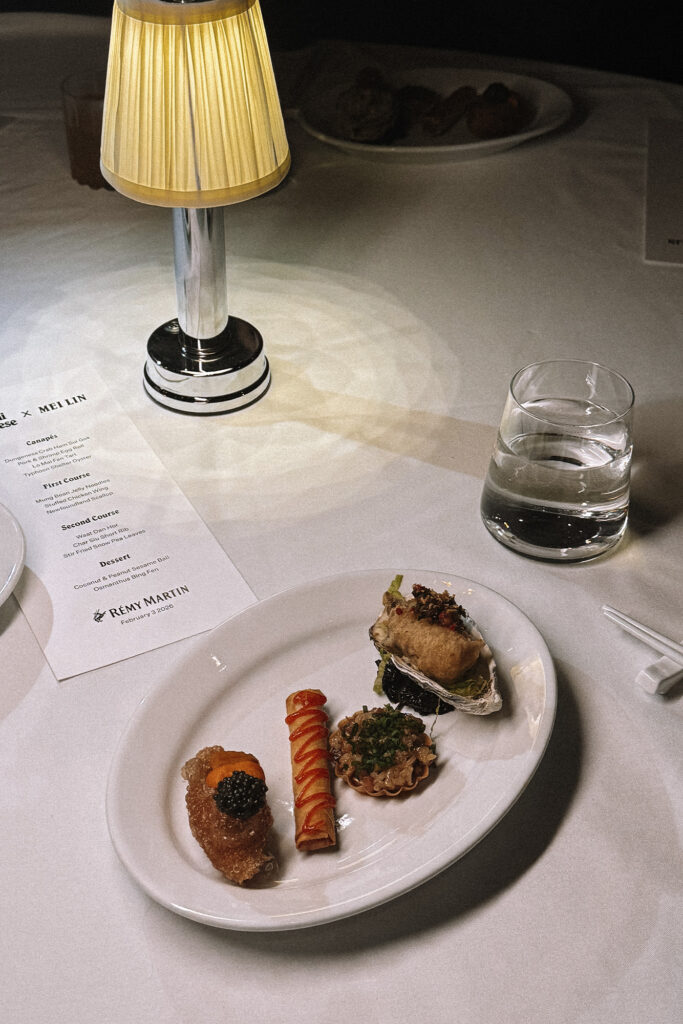
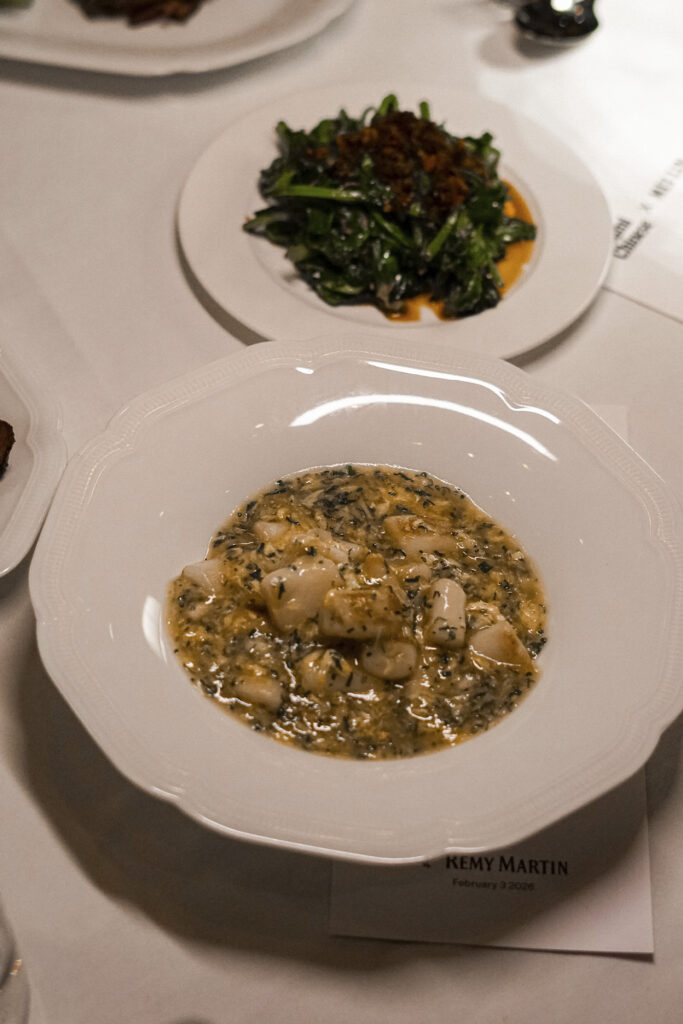
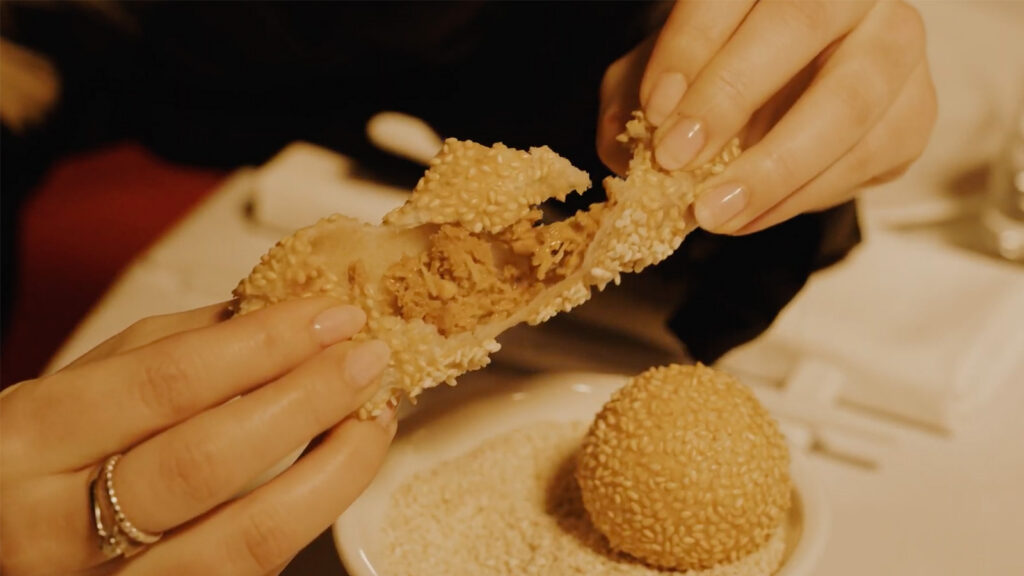
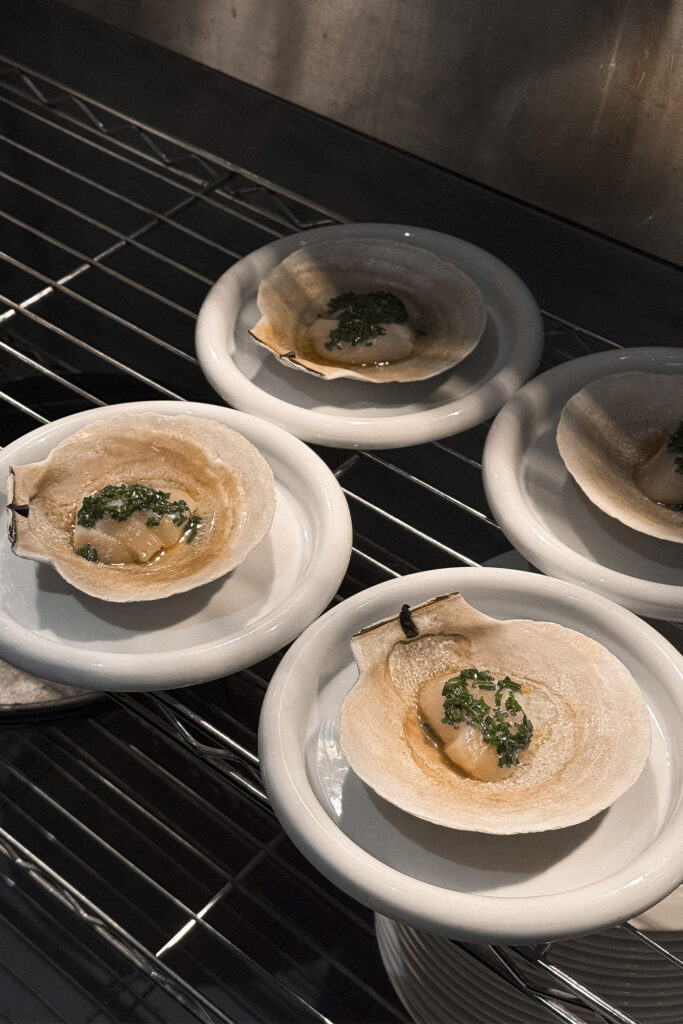
To launch its new look, the MIMI Chinese x Mei Lin collaboration featured a special menu inspired by the upcoming holiday. “The Lunar New Year is all about bringing people together, enjoying various foods, and also putting a little luxury into it — just to bring more luck throughout the new year,” says chef Mei Lin. One such food? A delectable sesame ball, filled with chunky peanut butter and coconut flakes. “It’s actually a type of sesame ball that I ate growing up,” Mei Lin says. Putting a twist on her mother’s recipe, the chef describes it as a warm, gooey dessert. “It’s a great way to end the meal.”
Ahead of the Lunar New Year, SHARP caught up with chefs Mei Lin and Braden Chong at the newly-renovated MIMI Chinese in Toronto. Read excerpts from our conversation and watch the video below.
SHARP: Do you have any personal Lunar New Year traditions?
Mei Lin: Obviously, there’s going to be a lot of food at the table. Right when you wake up, there should be an entire spread. That’s typically how my family likes to celebrate. There’s always got to be dumplings. There’s a lot of vegetarian dishes at the table, especially during the morning. I wake up to a lot of different types of like rice cakes and noodles and, of course, dumplings.
“The way that I like to approach Lunar New Year is to have those fundamental, core values that are what Lunar New Year means: prosperity, longevity, things along those lines. For longevity, you definitely have to have some sort of noodle. The longer the noodle, the longer you’ll live.”Mei Lin
Braden Chong: I think it’s always cool to ask other people — other Chinese people, other Asian people — how they celebrate because my family, although we celebrated, we didn’t always do traditional celebrations or customs. We always celebrated; we made an effort to get together with the family. Often, we’d even celebrate twice: once with my mom’s side, once with my dad’s side. We’d see the grandparents and we’d just get together for a big meal. I remember my grandmas, on both sides, actually would make different dishes just to celebrate. But even for us, we would just get a takeout and spend the day together.
Being third generation Chinese Canadian, there were some traditions that we didn’t continue. But, when it came to spending time with family, it was still important for us to celebrate together. So for me, there wasn’t a specific dish or memory; it was always like, ‘We’re going to go see grandma and grandpa, we’re going to eat a lot of Chinese food […] so much that we pass out on the couch.
Braden Chong: So Mei, do you want to tell us about the dough you’re making? We actually make a similar one at MIMI.
Mei Lin: Yeah! So the thing about this dough is that it’s a glutinous rice flour. There’s no gluten in any sort of rice product, period. So, in order to build that structure, you have to gelatinize the starch — in this case, [the starch is] rice. Basically, we boil some sugar syrup, and we pour that boiling liquid into the rice flour. That will give a nice chew to the final product. It also makes the dough a lot easier to work with. Otherwise, it would just fall apart in your hands; if you didn’t do that, it would become a gooey mess.
SHARP: What’s your go-to dish to cook for Lunar New Year when you’re not at work?
Braden Chong: I guess this wouldn’t be traditional, but it still fits the theme: noodles are a symbol for longevity, for a long life. You’ll probably get a similar answer from a lot of chefs — they don’t love cooking at home, because they just cooked at work all day. If I’m just staying in with my partner, we’ll cook instant noodles or something. But, one of my favourite dishes — which is a dish we’re doing today — is the sticky rice. There’s so many different ways of doing it. You can stir fry it, you can cook it in a rice cooker, you can steam it. Basically, it’s really chewy, short grain sticky rice. You mix all these different ingredients — dried scallop, dried shrimp, cured pork, bamboo — and you’re basically making rice, which is to most people very boring, very plain, into the highlight of the meal. I could eat, like, two pounds of this rice because it’s so flavourful. That’s why I wanted to do this for one of our dishes tonight.
“When I first started cooking, I didn’t think I wanted to cook Chinese food. I’m Chinese, so I didn’t think there was anything for me to explore […] Working here really opened my eyes on how to approach food and how to think about food.”Braden Chong
SHARP: How do you approach crafting a holiday menu? Do you approach the Lunar New Year as a holiday in the kitchen or in a restaurant setting?
Mei Lin: Typically, the way that I like to approach Lunar New Year is to have those fundamental, core values that are what Lunar New Year means: prosperity, longevity, things along those lines. For longevity, you definitely have to have some sort of noodle. The longer the noodle, the longer you’ll live. It’s a superstitious type of thing; rules that you have to follow. My mom always imparts, ‘You can’t wash your hair the day of [the Lunar New Year]. Otherwise, you’re going to wash all your luck away.’ You can’t sweep, you can’t clean, things of that nature. I bring all of those notes into a Lunar Year menu, I guess, by bringing back some nostalgic flavours that I grew up eating into the food that I make today.
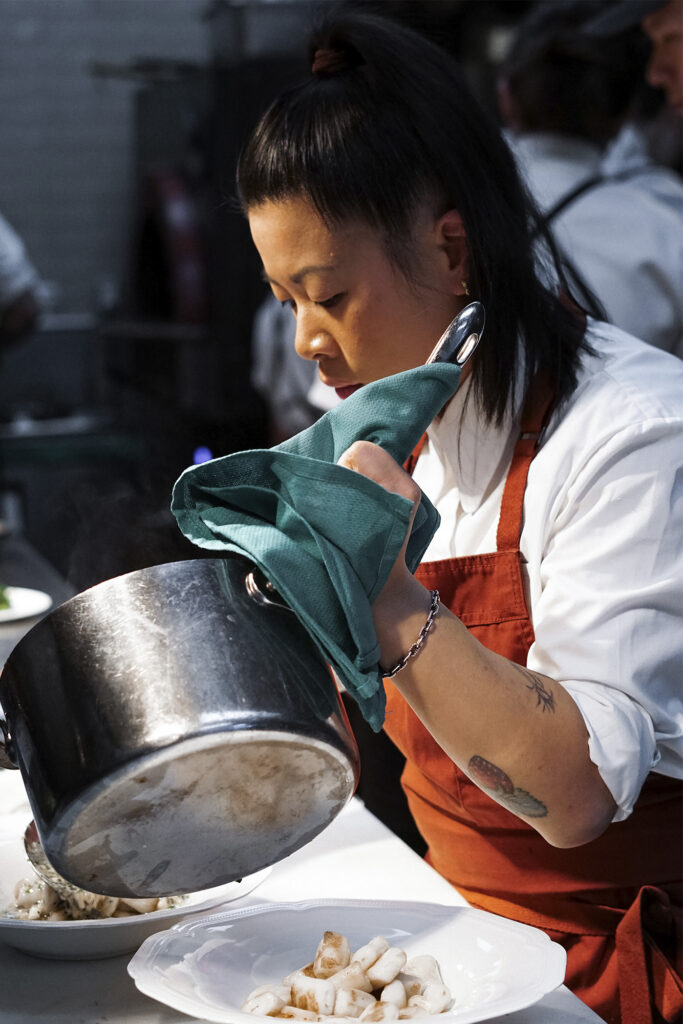
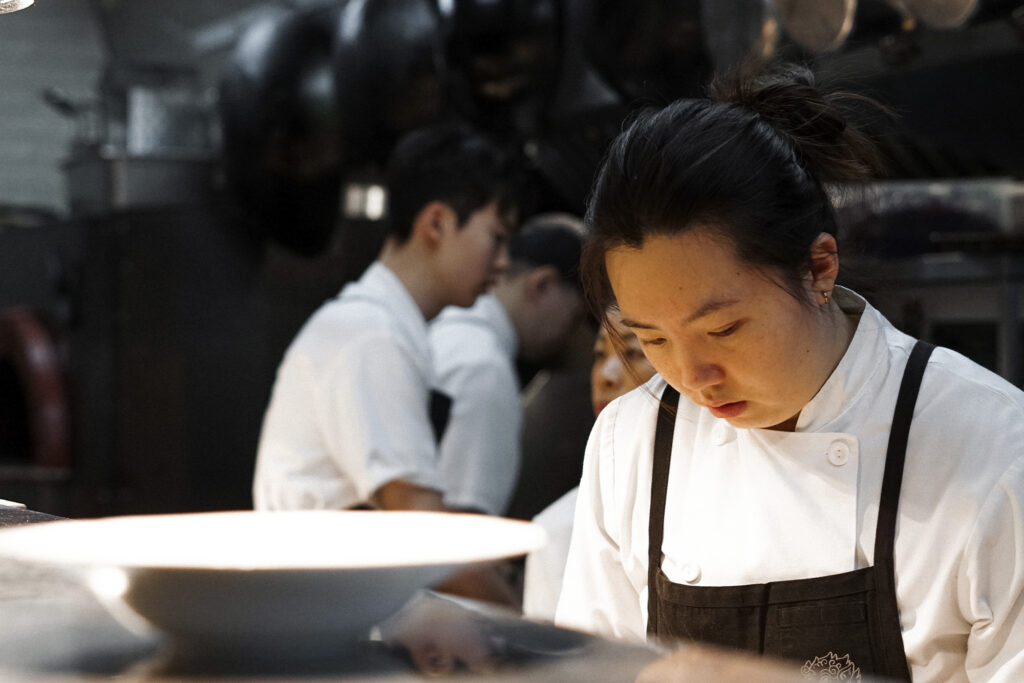
SHARP: How would you describe the Chinese food culture and restaurant experience at MIMI Chinese?
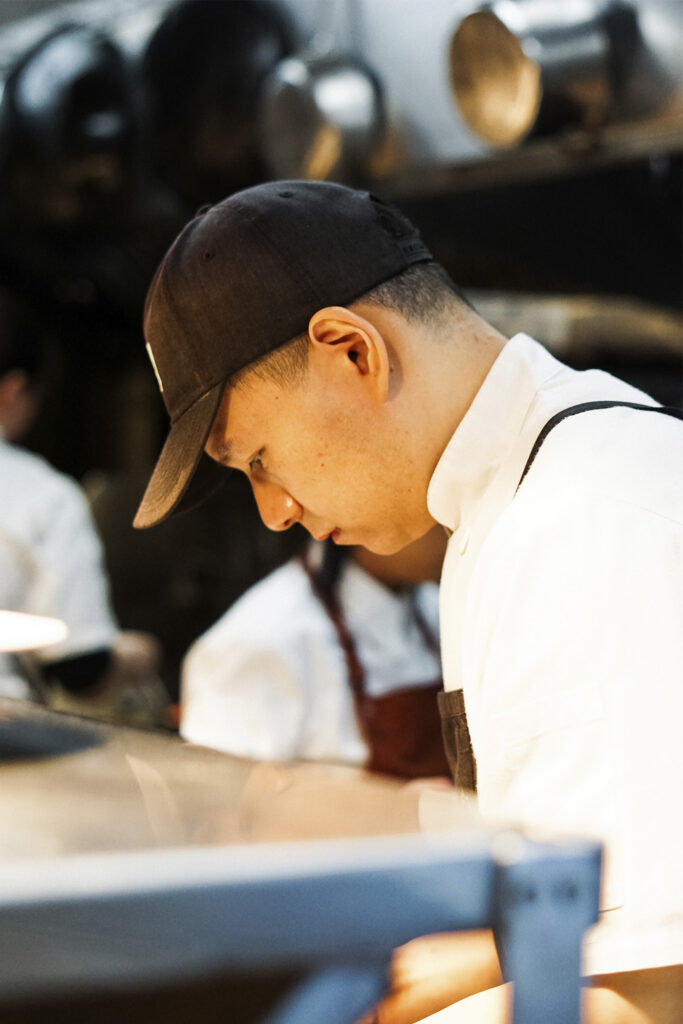
Braden Chong: For me, MIMI is really special because, when I first started cooking, I didn’t think I wanted to cook Chinese food. I’m Chinese, so I didn’t think there was anything for me to explore — I mean, I was young — but I was like: ‘I know what Chinese food is. I eat Chinese food all the time. There’s no reason for me to learn it.’ So, I wanted to cook in Western kitchens as a young chef or young cook.
Honestly, working here really opened my eyes on how to approach food and how to think about food. Even when we go out to eat at restaurants, [I’m] thinking, ‘How do they do this? How do you make these flavour combinations?’ So, MIMI really opened that part of cooking and working in the kitchen for me.
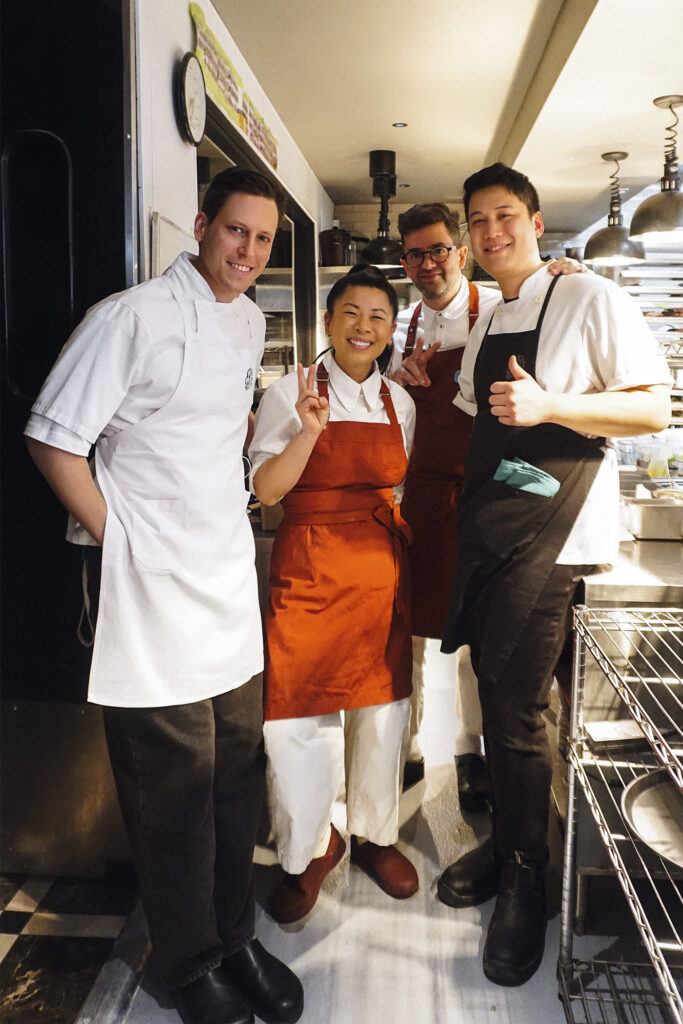
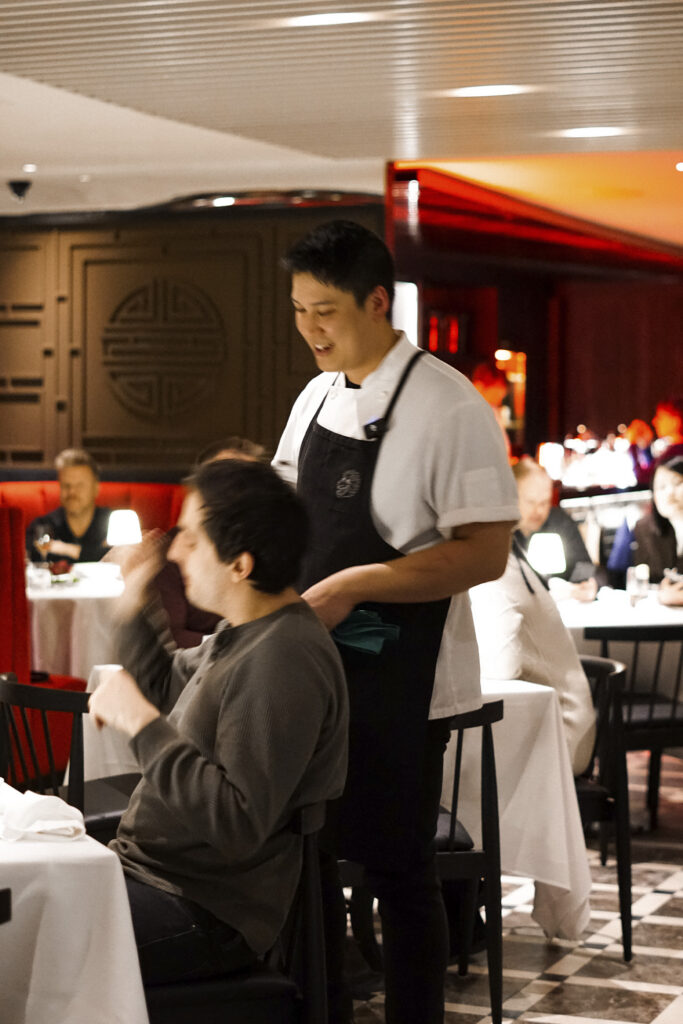
SHARP: How would you describe the energy in the kitchen or the restaurant on the Lunar New Year holiday?
Mei Lin: I would describe it as super energetic and lively. That’s typically how the restaurant is, anyways. But I think with Lunar New Year coming up, it’s definitely something that’s pumping through our blood.
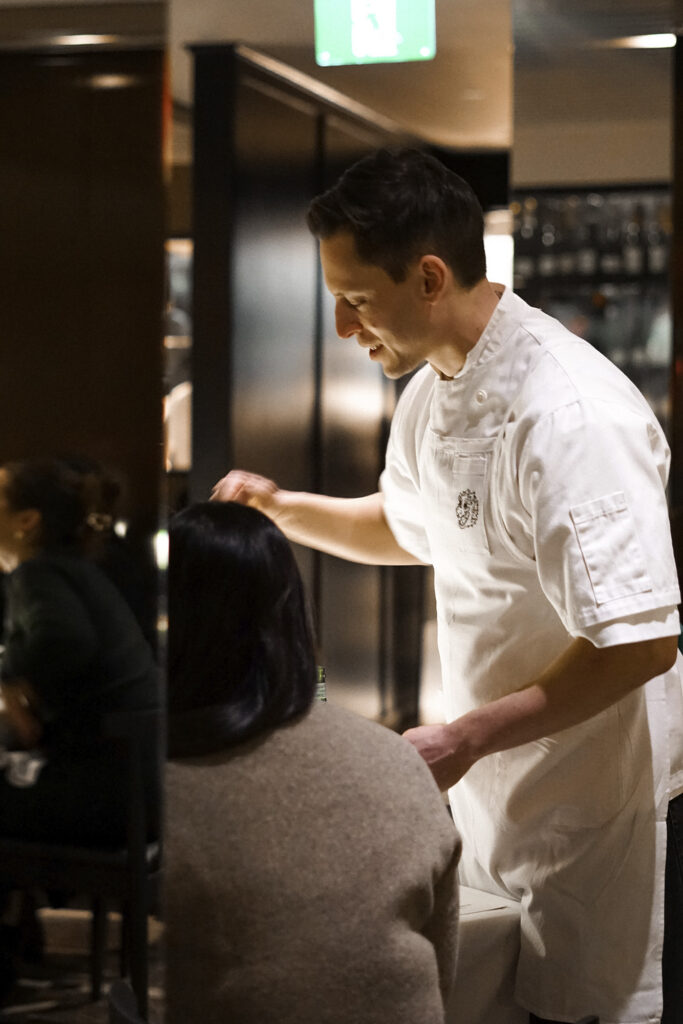
Braden Chong: I’ll say this: the energy in the dining room and the kitchen — they’re always going to be very different. What’s most important is that we have good energy, whether it’s people enjoying themselves, talking, or loud music. Even if it’s a little chaotic, we still want that energy to be positive. There are a lot of kitchens that, historically, are very difficult or challenging to work in. We wanted MIMI to be a place that you can challenge yourself professionally, but still enjoy coming to work and having a good team to work with and support you. We want this to be a safe space.
In terms of the energy, we want people in this kitchen to be excited to learn about Chinese food while still wanting to make the best food that they can [and] learning something new. The team is important to me, but [so is] challenging the team. We don’t want people to just be stuck or complacent. We always want to move people out of their comfort zone and push them to become better, whether that’s professional, as a cook, or as a person. That’s a big part of our philosophy as managers and owners.
Reserve a table at MIMI Chinese, 265 Davenport Road, Toronto, Ontario.
PHOTOGRAPHY: LAUREN WESANKO.
ART DIRECTION: DONNA MILITAR.
VIDEO: NICOLAS MERTENS.
CREATIVE DIRECTION: SAHAR NOORAEI.