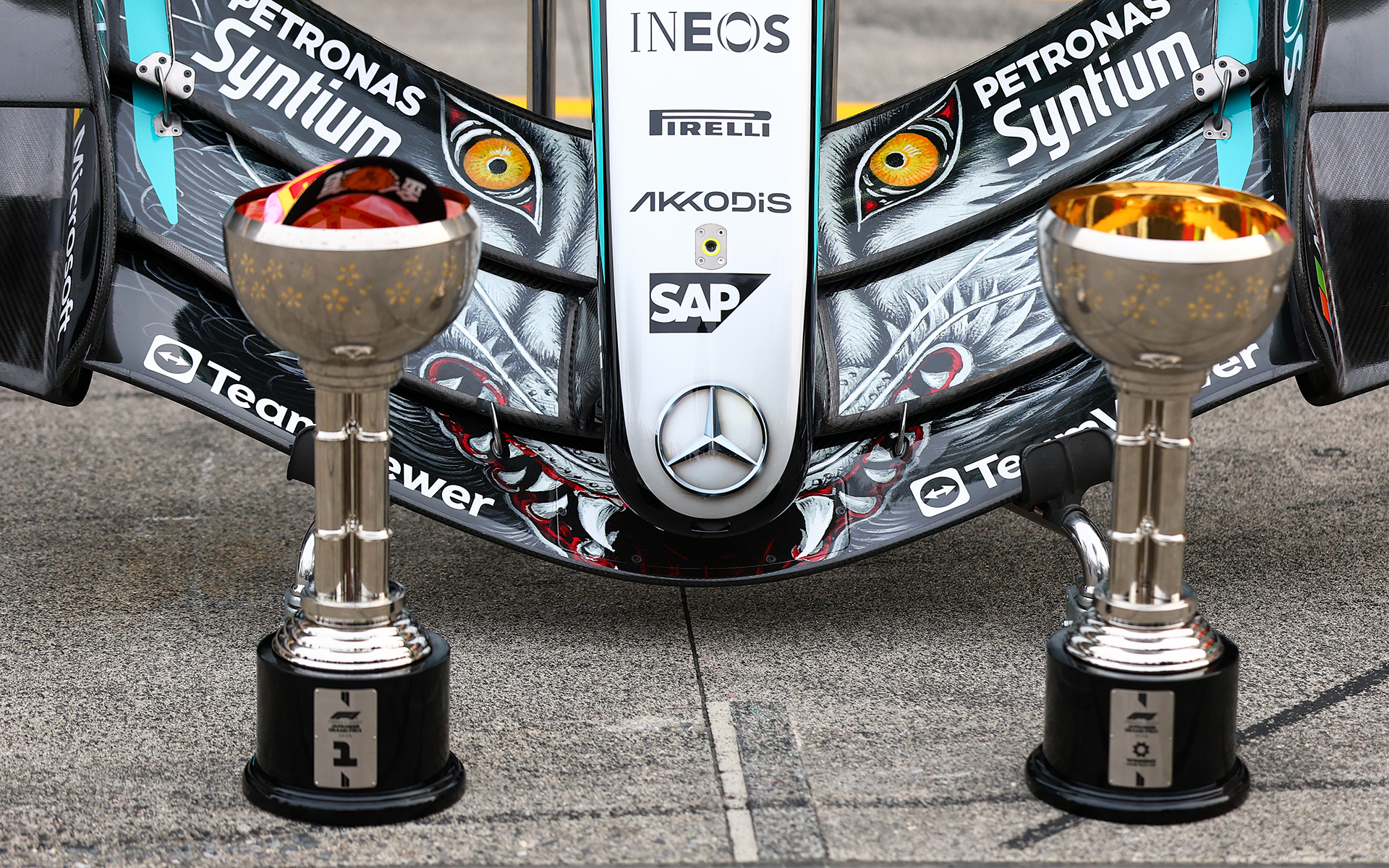
A favourite on the Formula One calendar for many, the legendary Suzuka circuit hosted the 40th Japanese Grand Prix this past weekend. From Senna to Prost, to Schumacher to Häkkinen, Suzuka has created some of the most illustrious battles, not just in F1, but in motorsport, period. Suzuka is one of the most challenging tracks of the season due to its design, demanding a perfect rhythm through the complex corners and enough power for its long straight into the iconic left-hand corner of 130R.
This race would be interesting and another opportunity to see what the new regulations are capable of in terms of consistency. With fans partially skeptical due to the power units coming up short because of the new battery deployment system in the cars for 2026, many were hoping to see some changes made to help solve the engine throttling issues. However, the biggest discussion this weekend was about safety.
Qualifying
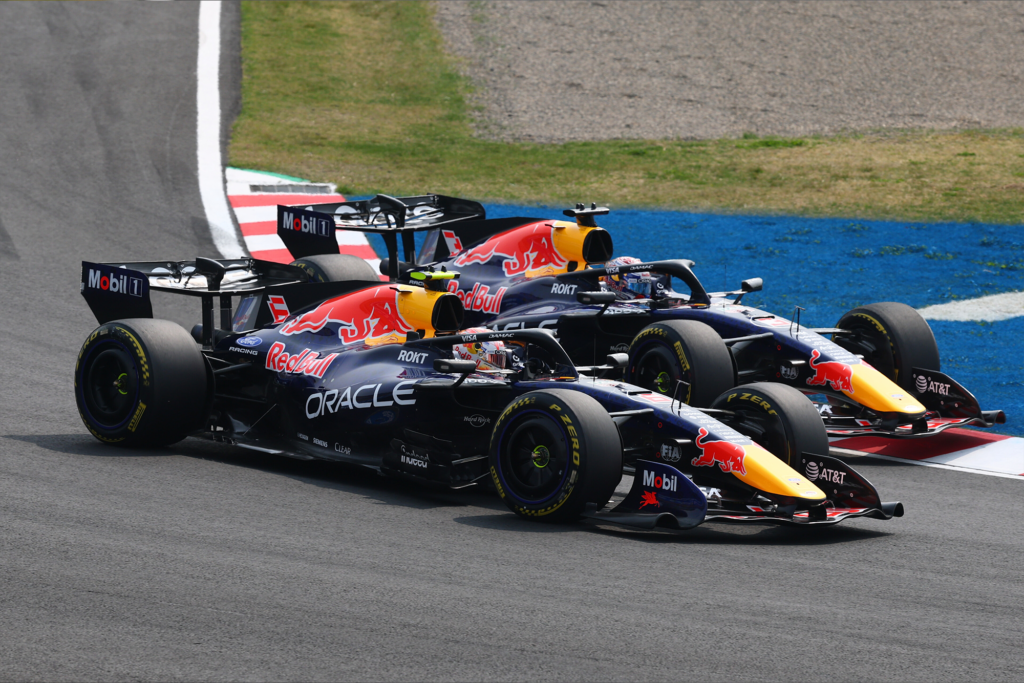
Dominance from the usual suspects was prominent early in Q1—a battle between Ferrari, Mercedes, and the McLaren of Oscar Piastri after their string of difficulties in Australia and China. While we saw the usual competition, a welcomed surprise was Audi in the top 10, as Nico Hülkenberg and Gabriel Bortoleto placed P6 and P7, bringing their cars into the second round of qualifying. Issues continued to be prominent for Red Bull, as Max Verstappen and Isack Hadjar barely made it into the next round of qualifying.
The second session had more surprises. Arvid Lindblad had never raced at Suzuka until this season. The rookie took to the track and snatched the last position to advance from the hands of four-time champion Max Verstappen. “I think there’s something wrong with the car, mate. It’s completely undrivable suddenly in this qualifying,” said a frustrated Verstappen. This was the first time Max had missed the final round of qualifying in two of the first three races since 2016, when he was driving for Toro Rosso (now the Racing Bulls). Gabriel Bortoleto would conquer another qualifying session, crossing the line in P9, bringing Audi to yet another impressive result and another final round of qualifying.
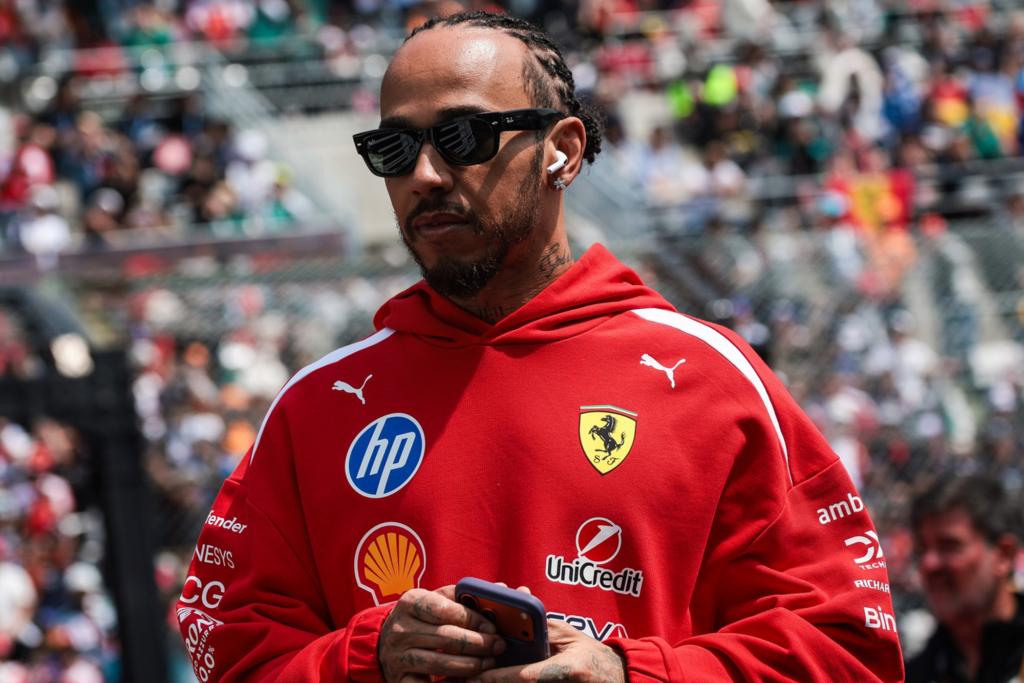
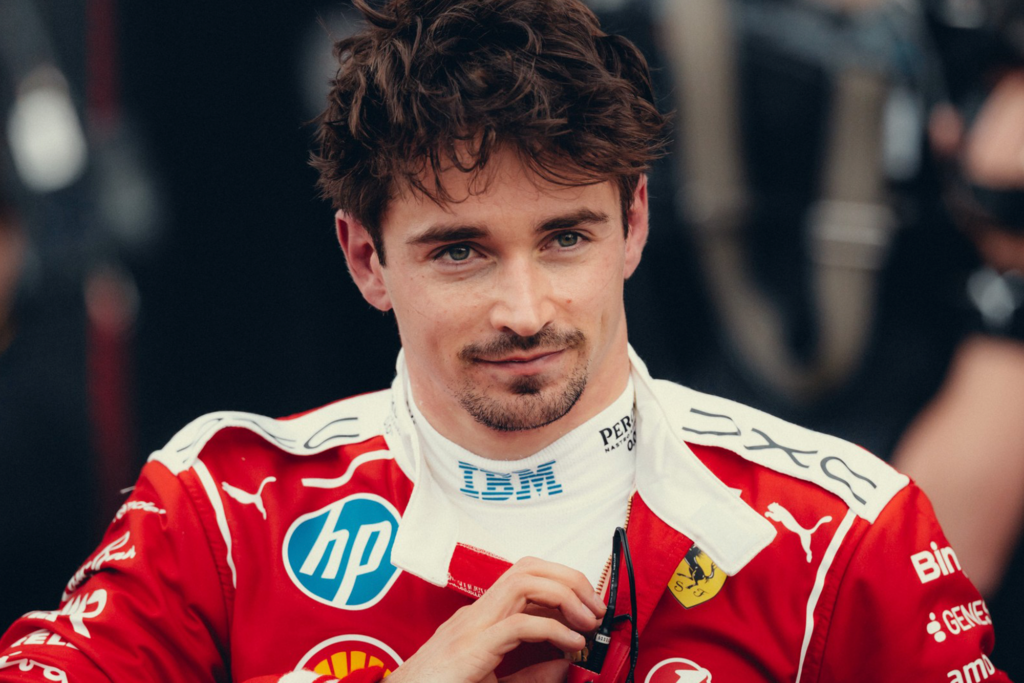
The Mercedes of Kimi Antonelli seemed to find another gear, as he cleared his teammate, George Russell, by an impressive three tenths of a second in P2. The McLarens of Oscar Piastri and Lando Norris were on a mission for a successful qualifying. After their DNS (did not start) in China, McLaren had something to prove, and their pace in Suzuka was impressive from the get-go. With phenomenal pace from both Norris and Piastri, it seemed the two were locked in for P3 (Piastri) and P4 (Norris), but a last qualifying attempt by Charles Leclerc would split the McLarens, putting his Ferrari in P4, with McLaren settling for P3 and P5. Lewis Hamilton has slightly struggled with his pace throughout the weekend and brought his Ferrari to P6. Pierre Gasly had another fantastic qualifying weekend to bring Alpine to P7, Isack Hadjar fought hard to bring his Red Bull to P8, Gabriel Bortoleto put on another fantastic performance for Audi by qualifying P9, and rounding out the top 10 is the rookie, Arvid Lindblad and his Racing Bull.
Race
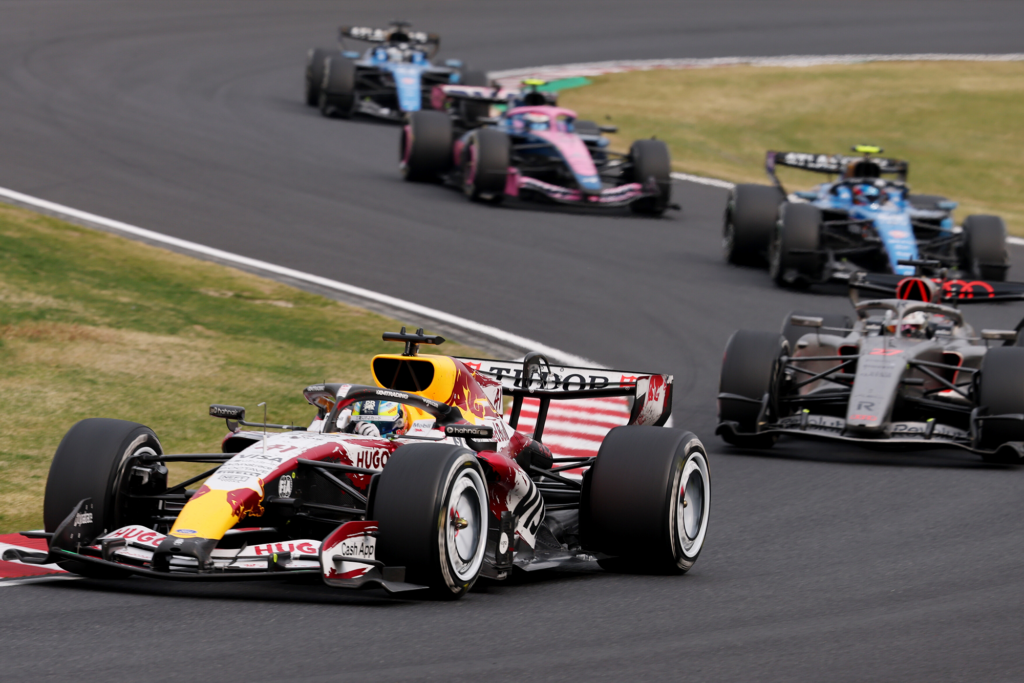
Antonelli’s results have been consistent and positive all year, but his starts off the line have been consistent, and not in the best way. With a rough clutch drop and plenty of wheel spin once the lights went out, the McLarens of Piastri and Norris took off like rockets, passing both the Mercedes of Antonelli and Russell. Piastri took the lead early, and Norris had P3 by Turn 2. Russell quickly recovered P2, and the battle between him and Piastri lasted lap after lap, putting on a phenomenal display of bold overtakes and an example of how the new regulations are creating closer and more exciting racing.
Antonelli fought hard throughout the race to bring his Mercedes back to P1, and he got it back during pit stops. The deal would be sealed during a full-course yellow flag caused by a huge crash involving the Haas of Oliver Bearman. This is where the aforementioned safety conversation begins. The long, sweeping right of Turn 12 saw a fast-approaching Bearman close in on the slower Alpine of Franco Colapinto, who was slowing rapidly due to a depleted battery. Still on the racing line, Colapinto moved slightly into Bearman’s path. Bearman tried to keep the car straight, but touching the grass caused it to spin, locking the rear axle and sending Bearman hurtling towards the wall at Turn 13, with the impact speed measuring a staggering 308km/h (approximately 191 mph) and a massive 50G of force. Luckily, he was able to walk away from the accident, but the cause of the crash has brought new awareness to the possible dangers of the 2026 regulations and has caused drivers to be wary and voice their opinions for change in the sport.
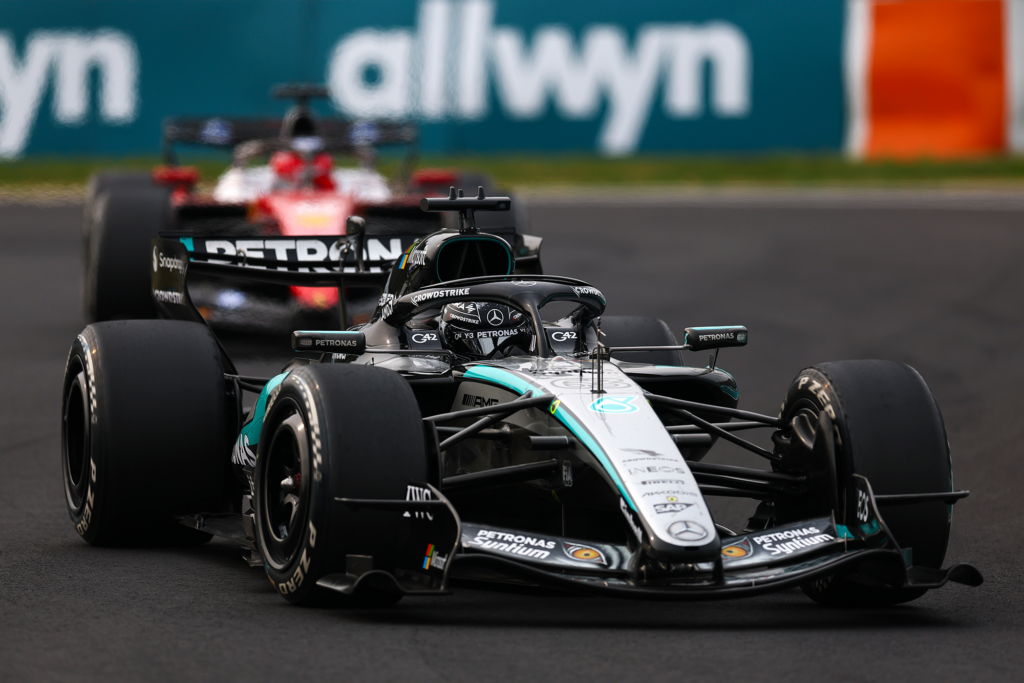
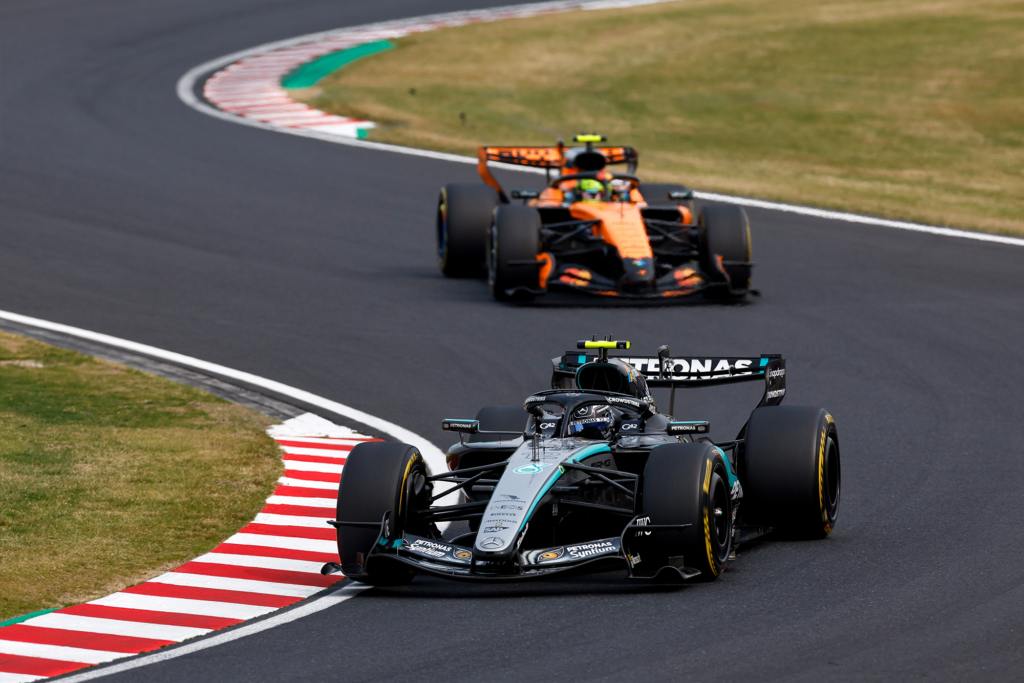
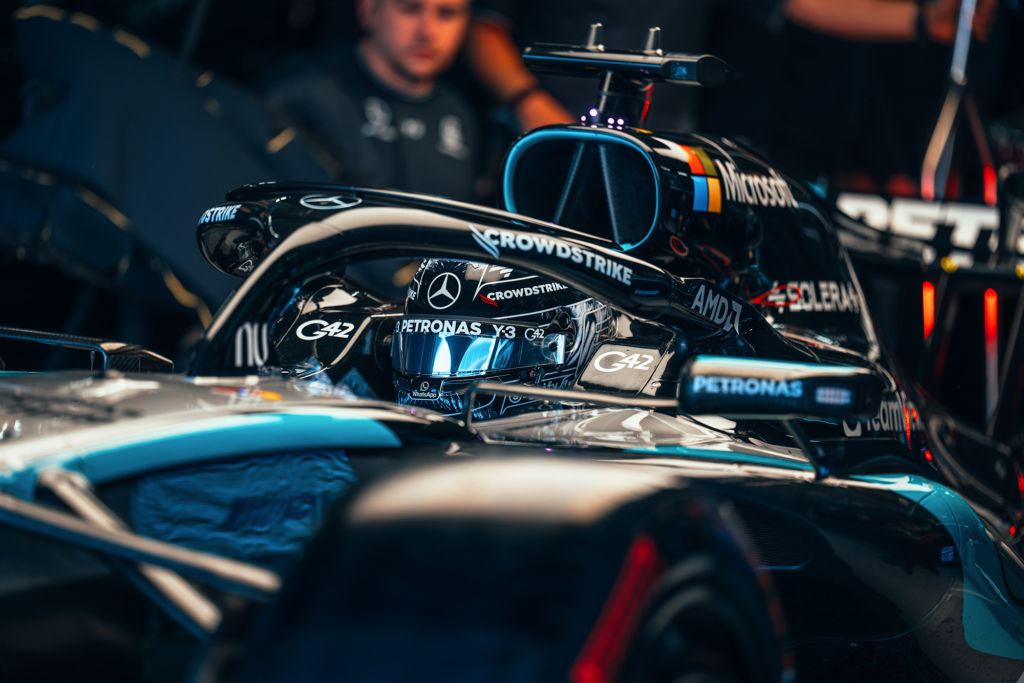
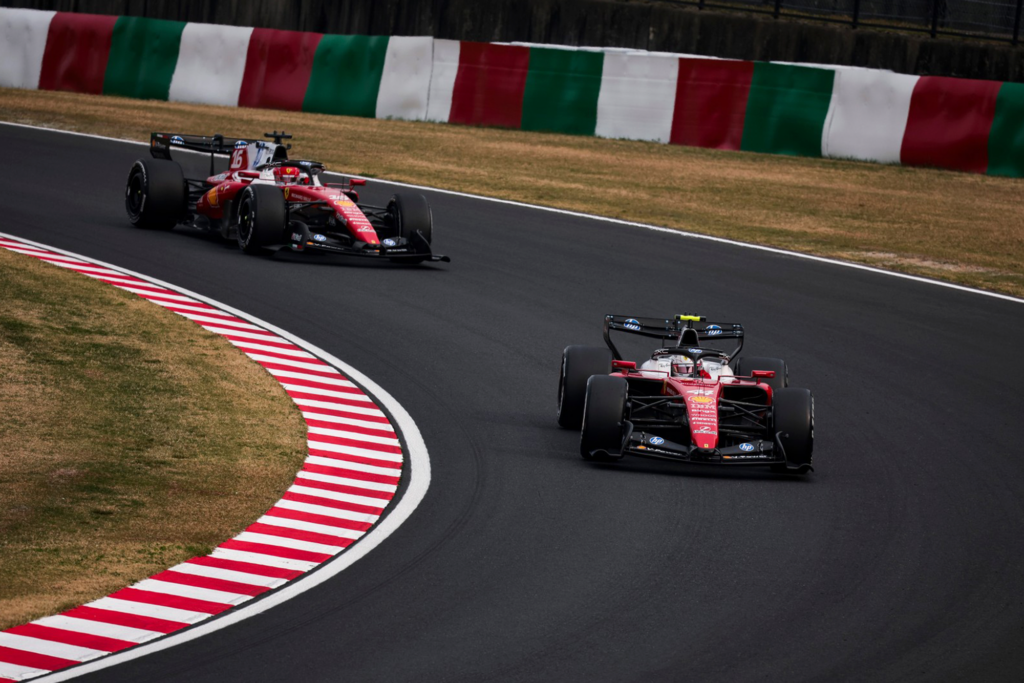
The Mercedes of Antonelli and the McLaren of Piastri would pull away after the full-course yellow, essentially locking in the first two positions on the podium: P1 for Antonelli and redemption finally happening with P2 for Piastri. The fun wasn’t over yet. Once again, it was the Mercedes of Russell against the two Ferraris of Leclerc and Hamilton for that last podium place. Russell made quick work of getting around Hamilton, and what we saw was a lap-after-lap battle of Mercedes vs. Ferrari, Russell vs. Leclerc. With the laps winding down, Russell was running out of time, and with one last attempt to brake late and throw the car down the inside of Leclerc into Turn 16, he was successful. However, Leclerc would take the P3 back with a bold move on the outside of Turn 1—an impressive way to take the final podium spot for Ferrari. George Russell would finish P4, Lando Norris P5, Lewis Hamilton P6, another spectacular P7 from Pierre Gasly, an improvement in P8 for Max Verstappen, a great points day for Liam Lawson and his Racing Bull and Esteban Ocon softens the blow for HAAS after the crash of Oliver Bearman with some points via P10.
In China, Kimi Antonelli became the youngest F1 race winner in history. In Japan, he became the youngest multi-time winner, and after moving up the points order, the youngest driver to ever lead the Formula One World Championship. Big feat after big feat, the young Italian has been beyond impressive, and we’re only at race three. With the calls for upgrades to the battery deployment system, power units, and the overall safety of the new regulations, the next race in Miami (May 3rd) will be interesting. The FIA and all the teams have a month to work things out since the upcoming Bahrain and Jeddah Grand Prix have been canceled, so we’ll see what that month brings. It’s an exciting season with so many possibilities of who could be crowned champion, so let’s see what Miami has in store.