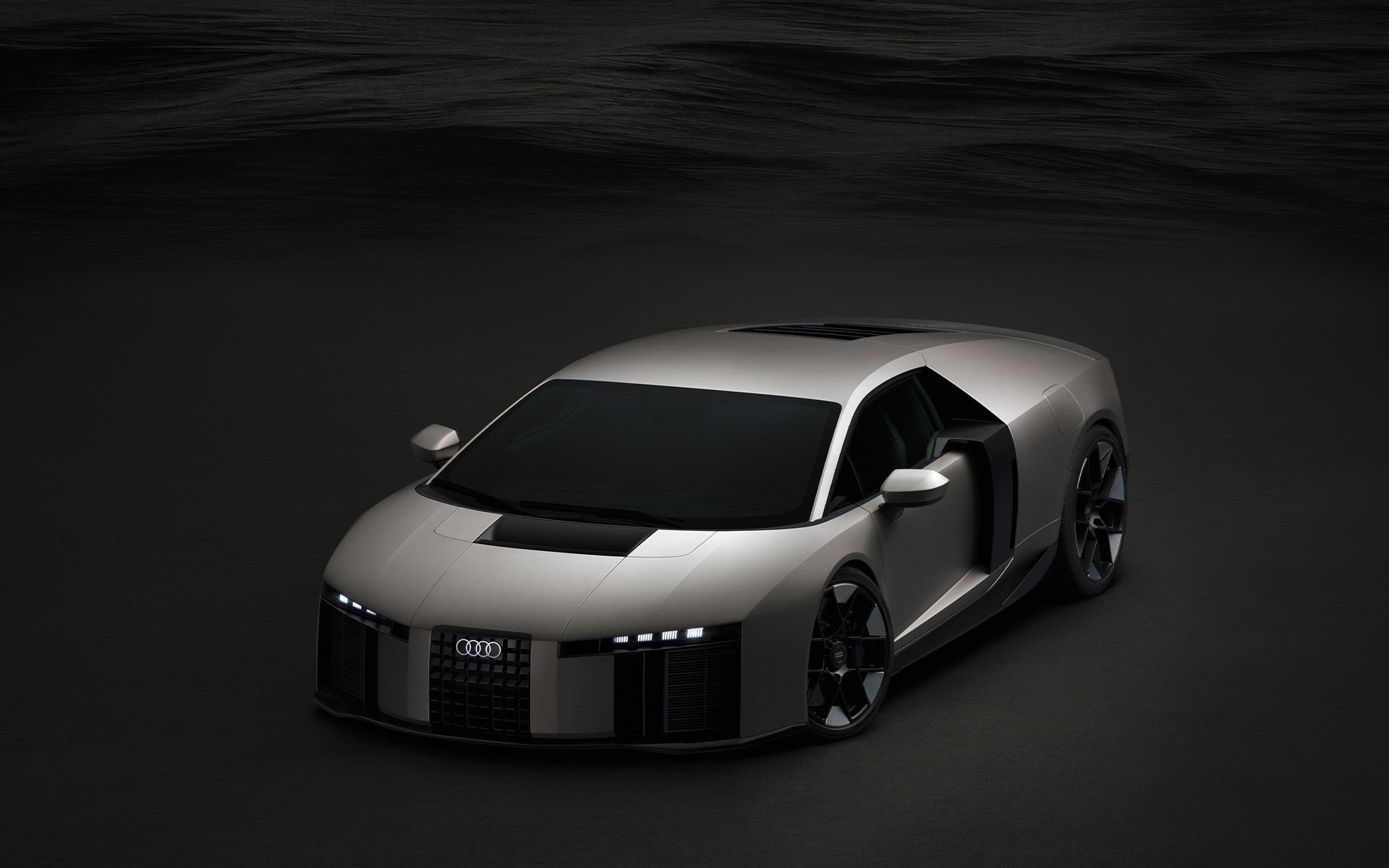
As the curtains were pulled back and people outside the company glimpsed the Audi Nuvolari supercar for the first time, the small crowd assembled let out a collective ohhhhhh. It’s the only appropriate reaction. Unveiled at the legendary Hotel du Cap-Eden-Roc on the French Riviera, it signalled a courageous (and thrillingly ambitious) new beginning for Audi.
The Nuvolari seemingly caught everyone by surprise, which is rare in this era of spy shots, social media and endless teasers. Audi dropped this car like a hot mic and put the rest of the automotive establishment on notice. The Four Rings is back.
The headline numbers are impressive, of course: 1,001 PS (987 horsepower) from a twin-turbo V8 plus three electric motors, 0-100 km/h in 2.6 seconds, and a top speed of over 340 km/h. Nuvolari is strictly limited to 499 examples. And the price? Officially, the Nuvolari will cost 590,000 euros, which, at the time of writing, is $954,000 Canadian dollars. After ticking a few options boxes and paying taxes, it’ll be comfortably over $1 million.
“What you see here is not a show car,” says Rouven Mohr, Audi’s new chief technical officer. This is a pre-production prototype. Mohr said this car is 99 per cent the same as what those 499 lucky drivers will eventually park in their garages.
This is the fastest, most powerful and rarest production car Audi has ever made, according to company CEO Gernot Döllner. But that’s not why we fell in love with the Nuvolari at first sight.
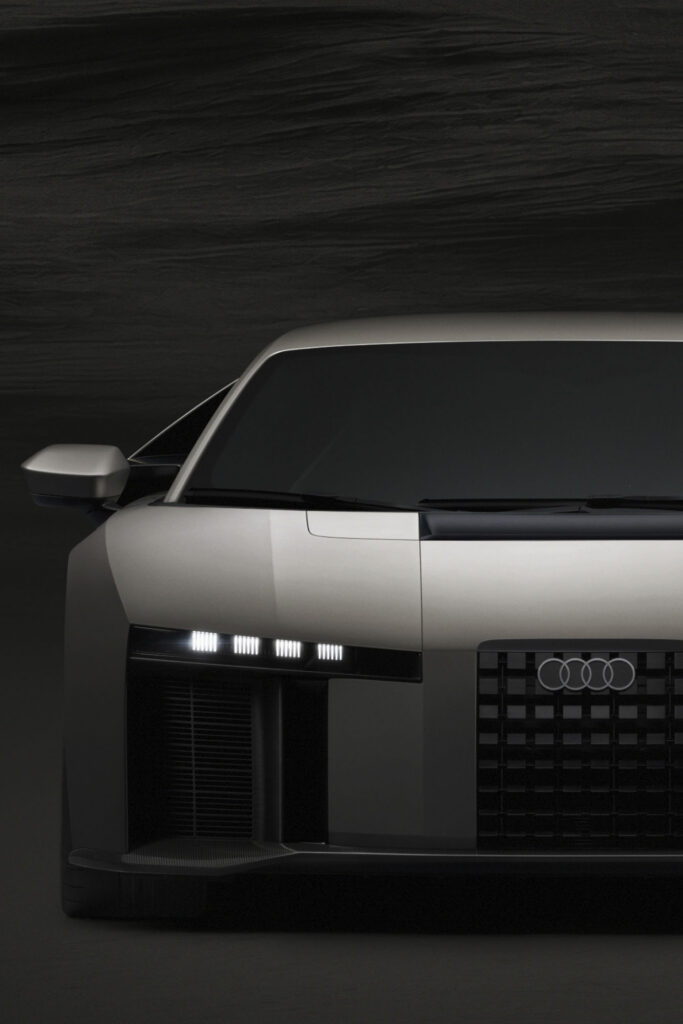
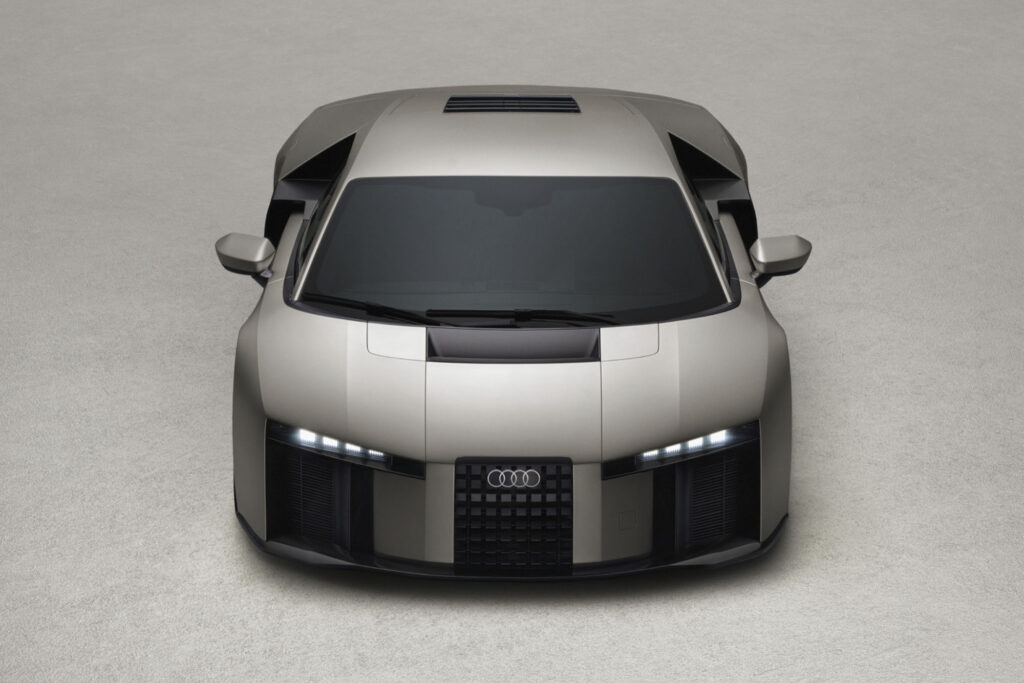
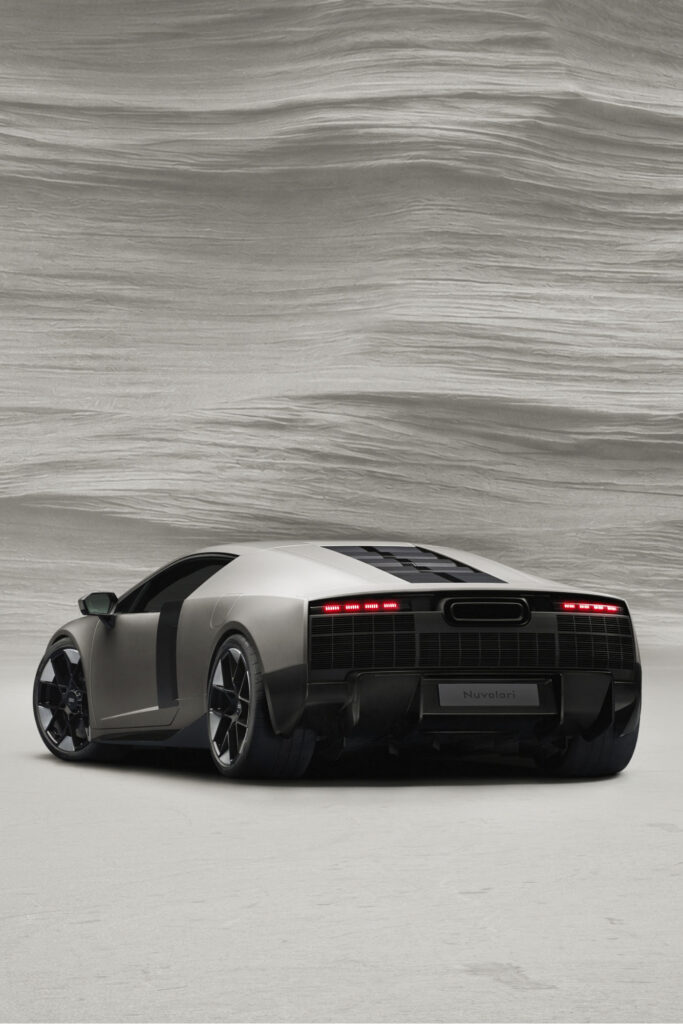
Clothed in crisp carbon-fibre bodywork — you can have it painted in Titanium, like Audi’s F1 cars, or with exposed carbon — this is the first production car wearing Audi’s new “Radical Next” design language, penned by the company’s new chief creative officer Massimo Frascella. It’s distinctive. It’s original. It’s cohesive and singular. It’s also unmistakably an Audi. You see it, and you just want to have it; you want to drive it. It really does look like the future, like something that drove straight off the set of the next Blade Runner movie.


RIGHT: ROUVEN MOHR, CHIEF TECHNICAL OFFICER AT AUDI.
BOTTOM: AUDI NUVOLARI.
PHOTOS © AUDI AG.
Make no mistake: the Nuvolari is no R8 replacement. Nuvolari is much more ambitious, with performance, price and craftsmanship that’s in another league. We’re talking proper supercar stuff.
Speaking of which, the Nuvolari is more expensive, more powerful, quicker, and also lighter than the Lamborghini Temerario, with which the Nuvolari shares its powertrain and mid-engine architecture.
To put it bluntly, the Nuvolari is a return to form for Audi. But it’s more than that: it’s the future. The Nuvolari is the flagship, but we have it on good authority that the design ideas, interior layout and materials seen here will filter through the rest of the lineup.
“There are moments that truly define what a brand stands for,” says Frascella, and this is one of them.
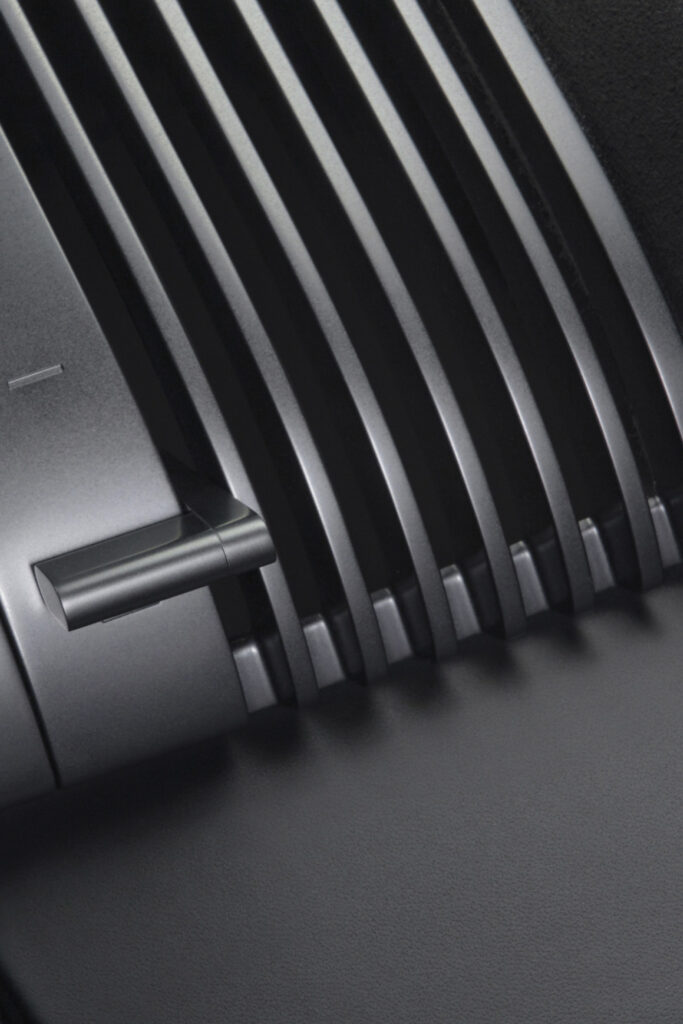
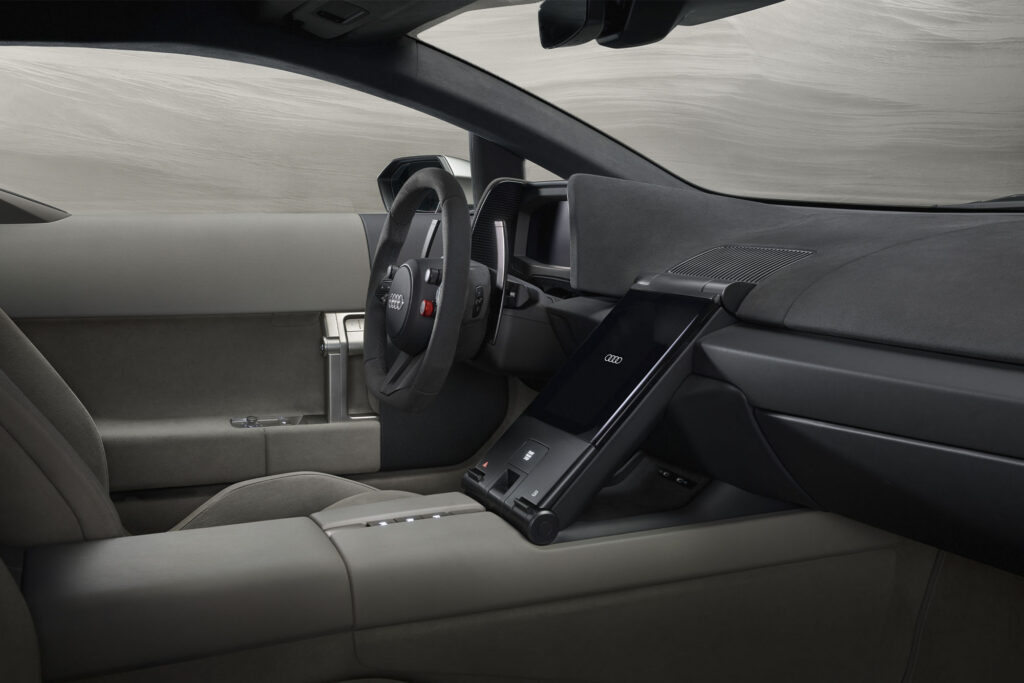
“Radical simplicity is at the heart of everything,” he adds. Nothing on this car is purely decorative. Every material is what it looks like. The black grates in the front air intakes? Metal. The titanium-looking interior door handles? Metal. The air vents? Metal. The louvres over the engine, and the rear grate covering the full width of the car? Take a guess.
Frascella is (thankfully!) doing away with the row of screens that took over Audi dashboards — and the entire auto industry — over the last several years. In their place, he has focused on giving drivers a focused, high-quality environment. You won’t see shiny black plastic anywhere in this thing.
On other supercars, the brand logo on the rear wing might be a sticker, or perhaps a badge. But stickers were obviously a no-go in this price bracket, and a badge would disrupt the airflow over the wing, which is crucial to stabilizing the car at high speed. So, what did Audi do? They milled the four rings from aluminium and recessed them into the wing so they’re absolutely flush, with no visible join, and put a clear coat over the whole thing. It’s a level of material quality and craft that you only see on coachbuilt cars.
There are more jaw-dropping details everywhere you look and touch. Take, for example, the little lever that operates the cabin air vents. It’s metal, of course, and it flicks back and forth with frictionless precision, making the most satisfying click-clack sound.
We’ll have more details on this car later, but for now just drink it in. Glorious. Deliveries will begin in the first half of 2027, and if you want to get on the list, we suggest you act quickly.