Fashion shows are overrated.
They’re tardy, they’re crowded, and they are very, very hot. They also offer a false promise for designers that bigger is better. More pomp. More looks. That means less attention is paid to the clothes and that there’s less editing of the collection.
Since Nigo transitioned from runway shows to presentations staged in venues tied to Kenzo Takada — his house, in January, and now Place des Victoires, where Kenzo opened its flagship boutique in 1976 — the collections have felt tighter, more harmonious and, most importantly, more like the type of clothes that made Nigo such an influential figure in the first place.
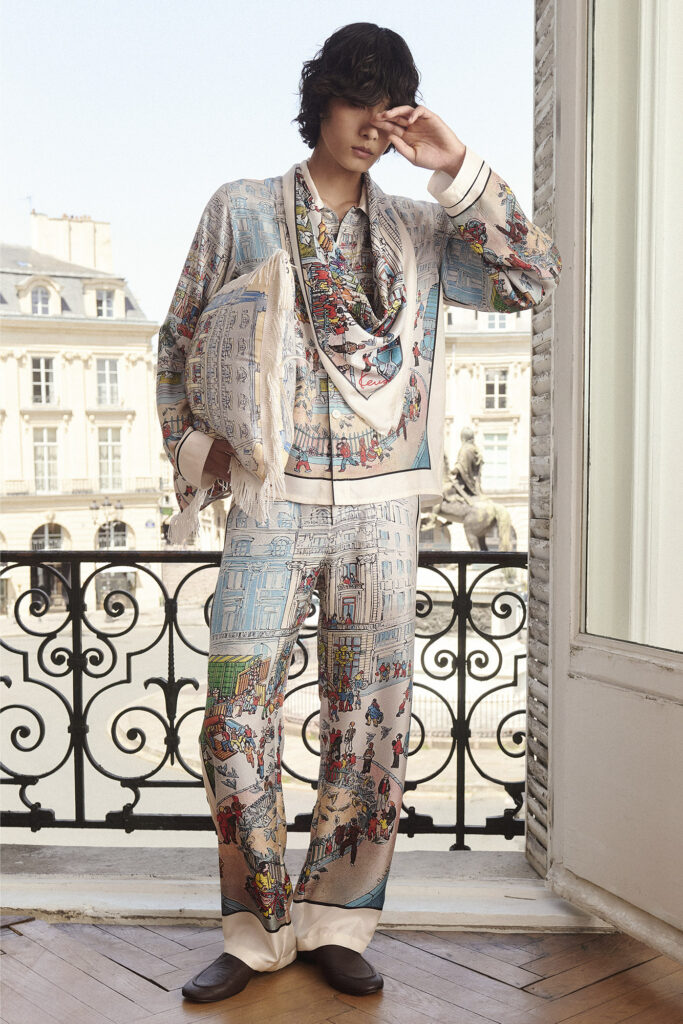
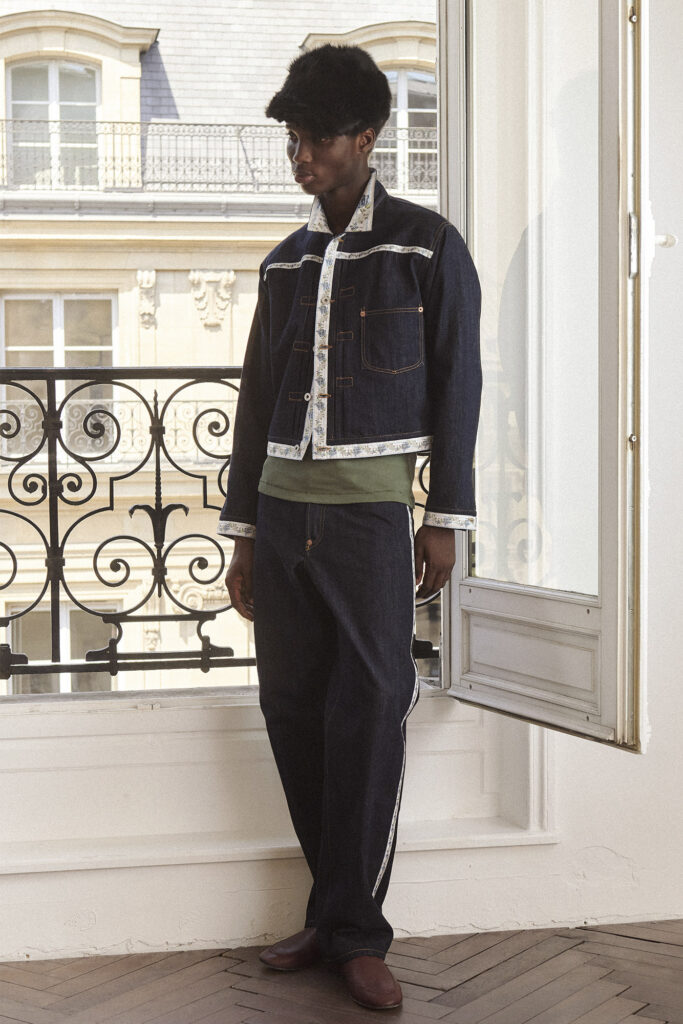
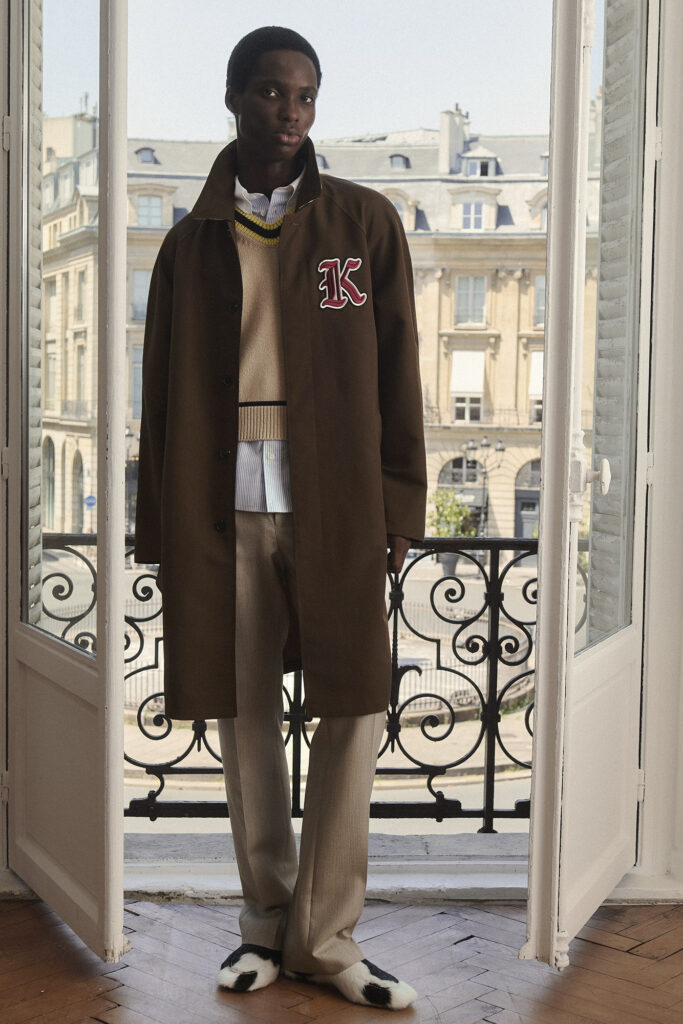
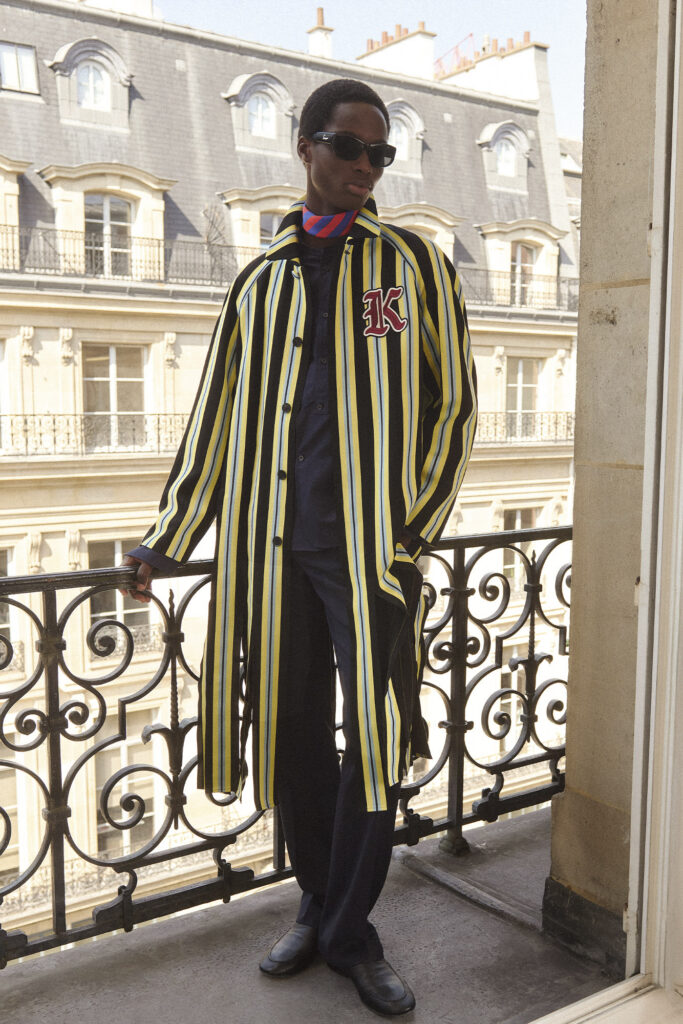
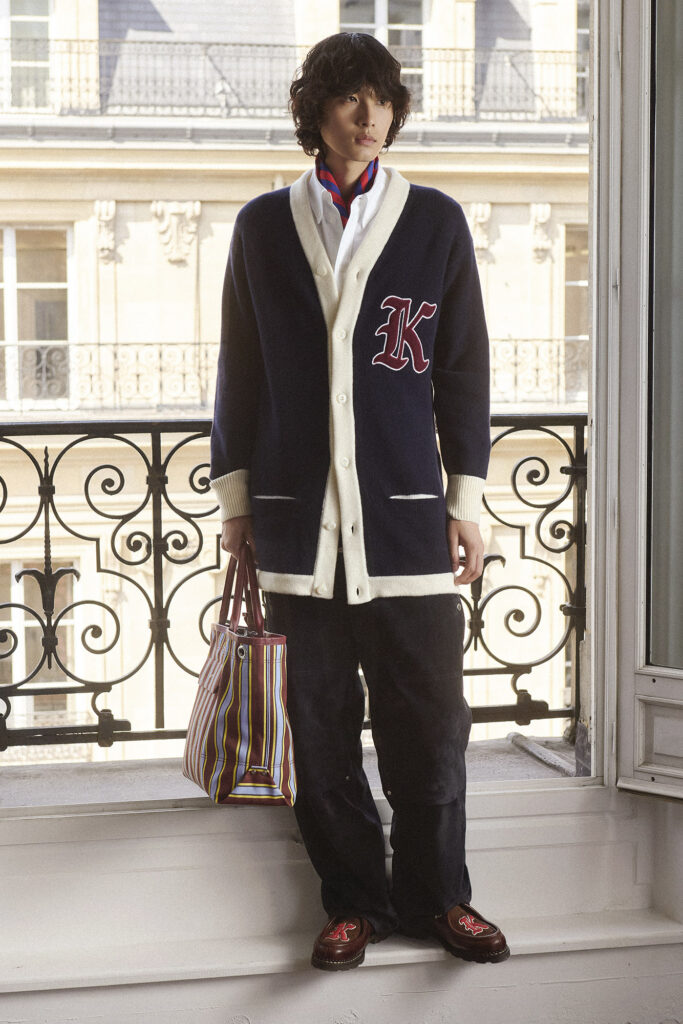
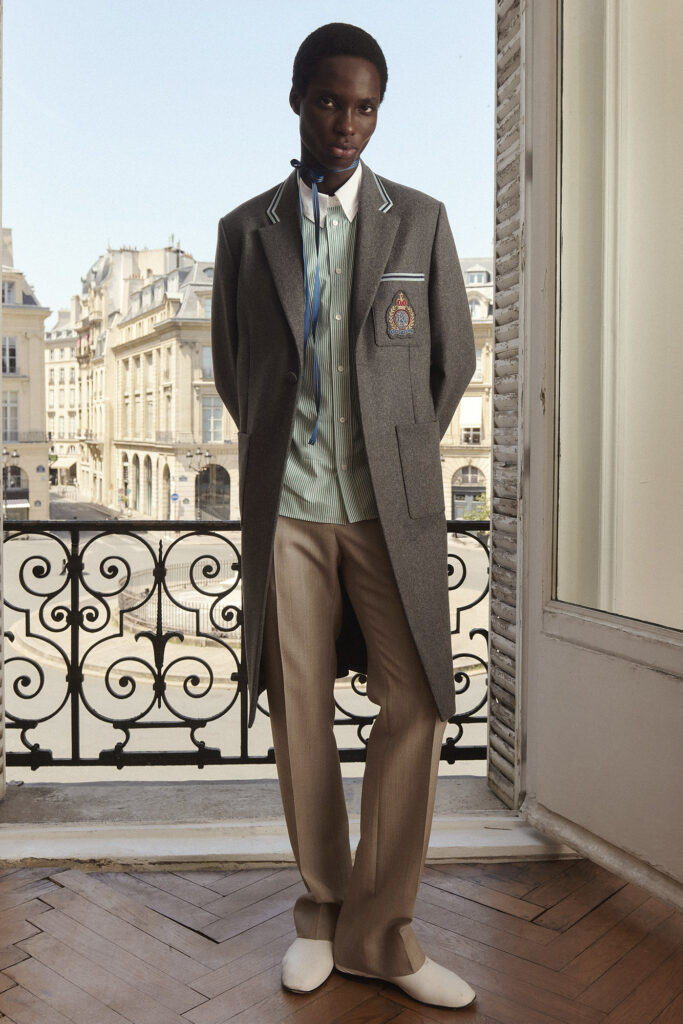
Much like with the Fall-Winter 2026 collection, which was rooted in Takada’s archival Kenzo collections, the Spring-Summer 2027 collection draws its inspiration from photos of Takada in the 1970s, as well as contemporaneous figures like Miles Davis. A fervent collector of all things, Nigo is incredibly knowledgeable about vintage clothing and has thrived making novel takes on retro garments for decades.
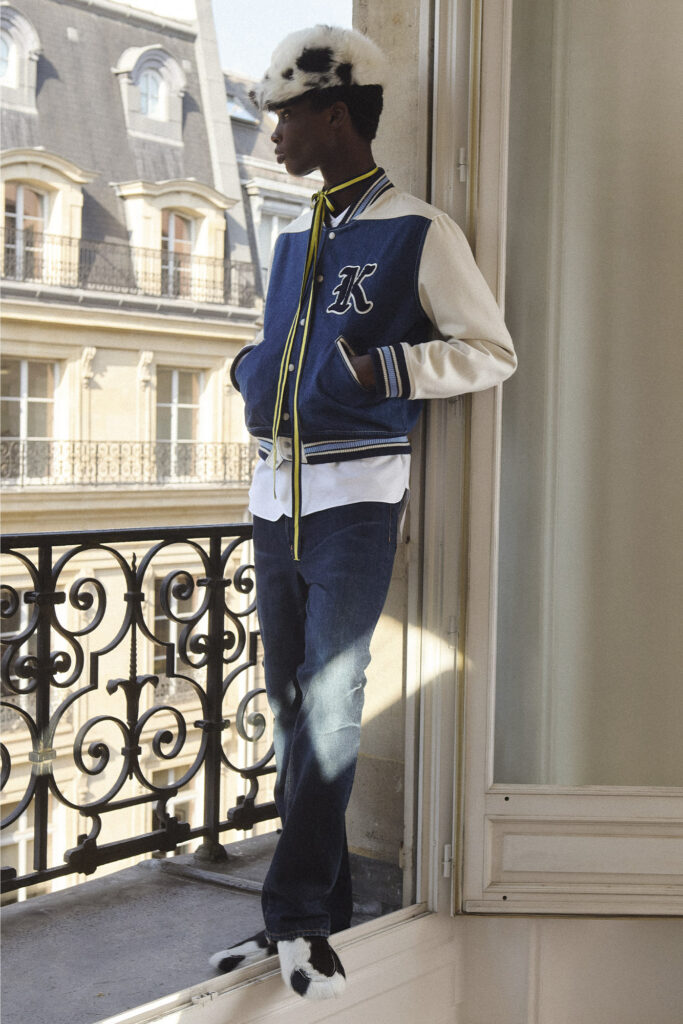
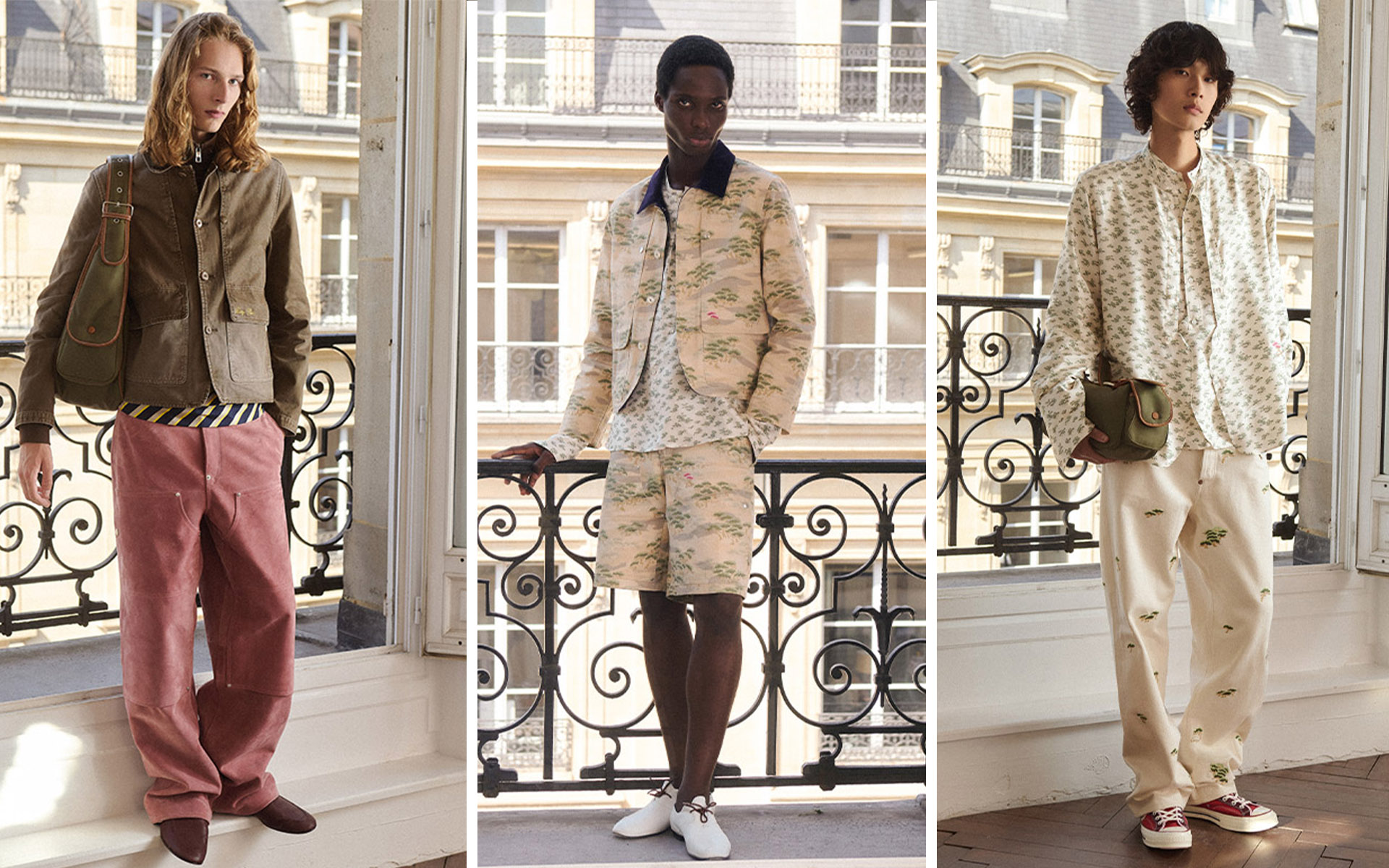
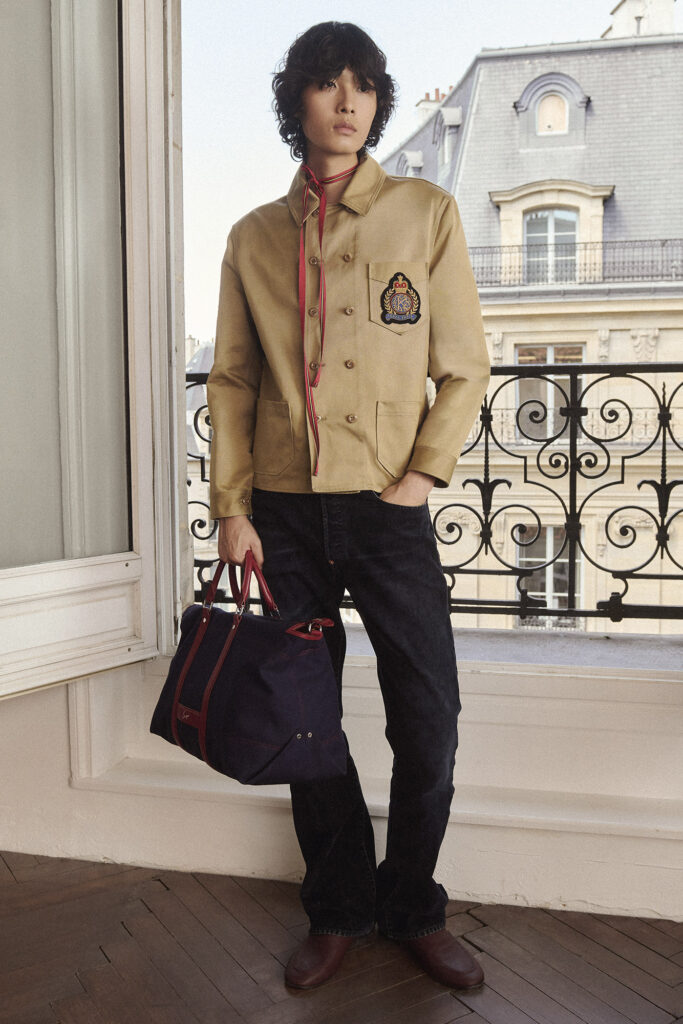
This collection felt like it was in his wheelhouse. There was an easy assuredness to the men’s pieces, with a familiar collegiate air that permeated throughout the collection; nothing felt jarring and almost all of the pieces felt accessible and easily wearable. Ribbons, a favourite of Takada’s, flowed through the pieces, used to embellish coats and create cummerbunds, among other things. Footwear collaborations with Converse and Paraboot, as well as a casual crushback leather loafer, rounded out the collection’s collegiate assortment — pieces one might expect to find in the pages of Take Ivy.
The standout pieces, to my eye, were the elevated workwear staples: double-knee pants done up in a dusty pink, with a chocolate brown work jacket, or, better yet, shorts and a jacket with a reworked tiger camouflage print that incorporated bonsai trees, which Takada particularly loved.
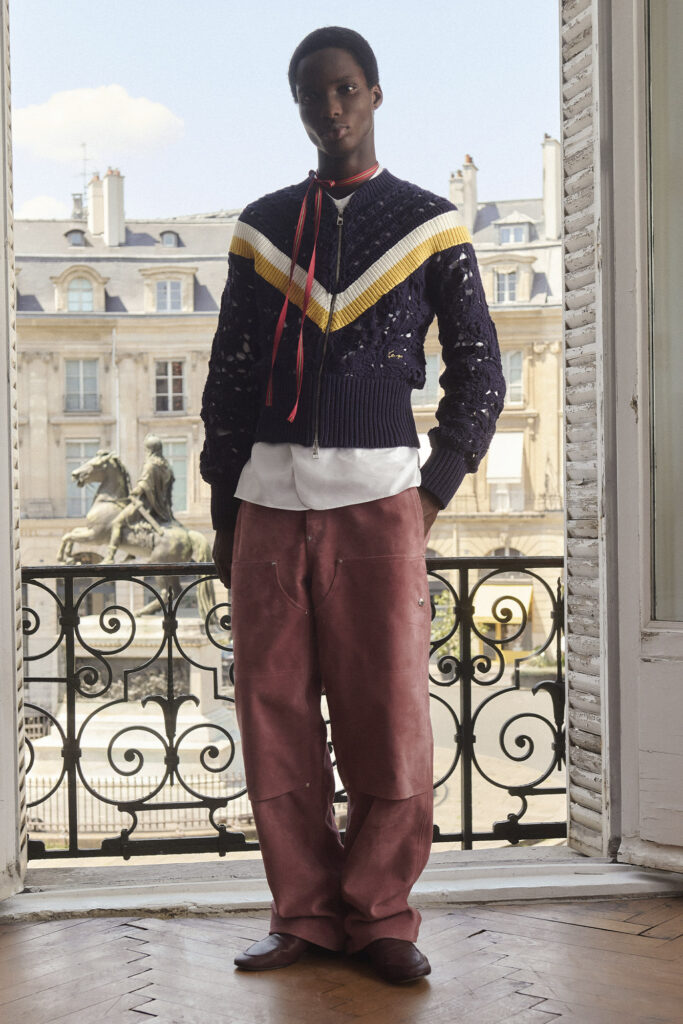
I’m not sure that this collection would have lent itself to a runway show. It was simple and understated. But it might have been Nigo’s best for Kenzo. It’s as if, by eschewing the show, the focus returned to making the best clothes possible. Instead of investing in a runway production, Kenzo took over Place des Victoires with a series of small pop ups that nodded to Takada and Nigo’s interests and passions: Kenzo Market, a small market with Japanese snacks, beverages and an impressive assortment of print magazines; Kenzo Café, which served a lovely iced matcha latte; Kenzo Fleurs, where passersby could purchase floral arrangements like those laid out in the showroom; and a pop-up space that offered a first chance to shop the Fall-Winter 2026 collection.
When Kenzo Takada opened his eponymous label’s flagship location on Place des Victoires, it was to offer Parisians an opportunity to immerse themselves in the universe he was creating. To me, Kenzo has been one of the more accessible and approachable luxury brands. Sometimes big shows can create distance between people and brands. You can’t touch the clothes, you can’t see the handiwork up close. 15 minutes and it’s done.
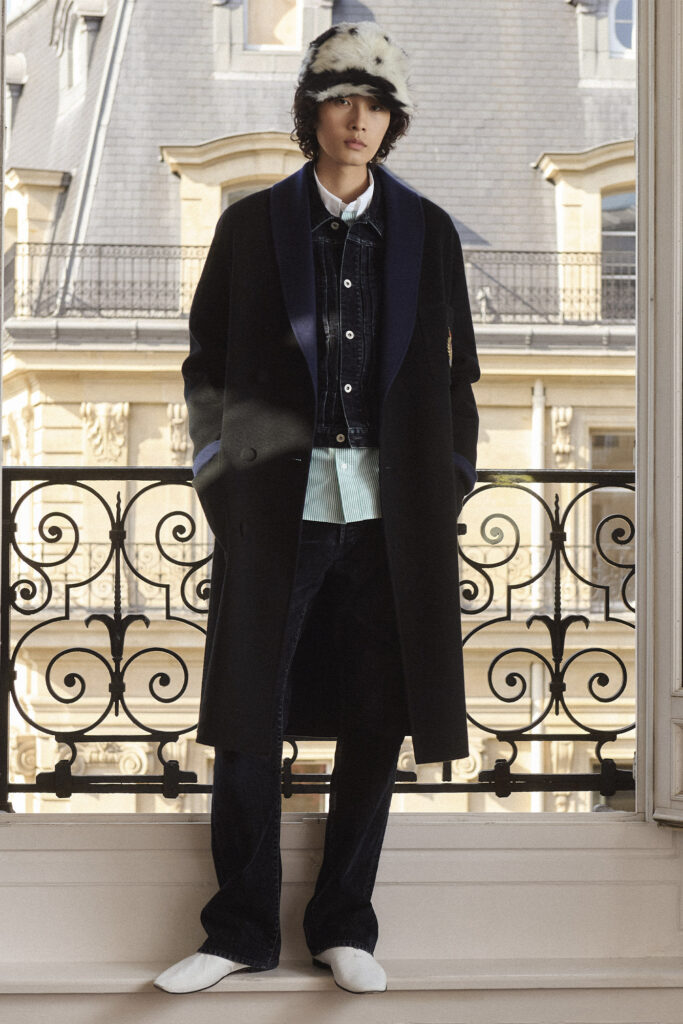
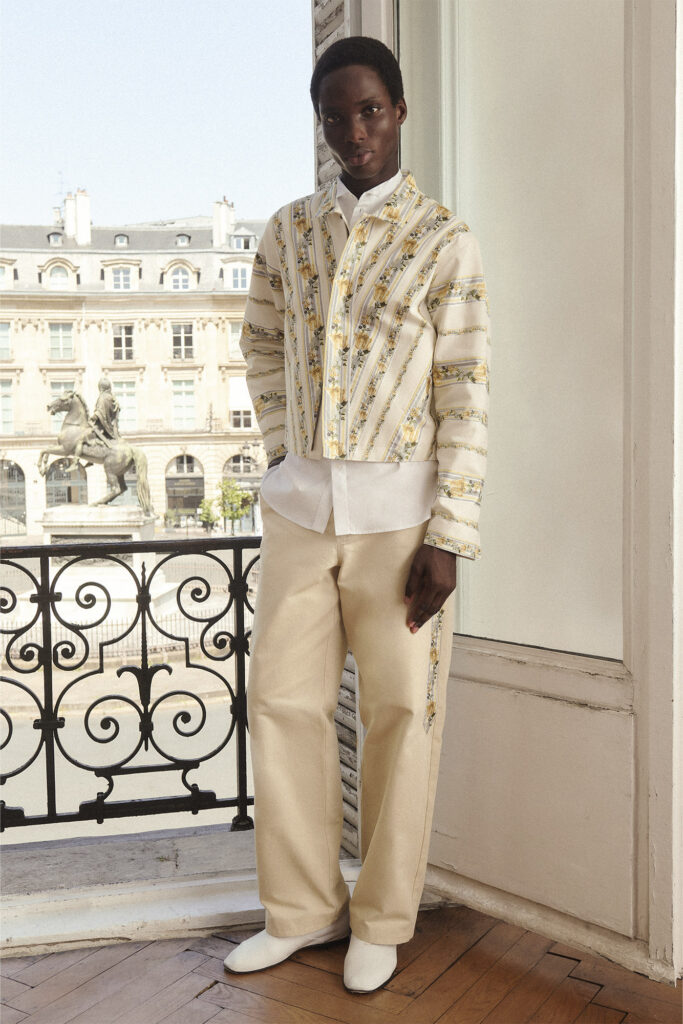
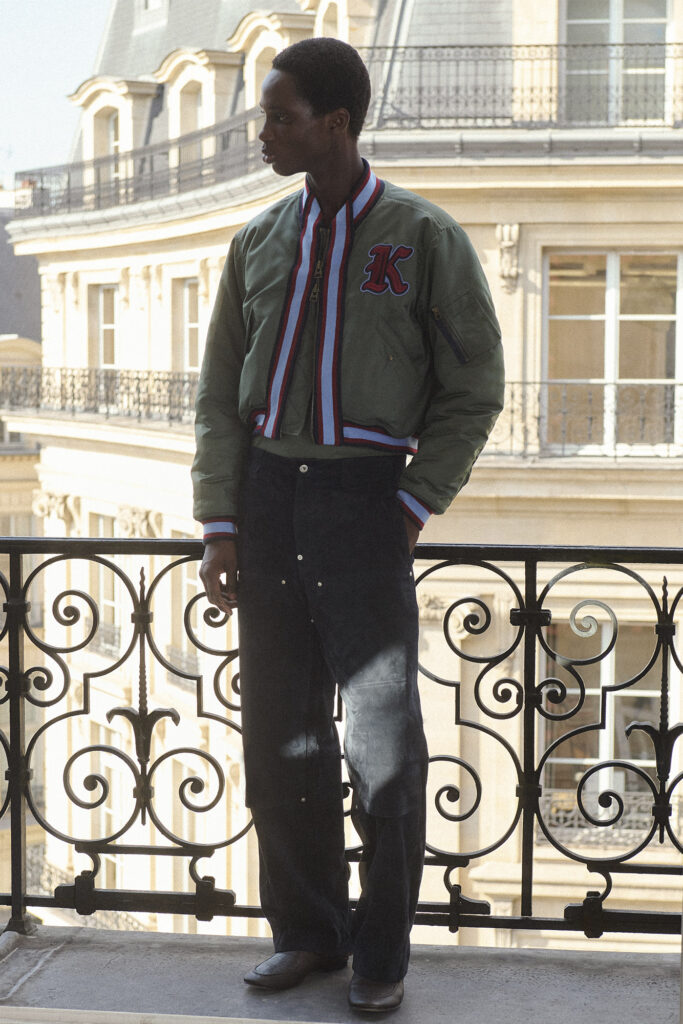
Moving away from the runway format has given Kenzo some of that lustre back. There were people waiting for flowers when I stopped by on my way to the showroom; ditto for the café; there was even someone buying snacks!
Sometimes shows can be beautiful, wondrous things. Other times they can be superfluous. Nigo appears to have decided that, for his best work, he’d rather show it quietly and let the clothes speak for themselves.