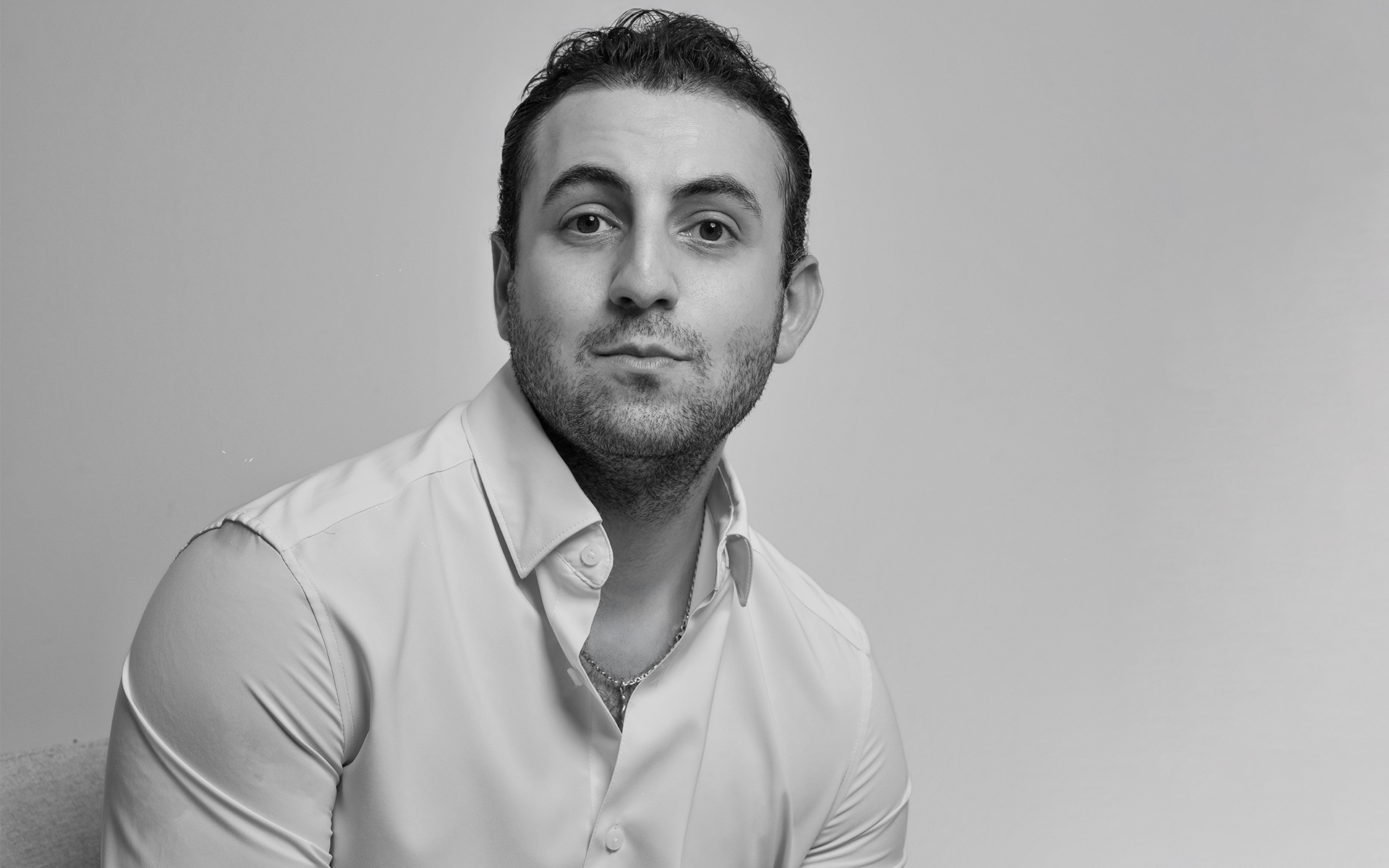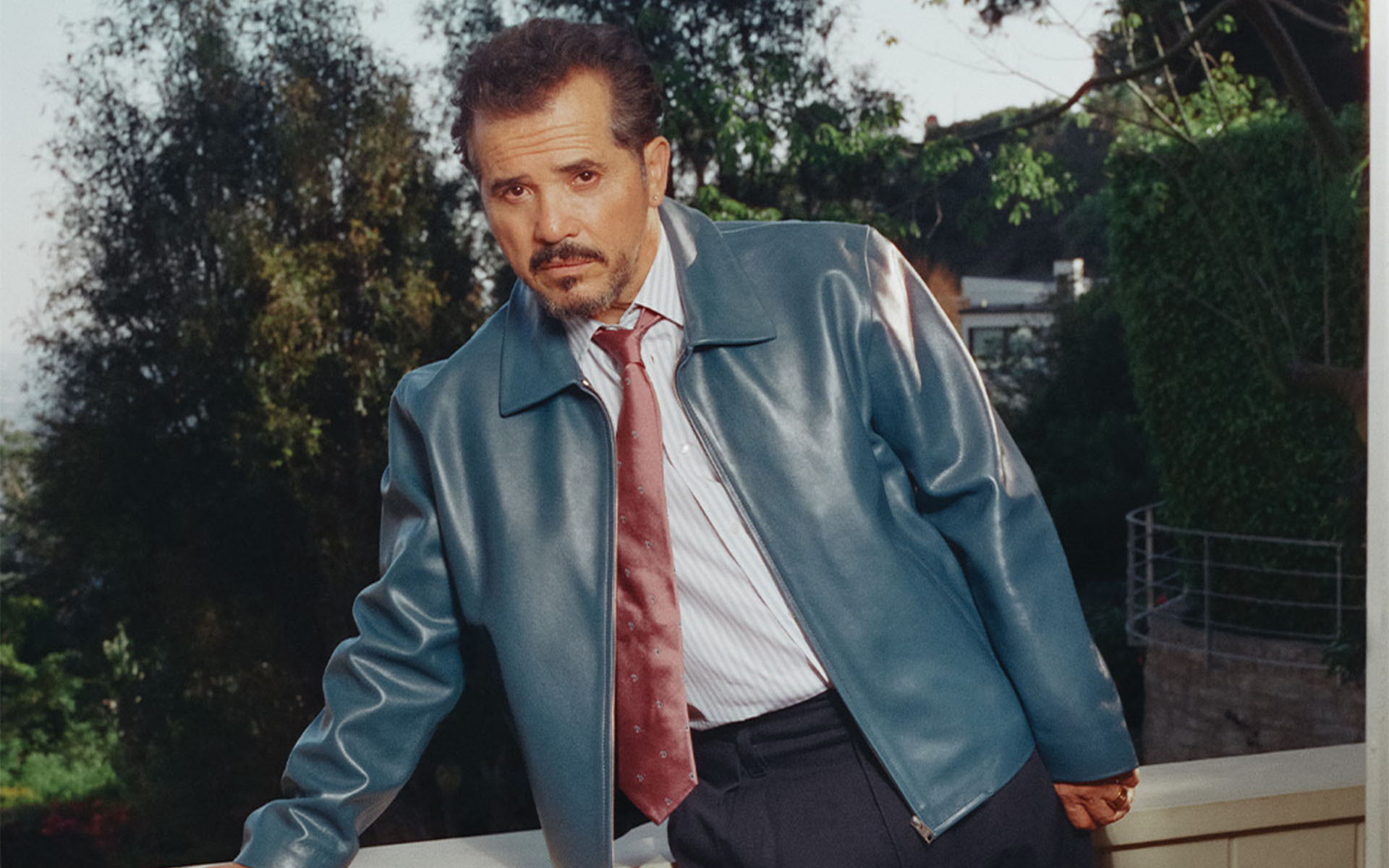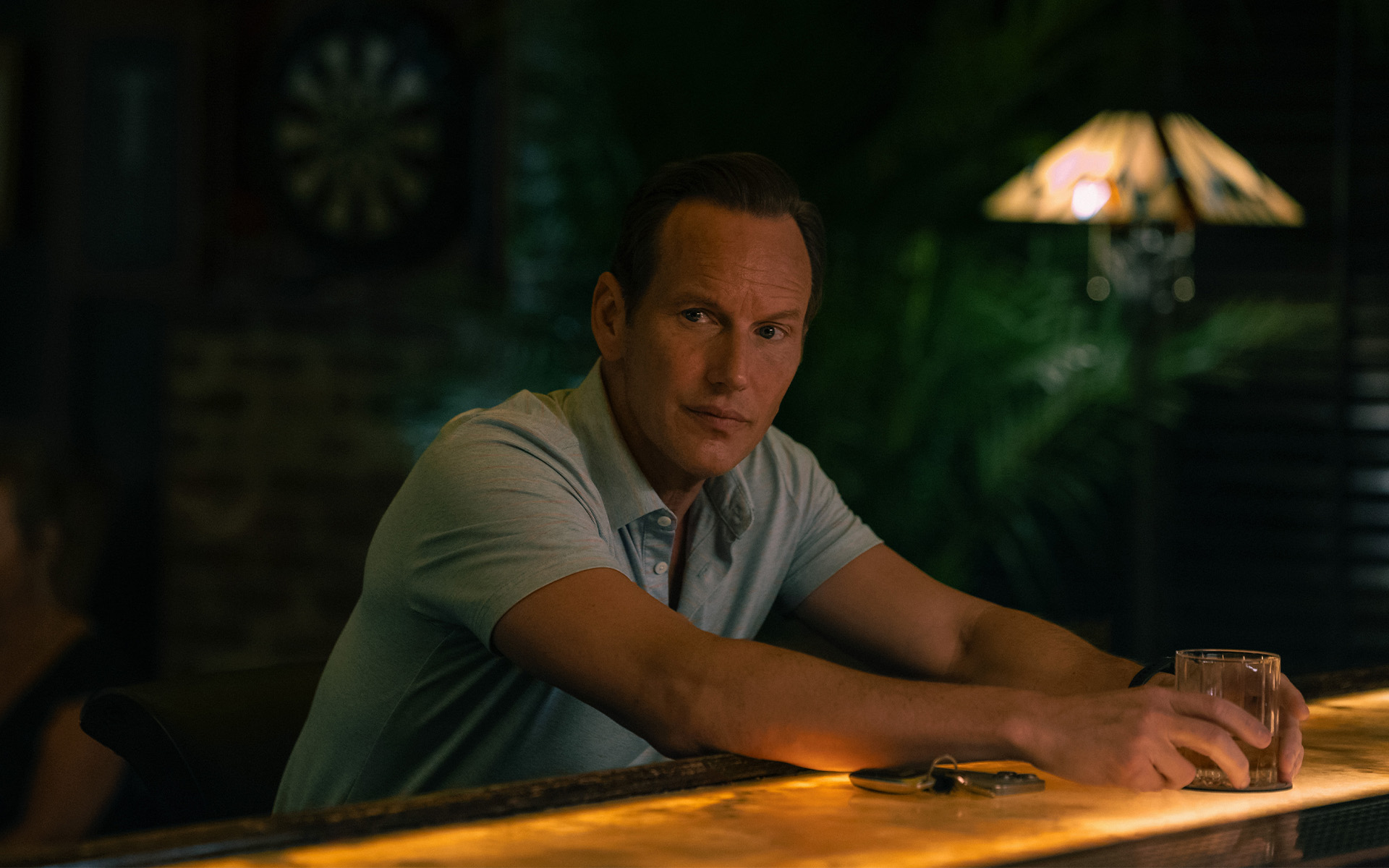
When you think of modern horror royalty, Patrick Wilson is usually the first name that comes to mind: the steady, noble patriarch staring down demonic forces with a lantern in hand. But in Apple TV+’s tense 10-episode reimagining of Cape Fear, showrunner Nick Antosca (Channel Zero) and Wilson are tearing down that golden-boy exterior to craft something far more chaotic, secretive, and deeply paranoid.
Cape Fear follows married high-profile Savannah attorneys Tom and Anna Bowden (Wilson and Amy Adams), whose seemingly picture-perfect life with their two children collapses when Max Cady (Javier Bardem), a ruthless ex-convict, is released after serving 17 years for the murder of his pregnant wife.
“We live in a time of uncertainty and paranoia, and the world is ever more complicated.”Nick Antosca
Adapting a two-hour cinematic classic into a weekly episodic series requires more than just stretching out the plot; it demands an environment that suffocates the viewer and keeps them hooked episode after episode. For Antosca, the drive to expand J. Lee Thompson’s 1962 original and Martin Scorsese’s 1991 remake into a full-scale television series stemmed from a desire to tap into contemporary anxieties.
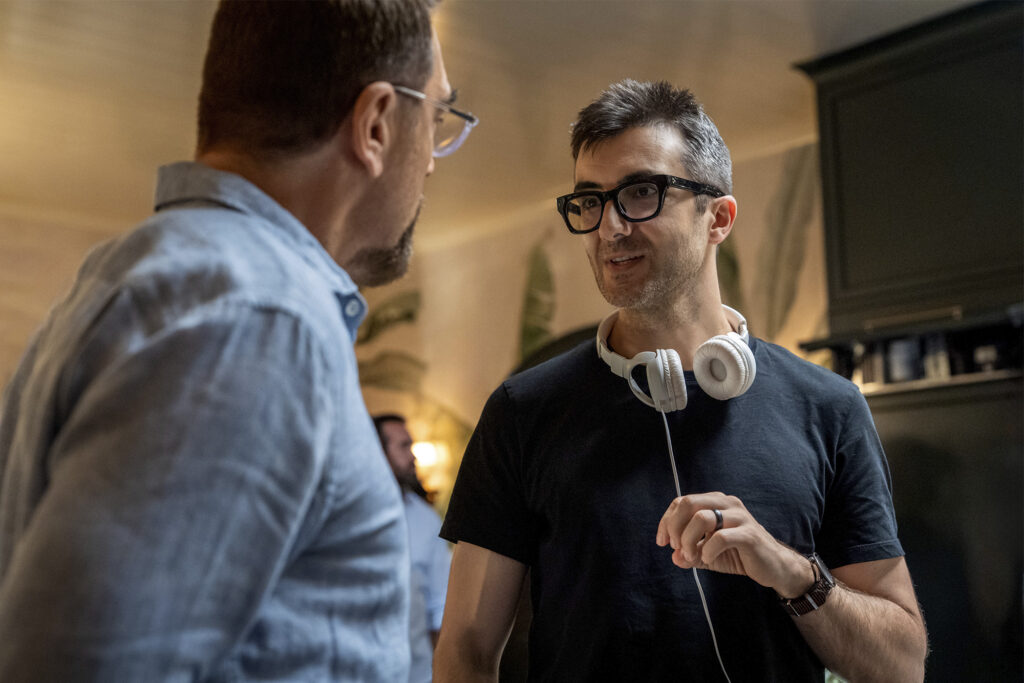
“It’s part of what I love about TV and TV storytelling, getting to draw on character arcs, getting to play with tension and twists, and exploring different parts of the material that you don’t have time to do in two hours,” Antosca explains. “I feel like we live in a time of uncertainty and paranoia, and the world is ever more complicated. It was interesting how the first movies reflected the morality and fears of their times. In a world where we are not sure what the truth is and not sure who the villains are, that was an opportunity to build 10 episodes worth of tension and surprise.”
At the centre of that tension is Wilson’s Tom Bowden. On paper, Tom fits the classic patriarch archetype: a stern, protective father and husband ready to shield his household from external threats. But Wilson was far less interested in the protective heroic facade than in the internal decay waiting to break through.
If I’m playing a good guy, where’s his dark side? If I’m playing a bad guy, okay, where’s his light?”Patrick Wilson
“It’s interesting when you say patriarch,” Wilson reflects. “Certainly he’s the dad and the husband, and there’s an alpha-male side of him for sure. What I was fascinated with, honestly, was the other side. What was his real dynamic with his wife? Was he actually a good dad? Was he a good husband, and what were his secrets?”
To build Tom, Wilson leaned into a familiar, composed appearance, knowing full well that the story would systematically dismantle it. “I wanted to use my typical look of being very stern because I knew this was all going to unravel,” he says. “I really loved getting to explore all these very ugly sides up top. We present him in a way where it’s like, ‘Oh, we should trust this guy, he’s got it all together.’ That’s all very true. However, the flip side is he’s completely unraveling — or being unraveled — by Max and his own deceit. If I’m playing a good guy, where’s his dark side? If I’m playing a bad guy, okay, where’s his light?”
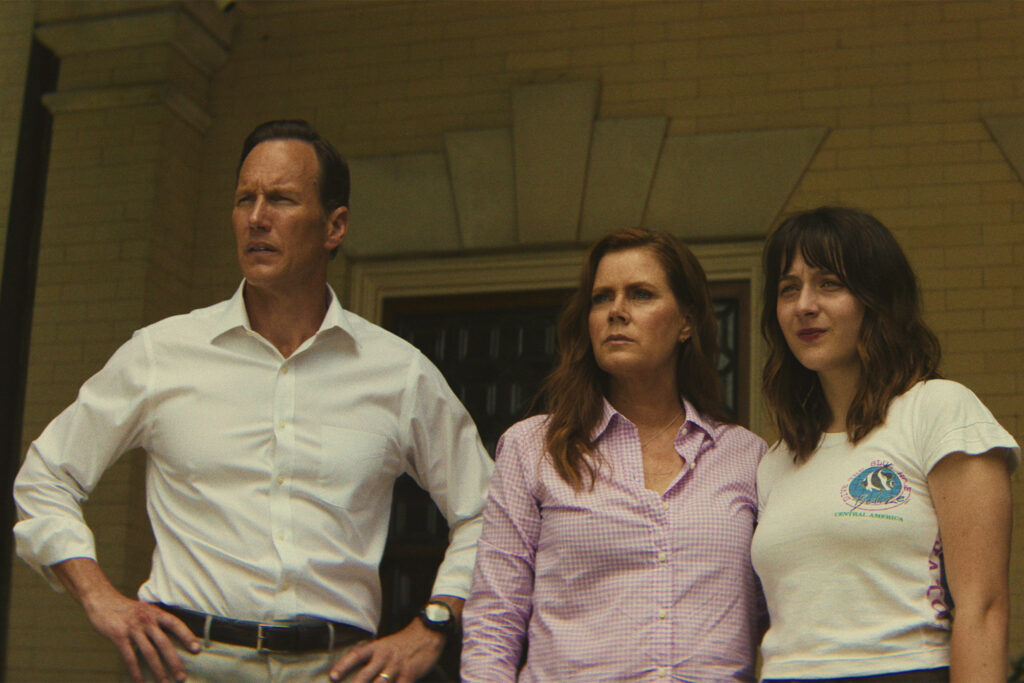
The series ultimately succeeds on the shoulders of its heavyweight cast. Wilson, Adams, and Bardem form a powerhouse central trio: Wilson bringing his trademark grounded intensity to Tom’s unraveling facade, Adams delivering a fiercely complex performance as a woman caught between professional ethics and maternal instincts, and Bardem re-envisioning Max Cady with a menacing, slow-burn charisma that dominates every scene he touches.
Sustaining high-strung psychological dread across ten hours also meant making risky visual choices. Rather than adopting the muted, desaturated blue tones that have become the standard visually for modern prestige crime thrillers, Antosca pushed the palette toward something far more vibrant and claustrophobic.
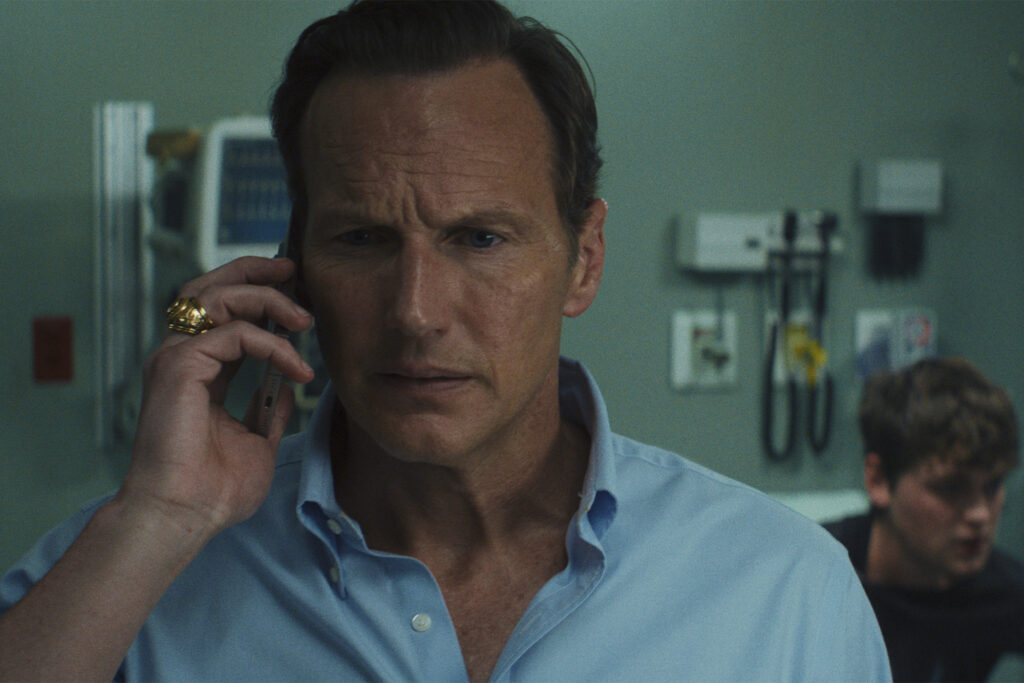
“When you talk about the visuals and the color scheme, we always wanted this to be vivid, lush, and intense,” Antosca reveals. “It kind of goes to the holistic idea that it feels like a nightmare. You have a nightmare where it’s bad, and then it keeps getting worse. You’re suffocating, and you think you’re making the right choice, and then it goes wrong.”
Antosca rejects the idea that a dark narrative requires literal darkness. “You might expect a show with this story to be dark, like Seven, or like a lot of prestige thriller TV shows which have that dark bluish tone. No, this is Southern Giallo.”
“A lot of times, actors are in their own world, and the camera has to find it. I’d much rather be in tune with the showrunner, with the director.”Patrick Wilson
To make that stylized nightmare land with emotional truth, Wilson treats every beat with heightened stakes. For an actor, building sustainability from episode one to the finale requires grounding every gesture in purpose.
“Everything has to be filled,” Wilson says. “There’s nothing casual about this story, and so I think that’s reflective in even the simplest of things: sitting down, drinking apple juice. There’s always something that’s going to happen at the end of that scene. It’s about playing every moment to the hilt.”
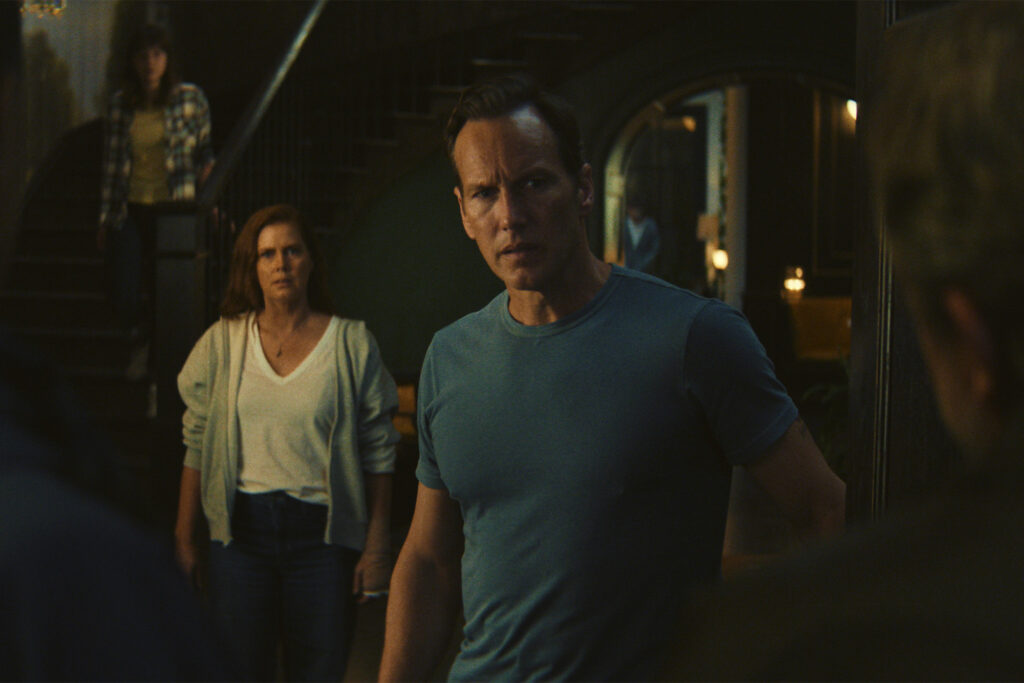
That sharp focus is bolstered by Wilson’s evolution behind the camera. Having made his feature directorial debut with Insidious: The Red Door, Wilson approaches acting with an innate understanding of lens size, coverage, and spatial dynamics.
“Stepping behind the lens and in the director’s chair really pushed home the technical understanding of the scope, not just of each acting scene, but of the whole series,” Wilson explains. “A lot of times, actors are in their own world, and the camera has to find it. I’d much rather be in tune with the showrunner, with the director, with the cinematographer, with the camera operator to understand, ‘Okay, what are you looking at? What do you need from me?’ Because you can try to catch things and get lucky, but I’d rather not get lucky. I’d rather be good.”
Antosca recalls discussing that exact quality with Wilson over dinner during production. “It’s a rare thing,” Antosca says. “In addition to doing everything he needs to do from an actor’s point of view, Patrick understands what the scene needs from a larger objective point of view to help tell the whole story.”
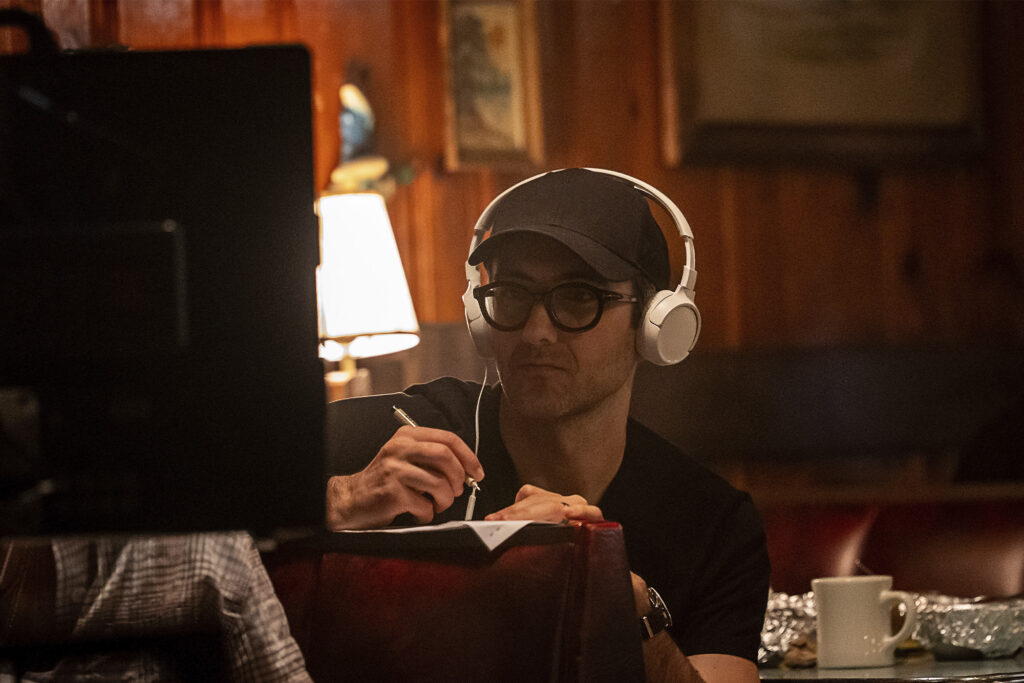
Having added director and producer titles to his resume alongside iconic horror runs, Wilson still sees uncharted territory on his horizon.
“I don’t do a lot of comedy, so I would like some light fare for sure,” Wilson admits with a laugh. He’s hoping to return to classic storytelling traditions. “I can never do enough Westerns, honestly. To me, it’s a similar thing to horror, something that’s very stylized. Whether it’s contemporary or old-school, I like the theatricality and the simplicity of basic, primal themes. It gives you places to run.”
Ultimately, what makes this incarnation of Cape Fear so compelling is the sheer structural precision and thematic depth Antosca and the stacked cast bring to the material. By expanding a classic cat-and-mouse dynamic into a 10-episode slow burn, the series transforms a straightforward story of revenge into a masterclass in psychological escalation.