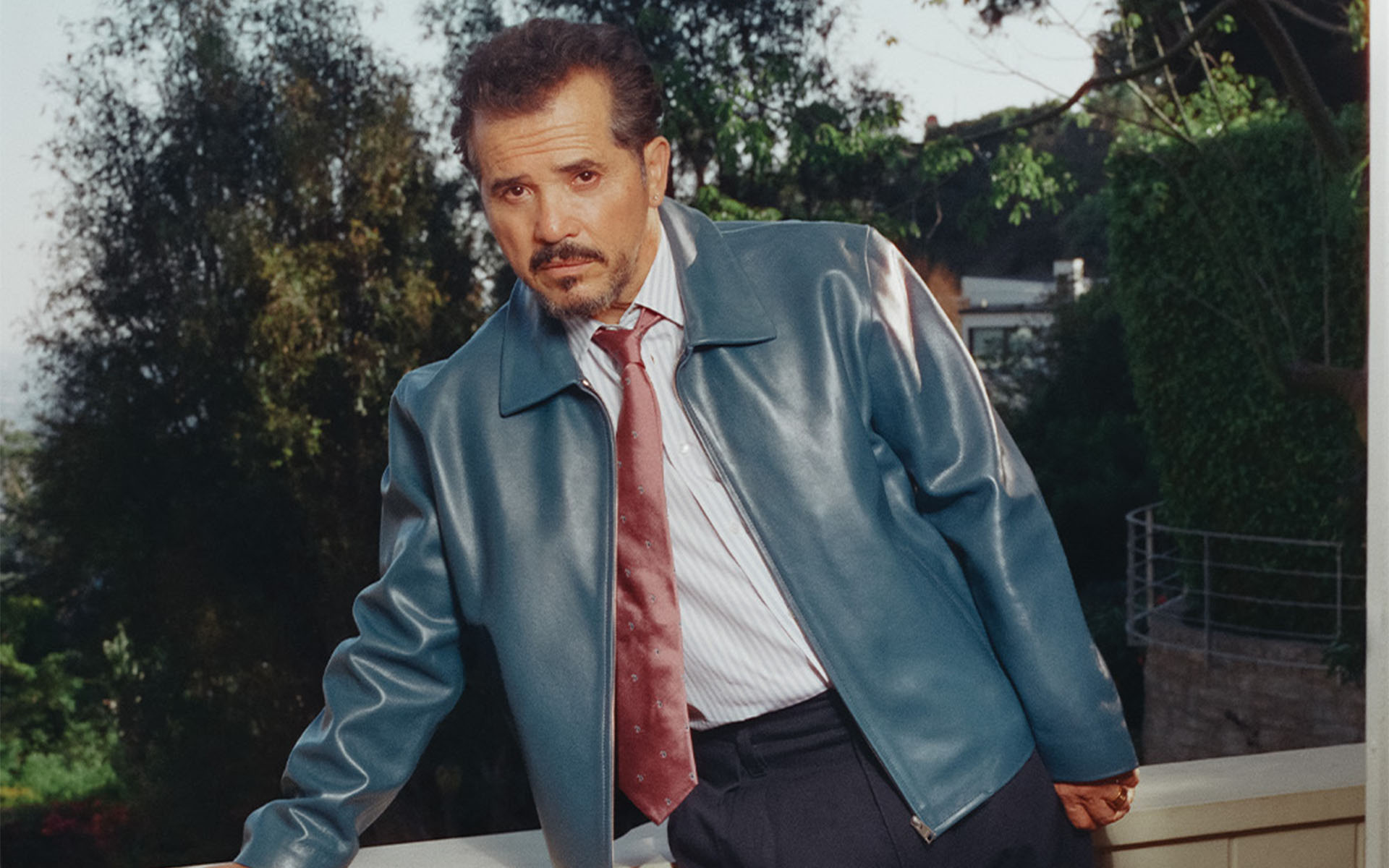
When Ice Age hit theaters, I was six years old, and Sid the Sloth was the character who had me, and everyone else, crying with laughter. Sid was funny, hilariously oblivious, and kind-hearted to a fault, serving as an unstoppable comedic force.
However, Sid the Sloth, voiced by John Leguizamo, was not my first introduction to his work. In fact, it was Brian De Palma’s Carlito’s Way, in which John Leguizamo played the fast-talking, rowdy, cold-blooded killer Benny Blanco “from the Bronx” who serves as the main rival and final nemesis to Al Pacino’s character.
“When you come from an underprivileged background, you need somebody to tell you you’re worth it. My parents were against me becoming an artist because they were immigrants, and they didn’t understand it.”John Leguizamo
As a film buff, even at that age, I had an uncontrollable habit of watching films that were far beyond appropriate for someone my age. But that’s what you did as a kid before the streaming era. You’d sneak a DVD or VHS tape and do your best to watch the films that sparked your curiosity without getting caught by your parents. I thanked Leguizamo because he was one of those actors who made taking that risk worth it. When I shared this story with him, he replied with a laugh, “You have to! The only way to get a proper education is to read things and see things that are incredibly inappropriate.”
When I sat down to speak with the Colombian-American comedian, actor, writer, and filmmaker, who grew up on the streets of Queens, New York, he spoke with a warm and humble tone, free of any Hollywood pretentiousness. You can tell he’s been around the block. Who would have thought that the ghetto-sounding kid at NYU would one day be called upon by cinema’s leading filmmaker of the 21st century, Sir Christopher Nolan, to be part of the most anticipated film of the year, and what could become a landmark achievement in IMAX filmmaking history?
How did growing up in New York City inform your passion for your craft?
New York was an incredible place to grow up in, especially when I grew up in the ‘70s and ‘80s, because New York was bankrupt, and for some reason, that created this incredible cradle of civilization where all the artists in America were coming to live in New York and live together so they could cross-pollinate. You had the birth of hip hop, the birth of disco, the birth of punk, so many great things were happening. Playwriting, performance art, everything was happening in New York. Some of the best acting teachers in the world were there.
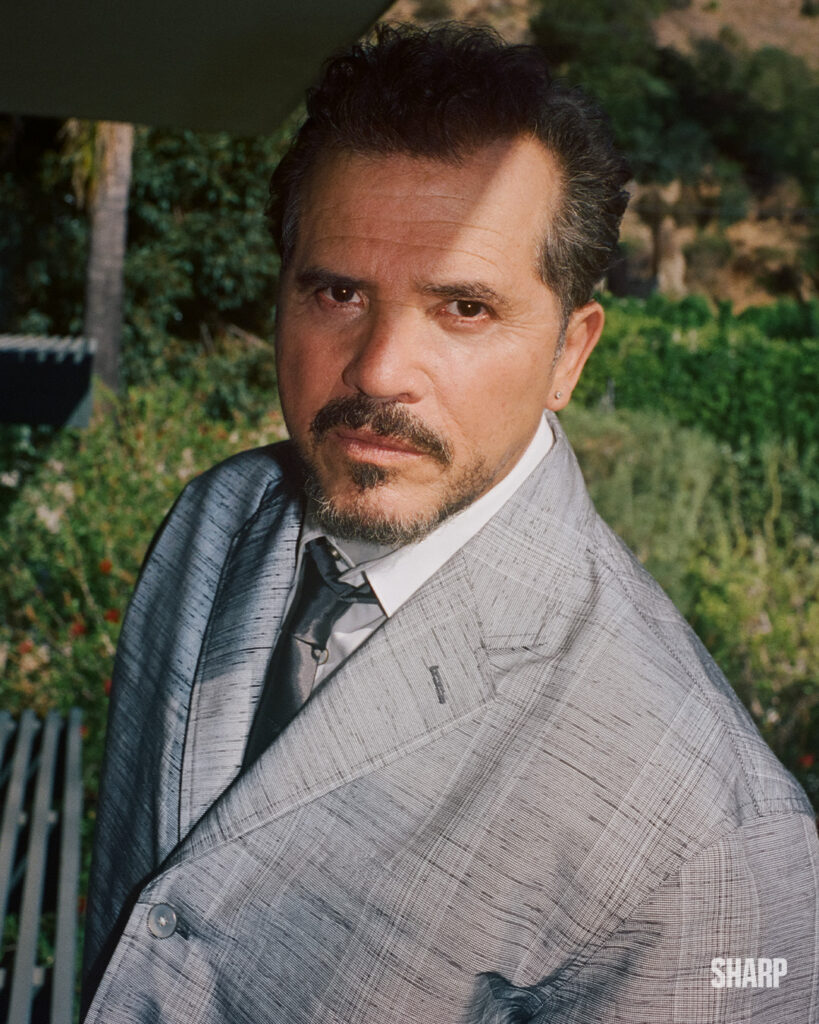
During my research, I came across an interview where you mentioned you learned how to box at 19 years old to defend yourself. How did that come to be?
I think the reason I gravitated toward boxing was because I grew up in a very aggressive neighbourhood in New York City, and gangs were a real thing in my neighbourhood. We had the Savage Skulls, the Latin Tops, the Cobras. I’m blanking on some other names, but you had to learn how to fight. I fought a lot in school. I fought a lot in my neighbourhood. I didn’t always win, but I won sometimes. So, boxing became a thing for self-defence.
I think it’s such a cool thing about you. It’s a skill set that can inform on everything else you do, especially your work ethic.
It definitely was an outlet for me because I grew up with so much aggression and violence in New York City. They say that kids who grow up in the ghetto have the same PTSD as somebody who went to war. I think you live with all this for the rest of your life, and boxing was an incredible outlet for me to let out aggression and the fight-or-flight fear that kind of became a lifestyle.
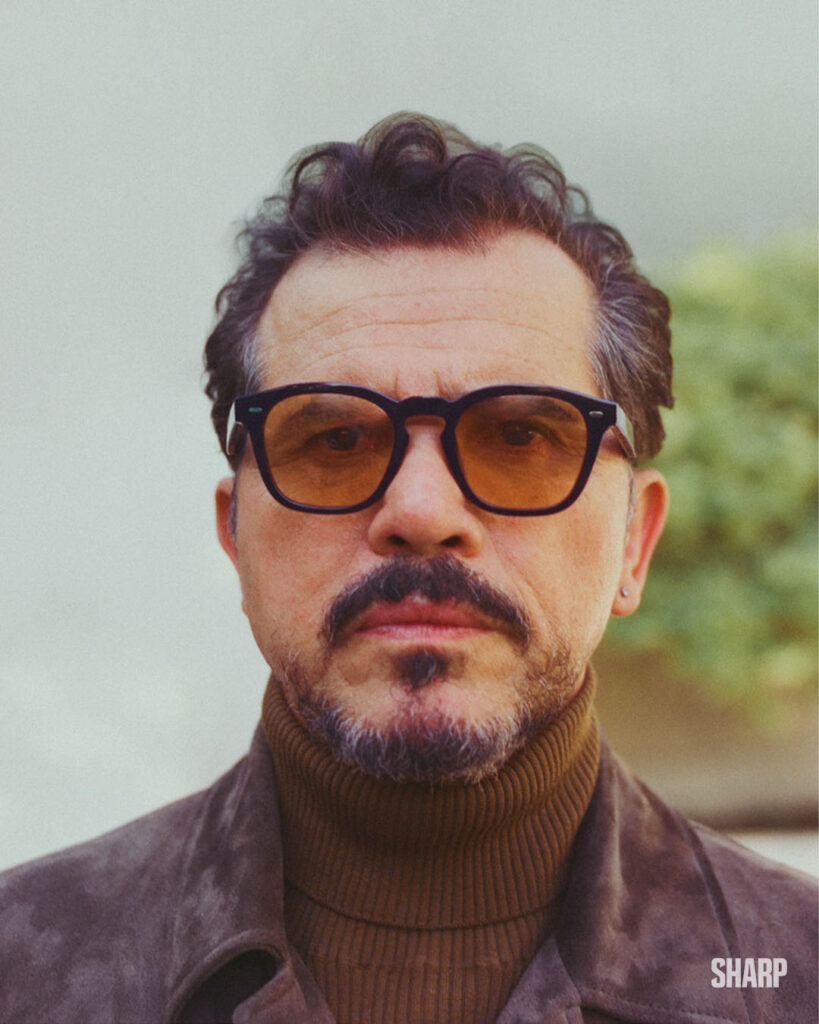
You eventually found yourself majoring in theatre at New York University, and I understand you were the only Latino in your drama class. Tell me a little bit about that experience.
Oh my God, yeah. You really did the research, and it’s such an insightful question. I was saved by therapy. I think therapy is what saved me because I was forced to go to therapy in high school for four years. It gave me insight into myself, helped me name my demons, and gave me an incredible awareness of myself that I later used in my writing and creativity. I was able to do one-man shows about my life because of the incredible therapy I had. Then I started taking acting classes at 17, and that’s where I really found a calling. A place to put all my energies. My life made sense.
When I got to NYU, yeah, I was the only Latino kid in the class. It was interesting because I had to change the way I talked a little bit. I was embarrassed because I had such a ghetto sound to the way I spoke, and nobody spoke like that in that college environment. I always felt very odd and strange, from left field, and I became really self-conscious.
Did you have mentors along the way? How important was mentorship for you?
When you come from an underprivileged background, you need somebody to tell you you’re worth it. My parents were against me becoming an artist because they were immigrants, and they didn’t understand it. They didn’t see it as an upwardly mobile possibility. They thought I was wasting all their sacrifices.
My math teacher, Mr. Zupa, was the first person who really put the idea into my head. He said, “Instead of clowning around and messing up in school, why don’t you become a comedian or an actor?” Then Herbert Berghof let me into his class, and he guided me. I had great teachers at Strasberg. David Gideon, Marsha Halfred, Arthur Hope, Jeffrey Horn. I still remember their names because they’re that important.
Then Wynn Handman became an incredible mentor to me. One of the great national treasures. He taught Alec Baldwin, Eric Bogosian, Denzel Washington. He guided me, helped me put my one-man shows together, and put me on stage.
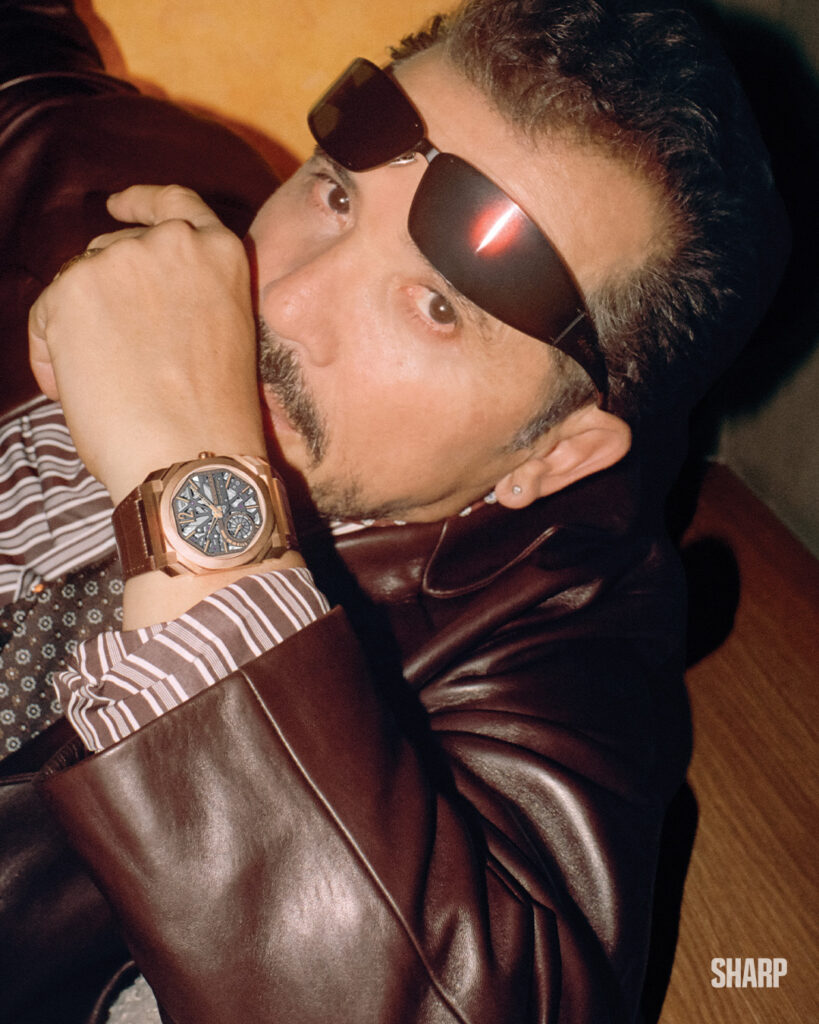
When did you know comedy was your thing?
I was always in love with comedy because comedy kept me sane. We had amazing television in New York, and that was basically my life. I watched Abbott and Costello, Martin and Lewis. I knew Richard Pryor’s albums. Comedy was my passion. I’d crack up all my friends on the street and at parties. I’d do characters, and people would lose their minds. So, I knew I had some kind of gift. Then I started taking improv classes all over New York City at places like First Amendment, where Robin Williams used to come. Bruce Willis would come down, too.
I partnered up with my girlfriend at the time, Callen McDermott, and we became a comedy duo and opened for Rodney Dangerfield. Eventually, I realized I wanted to do my own thing because I didn’t really like traditional stand-up. So I gravitated toward the performance art spaces of the ‘80s. That’s where I found myself, doing one-man stories where I played all the characters. That became the foundation of my theatre work.
Your versatility as an actor and stage performer is well known. Whether you’re doing comedy, drama, crime or action: Why do comedians often seem so naturally tuned to dramatic storytelling?
The way I approach acting is through method acting. So, I do mad research and preparation for every role. Whether it’s comedy, drama, or a gangster film, I create a character that I embody. Using the Strasberg Method, I use my own experiences to craft the character. So, I don’t really approach it as comedy versus drama. There is, however, a certain element unique to comedy. You need timing. You need comic timing and an understanding of how to put a comedic spin on things. That’s a different gift. Regular actors don’t necessarily have that. You have to study it and practice it. It’s almost like music.
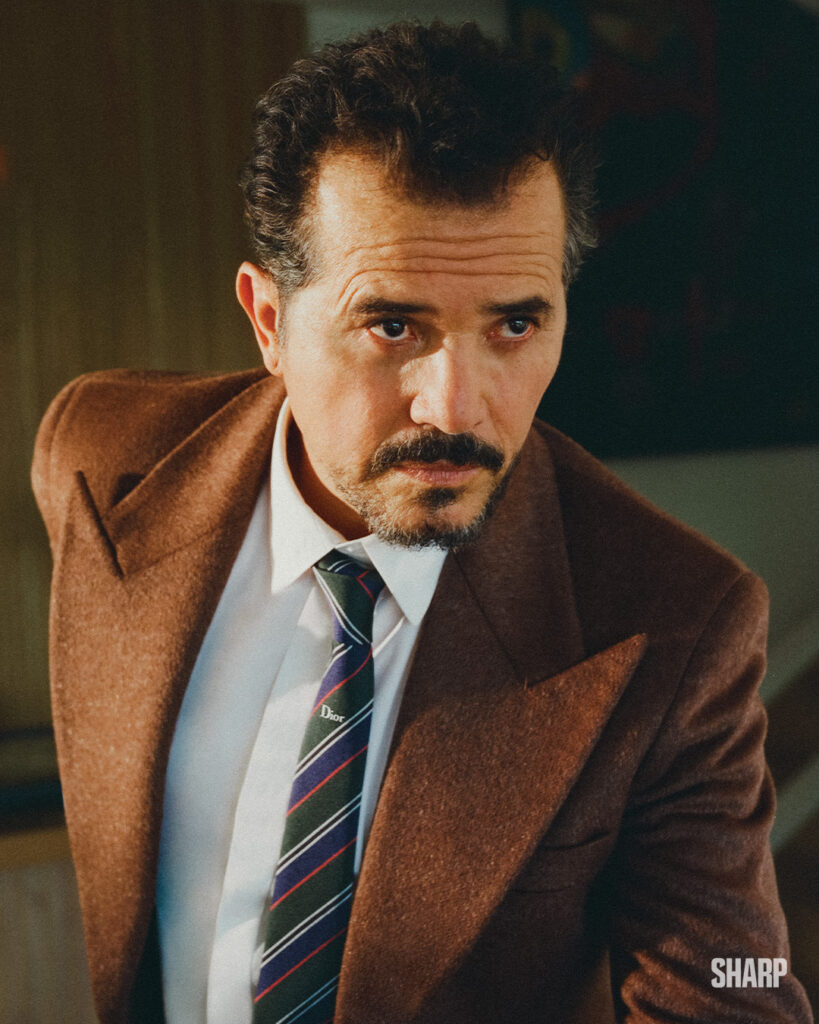
Tell me about taking on the role of Eumaeus in The Odyssey and working with Christopher Nolan.
My God. First, I got to meet Chris, and he offered me the role over lunch. He told me I’d be playing the most loyal character in Western literature. I was so excited because loyalty is such an important virtue in my life.
Then I found out I’d be blind and old, near the end of my life. I thought, “Wow, that’s a big challenge.” Chris loves everything to be real and organic, and so do I. The eye contacts were made by the only expert who could paint them that way in Los Angeles. They studied cataracts and painted them directly onto the contacts. I couldn’t see properly out of one eye, and with the other, I could only make out shapes and light.
I studied older people. I studied a best friend from high school who is blind, Gina Velasquez. I studied her mannerisms, how she listened through sound instead of sight, and I incorporated that into Eumaeus. I channelled all my pain of what’s going on in the world and funnelled it through Eumaeus.
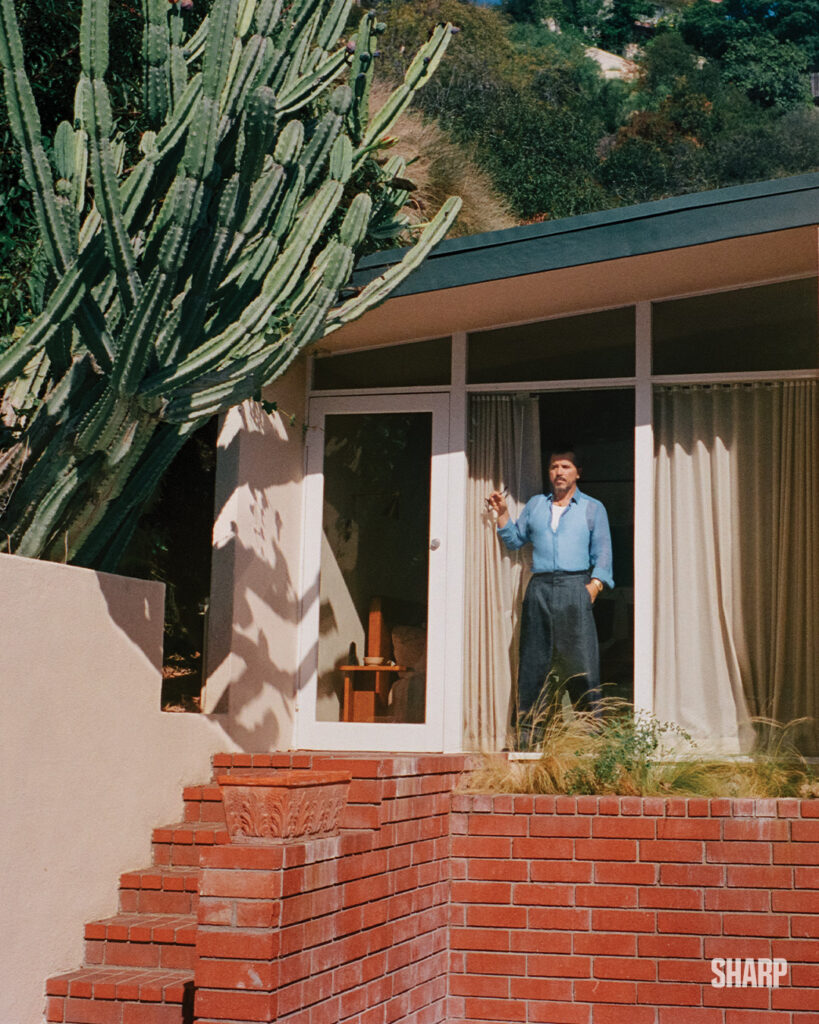
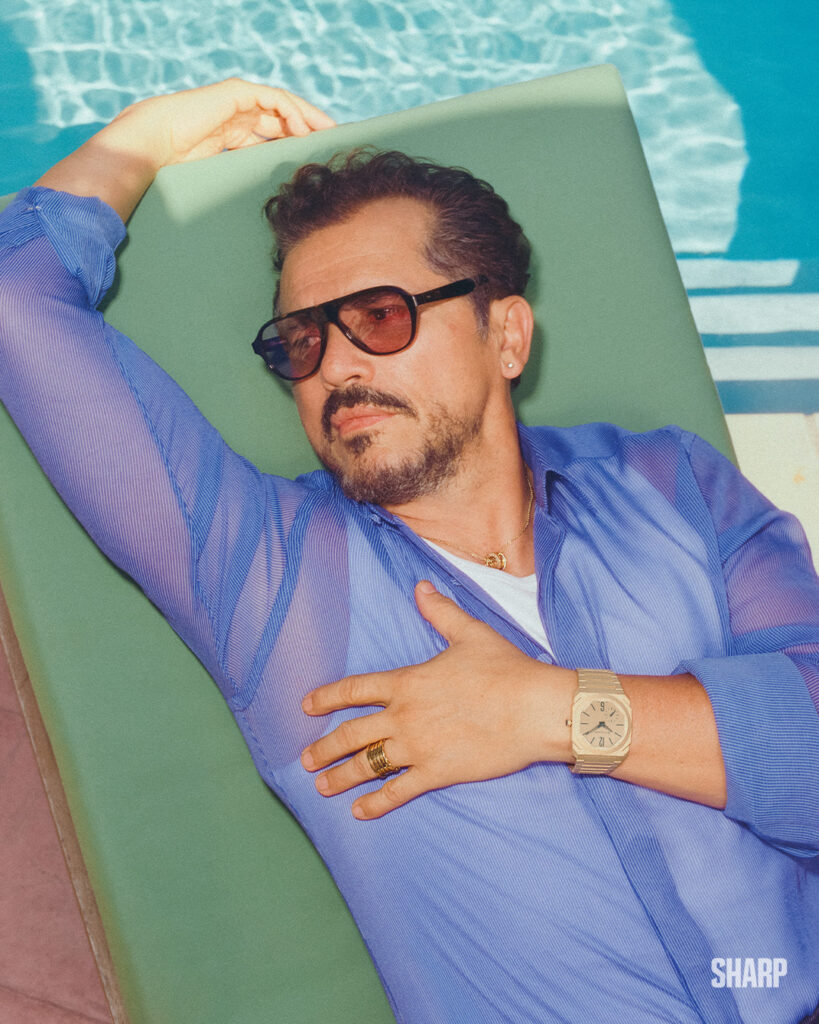
Was there a moment where you were channeling all those emotions and it really hit you and you had to catch yourself? Or did you lean all the way into it?
It’s interesting because I’m not usually that kind of emotional actor. Having a breakdown on film was tricky, but Nolan was supportive. Matt [Damon] is one of those really giving actors who cares about everybody and the entire cast.
At one point, he literally caught me before I hit the rocks because I couldn’t see. I let myself go, and he grabbed me and helped me up. It’s such a beautiful thing when you work with actors who are there for you. I found that the most talented people are always those giving people because as an artist, to really render all kinds of characters, you must have a large sense of empathy. You really have to be able to be that sensitive if you’re going to really give characters an emotional depth.
How does Eumaeus stand out from everything you’ve done in your career?
I’ve done some great things and worked with incredible filmmakers who I respect so much: Baz Luhrmann, Spike Lee, Ava DuVernay, Tony Scott, Brian De Palma. But this was the highlight of my life. I don’t know how Chris saw this role in me, but he knew I could deliver this strong, proud, broken servant who loves his master and would do anything to protect him, his children, his estate, and his family. I feel like everything came together. I gave it everything I had.
One thing that really helped was that Chris was behind the camera. He wasn’t in Video Village looking through a monitor. He was right there, watching you. He could capture every emotion. He didn’t miss a second of honest emotion. I felt seen and heard. He trusts us, which is incredible. You can give your best when somebody really believes in you and trusts you. I mean, that’s the only way I can give it everything I got.
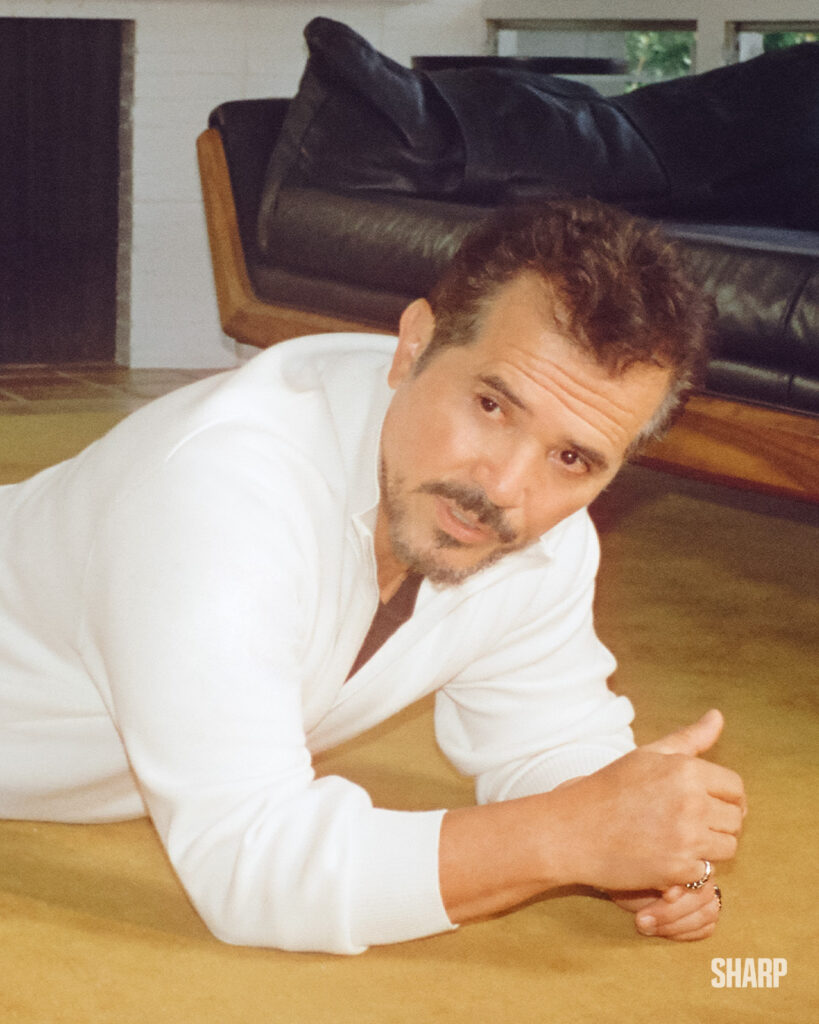
How have being a father and a husband informed your craft?
That’s a great question. I was actually talking to Matt Damon about that the other day. It’s so important to have a life partner because this business is so erratic. The highs and lows are unreal. The demands are hard. If you don’t have a life partner who keeps you grounded, who serves as your barometer and your North Star, it’s going to be a tough journey.
What would you say to audiences who haven’t seen The Odyssey yet?
I think people need to see this in theatres because of the beauty of the film. This is real film. The first movie ever shot fully on IMAX 70mm. It’s groundbreaking. Nolan pioneered this format.
He knows how to shoot vistas. We shot in Iceland for Hades. We shot the Mediterranean and the Aegean Seas. These boats were real boats. Matt was in real danger! It was safe, but it was still hard being out there on the ocean. We were on top of this massive 900-foot cliff in Sicily, where there was a real castle. We shot in Morocco. The scenery, the battles, the horses, the scale of it all. My God. It’s such a spectacle.
But the beauty of this movie is the emotion behind it. Emotion only Nolan can bring out. Nolan took a classic piece of literature and turned it into a vital, important, must-see film because the message is so deep and profound. That’s why it’s survived 3,000 years because war destroys people. It destroys soldiers. It destroys heroes. Heroes often live with enormous guilt.
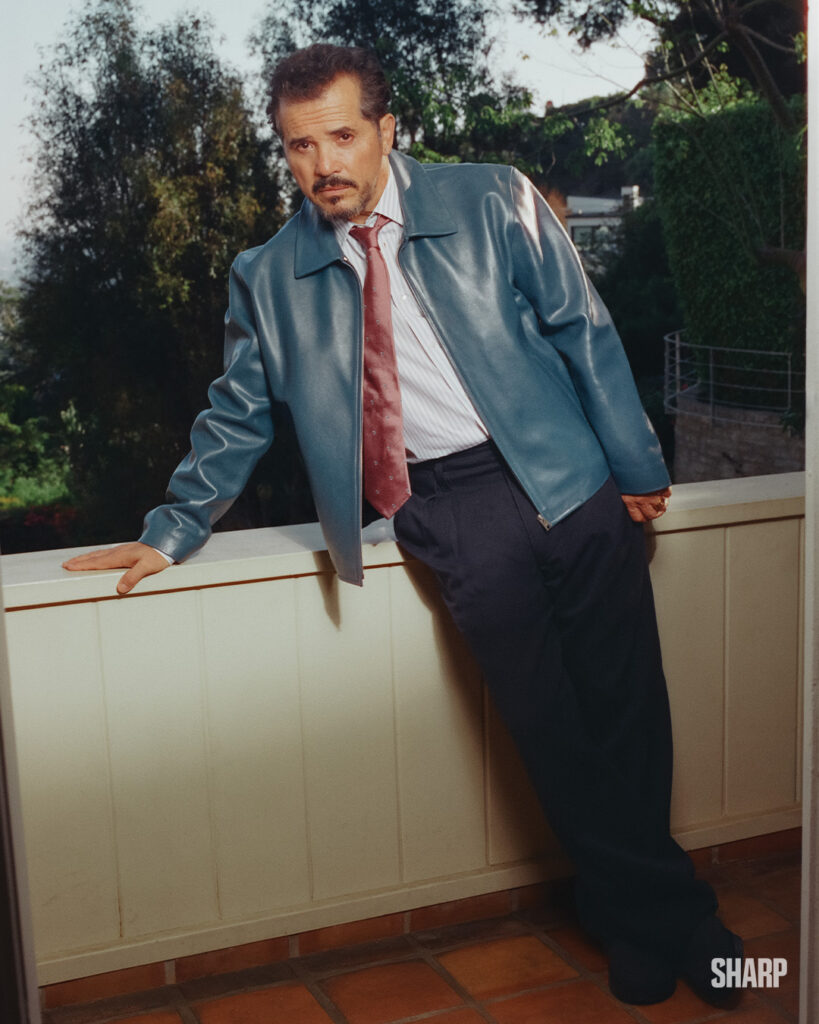
PHOTOGRAPHY: MAX MONTGOMERY
STYLING: CHAISE DENNIS (THE WALL GROUP)
GROOMING: GEORGE KYRIAKOS (HONEY ARTISTS)
PRODUCTION: HYPERION LA
STYLIST ASSISTANT: ALEAH PAUL
PHOTO ASSISTANT: GRACIE NEWMAN
GAFFER: MICHAEL ROSEMAN
LOCATION PROVIDED BY SEAN FAMOSO.