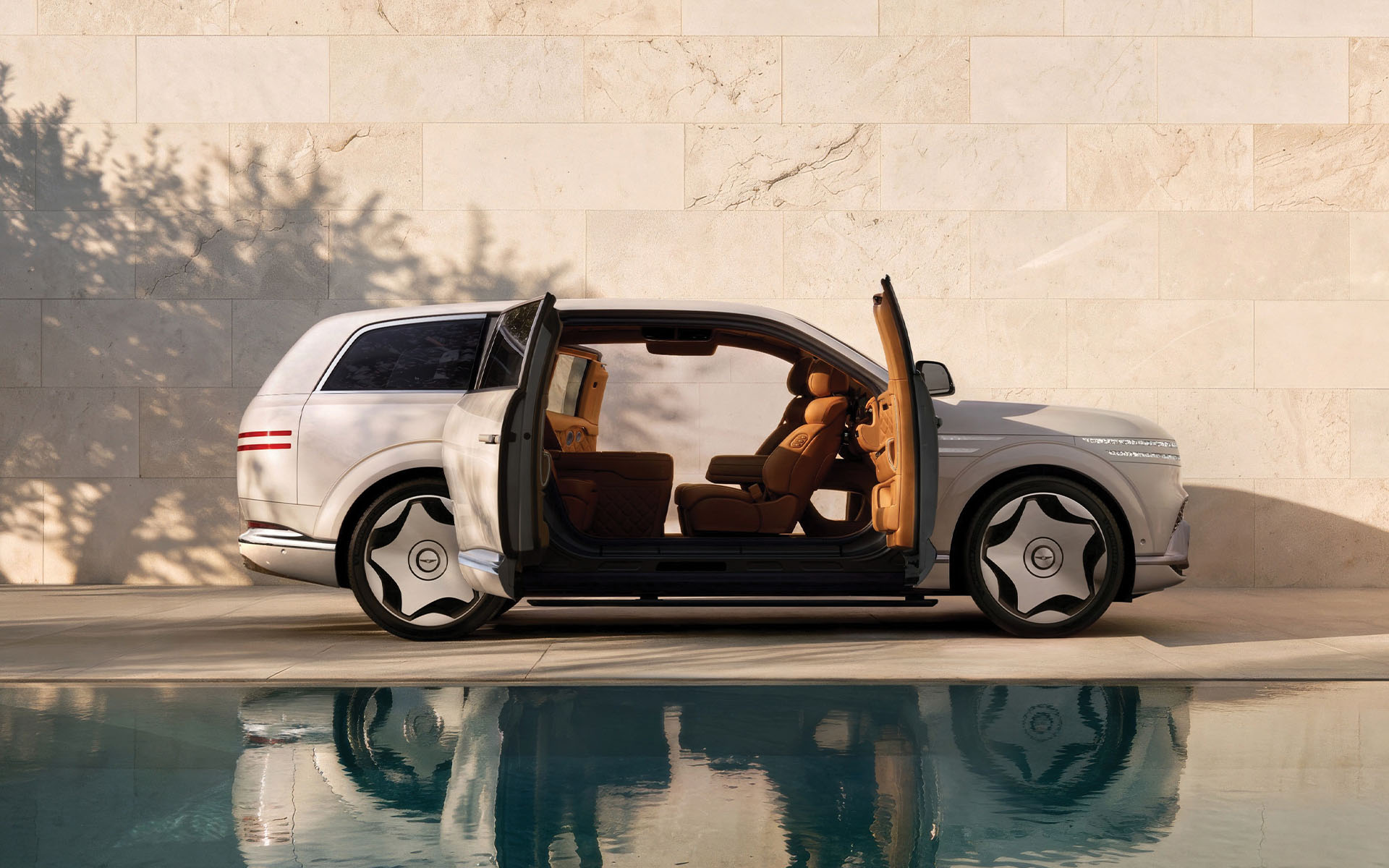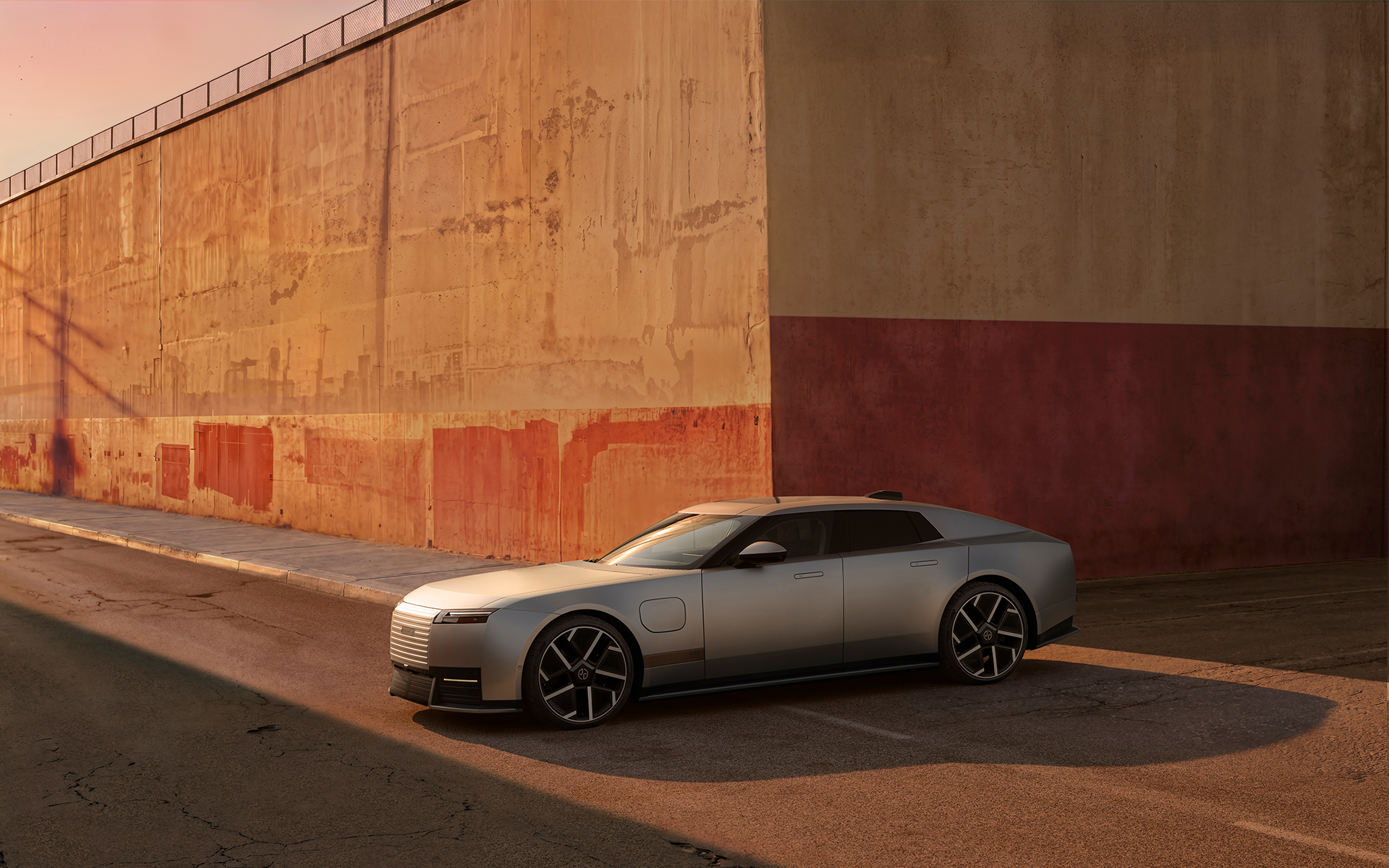
Jaguar’s Type 01 has an exceptionally long hood, a shockingly low roof and the sort of stance that makes a statement. It has swagger. You might love it, or you might need time with it, but you are unlikely to mistake it for anything else — and that is exactly the point.
The Type 00 concept made a statement: it was a car compelling enough to give Jaguar a future in the modern world. Concepts have the advantage of never having to accommodate actual passengers or luggage — or, indeed, ever being made. The Type 01, however, perfectly captures the two-door concept’s gravitas while accommodating four adults and their luggage. It is a four-door electric grand tourer, and the remarkable thing about its final form is just how much of the concept’s attitude has survived. Jaguar has taken a bold new direction with the design, but then a cautious new Jaguar would have been a rather difficult thing to get excited about.
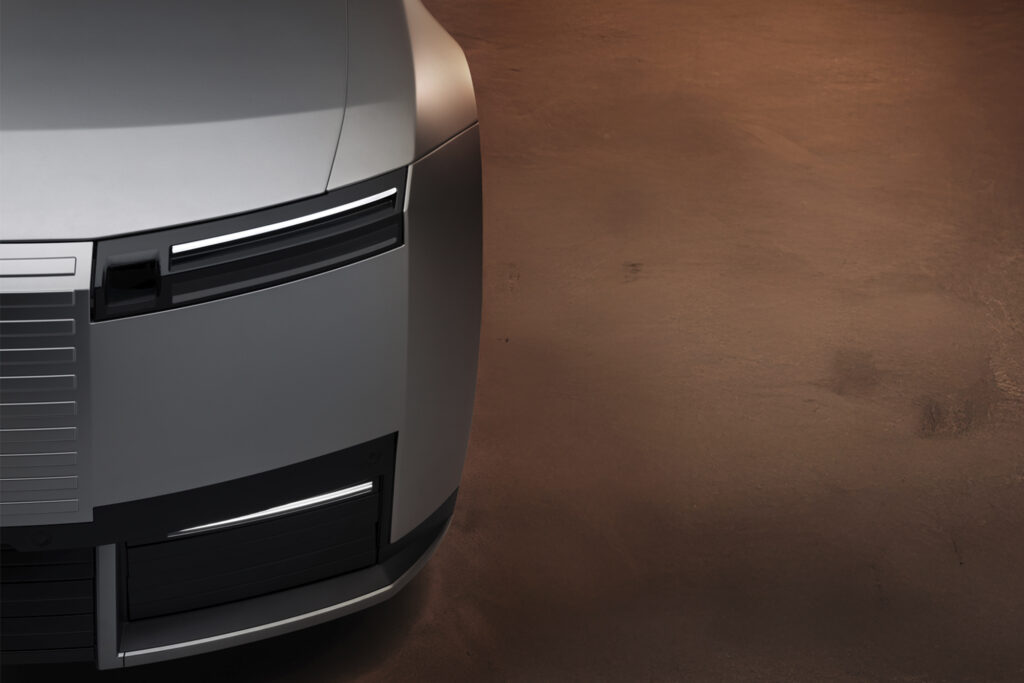
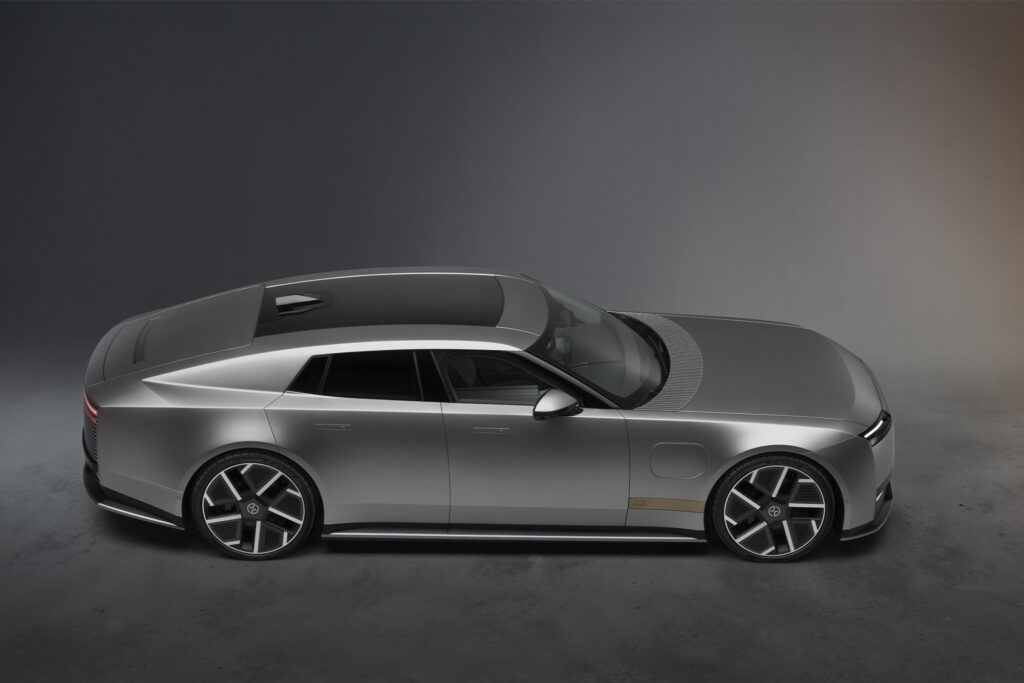
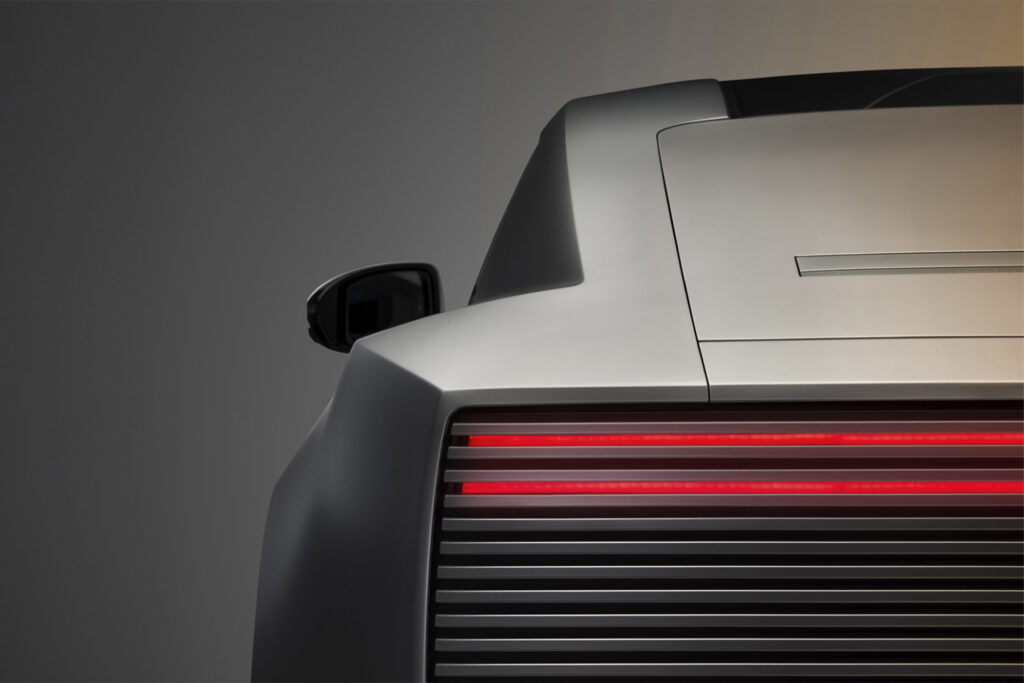
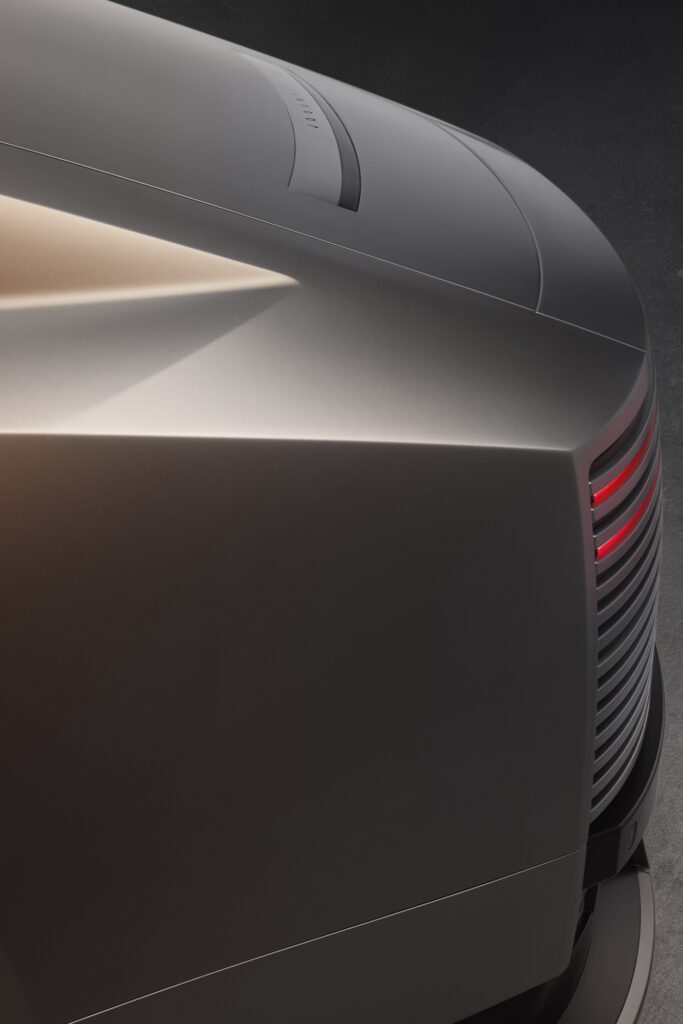
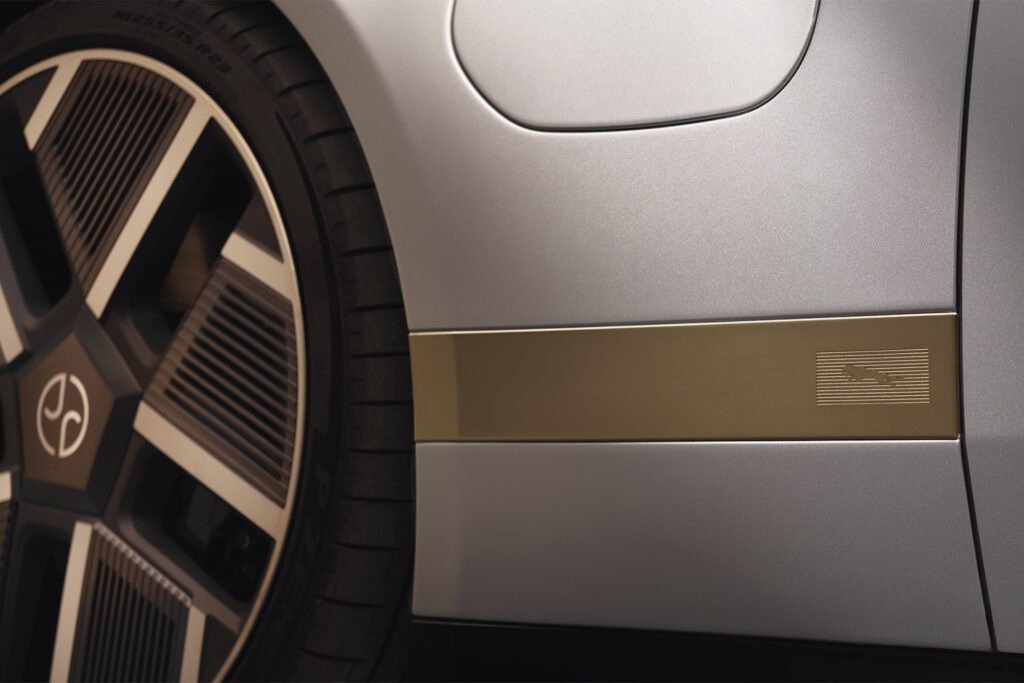
But Jags have always been bold. They’ve always had swagger. Look at the proportions first: they hark back to a more extravagant age, a time when we were willing to sacrifice a bit of practicality to make the perfect entrance. The surfaces are free of ornamentation, which makes their shapes matter even more — such as the “impossible” panel on the rear fenders, with its wide sill and crisp edges. It was nearly impossible to make. Slim digital LED headlights, hidden taillights, and horizontal graphics lend the car an almost architectural solidity. A brass-effect ingot on each front fender carries a brass-finish Jaguar leaper. It is a small detail on a car that makes an enormous first impression, to be sure, but an affectation that screams real luxury.
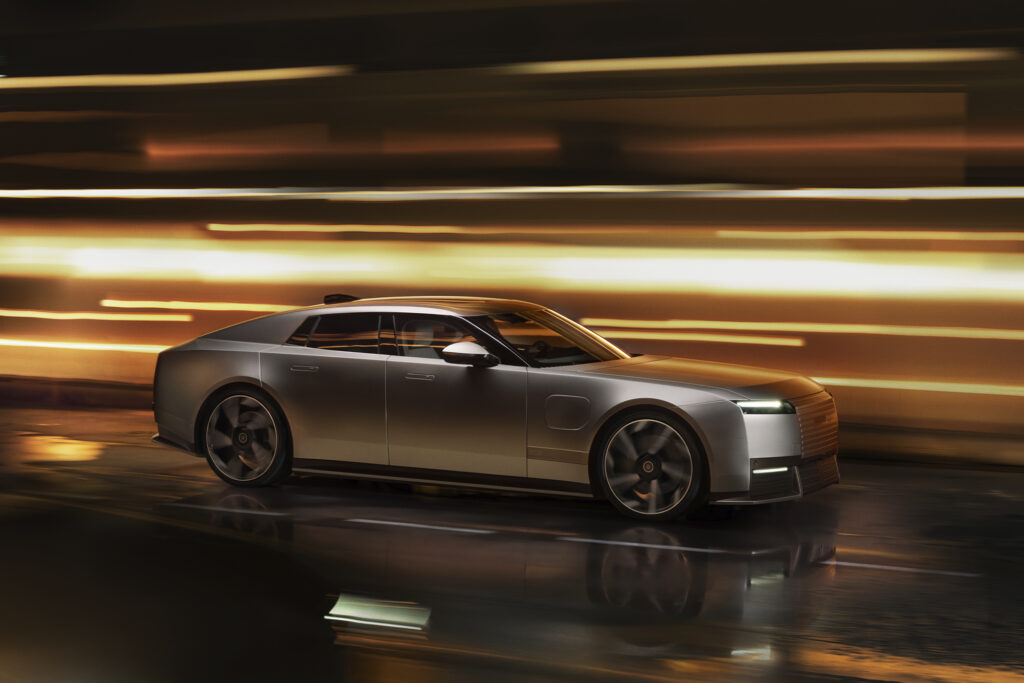
Jaguars have always been as much about performance as style, however, and there is cutting-edge proprietary engineering behind that silhouette. Jaguar developed a dedicated architecture for the Type 01 and says its designers and engineers have filed hundreds of patent applications as a result. More importantly, it will be very fast. Three motors — one at the front and two at the rear — produce one thousand horsepower and propel the car to 100 km/h in just over three seconds. Let that sink in. Those are arresting figures, and straight-line speed has become commonplace among high-performance EVs, but a Jaguar has always been about handling and driving enjoyment. The Type 01 is engineered to drive like a Jaguar: settled and composed over a long distance, alert when a road gets interesting and more engaging than its contemporaries.
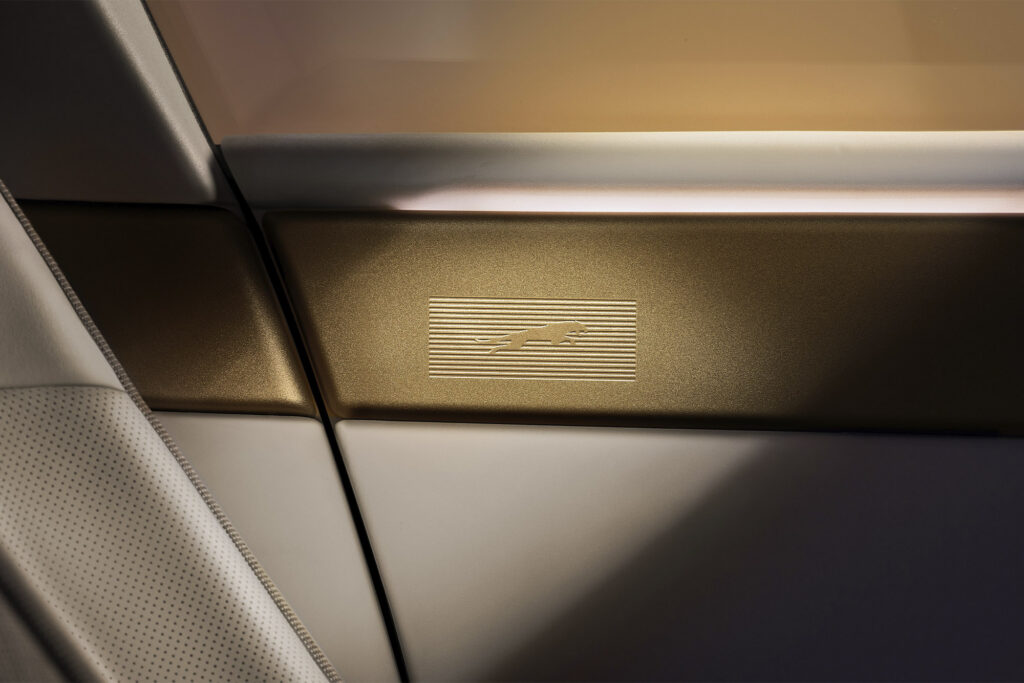
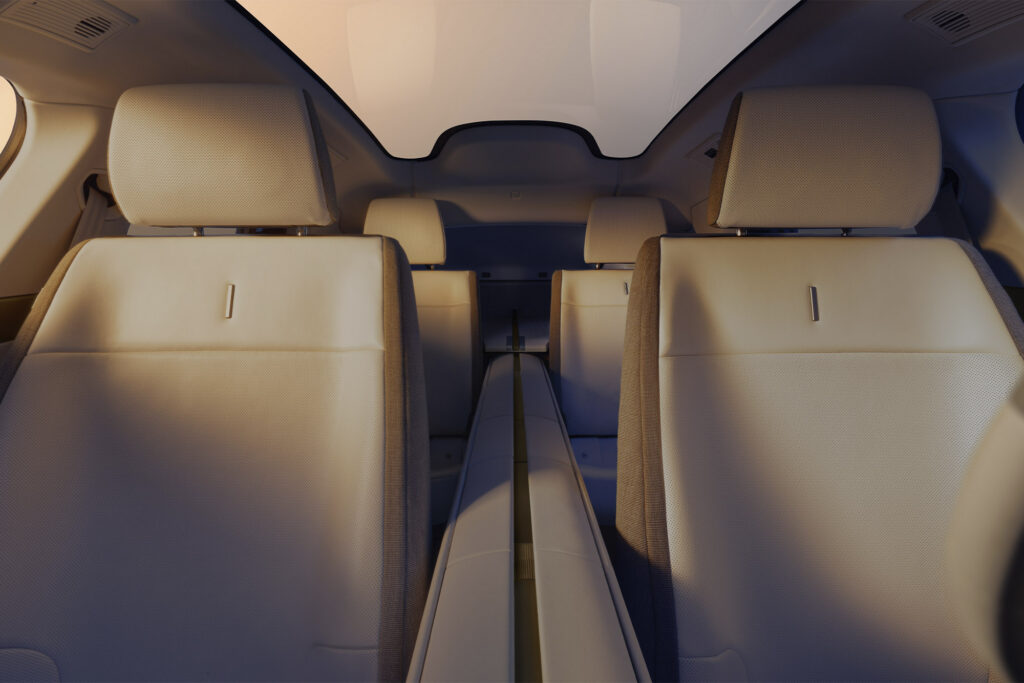
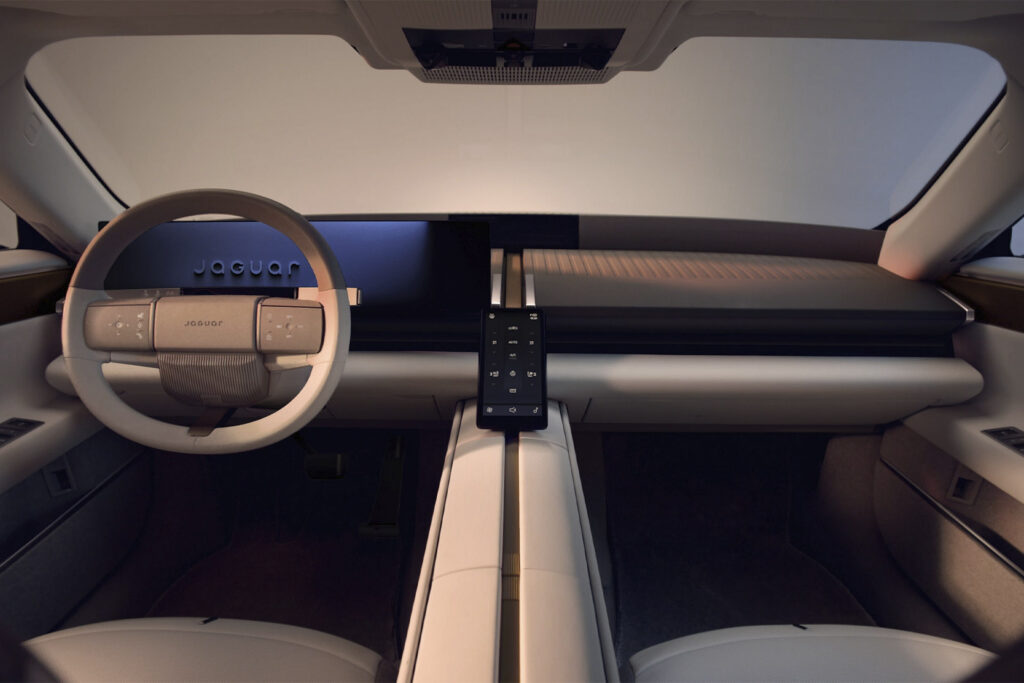
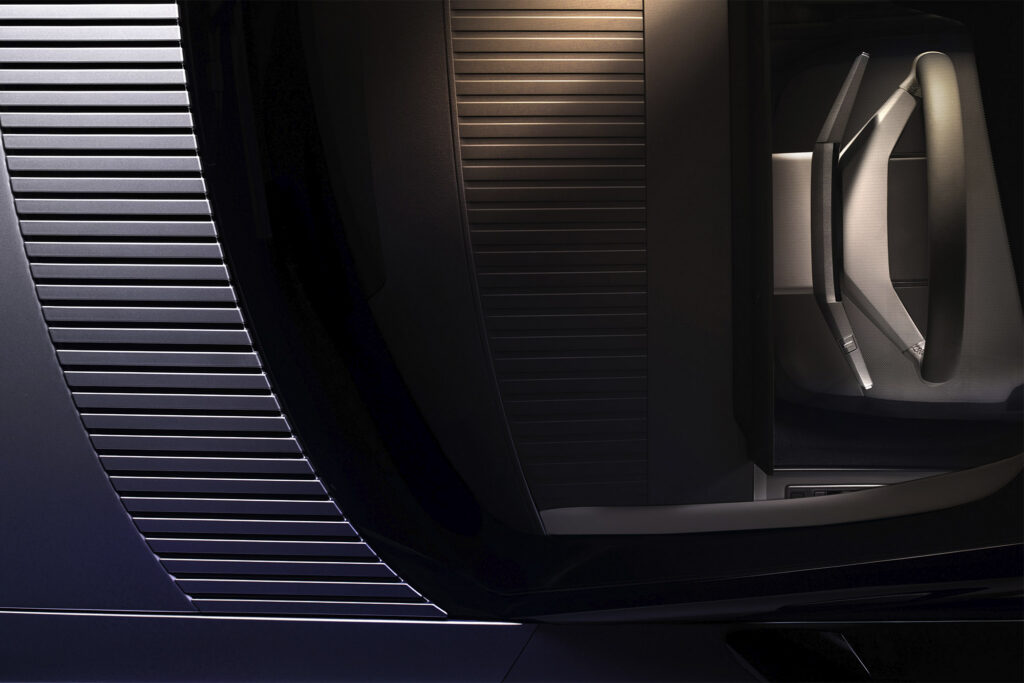
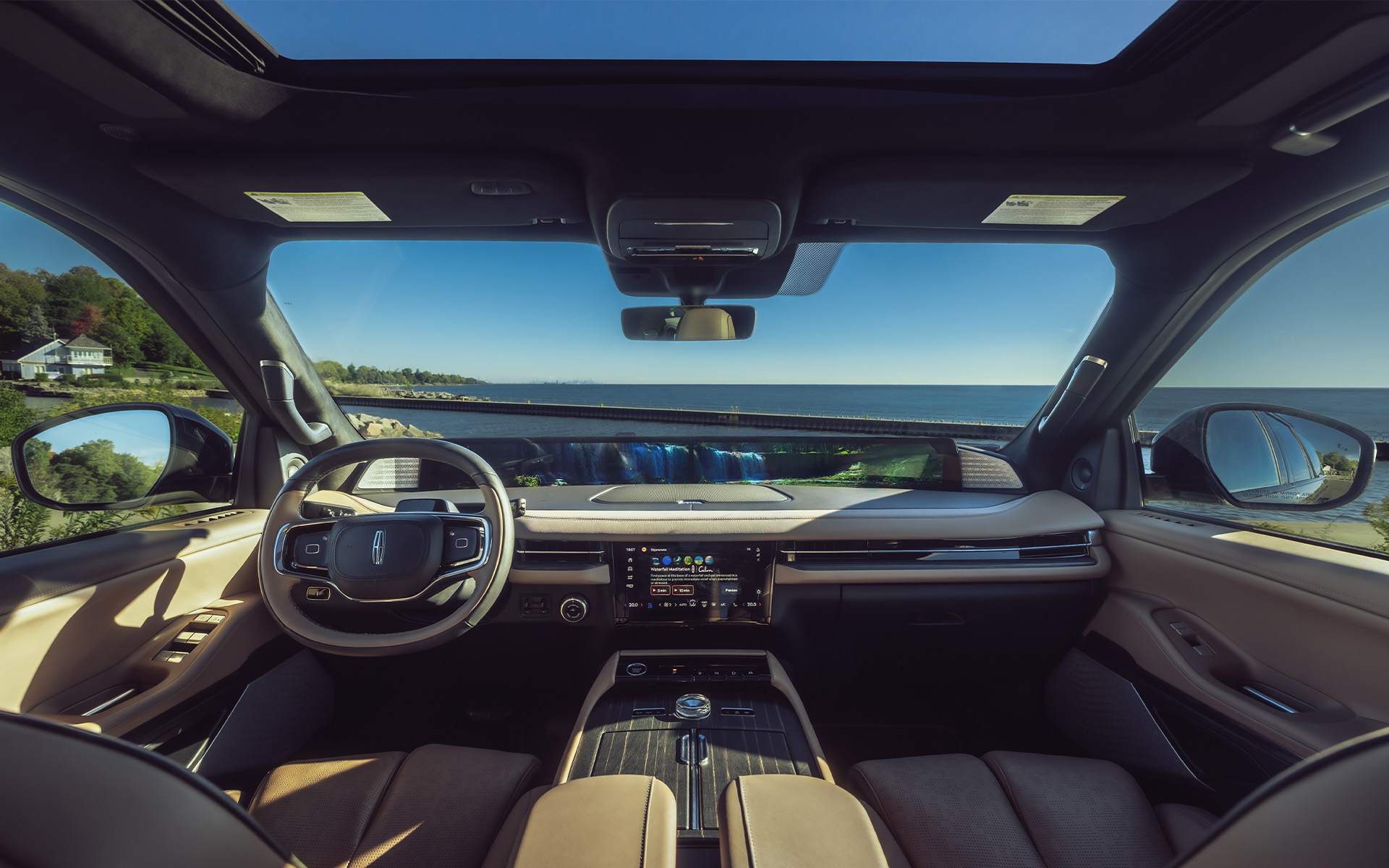
Inside, a central spine divides the cabin into four individual spaces, with an anodized aluminium finisher running its length. Colours take their cue from travertine and the changing play of light on stone. There is plenty of technology, including a 24-inch OLED display beneath a single sheet of glass and a separate seven-inch screen for key controls, but Jaguar has clearly considered how it all sits within the cabin. The full-width Panoramic Soundbar incorporates a rear-view display in the driver’s sightline, while sensory audio seats and a fragrance diffuser add to the cossetting experience. This is meant to feel like a particular place: a uniquely modern Jaguar take on the architecture of a car interior and what should serve as inspiration for materiality and colour.
We can’t talk about an EV without talking about range, and it’s one of the more boastworthy stats about the Type 01 anyway. The estimated range is about 700 kilometres on the European government test, but a figure more relevant to North American driving is around 500 kilometres at a steady 120 km/h cruise. It has a huge battery, and it charges very quickly too. But you don’t actually know what a kilowatt-hour is, so we’ll stop here.
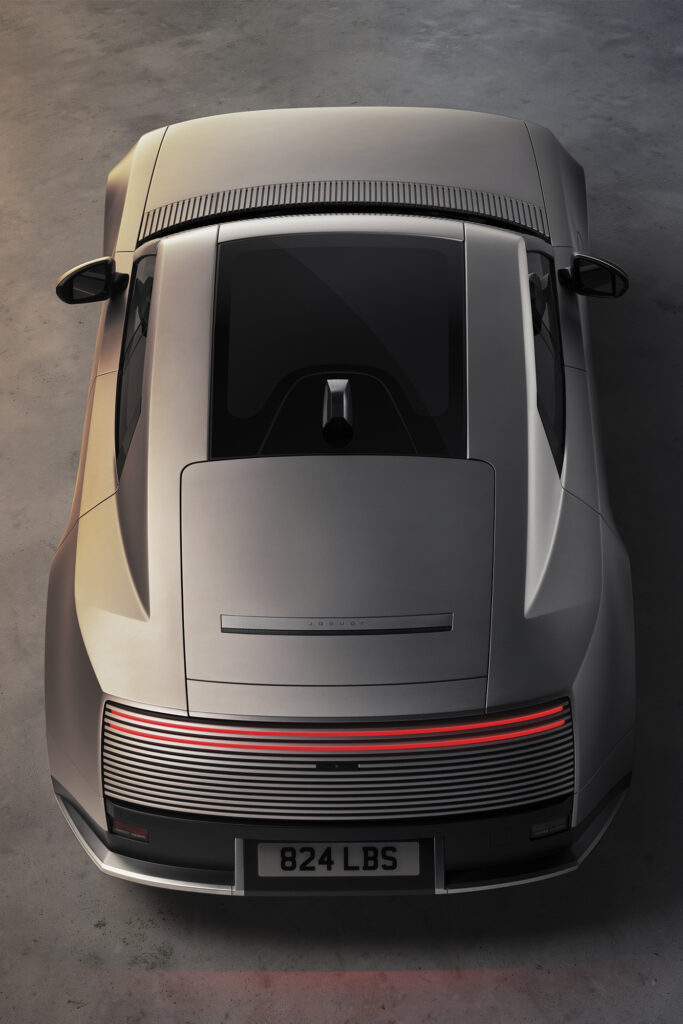
Jaguar needs the Type 01 to be more than a persuasive set of specifications. It needed a car with enough presence to make people look again at the badge on its nose. On design alone, it has achieved that. The Type 01 is bold, distinctively proportioned and unmistakably itself — and, as a result, unmistakably the new Jaguar.