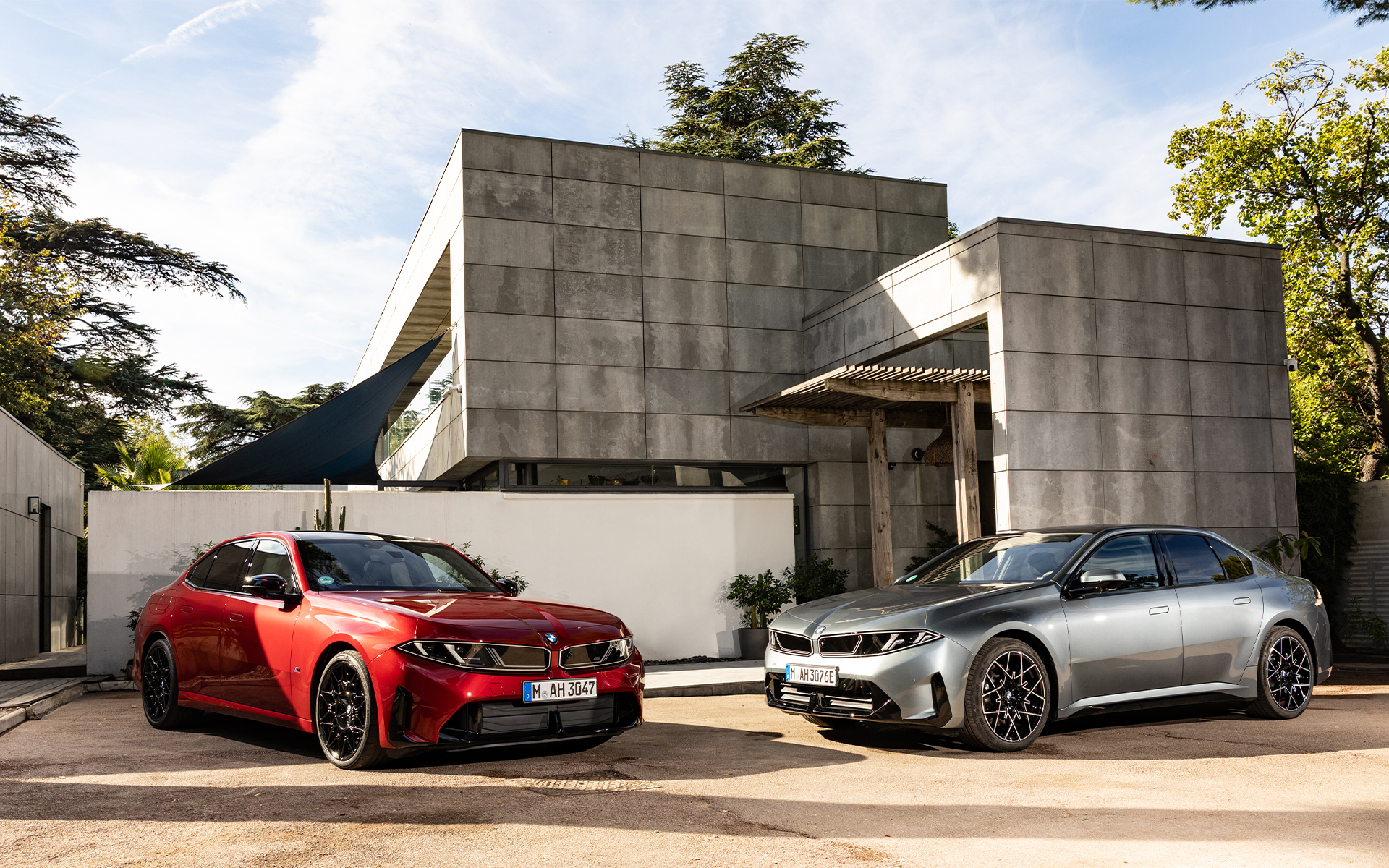
We’ve just been in southern France to drive the all-new 2027 BMW 3 Series and — wow, where do we even begin? — there’s so much to say about the eighth generation of this Bavarian icon.
The BMW 3 Series isn’t just a car. It’s a status symbol, a marker of upward mobility and middle-class aspiration. For millions of drivers it was their first luxury car, their first taste of the good life. People get very nostalgic about it. It bridges the vast cultural divide between Lululemon dads, finance bros, junior consultants, Europeans (all of them) and diehard car enthusiasts.
So, yes, the stakes are high, but BMW hasn’t been timid. The changes to the 3 Series for 2027 are the biggest in the model’s 51-year history. Here are five things we learned during our first test drive of the 2027 BMW 3 Series in France.
It’s Electric: The BMW i3 Is Here
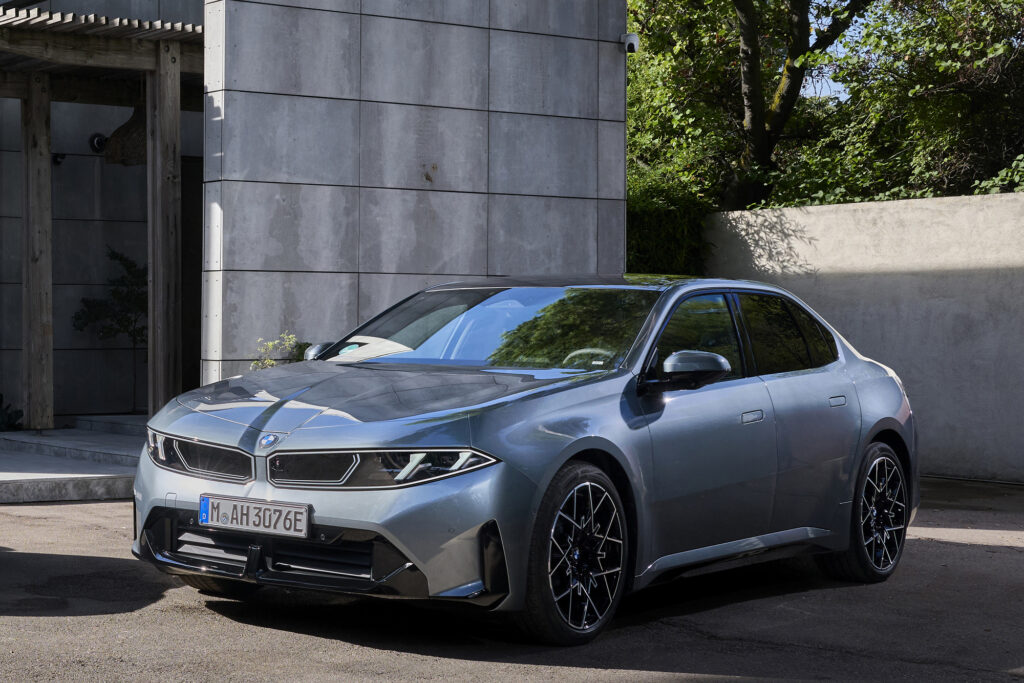
That’s right. After more than 50 years and 18 million examples sold, the BMW 3 Series is going electric. And, as when Dylan did the same in the ’60s, there will be spectators in the crowd shouting “Judas!” But don’t listen because the electric 3 Series is AMAZING.
The electric model is simply called the BMW i3, and it’s based on the much-hyped Neue Klasse platform. That dedicated EV-only platform, developed as part of BMW’s 10-billion-euro Neue Klasse investment, is the key to this car’s success. An EV-only platform doesn’t need to make space for a bulky combustion engine, so it can be optimized around a structurally integrated battery pack. The result? More driving range and lighter weight. BMW’s gen-6 batteries and motors help too, and they grant other benefits like ultra-fast charging rates up to 400 kW.
The 2027 BMW i3 Zaps Range Anxiety
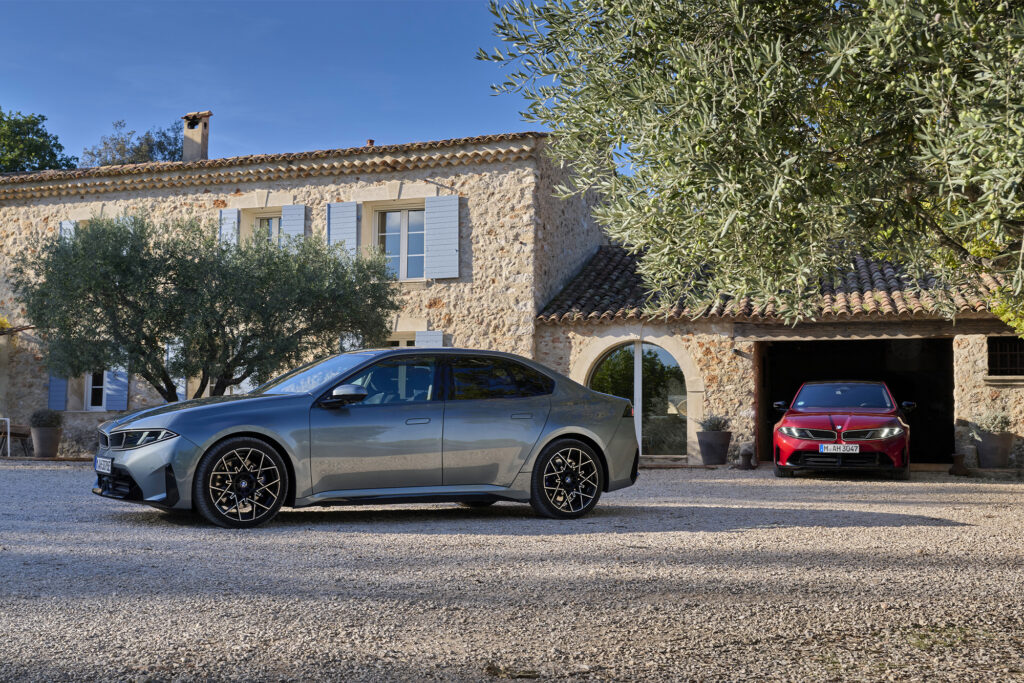
Despite the fact we drove the 2027 BMW i3 50 xDrive like fugitives on the run in France, it was still on pace to cover nearly 600 kilometres on a single battery charge. BMW estimates this car will have about 750 km of driving range on the official NRCan test. 750!!
For a compact sedan, 750 km of range is incredible. That means it’ll do Toronto to Muskoka and back, even in the dead of winter, with range to spare.
“We wanted to make range anxiety go away,” said Norman Wiebking, BMW’s project leader for the new 3 Series.
The original BMW i3, launched in 2013, was a wildly ambitious EV designed specifically for getting around big cities. It was a brilliant car, full of ingenious engineering solutions and construction methods. Despite that, or perhaps partly because of it, the old i3 was never a big seller.
“We asked customers. We saw the feedback. And we saw it would be necessary to make a really huge step in terms of range, and of charging power,” said Wiebking.
This time, with the 2027 i3, BMW is aiming for wide appeal with a long-range car that can be your go-to option for daily commutes, errands, speedy Sunday morning drives and impromptu road trips.
There’s Also A New Gas-Powered 3 Series
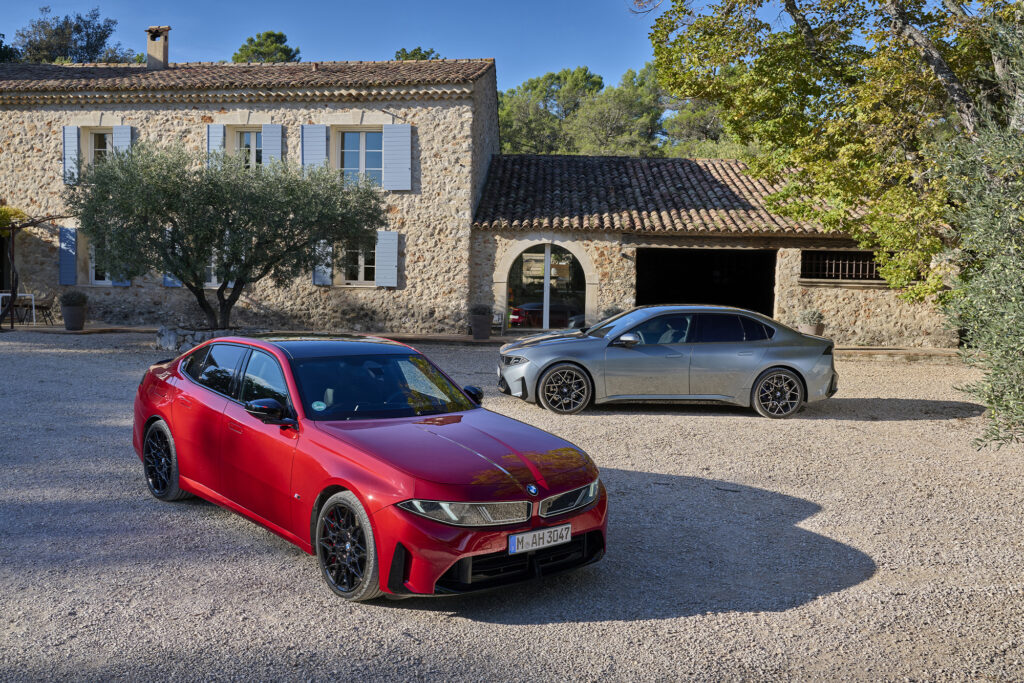
If you’re not sold on the whole EV thing yet, well, go take a test drive in the new 2027 i3 because it’s that good. But, if you’re still not sold, BMW has you covered. Yup, BMW built an all-new eighth-generation 3 Series powered by six- or four-cylinder engines. In France, we took the six-cylinder 2027 BMW M350 xDrive for a spin.
The gas-powered car is based on an evolution of BMW’s CLAR platform, found on the previous 3 Series. Despite the fact its underpinnings are completely different from the electric i3, both cars share the same design cues and cabin architecture.
You sit lower in the 2027 M350 on account of it having no bulky underfloor battery. The driver’s seating position in particular is much more sporting; there’s a feeling of really sitting in the car rather than on top of it (as in the i3).
They’re Both Great to Drive
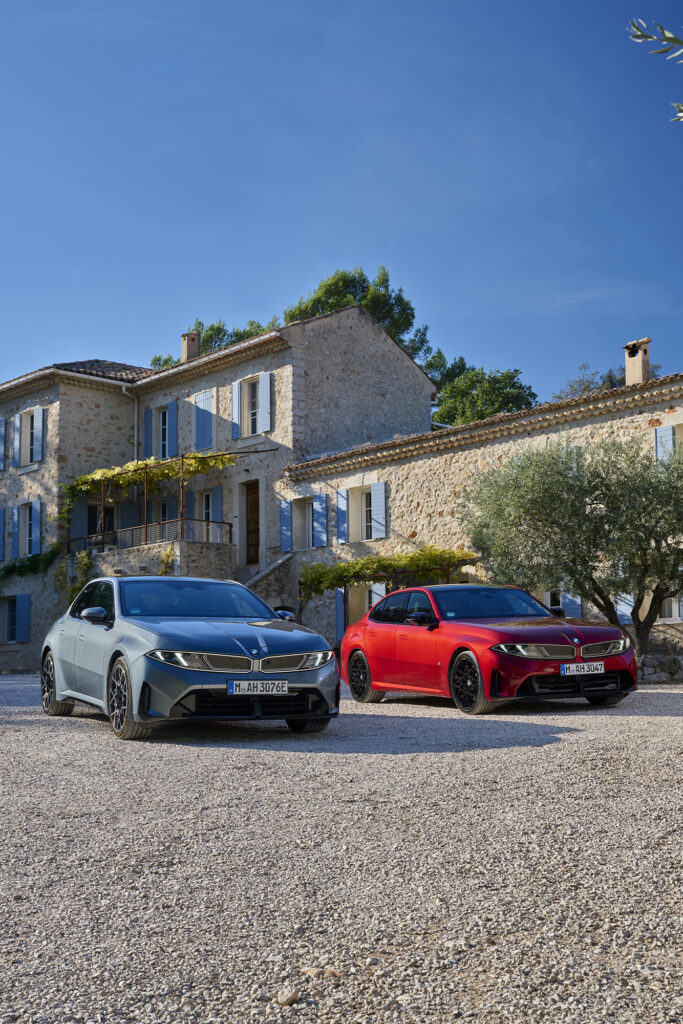
“Our famous slogan, Freude am Fahren — sheer driving pleasure — the 3 Series encapsulates that,” said Wiebking.
Some drivers buy a 3 Series for the badge, sure, but even they eventually come to appreciate what the rest of us already know: the 3 Series is the benchmark for sporty sedans. The way it drives — agile, engaging, balanced and responsive — is what kept buyers coming back generation after generation. Ask BMW’s engineers and they’ll tell you a 3 Series needs to be comfortable for everyday use, but also fun and predictable right up to (and beyond) the limit of its tires.
Incredibly, the electric 3 Series does just that. Despite tipping the scales at 2,280 kg — batteries are heavy — the 2027 i3 50 still steers and turns like a 3 Series should. It has that typical rear-wheel drive balance and tail-happy handling too.
And it’s quick. With 469 horsepower, the dual-motor car officially zips to 100 km/h in 4.7 seconds. In reality it’s probably closer to 4.0, because BMW is always conservative with these numbers.
The straight-six M350 xDrive is even quicker, though, because, despite having slightly less power (443 hp), it weighs much less (1,935 kg), so it scoots from 0-100 km/h in the mid 3-second range. (Officially it’s 4.1, but that’s underselling it.)
BMW’s Design Department Has Seen the Light
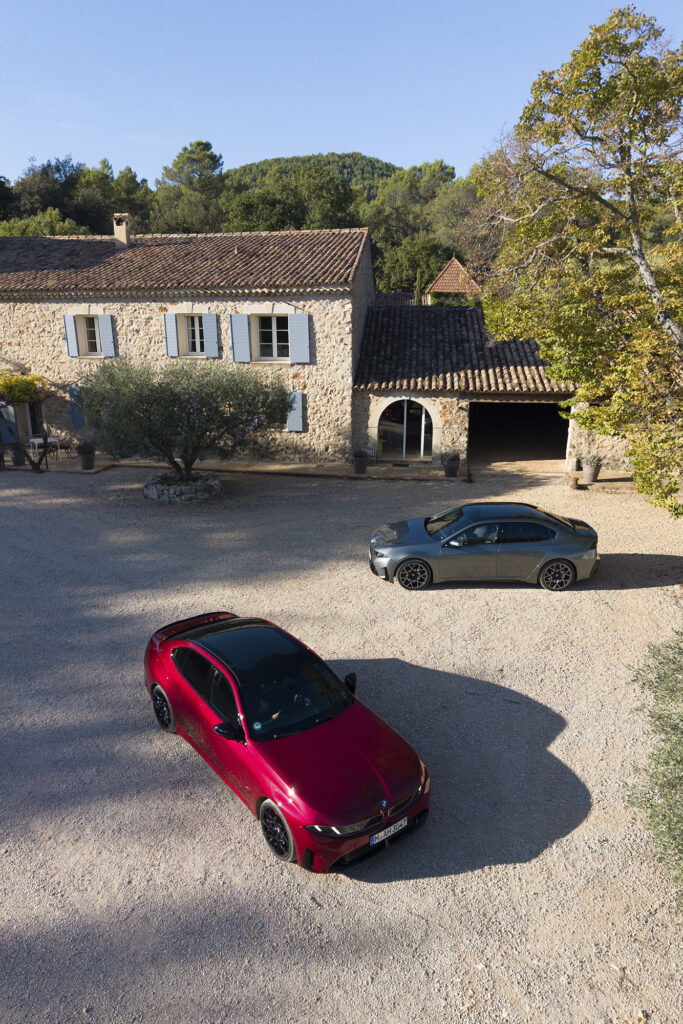
After years — nearly a decade? — of designs that courted controversy and pushed the envelope, BMW’s design department has changed course. They’re respecting the past, drawing from it, without being bound by it. They are choosing beauty, light, proportion and monolithic volumes. They are choosing, in other words, to make great looking cars. The 2027 3 Series, both the electric i3 and the combustion-engined models, look great when seen in the metal. The i3 stays close to the Vision Neue Klasse concept we LOVED back in 2023, while the M350 has all the hallmarks of classic BMWs without looking retro. These are forward-looking machines that show BMW’s future is very bright indeed. We’ve just scratched the surface of the all-new eighth-generation 2027 BMW 3 Series. There’s more to come, including a very special M3. So watch this space.