Nearly fifteen years have passed since Darren Aronofsky’s Black Swan brought its terror-inducing take on modern ballet to the big screen. As a psychological thriller, the film portrays the world of professional dance in a purely fictional — and almost satirically scathing — manner. Nonetheless, its on-stage scenes prove why ballet’s appeal endures: as dancers synchronize, their movements elicit powerful emotions.
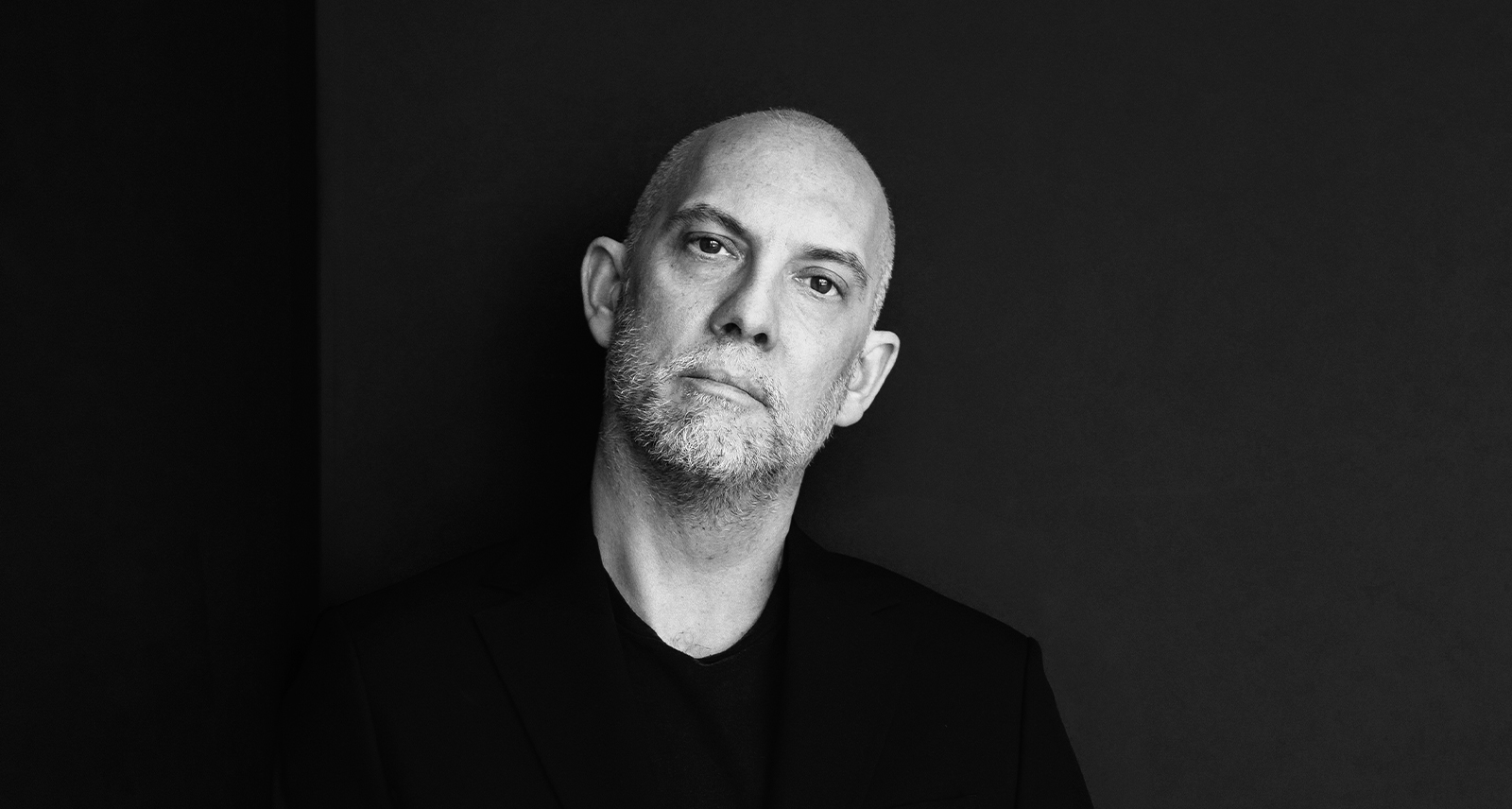
“Ballet endures because it is evidence of our creativity,” says David Dawson, Resident Choreographer at the National Ballet of Canada. Unlike the ultra-competitive fantasy of Black Swan, Dawson explains that real-world ballet is all about connection. “Everyone has dance within them — it is like a sixth sense.”
As the National Ballet of Canada approaches its 75th season, we caught up with the choreographer to learn how ballet has endured and evolved.

Congratulations on being named Resident Choreographer at the National Ballet of Canada. How would you describe the creative atmosphere here in Toronto?
Thank you so much! It was a wonderful and unexpected surprise when Hope Muir invited me to become Resident Choreographer for The National Ballet of Canada. I am deeply proud, grateful, and honoured to be part of this incredible company in Toronto. Through the stagings of Anima Animus and The Four Seasons, we have built a very strong artistic relationship, and this felt like a natural next step. Hope’s faith in my vision of dance continues to support and inspire my creativity.
For me, the company is a safe haven, a home where I hope to develop new layers of artistry and creative impulse. I am excited to begin this new chapter and to see what we can achieve together in the years to come.
“Dance has shown me a way to make sense of the world we live in and to belong to it the best way I can.”
David Dawson
In addition to your work at the National Ballet of Canada, you’ve had an ongoing association with the Dutch National Ballet. How does the character of each country factor into your work as a choreographer?
Dance is international. We exist within a universal, borderless space — a place of emotion and of expressing that emotion through the craft of dance. Being closely associated with a ballet company is always about the people I am directly working with and the relationships we can build together. Every day is a conversation between the body and the soul, and this is something I always try to respect, support, and nurture. Everyone is focused on discovering themselves through their art, bringing the best of themselves, and sharing that with the audience. It is an ongoing journey of development and discovery, built on trust, and it is always unique.
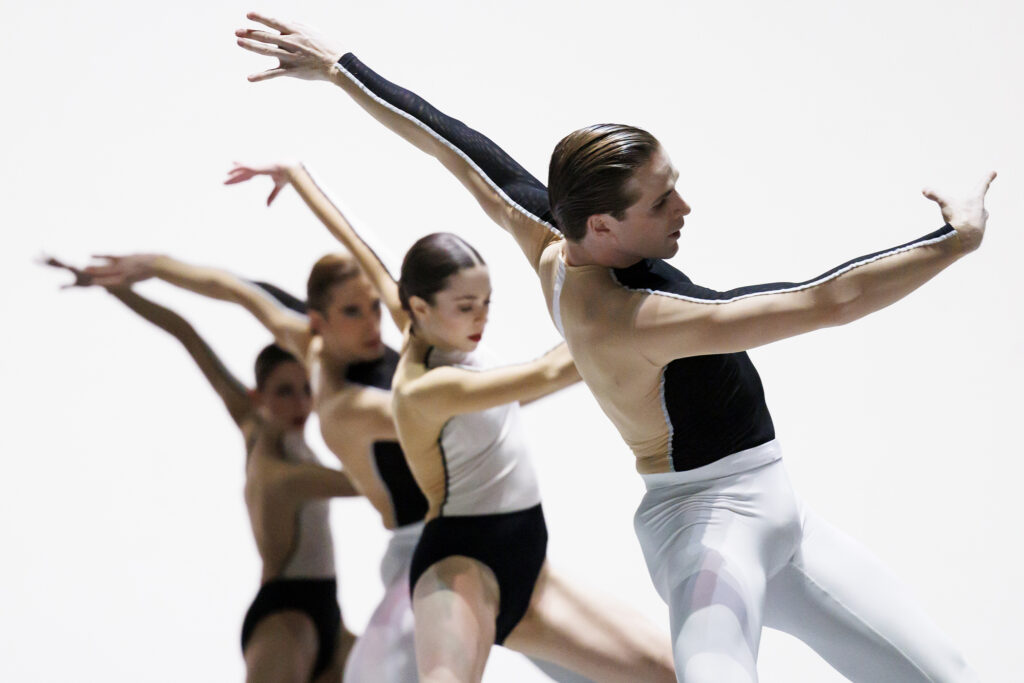


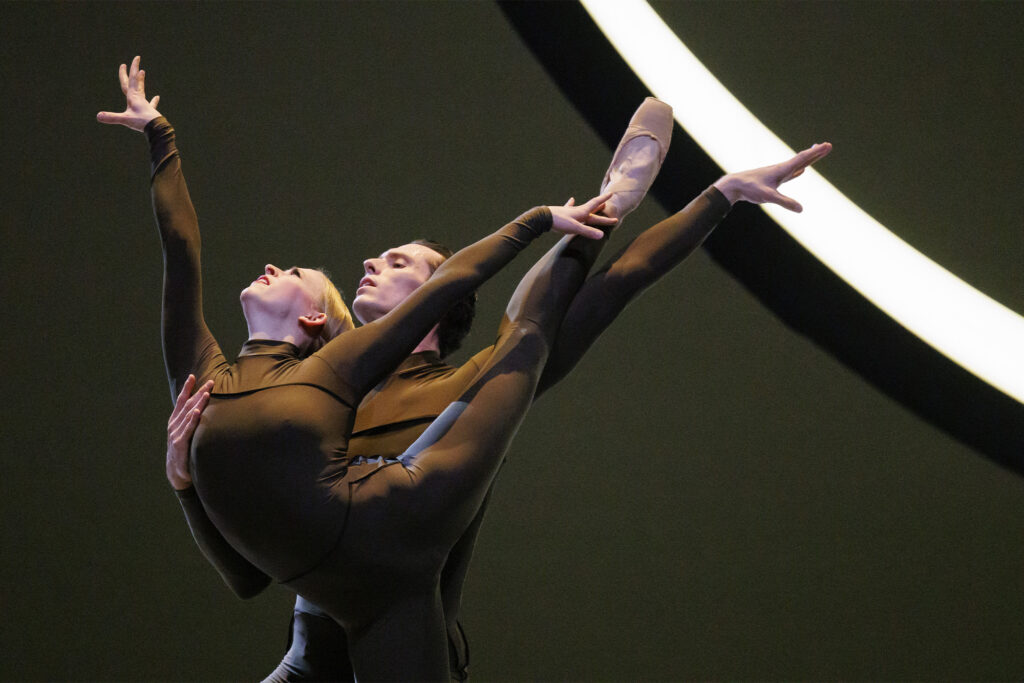
You’re developing a full-length work for the 75th season of the National Ballet of Canada. What can you share about your creative direction for the upcoming project?
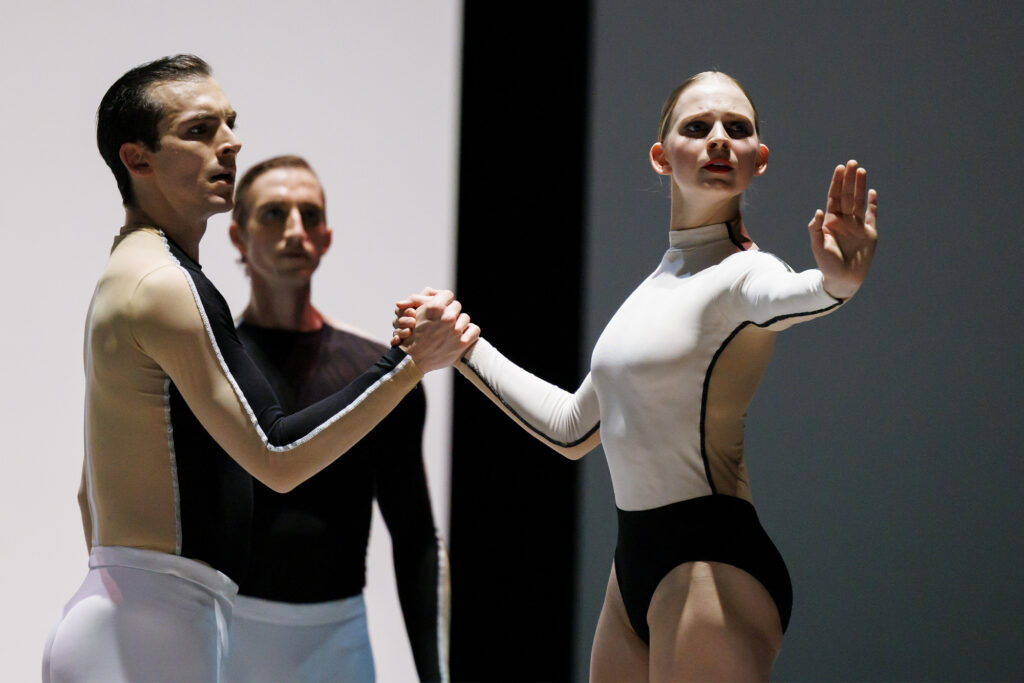
For my first creation with The National Ballet of Canada, I wanted to return to my original intentions as a choreographer — and to begin again. At the moment, we are in the process of developing a trilogy of new works all connected by the universal themes of birth, love, and metamorphosis. I see dance as a way to imagine new worlds, dreamscapes, or fragments of memory — showing us who we are or who we can be. It will be a work about dance and its profound relationship with music, and what that connection can reveal. A contemporary portrait of The National Ballet of Canada as it stands today, while looking toward the future.
Ballet carries centuries of tradition, yet it continues to resonate today. Why, in your opinion, has its appeal endured?
As the world moves faster around us, art becomes more important than ever. It offers us comfort, meaning, and connection. Everyone has dance within them — it is like a sixth sense. Ballet is both craft and innovation, dance in a most refined state. Over time, it has been formalized into the art form we know it to be today, carrying with it centuries of tradition and legacy. But it is also much more than a voice from history — it is a living language, constantly evolving. Ballet has become a powerful form of personal expression, a mirror of ourselves, reflecting who we are and who we wish to be, a way to explore our ideals, our fears, and our dreams. Ballet endures because it is evidence of our creativity.
“I try to discover the dramatic structure and how I can make the music visible, sculpting a physical form of what we hear and feel.”
David Dawson
As a choreographer, how do you adapt the classical elements of ballet for a contemporary audience?
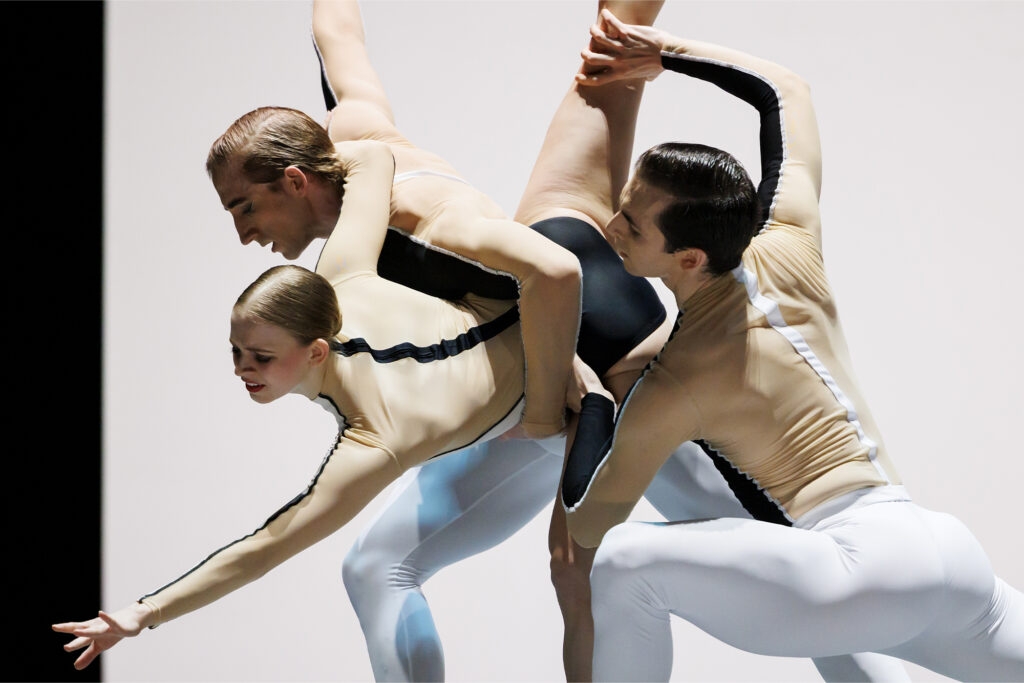
I have lived my whole life with classical ballet as my first point of departure — my primary voice. For me, it is like breathing, like speaking a language. I think of my choreography as movement paintings, as an architecture of body, space, and time. What I create grows out of my knowledge and experience with this craft, from my visions and imagination. It is a belief — a philosophy in motion, an expression of my inner world.
You began dancing at just seven years old. What was it like to connect with dance at such a young age? How has your relationship with dance evolved in the years since?
When I first started to dance, it felt like the moment that I was first introduced to my “self” — to my soul. It gave me intention and purpose. I felt that I was home. It is a relationship I have with myself and everyone I connect with. Dance is my way of communicating those things that cannot be put into words. Every day, it gives me a sense of identity, and all that comes with it — the doubts, the questions, the obstacles — helps me to discover more about what it means to live a life. Dance has shown me a way to make sense of the world we live in and to belong to it the best way I can.

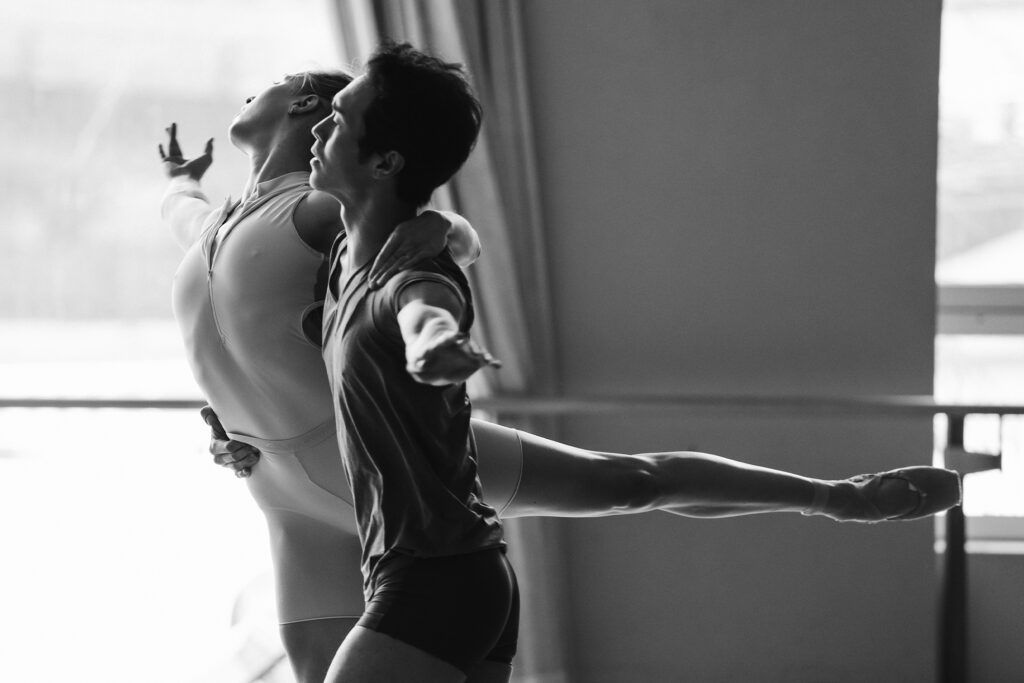

What inspired you to transition from dancing to choreography?
For me, it was a completely natural progression. Looking back, I can see clearly that being a dancer prepared me to become a choreographer, because I danced in order to learn how to create. Dancing is intoxicating — a powerful feeling of force and energy, of flying through space as an embodiment of music and emotion. I wanted to give all of myself, to disappear into that energy. Through choreography, I found a way to share that feeling with others, to help them discover their own sense of freedom, to abandon fear, to trust themselves, and to use their talent to achieve their dreams.
When crafting a new piece, what does your creative process look like? Do you tend to begin with music, movement, or an idea?
Mostly, it is always music first, almost every time. This is where the message and intention come from. Music is the guide, the source — the emotional picture and the narrative. I try to discover the dramatic structure and how I can make the music visible, sculpting a physical form of what we hear and feel. For me, it is like a cathedral, and I build from the outside inward. Within this, I can find a way to process my own life experiences and my response to the world around me, and transform these thoughts into something that can be shared.
“While creating, I have to take the risk of being as vulnerable as I can be. The emotions I try to reveal onstage are the ones I must feel for myself, to confront them and understand them.”
David Dawson
In the past, you’ve said, “Ballet is a language, and it is how you speak it that is so important.” How would you describe your choreographic voice?
Every artist has their choices to make when creating. The craft itself is the language, but how you use it makes the ultimate difference. It is very personal. It is all about choices. I try not to prescribe how people should experience what they see, or how they should watch my work. I can say that I find myself drawn to a sense of beauty, of physical poetry, and with each creation, I continue a search for an aesthetic signature that is always changing and growing. The more connected I am to my inner voice, the purer the result feels on stage. I am constantly looking for new ways to express my truth.
Your work is known for its emotional, human qualities. How do you translate thoughts and feelings — intangible things — into physical performance? Is it an intuitive process?
While creating, I have to take the risk of being as vulnerable as I can be. The emotions I try to reveal onstage are the ones I must feel for myself, to confront them and understand them. I try to channel my own understanding of these emotions through the creative act, amplifying them and giving them space to be experienced and shared. Then they can be expressed through performance. I want to see what it feels like to dance — and I will always place the artist at the front and centre of every work, because it is their experience and interpretation that are always the most compelling.
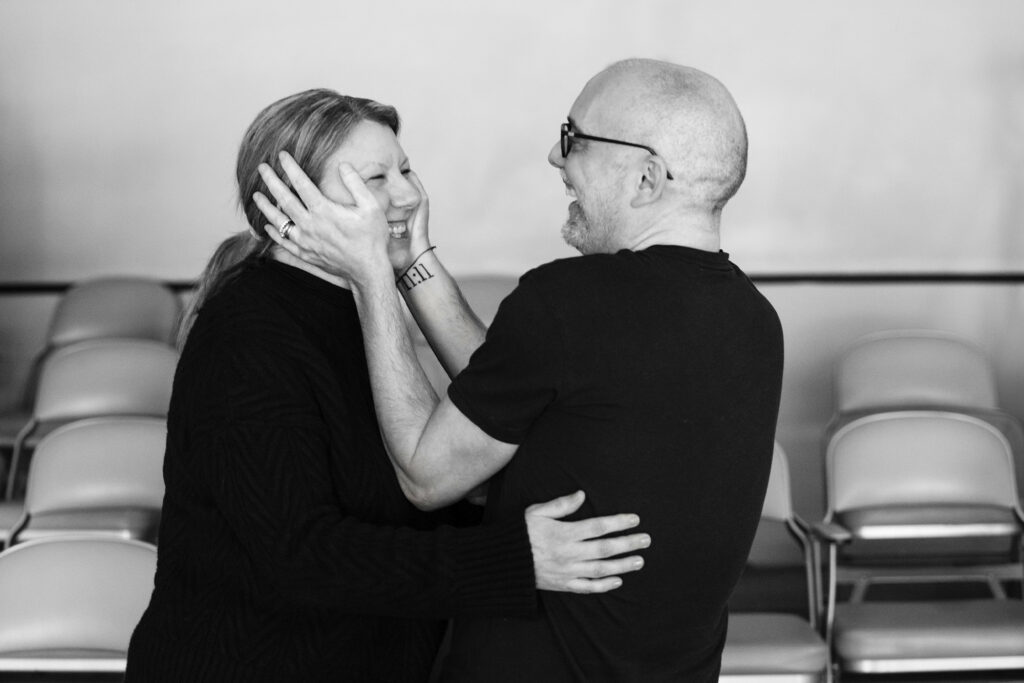
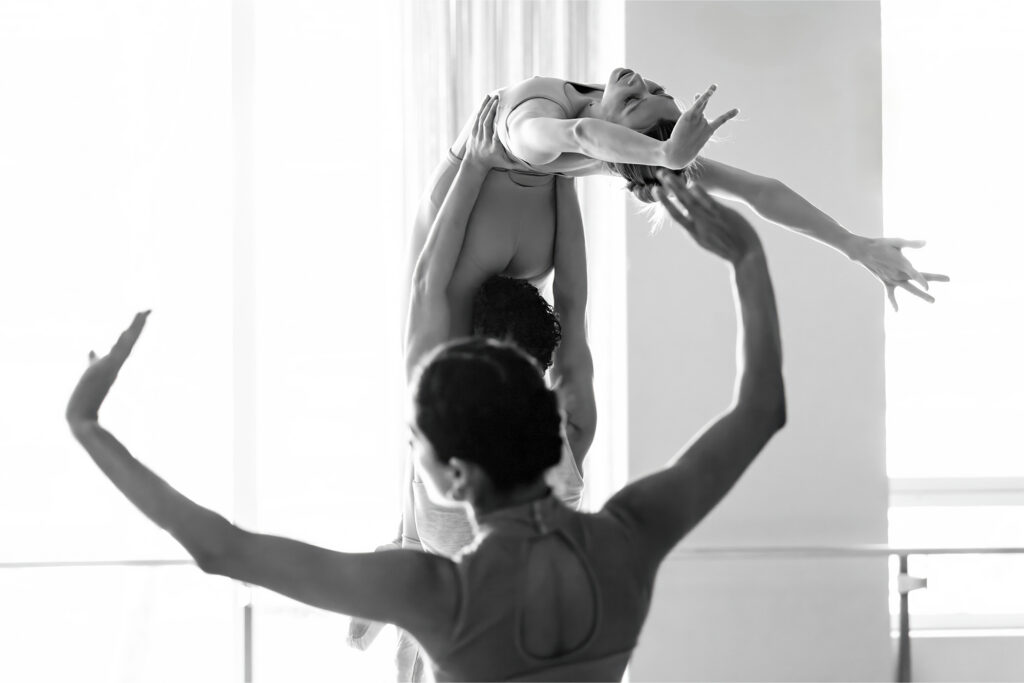

To communicate through choreography, you have to be vulnerable with your audience and performers. How do choreographers and dancers establish that level of trust?
Through clarity and honesty. With a sense of courage, and with the willingness to embrace the fear of failure. By including the people I work with in the process and focusing on what we all have in common. By making mistakes and by learning from them. By sharing in the achievement. A special bond is created through the journey of trying to reach a dream. From the studio to the moment the work is shared with the audience, it is a life lived together, an experience that is alive, real, and always very special.
PHOTOGRAPHY BY KAROLINA KURAS. COURTESY OF THE NATIONAL BALLET OF CANADA.