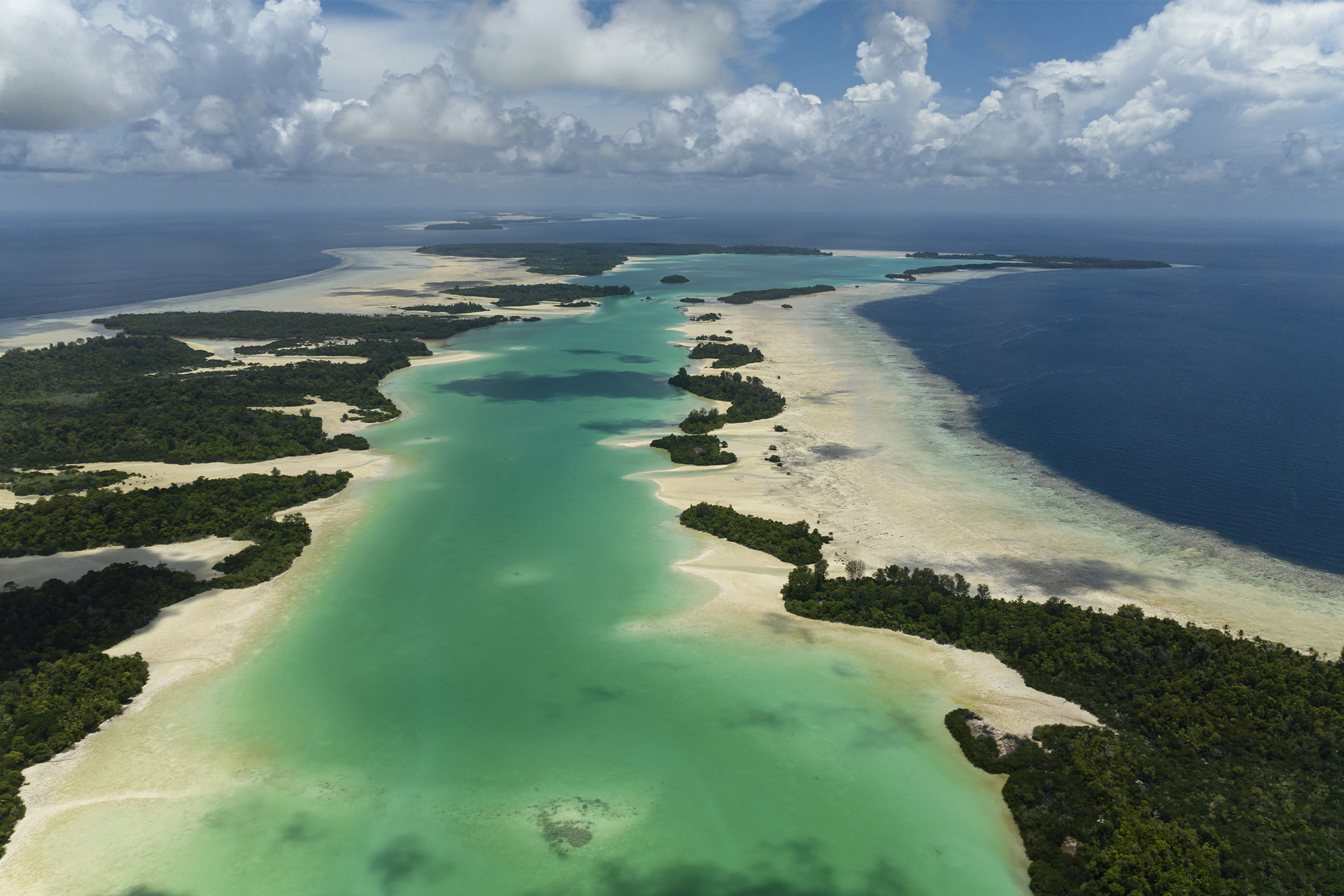
As every middle-schooler knows, dinosaurs went extinct some 65 million years ago. The coelacanth (pronounced SEEL-uh-kanth), a prehistoric fish with distinctive mottled scales, was believed to have suffered the same fate until 1938, when one turned up in a fisherman’s net off the coast of South Africa. How the coelacanth managed to survive has been a topic of great scientific interest ever since. Thanks to Swiss luxury watchmaker Blancpain and an intrepid team of researchers, however, divers recently brought back the first human-captured images of this species in Indonesia’s Maluku archipelago.
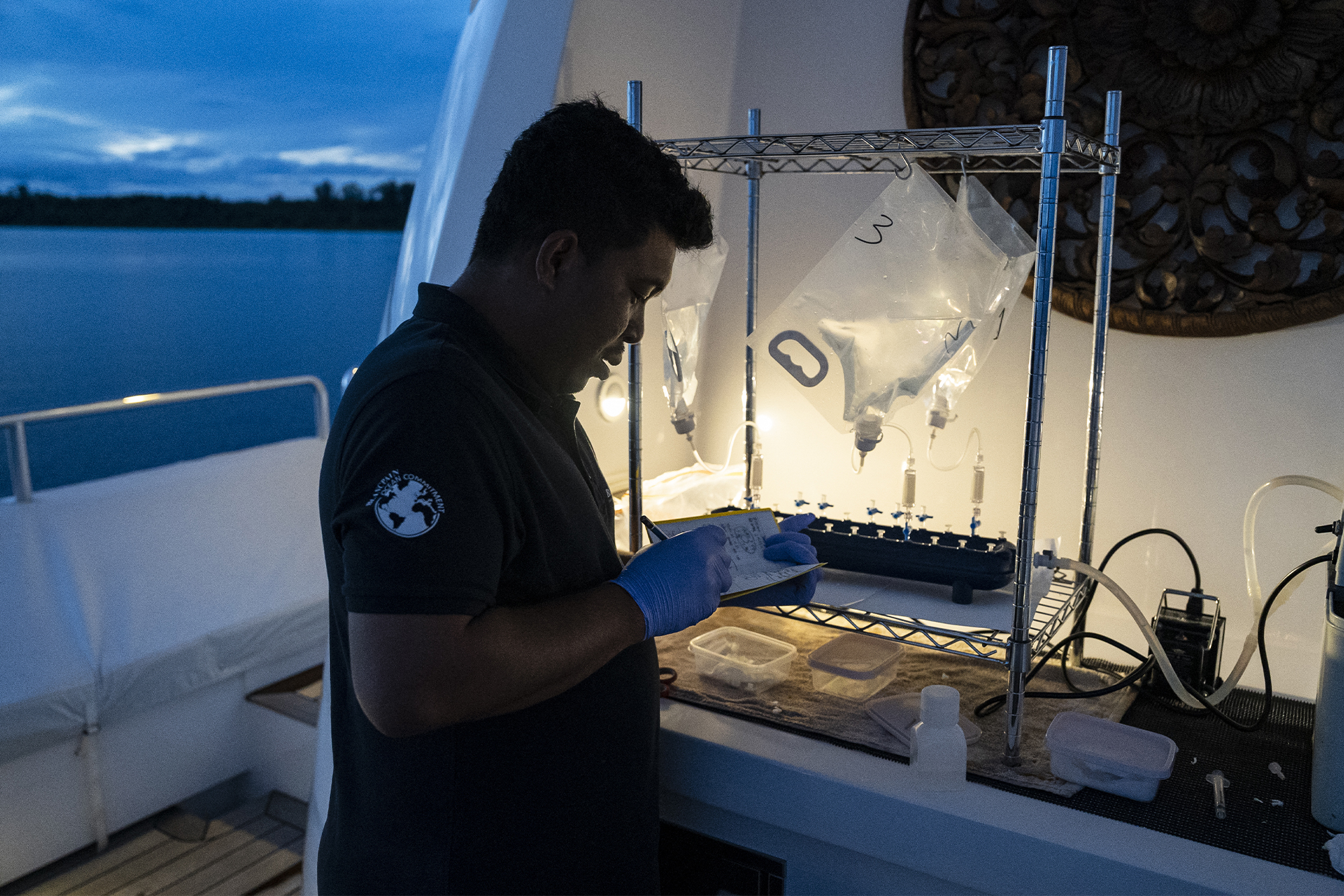
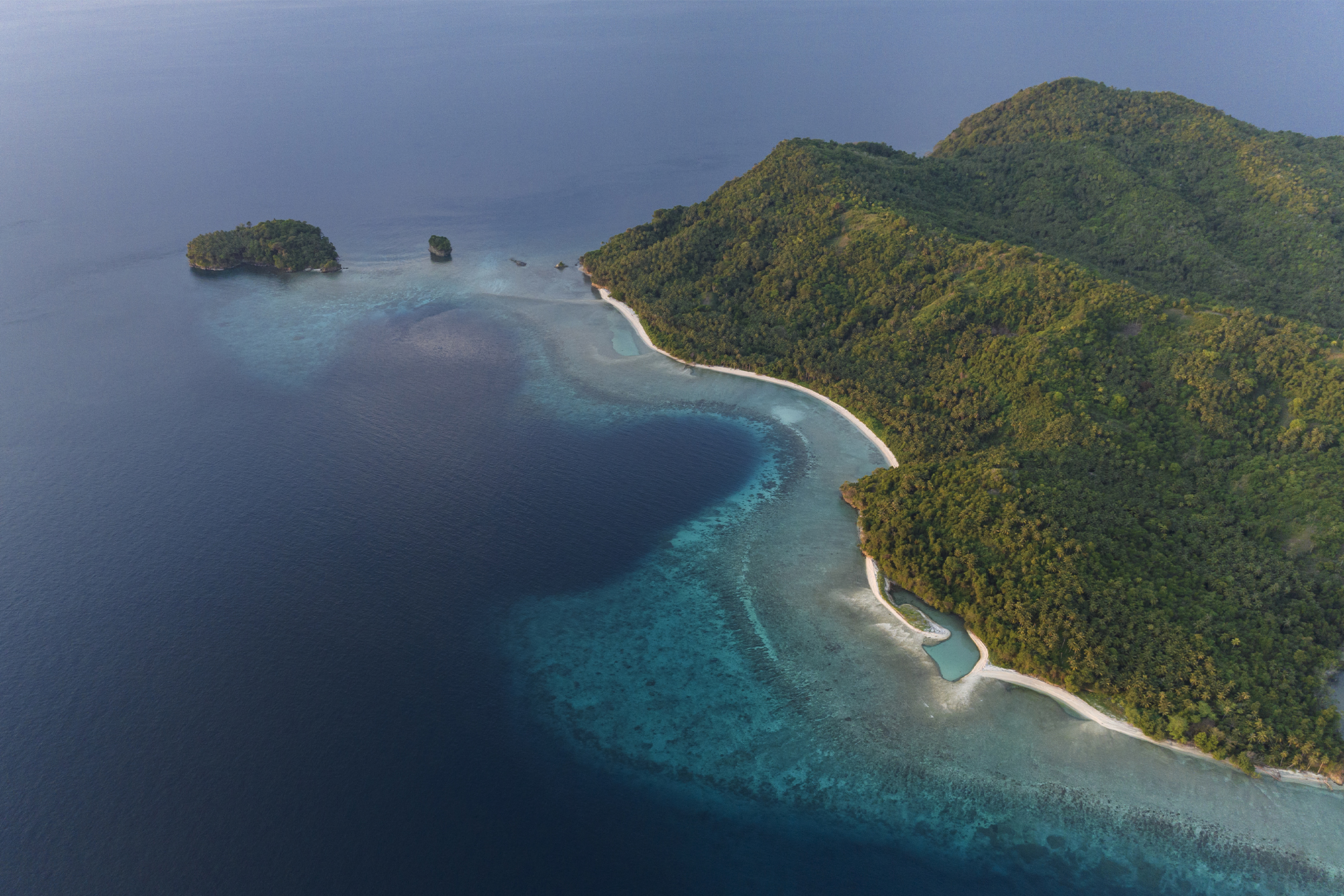
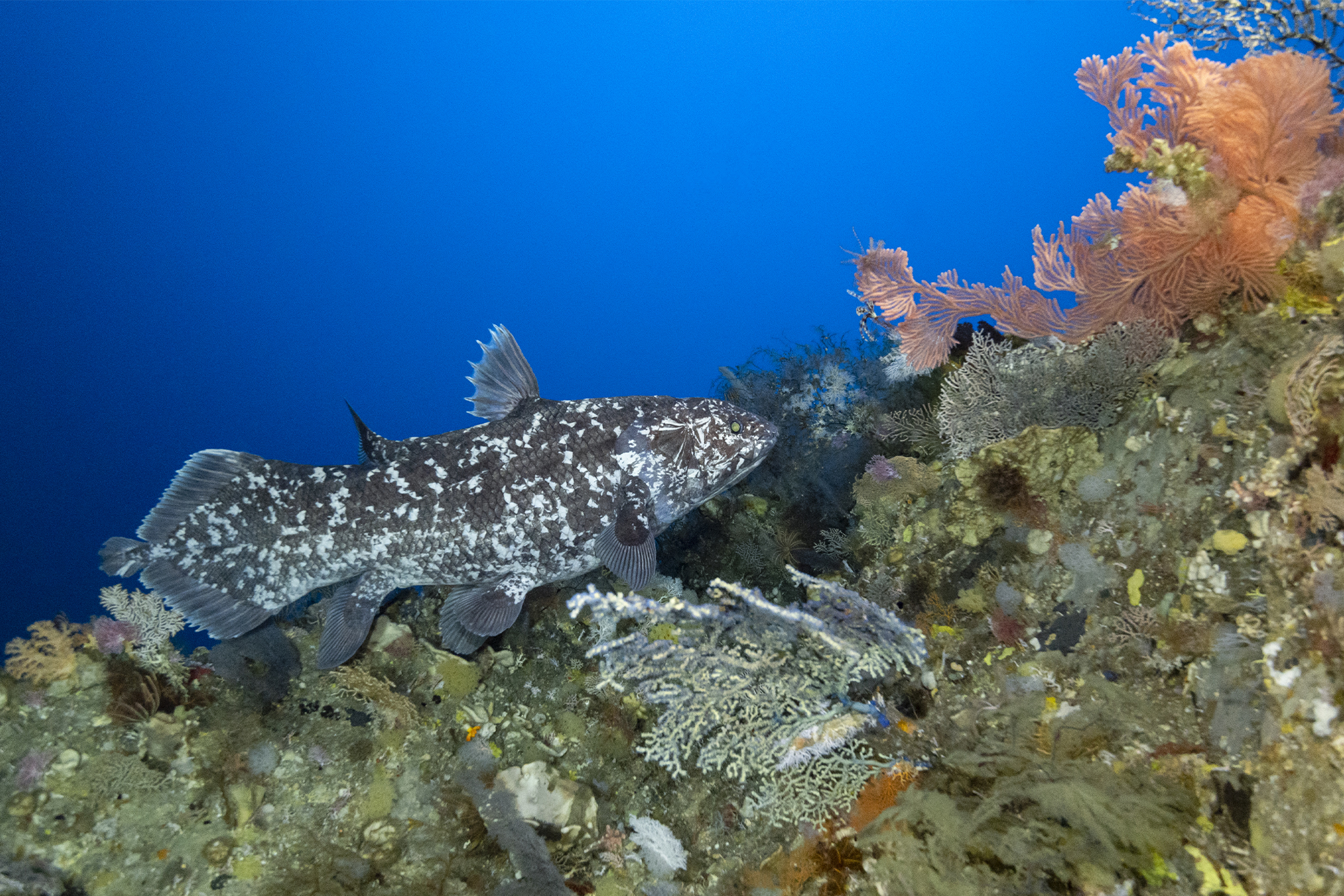
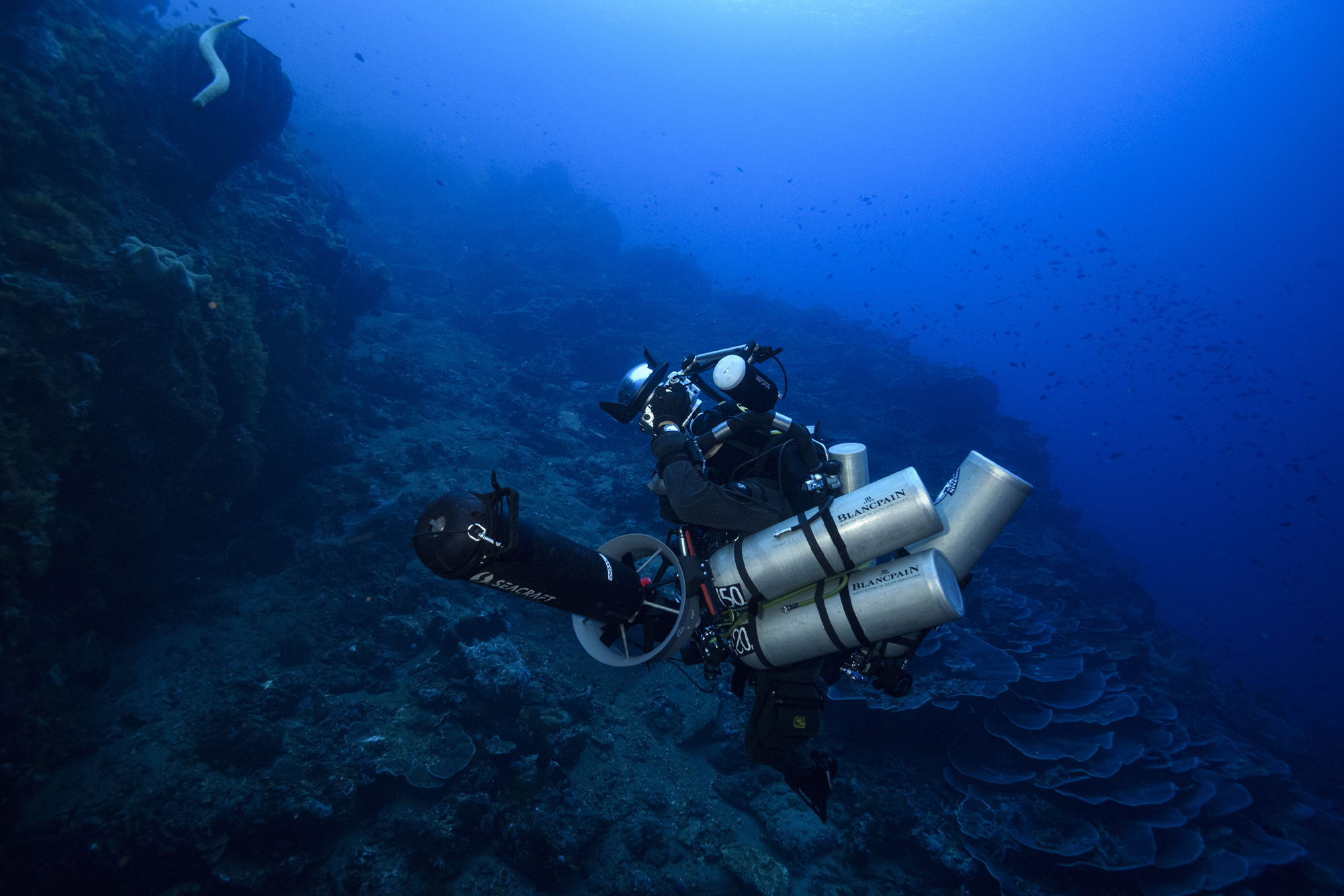
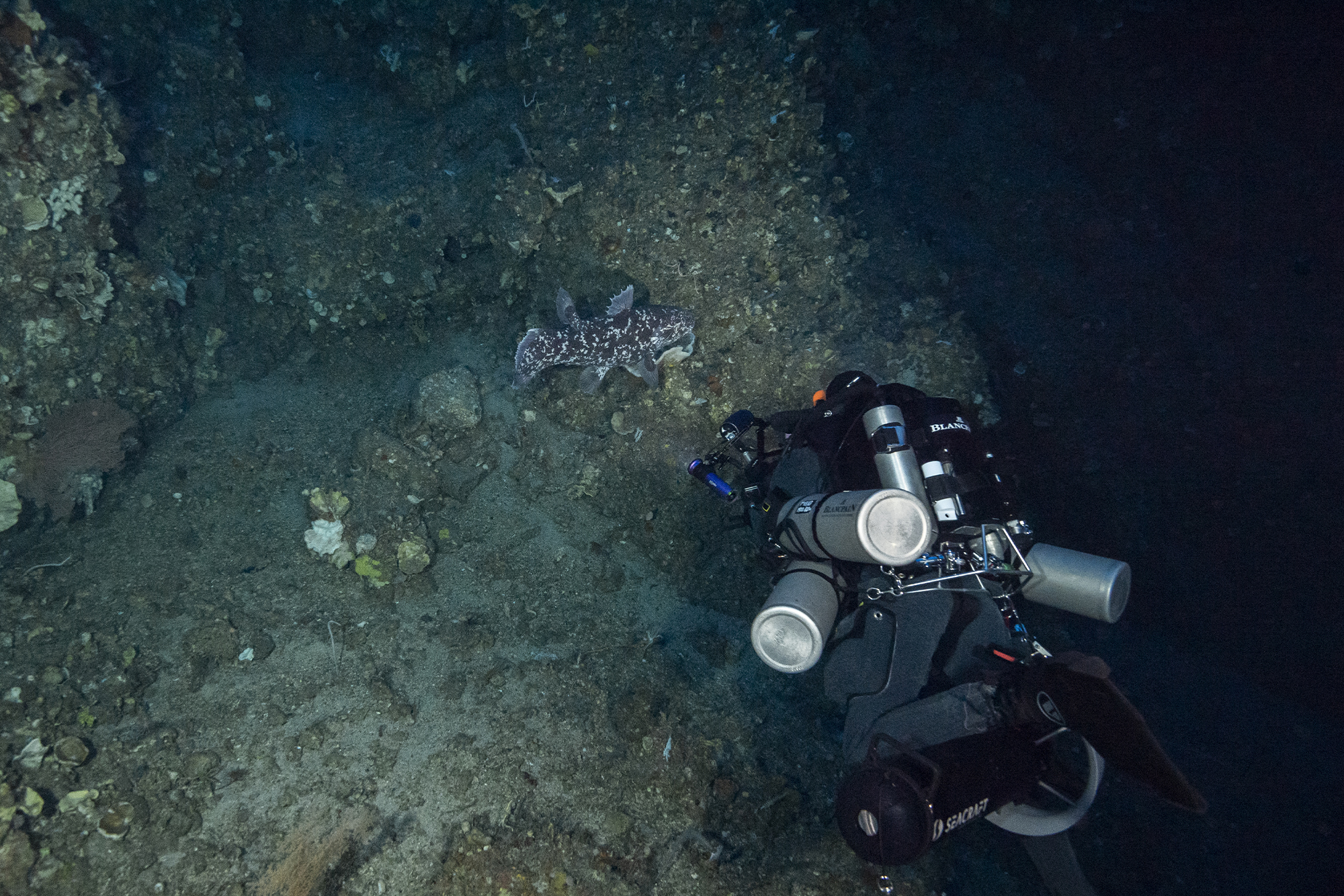
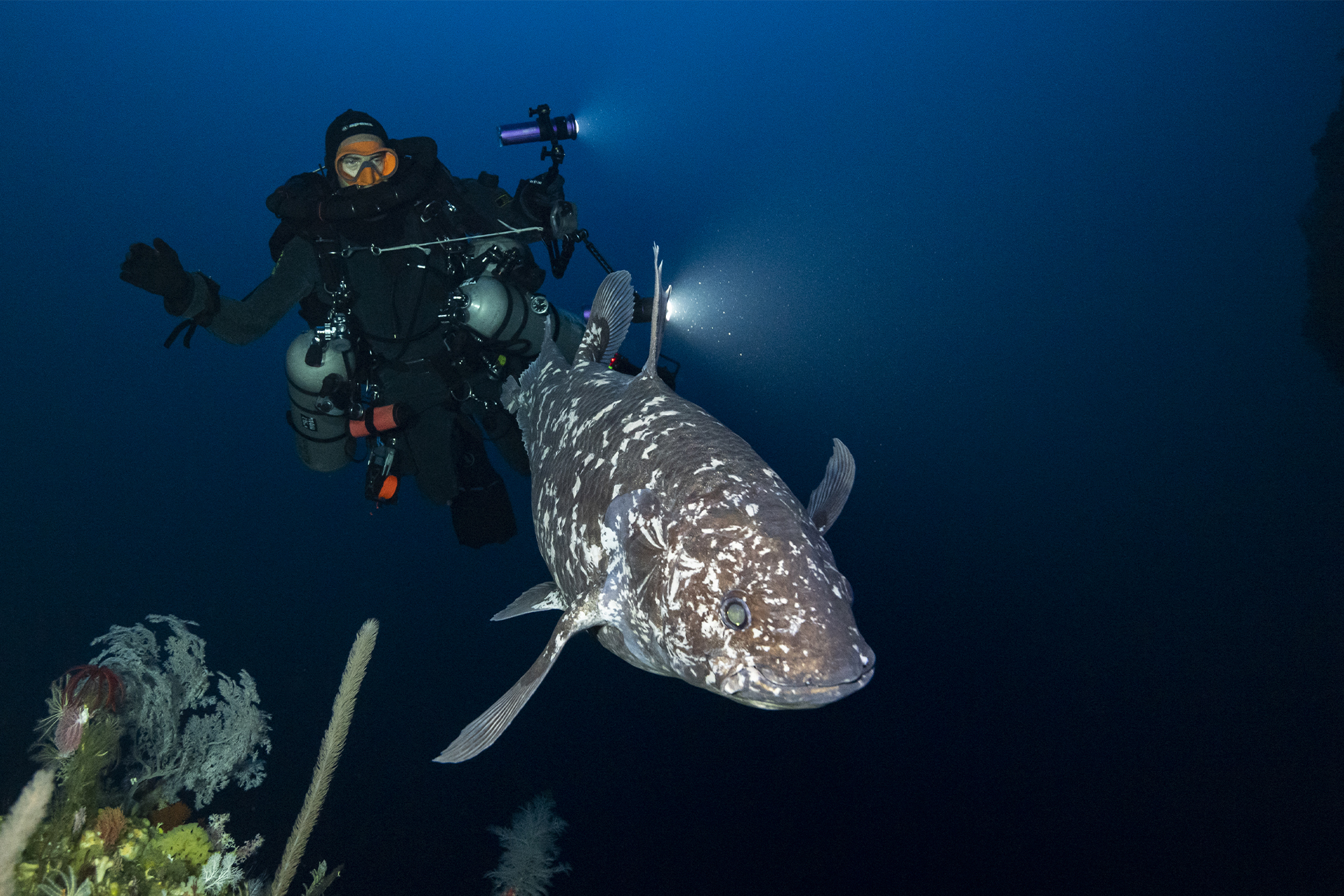
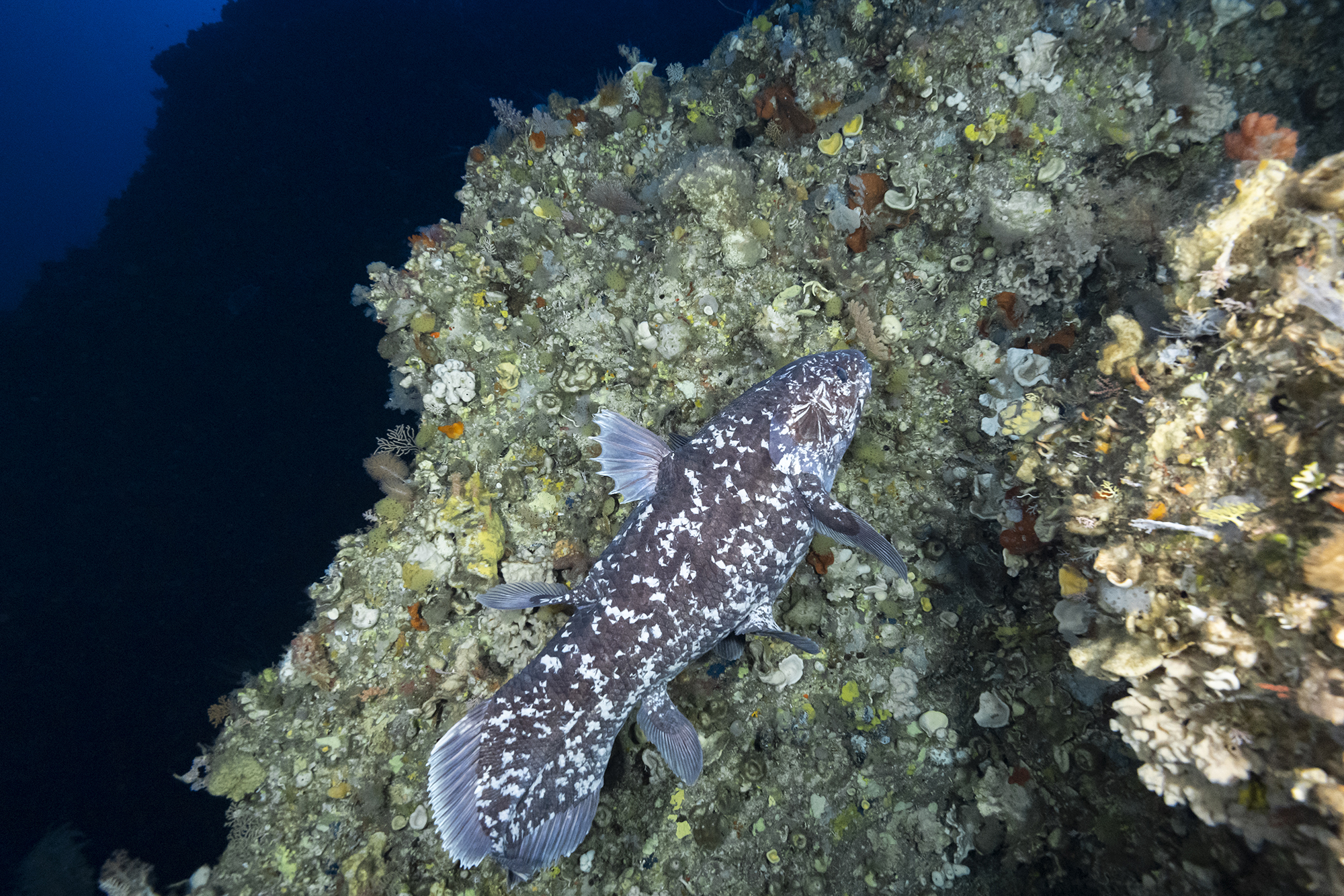
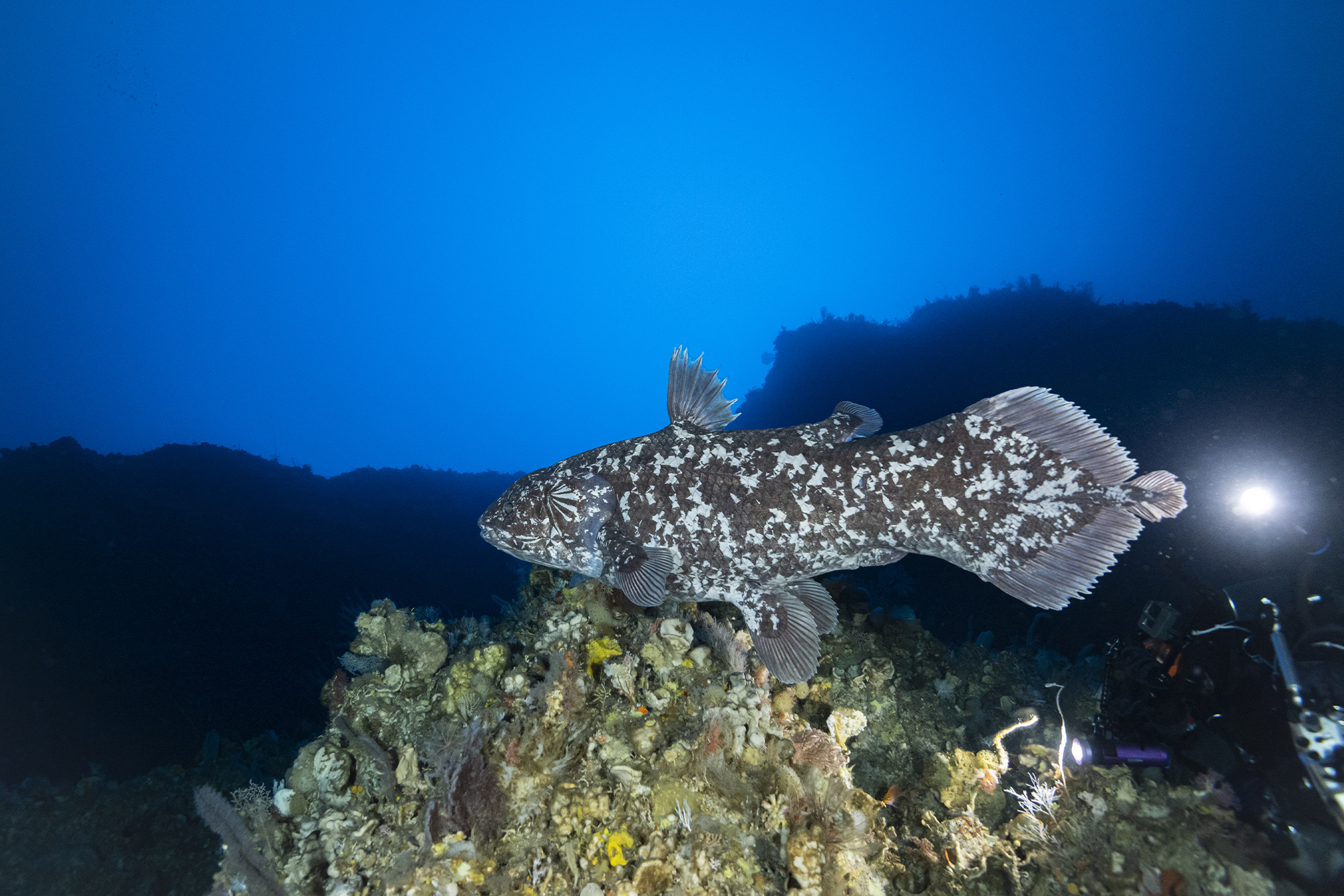
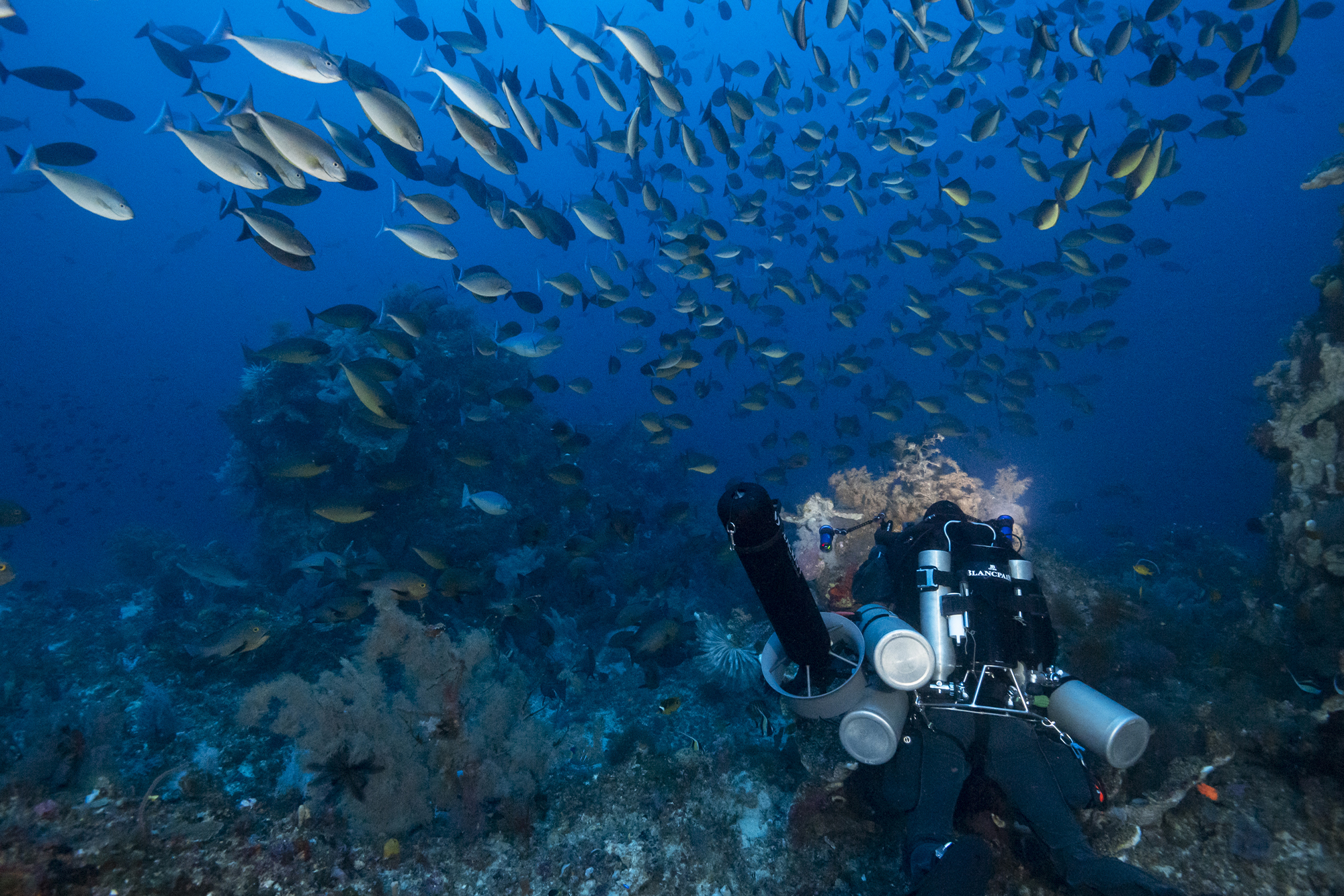
Face to Face with the Coelacanth, a new mini-documentary co-produced by Blancpain, follows French marine biologist and National Geographic Explorer Alexis Chappuis as he leads a team to gather scientific data about one of two known subspecies of coelacanths. While coelacanths are believed to have been around for upwards of 400 million years, because they live at depths up to 700 meters, few have been observed in the wild.
In 2013, photographer Laurent Ballesta became one of the first people to see the prehistoric fish up close when, on a Blancpain-backed expedition, he photographed the West Indian Ocean coelacanth near South Africa. Aside from its rarity, what fascinates scientists about the coelacanth is its unusual physiology, with a vestigial lung and lobe-like fins that move like limbs. Uniquely, they also give birth to live young, with embryos developing inside the mother for up to 5 years, and are believed to live for up to 100 years.
A Blancpain-Backed Expedition Just Photographed One of the World’s Rarest Sea Creatures
From “Face to Face with the Coelacanth.” Photo © Alexis Chappuis, courtesy of Blancpain.

A Blancpain-Backed Expedition Just Photographed One of the World’s Rarest Sea Creatures
From “Face to Face with the Coelacanth.” Photo © Alexis Chappuis, courtesy of Blancpain.
A Blancpain-Backed Expedition Just Photographed One of the World’s Rarest Sea Creatures
From “Face to Face with the Coelacanth.” Photo © Alexis Chappuis, courtesy of Blancpain.
A Blancpain-Backed Expedition Just Photographed One of the World’s Rarest Sea Creatures
From “Face to Face with the Coelacanth.” Photo © Alexis Chappuis, courtesy of Blancpain.
A Blancpain-Backed Expedition Just Photographed One of the World’s Rarest Sea Creatures
From “Face to Face with the Coelacanth.” Photo © Alexis Chappuis, courtesy of Blancpain.
A Blancpain-Backed Expedition Just Photographed One of the World’s Rarest Sea Creatures
From “Face to Face with the Coelacanth.” Photo © Alexis Chappuis, courtesy of Blancpain.
A Blancpain-Backed Expedition Just Photographed One of the World’s Rarest Sea Creatures
From “Face to Face with the Coelacanth.” Photo © Alexis Chappuis, courtesy of Blancpain.
A Blancpain-Backed Expedition Just Photographed One of the World’s Rarest Sea Creatures
From “Face to Face with the Coelacanth.” Photo © Alexis Chappuis, courtesy of Blancpain.
A Blancpain-Backed Expedition Just Photographed One of the World’s Rarest Sea Creatures
From “Face to Face with the Coelacanth.” Photo © Alexis Chappuis, courtesy of Blancpain.
A Blancpain-Backed Expedition Just Photographed One of the World’s Rarest Sea Creatures
From “Face to Face with the Coelacanth.” Photo © Alexis Chappuis, courtesy of Blancpain.
A Blancpain-Backed Expedition Just Photographed One of the World’s Rarest Sea Creatures
From “Face to Face with the Coelacanth.” Photo © Alexis Chappuis, courtesy of Blancpain.
A Blancpain-Backed Expedition Just Photographed One of the World’s Rarest Sea Creatures
From “Face to Face with the Coelacanth.” Photo © Alexis Chappuis, courtesy of Blancpain.
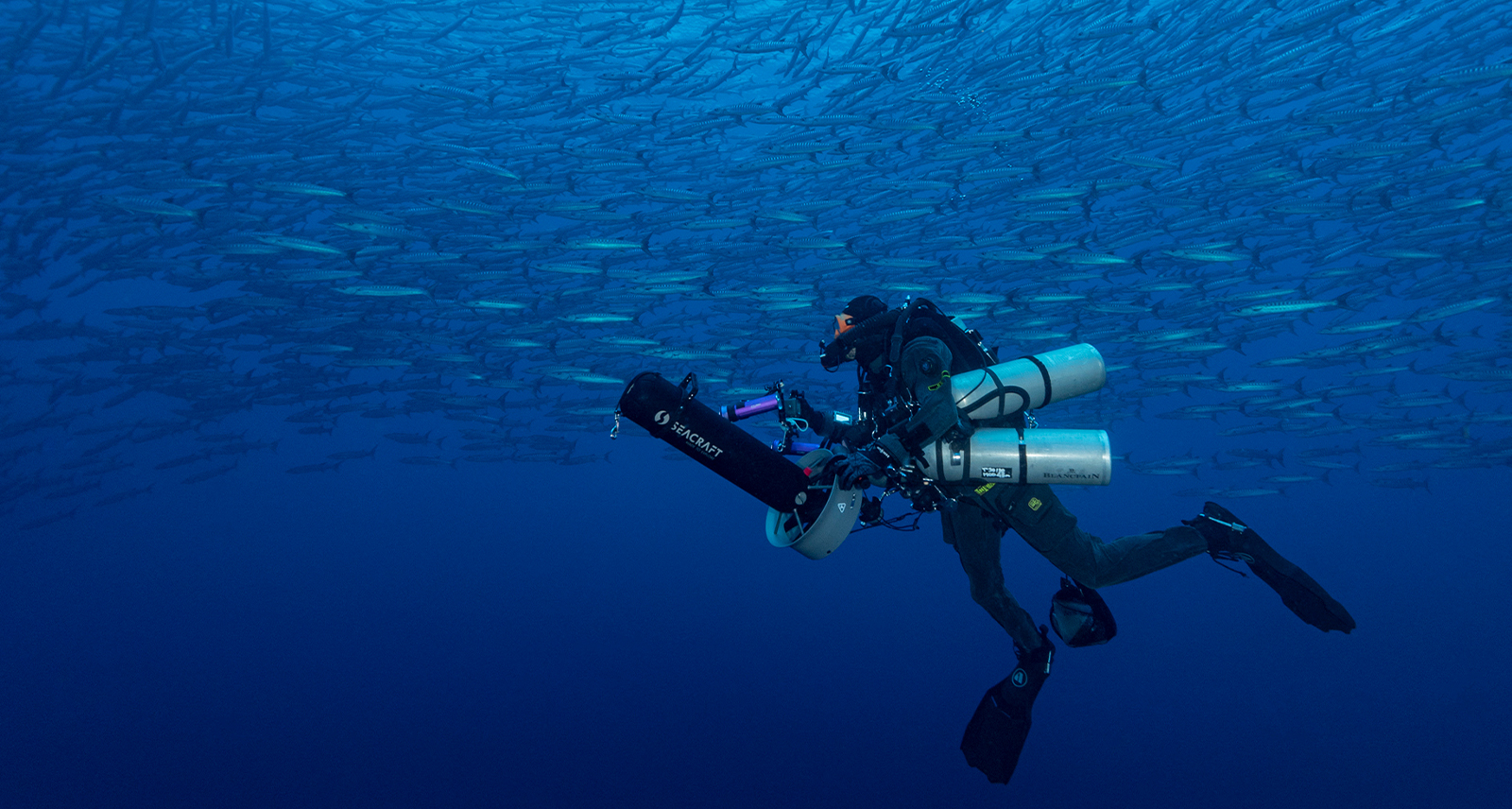
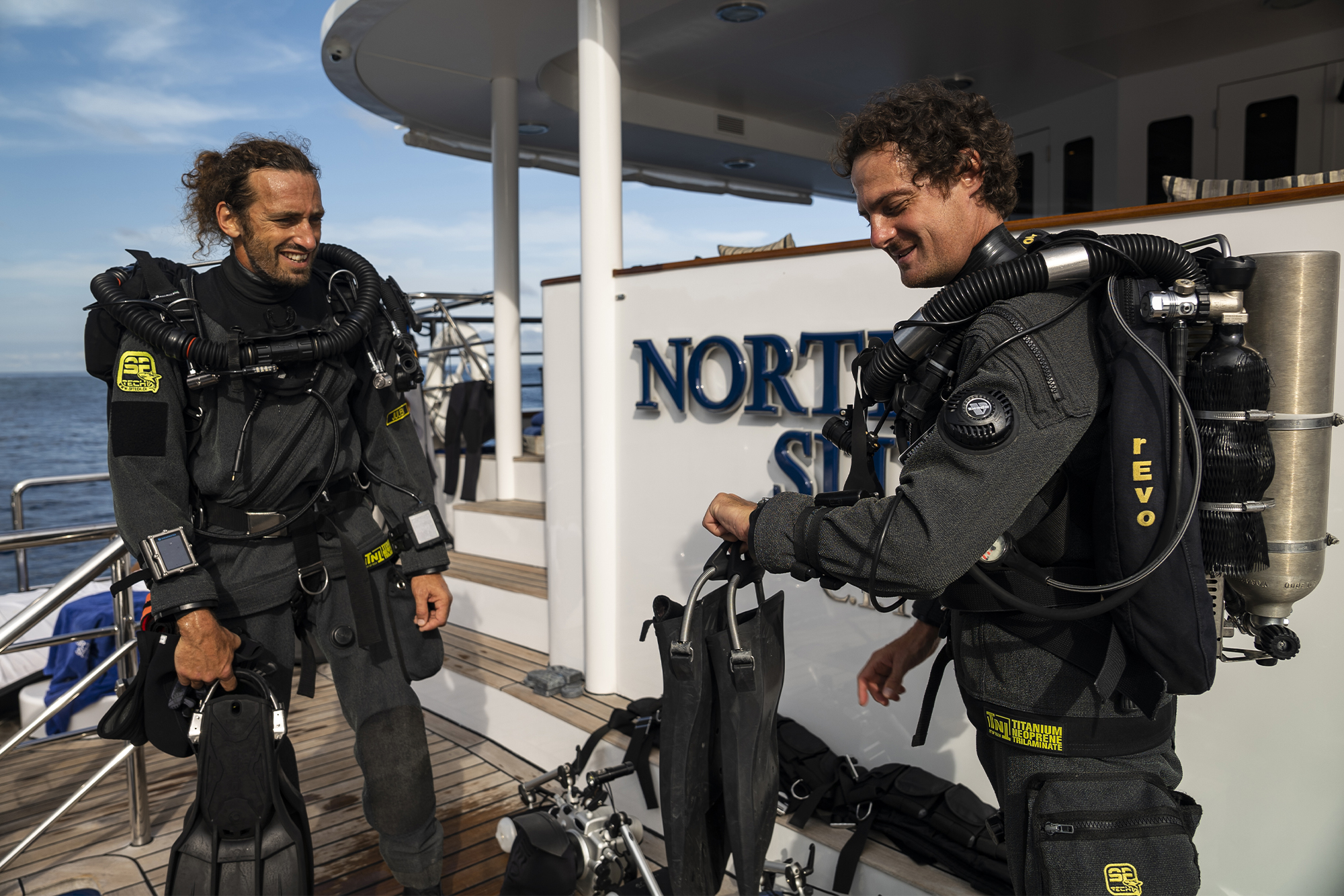
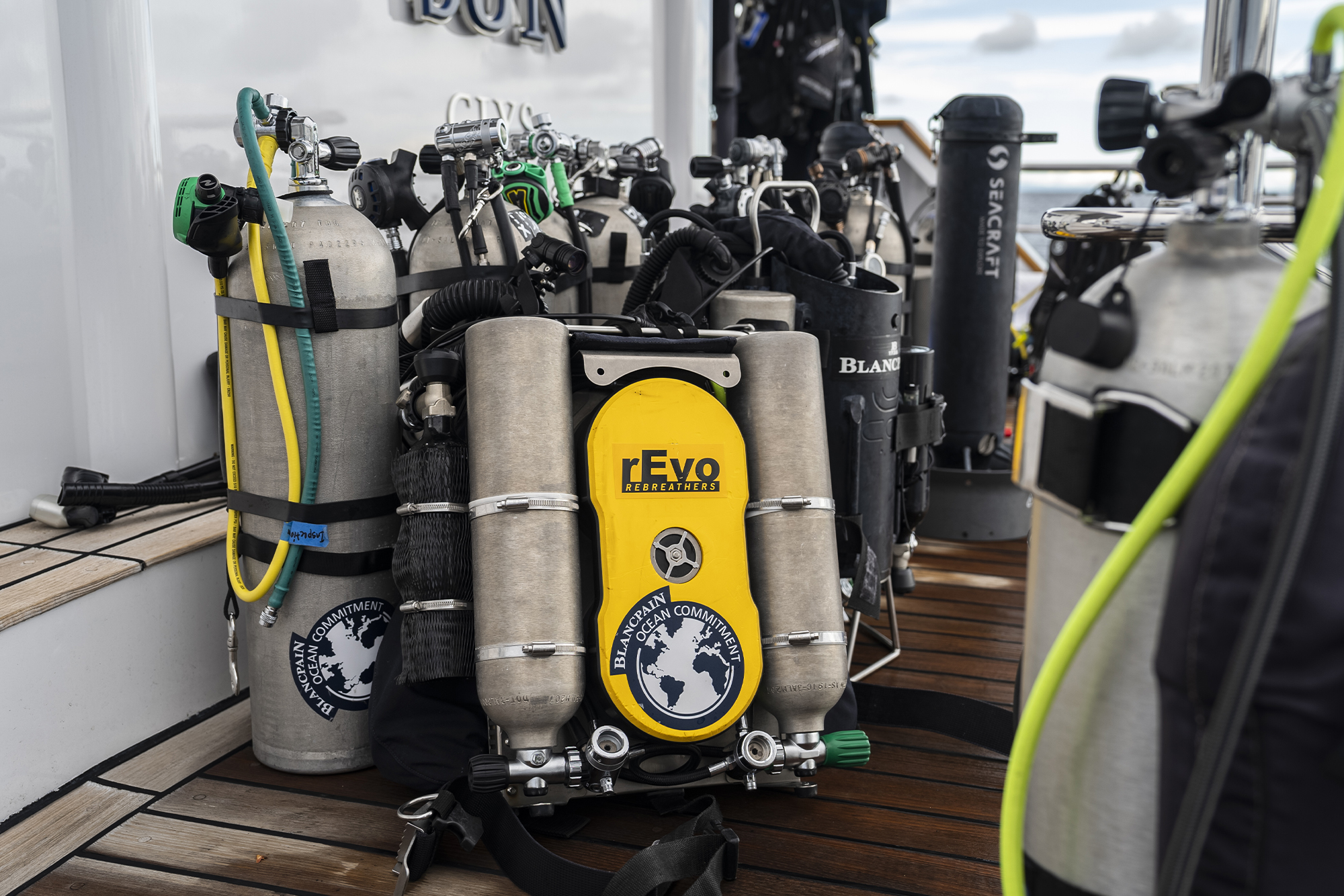
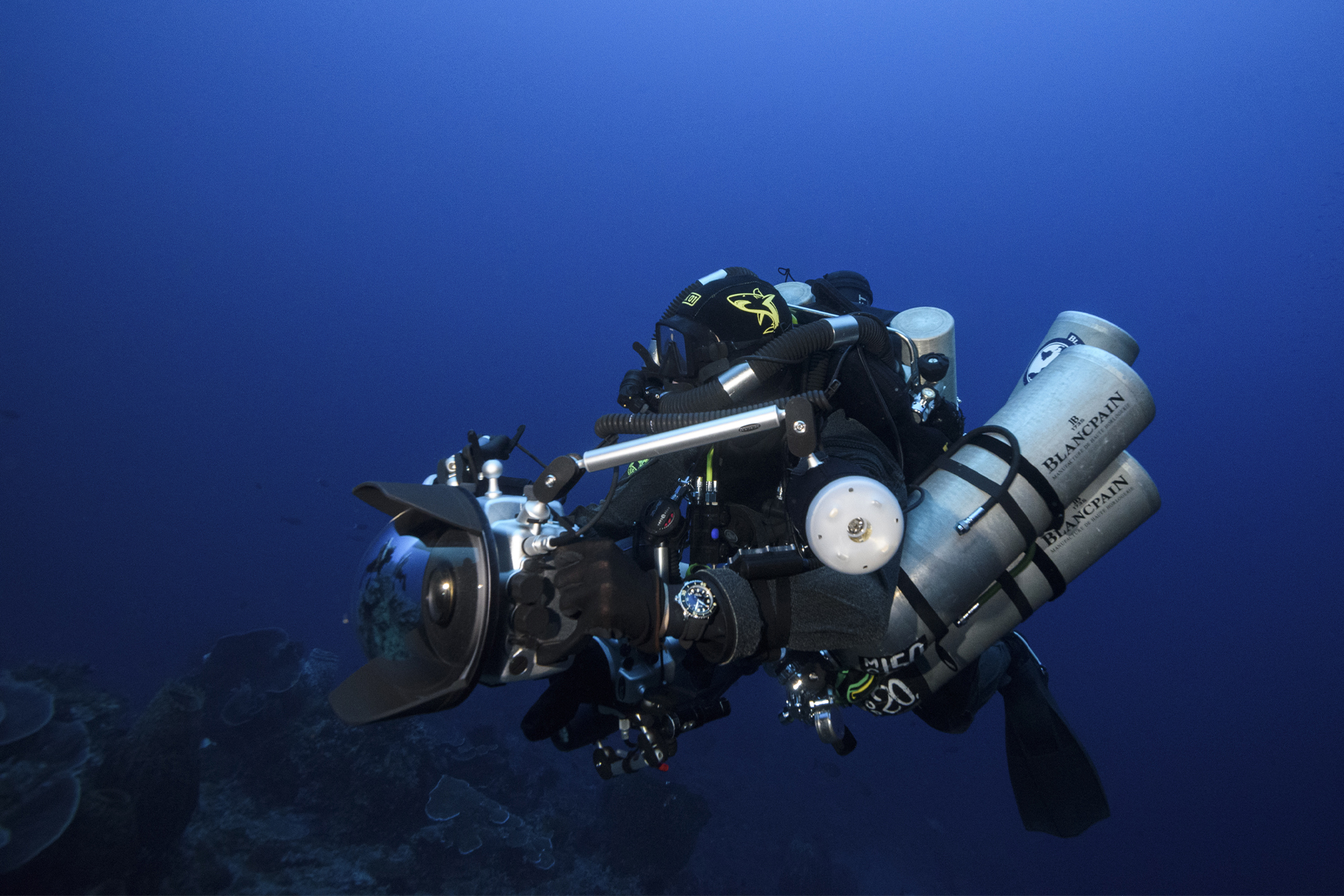
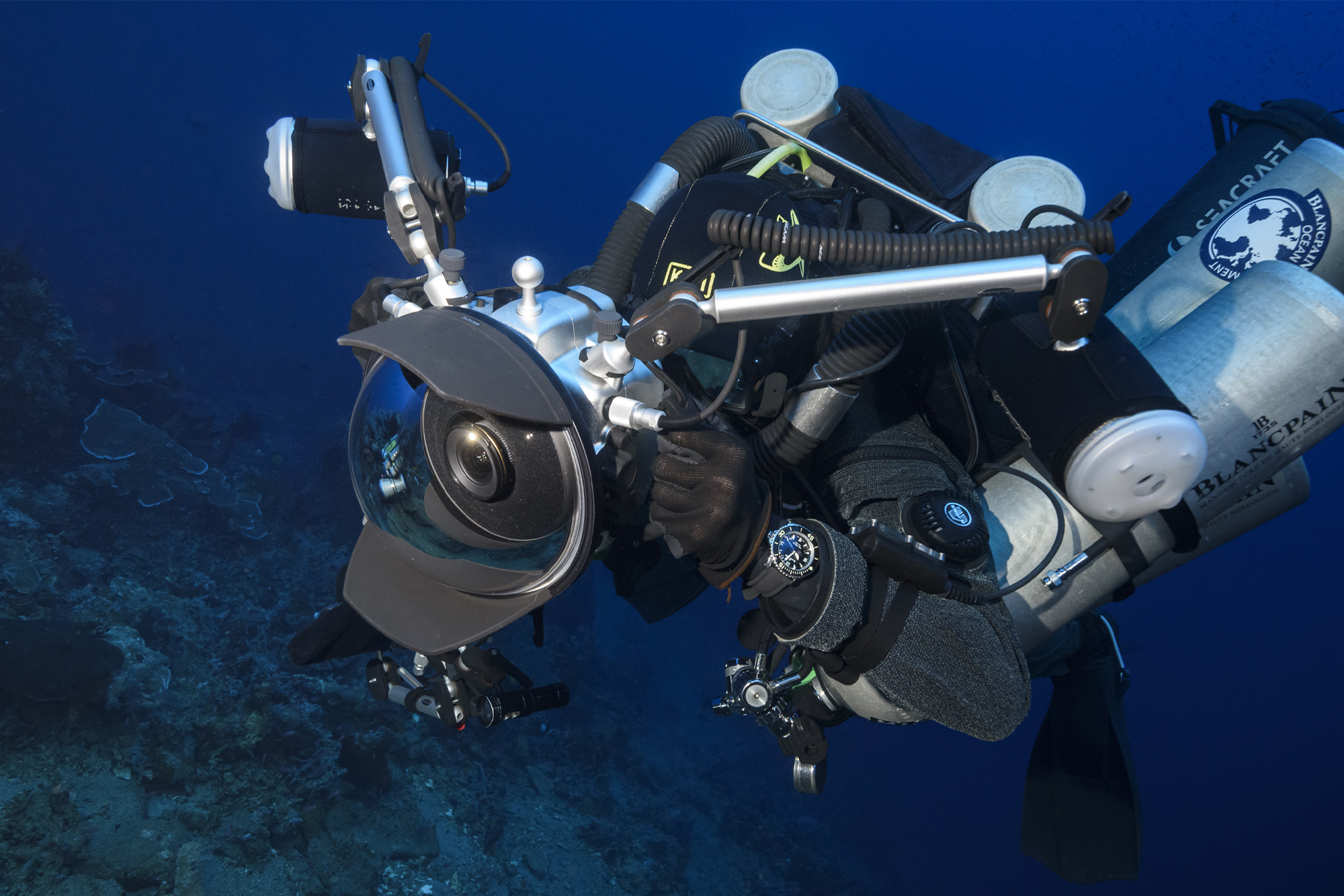
To find the coelacanth, Chappuis had to dive to more than 140 meters, a depth requiring 5-plus hours of decompression and a specialized trimix gas breathing setup. Fortunately, these efforts were rewarded with photos, videos, and other crucial data that will reveal more about this little-understood species. “I’m delighted to see that this team has managed to settle the long-standing question of whether coelacanths occur in the North Maluku region,” said Dr. Mark Erdmann, Vice President of Conservation International’s Asia-Pacific marine programs. “The fact that they were able to do such using deep trimix diving is even more impressive and opens the door to a plethora of exciting conservation research opportunities.”
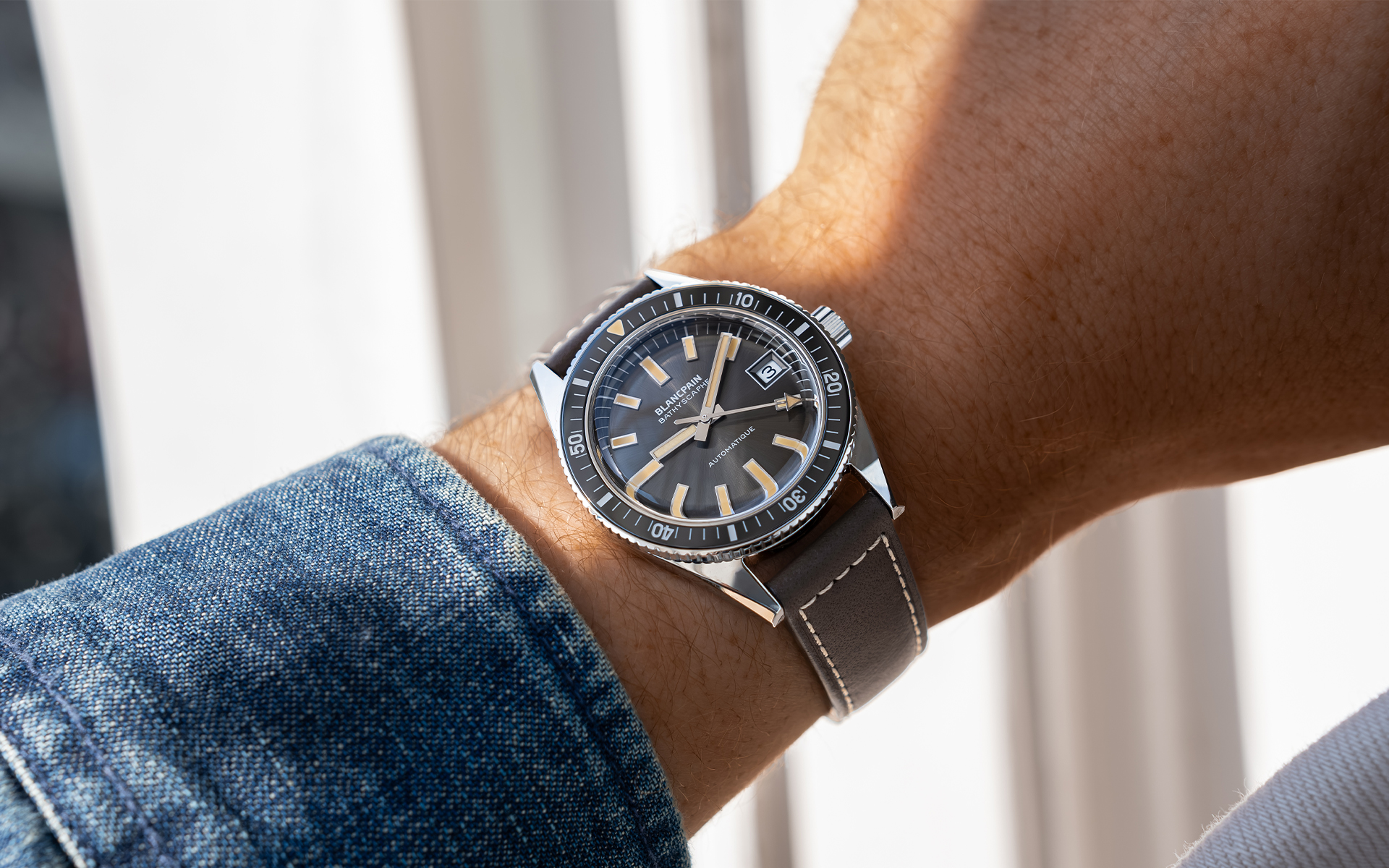
Blancpain, of course, is no stranger to undersea exploration. In addition to creating one of the world’s first modern divers’ watches, the Fifty Fathoms, the brand supports the work of marine biologists and conservationists through the Blancpain Ocean Commitment. The brand has also helped to create the Blancpain x Sulubaaï Marine Research Center in the Philippines’ Palawan archipelago, an extension of a successful pilot program for the creation of community-managed marine protected areas, and a model for other initiatives around the world.
Along with the recent coelacanth expedition, work like this is vital to the preservation of some of the world’s most vulnerable ecosystems. Thanks to Chappuis and his colleagues, we now have one more reason to care about protecting the hidden world beneath the waves.