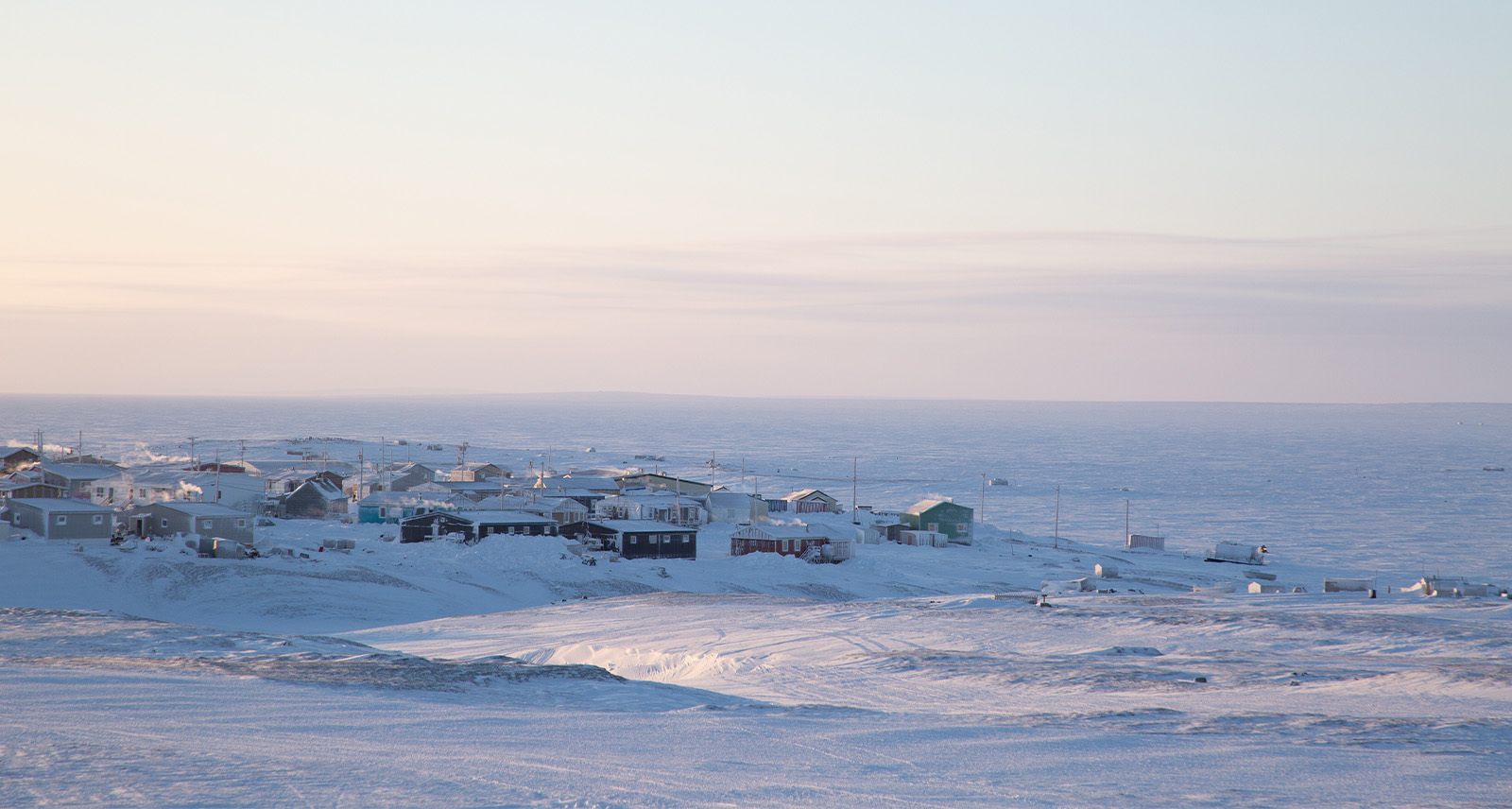
King William Island, Nunavut, or Qikqtaq to its Indigenous people, is located in the Arctic Archipelago, about 1,000 kilometres Northeast of Yellowknife. Home to just 1,300 residents in the island’s only settlement, Gjoa Haven, it’s a difficult place for outsiders to reach for most of the year (the wrecks of the ill-fated Franklin expedition are located nearby). For oceanographer and National Geographic explorer Kristina Brown, however, Gjoa Haven and the nearby Sherman Basin are ideal locations to study the polar oceans, one of the planet’s least understood environments. As part of a two-year series of expeditions supported by Rolex and National Geographic, Brown’s team will not only gather scientific data, but also work with the local community to protect food security in one of the planet’s most rapidly warming regions.
As they have for millennia, many residents of Gjoa Haven rely on hunting and fishing for wildlife, including caribou, seabirds, char, and seal for sustenance. With the Arctic warming at four times the rate of the rest of the planet, however, the changing climate could soon have a major impact on these species’ survival, and the livelihood of many Arctic communities by extension. The rapidly warming climate can also provide insights into the impacts of climate change elsewhere on Earth. “The Arctic has been thought to be sort of a bellwether for other parts of the planet in the future,” Brown says. “The Arctic isn’t just sitting in isolation experiencing these changes; the warming that’s happening [there] affects broader components of Earth’s climate system that impact those of us who live in the south.”
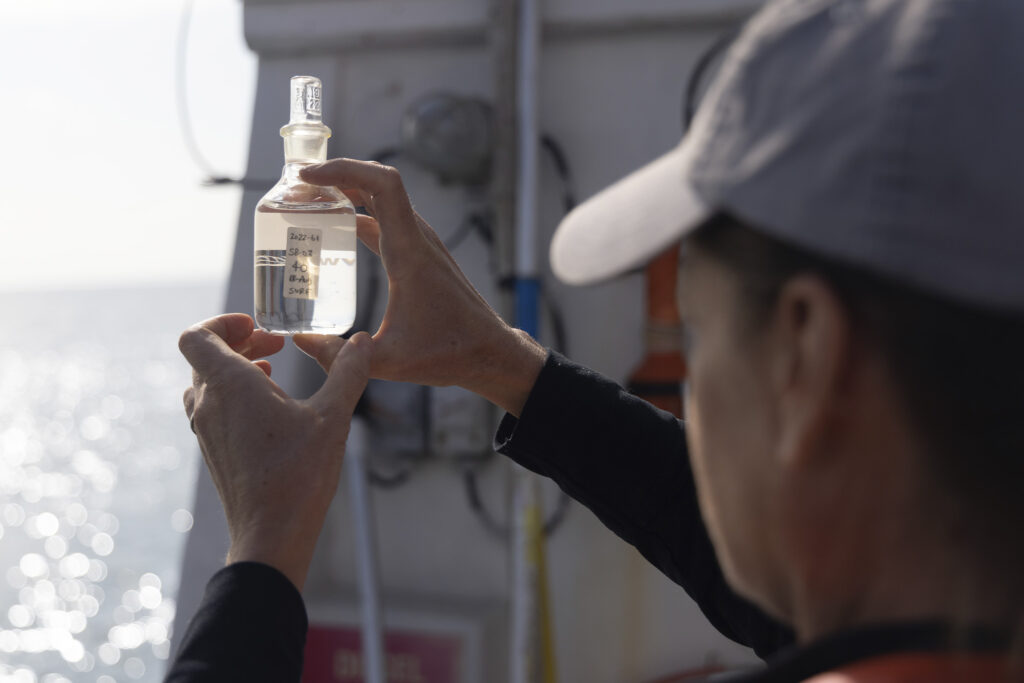
In addition to researchers from Fisheries and Oceans Canada, the University of Tromsø in Norway, and the University of Alaska Fairbanks, youth and elders from Gjoa Haven have played an important role in the expedition, bringing knowledge of the region and guiding the project with their questions. “What’s amazing about collaborating closely with the Inuit community is that their knowledge of the local ecosystem goes back millennia,” Brown says. “So we get to take the observations of scientists today and put them into the context of these long-term changes that have been observed over time by communities. That’s a really powerful way to be able to view change.”
The Gjoa Haven expedition is part of an ongoing series led by an international team of National Geographic explorers and multidisciplinary scientists to some of the planet’s most critical and least understood environments. Launched in 2019, the Rolex National Geographic Perpetual Planet Expeditions have placed weather stations on Mount Everest, extracted ice cores from the Yukon, and mapped the hydrological cycle of the Amazon River basin. From the sea floor to the top of the world’s highest peaks, the data collected will deepen humanity’s understanding of the planet, document the many ways in which it’s changing, and provide insights into the implications for people and wildlife.
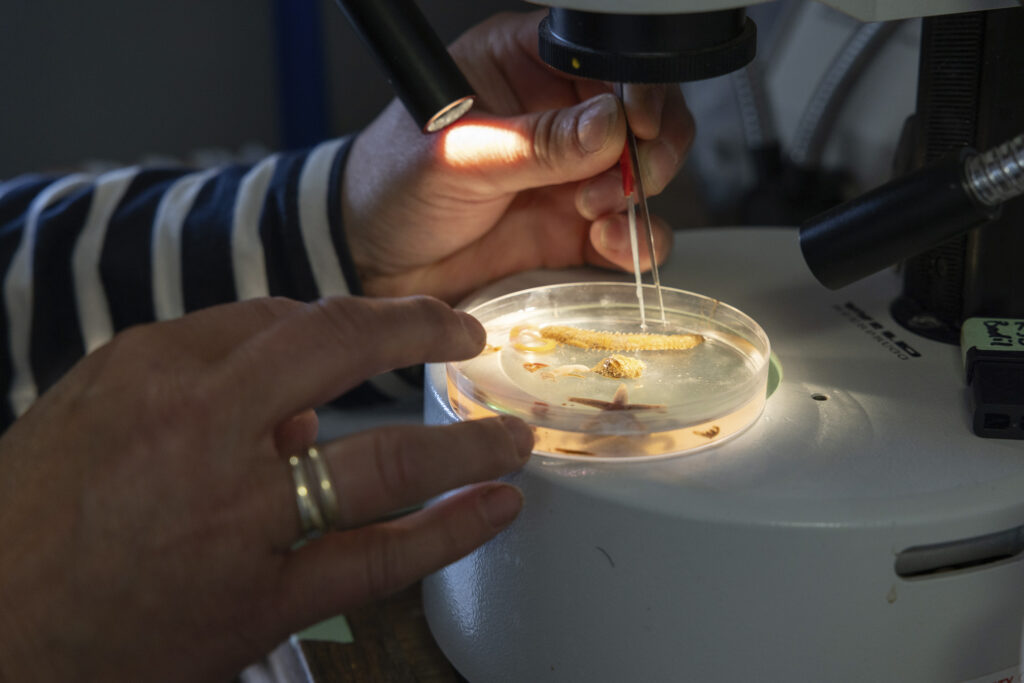
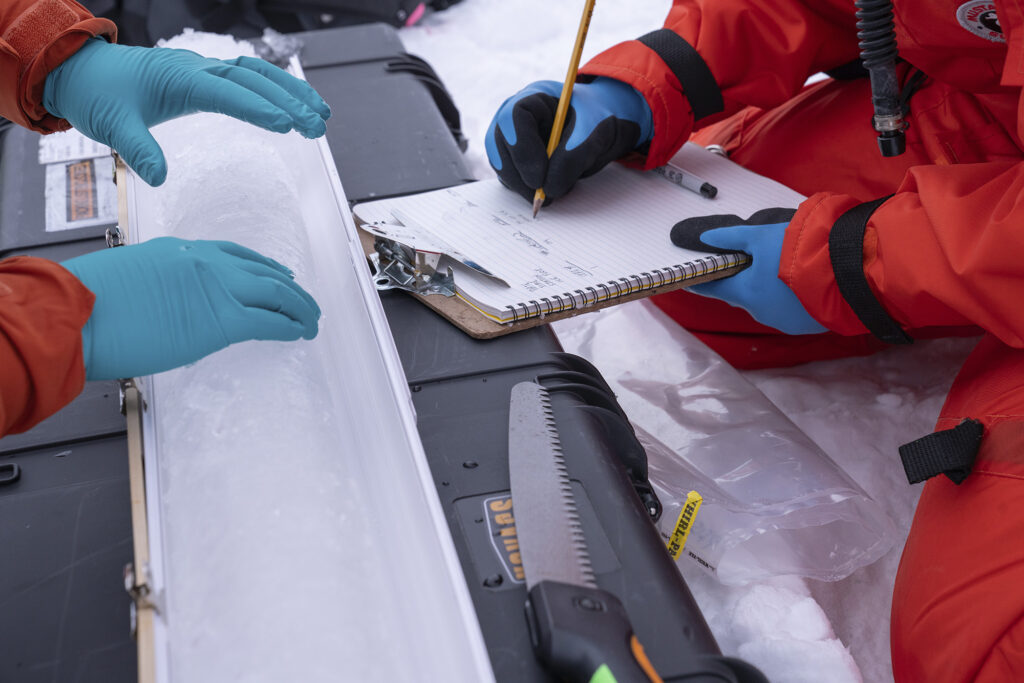
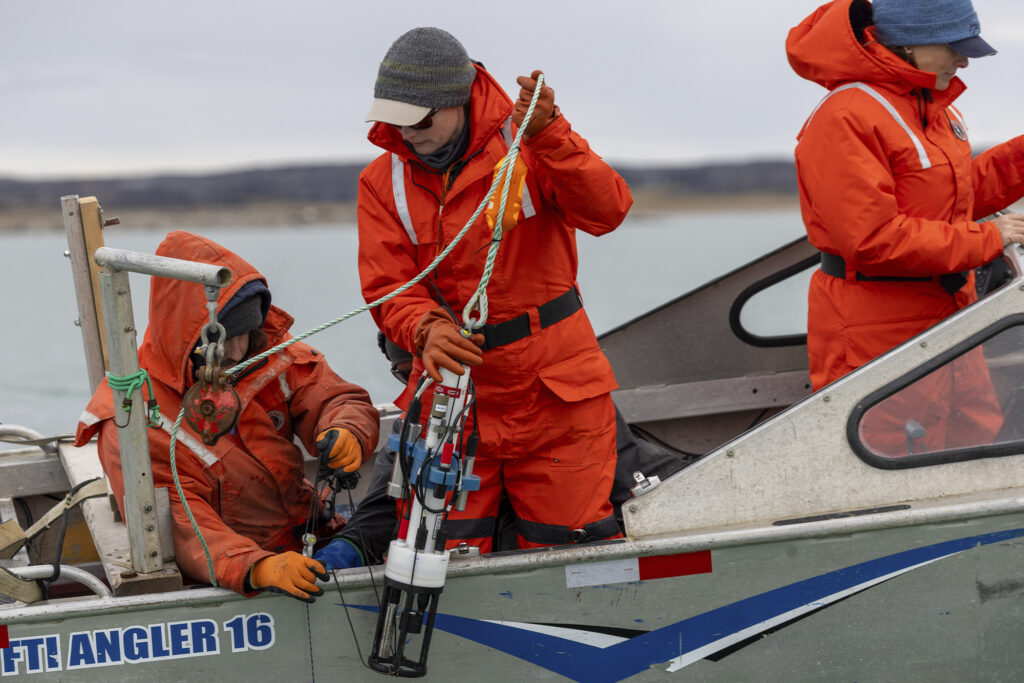
Brown’s Arctic study is part of the Rolex and National Geographic Perpetual Planet Ocean Expeditions, a recently launched series of trailblazing explorations in all five regions of the world’s oceans. After collecting a wide range of samples, from sea water and sediment to kelp and zooplankton, Brown is now in the process of analyzing them to better understand how this important ecosystem functions.
“I think a lot of the questions that we’ve been trying to investigate come down to what makes this region special and how might it be changing,” she says. “The change is hard for me to see in just a couple of years of observing, but when we can put it into the context of the community’s very long record of what the system looks like, then we have an opportunity to better understand the changes.”
It’s one small part in a highly complex global puzzle to map the impacts of climate change. For the people of Gjoa Haven and countless others across the Arctic, however, it could be an important step in adapting to a rapidly changing world.