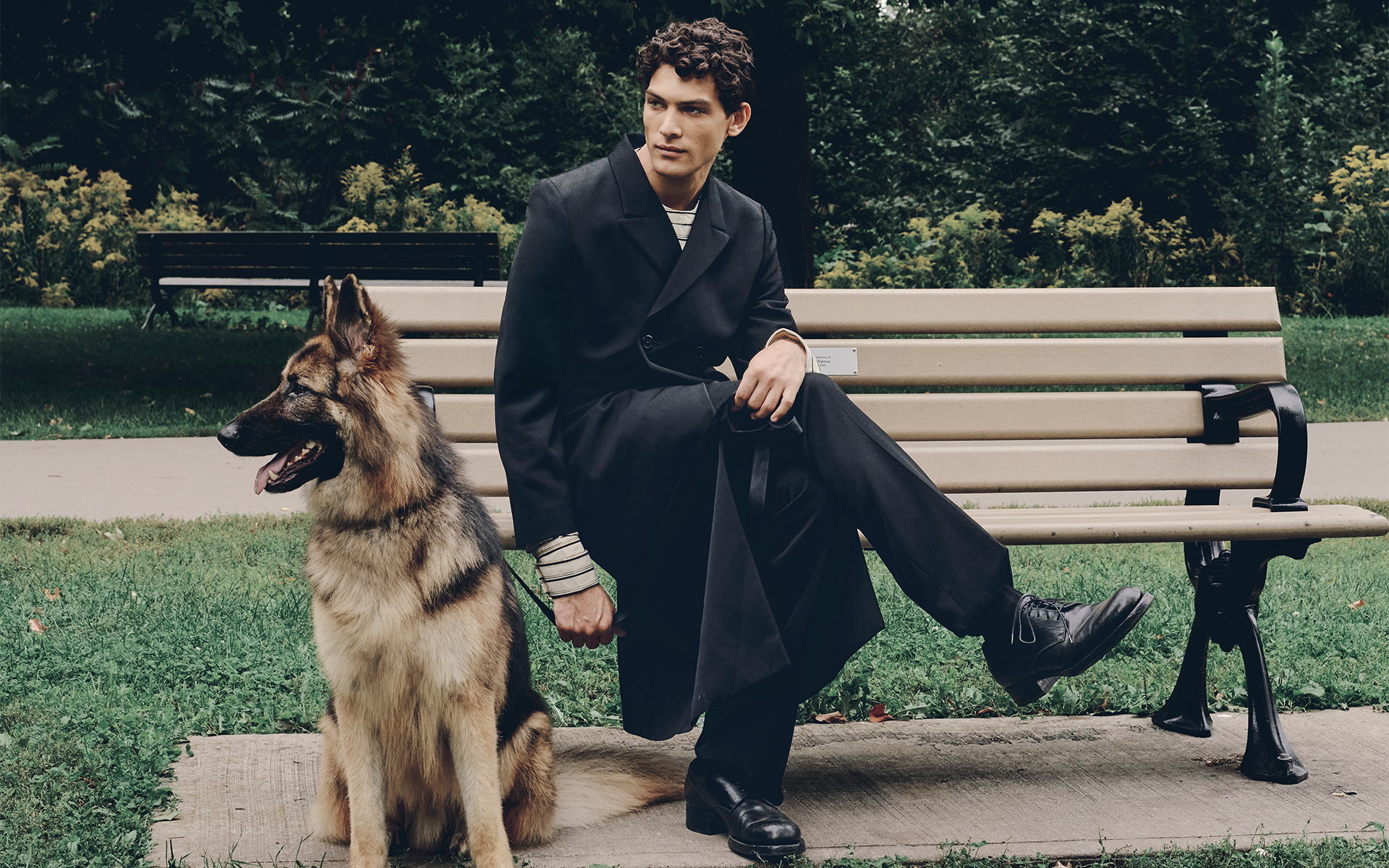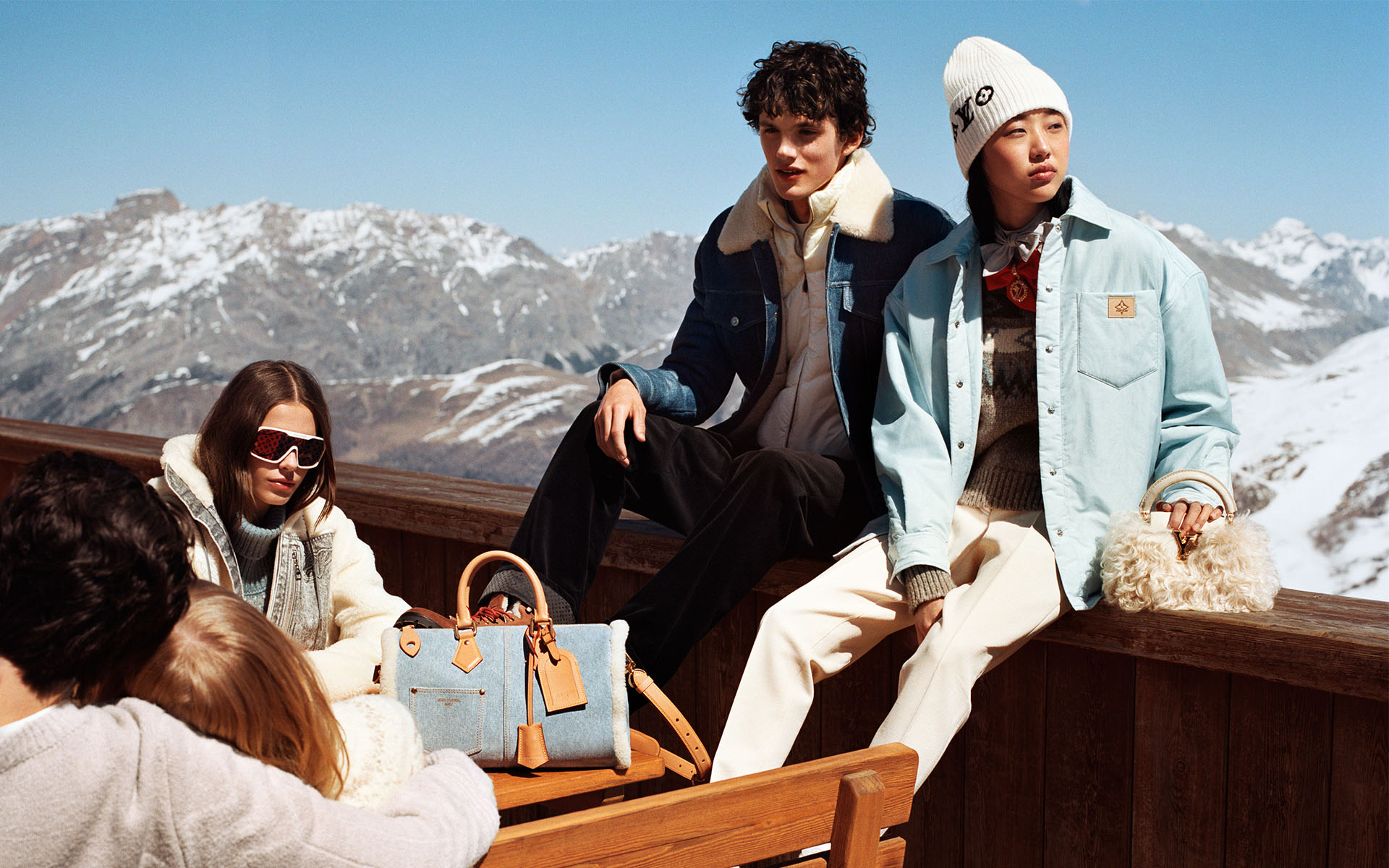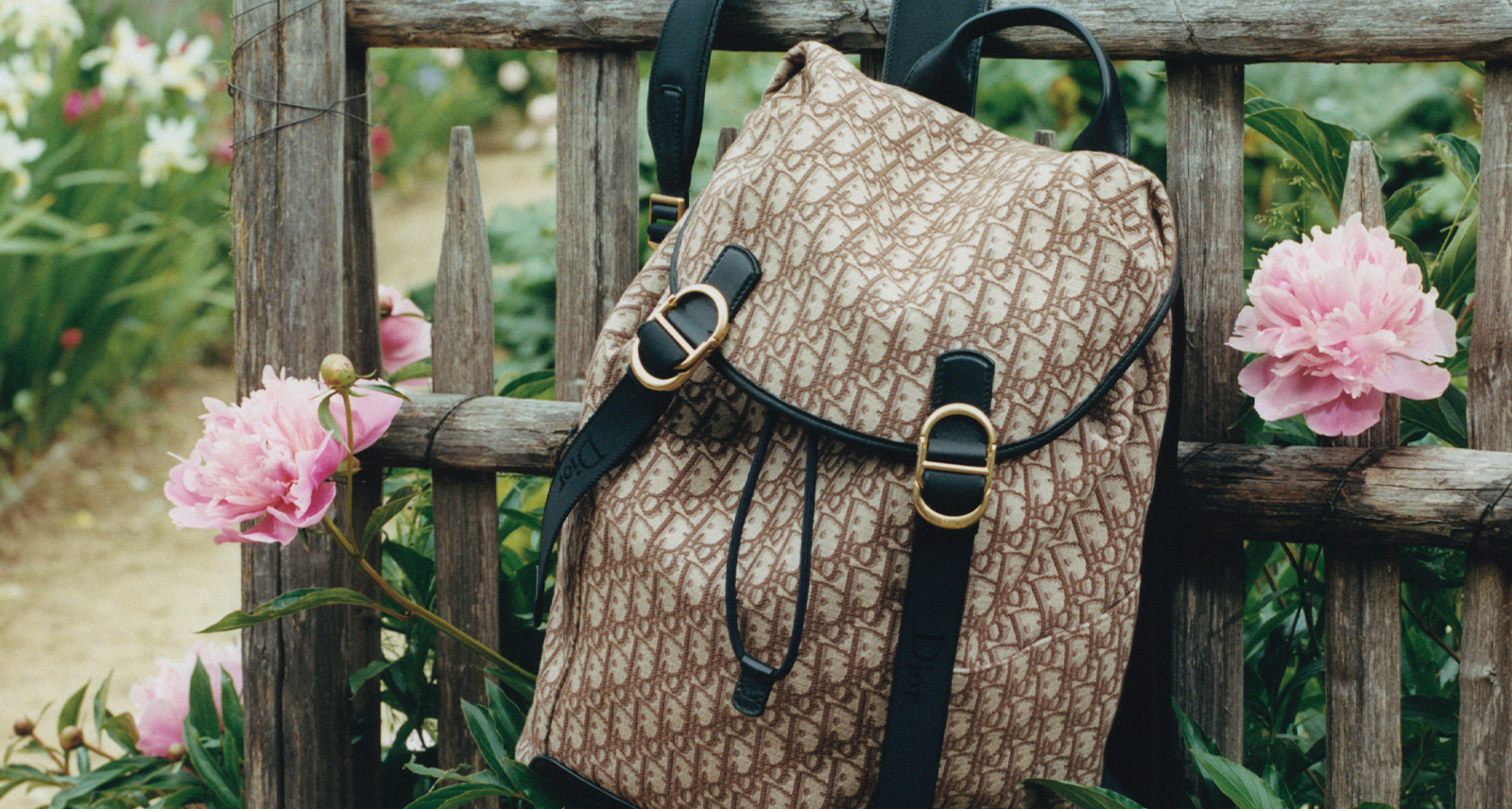
For the better part of the last decade, the landscape of creative directors leading the world’s high-fashion labels has been dizzying to follow. In the past year alone, Maison Margiela, Celine, Jil Sander, Gucci, Tom Ford, Givenchy, Versace, Dries Van Noten, and several others have welcomed new heads to their respective creative tables. Still, just how deep an impact a flashy appointment might have on a brand varies greatly. Some labels seek a fresh perspective and bold approaches to their savoir faire. Others seem to bet that a new name splashed across Fashion Week headlines will hold enough cachet to make it worth the investment. After all, distinctly shifting the direction of a legacy brand is a high-stakes gamble. But this June, Dior firmly proclaimed a decisive new chapter when it named Jonathan Anderson, one of the fashion world’s most sought-after talents, as its new creative director.
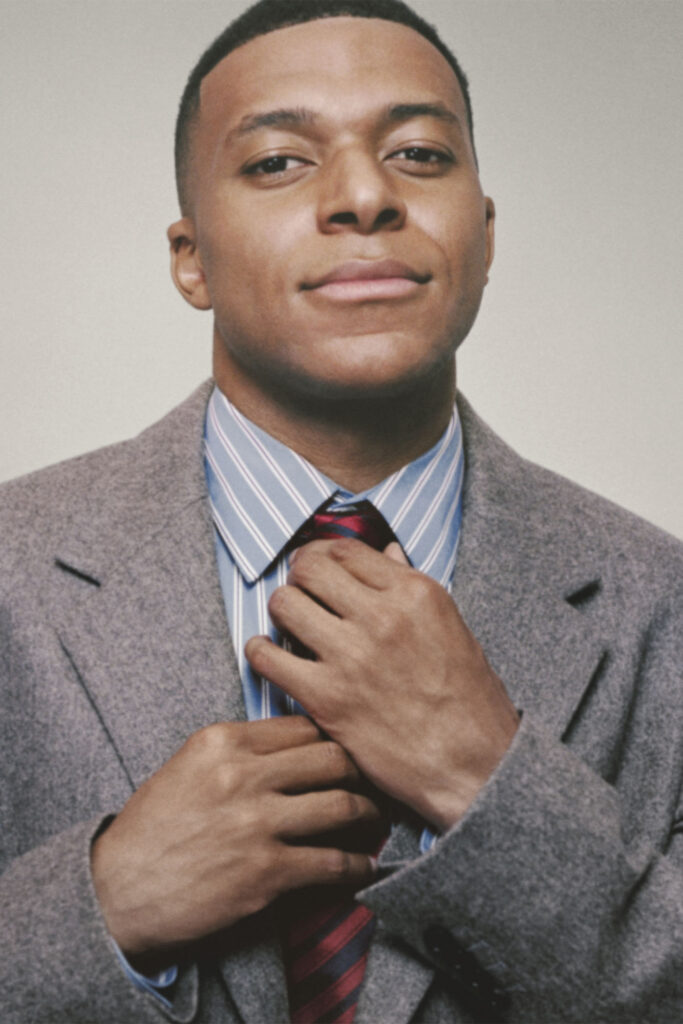
LEFT: PHOTO BY JESSICA MADAVO.
RIGHT: PHOTO BY JEAN MARIE BINET.
The shift began earlier in the year, when the Irish fashion designer was named artistic director of Dior menswear in April, succeeding Kim Jones, who had stepped down in January. This, in itself, was seismic news. But when the French fashion house announced just a few months later that Anderson would be overseeing the creative direction for not only the label’s menswear line but also its Dior womenswear and couture collections, it was clear Dior wasn’t merely investing in a name, but rather, a larger vision.
“Over the last 11 years that he has been at LVMH, we have had many discussions about what he wanted to do next. And there was always one brand he was very attracted to,” said Delphine Arnault, chair and CEO of Christian Dior Couture, in her announcement to Vogue Business this spring. “We think this is the right moment to make this appointment. He is the most talented designer of his generation. He has great experience within the LVMH Group and in managing large teams through his work at Loewe, even though he is only 40. More importantly, he has a very clear vision for the brand.”
“My aim is to focus on style, which is a way of being, of putting things together, of behaving and appearing. Style is the ultimate ineffable quality: one either has it or not, and as such it is a potent magnet of admiration and aspiration.”
Jonathan Anderson
While Arnault anointing Anderson as “the most talented designer of his generation” was certainly the buzziest quote of the interview, the essence of what makes Anderson so uniquely gifted — and the perfect leader for Dior — comes in Arnault’s final words. As his debut Spring/Summer 2026 collection affirmed, Anderson does, undoubtedly, hold “a very clear vision for the brand.” Growing his own label, JW Anderson, was a feat, of course. But his time transforming Loewe from a high-quality but seemingly aimless leather goods purveyor into one of the most playful, luxurious, and culturally resonant runway powerhouses set a new industry standard. His work was crafty, fun, and tactile. It was self-aware without sacrificing its high-fashion status. Yet, somehow, in his debut with Dior, Anderson managed to exceed expectations.
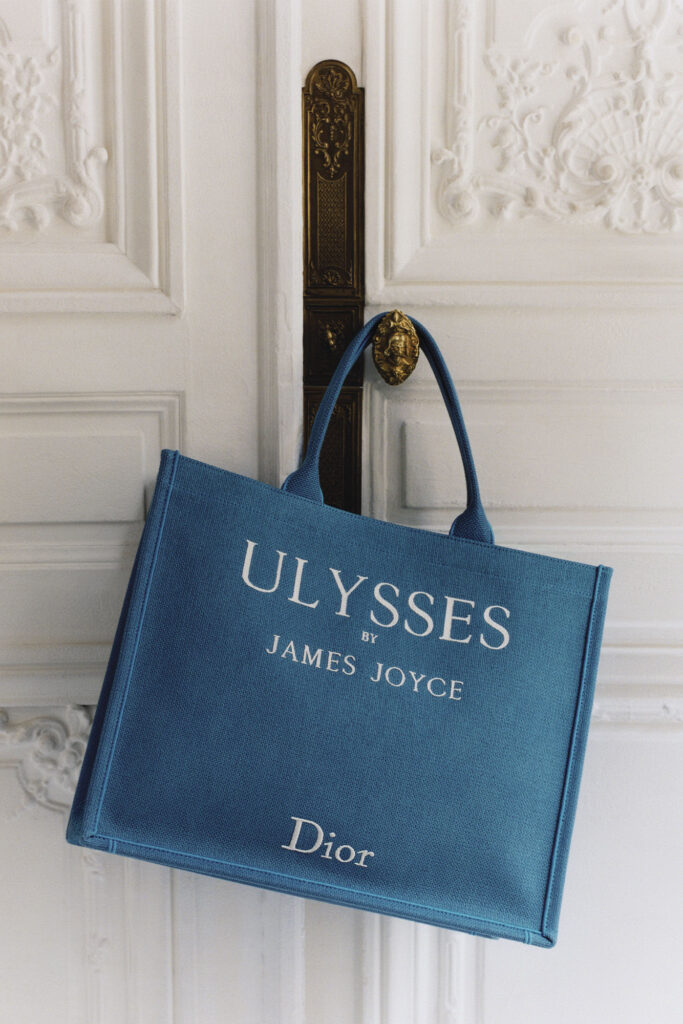
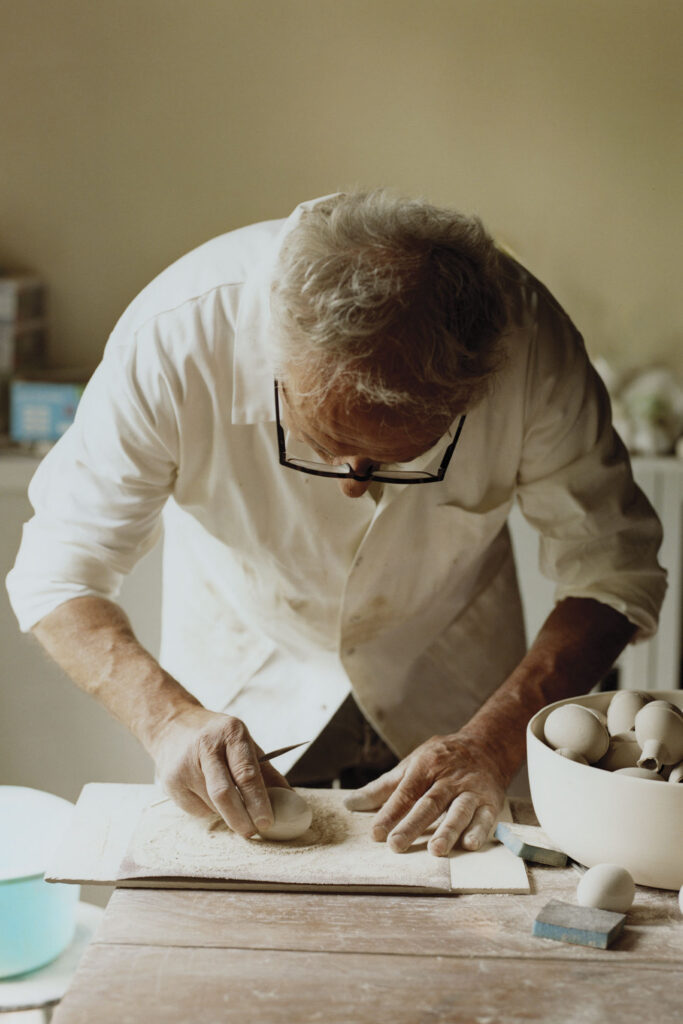
Even the invitations for the show itself hinted at a new chapter. Each invitation featured three white eggs on a plate, signalling the hatching of new, unexpected concepts while evoking his signature playful craft. Anderson has always been enamoured by surrealism, from introducing garments overtaken by authentic grass sprouting from seemingly sodden fabrics, to Rihanna’s campy, bright red, balloon-like, custom Loewe breastplate during her Super Bowl Halftime Show. But for Dior, Anderson’s approach was a touch more subdued and expertly refined. As Arnault noted, he has a larger vision, one that combines his individuality with the codes that have made Dior such a storied house.
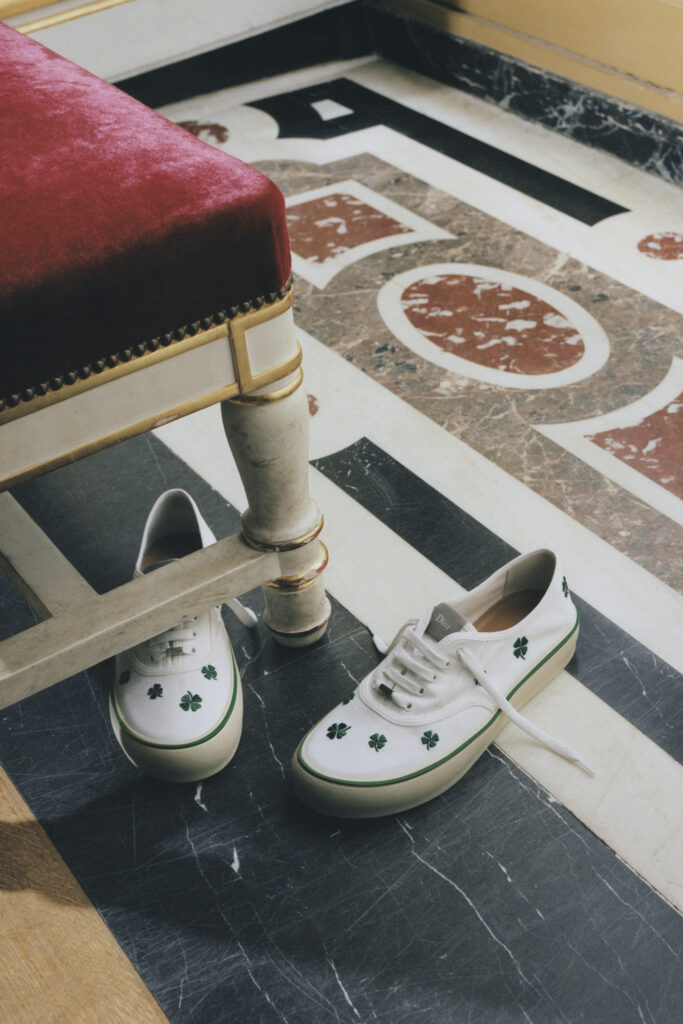
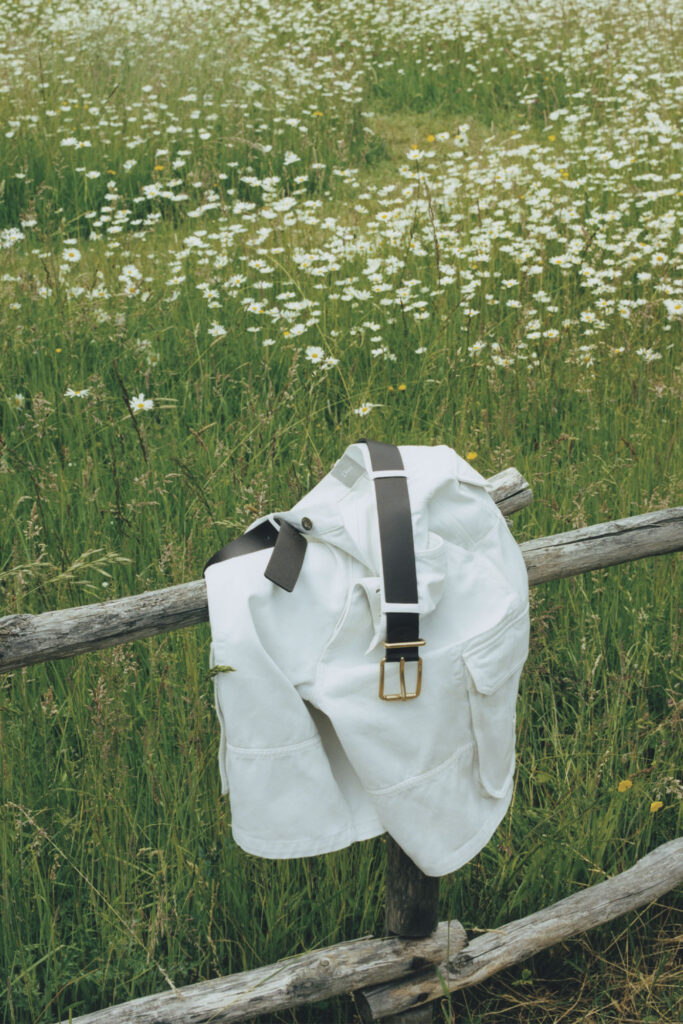
“For the Summer 2026 collection, the dialogue with history and the archive is constant. This collection features a series of 18th-century waistcoats we discovered during our research, dating from around 1710 to 1865, which have been reproduced as they were,” explains Anderson. “The iconic Delft, Caprice, and La Cigale couture dresses from the archives were used as a base to shape trousers or jackets. The Delft shorts define the main silhouette, opening the show. Then there is the Bar jacket, which we made in Donegal tweeds, stressing the classic masculinity of the item from which Monsieur Dior started to create one of his most feminine garments.”
At Loewe, Anderson mastered the art of playing in the middle ground between historical references and contemporary taste. The challenge with Dior is more delicate; its codes are well-established, and its reputation more widely protected. Yet throughout the collection, he honoured Dior’s past while effortlessly injecting the youthful edge that feels quintessential to his own savoir faire. With each historical reference, he counterbalanced the look with the laissez-faire style of students after hours: rolled shirt sleeves, sweaters draping around shoulders, and formal shirts worn unbuttoned and without neckwear.
RIGHT: PHOTO BY JEAN MARIE BINET.
“My aim is to focus on style, which is a way of being, of putting things together, of behaving and appearing,” says Anderson. “Style is the ultimate ineffable quality: one either has it or not, and as such it is a potent magnet of admiration and aspiration.”
Describing style as a greater “way of being” is a heavy mantle to place on not only Dior, but clothing at large. But what made Anderson’s time at Loewe so effective was, like many artists, his ability to build worlds and, in turn, introduce distinctive new ways of operating within them. The house of Dior, of course, is a world already well-established, grounded in historical context and codes to uphold. But with his Spring/ Summer 2026 collection, Anderson proves that his appointment is more than a flashy new name. With an emphasis on craft, levity, and tactility, the designer offers his own unique language, beautifully translated to the world of Dior.
FEATURE PHOTO BY JEAN MARIE BINET.