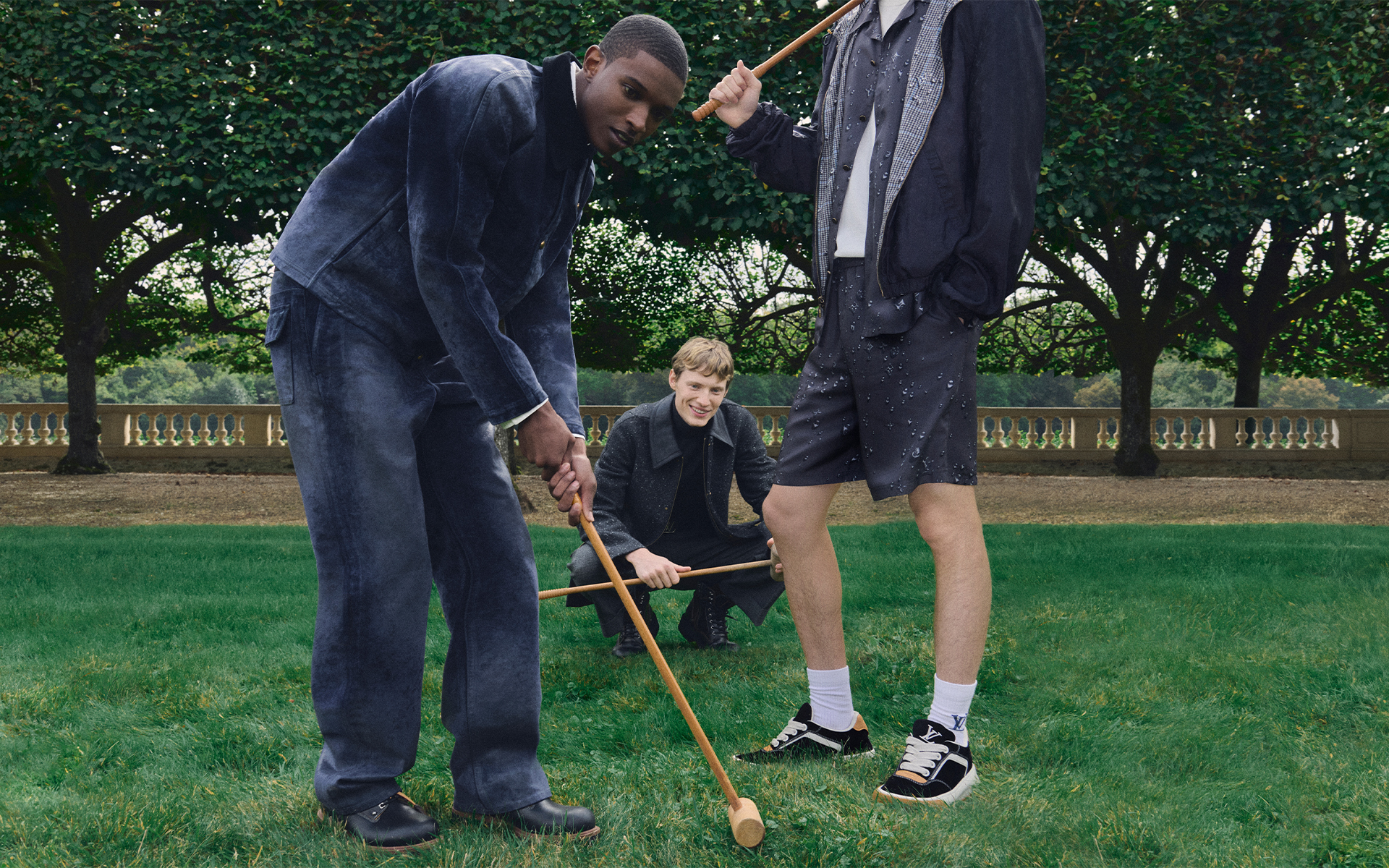
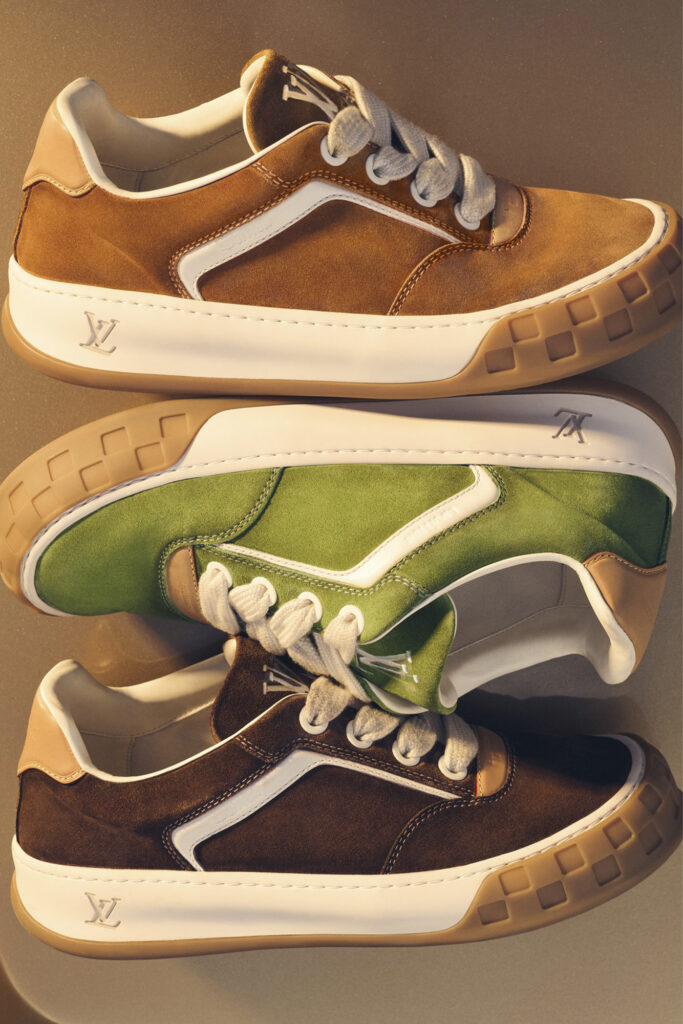
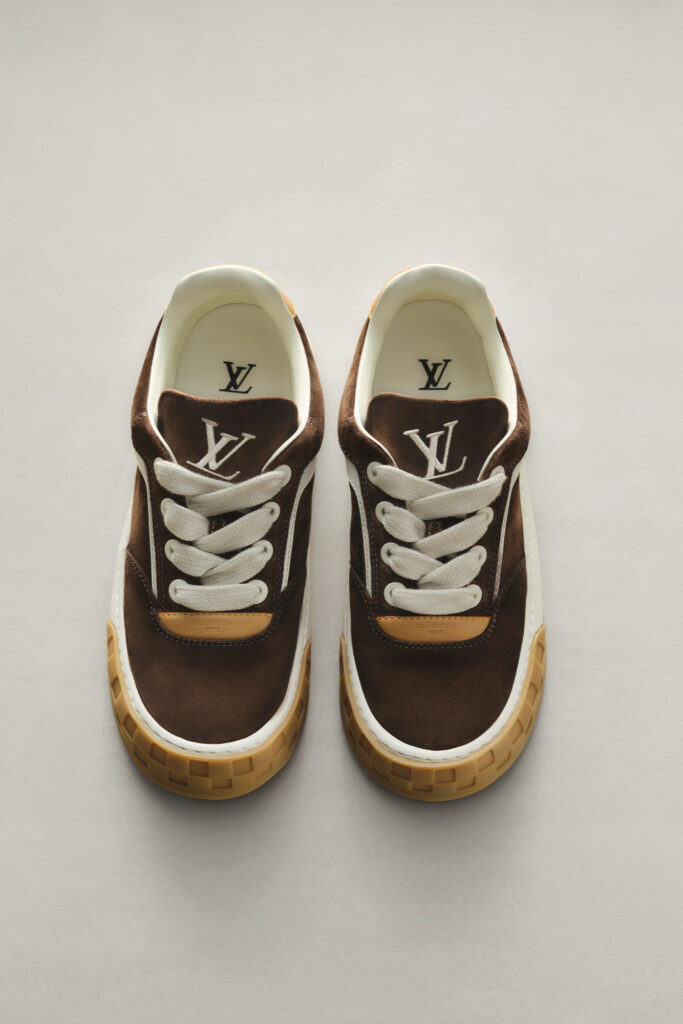
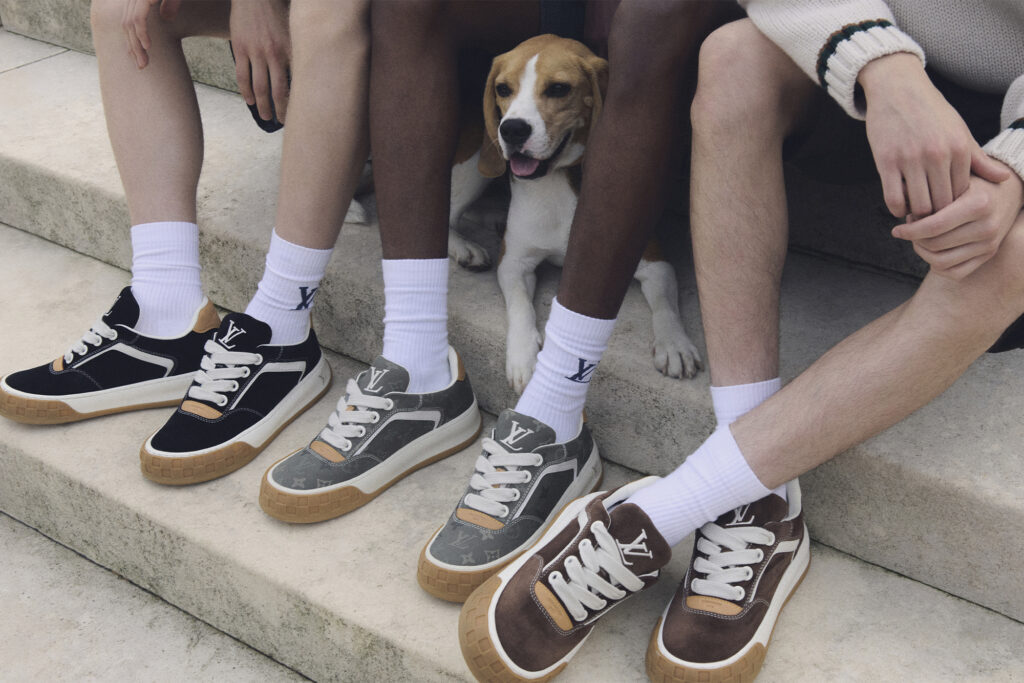
Everything new is old again. After years of designers looking to push the language of sneakers into the future, they’re now looking to the past for inspiration as to what the next era of footwear looks like. With the reveal of Louis Vuitton’s newest sneaker — the Tilted sneaker — this year, the inspiration was clear. The shoe eschewed forward-thinking bold design choices in favour of gum soles, classic suedes, and an understated low-top upper. It’s just the latest in a long string of designers making yesterday’s sneakers feel right for today.
At a certain point there’s only so much you can do with sneaker design, after all. Back in 2019 when Nike revealed their long-gestating Adapt project — an auto-lacing pair of sneakers that could sync with an app on your phone — it felt like, on one hand, the future was here. On the other hand (outside of the admittedly-revelational applications it could have for those who aren’t able-bodied), once the pomp and circumstance passed, a question remained: so what? All the innovative tech in the world can’t disguise the fact that, for the most part, all folks want in a pair of sneakers is a rubber sole, an upper that won’t fall apart in a month, and something at least semi-stylish.
Design itself also veered too far into the future. After a decade dominated by the Balenciaga Triple S, Yeezys, and other maximalist sneaker endeavours, a cumulative pulling-back felt inevitable. It’s evident now in the state of the sneaker scene. The most popular collaborators in the space — Willy Chavarria, Sporty & Rich, and Grace Wales Bonner among them — are focusing on slimmed-down trainers rather than maximalist art installation-sized sneakers. Tyler the Creator has funnelled all of his sneaker weight into Converse’s 1908 project, which revives retro silhouettes from their archive. When Jacquemus made their much-anticipated debut with Nike last year, they didn’t rev up a pair of Air Maxes — no, they went straight to the source, reissuing the first-ever Nike silhouette: the Moon Shoe.
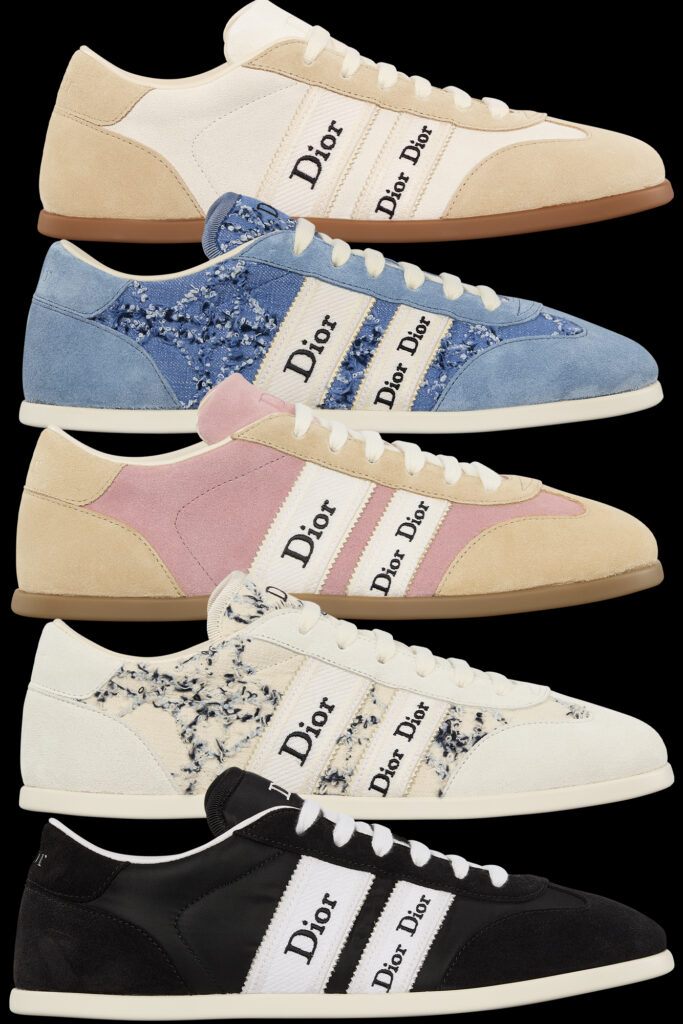
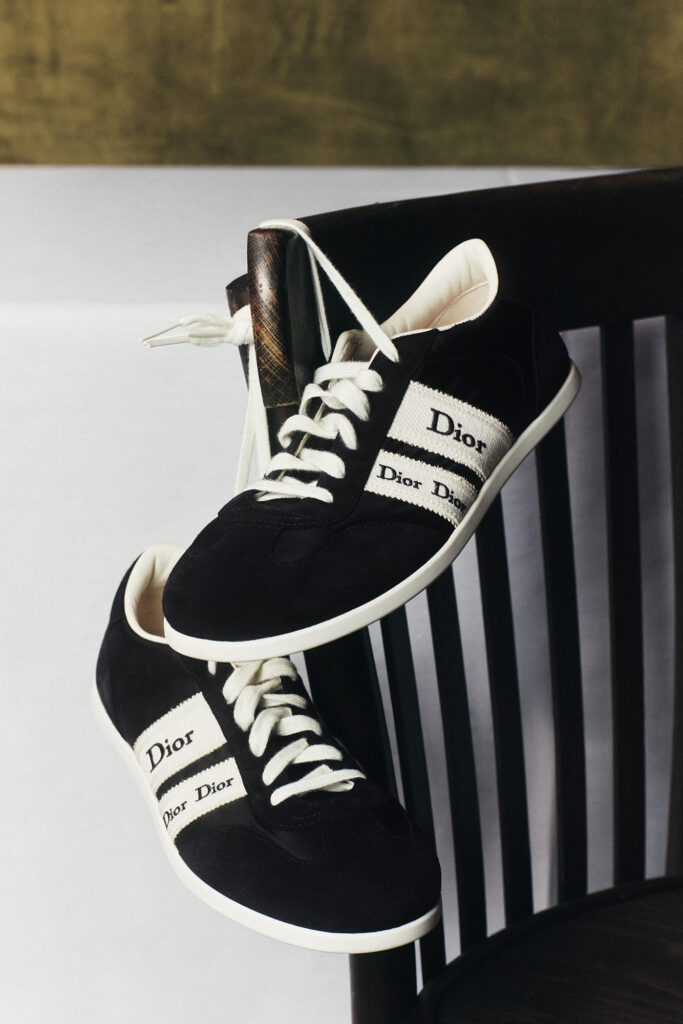
The designer world is leaning into it as well. Sneakers from Louis Vuitton that debuted in Paris Fashion Week largely stemmed from an old-school sensibility. Dior’s Ribbon Sneaker silhouette keeps it retro as well, drawing from throwback Vans for a smooth and sleek finish. When an up-and-coming designer like Songs for the Mute, meanwhile, is looking to make their foray into the sneaker world they aren’t doing it with a flashy pair of Jordans — they’re sticking with Sambas and other throwback silhouettes. Fresh off their Marty Supreme jacket hype, Nahmias made their first sneaker collaboration with a series of PUMA Suedes.
It all seems to stem from a less-is-more moment in fashion. We’re aspiring to quality over quantity, timelessness over hype (long the driving force of the sneaker world). A good pair of shoes in 2026 would look just as good ten years from now or thirty years prior. In that sense, the sneaker world’s retro moment is a long time coming. Let’s hope it doesn’t pass too soon.