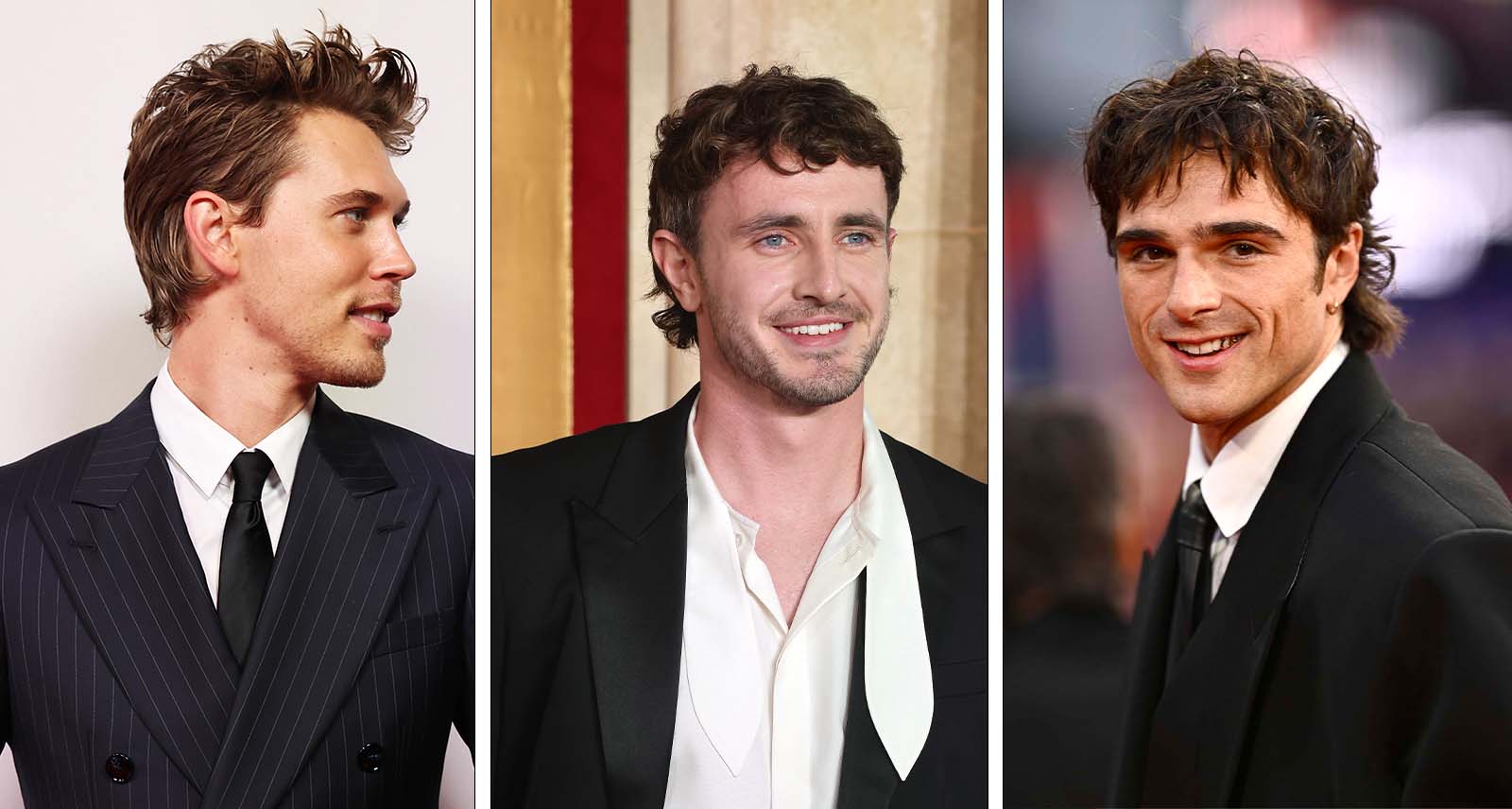
In 2022, The Los Angeles Times declared “the mullet is the haircut that refuses to die.” Some cite Ziggy Stardust as the mullet’s first mainstream adopter, and — given David Bowie’s gift for engineering trends — it’s a reasonable claim. Yet others, including Mullet Madness author Alan Henderson, go back even further. Calling it a practical invention, Henderson argues that the style allowed prehistoric ancestors to survive in the ice age: “Cutting their hair in front to keep it out of their eyes must have improved their vision, making them better hunters. Flowing locks in back insulated their necks from cold and rain,” he writes. Whether you call it a ’70s creation or prehistoric style, one thing is for sure: with stars like Jacob Elordi and Paul Mescal rocking the modern men’s mullet, it seems The Los Angeles Times was right — this hairstyle is alive and well.
“In 15 years of doing this job, I’ve done the most mullets I’ve ever cut in the last 2 years or so,” senior barber Natalie Angold told British GQ. She recalls a new dad walking in with a request for “the most anti-dad haircut ever.” He left the salon sporting a modern mullet.
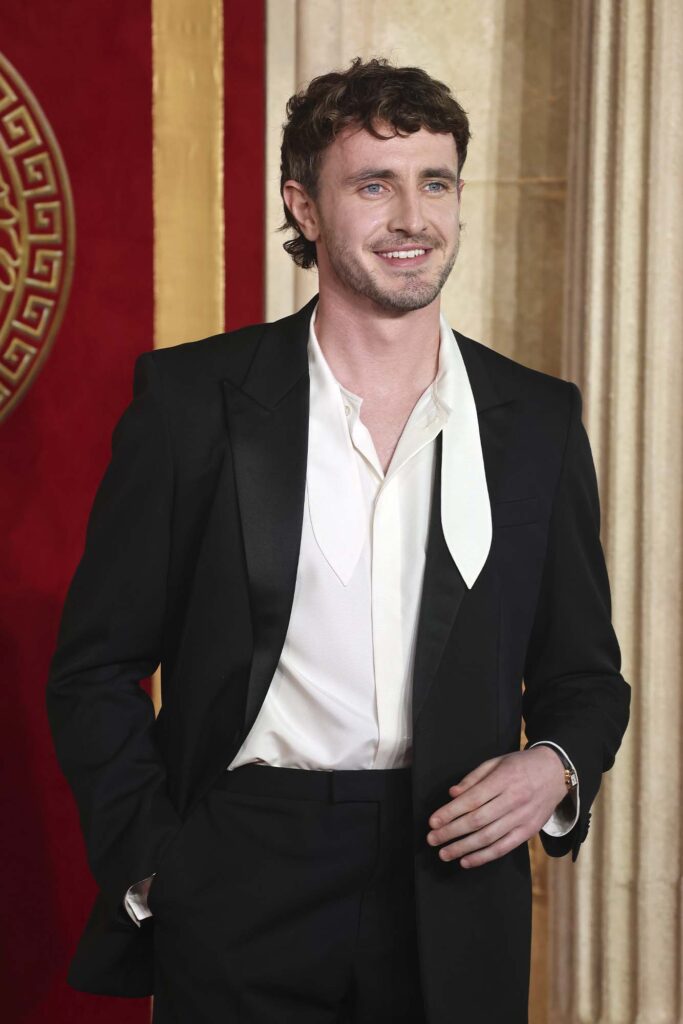
Angold’s anonymous client isn’t alone. Irish it-boy Paul Mescal has been rocking a mini-mullet for years (including 2024, when he was named GQ‘s Most Stylish Person). His signature look is distinguished by close-cropped sides with a textured top and back, left just long enough for the curls to take shape. It’s a subtle interpretation, swapping Bowie’s slicked-back spike for natural volume.
If your hair lacks a natural curl, there’s no need to panic. Straight-haired salon goers can take inspiration from Elvis star Austin Butler. In 2024, he showed up to the Australian premiere of The Bikeriders with a short fringe and shaggy-in-the-back style that turned heads.
While the cut itself is doable at home, we’d still recommend hitting up your barber before you make the change — there’s nothing more humbling than an accidental buzz. Plus, there’s plenty of examples to show your stylist; you might find a reference from the ’70s, or on a recent red carpet — both Butler and Mescal offer a nuanced take.
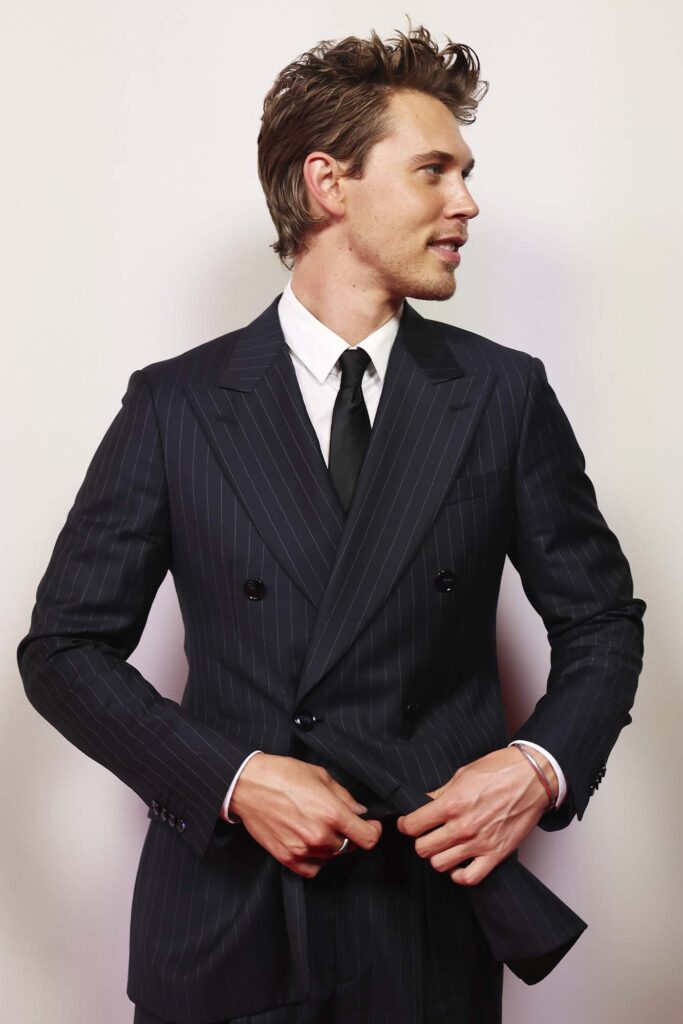
In terms of styling, the modern mullet — often called a baby mullet or mini mullet — is friendly enough for beginners, too. More off-the-cuff than its predecessor, today’s look trades litres of hairspray for a simple dollop of leave-in conditioner.
Convenience isn’t the only reason for the mullet’s resurgence, however. Let’s return to the topic at hand: Why, decades after its disco-era heyday, did the mullet make a comeback? Are today’s stars in the pocket of Billy Ray Cyrus? Was it left frozen in amber, for the next wave of stylish men to discover its charming duality? Not quite. You see, the mullet never really left — it was simply snowbirding.
“A fashion mullet is a haircut. An Australian mullet is a way of life,” says fashion expert Ailsa Weaver on a segment for BBC News. The country has a deep connection to the business-in-the-front style. The mullet, Weaver says, derives from the self-made hairstyles popularized by Australia’s larrikins — a slang term used to denote “a rowdy but good-hearted person.” While the mullet retreated from the world stage, it grew even more significant as a symbol of the larrikin spirit, preserved in the locks of Australian football and rugby players.
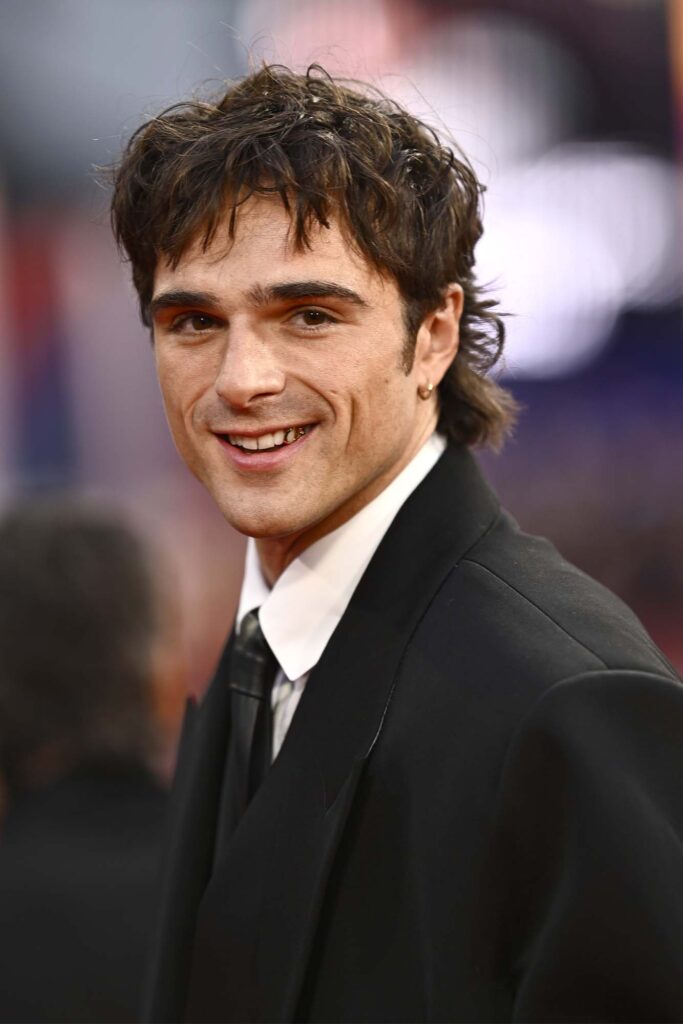
It’s fitting, then, that one of today’s most well-known mullets belongs to Australian actor Jacob Elordi. Tapered sideburns give way to a short, jagged layer around the ears, while the fringe and back are grown out. Elordi’s wavy hair has a naturally voluminous texture, though beachy locks are attainable for most men. Simply work in a dose of leave-in mousse after the shower, then blow-dry (with a diffuser!), starting at the root to boost volume.
“In the 21st century, the mullet represents a kind of fond, ironic reclamation,” Weaver adds. Today’s mini-mullet is a reference to the DIY styles that came before. In world consumed by professionalism, the style signals a sense of play. Plus, it’s easy for all hair textures to embrace: whether your hair dries in curls or waves, the long-short cut will leave room for your natural pattern to shine through. Perhaps that’s part of the reason for its resurgence: as beauty products and skin-smoothing filters flood our social feeds, perfection has become almost passé. The modern mullet, with its jarring layers and textured fringe, offers a rare chance to rebel.