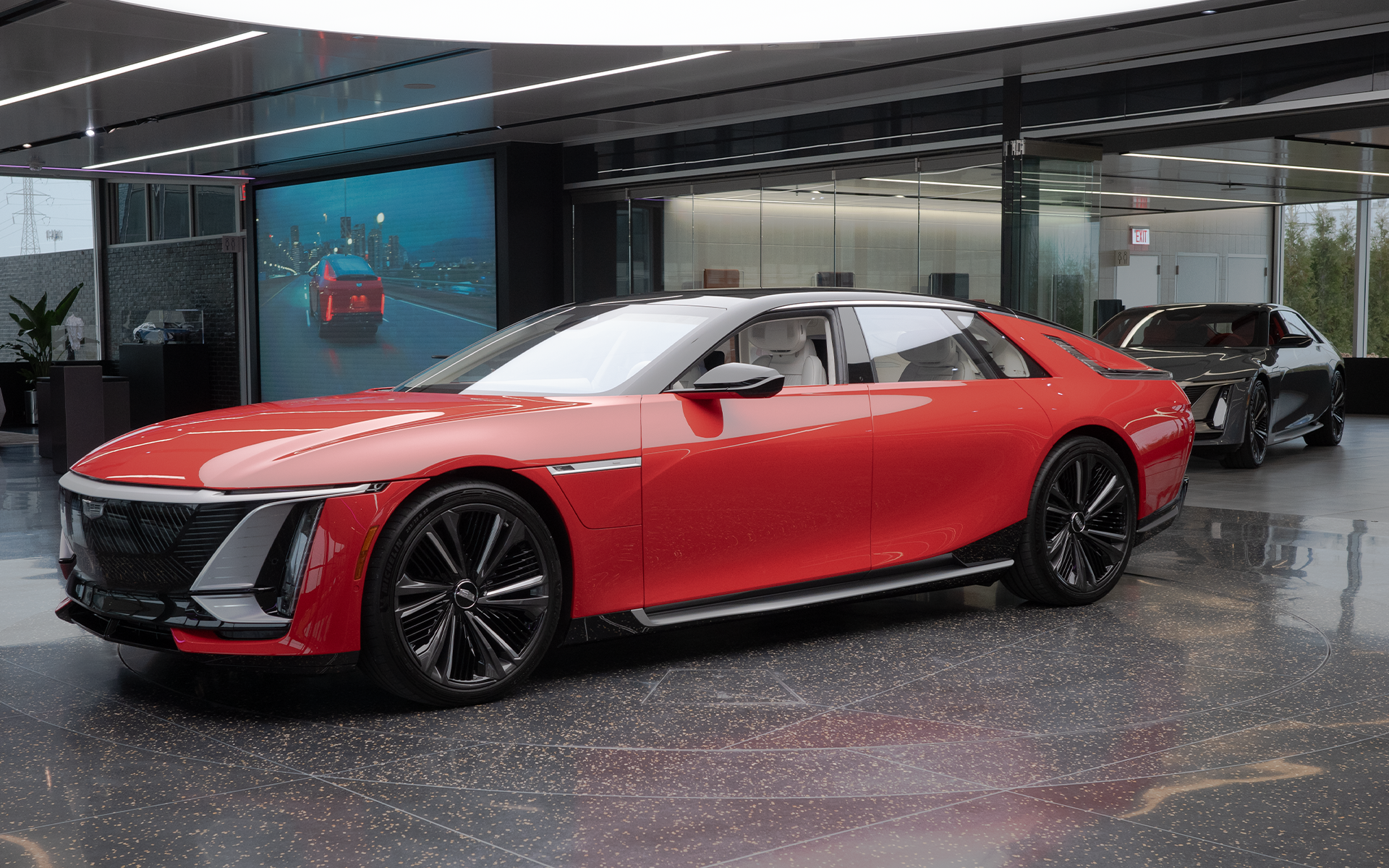
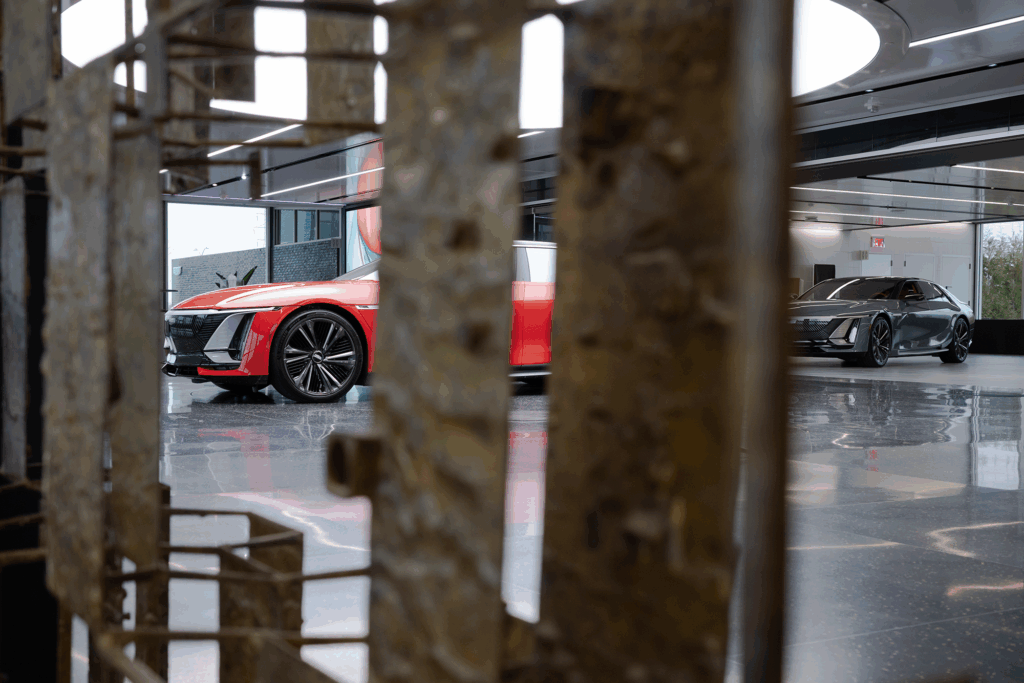
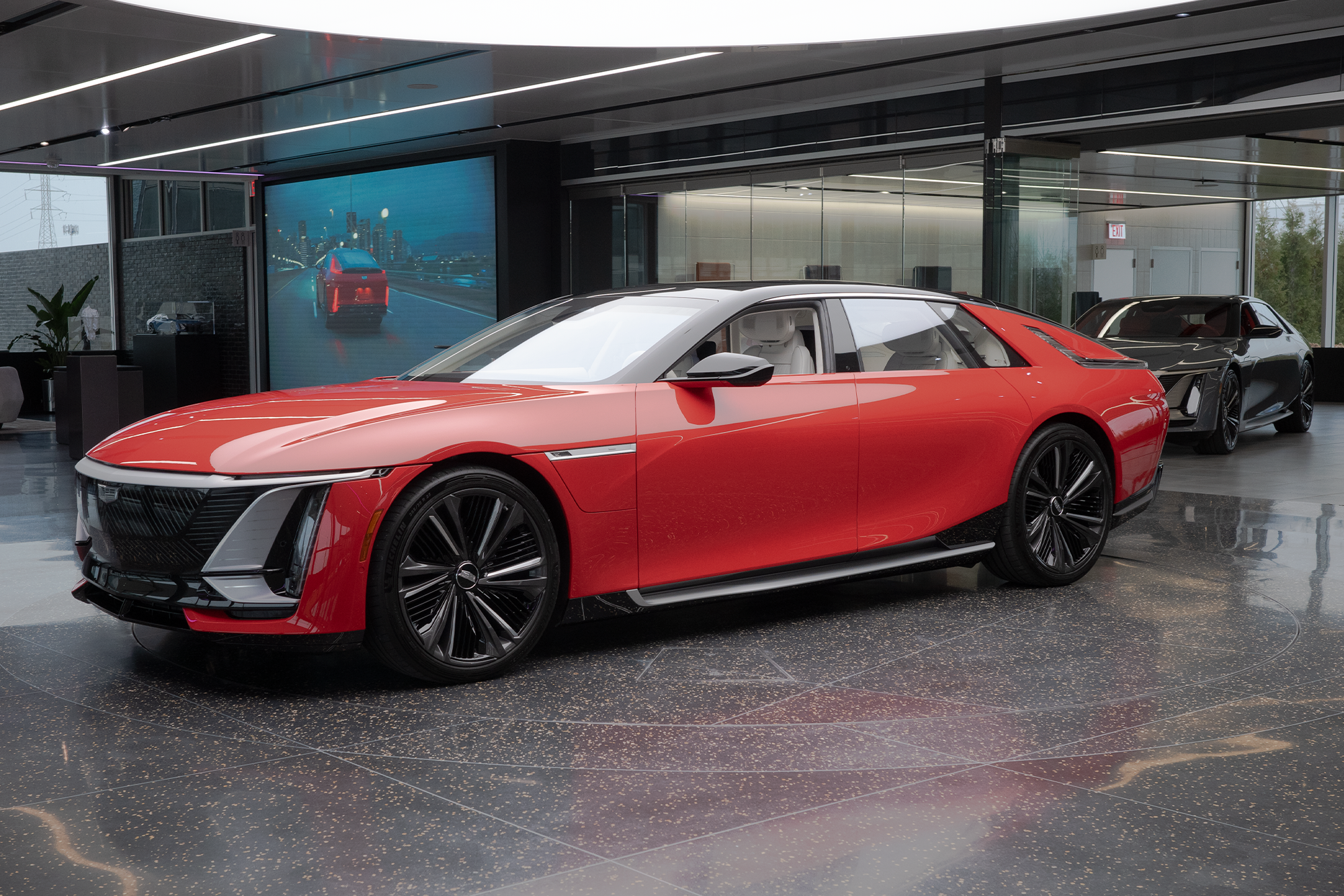
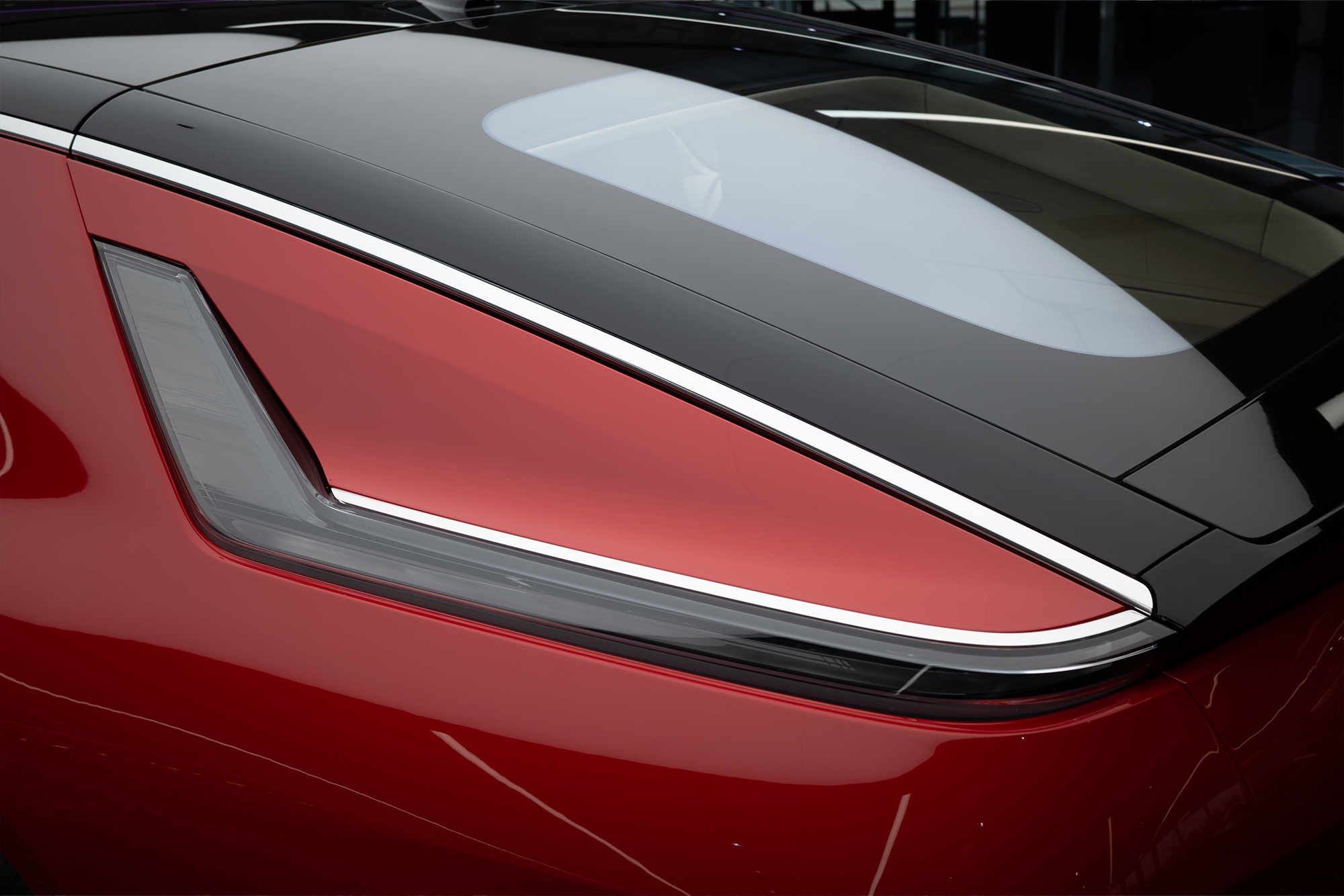
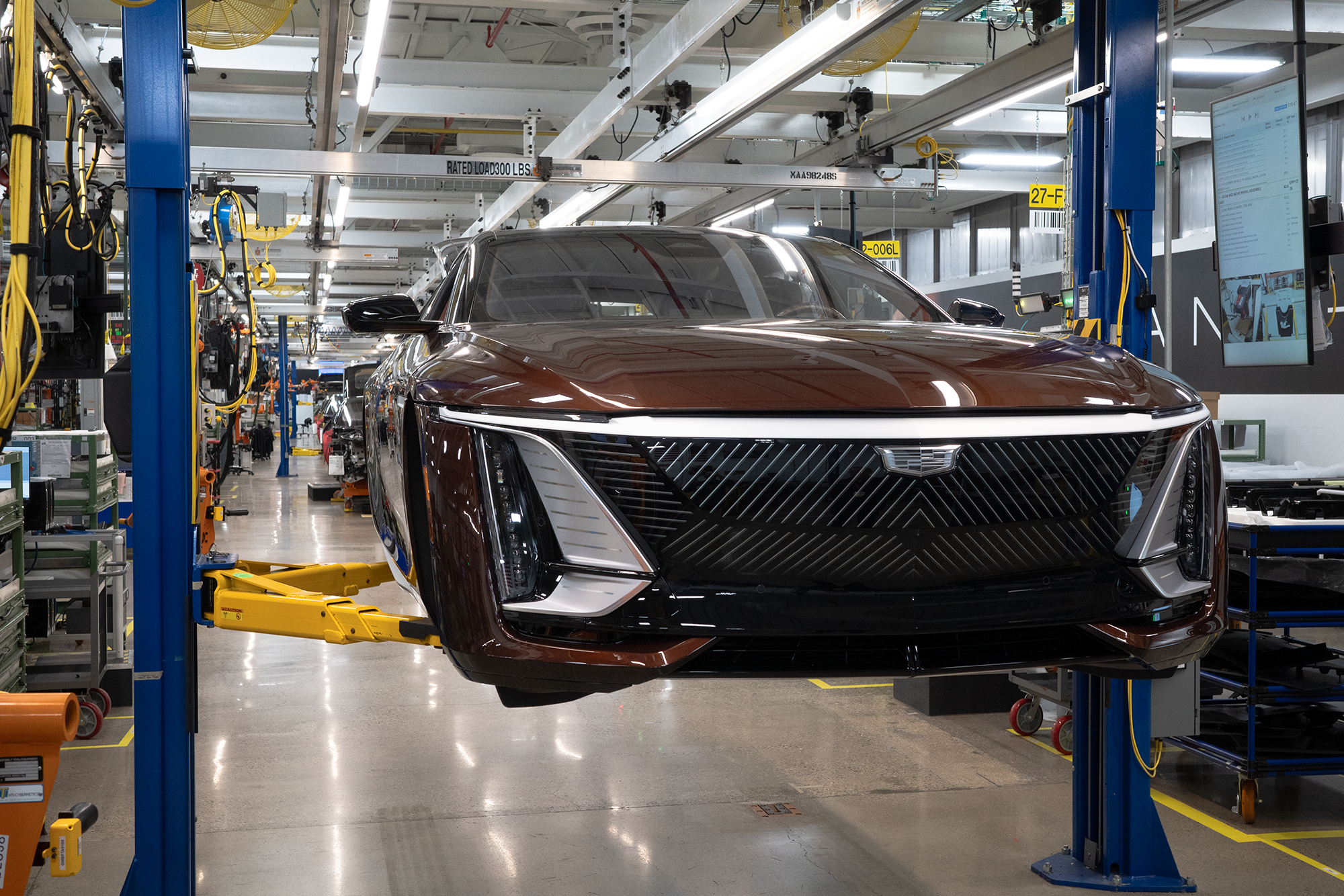
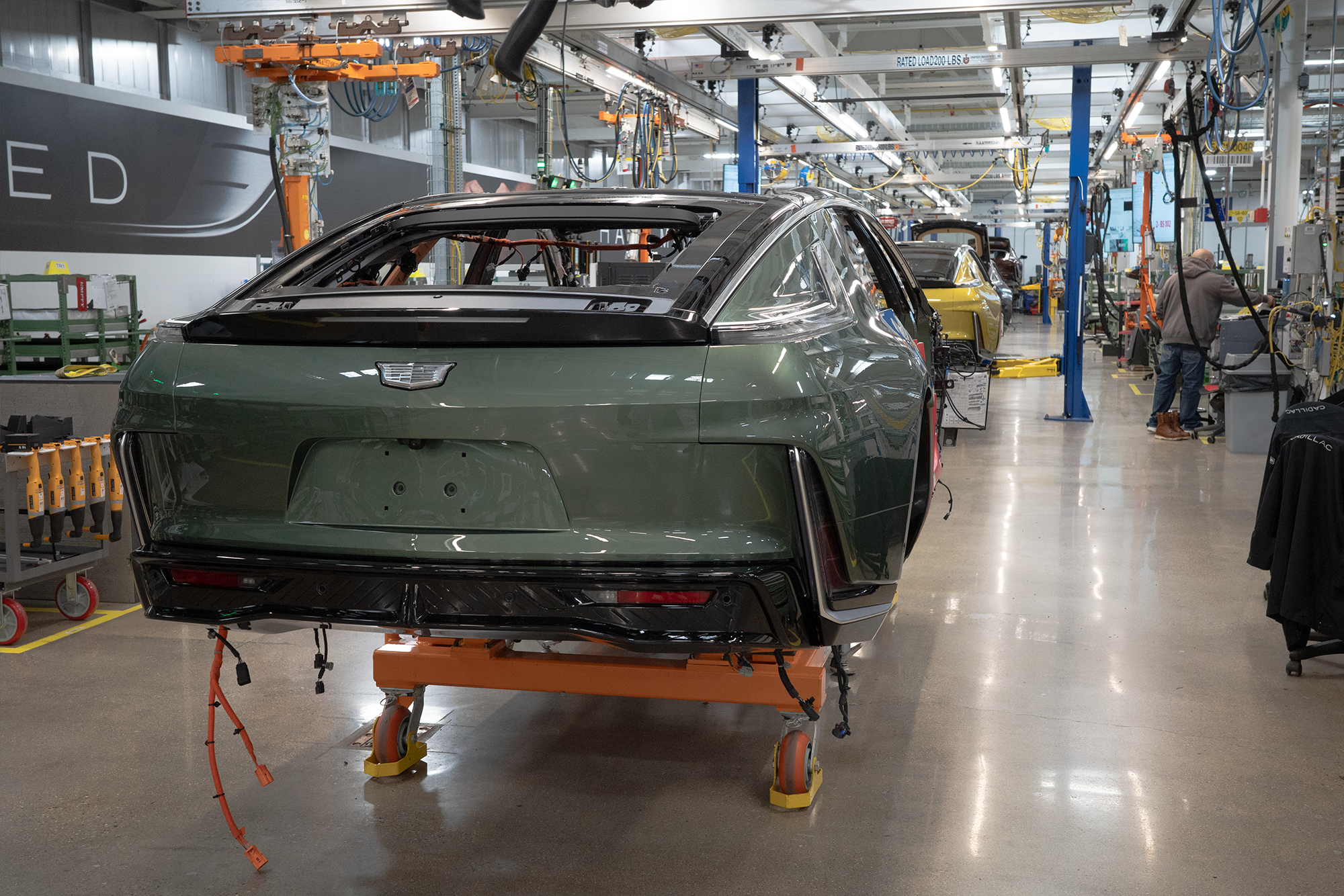
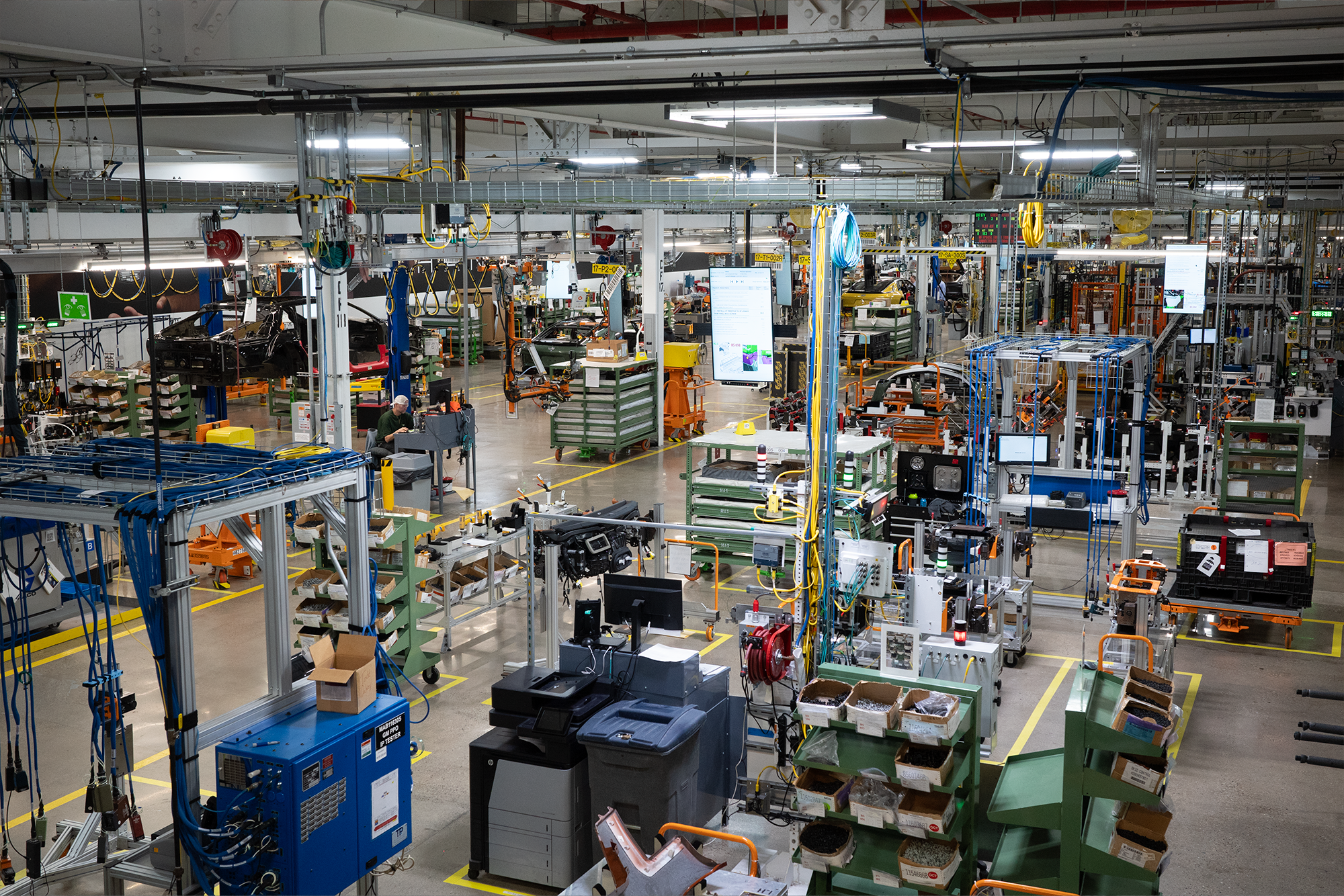
It’s longer than an Escalade. It’s clad in more carbon fibre than a CT5-V Blackwing. It’s more technologically advanced than the LYRIQ, VISTIQ, and OPTIQ EVs. But none of that matters nearly as much as this: The 16 craftspeople that hand-build the Cadillac CELESTIQ in its Artisan Centre assembly facility. Supported by the vast manufacturing resources of General Motors, Cadillac reclaimed a small corner of the Detroit Campus with one task in mind, and that’s getting back to the days of low-volume hand-built refinement. And let me tell you, it’s a wild thing to see resting in amongst the rapid churn of its sister companies. It’s an even wilder thing to get behind the wheel of one, but I’ll get to that in a bit.
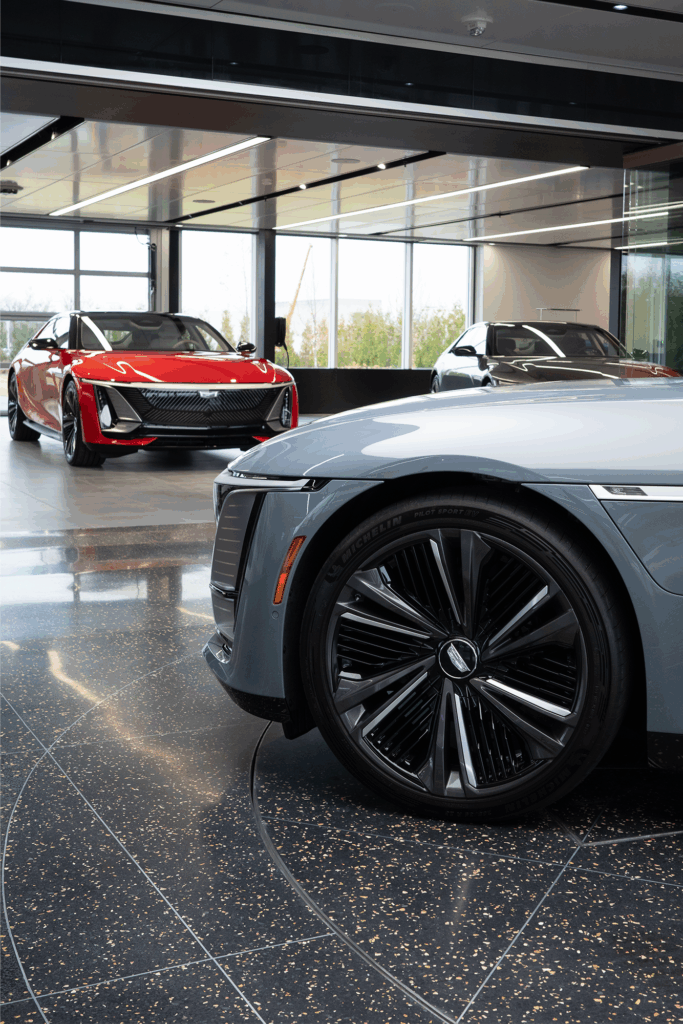
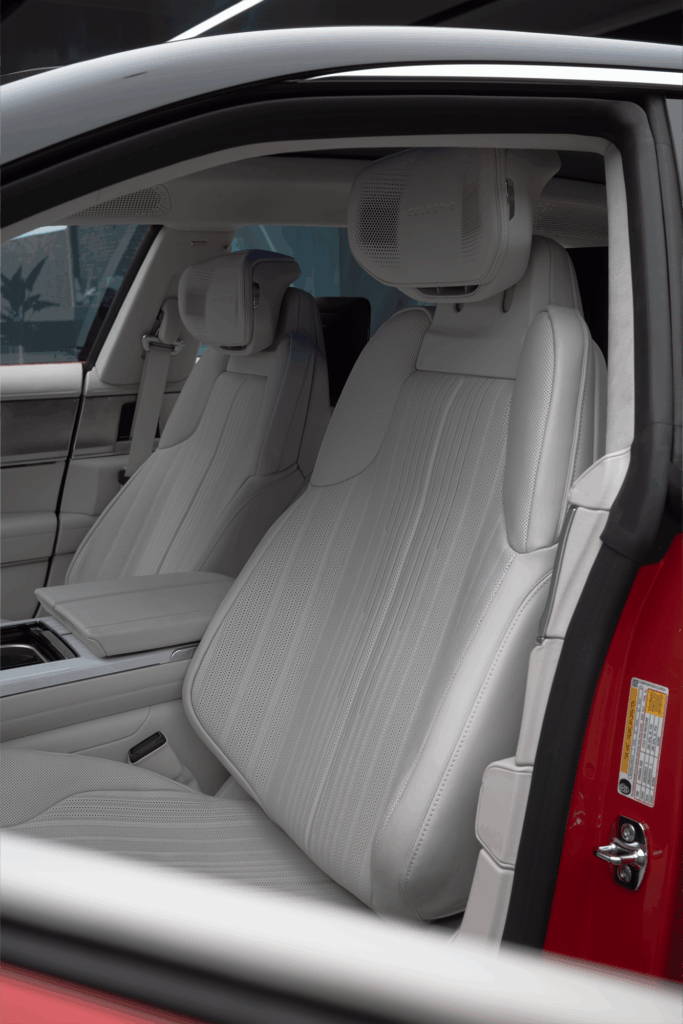
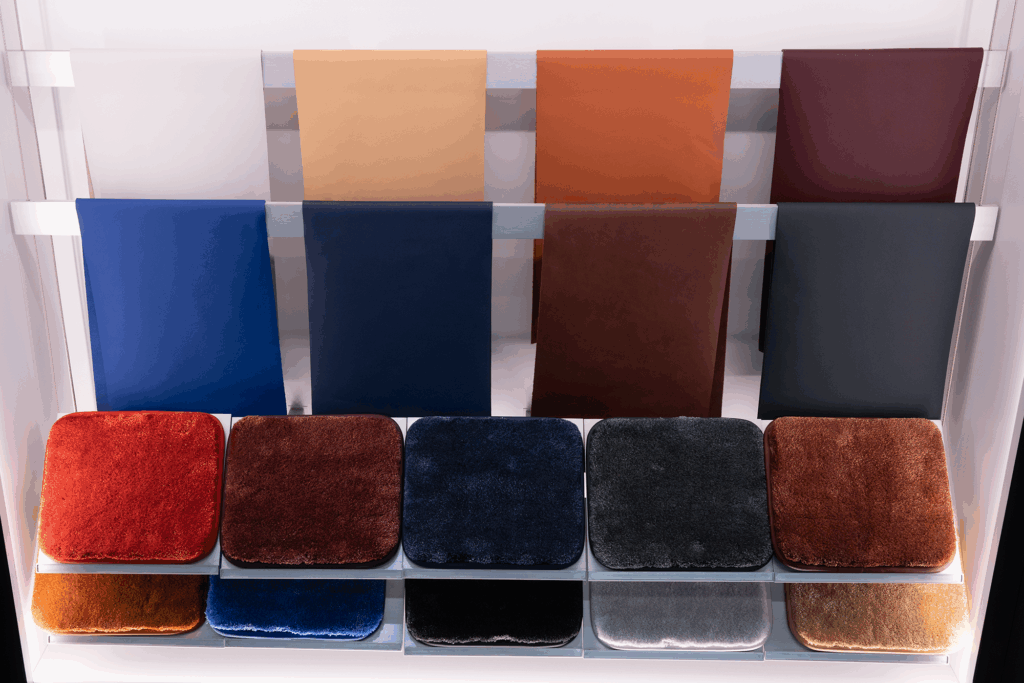
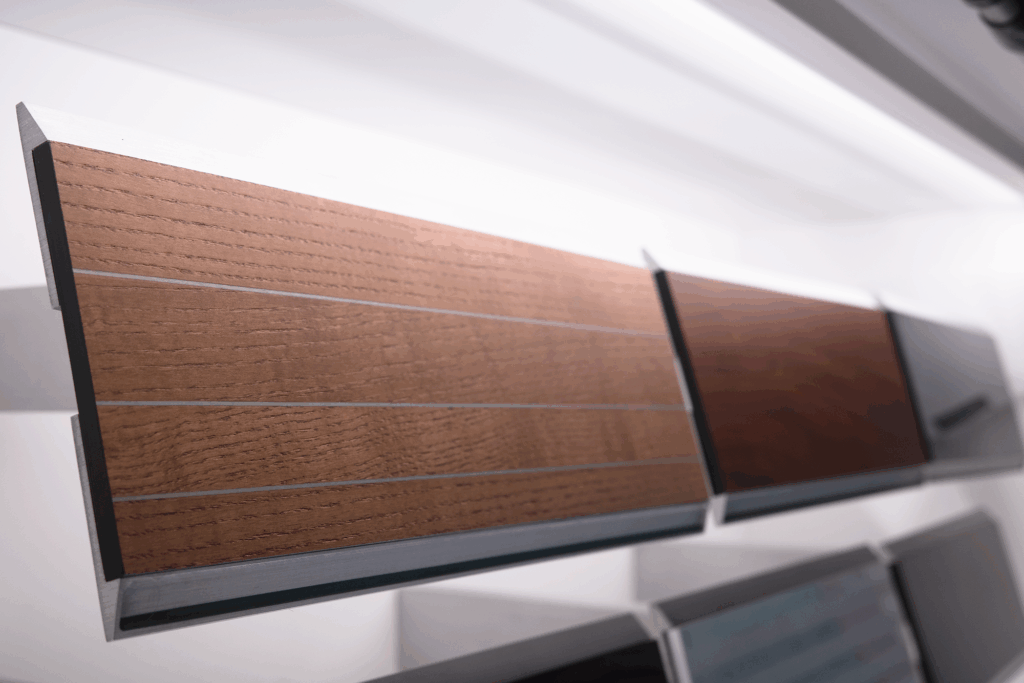
“Authenticity was one of the things we spoke about a lot during the development phases of the CELESTIQ.” stated Erin Crossley, Cadillac’s Design Director for CELESTIQ, speaking with me in Cadillac House on the GM campus ahead of my time behind the wheel. “For a car like this, all of its touchpoints need to be authentic; they need to be the real deal. If it looks like wood, it’s wood, and if it feels like metal, it’s real metal.”
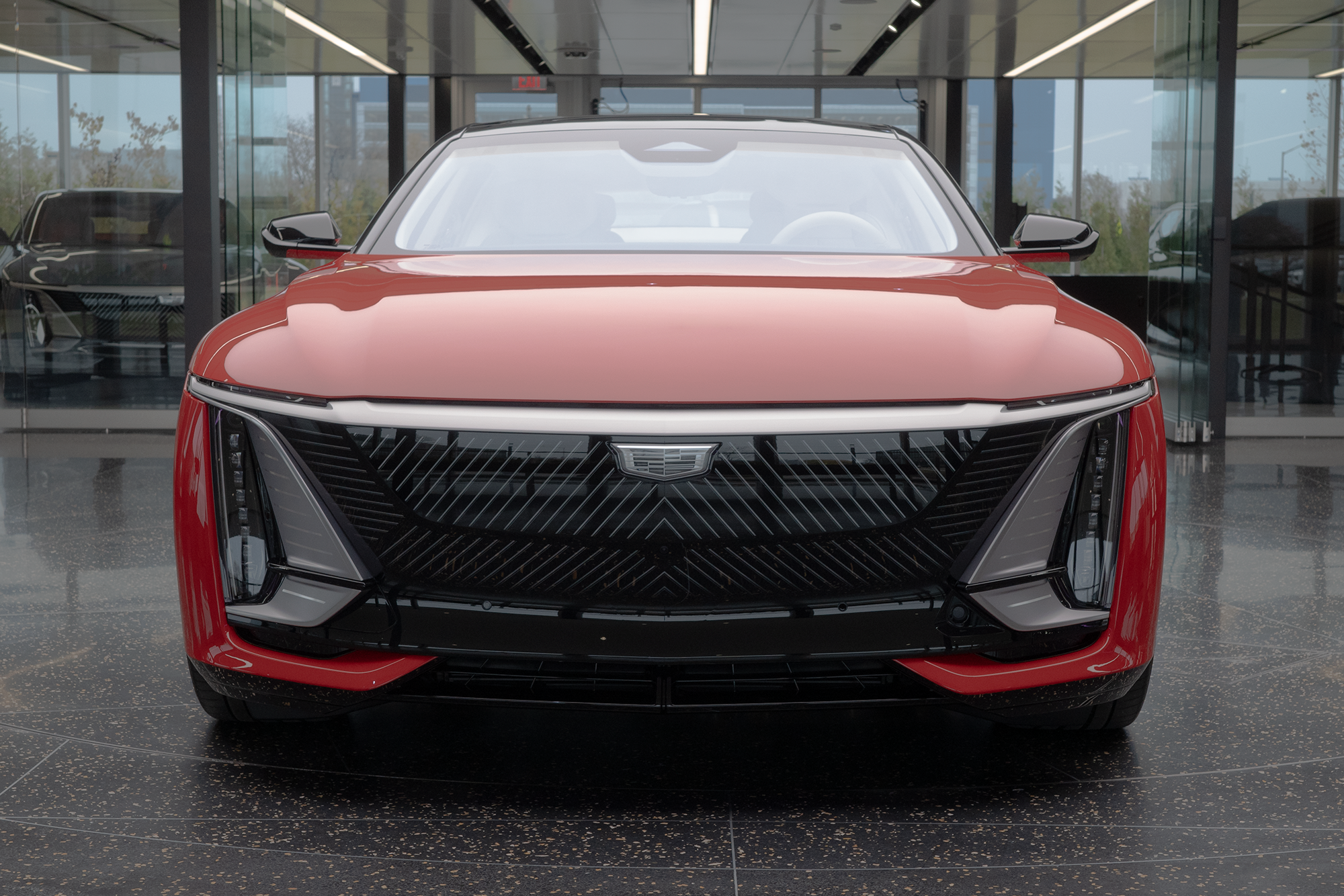
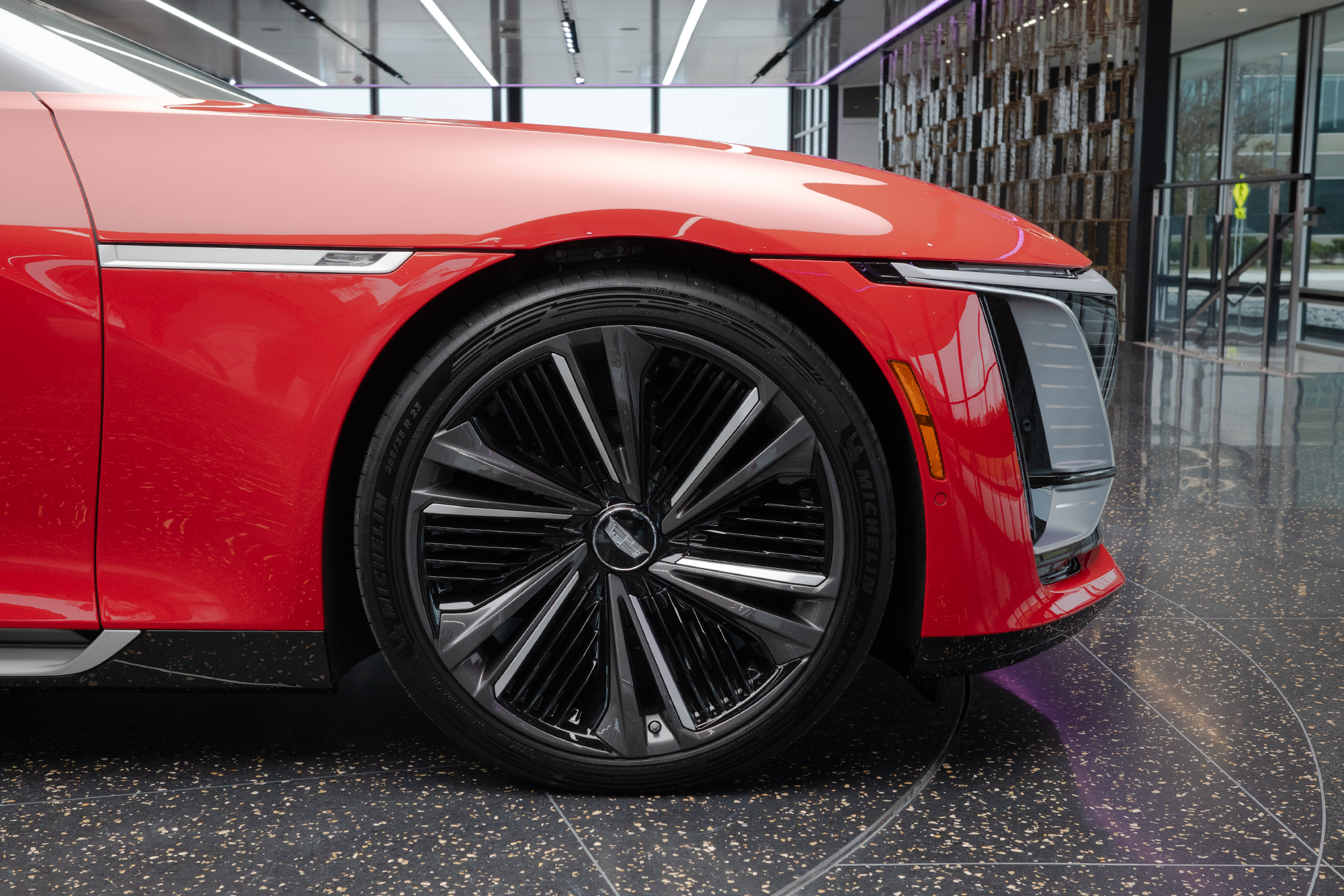
SHARP Drives: The Cadillac CELESTIQ Sets a New Bar, Inside and Out

SHARP Drives: The Cadillac CELESTIQ Sets a New Bar, Inside and Out
SHARP Drives: The Cadillac CELESTIQ Sets a New Bar, Inside and Out
SHARP Drives: The Cadillac CELESTIQ Sets a New Bar, Inside and Out
SHARP Drives: The Cadillac CELESTIQ Sets a New Bar, Inside and Out
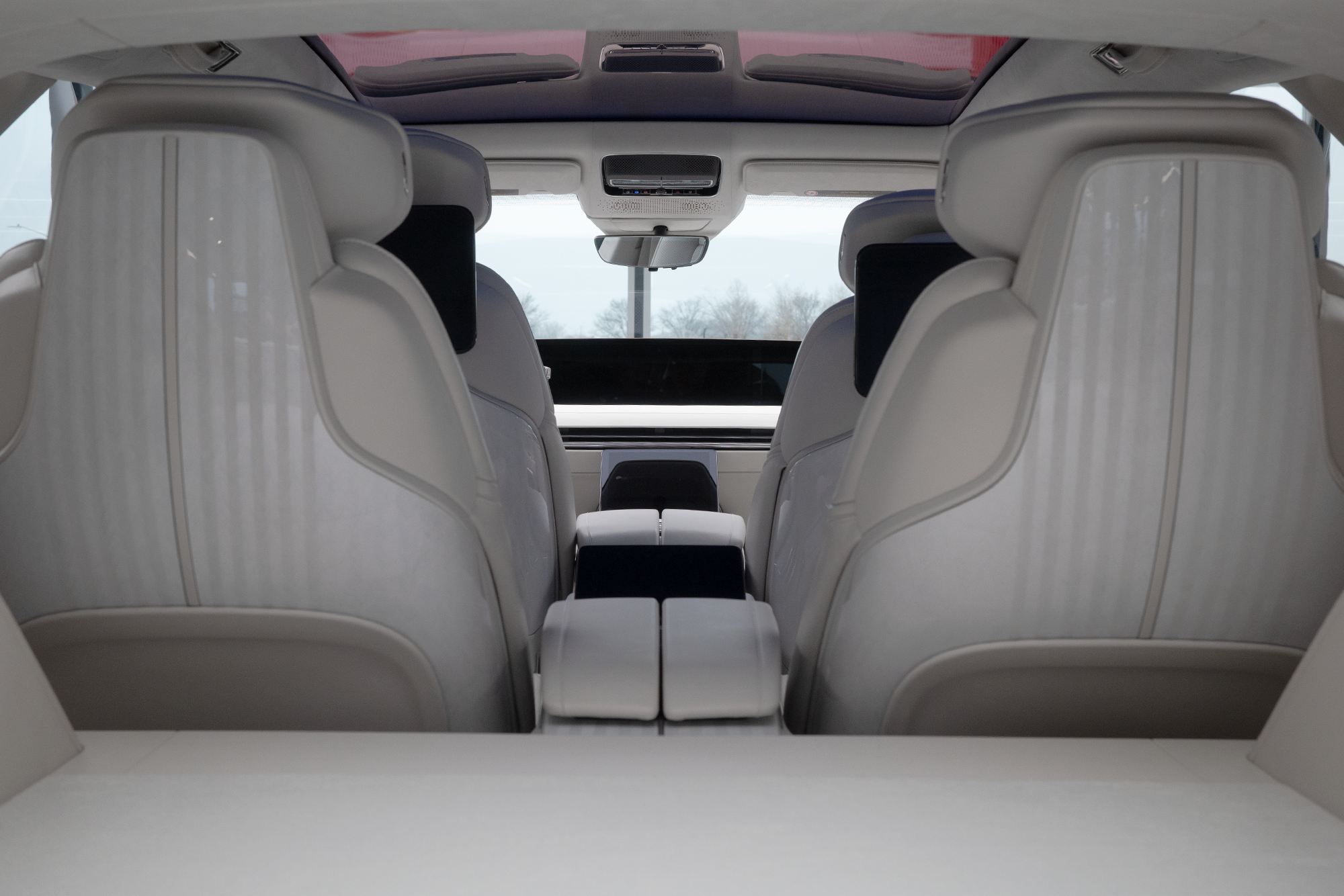
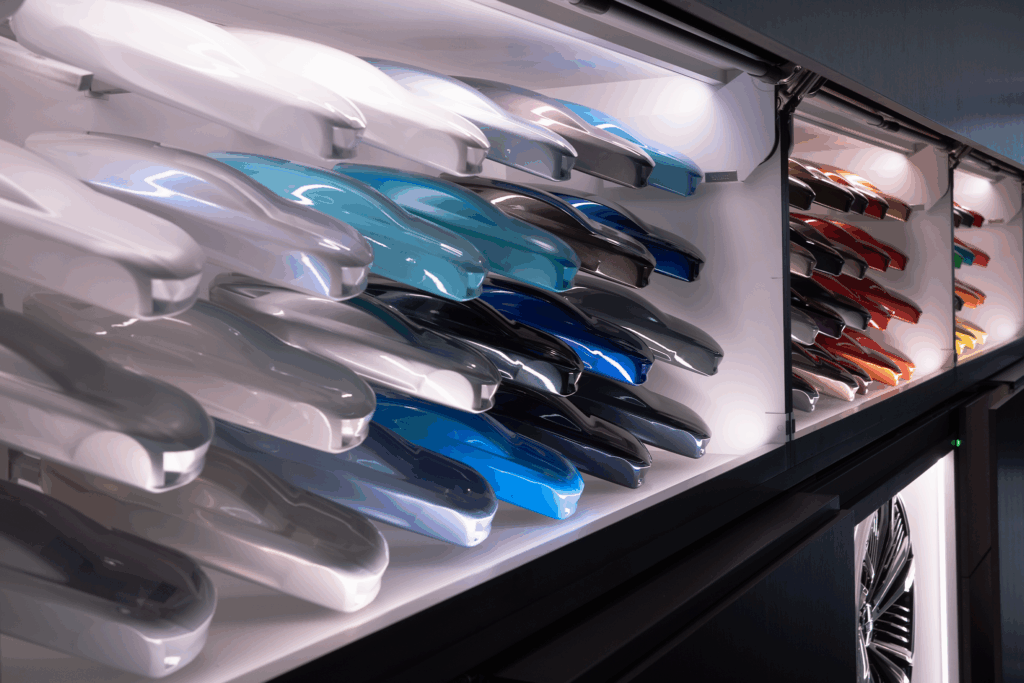
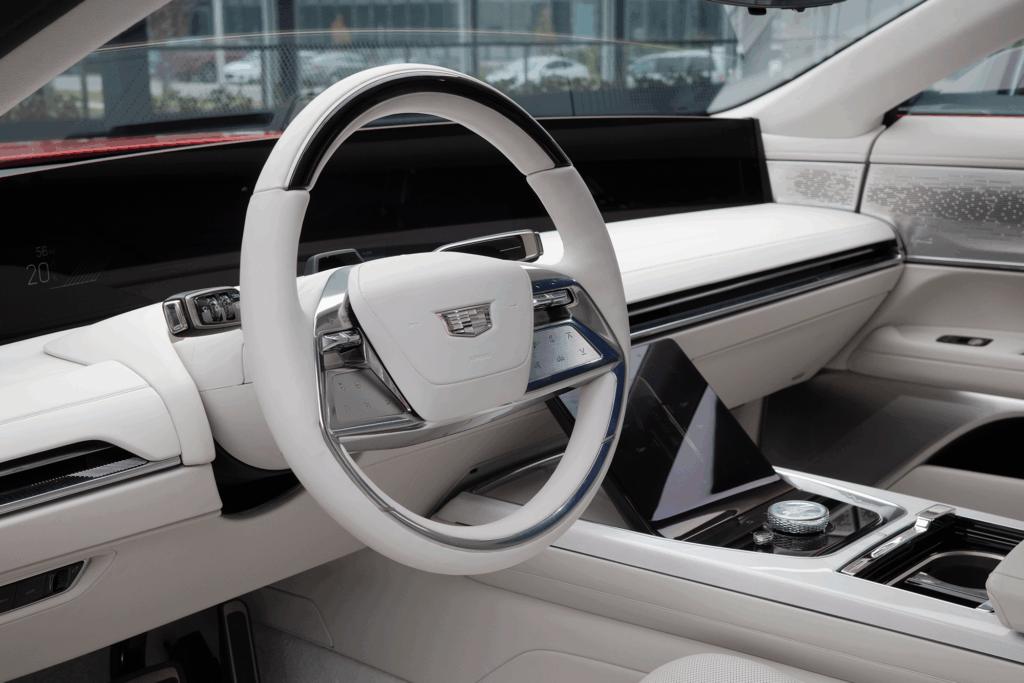
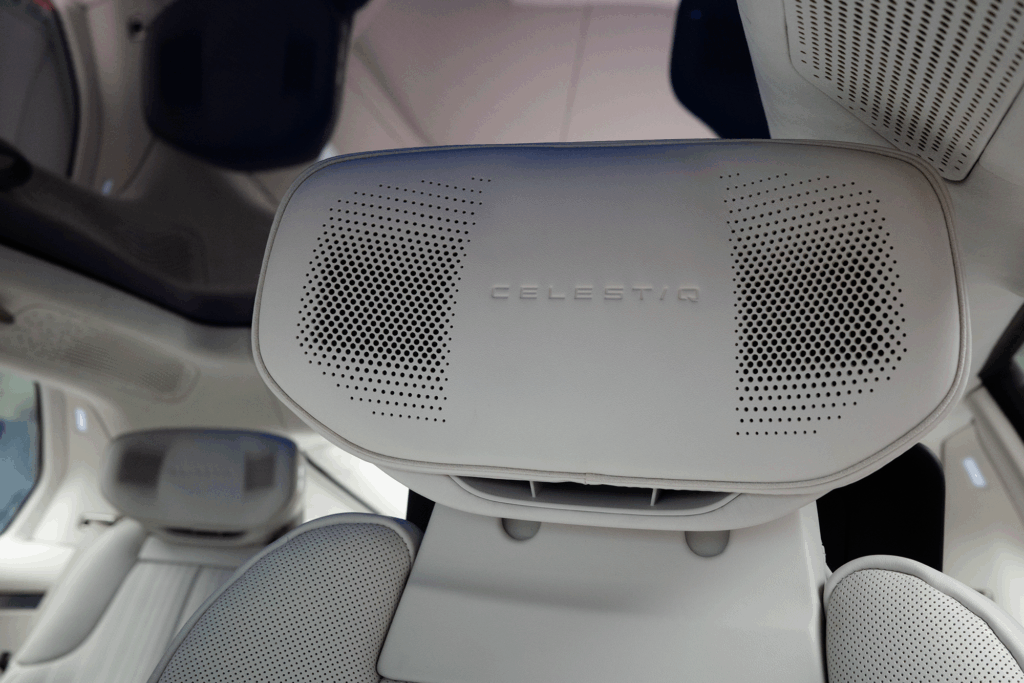
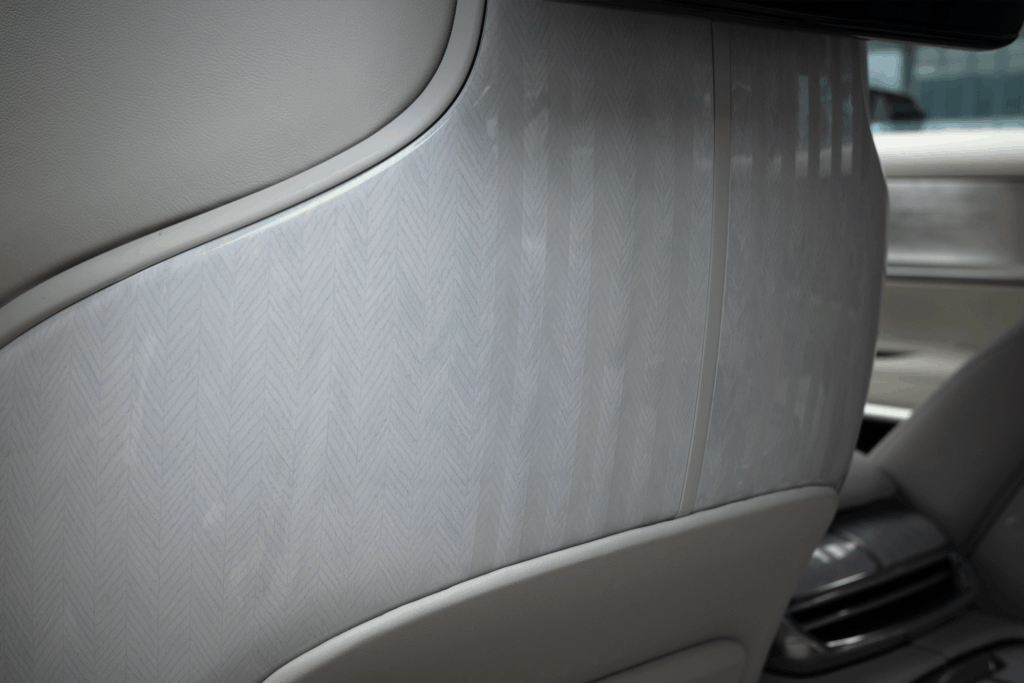
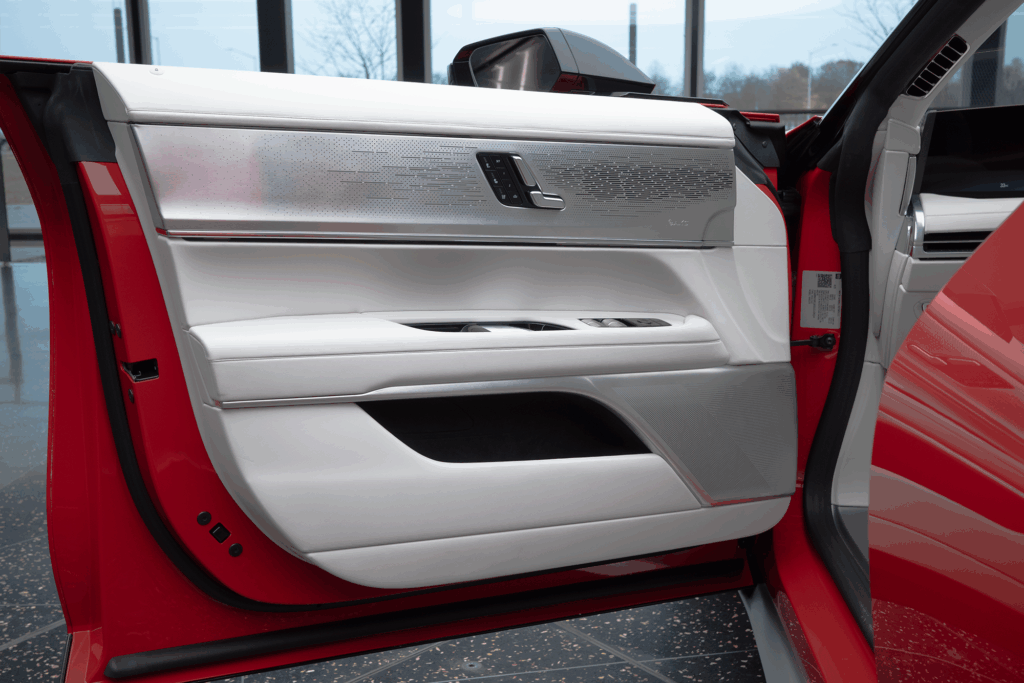
Crossley isn’t kidding either. Having taken the time to examine the interior of three different cars between the showroom and my pre-production loaner, I came away very impressed with the execution of all of its tactile touchpoints. The sheer volume of premium leather in the CELESTIQ’s cabin is substantial, and both the floors and the rearward trunk/hatch areas can be fully clad in leather on request (though not necessarily recommended for wet and snowy climates). Crossley swiftly pointed out that the interior cabin includes 150 individually wrapped parts, and without counting it’s an easy figure to believe. Combine this with the wide range of available wood and metal trim options, and a client’s ability to fully customize the whole car from stem to stern, and one can quickly see why the build process of a CELESTIQ can extend beyond 12 months, should a client have more complex design requests. Even when sticking to more run-of-the-mill offerings, the estimated build time for a new car sits at roughly 8-10 months.

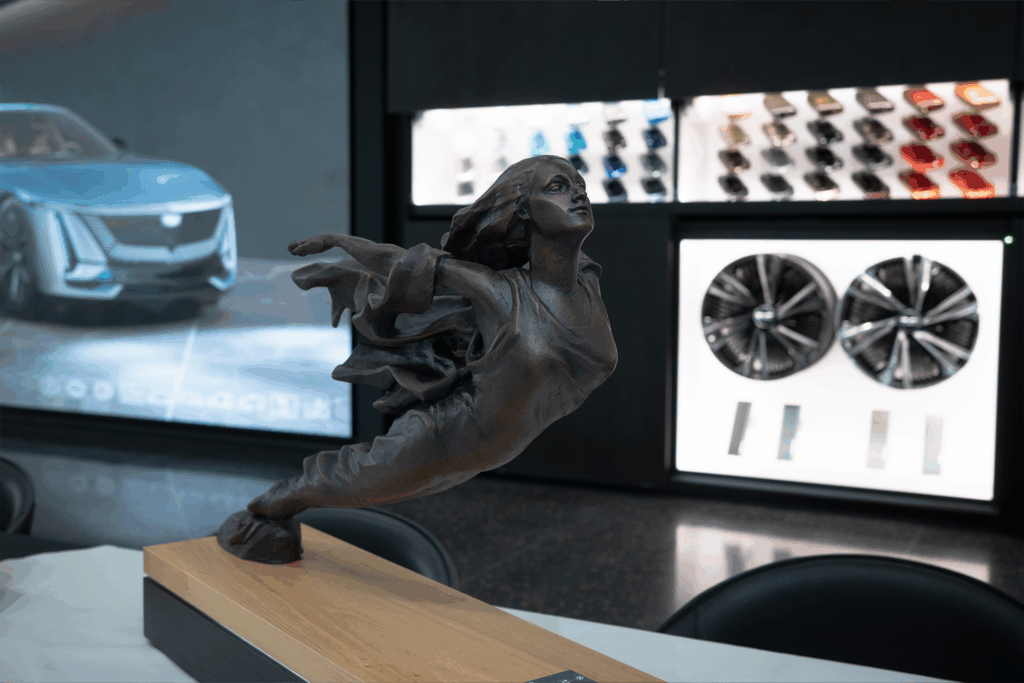
This is a completely different way of thinking for Cadillac as much as it is for GM as a whole. Scaling isn’t a consideration, nor is trying to cut corners for cost or efficiency. Thanks to the use of additive manufacturing — the 3d printing of metal components, basically — making the required metal components for its interior and exterior doesn’t rely on economies of scale the way it once would. Meanwhile its aluminum spaceframe structure is built of cast and machined panels, making its overall structure more rigid while simultaneously cutting back on the number of seams and joints in the panel that require welding and bonding. These (and many other) components of the CELESTIQ’s creation come together in the Artisan Centre, yielding no more than two cars per day, methodically, and with the care and attention a true top-shelf luxury car deserves.
Going back to the human factor for a moment, the 16 people working on the CELESTIQ aren’t your average assembly plant workers either. In total 25 employees are trained to work the line — accounting for time off, sick days, and the like — and each are trained on 250-300 required operations of the process of building the CELESTIQ. This is well above and beyond what’s required of a standard line-worker, and Plant Director Karsten Garbe hand-picked and tested each candidate personally. As Plant Director of Global Pre-Production Operations for over eight years (and a General Motors employee for more than 20), Garbe already has ample experience leading this sort of hands-on project, and knew exactly what he needed to make it all work seamlessly. “The people working in this shop are the best of the best — they’re true automotive enthusiasts, they’re custom car builders, they’re people who love what they do and who want to build things to the highest standards possible.”


SHARP Drives: The Cadillac CELESTIQ Sets a New Bar, Inside and Out
SHARP Drives: The Cadillac CELESTIQ Sets a New Bar, Inside and Out
SHARP Drives: The Cadillac CELESTIQ Sets a New Bar, Inside and Out
SHARP Drives: The Cadillac CELESTIQ Sets a New Bar, Inside and Out
SHARP Drives: The Cadillac CELESTIQ Sets a New Bar, Inside and Out
But how does it drive? Yes, that’s the obviously pressing $600k+ question, I suppose. When this opportunity arose I was VERY keen to find that out for myself. I’ve driven its closest tangible competitor, the Rolls-Royce Spectre, as well as several other vehicles both EV and otherwise that chart the top of the automotive ultra-luxe spectrum, not to mention having spent a chunk of my past professional life as a BMW & Rolls-Royce technician. Having seen what the bare shell and assembly process of CELESTIQ looks like already set the bar high, but then I was set loose on suburban Detroit public roads and freeways.
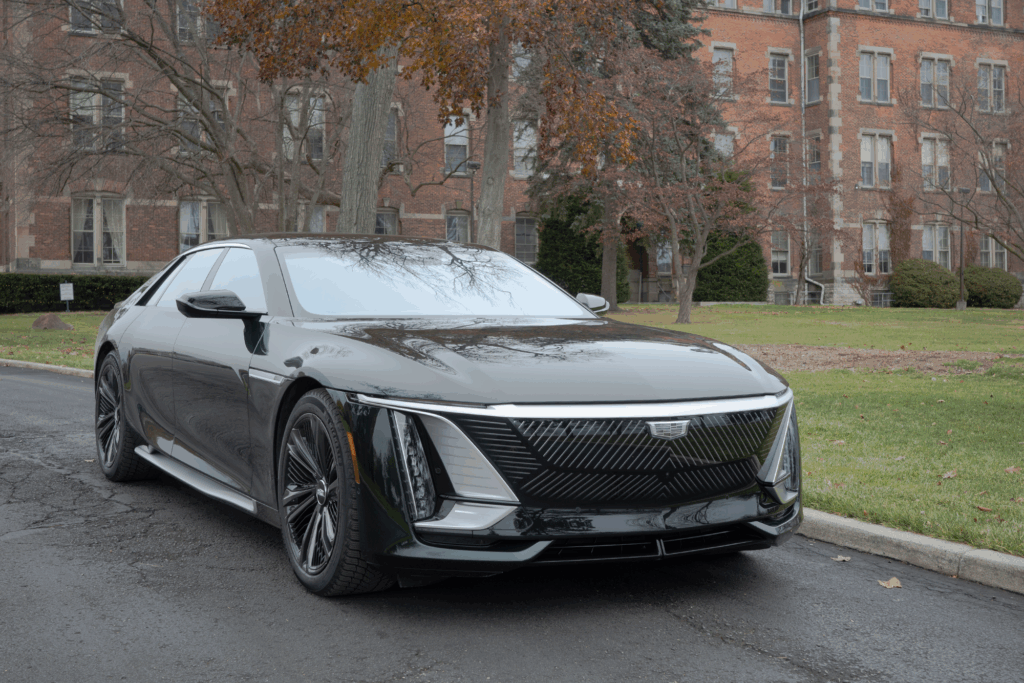
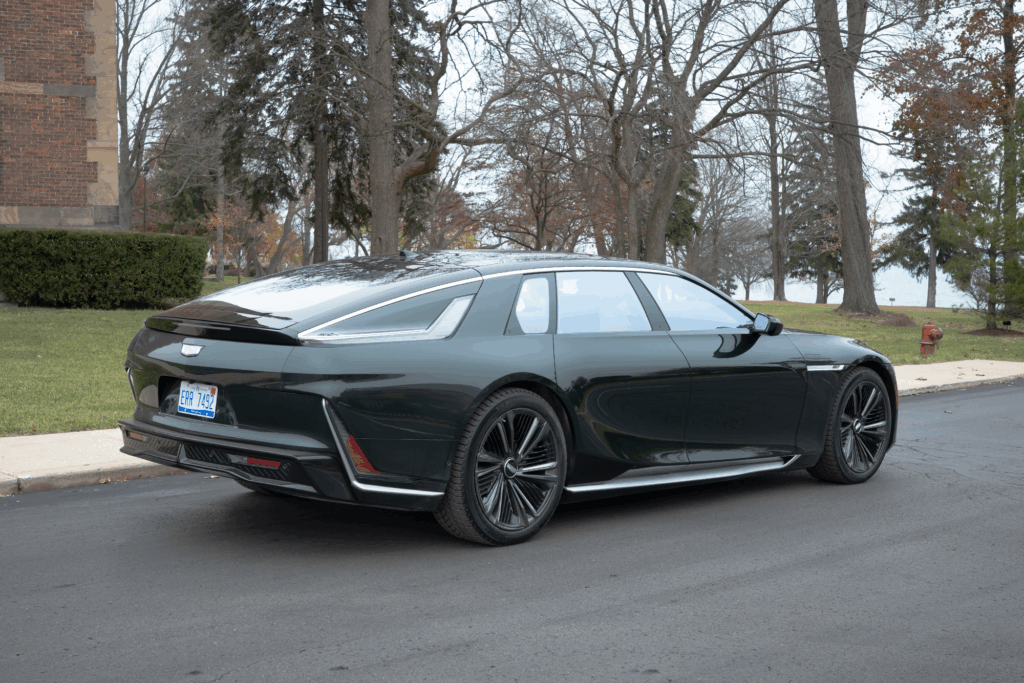
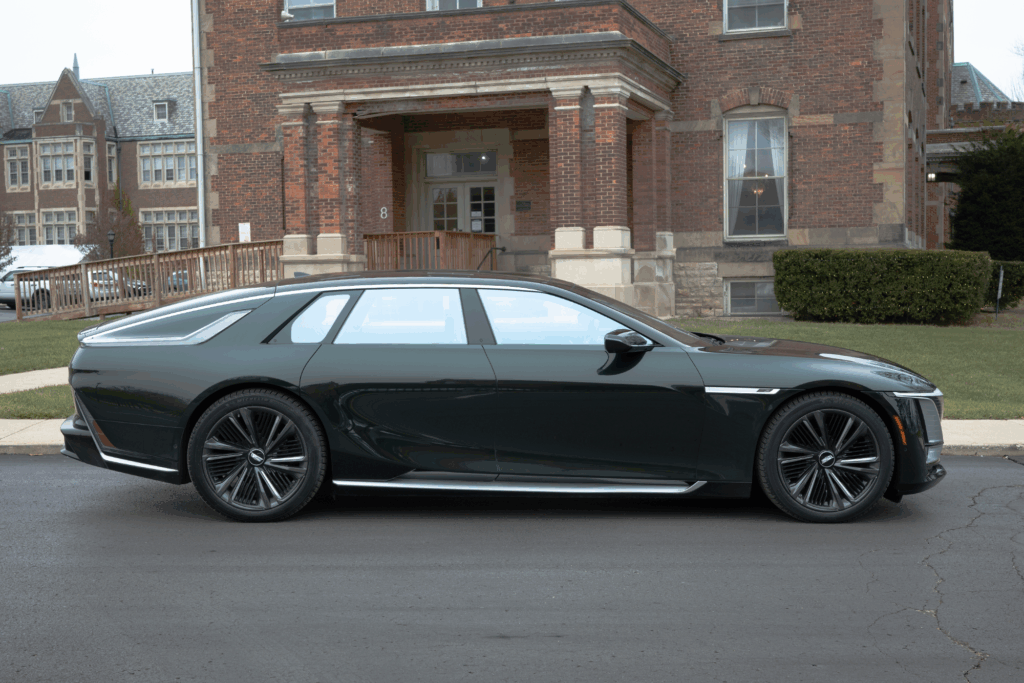

Though I was provided the caveat that the car I was driving was an earlier pre-production model, and that given the time of year it had already been migrated onto snow tires, the impact of either of those factors was nominal at best. As you would expect, the CELESTIQ is absolutely whisper-quiet on the road; that applies as much to the tattered sections of freeway as it does to the few gnarly bits of mangled sideroads I managed to track down during my brief testing window. There’s a benefit to building something so over-engineered that’s already destined to be rather heavy, and that’s the consideration that adding a bit more weight for additional sound deadening is of little consequence. Between the sprayed-in layers of sound insulation in the body, the interior matting, and the density of the machined aluminum spaceframe, there’s little way in which sound can transfer inward in a meaningful way.
We’ve already established that the CELESTIQ is a large vehicle, and one with plenty of room in the rearward seats for those over six feet (like myself) to properly stretch out, but this is another one of those curious cases where it just doesn’t feel that big from behind the steering wheel. It’s nearly two feet longer than the OPTIQ I drove to Detroit from Toronto, but in no way did it feel bigger or more cumbersome to drive. The addition of a rear-wheel steering system gives a minor assist here, tightening up its turning radius when maneuvering in parking lots or other close quarters.
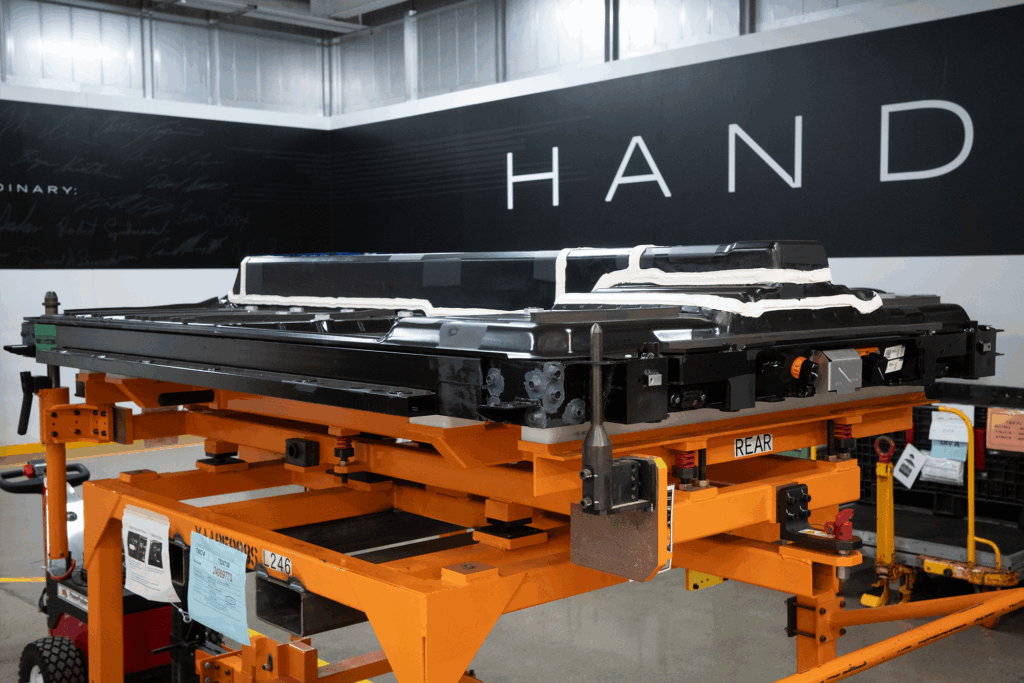
From a performance standpoint, Cadillac’s engineers once again worked their magic. Its pair of electric motors put down 646 lb-ft of torque, and despite not being a “lightweight” it still rockets off to 96 kilometres per hour in as little as 3.7 seconds. Despite having dabbled in EVs frequently, the instantaneous torque benefit of electrification never gets old, and the CELESTIQ will never leave a driver wanting. What’s more interesting however is the difference in overall dynamics when toggling between Sport and Tour driving modes.


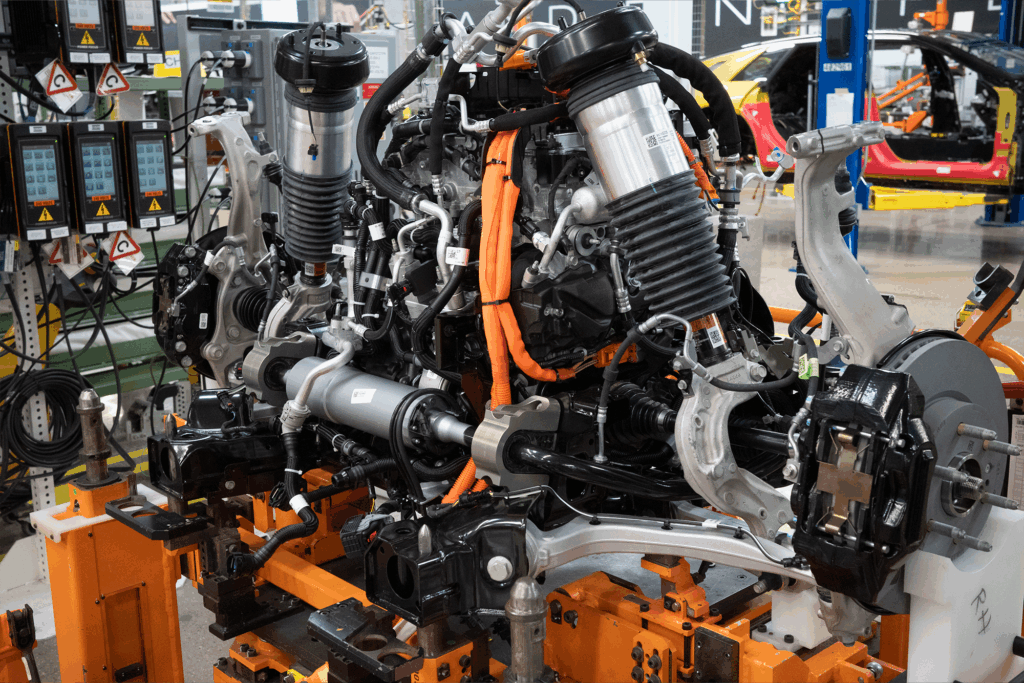
The freshly developed suspension system of the CELESTIQ uses a combination of Magnetic Ride Control and Adaptive Air Suspension, as well as Active Roll Control that leverages 48-volt active sway bars to keep the car planted at all times. The adaptive damping system automatically adjusts up to 1,000 times per second, always providing the smoothest ride without compromising traction or performance. I don’t want to keep drawing parallels to competitors here, but the one thing that gets me here is that Cadillac still offers its drivers a choice; step into a Rolls-Royce and you get their absolutely lovely and refined suspension, steering feel, and throttle response that they decided is the best it can be, but with the CELESTIQ you’re still provided with choice. Are you about to drive one of your favourite winding roads and you want to tighten things up a bit? You can. Are you heading down the Gardiner Expressway out of Toronto with its perpetually unbearable mangled pavement? A quick toggle lets the car eat that up without fuss. I don’t believe that consumers always benefit from having more options, but this one just makes sense.
Being a large EV, the CELESTIQ team was mindful from day one that range will always be a part of the conversation, despite the use case for this level of car very seldom being long-haul travel. With 488km of maximum range, we’re well into “as much as a tank of gas” mileage (depending on the vehicle), and a metric that matches or surpasses anything it would be put up against. This isn’t the kind of vehicle that merits a lengthy debate about range comparisons or range anxiety, if we’re being frank about it. It’s a low volume luxury platform, and if a buyer is so-so on electrification its unlikely that this or any other six-figure EV will be considered in the first place.
Turning back to creature comforts, there’s a lot here that I won’t get into because it simply does what you’d expect it to. Independent zone climate control, heated and cooled seats, massaging seats and the like are all present and do what they should, when they should. The audio system is capable of playing in Dolby Atmos, which is a remarkable and wonderful experience, so there’s bonus points for that. Really the only quibble I have with any of this (ok, two quibbles), is that I was really hoping for a more dedicated infotainment platform. The Cadillac system works well, and it works way better than it did a decade or more ago, but it’s the one thing that doesn’t feel quite as special as it should. It’s by no means a dealbreaker, especially knowing that many early CELESTIQ buyers are existing Cadillac owners, but if I had my druthers the CELESTIQ would have its own dedicated infotainment design and functionality, the same way that everything else on the car is so specific to this very special vehicle. My other equal trivial nitpick is the choice of those round push-buttons for opening and closing its massive doors, but again that one comes down to personal preference.
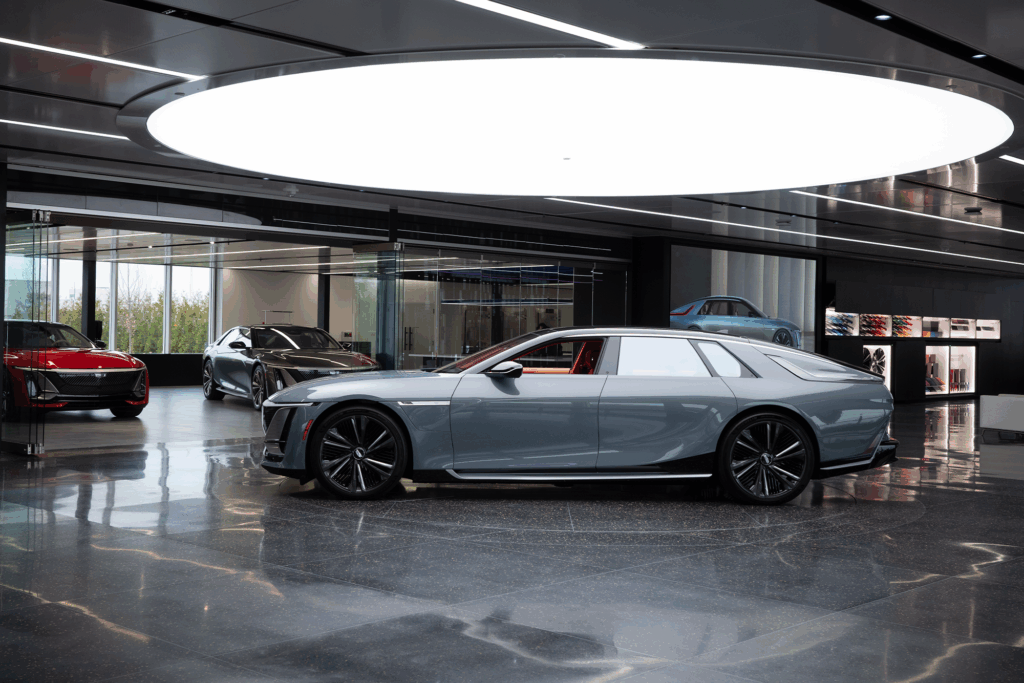
What really matters here is the car as a whole. This thing is insanely special, as much for the execution of the vehicle itself as it is as a piece of modern Cadillac history. It’s proof that an otherwise volume-driven brand can honestly pivot into the hand-built luxury stratosphere. Will it convert everyone that lays eyes on it? No, but that’s not the point. It’s rare. It’s different. It’s special. But above all else, it’s a worthwhile alternative in a category that currently holds very few options.
Original photography by Justin Mastine-Frost.