This past weekend, Formula One returned to the iconic Albert Park circuit for the 2026 Australian Grand Prix. Fans were excited to see which teams would be quickest and most competitive, especially with the new generation of hybrid power units featuring battery recharge and boost alongside the downsizing of this year’s cars.
A promising pace in pre-season testing saw Ferrari as frontrunners. Red Bull’s Max Verstappen and Isack Hadjar both showed great consistency, while McLaren had an expected target on their backs as back-to-back Constructors’ Champions, along with Lando Norris claiming last year’s Drivers’ Champion title.
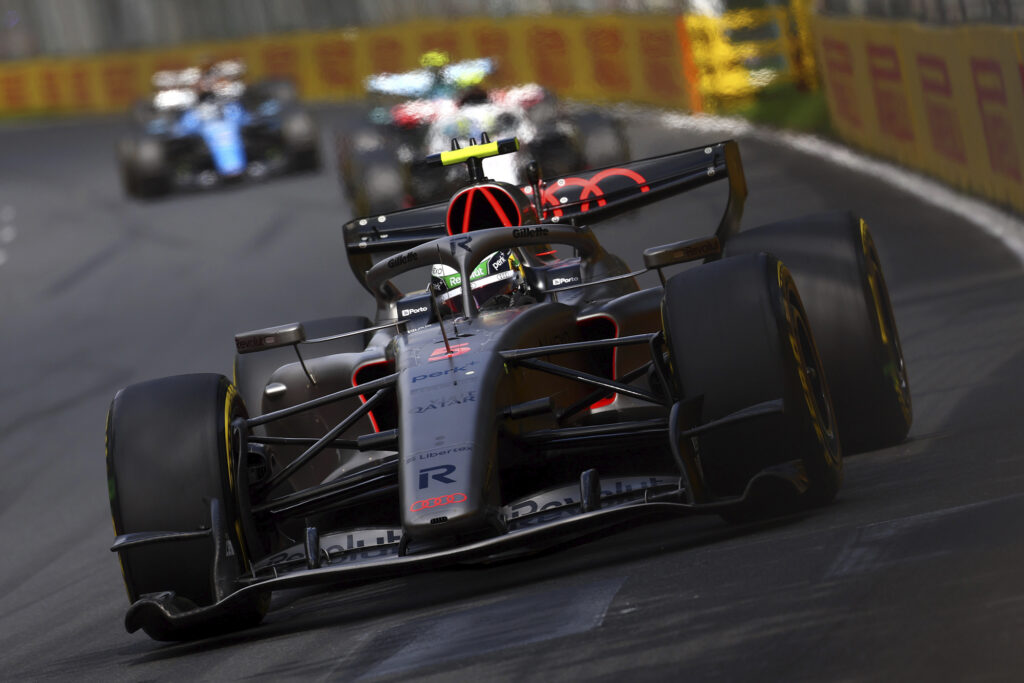
With the arrivals of Cadillac and Audi (formerly Sauber), many were eager to see how the new arrivals would compete against established F1 teams, even though they already have race-winning experience in the WEC (World Endurance Championship). Pre-season testing is one thing, but the first race will always demonstrate which teams are strongest in terms of development, and how much time was put into the new cars, especially in a year with updated regulations.
Highlights From the Australian Grand Pre Qualifying Session
The usual suspects — George Russell (Mercedes), Charles Leclerc (Ferrari), and Oscar Piastri (McLaren)— were fighting for the top spot early in Q1, with an impressive showing from the rookie Arvid Lindblad (RB), who stayed within the top 5 for most of the session. Eleven minutes into Q1, fans were shocked to see the Red Bull of Max Verstappen spinning under braking into turn one after the rear of the car locked up, sending Verstappen into an uncontrollable hurdle toward the barriers at the end of the straight. The issue remains unclear, but there’s much speculation of a software issue being the culprit. Either way, this knocked Verstappen out of qualifying, leaving the F1 veteran starting the race from P20.
Q2 was much less eventful, with Mercedes, Ferrari, McLaren, and the solitary Red Bull making it to the next round of qualifying. An impressive P6 and P7 result from the RBs of Arvid Lindblad and Liam Lawson ensured their place in Q3, and an even more impressive P10 performance by Gabriel Bortoleto secured Audi’s first Q3 appearance on their debut race weekend.
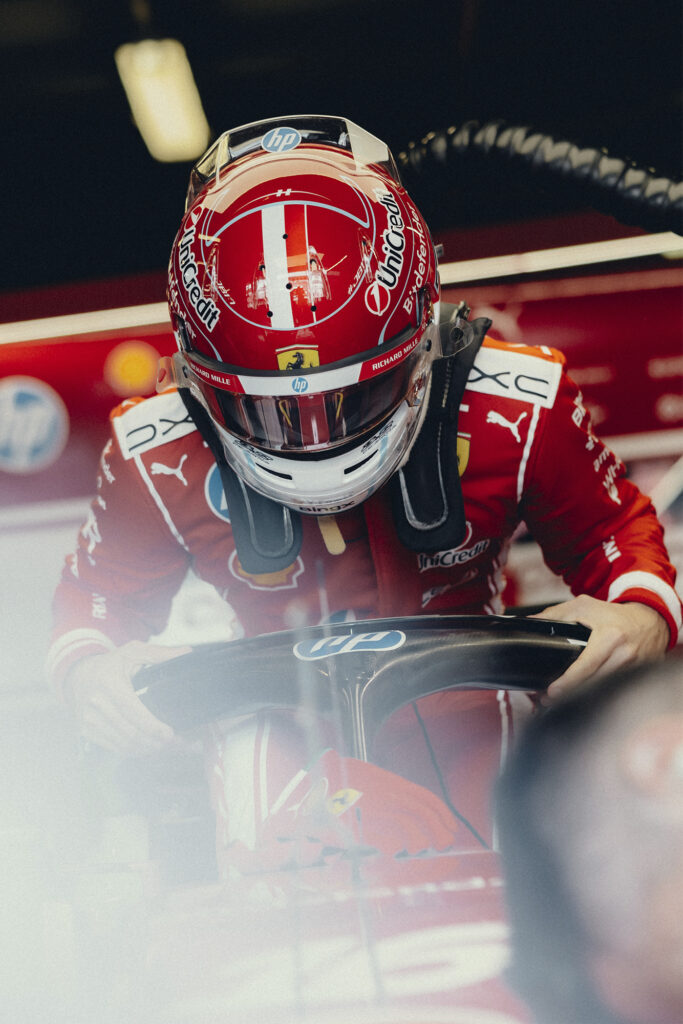
Everyone had their eyes on the Mercedes of George Russell and Kimi Antonelli heading into Q3. Mercedes has been a favorite since pre-season testing, and the comeback performed by Antonelli after his crash in FP3 just before qualifying was beyond impressive, demonstrating the resilience in the Mercedes garage. To that end, Russell would cross the line in P1, Antonelli in P2, and Isack Hadjar would bring it over the line to qualify P3 for Red Bull — a refreshing sight after so many seasons where former Verstappen teammates struggled to keep pace; the Red Bull second-driver curse seems to have been broken.
Highlights From the Race
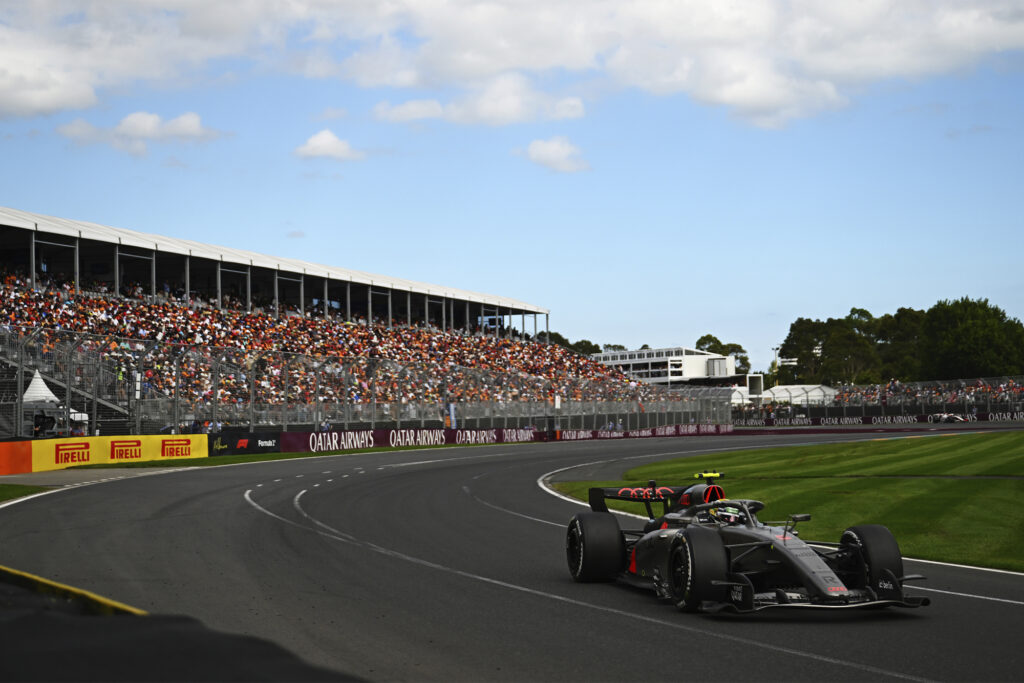
Things went awry quickly for the hometown hero, as Australia’s Oscar Piastri crashed his car during the pre-race warm-up, running wide and taking too much curb on the exit of Turn 4, ending his race day early and confirming a P22 finishing position.
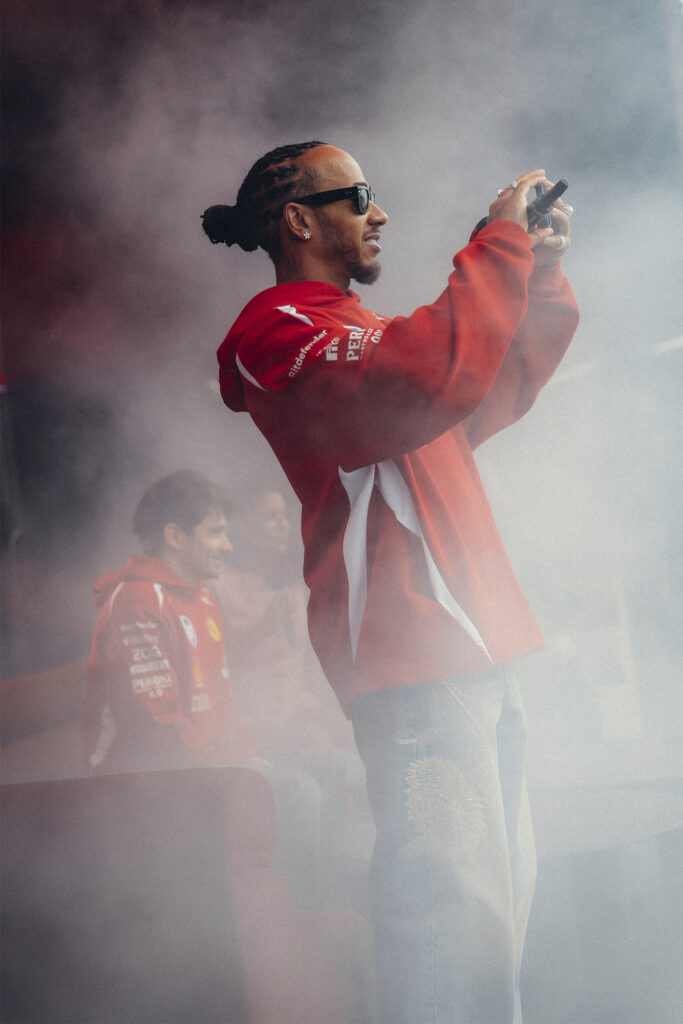
The first lap was its usual chaos, with plenty of positions changing hands. Kimi Antonelli had a slow start off the line, allowing Charles Leclerc to make the move around both Mercedes and move from P4 to P1. An impressive start from Arvid Lindblad saw him go from P8 to P4 by Turn 3. Lewis Hamilton and his Ferrari also made an early charge, gaining four places in one lap from P7 to P3.
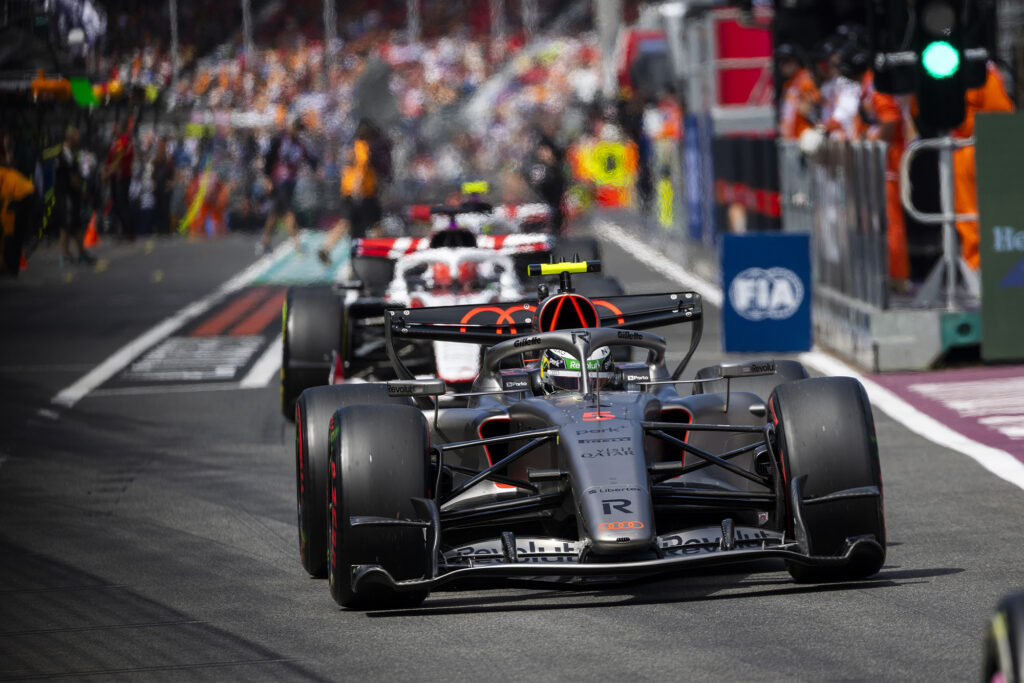
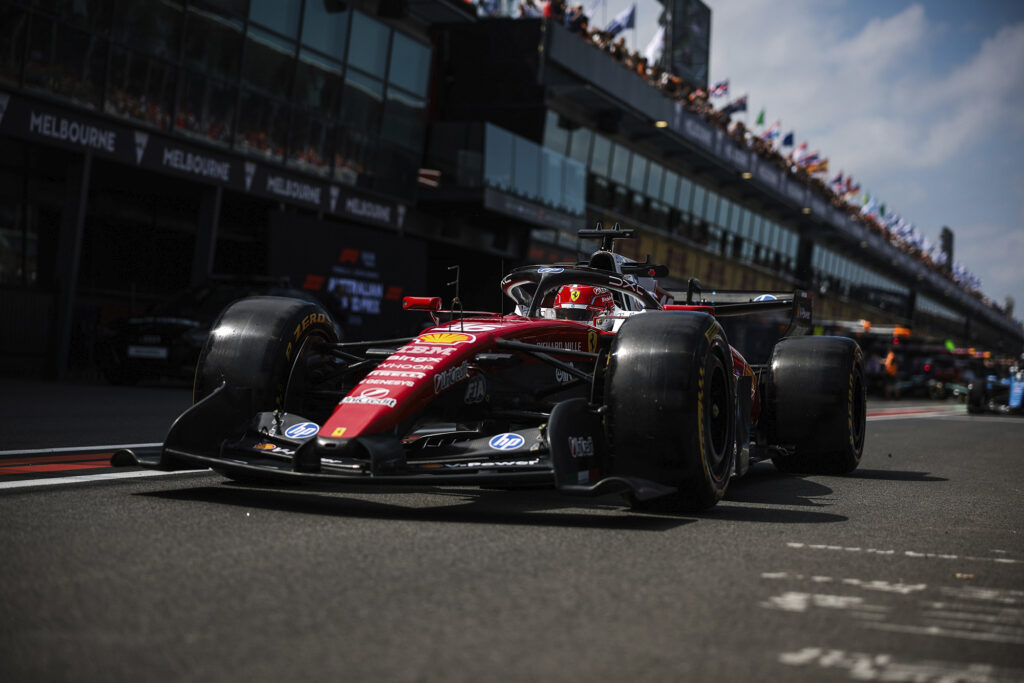
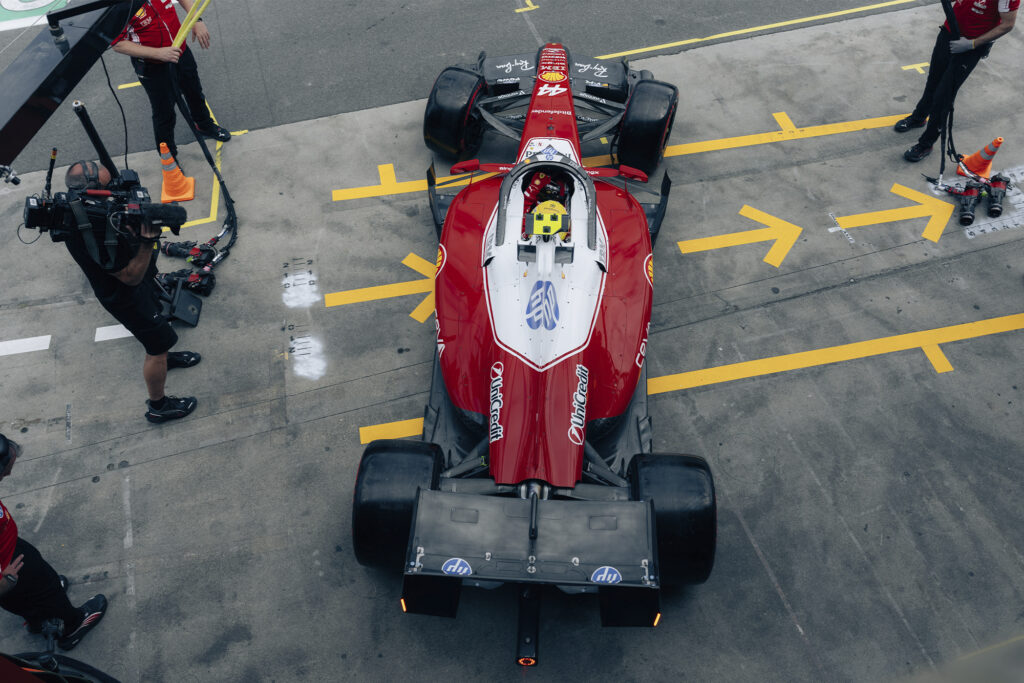
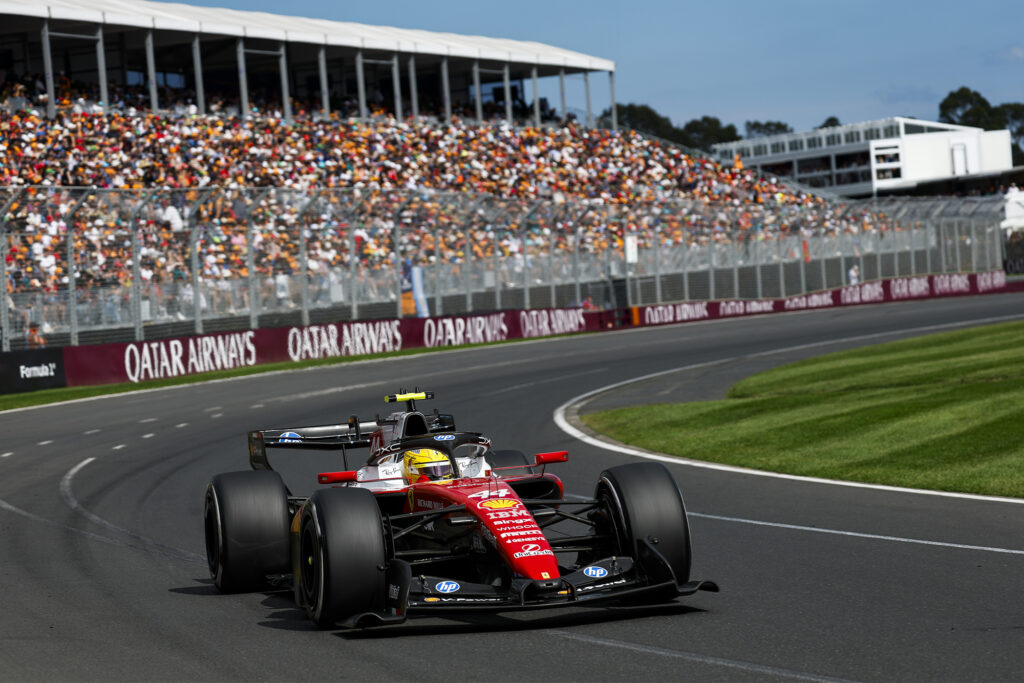
The opening few laps saw a fantastic back-and-forth battle between Leclerc and Russell, and a beautiful pass into Turn 3 allowed the Mercedes to retake the lead on lap 8. However, the back straight showcased the power of the updated boost in the new hybrid power unit, allowing Leclerc to take the lead on the outside of Turn 9; “brave” is an understatement.
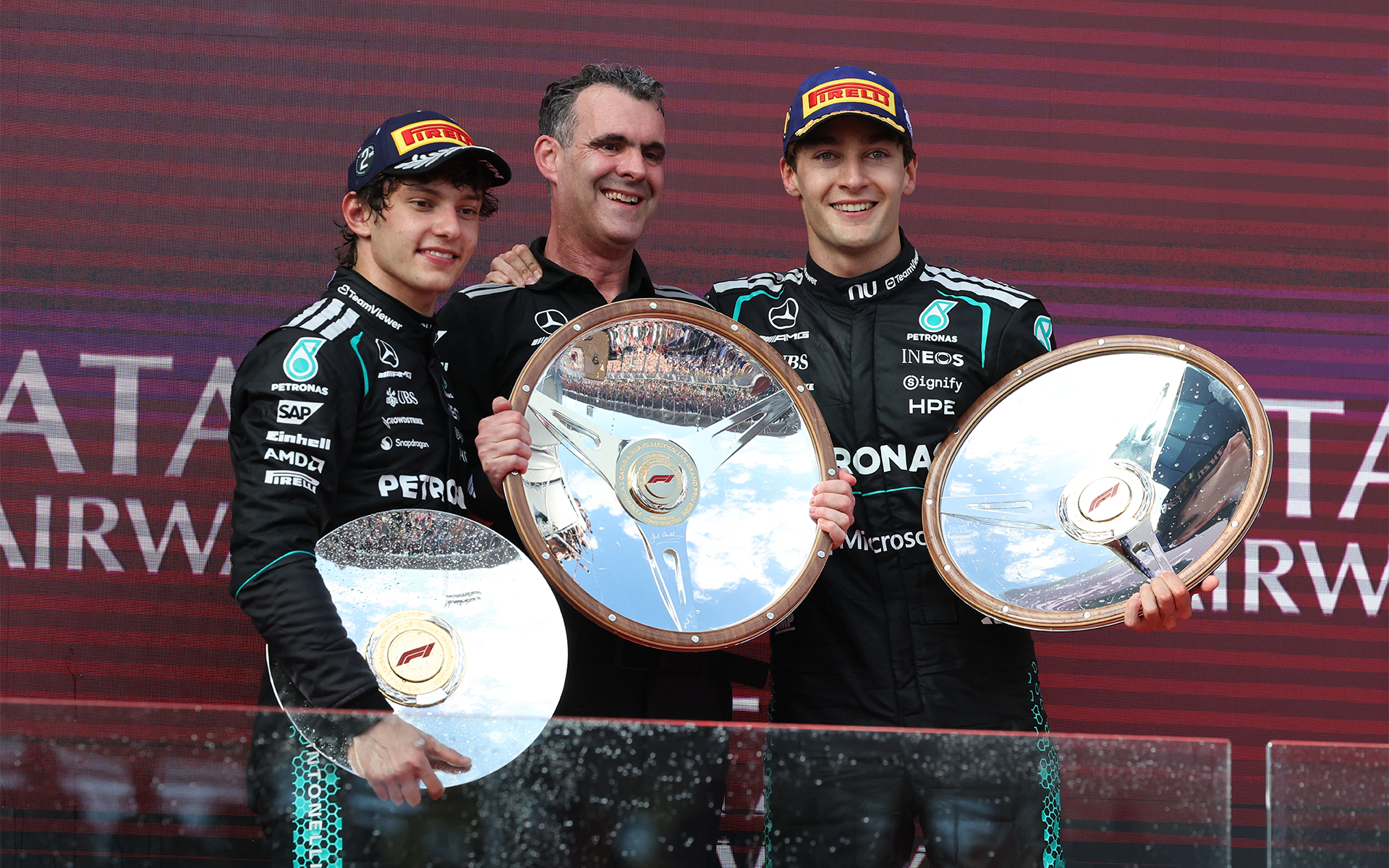
Isack Hadjar ran into an engine failure, leading to a full-course yellow flag. Russell took the pit stop opportunity and allowed Hamilton to slide into 2nd; it was the first time we had seen Ferrari 1-2 on track in quite some time. However, an unhappy Lewis Hamilton voiced his frustration: “At least one of us should have come in.” The decision to keep both Ferraris out front was beneficial, but only for a short time. Ferrari would maintain the top positions for a while, but due to other yellow flags throughout the race, the Mercedes of Russell and Antonelli had the opportunity to catch both Ferraris. The front row stayed the same for most of the race: Mercedes 1-2, Ferrari 3-4. An opportunity for a win missed for Ferrari, and secured for Mercedes.
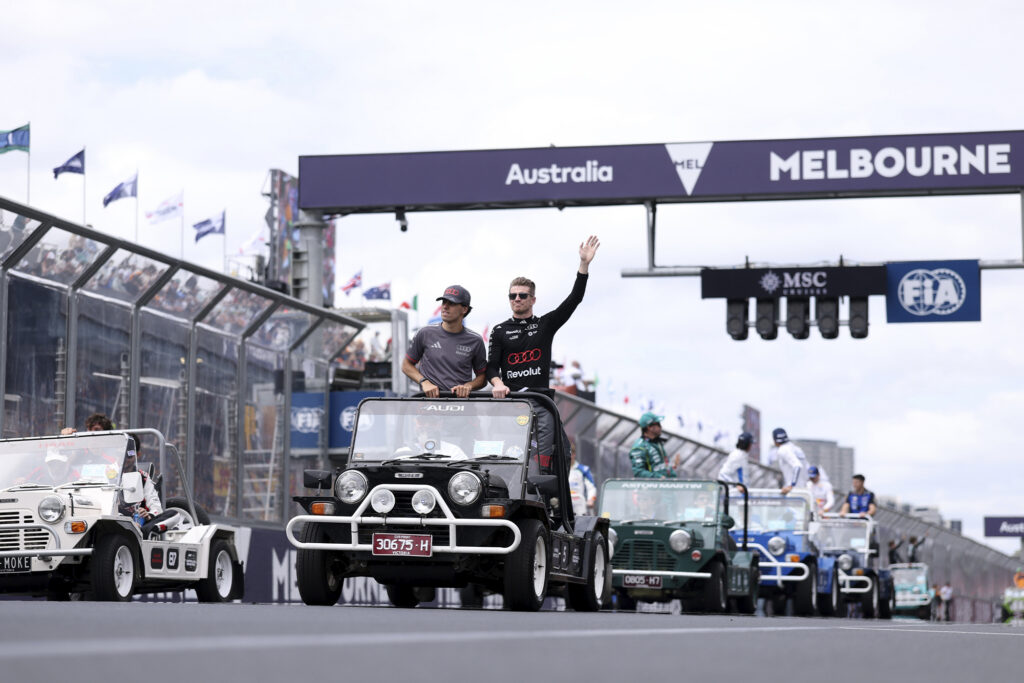
It’s worth noting what a phenomenal race was had by Max Verstappen, having started from P20 and finishing an impressive P6, nearly catching Lando Norris for P5 in the last few laps of the race. HAAS had a fantastic points weekend, with Oliver Bearman starting P12 and finishing a hard-fought P7. The only rookie on the grid, Arvid Lindblad, drove the wheels off his RB to bring home his first points finish in P8, marking a strong way to start his F1 career. Gabriel Bortoleto moved from P10 to P9, giving Audi their first points in F1 and a great start to the season. Pierre Gasly rounded out the top 10 with a great drive for Alpine Mercedes.
With A fresh season underway and these newly redesigned cars stretching their legs on opening weekend, we’re left with a clear picture of what’s to come. 2026 is going to be a very different season, and we’re excited to see our favourite teams jockeying for position.