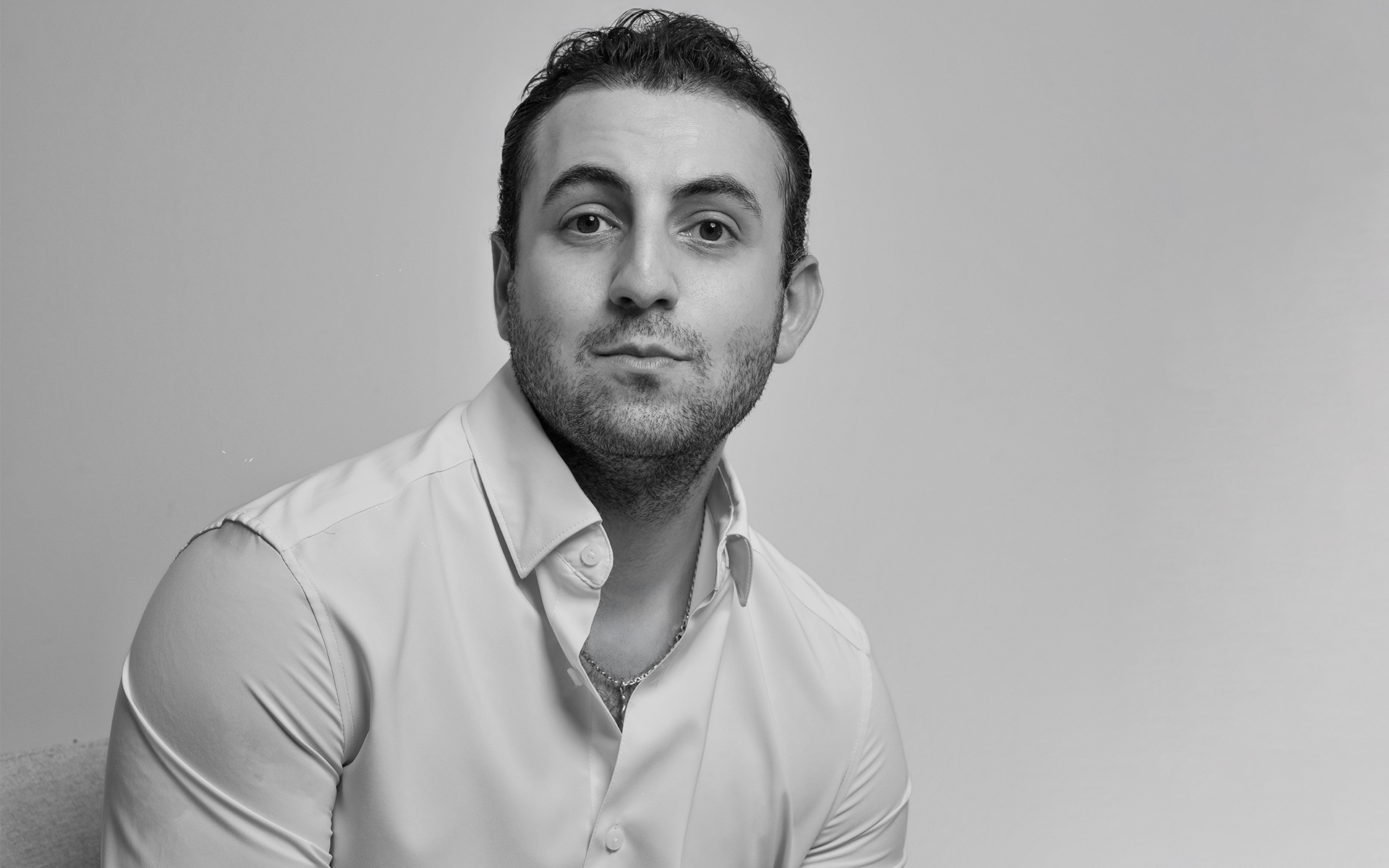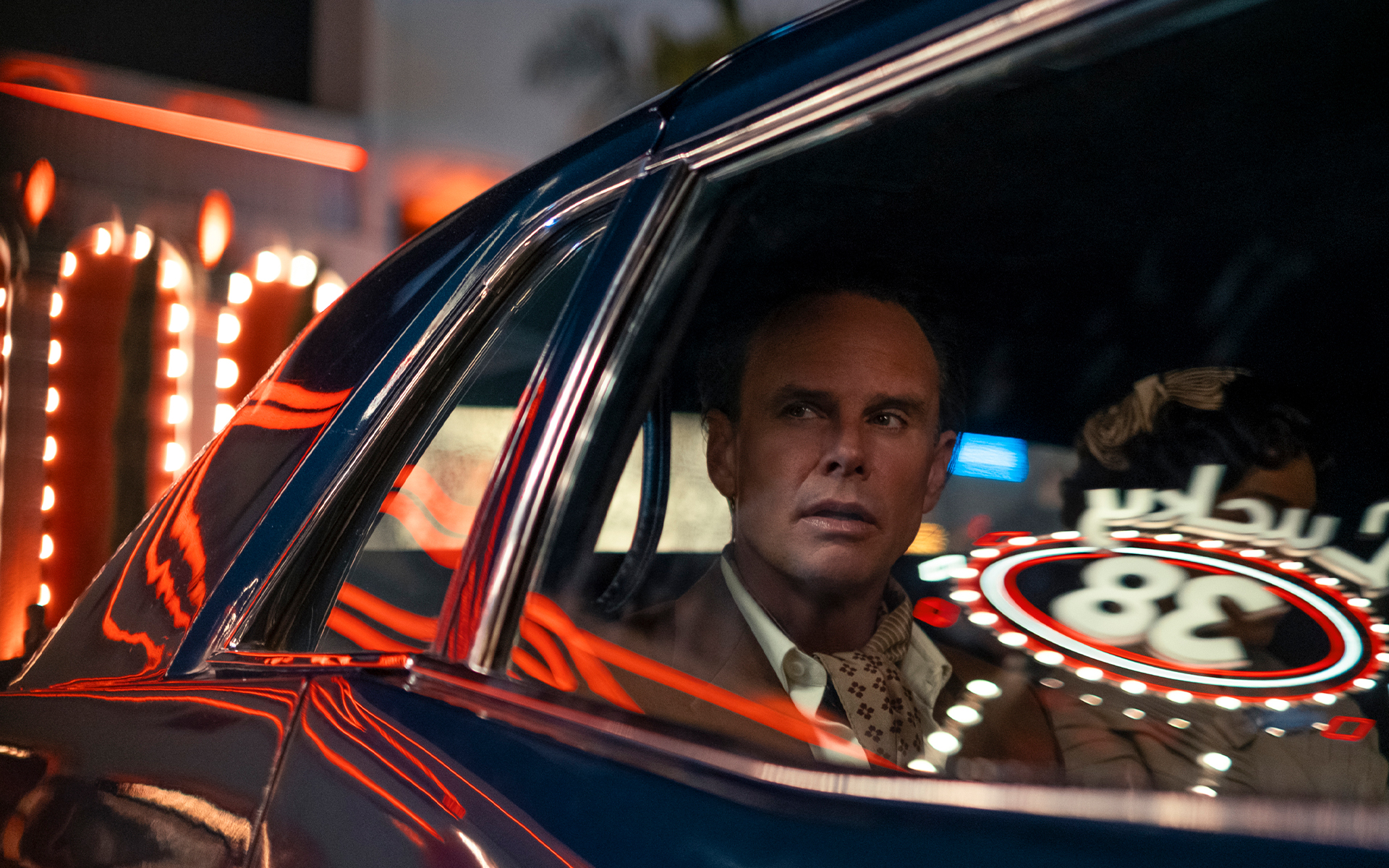
Walton Goggins is a mastermind who conjures a wealth of new worlds and characters from the depths of his imagination. He explains that he has three stories in his head right now. “I find it stimulating to be engaged in three completely different realities in my head at the same time and be able to compartmentalize each one of them. I just love it,” he says with a smile.
Goggins, 53, is celebrated for embodying a pantheon of morally scorched, yet unforgettable characters — from the gloriously unhinged Baby Billy Freeman in The Righteous Gemstones to the silver-tongued outlaw Boyd Crowder in Justified and the intriguingly broken interloper in Season 3 of The White Lotus. The latter two roles earned him Emmy nominations, while his work on Fallout is generating buzz at the Golden Globes.

Now, Goggins unleashes that signature duality once again in the retro-futuristic canvas of Prime Video’s second season of Fallout, which premieres on December 17. He reprises his role as the 200-year-old gunslinging Ghoul, while also portraying the human, Cooper Howard. The Ghoul embarks on a necessary, if strange, road trip with Lucy MacLean (Ella Purnell). Their dynamic is a high-stakes psychological tug-of-war.
Goggins views the type of long-form character study that television allows as a spiritual exploration, one that he has thoroughly enjoyed for decades. He’s in the midst of yet another exciting chapter of his life, where he continues playing in a lot of different sandboxes with countless imaginative people — including all sides of himself.
“I am the person that I was when I was 12 years old, and I am the person that I am today, speaking to you. […] I try to realize that any day on this planet is a day worth living and I live it to the fullest.”Walton Goggins
What brought you joy telling the Fallout universe story?
I’ve been blessed over the years, even when I didn’t have a choice, to somehow stumble into the stories of value, and I suppose along the way, I learned a great deal from the people that I’ve worked with that I look up to, [and who] have influenced me. Now, I’ve been given the opportunity in my life to say “No.” Whenever you come across an opportunity to collaborate with the likes of Jonathan Nolan or Geneva [Robertson-Dworet] or Graham [Wagner] and get to tell a story like this, you feel so privileged to say “Yes.” […] After talking to them for the first time almost three years ago, I was just so taken with this story after reading the first two scripts. And here we are, having finished the second season of this very compelling, absurdist, comedic, dramatic tale, and I can’t believe I’m talking to you on the other side of having season two in the can.
Can you share something you did for Cooper/Ghoul that informed your performance for season two?
Oh wow. Well, I suppose one of the biggest things was transitioning from not looking at Lucy as a human being to looking at her as a human being and as someone different than me, someone that I needed in order to get to where it is that I’m going. And Lucy, in my opinion, needs the Ghoul as much as the Ghoul needs her, and making that transition organically from where we started the very first time [when] I met her in season one to where we pick up in season two, I just felt that this is an opportunity to have what may be the most unlikely pairing ever in the Wasteland go on a road trip together.
“I think we can all identify with those two extremes. I am the 15-year-old that desperately wanted to get out and see the world and I’m also the 53-year-old that has gone out and seen the world.”Walton Goggins
Your career has involved playing complex, often morally ambiguous characters. What aspects of the Ghoul’s journey were the most difficult to step into?
I think it was really Cooper Howard. It’s his story that informs the bridge to the past and understanding the history that so many of these players have in common and what they’ve gone through. That was just a journey of exploration for me, because I’m finding out when I’m reading [the script] the same way that an audience is finding out when they watch it. […] It was a lot to take in. It’s all earned, but it was really Cooper’s journey and his relationship with his wife and the principal players behind the destruction of the world. I guess, greed on one hand, and also just a new vision of what the world could be going forward, which was maybe most difficult.
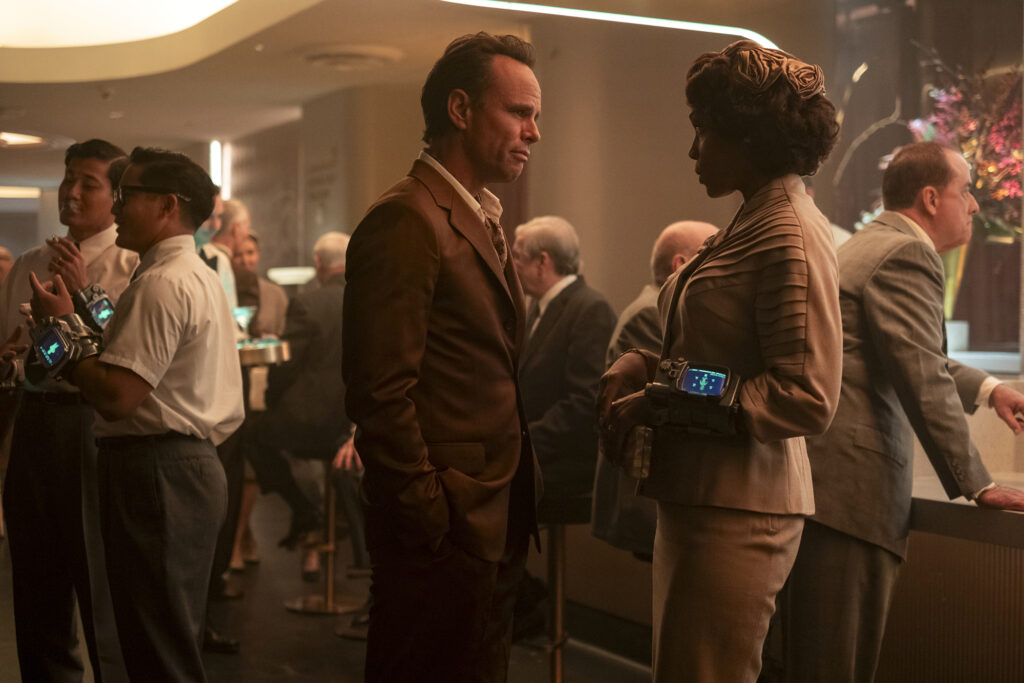
Looking at the way that Cooper and the Ghoul seem to speak to each other over time at different phases of their life, how have you reflected on your own younger self from 35 years ago?
I think we can all identify with those two extremes. I am the 15-year-old that desperately wanted to get out and see the world and I’m also the 53-year-old that has gone out and seen the world, and both of those realities with and without resources exist simultaneously. I am the person that I was when I was 12 years old, and I am the person that I am today, speaking to you. For me, life really is a journey with ups and downs, and I try to realize that any day on this planet is a day worth living and I live it to the fullest.
“Every episode of every single show I’ve ever been a part of has revealed something about these people that I didn’t anticipate.”Walton Goggins
You have been a part of the golden era of television. How satisfying for you is the long form?
I don’t know that there were many actors that had the opportunity to do what we had the opportunity to do on The Shield, right? The Sopranos definitely came up before us, but we were right after them and it was that first experience and the opportunity of mining the nuances of someone’s psyche and spirituality over the course of 84 hours. They had real value to me; I felt like, I don’t know where this is going and every episode of every single show I’ve ever been a part of has revealed something about these people that I didn’t anticipate.
The same thing is happening with Fallout. There’s a moment this season in this long-form television format that you just couldn’t have gotten to in two hours; it would have felt forced. But, you wait this many hours and then, all of a sudden, this happens organically. And then, what happens because of this experience? It feels like this is exactly where we’re supposed to be and I don’t know where it goes from here. But we’re able to explore things and [in] long-format versions of serialized storytelling in television that I just have never been given the opportunity to do in film. I mean, I’ve had some great roles and some really cool movies, but I just find this version of collaboration and storytelling something that speaks to me.