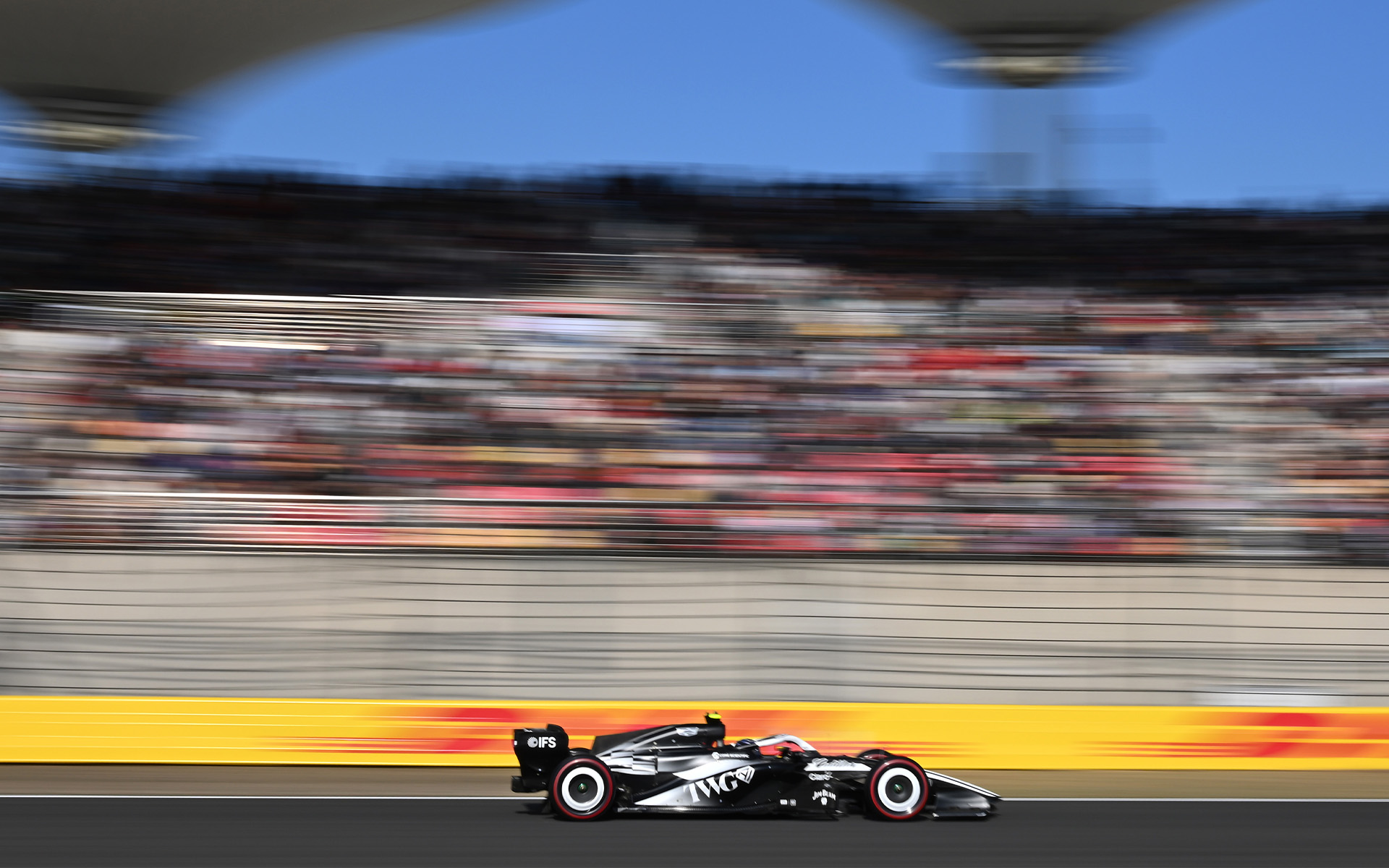
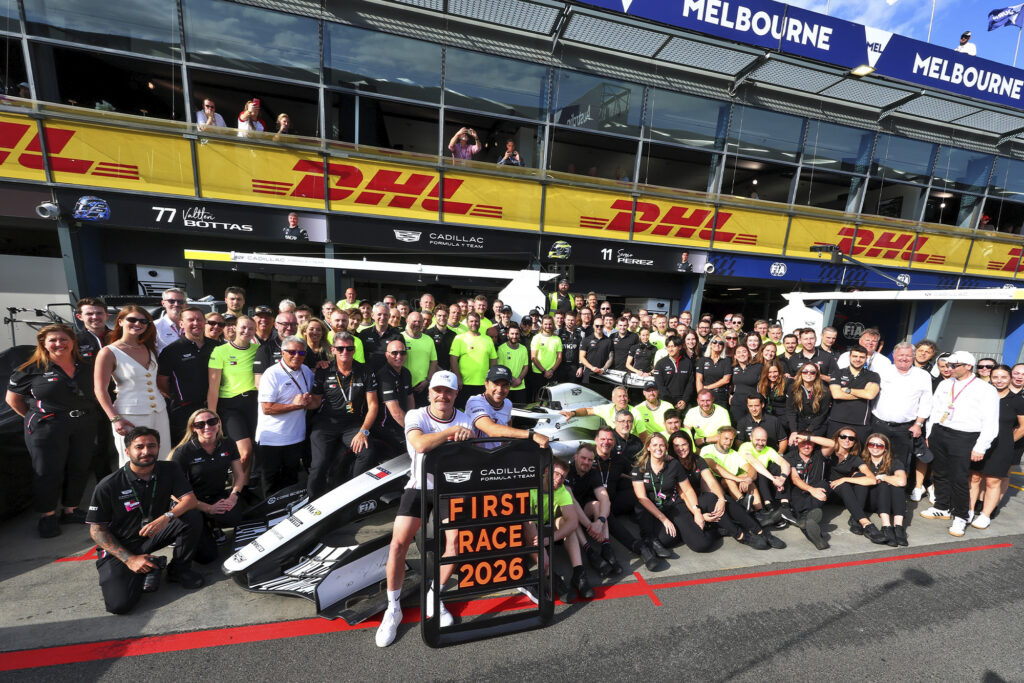
Back in March, Cadillac rocked up to the starting grid in Melbourne for the team’s first Formula One race — and the first race of the new F1 season — as an outsider. It’s the only North American team on the grid, and the first all-new team to enter F1 in a decade. Simply getting two new F1 cars to Australia for the first race of the season reportedly cost around US$1 billion.
Both of Cadillac’s drivers, Finland’s Valtteri Bottas and Mexico’s Sergio Perez, were able to start the race, which is quite the accomplishment considering some teams only managed to field a single car. Bottas was eventually forced out of the race by a fuel issue, but Perez brought his car home in 16th, ahead of six other cars. A week later at the Chinese Grand Prix, both cars made it to the finish.
“F1 needs no introduction. It’s the best of the best racing in the world, and Cadillac can compete.” Mike Speranzini, managing director of Cadillac Canada
“The only word that can accurately describe how I’m feeling is… humble,” company president Mark Reuss said ahead of Cadillac’s first race. “A big reason F1 accepted us is because they know we’re in it for the long haul,” he explained. “We’re going to take the data and the results and continuously improve — fast — and play the long game.”
But you might rightly be wondering: why? Why is Cadillac in Formula One for the long haul? This is, after all, the same Cadillac that brought us flamboyant tailfins, luxury land yachts resplendent in chrome, and the beloved Cadillac Escalade. The latter is about the farthest thing you could imagine from the delicate carbon road missiles that populate an F1 grid.
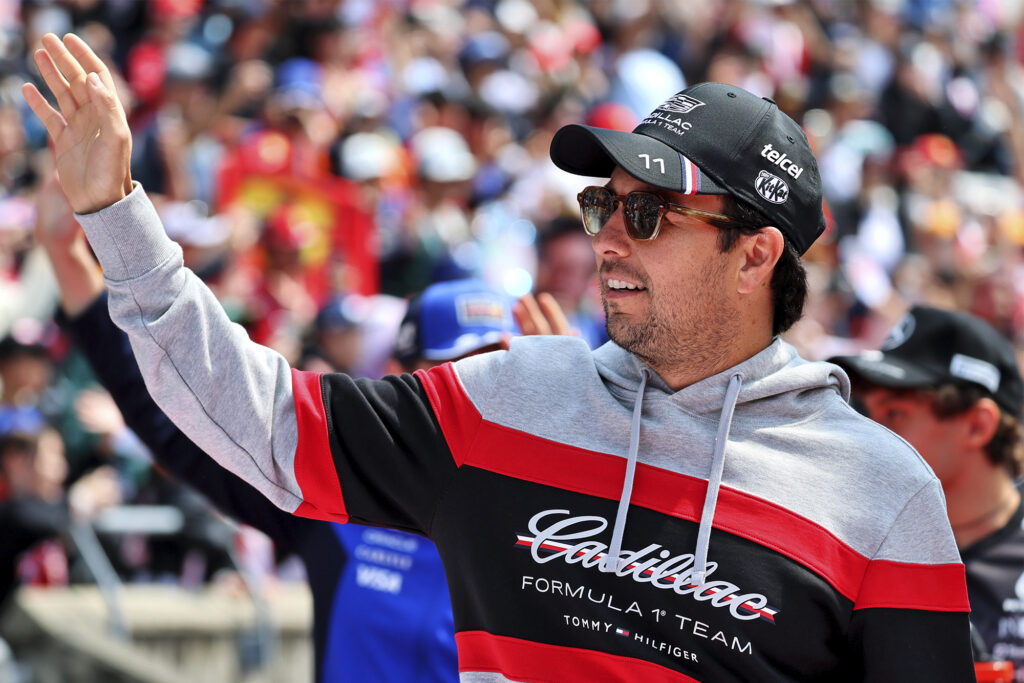
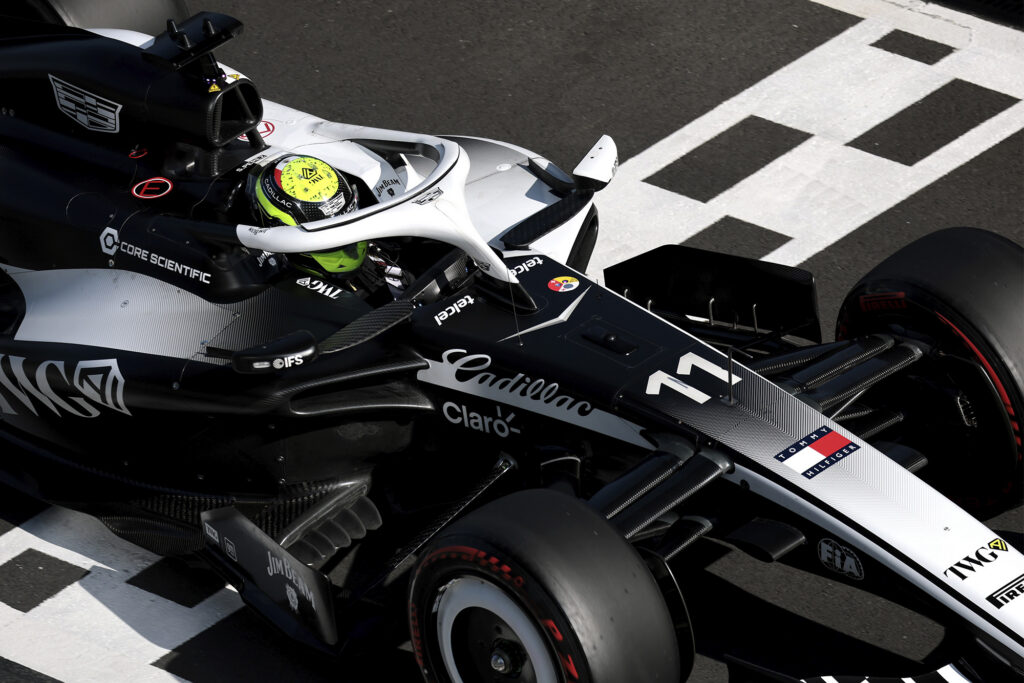
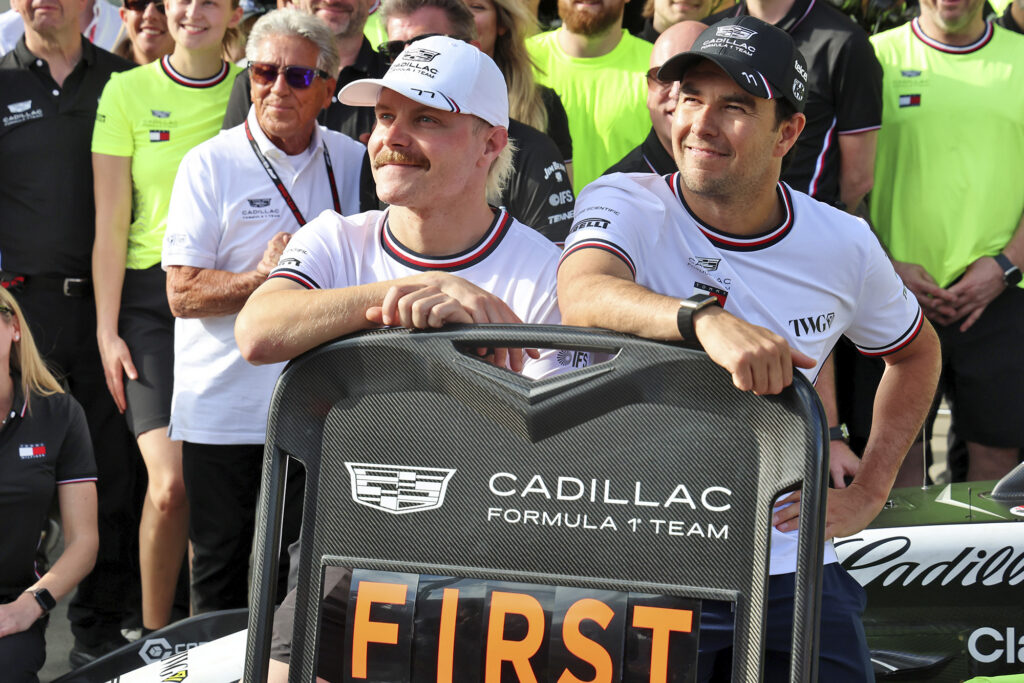
Not only that, but the American luxury brand will be up against more established teams and supercar specialists, including Ferrari, Aston Martin, and McLaren. Competing for a single race win will take years. A championship could take a decade or more. So the question remains: why?
“It’s absolutely because Cadillac is positioning itself as a global brand. F1 is a global platform,” says Mike Speranzini, managing director of Cadillac Canada. “F1 needs no introduction. It’s the best of the best racing in the world, and Cadillac can compete.”
It’s exactly that sort of attitude that made Cadillac what it is — the brand’s old motto was “The Standard of the World” — and you’re seeing that swagger in action right here. But there’s also a business strategy behind this bravado.
“This is a global push for every market Cadillac is participating in, whether it’s Europe, whether it’s China, whether it’s markets in North America or the Middle East,” he says. “And F1 is in every one of those markets; F1 gets your attention.”
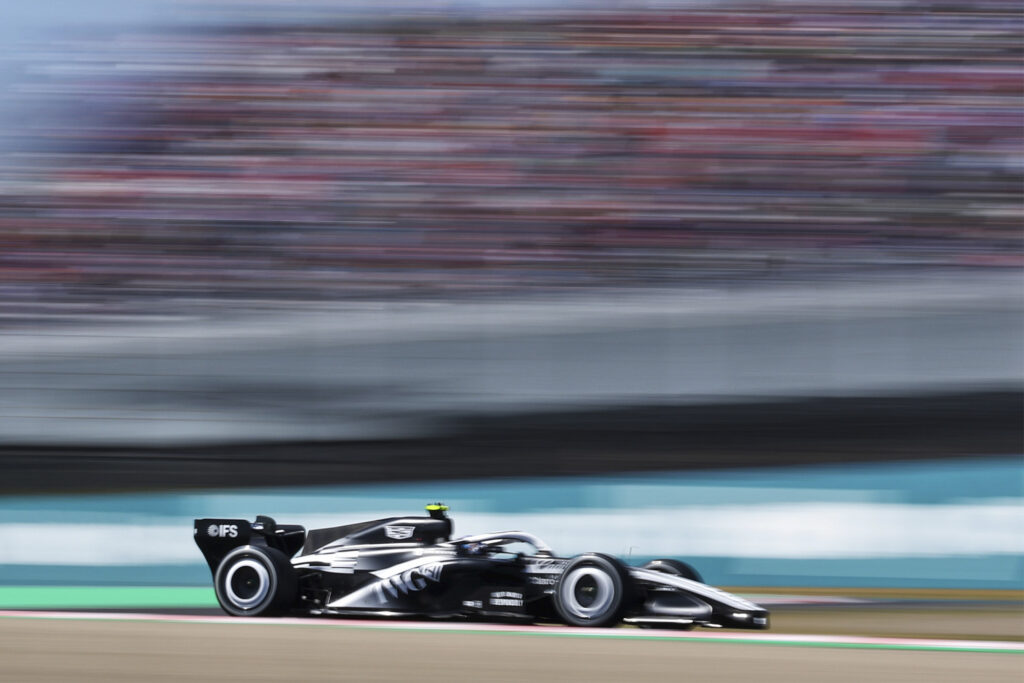
In fact, it gets the attention of 827 million people across the globe. The sport is enjoying a new golden era, with unprecedented levels of engagement. The fanbase has grown an incredible 63 per cent since 2018.
The Netflix docu-drama, Drive to Survive, premiering in 2019, made F1 a household name. Last year’s Brad Pitt blockbuster F1 broke box office records, won an Oscar, and made the sport a Hollywood darling. (No surprise: there’s already a sequel in the works.) Perhaps unsurprisingly, Cadillac isn’t the only brand jumping on F1’s global reach and marketing potential for the 2026 season; Audi bought an F1 team for itself, and Ford is joining the fray as an engine supplier.
“What’s really cool is that it’s crossing demographics like you wouldn’t believe,” Speranzini says of F1. “Fans are really young; it’s where brand impression is formed. And it’s very interesting to see how many women are engaged in F1 as well. The data really supports that there’s interest from both men and women, young and old. You cannot ask for a better place to be.”
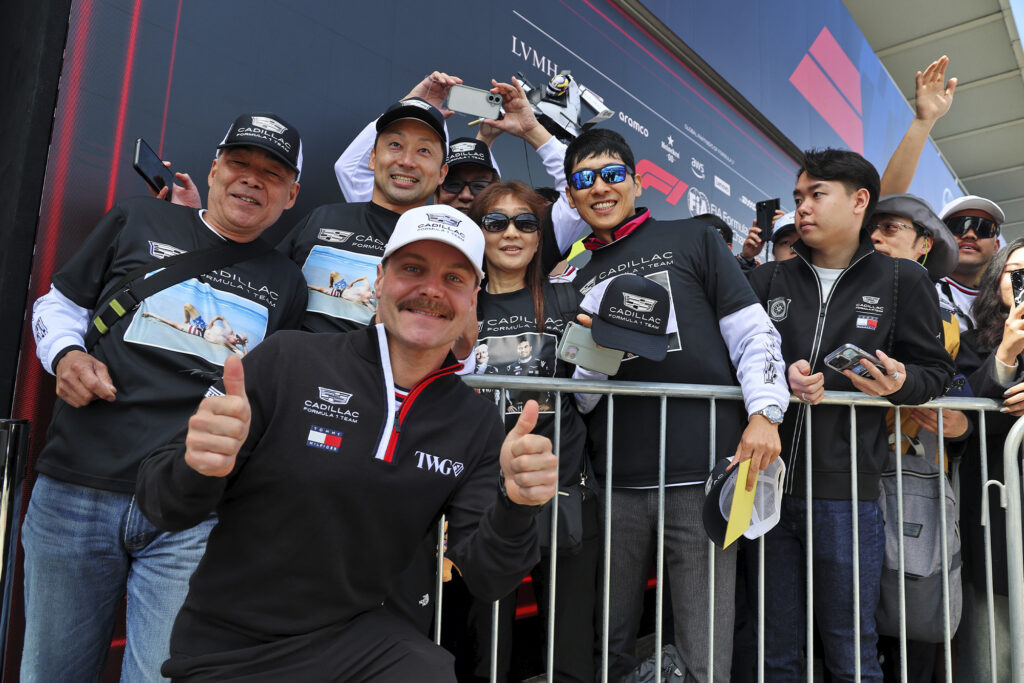
Cadillac has plenty of reason to want to get its name out there right now. The company has undergone a quiet renaissance on the back of massive investment from parent company General Motors. Walk into a Cadillac showroom and you’ll find it filled with fresh new products, great design, and quality materials. Who among you would’ve correctly guessed that the top-selling luxury EV brand in Canada and the U.S. is Cadillac? Not many, we’d wager. And there’s even less awareness in Europe and elsewhere.
“Cadillac absolutely wants to be a top tier luxury player,” said Speranzini. “Performance is the really fun part of that, whether it be vehicles like our CT5-V Blackwing […] as well as what you’re seeing in our V-Series OPTIQ and LYRIQ.” The latter, he notes, is the quickest Cadillac ever.
There’s surely more to come from Cadillac’s V-Series hot-rod division, just as there’s more to come from Cadillac’s upstart F1 effort. Like Reuss said, Cadillac is playing the long game here. The team came into F1 as an outsider, but they won’t be for long.