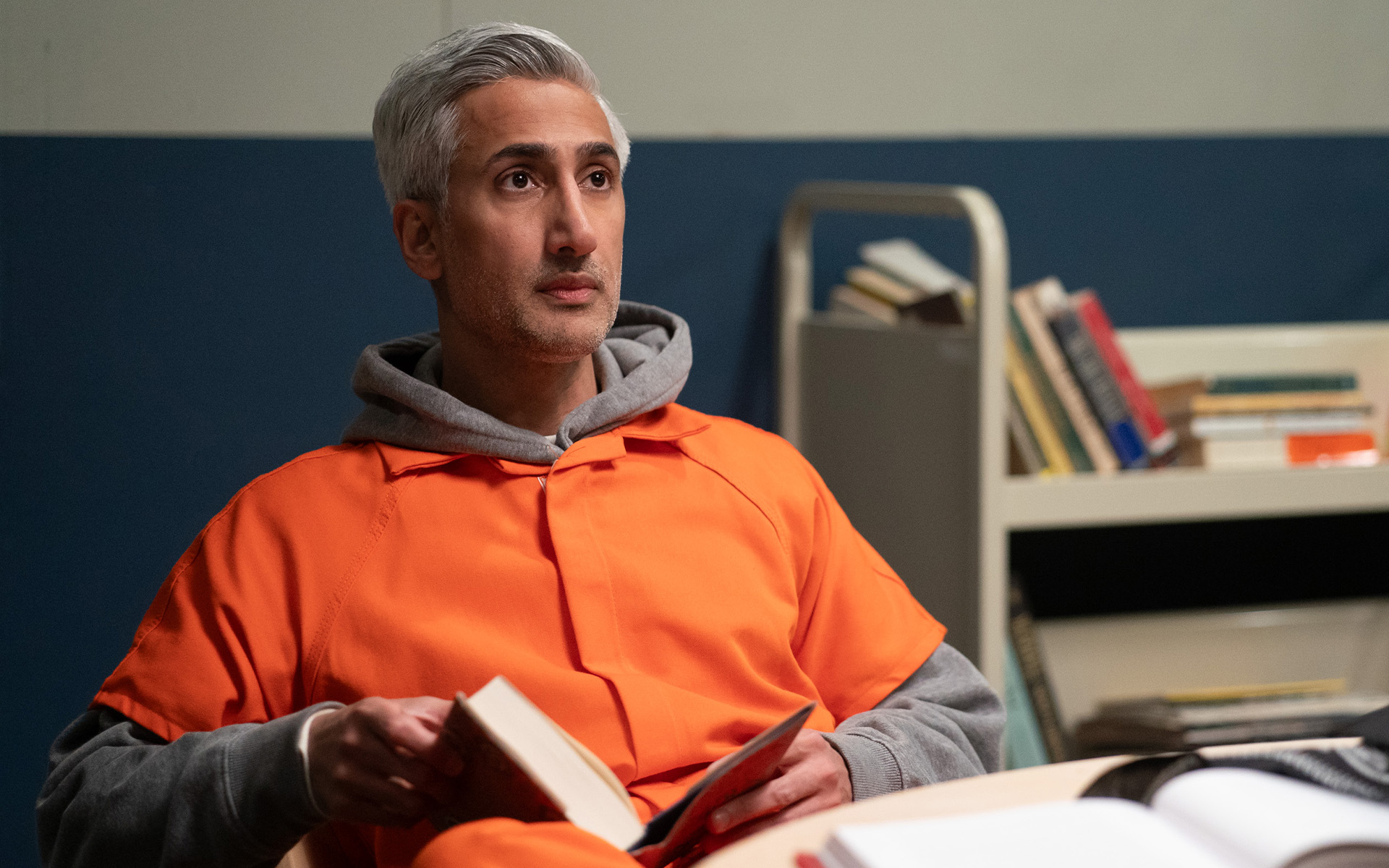
It’s a bit of a shock to see Tan France — a man known for styling the sartorially-stumped contestants of Queer Eye — in an orange jumpsuit. Yet on Season 2 of Deli Boys, France wears the clothes of a criminal.
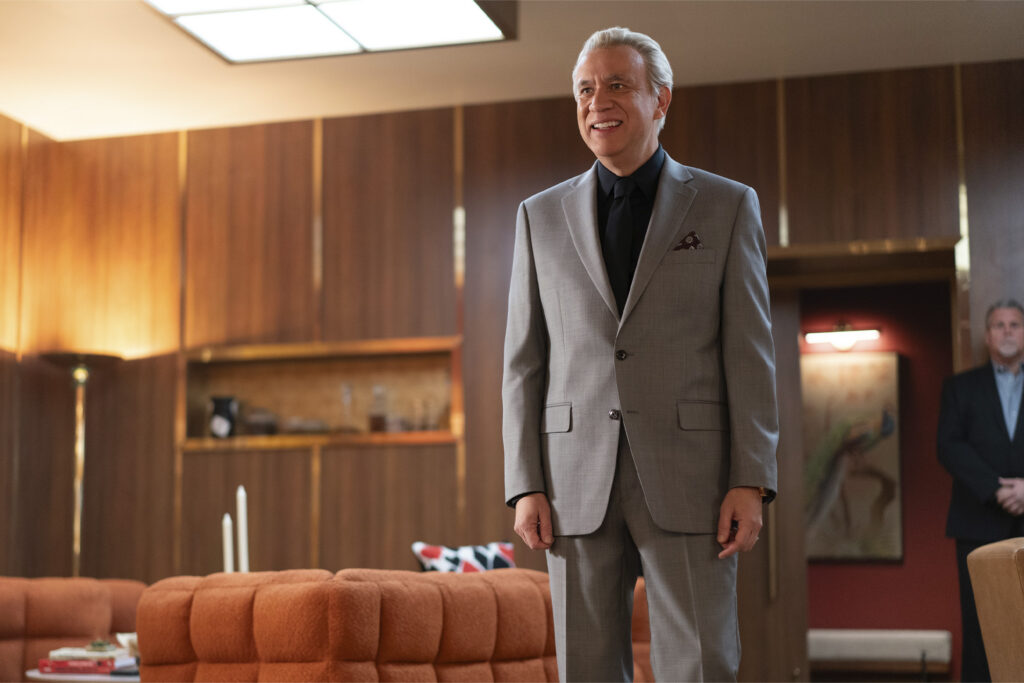
Appearing as Zubair, a British-Pakistani gang leader fresh off the streets of South London, the Queer Eye alum says he’s “fascinated” by his character; he describes Deli Boys as a complete departure from previous on-screen endeavours. The American crime-comedy series follows a pair of Pakistani-American brothers who, after their father’s abrupt passing, learn that his convenience store franchise was simply a front for a massive drug empire; the sharp-tongued Zubair marks France’s first scripted role.
With Season 2 of Deli Boys available to stream on Disney+, we shared a five-minute call with Tan France to talk about his time on set and get his thoughts on Zubair’s toned-down wardrobe for Season 2. Find our full conversation below.
Congratulations on Season 2 of Deli Boys. After some time away, what was it like to return to the set and get back into the skin of your character?
Joyful. Just so joyful. I love this character so much. I love that I get to play it a different person, completely, [from] myself. I love that he’s got a different accent. I speak in a much lower range.
I love that I get to just fade away from reality and just focus on something that I find so fascinating, which is this very aggressive man who has found… God knows what — not God — but something woo-woo. He’s so much more zen. I can’t wait to see what happens to him — if there is season three — what happens to him after this season, because we’ve seen him be the most aggressive. Now he’s the most chill. God knows where he’s gonna go next.
“Clothes really do help me change how I’m going to interact with people — they change the way I stand, they change the way I move.”Tan France
You’re obviously comfortable in front of the camera; you have experience hosting and being on reality television. So I wonder, being on a scripted show, how does that experience translate — if at all?
That, Cormac, is a good question, that no one’s ever asked me before — there aren’t that many of those, let me tell you. The interesting thing is that there’s not much overlap whatsoever. I’ve been doing unscripted for nine years. If you know any of the work that I’ve done, some of the shows are a massive shows, so I get to really be myself and decide how I want to present myself. Because on Queer Eye, I got to do eleven seasons of that show, so I really understood how to be on camera.
The only transferrable skill, when it comes to going from unscripted to scripted, is that I’m comfortable around a camera. That doesn’t intimidate me at all anymore. But other than that, it is so massively different. On any show I do as myself, I turn up for set and there’s no real prep involved with what I want to say. I just talk — and I’d better be entertaining. My only job is to entertain. Whereas with scripted, you have to focus on so much. You’ve got to get the right mark. You’ve got to get your lines right, you’ve got to get the delivery right. You’ve gotta do multiple takes. It is so different to unscripted, but being less afraid, or not intimidated at all by, crew or cameras, I think, puts me at a slight advantage to a complete newbie.
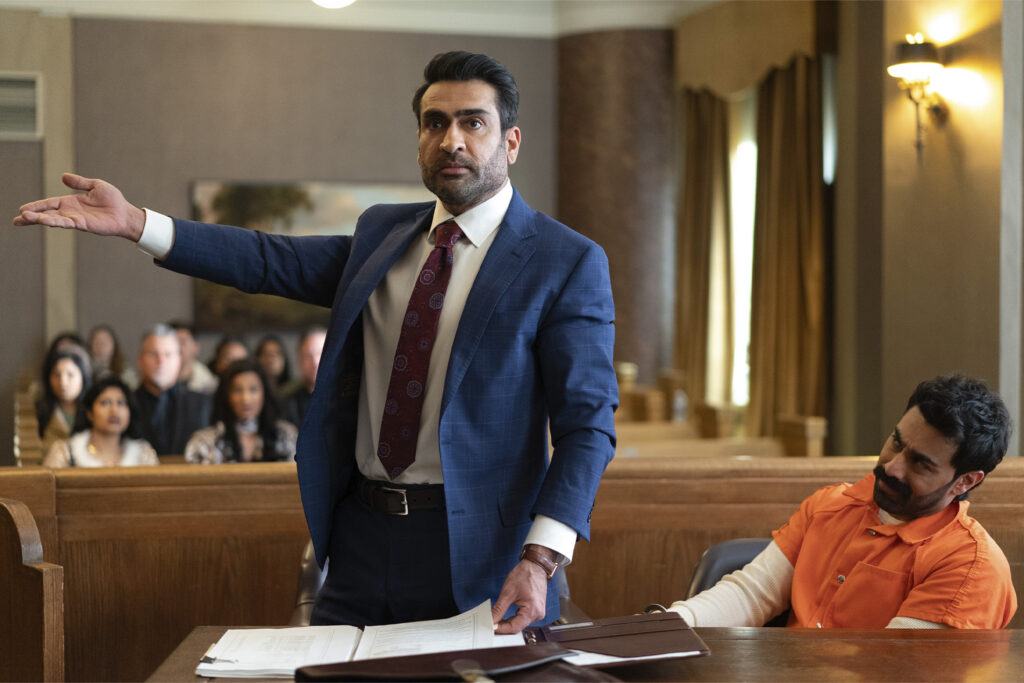
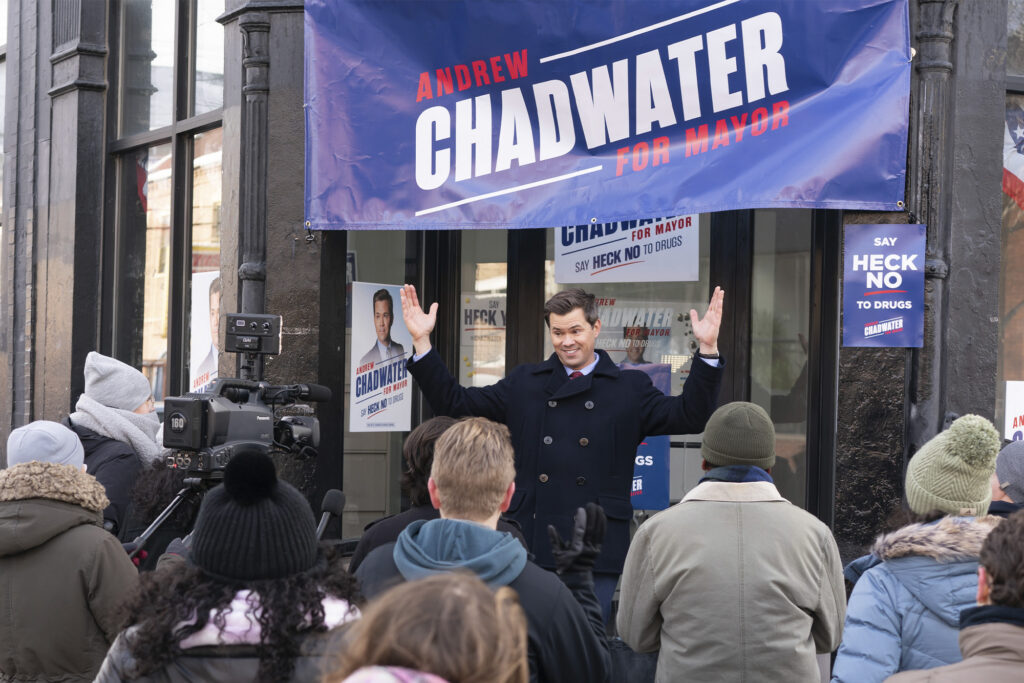
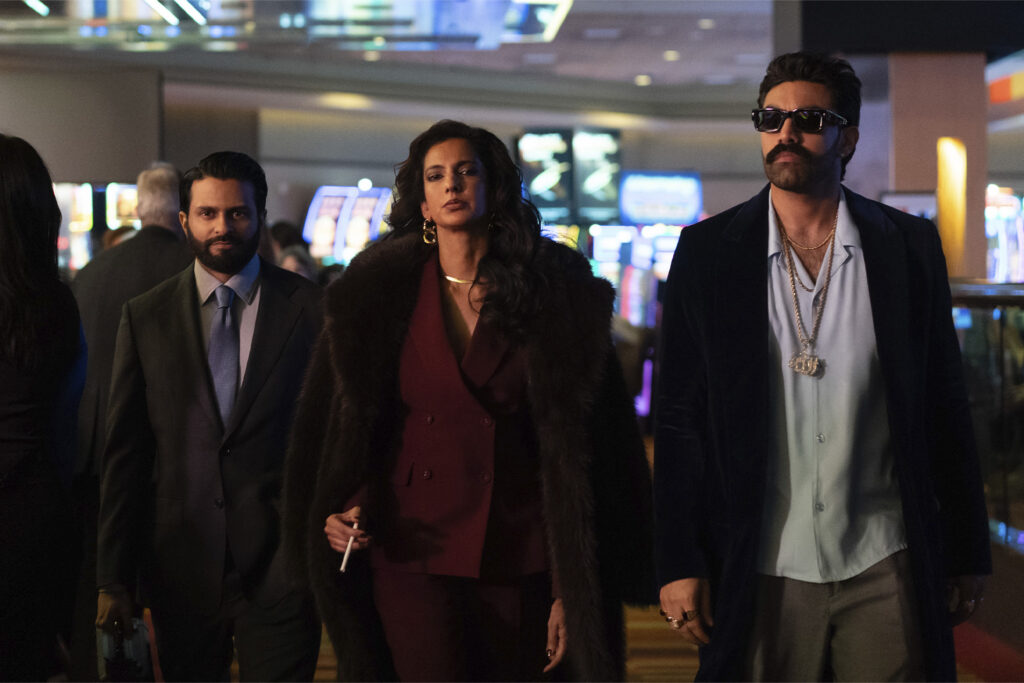
On Queer Eye, your focus is fashion. With Deli Boys, although it’s a crime comedy, there’s also a big fashion component to it: costumes really speak to each character, as well as the Pakistani culture in general. What was it like to explore fashion in the context of acting and costume?
Deli Boys Season 1 was my first scripted role. I’ve done a couple since then; I shot a few scenes for a movie a couple of months ago and I did my second film a few weeks ago. Now, I really understand what costume does for a person when they’re about to step on set.
When it comes to unscripted work, I put on whatever I want to put on, and I feel good about it. I choose my own looks, and it just is me — I get to represent myself in those outfits. It doesn’t affect how do the job. Whereas when I’m doing scripted work, I’m typically not playing anyone that’s anything like me, and so the clothes really do help me change how I’m going to interact with people — they change the way I stand, they change the way I move — because I wear clothes that I typically wouldn’t wear.
For example, in Season 1 of Deli Boys, a lot of people very kindly say, “Oh, I loved your look in Season 1, the suit was great!” Whereas I stand there thinking, “That suit was hideous. I would never, ever be seen in that suit in my real life.” But because it was so not me, it made me carry myself a certain way. In Season 2, I’m wearing a prison outfit. Obviously, I’m never gonna wear that in my real life. So, again, it makes me behave and it makes me act a certain way. [Costume] is, in my opinion, one of the main drivers in how you present a character to the world.
Season 2 of “Deli Boys” premiered with all six episodes on Thursday, May 28 on Hulu on Disney+ in Canada.