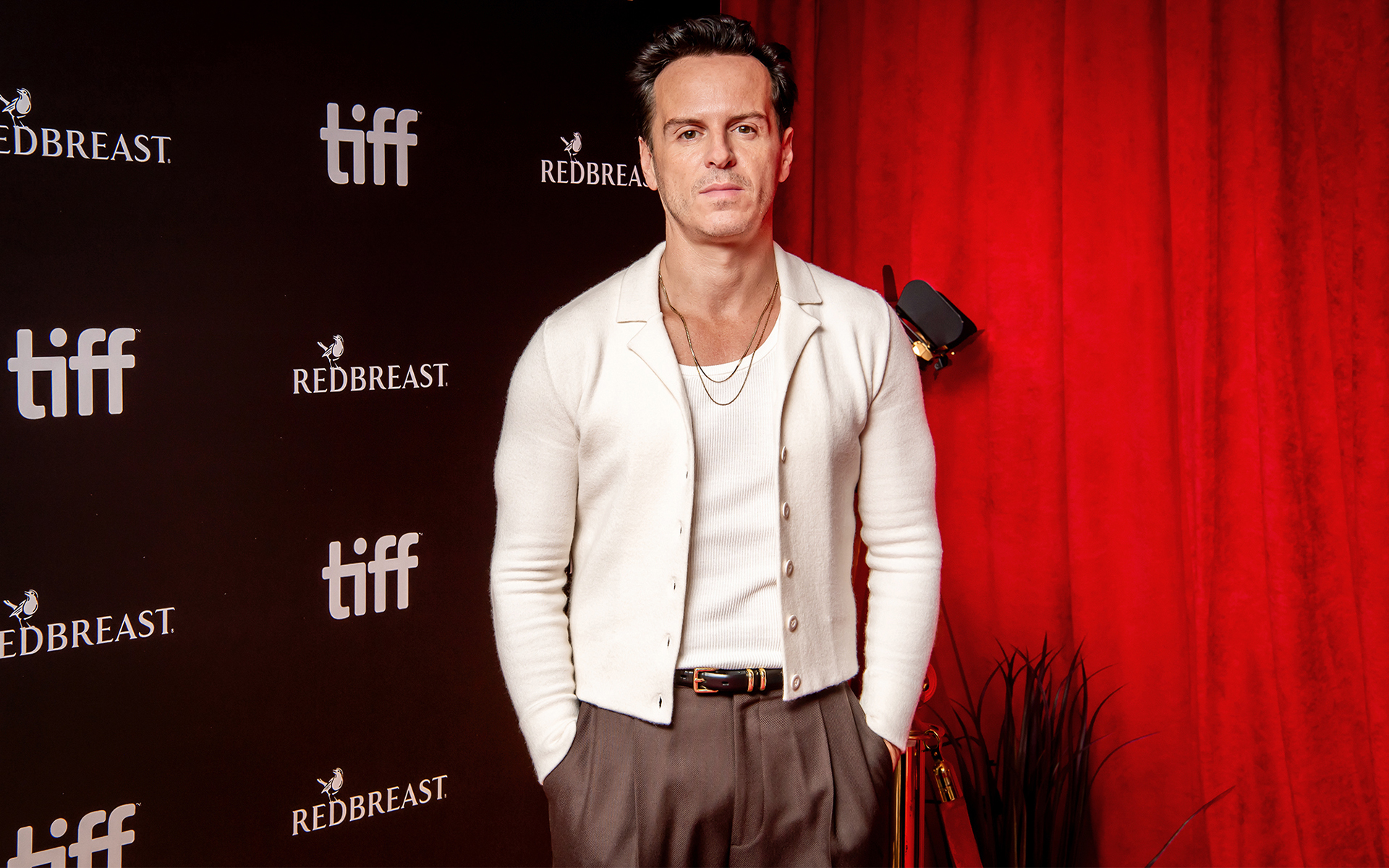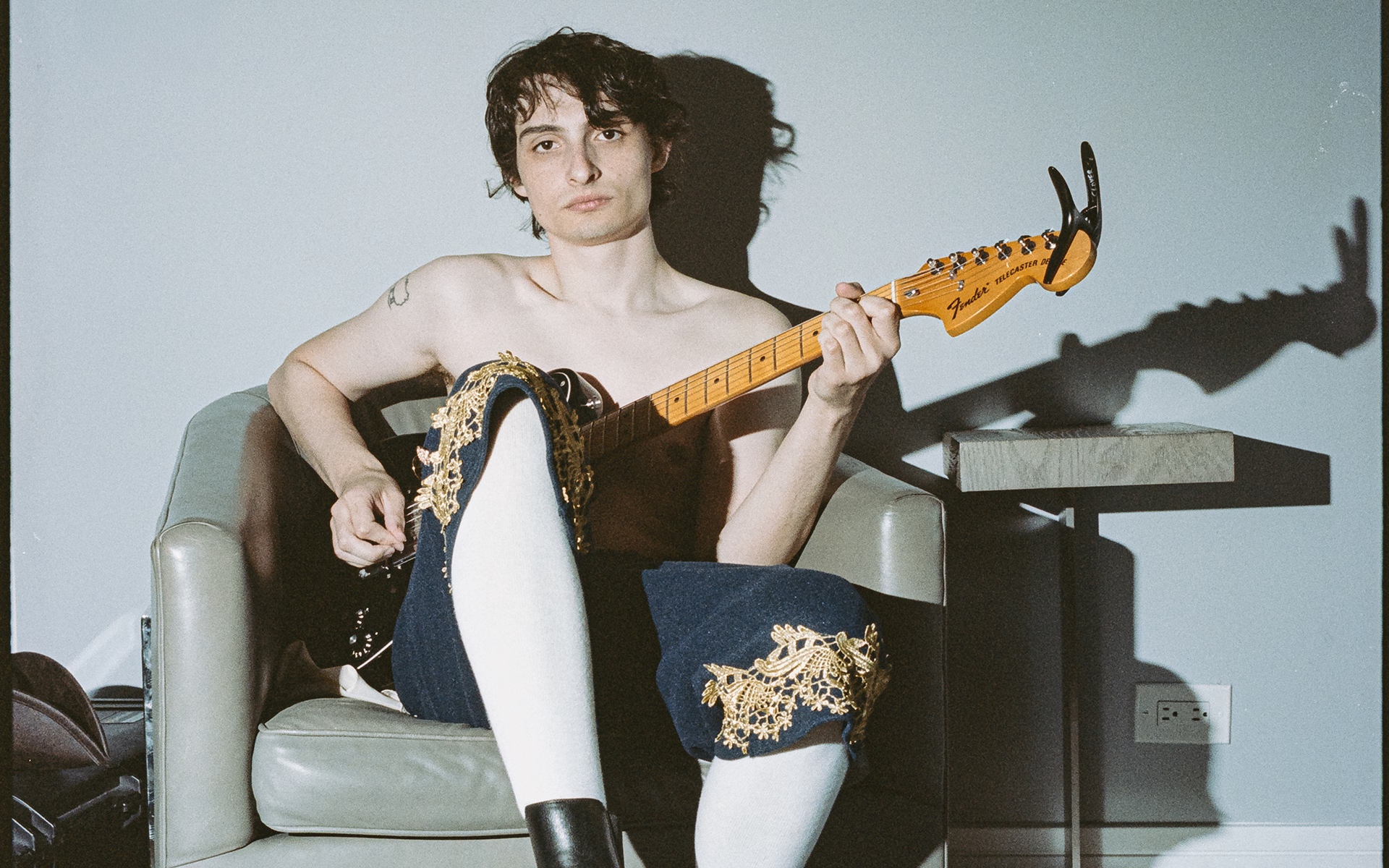
People have this thing with Finn Wolfhard, and it’s easy to understand. We’ve all watched this scrappy young Canadian’s meteoric rise on screen from a young age. We’ve essentially watched Wolfhard grow up, from one film or TV series to the next. Despite this, many still might not know that he’s also a rather talented musician, whose sophomore album Fire From the Hip was released this past week. Having talked silver screen in the past as he graced the cover of our September 2025 issue of SHARP, we were eager to shift gears, getting into his love of music and the mind behind the sound.
Before talking about the album itself, I wanted to ask about your influences for a minute. Your sound walks an interesting line between feeling current yet still nostalgic at the same time. What kind of music did you grow up with, and which artists resonated with you the most?
“What’s amazing about the Ramones is that they were really pop-forward. Their songs are so catchy, and that’s something I’ve always connected with.“Finn Wolfhard
Both of my parents are huge music people, and they connected because they’d been to a lot of the same shows. I grew up listening to their shared musical sensibility; there was a lot of rock in the household. The Beatles were my first real love when it came to music, like they are for a lot of people.
There was also a lot of early-’90s British music, especially the Manchester scene — bands like The Stone Roses, Happy Mondays, New Order, and Joy Division. Then, as I got older, I went through a little pop-punk phase, which eventually turned into a real punk phase, but it all started with guitar-based bands and alternative rock.
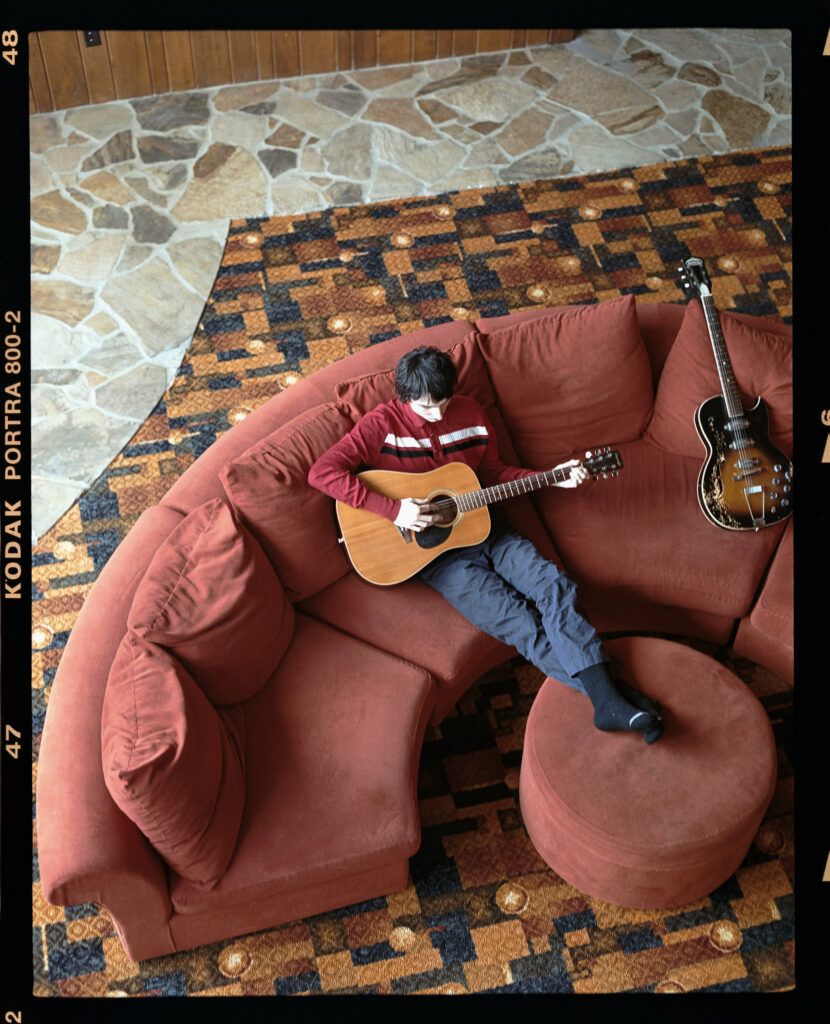
When did you start playing music yourself?
I started playing bass around 2010. I must have been seven or eight years old. I was taking lessons, and I really loved music class because my school was one of the few that actually had guitars in the program. I learned my first four chords, and after that I was hooked.
My mom also played guitar, so she taught me a little bit too. It was definitely a musical family.
You mentioned a punk phase — if you had to pick one band you got really into that people might be surprised to hear about, who would it be?
I loved the Ramones growing up. Rocket to Russia was always playing in my house because my dad had it on CD. My mom got me a Ramones shirt. I was obsessed.
What’s amazing about the Ramones is that they were really pop-forward. Their songs are so catchy, and that’s something I’ve always connected with. As someone who loves the Beatles, those songs are rock songs, but at their core they have pop hooks. The Ramones made these really fast, two-minute songs that were incredibly catchy, and that was a huge influence on me.
As I got a little older, I definitely went through a Blink-182 and Green Day phase — that whole mid-2000s pop-punk era. I don’t really listen to much pop-punk anymore, but it was definitely a big part of my upbringing.
When it comes to writing music, how do you approach the songwriting process? Is it something that’s structured, or does an idea just pop into your head and you run with it?
Sometimes I have the music first. If I’m playing guitar and come up with a riff that sticks in my head, I know it’s something I should keep pursuing.
Other times it’s the opposite. I’ll have a phrase or a melody first, and then I’ll build the music around that. It really depends on where I am creatively.
The music I’m listening to also influences my songwriting. I’ll hear something and think, I really want to write a song like that. Maybe I’ve been listening to The Breeders or another band, and it inspires me to chase a certain feeling. Then it kind of takes off from there. There isn’t one fixed process really. It all comes together in different ways.
You still have this really analog sound. I was wondering what kind of gear you’re using, both for recording and for live performances.
Obviously, digital is a huge part of making music now. You have to use it, and it can be great. But there’s something really special about analog gear. It’s so tactile, and there’s a certain warmth you get from older equipment.
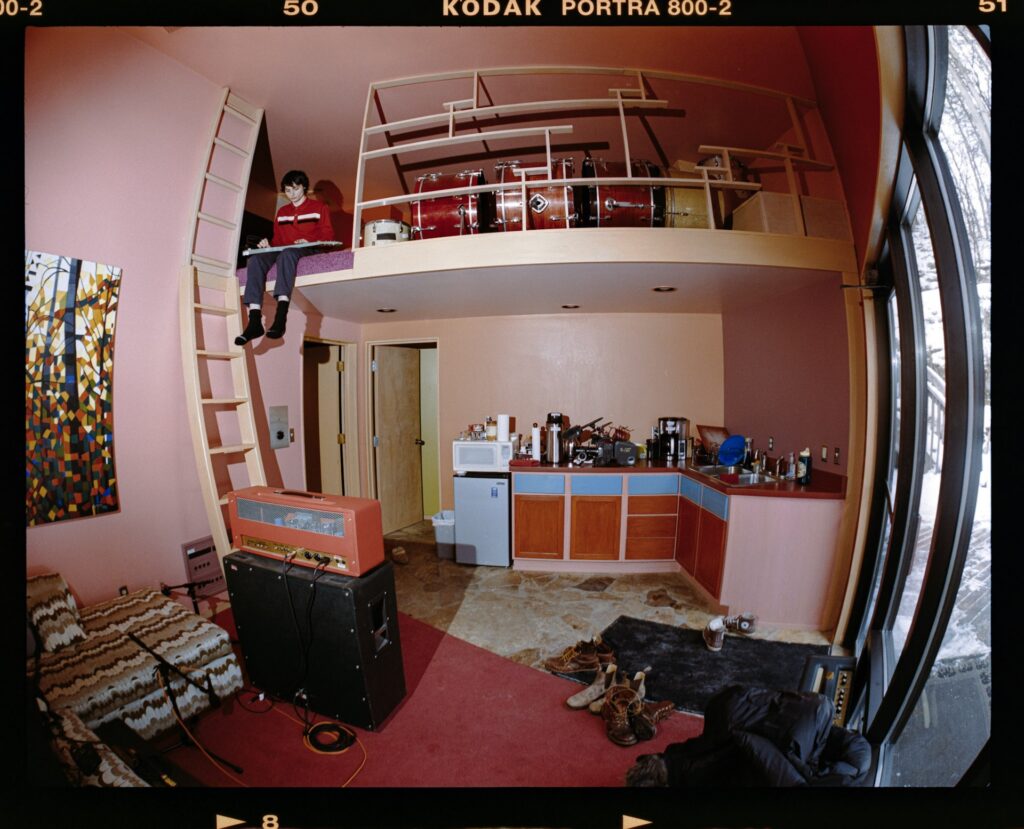
For this record, we recorded on 24-track tape. We weren’t limited by any means, but we recorded a lot of it live, and that really shaped the process. If one person made a mistake, everybody had to go back and do another take together. It’s inconvenient, but I think that’s an integral part of making music with other people. It forces everyone to work together and really be there for one another. It’s the same feeling you get when you’re performing live.
I also think the gear reflects that approach. It adds character and colour to the recordings. I definitely didn’t want to overproduce the record. I wanted it to sound classic while still incorporating some contemporary elements.
“There was something about recording to 24-track with a Gibson from the ’60s plugged into a Marshall stack. We cranked it, and it just felt right.”Finn Wolfhard
Speaking of gear, what’s your favourite guitar you’ve ever played?
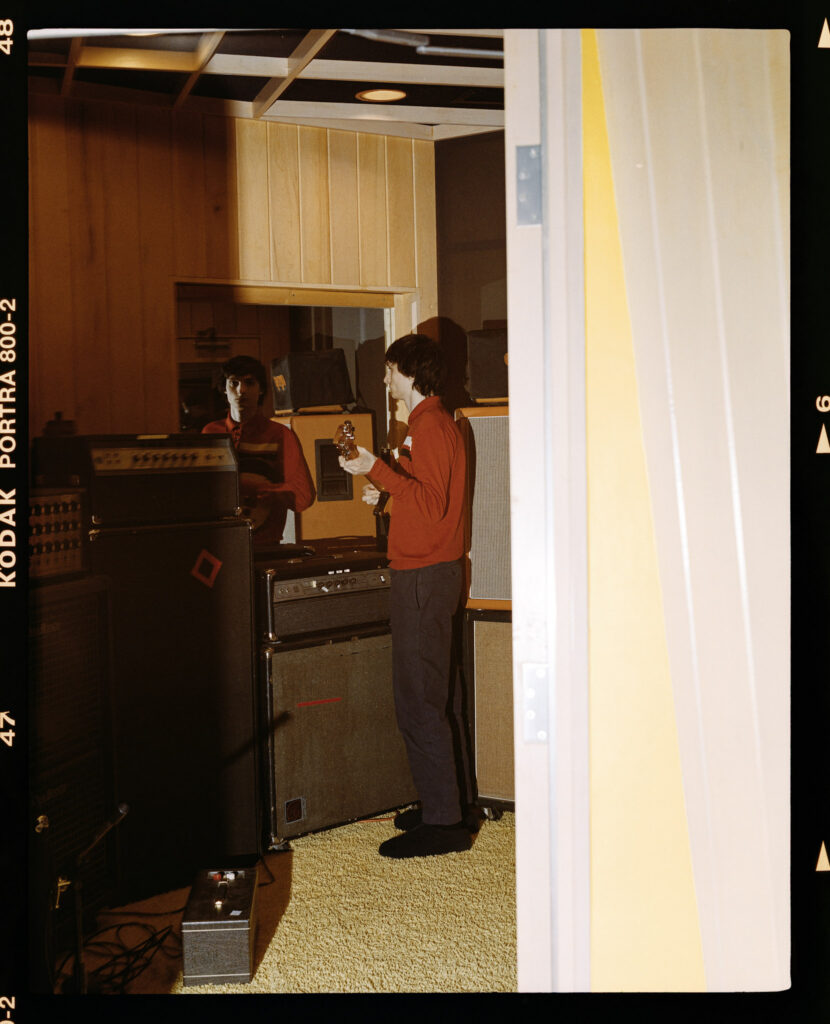
That’s a hard question to answer; the one vice that I have is buying guitars. But to call out one in particular — and one I played on this record — was a Gibson SG from the 1960s that the studio had. It belonged to Nick, who runs Pachyderm Studios, and he let me use it for a bunch of the record. It just felt so good.
There was something about recording to 24-track with a Gibson from the ’60s plugged into a Marshall stack. We cranked it, and it just felt right. That’s probably the best I’ve ever felt playing a guitar.
I’m assuming that’s what I hear on “Crater,” or am I wrong?
Yeah, “Crater” is the SG. I think it was through an Ampeg amplifier on that one. I was switching between different Marshall and Ampeg amps, in part because Ampegs are what the Stones used back in the day. Their album Exile on Main St. was a huge influence on the recording, or at least the ethos, of this record.
What’s your favourite track on the record?
I think my favourite track is probably “Good Morning.” There’s something about it that feels like a perfect structure to me. Dynamically, we settled into something that felt really comfortable.
Rand, who played guitar, piano, and a bunch of other instruments on the record, played the piano and the guitar solo on that song. It just felt like it was perfect for him.
What’s really nice about this record is that I got to record it with a lot of my friends. I was producing the record, so I was trying to get everyone as comfortable as possible and capture the best performances I could. Not that they needed much help, but it just felt like everyone’s sensibilities came together perfectly on that song.
So yeah, that’s the one I’m most proud of.
You’re heading out on tour later this week. How are you feeling about it, and are there any favourite stops you’re looking forward to?
Yeah, I’m really excited. The last tour for the first record was so much fun and had so much energy. Ever since then, my band and I have just been really excited to get back out and play these songs because they’re so high energy.
I love when it’s a party and people are jumping around and going crazy. We’re also playing some really cool classic venues that I’ve never been to before. We’re playing Webster Hall in New York, which I think will be really cool, and we’re playing Lollapalooza, which will be awesome. Osheaga will also be a great way to end things in Montreal.
What’s the funniest thing that happened during the recording of the album?
There were actually a couple of days when two of my really close friends and mentors, Clay and Cadien, who are in Twin Peaks — one of my favourite bands of all time — came out and recorded some guitar parts.
There was this running joke where Clay kept yelling “Boys’ night!” even though it was the middle of the day. It just became the thing, and then it kept getting more and more specific. It would be like 5 p.m. and he’d yell, “Boys’ evening turning into night!”
It was just so ridiculous and so fun. We all turned into 12- or 13-year-olds again. When you’re recording a record with a bunch of your friends, it kind of turns into elementary school.