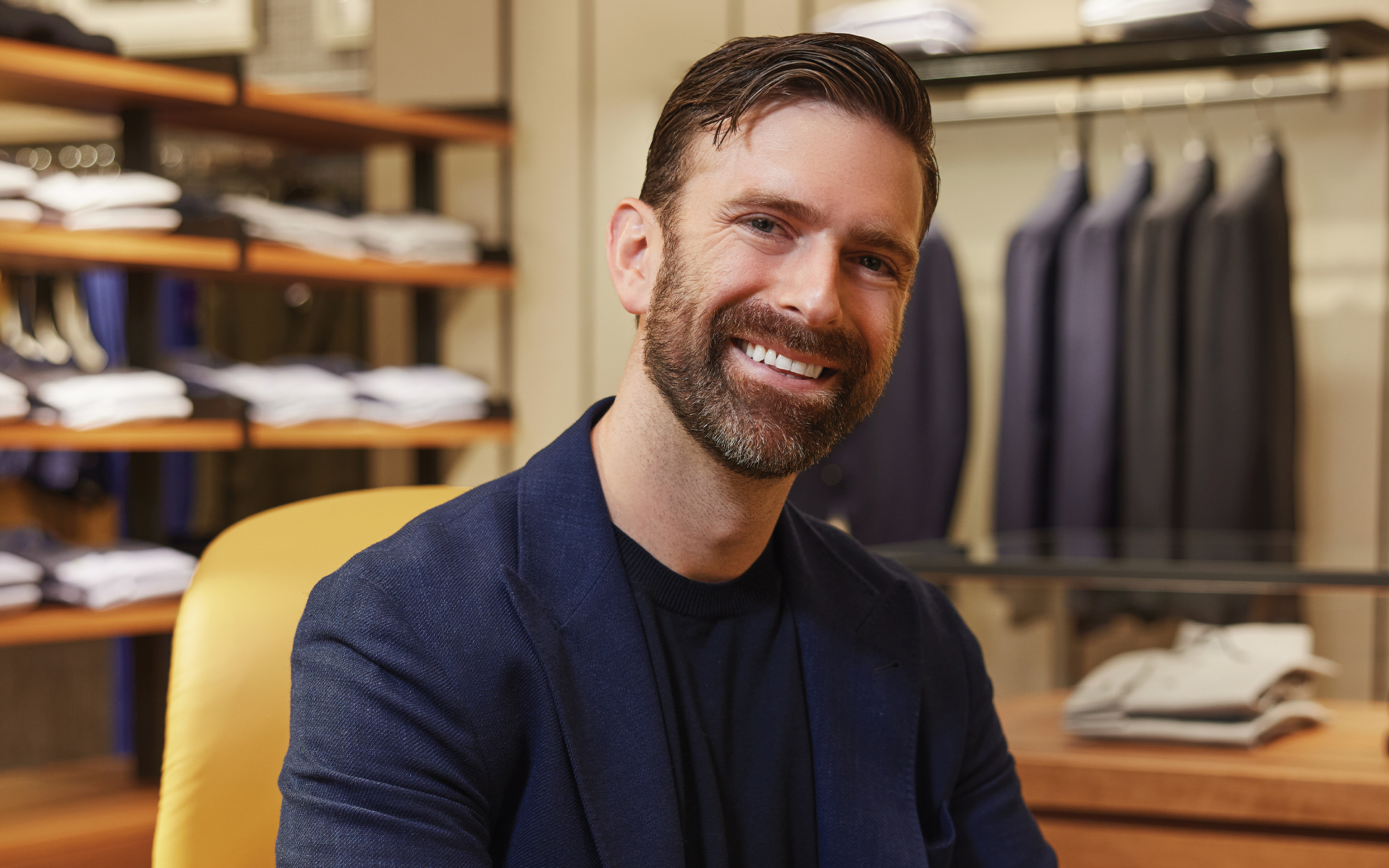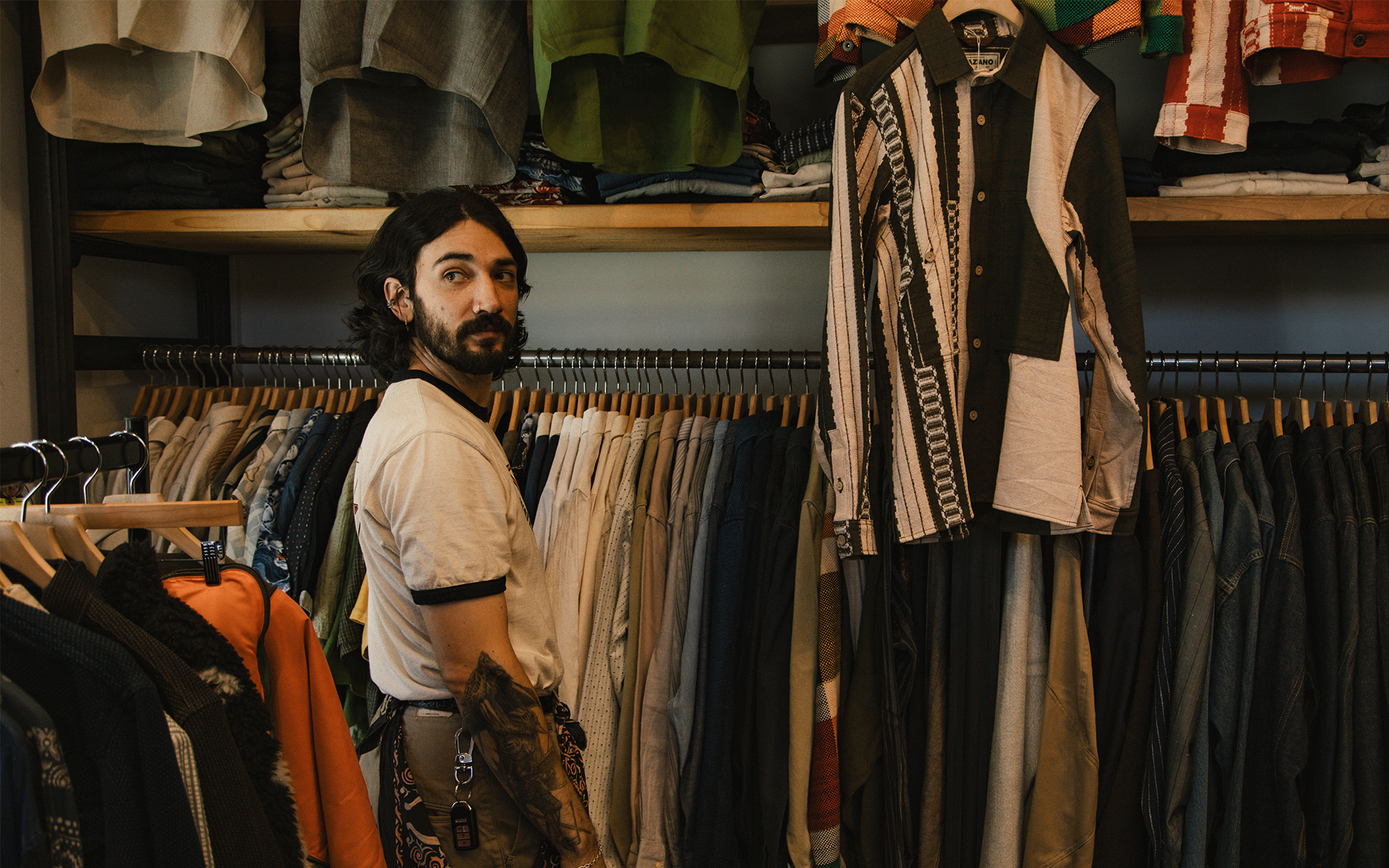
Retail, you may have heard, is changing. A while back a little something called “the internet” went and upended most elements of modern life, shopping among them. The way things used to be (roll your eyes, go ahead) was if you wanted to buy something from, say, Polo Ralph Lauren, you had to go out and find a store that sold it. You’d try it on in person, you’d get a feel for it yourself, you’d have a tactile experience. For better (accessibility) or worse (more on that in a moment), online shopping changed all of that. There have certainly been upsides, but one of the bigger downsides is oversaturation. Between email mailing lists from brands and stores about their weekly sales and that all-too-powerful social media algorithm, we live in an era of impulse buys and replacing something rather than repairing it. Retail’s survival has meant working around these new ways of being, and the folks at Standard & Strange have landed on something that looks like the future — despite what may seem like old-fashioned trappings.
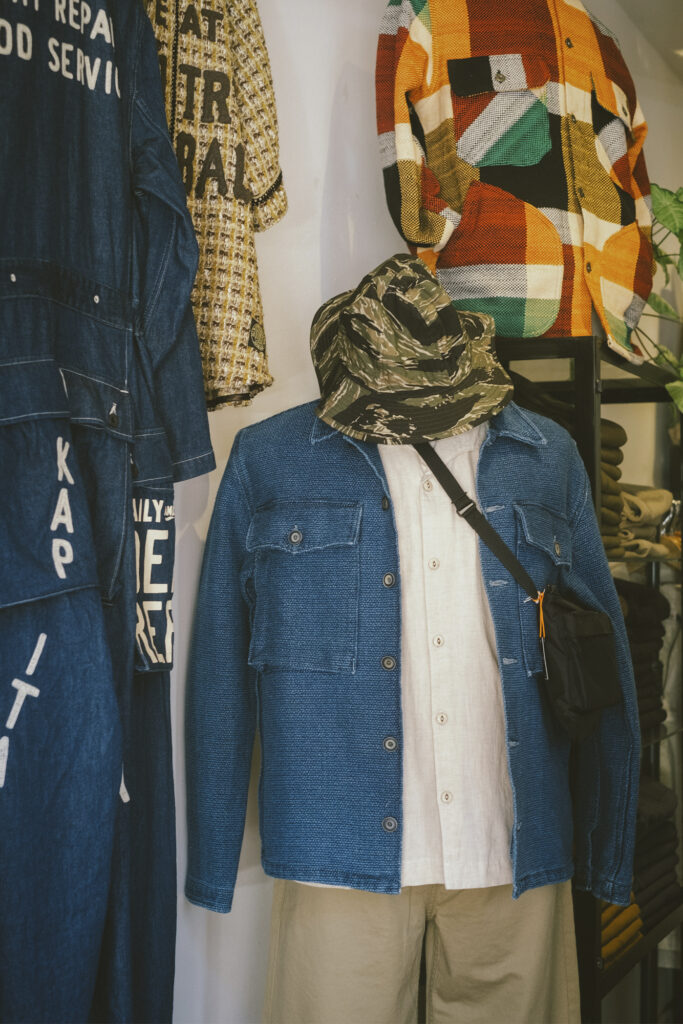
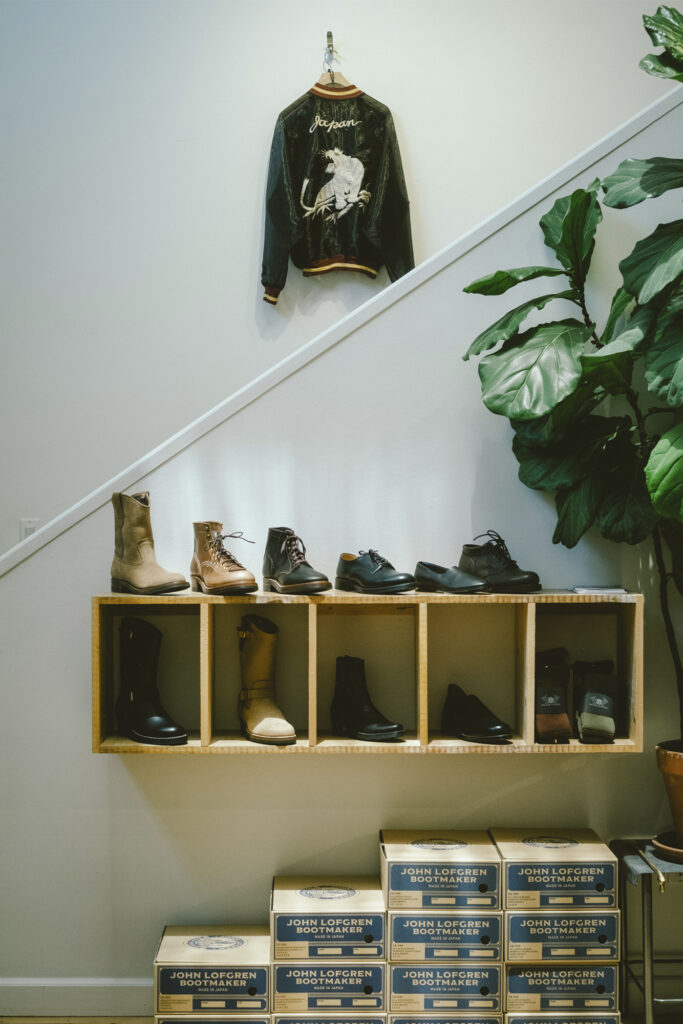
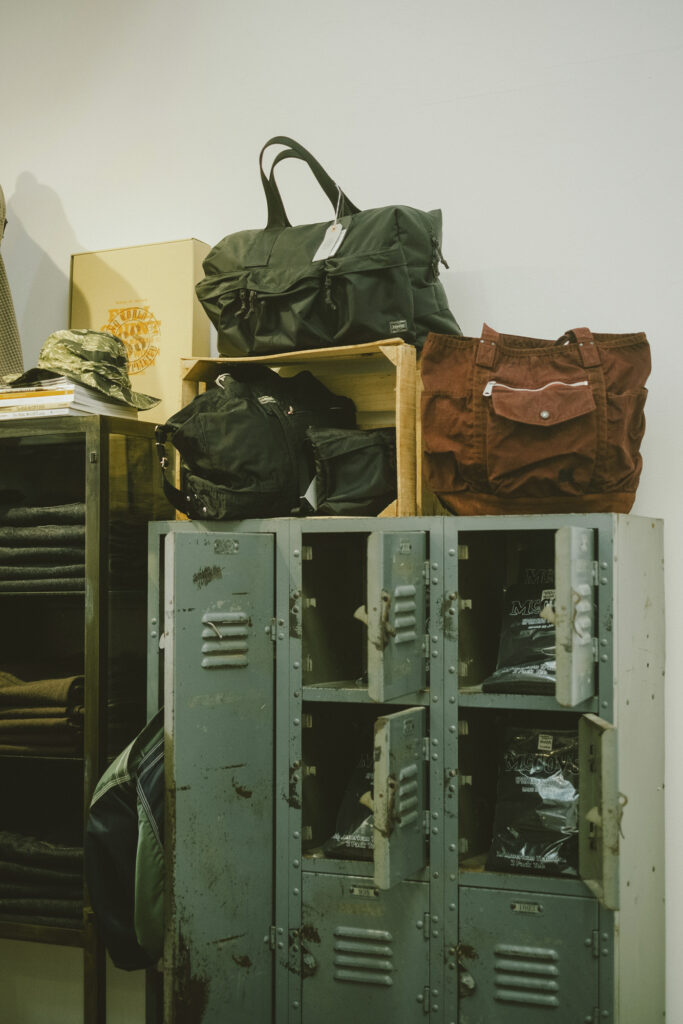
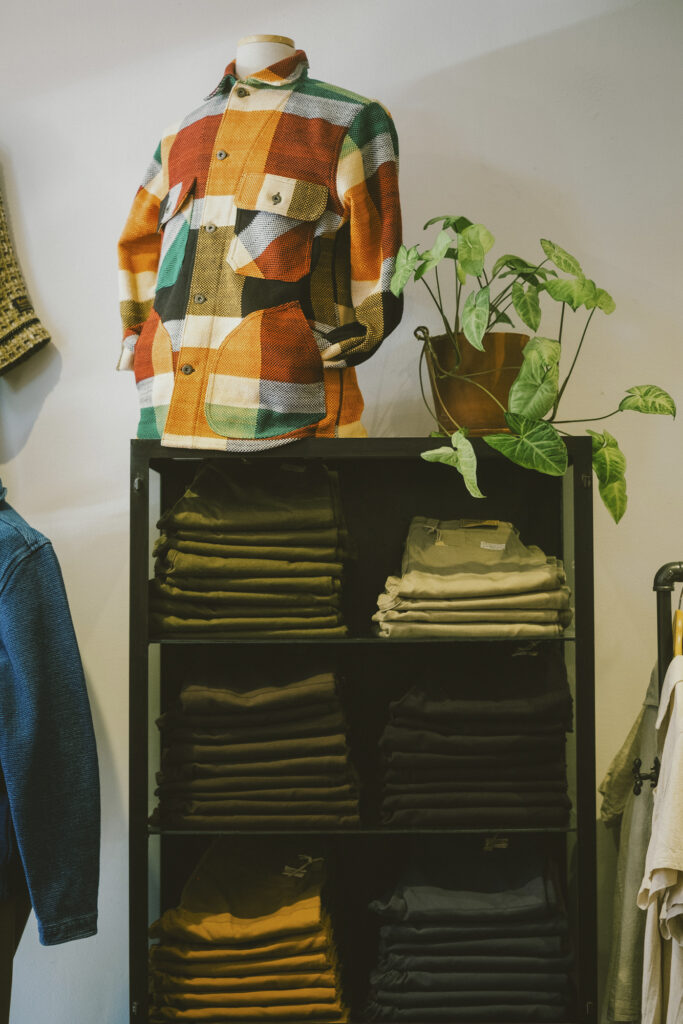
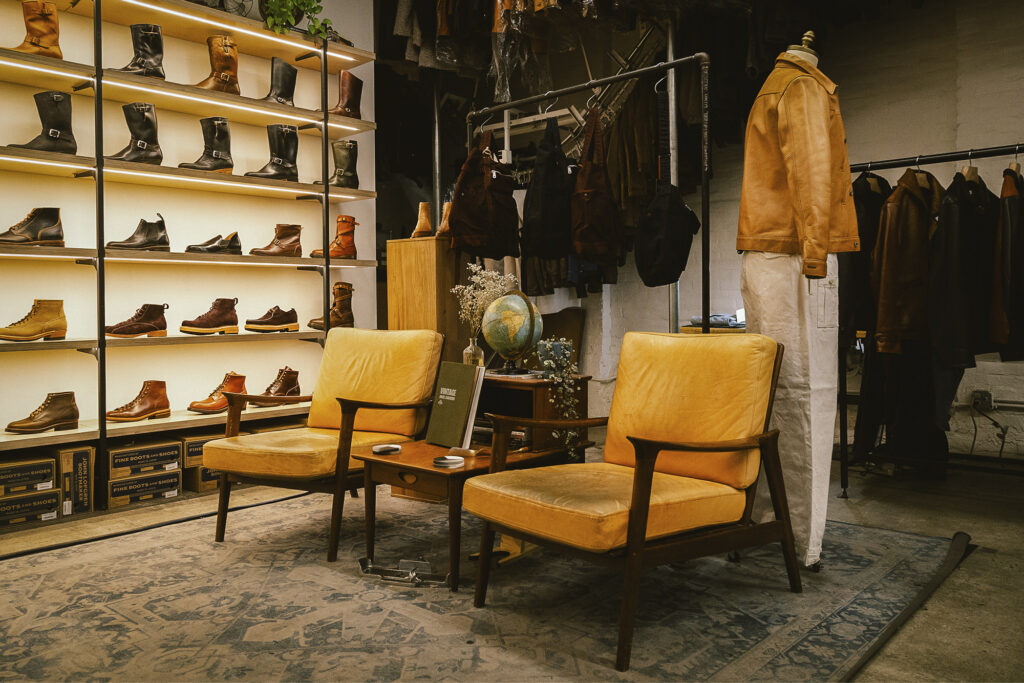
First things first: Standard & Strange is a retailer that curates a selection of menswear that skews far from the designer world. You go to them for heritage brands and craftsmanship that borders on artistry. Their stockrooms are filled with names you’re certainly familiar with — Doc Martens and Hoka — but also real deep-in-it menswear brands like The Real McCoy’s, Momotaro, and Visvim (they have a killer selection of Japanese designers but that’s largely due to Japan doing the sort of vintage Americana menswear that the store loves at the highest level of quality and craftsmanship these days). While they run an online retail operation (one must these days, it seems), the brand really shines through their brick-and-mortar locations, which are in New York, Berkeley, CA, and Santa Fe, New Mexico.
Their curation of product is second to none and incredibly diverse, but there’s a throughline that ties the clothing and accessories they stock together: a slow-fashion approach. From Japanese denim to fine leather cowboy boots and even plain white t-shirts (shoutout to Merz B. Schwanen, made famous by Jeremy Allen White on The Bear), nothing the brand sells is meant to be thought of as disposable. When you buy a pair of jeans or a jacket from Standard & Strange, you’re not supposed to be back the next fiscal quarter to buy another one just like it. Their ethos is that of selling people the last [insert piece of clothing] they’ll ever need. Now, keep in mind, they aren’t unrealistic in this endeavour — things happen and sometimes those jeans spring a rip or a jacket sleeve tears at the shoulder. That’s where Standard & Strange breaks free from the norm.
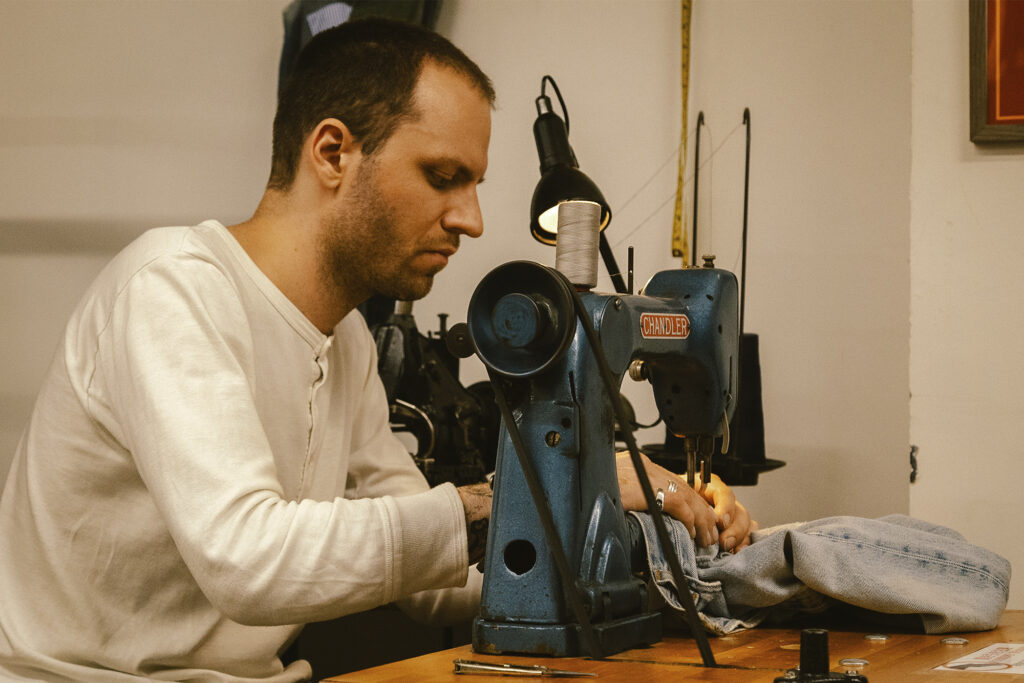
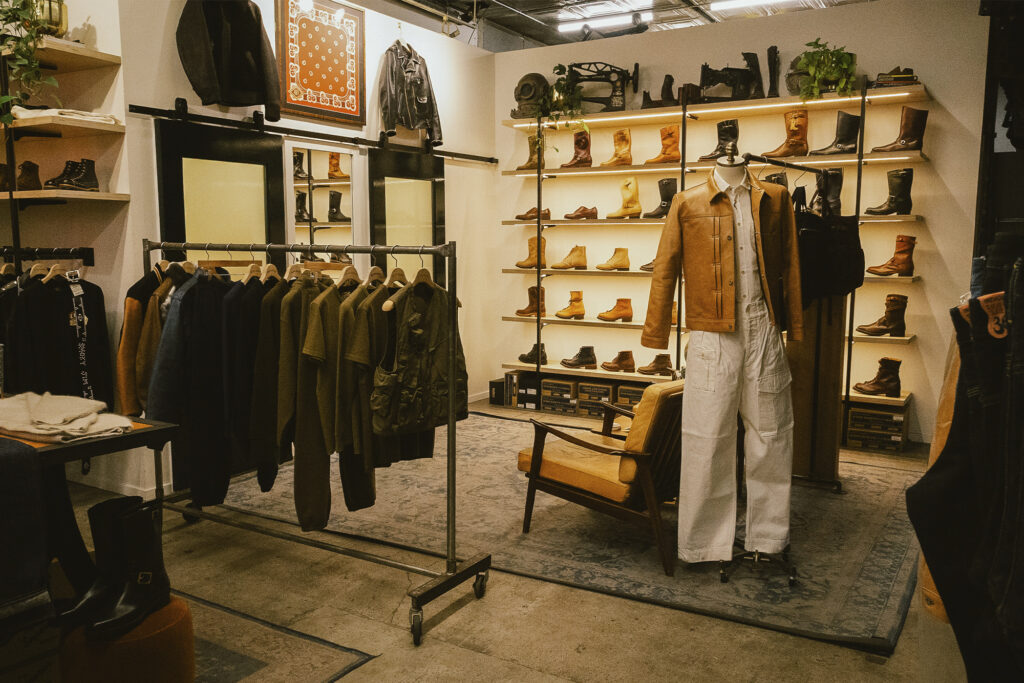
The brand’s retail locations feature the means to alter and repair any item bought from the store. There’s a real focus on denim, with each store operating a vintage Union Special 43200G sewing machine, which was the original machine used in factories to sew and produce denim. Berkeley’s location specifically has a full-service repair shop, while New York has its own hemming and darning operation. The idea is that it’s not enough to just run a pair of jeans through your grandma’s sewing machine — there’s a respect for the craftsmanship behind these pieces and the history of how they’ve been produced and repaired.
More to the point, though, offering repairs on products bought in-house is an increasingly popular sustainability trend — sneaker brand Veja runs a specialty cobbler for their shoes out of a Paris storefront, encouraging customers to extend the life of their sneakers rather than simply buy another pair. Similar repair services are run by brands including Patagonia and Barbour, often operating through mail-in methods. Standard & Strange, however, has made the practice their whole ethos. The shop’s motto is “Own Fewer, Better Things.” Their argument is that it’s better to spend $300 on a pair of jeans that you’ll own for a decade or more rather than four pairs of jeans that never quite fit right or feel right or wash right and aren’t quite as easy to repair when their cheaper fabric inevitably tears.
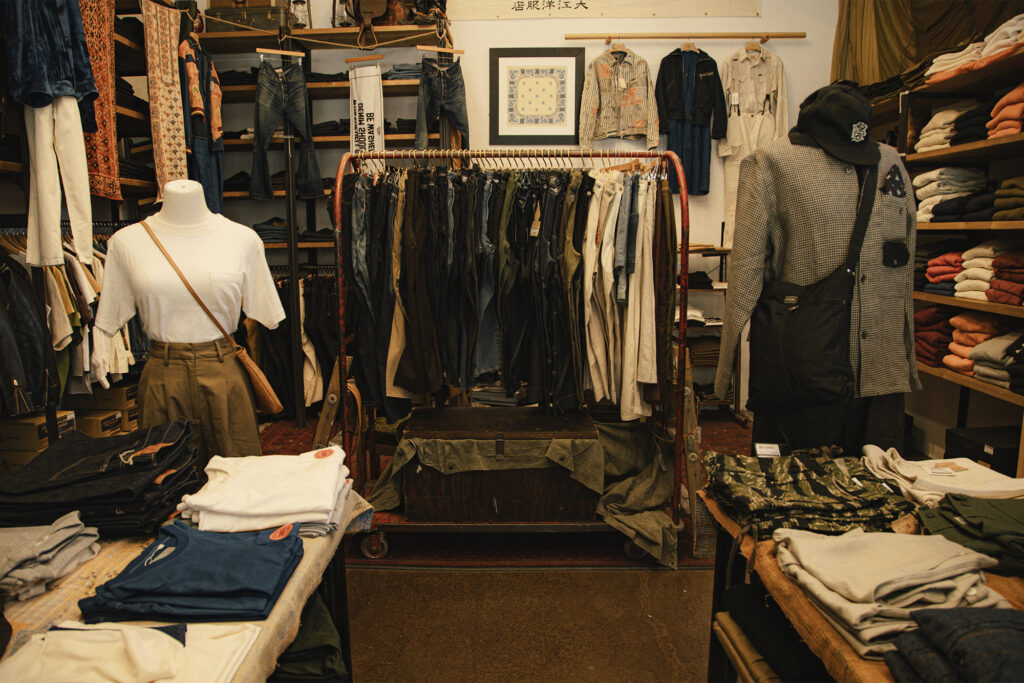
Brick-and-mortar stores like the ones operated by Standard & Strange were once a dying breed. But as the times have changed, so have the practices behind stores like these. They understand that the key to beating the fast-fashion algorithm is to not try to keep up with that game. Instead, they’re playing an older one, one that was never broken to begin with, and reinventing it for the modern era.
FEATURE PHOTO COURTESY OF STANDARD & STRANGE.