Anyone who’s delved into the world of horology will quickly find themselves confronted by a deep lexicon of jargon. Used to describe everything from complications (tourbillons, minute-repeaters) to handset design (dauphine, cathedral, baton), and often drawn from French, the watchmaking vernacular reflects the craft’s evolution over more than three centuries. One word that’s been popping up more recently is souscription, and in addition to describing one of the oldest business innovations in watchmaking, it can also tell us a lot about the watch industry in 2026.
Souscription is the French word for “subscription,” but it doesn’t translate directly into the ever-more popular business model embraced by Netflix, Amazon Prime, and the wine-of-the-month club. Instead, a souscription watch is one produced in extremely limited numbers, for which buyers must pony up a portion of the purchase price up front (a deposit of sorts) to fund the project. The idea goes all the way back to Abraham-Louis Breguet, the pioneering watchmaker who went into business in 1775, and whose brand still exists more than 250 years later.
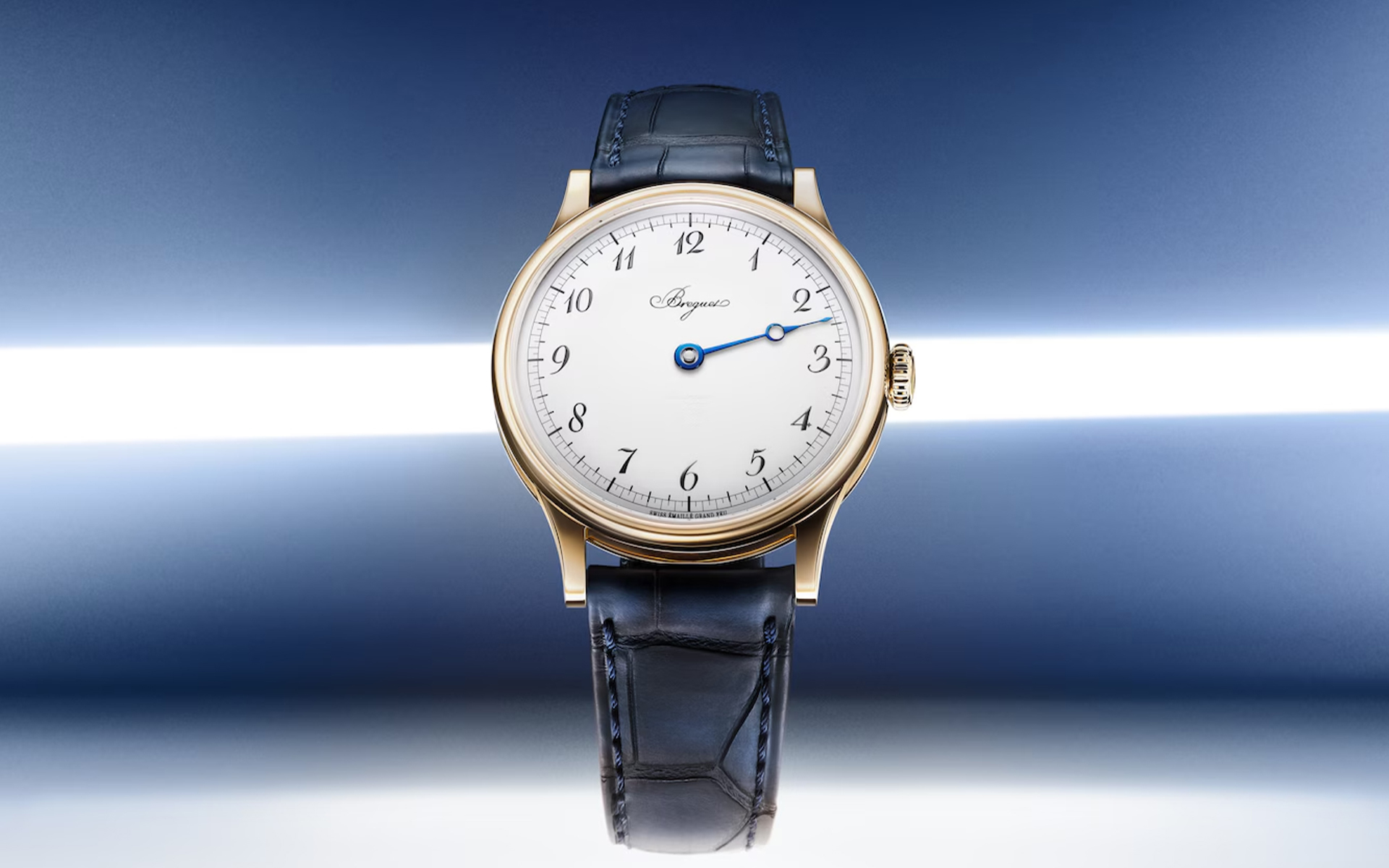
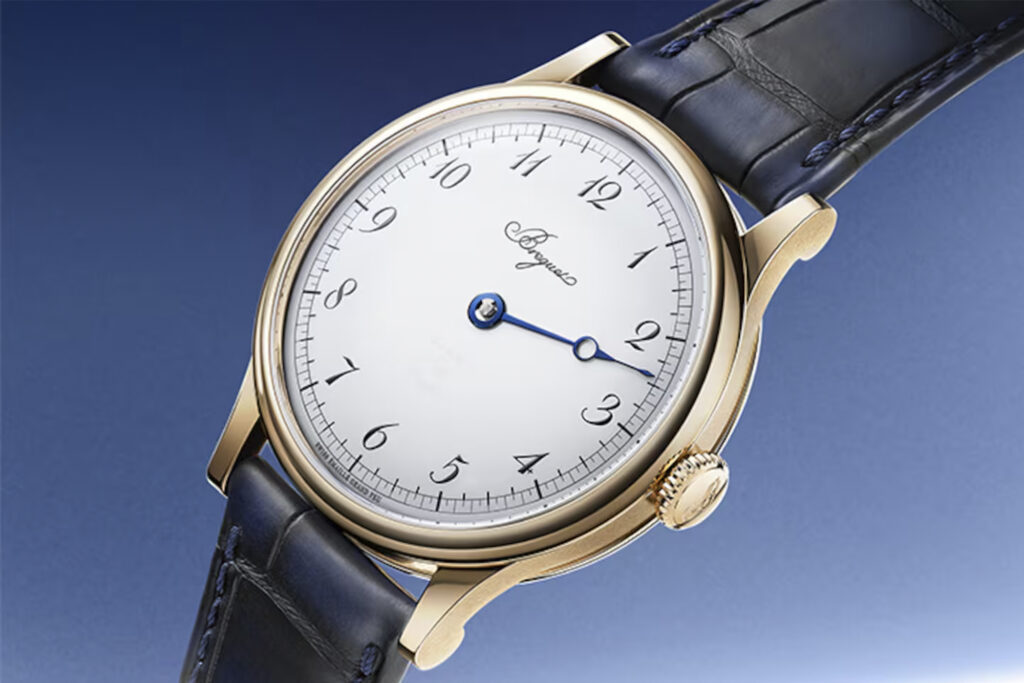
Breguet’s souscription model required customers to pay a 25% deposit, with the balance due on delivery months later. This model solved two problems for the 18th-century watchmaker. For one thing, it gave him an influx of operating capital to keep his lathes running while he produced a new run of watches, and for another, it offered his price-sensitive customers a way of spreading out the cost over a longer period of time (not unlike putting a deposit on a pre-construction home).
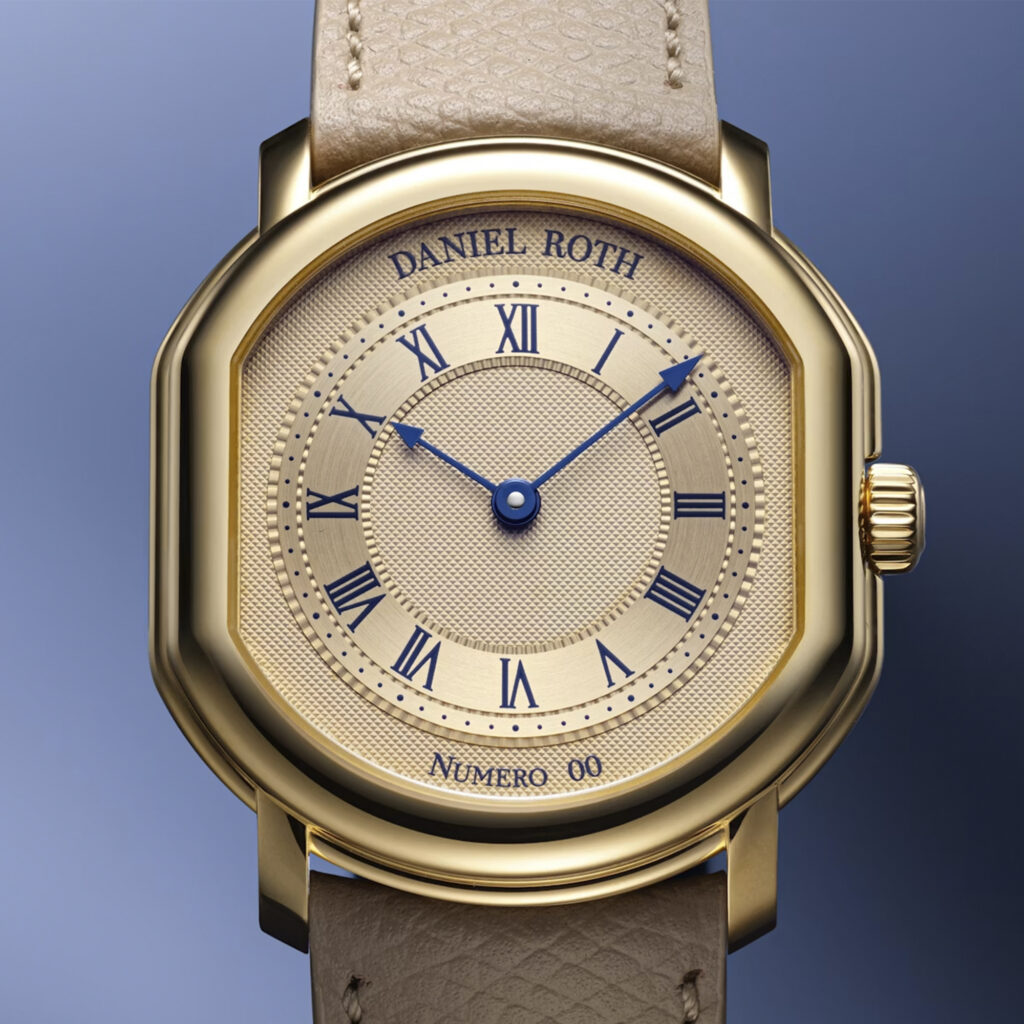
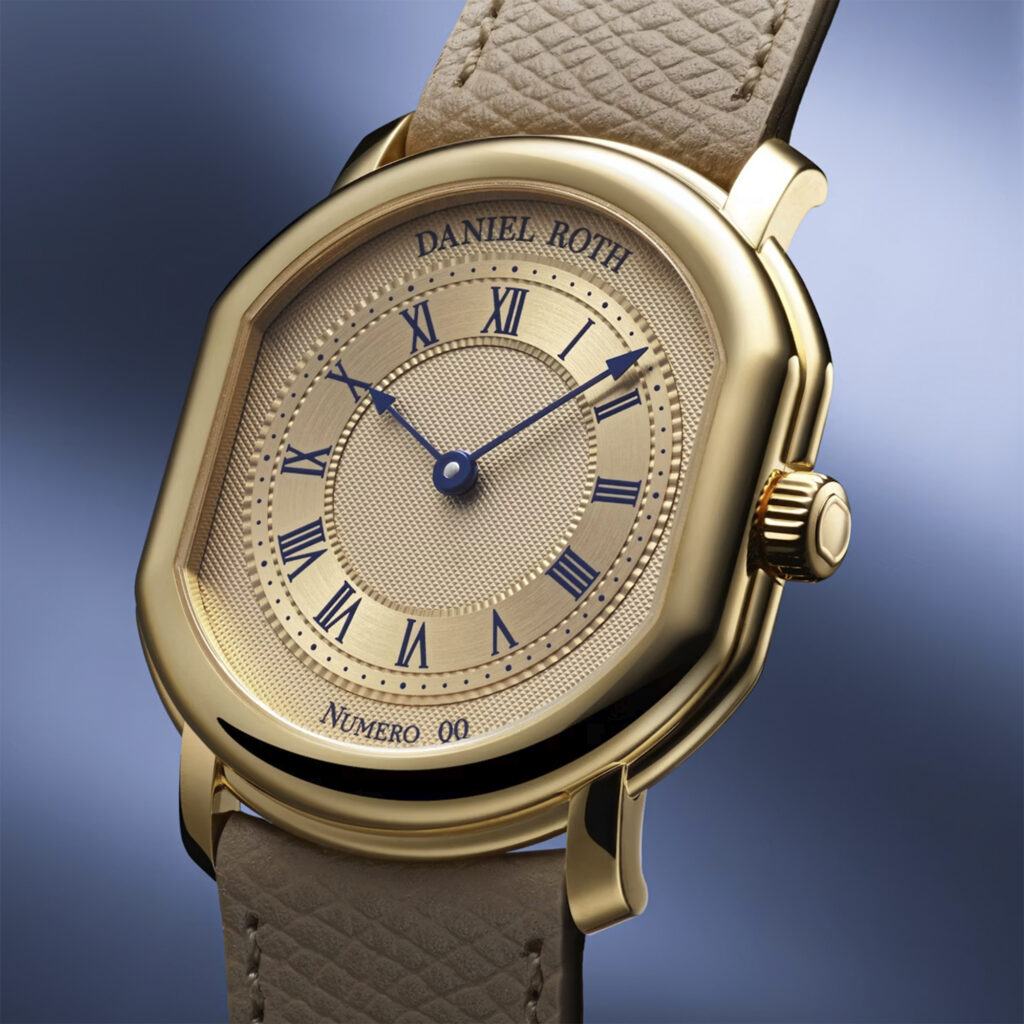
Centuries later, this idea remains as useful as it was in the 1700s, and has become increasingly popular in both the highest echelons of watchmaking and at the entry-level. Last year, Breguet paid homage to its founder’s original idea with the Breguet Classique Souscription (Ref. 2025BH), which requires buyers to pay 25% of its approximately $90,000 purchase price up front. Daniel Roth, the elite watch brand resurrected by Louis Vuitton, employed a similar scheme with its Daniel Roth Extra Plat Souscription, which featured painstakingly hand-carved details and was limited to just 20 pieces.
It’s debatable whether a souscription model was necessary for this piece (LV has plenty of cash, as do its customers), but it speaks to the ways that luxury watch brands are increasingly catering to the desires of the world’s most deep-pocketed collectors, who put a premium on rarity and personalization. Whether they’re buying from an eponymous living watchmaker like F.P. Journe or Rexhep Rexhepi, or from a global brand, releasing a piece as a souscription allows collectors to feel more connected to both the watchmaker and the watch.
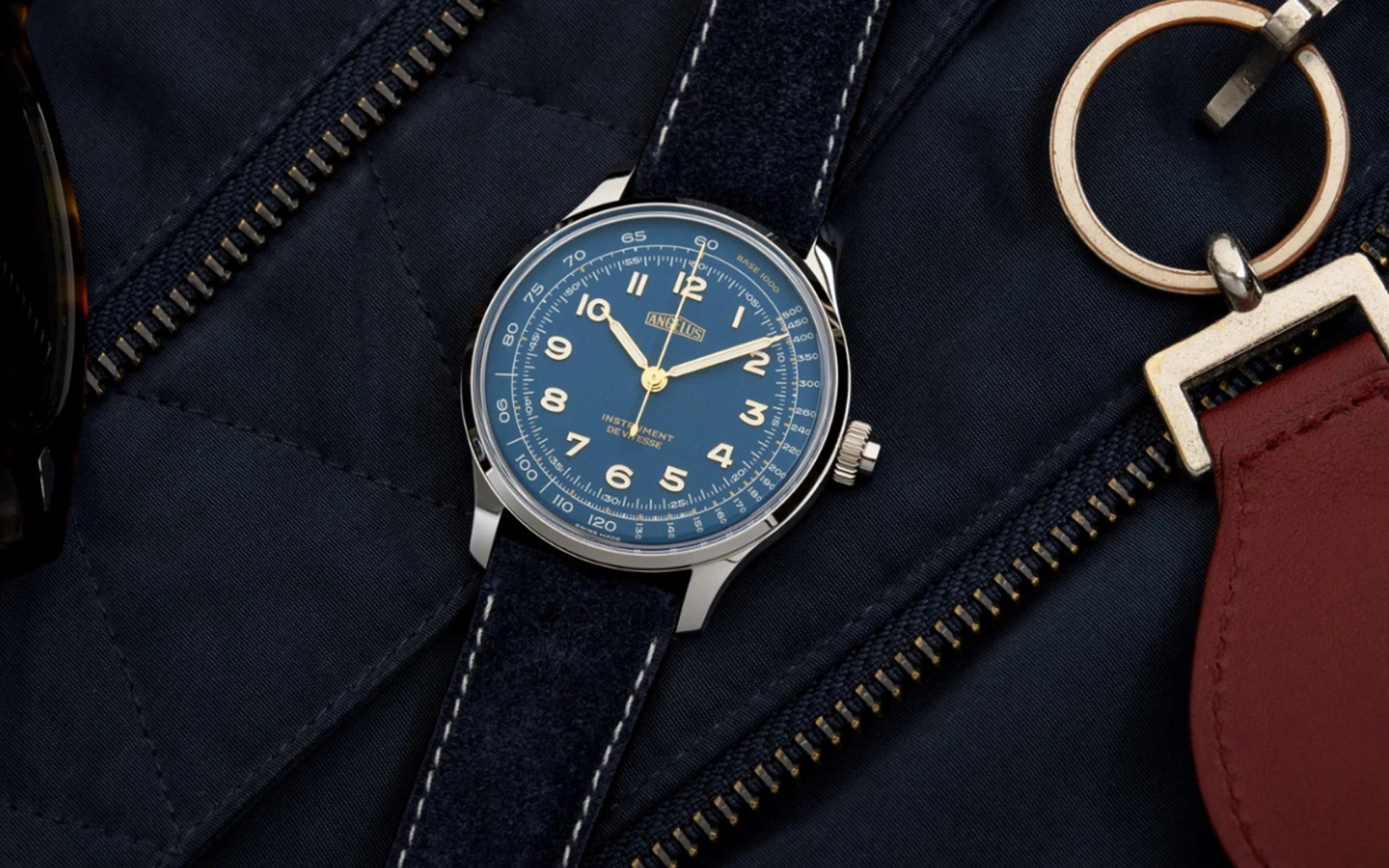
Not all souscription watches cost tens of thousands of dollars, though. At the lower end of the market, crowdfunding campaigns have adapted the souscription model for the information age, allowing would-be buyers to pony up a deposit for the privilege of being first in line to score a new model. Unlike higher-end souscriptions, the watch may not be a limited edition, but it nonetheless offers collectors a way to feel like they’re getting something special. Whether it’s a $500 quartz watch or a $50,000 complication, the value of a souscription piece lies in the connection it creates between the buyer and the craft.