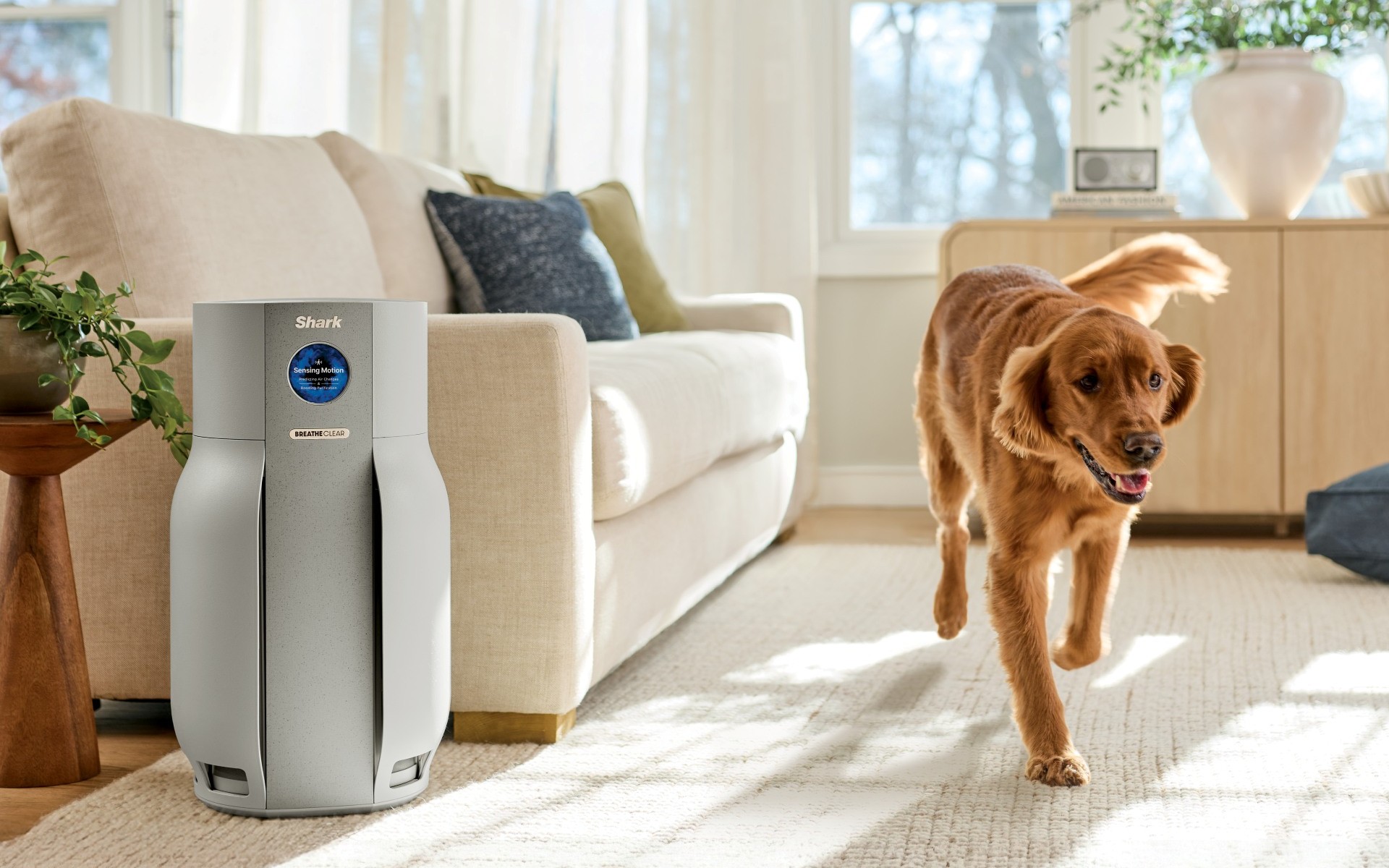
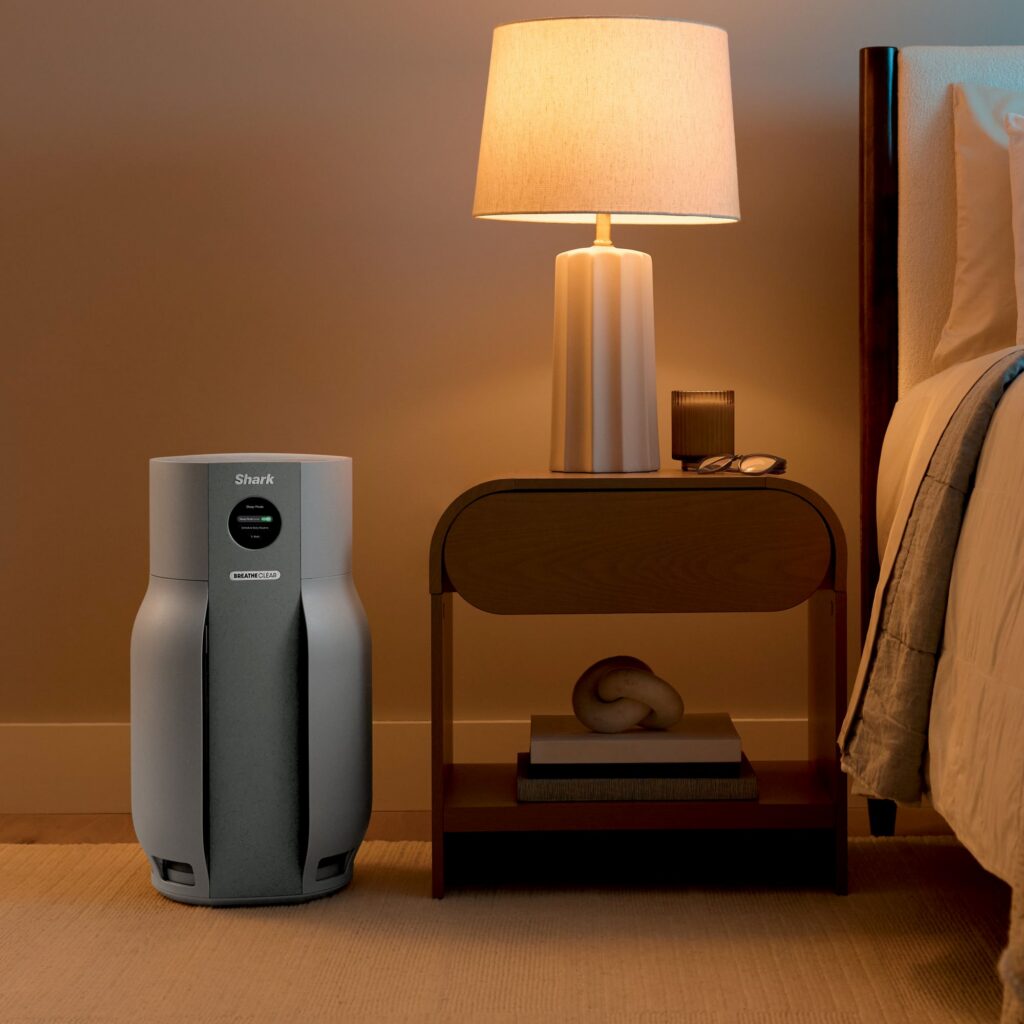
Indoor air is the last thing in a well-run home nobody thinks about. We choose the water, the coffee, the light, and then breathe whatever the room happens to be holding, be it cooking, pets, cleaning products, whatever drifted in through an open window. Shark’s argument with BreatheClear, newly launched in Canada, is that a purifier should not wait to be told what to do.
Conventional units respond once sensors register a decline in air quality, which means the response arrives after the fact. BreatheClear scans its environment 3,600 times an hour. That constitutes once a second, and it reads cues such as motion and activity that tend to precede a change rather than follow it, adjusting before particles accumulate. This is a small shift in logic with an obvious appeal, predictability. You know that the air is dealt with before anyone notices it needed dealing with.
A display makes the invisible legible, identifying what the system is detecting by category, which can be allergens, smoke or VOCs. This is done in real time, followed by building daily and weekly views so you can see how ordinary domestic activity moves the numbers. Anyone in Ontario who has watched a summer sky turn beige will recognize the value of a machine that notices smoke before you smell it.
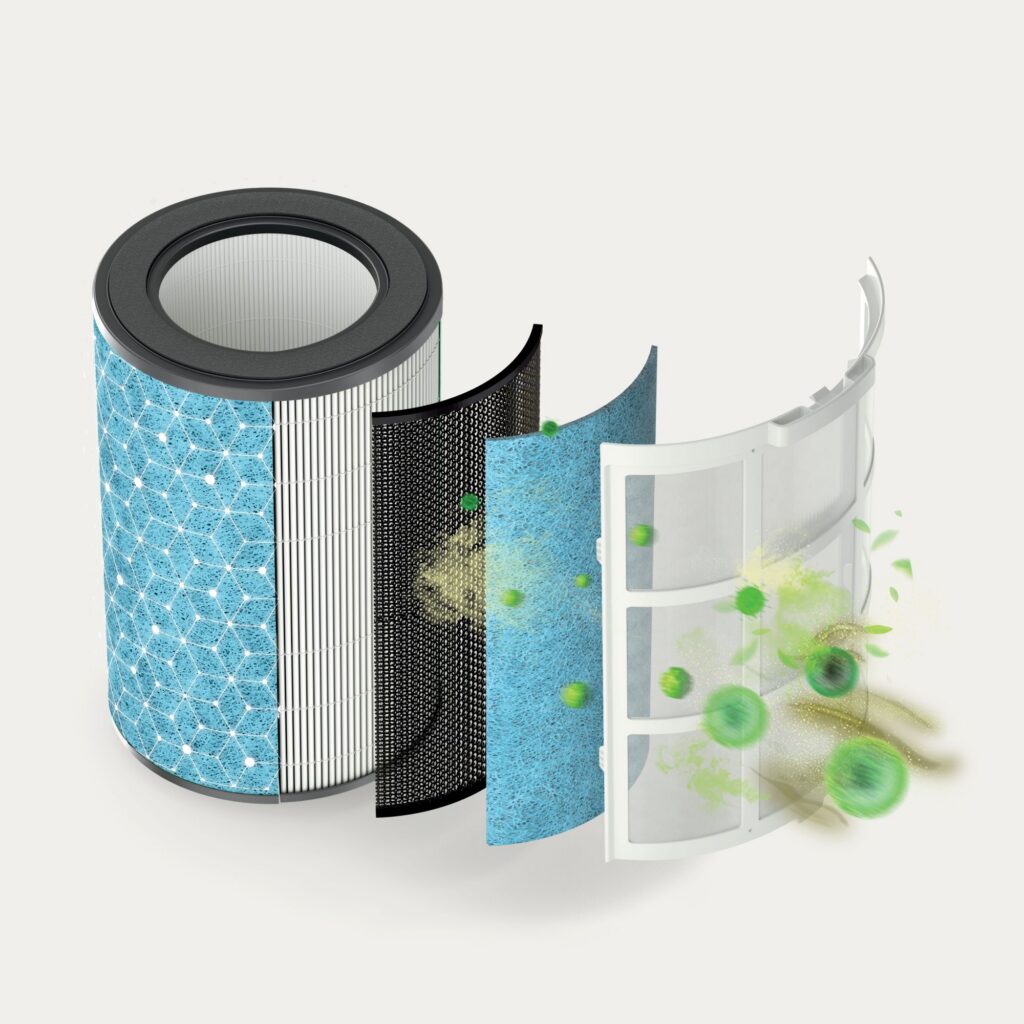
Shark says the unit exceeds HEPA standards at every fan speed rather than only at the highest, capturing 99.98 percent of airborne particles including dust, microplastics and pollen. The other claim is arguably the more practical one: where most purifiers want a new filter every six to twelve months, the NeverChange system is designed to run up to six years without routine replacement.
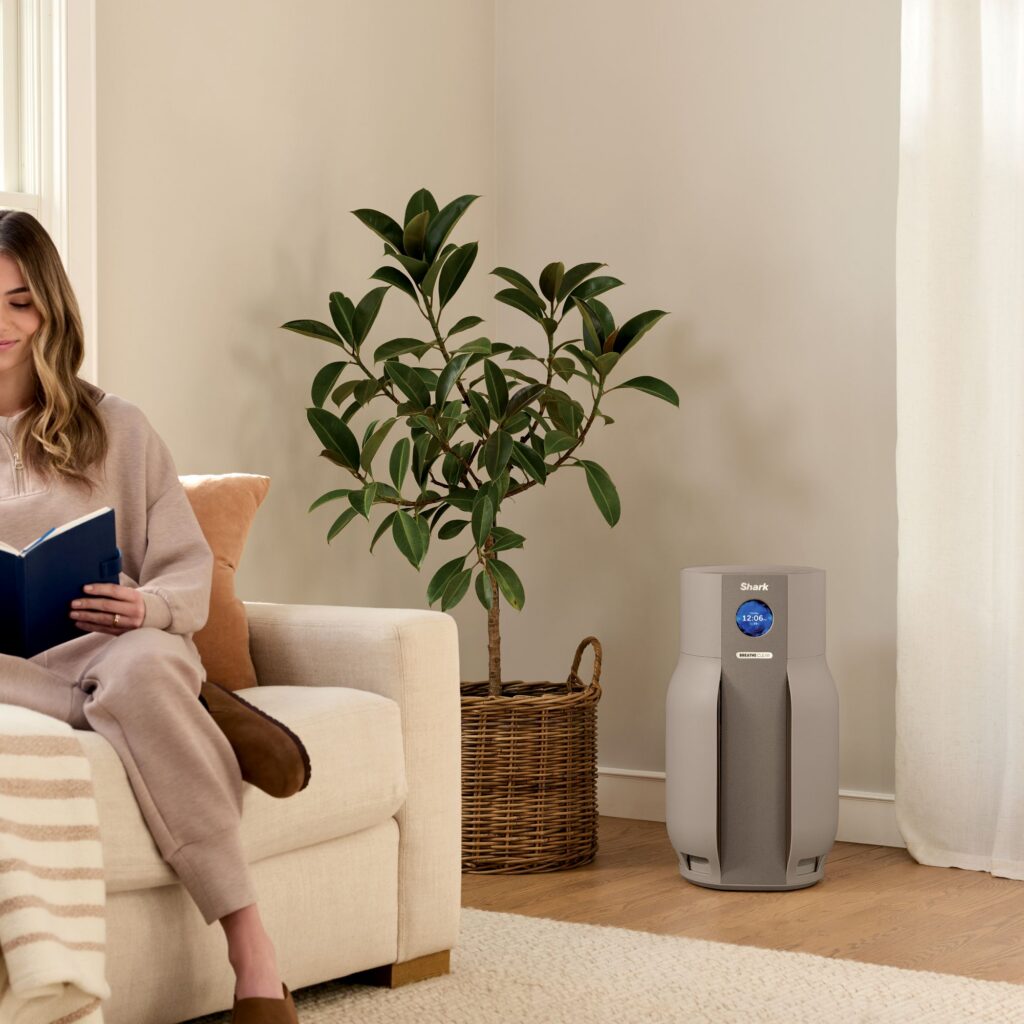
Three sizes cover the range: Compact Pro for rooms to 300 square feet, the standard unit to 750, and the Max to 1,650. That last figure is cottage-sized, which is the relevant one this August, when Range Rover House opens a Snøhetta-designed house on Lake Joseph and the great luxury of the place is the air outside it.