Nobody’s talking about the most pressing issue in the automotive world at the moment: the demise of the convertible. Drop-tops have somehow become an endangered species, despite the fact — fact! — that driving a convertible is one of life’s great pleasures. Who wouldn’t want to feel the wind rushing overhead and the sun shining down while speeding through the countryside like a low-flying bird? Convertibles are romantic, as demonstrated by Grace Kelly and Cary Grant cruising along the French Riviera in To Catch a Thief. Convertibles are also a symbol of freedom, driven by Thelma and Louise outrunning the law. And they’re just pure hedonism, as with the Entourage boys cruising Beverly Hills in that big old Lincoln Continental. But, one only has to look at sales stats to see convertibles have fallen out of fashion.
Thankfully, fashion is cyclical; that holds true whether we’re talking about big pants and double-breasted suits or roadsters and cabriolets.
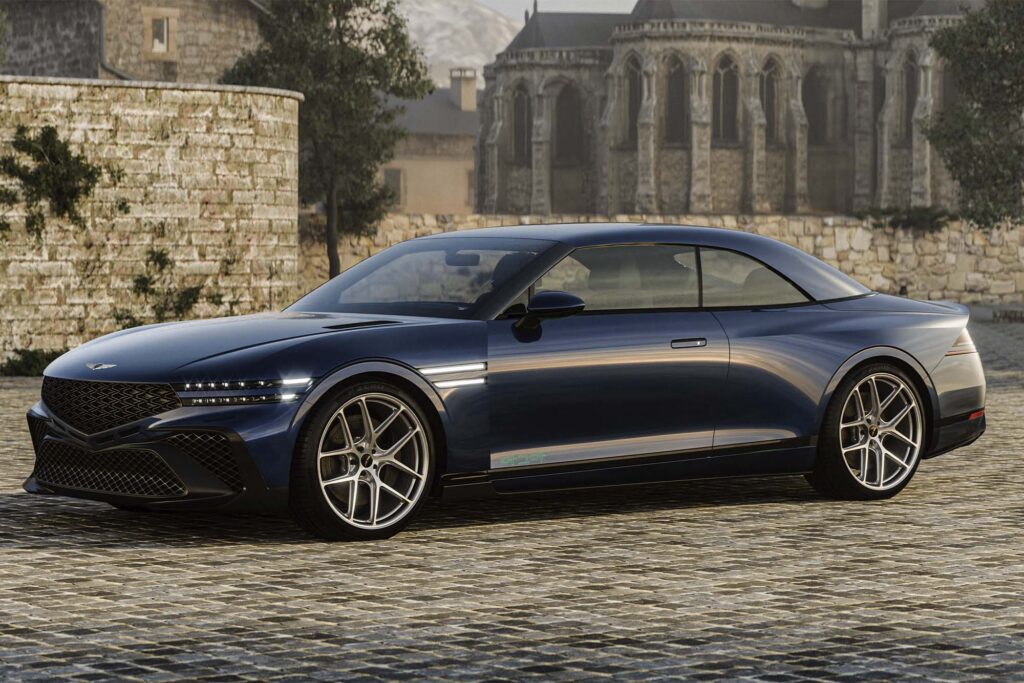
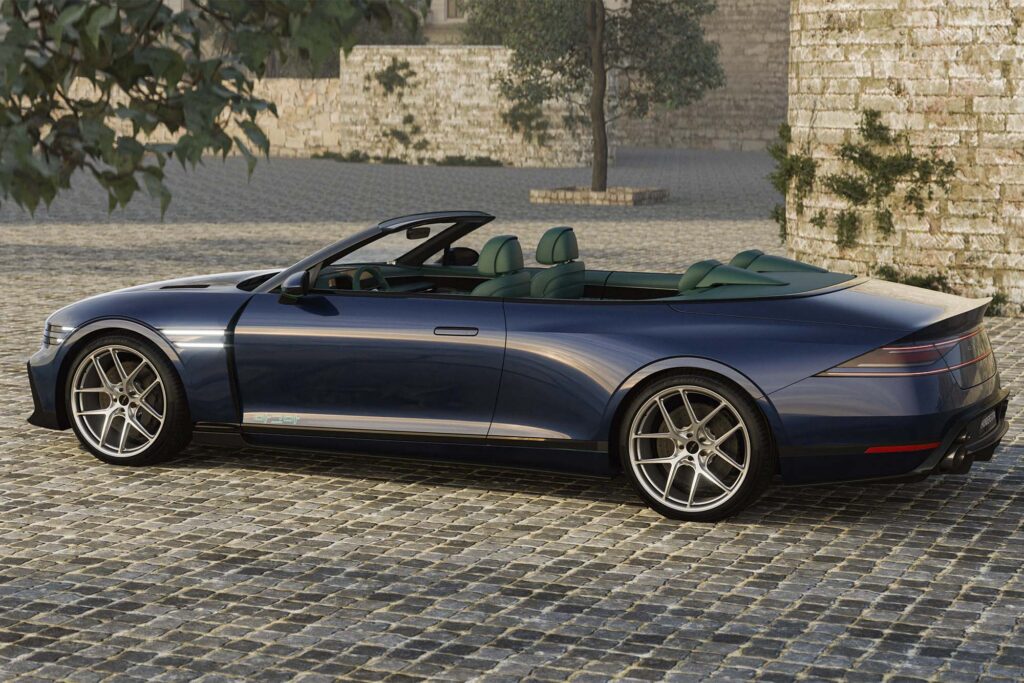
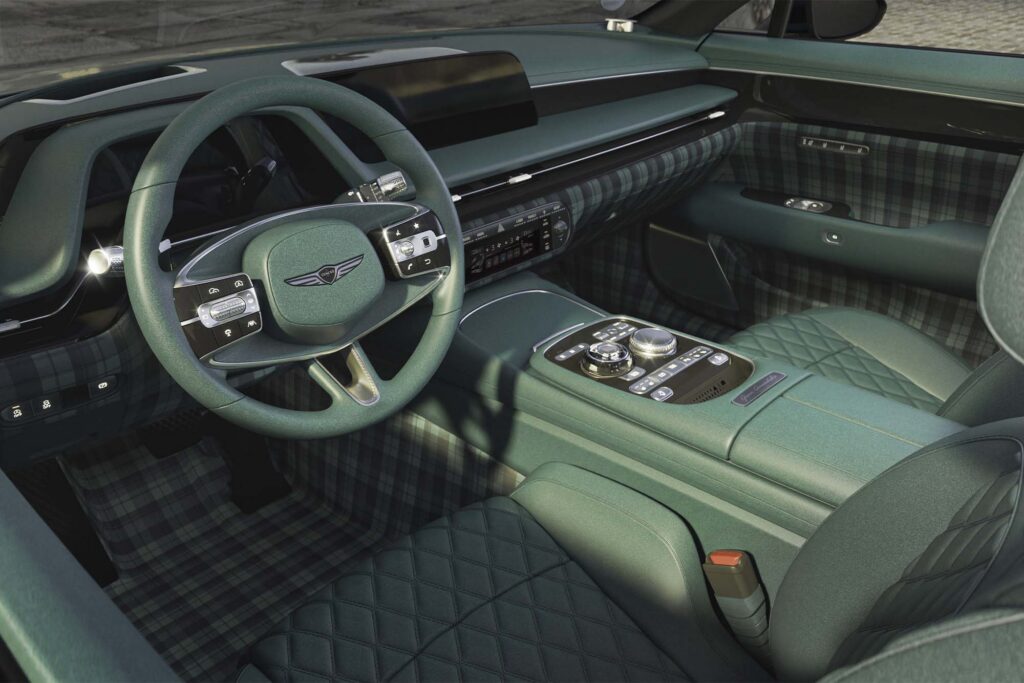
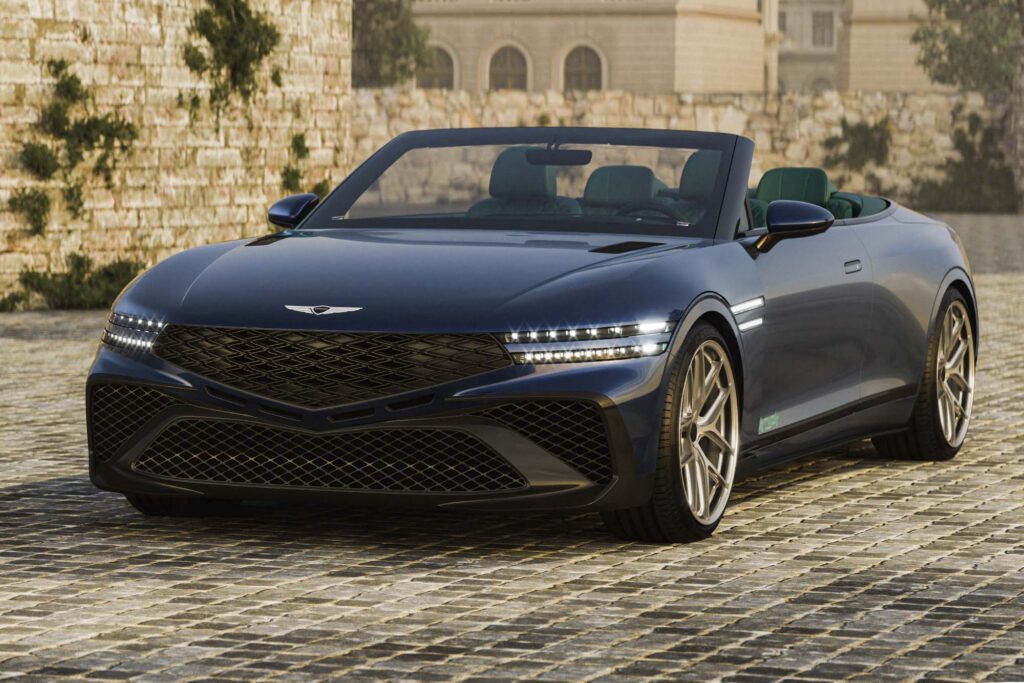
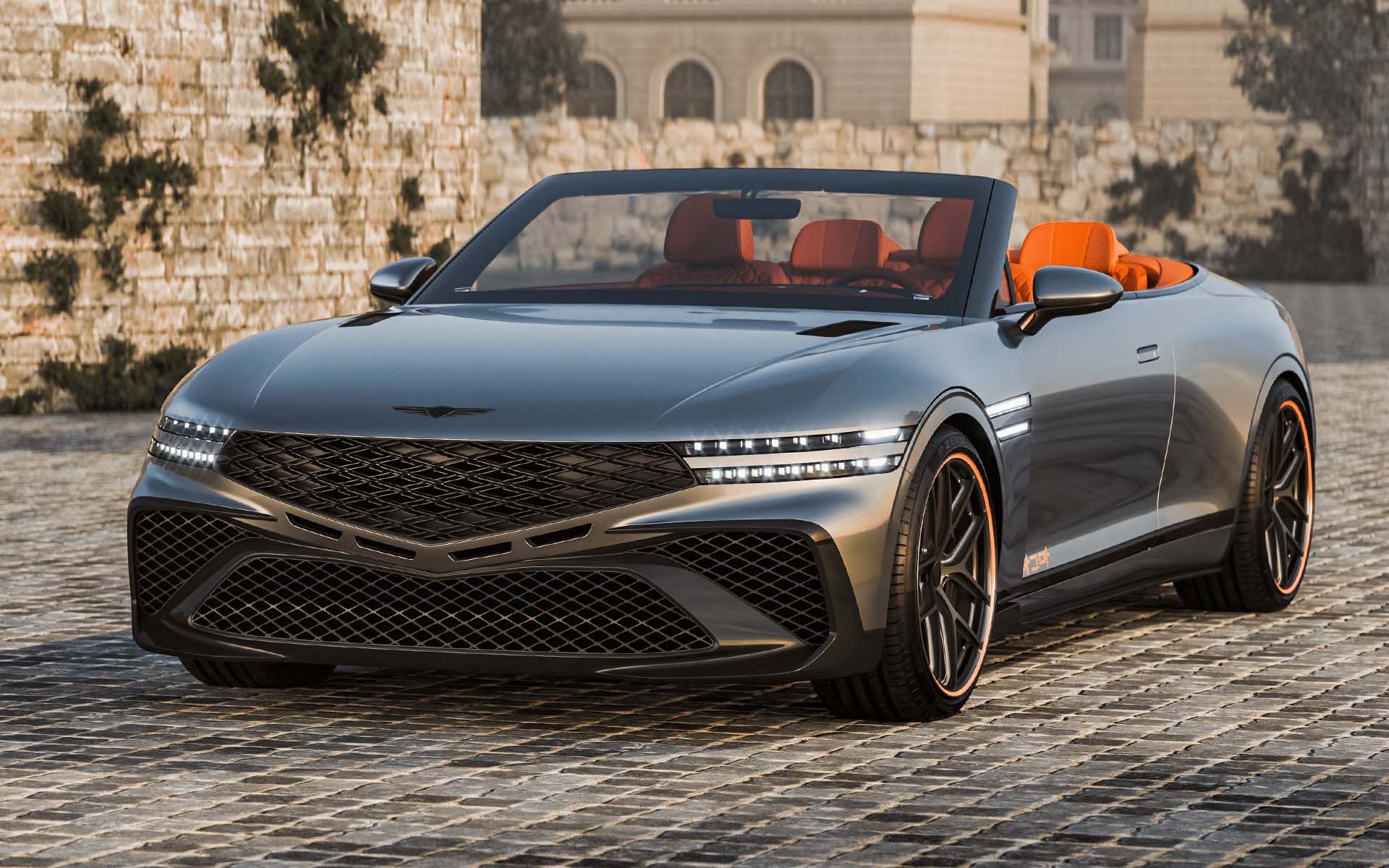
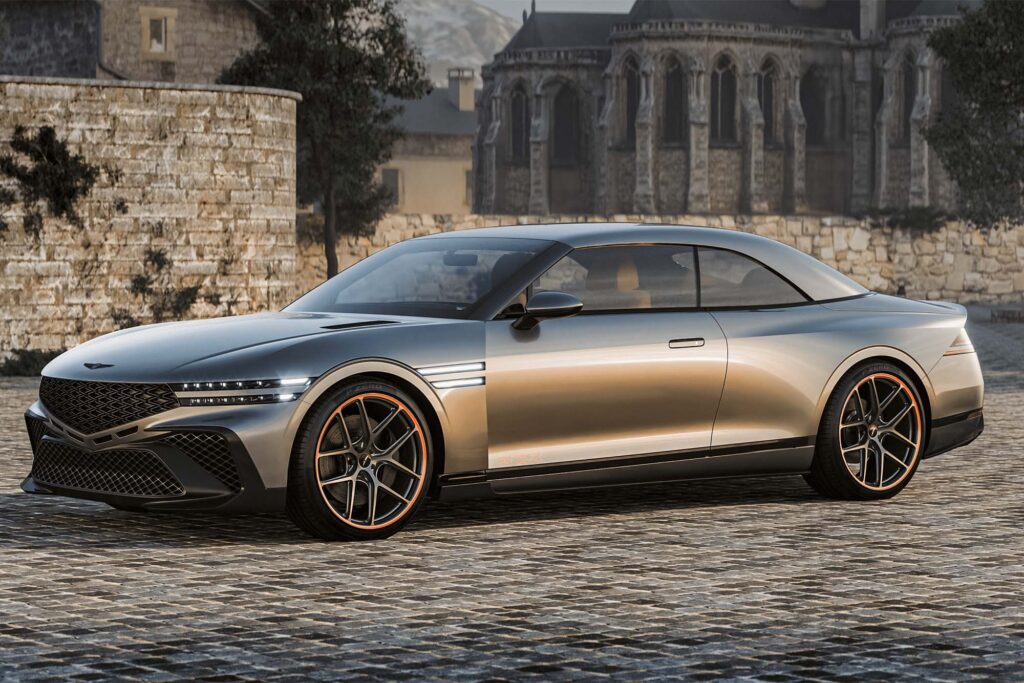
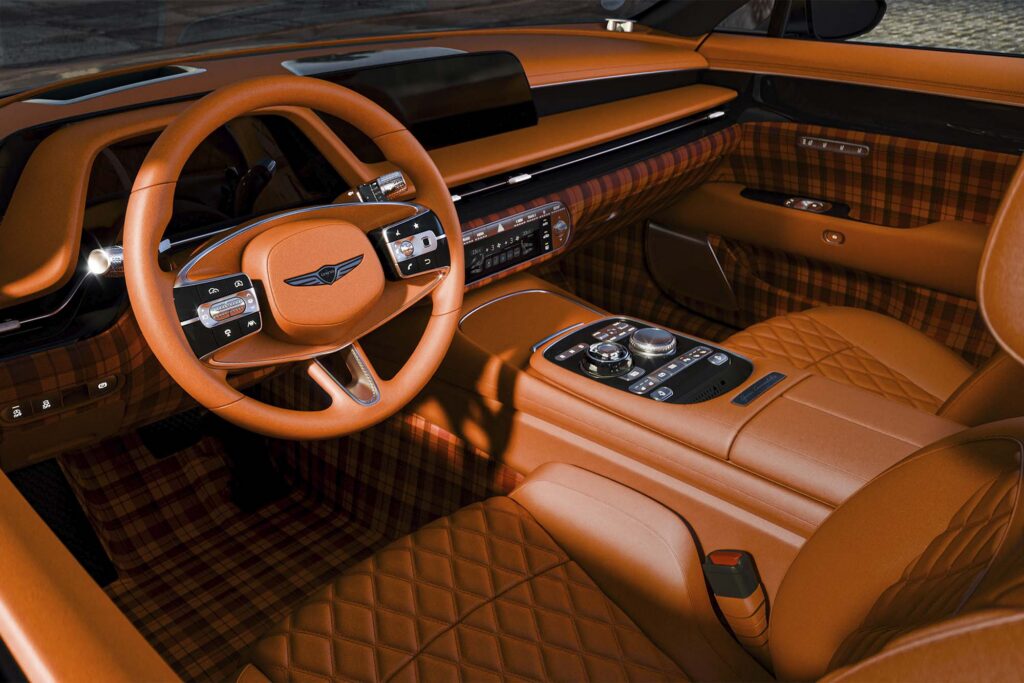
Still, we wouldn’t have guessed it would be Genesis that would reignite our longing for open-top motoring. In June, while making its debut at the 24 Hours of Le Mans in France, the Korean luxury brand revived a convertible concept first shown in 2022 and then again in 2025. For this, its third showing, the Genesis drop-top — called the X Gran Convertible concept — was looking suspiciously production ready in several new eye-catching colourways. It’s based on the Genesis G90 sedan, which means it has ample space for rear-seat passengers and a V6 under that long hood. Another version of this concept wasn’t on anybody’s bingo card for 2026, but given that this is its third outing it appears the executives at Genesis are at least considering putting it into production.
Genesis isn’t the only brand showing off an opulent drop-top this year. Rolls-Royce launched the Nightingale, an untouchably exclusive run of 100 convertibles. It’s based on the Spectre EV and available by invitation only, for an undisclosed price that must surely be on the far side of seven figures.
This year also saw the launch of Ferrari’s new Amalfi Spider and the 849 Testarossa Spider. Even Porsche chose joy and made a drop-top GT3.
At the risk of stating the obvious, a handful of Ferraris and Rolls-Royces do not represent the market as a whole. If you look downmarket, the numbers paint a clear picture: convertible sales are in decline, and have been for decades. Convertible sales loosely track consumer confidence, but after the 2008-09 recession that correlation broke down. In 2005, convertibles made up a healthy 2.1 per cent of all new car sales in the U.S., according to CNBC. By 2021, convertibles were down to 0.46 per cent of the market. That works out to only around 70,000 cars. As world economies recovered post-pandemic, convertible sales did not. (Please excuse the U.S. sales data here, but America is the much bigger and therefore more influential market for the industry.)
It’s a similar story over in Britain. As the BBC reported this year, sales of convertibles fell by nearly 90 per cent, from 109,171 in 2005 to a paltry 11,484 in 2025.
As a result, mainstream brands have (for the most part) abandoned the shrinking convertible market, leaving it to luxury and sports-car makers. Unsurprisingly, the average price of new convertibles shot up. While once mainstream, open-air motoring is now a rare luxury.
The demise of convertibles also dovetails with the rise of SUVs. As sedans and coupes disappeared, it got harder (read: more costly) to make convertibles. Automakers tried using SUVs as a base for convertibles, but does anybody besides us remember the low-key wonderful Range Rover Evoque convertible, or the Nissan Murano and PT Cruiser drop-tops? Not really.
That drop-tops have been put on the endangered species list says more about us than it does about cars. Convertibles appeal to the senses. They eschew the heady number-crunching of traditional sports cars, which focus on incremental improvements to a spec sheet: lower 0–100 km/h times, more horsepower and torque, faster in-gear acceleration, more grip and lateral g-forces. The benefits of a convertible cannot be counted or measured; they’re ephemeral and fleeting. Coupes are cocoon-like and isolating, closed off from the world, meant to be driven alone, preferably on a racetrack. Convertibles are the opposite: open, and at their best when friends are along for the ride.
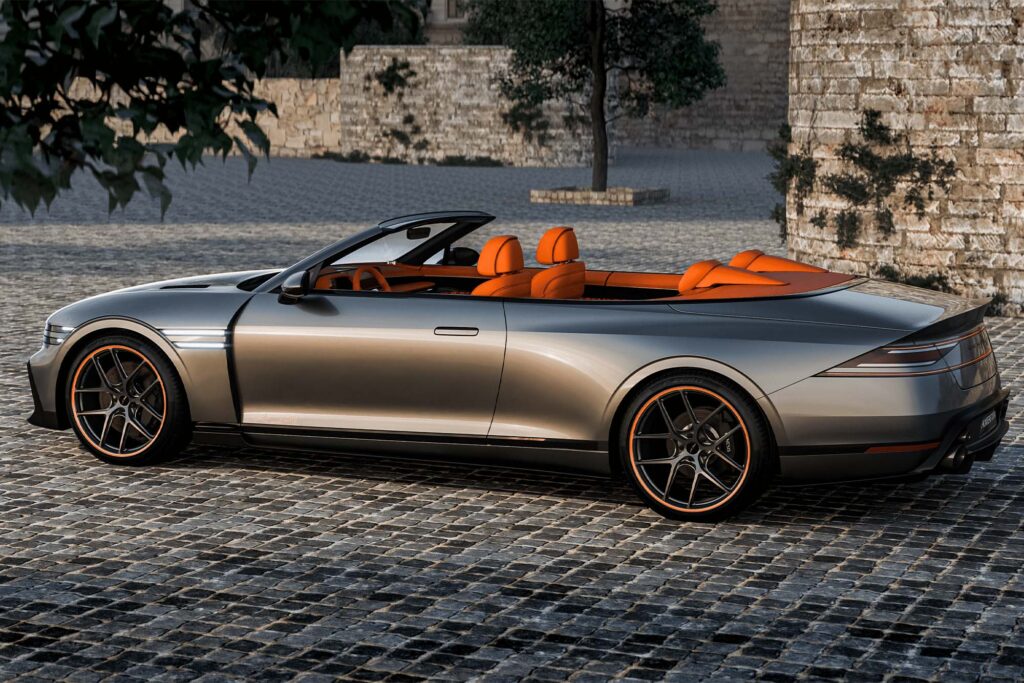
In the past, open-air motoring demanded compromise. Drivers had to live with creaks and rattles, cowl shake and excessive wind noise, not to mention fabric soft-tops that were delicate and prone to leaking. Modern convertibles, however, suffer none of those issues and demand only minor concessions in terms of trunk space.
So, perhaps there is still hope for the convertible. A broad resurgence is unlikely given the headwinds facing the auto industry; most car companies have more pressing priorities (like staving off an existential crisis). In all likelihood, it’ll come down to a handful of ambitious luxury brands to keep alive the pure joy and simple sensory pleasure of open-top motoring. We’re counting on you, Genesis, but the company won’t commit, at least not yet. “While Genesis continues to explore a variety of concept vehicles, we do not comment on future product plans or speculate on potential production models, said a company spokesperson” That’s not a “no.” Come on Genesis, build it.