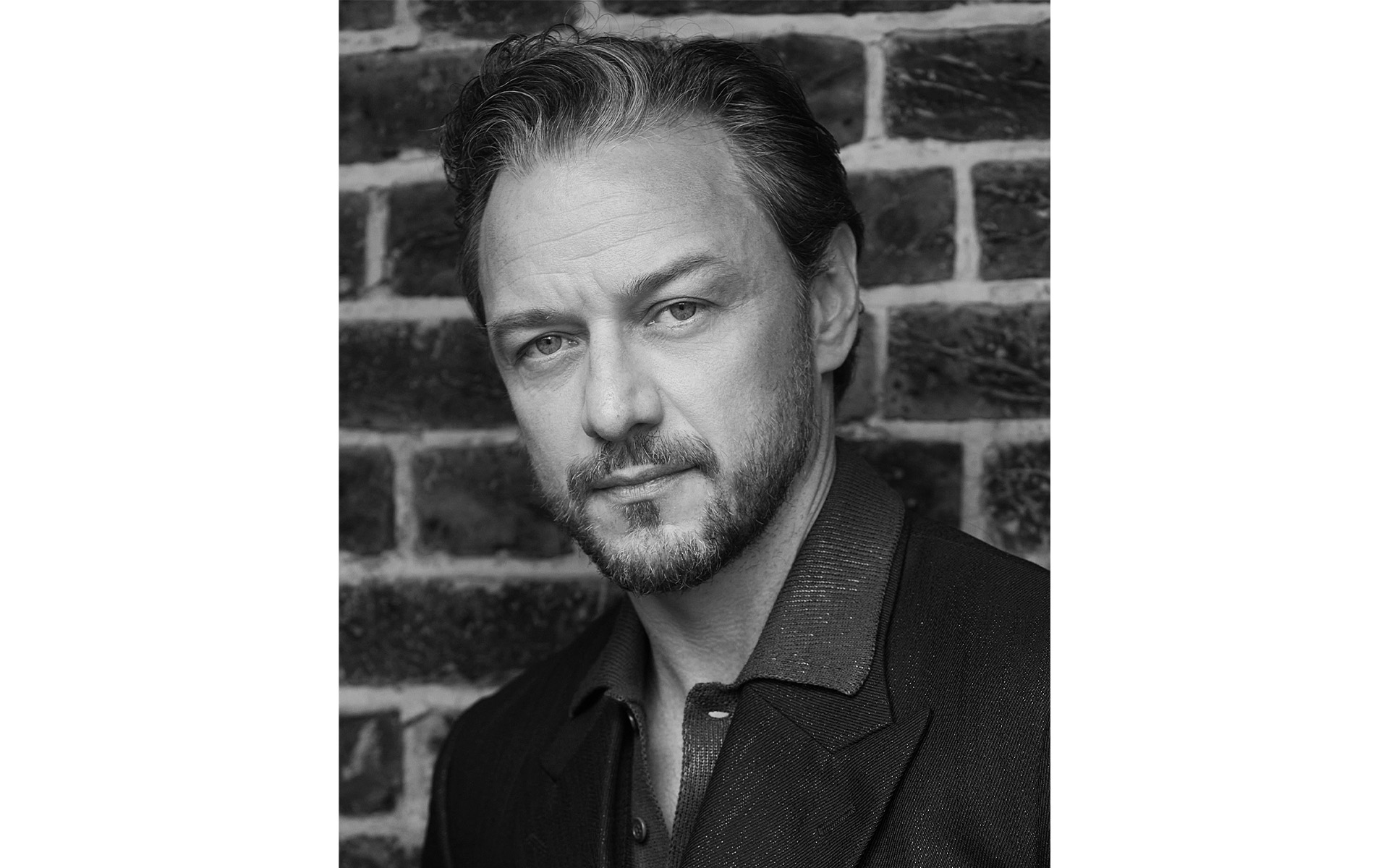
When an actor of James McAvoy’s stature steps behind the camera, the industry’s impulse is often to put him in a box. After over 30 years commanding the screen in titles that span from independent dramas like Filth and The Disappearance of Eleanor Rigby to massive studio blockbusters like X-Men and Split, McAvoy’s transition to filmmaking arrived with offers for Scottish films. It is a paradox the Glasgow-born actor finds both absurd and revealing.
“It was like I’ve been acting for 32 years now… and I’ve played like five Scottish people and done like four Scottish movies in that time,” McAvoy reflects. “Then when I said I wanted to direct, everything I got was just Scottish movies, Scottish movies, Scottish movies.”
That typecasting revealed an irony at the heart of filmmaking. “It was like, ‘Oh, that’s interesting that that’s just how people see me, and yet I barely get the opportunity to do that because there isn’t a lot of stuff made for Scottish actors to be Scottish.’”
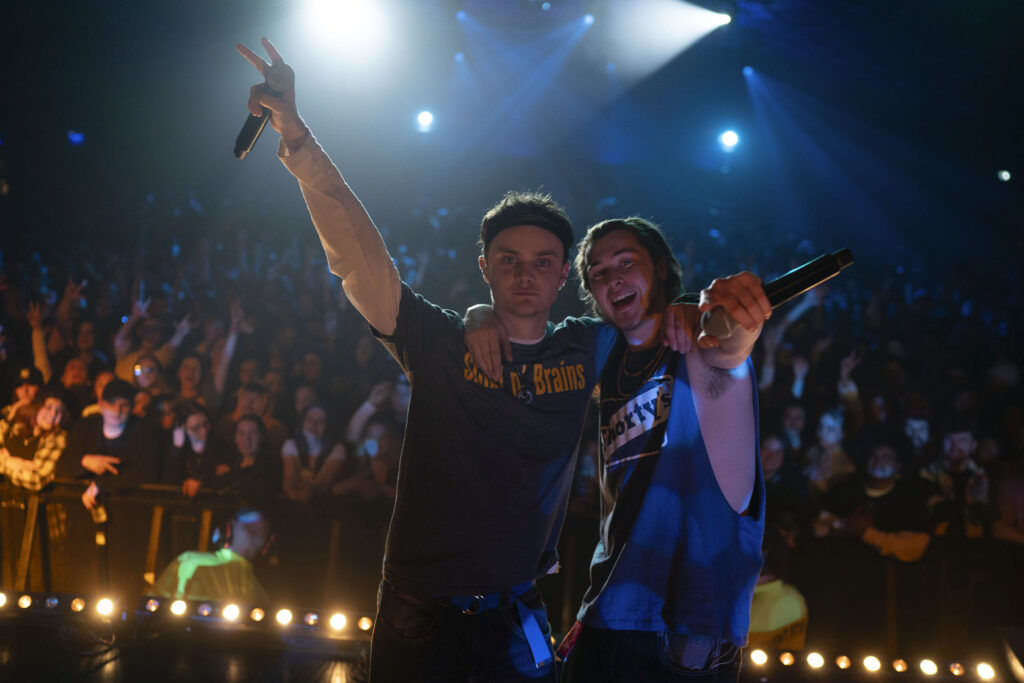
In helming his feature directorial debut, California Schemin’, McAvoy tackles this very dilemma. The film adapts the strange yet true saga of Silibil N’ Brains, two aspiring hip-hop artists from Dundee, Scotland, who, after being mocked and rejected by London record executives for their thick Scottish accents, reinvented themselves as brash Californian skate-punks to land a lucrative contract.
For McAvoy, the narrative was an eccentric one that became a lens through which he could explore the hidden costs of creative survival, systemic cultural barriers, and the delicate tightrope artists walk between ambition and authenticity.
At its core, McAvoy views California Schemin’ as a study of authority, specifically who grants artists permission to exist and to excel.
“This film is kind of about what people will let you do,” McAvoy observes. “It seems like I’m allowed to do Scottish movies. That’s what the industry sort of was telling me like ‘Yeah, you can have a go at directing, but you need to do Scottish.’ That’s kind of what this film is about: ‘Yeah, you can have a go at rapping, but not if you’re Scottish.’”
When faced with rejection, the duo decided to say, “‘I’ll be whatever you tell me I need to be,’” he explains.

But adopting a manufactured identity was one that they later regretted. As McAvoy notes, their deception struck at the very core of what they were trying to create: “They sacrifice not only themselves and their identity and their authenticity, but they sacrifice the beating heart of their particular art form, hip-hop, which is authenticity to the streets from which you came. And they unwittingly do it because they don’t realize what it’s going to cost them — and it nearly costs one of them their lives.”
While McAvoy’s own career never pushed him to such extreme physical danger, his insight into the psychological toll of compromise is grounded in three decades of firsthand experience. Success in the arts, he argues, demands a series of payments that most outsiders never see.
“Anybody trying to make it in the business, you have to sacrifice,” McAvoy says. “You sacrifice your time, your energy. You study for three years or whatever. You slave away in the business. You get up at the crack of dawn. You sacrifice your family, your relationships, because it’s a crazy business to work in terms of hours and all that.”
“You sacrifice whatever you need to to do what it is you need to do — whether it’s your integrity, your authenticity, your identity, your mental health. It’s all valid. Sacrifice whatever you need to to get where you want to get, but you will have to pay that price at some point. That sacrifice costs something, and you might not have enough in the bank to pay it. Then that’s when we get casualties,” he says.
“We need to see ourselves — everybody, whatever we look like, sound like, have sex like, pray like. We need to be reflected and dissected, glorified and vilified. That’s a part of our human need.”James McAvoy
Navigating that part of the industry is one McAvoy is familiar with. “I’ve definitely walked that tightrope for 30 years,” he admits. “For me, it’s been about… when do I feel like I’m tipping over into, ‘I’m losing integrity, or I’m losing my authenticity or my own identity here to get what — a better part in a bigger film, work with a better director, get awards?’ That kind of stuff. Not in a way that would be worthy of a musical biopic, but I’ve definitely walked a version of the path that these boys walk.”
That friction informs McAvoy’s sharp perspective on representation. The cultural barriers depicted in California Schemin’ reflect a broader commercial neglect, one that flattens regional realities into market-friendly clichés and extends far beyond Scotland.
“It’s just that there’s nothing being made about Scottish people,” he says. “That’s not just Scotland’s issue. That’s parts of North America, parts of England, like all of Wales, really. There are parts of the world and parts of society that just don’t seem to have stories made about them. It’s a business, so people want to make movies about the stories that they know will sell. They don’t want to take a risk on culturally satisfying the needs of a part of society that might not make money.”
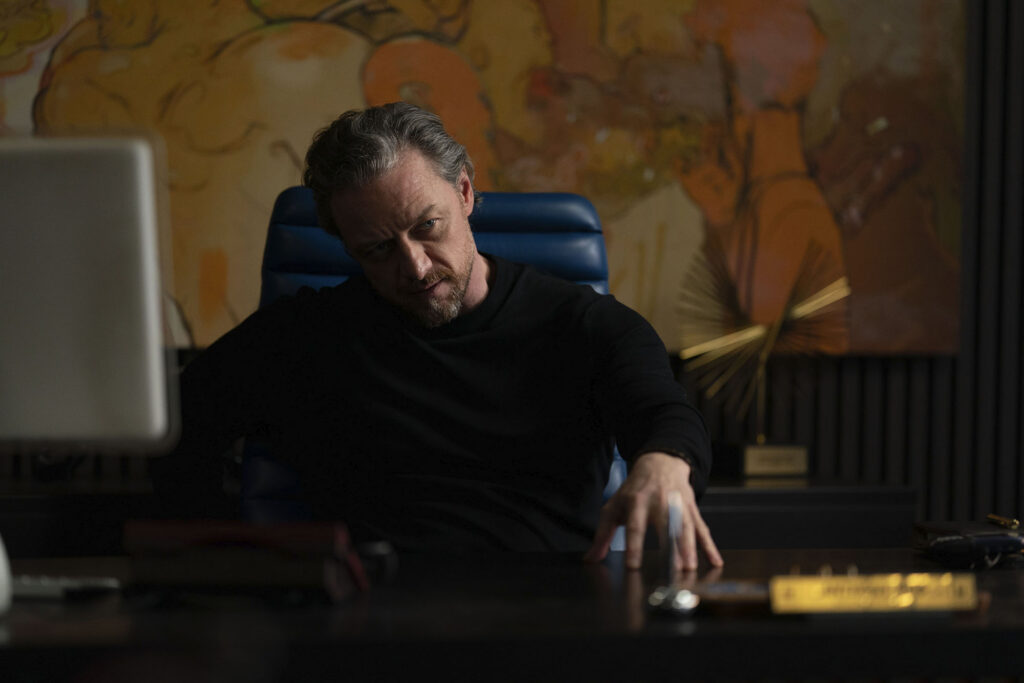
McAvoy doesn’t believe that commercial viability should dictate cultural visibility. For him, storytelling is a social imperative.
“Art is there to service us. We need it,” he insists. “We need to see ourselves — everybody, whatever we look like, sound like, have sex like, pray like. We need to be reflected and dissected, glorified and vilified. That’s a part of our human need. It’s why we’ve been doing art and storytelling for gazillions of years. Everybody needs to see themselves reflected.”
When asked about his biggest “trial by fire” moment — the kind no one warned him about — McAvoy laughs, recalling a seemingly simple nightclub scene.
“Two actors in a nightclub scene who didn’t want to dance,” he recounts. “I was like, ‘What? What do you mean you don’t want to dance? The characters are dancing!’ They were just embarrassed. They were self-conscious and shy.”
“I was like, ‘You’re actors in a scene in which you’re dancing, and you don’t want to dance?’ I thought it would be as simple as, ‘Yeah, but your character is dancing, so you need to dance.’ It was not that simple. That was a big surprise to me.”
It’s clear that McAvoy’s pragmatism and perspective shape his vision for cinema, and that shows in his directorial debut. In California Schemin’, he has crafted a story about the harrowing cost of playing a role just to be allowed into the room and the courage it takes to stay true to yourself. I’m willing to bet on his sensibilities and storytelling as a filmmaker who framed a visually and emotionally resonant film.
California Schemin’ is now playing in theatres.
FEATURE PHOTO: JAMES MCAVOY HEADSHOT, COURTESY OF THE LEDE COMPANY.