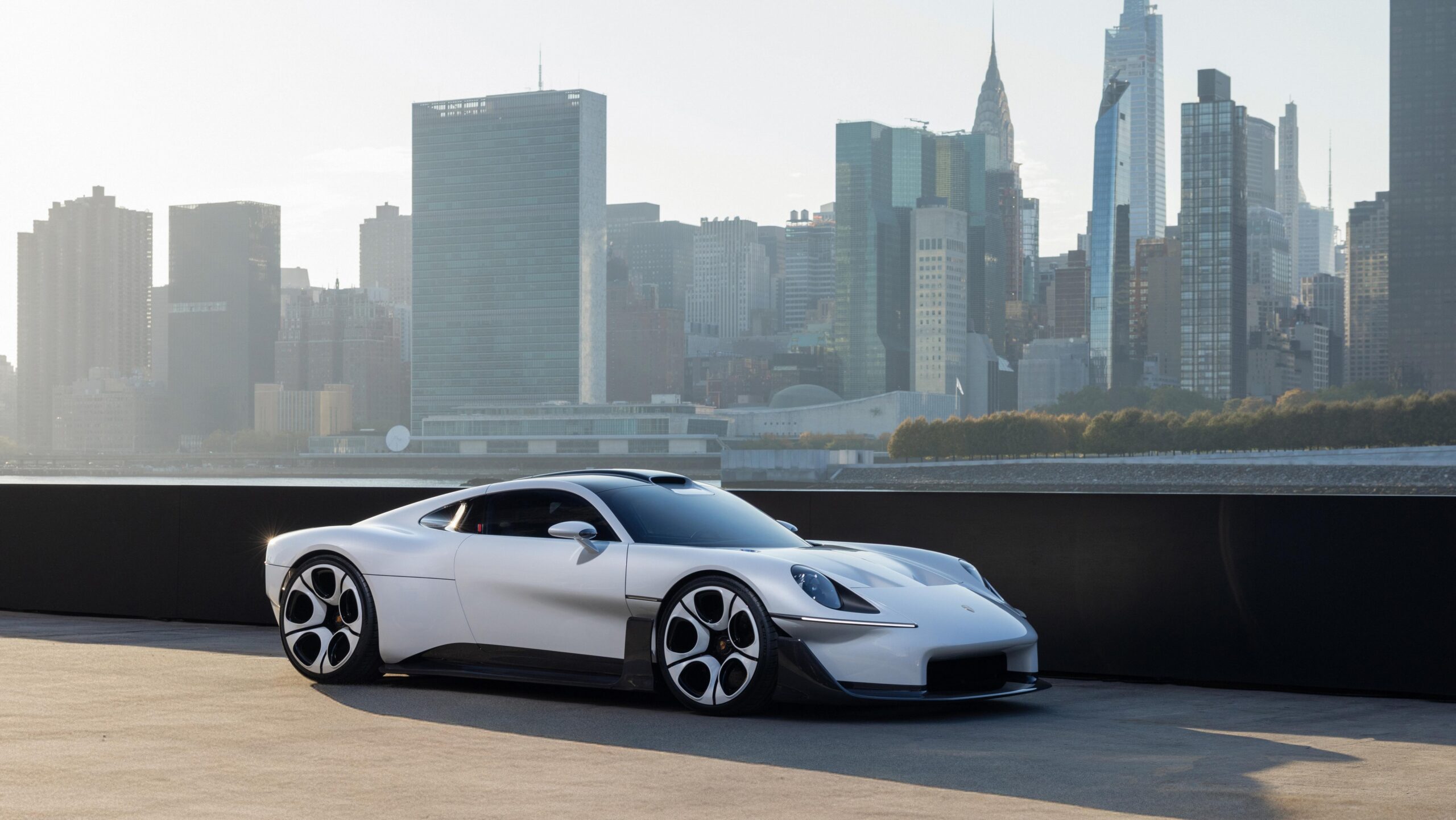
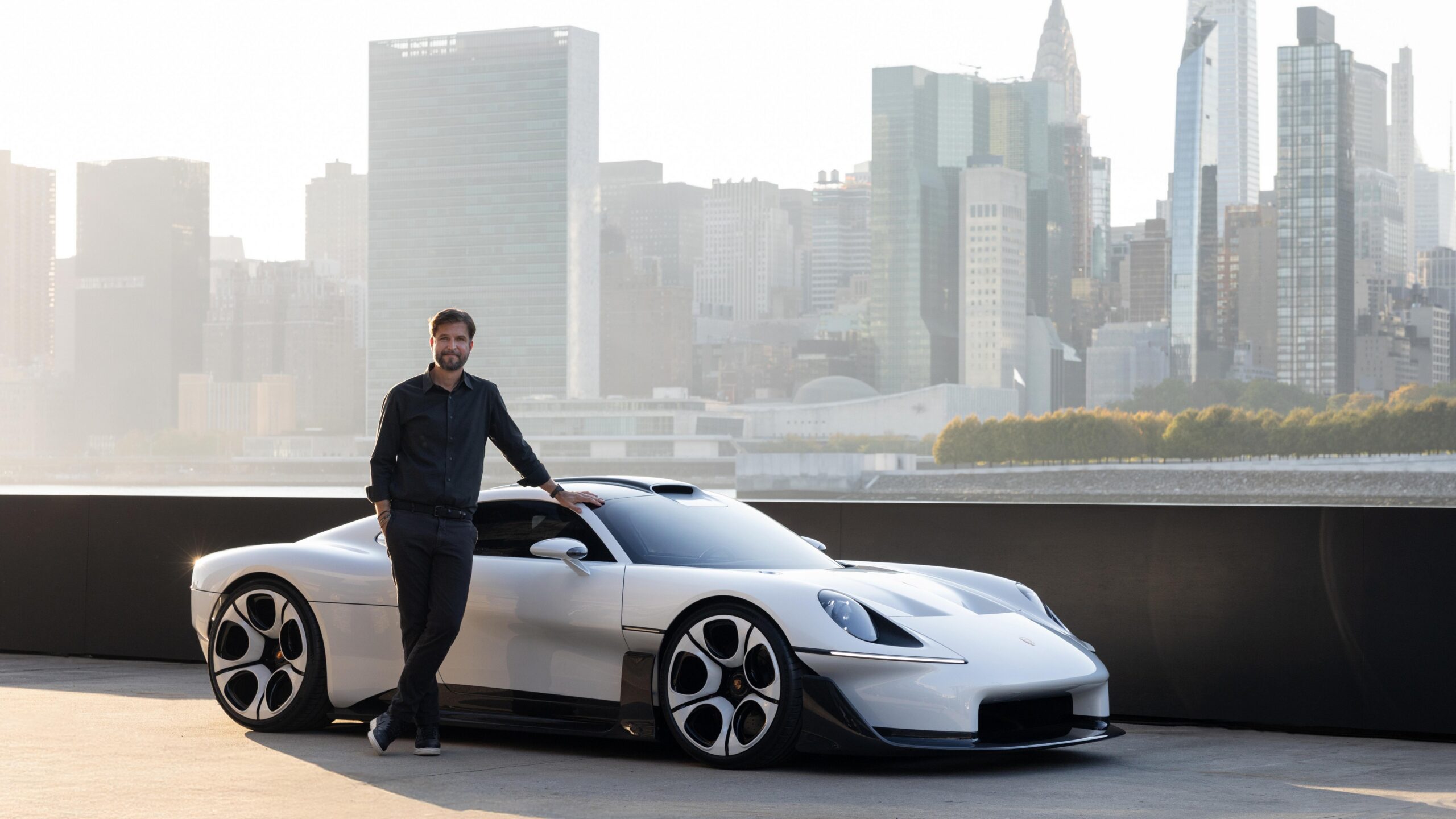
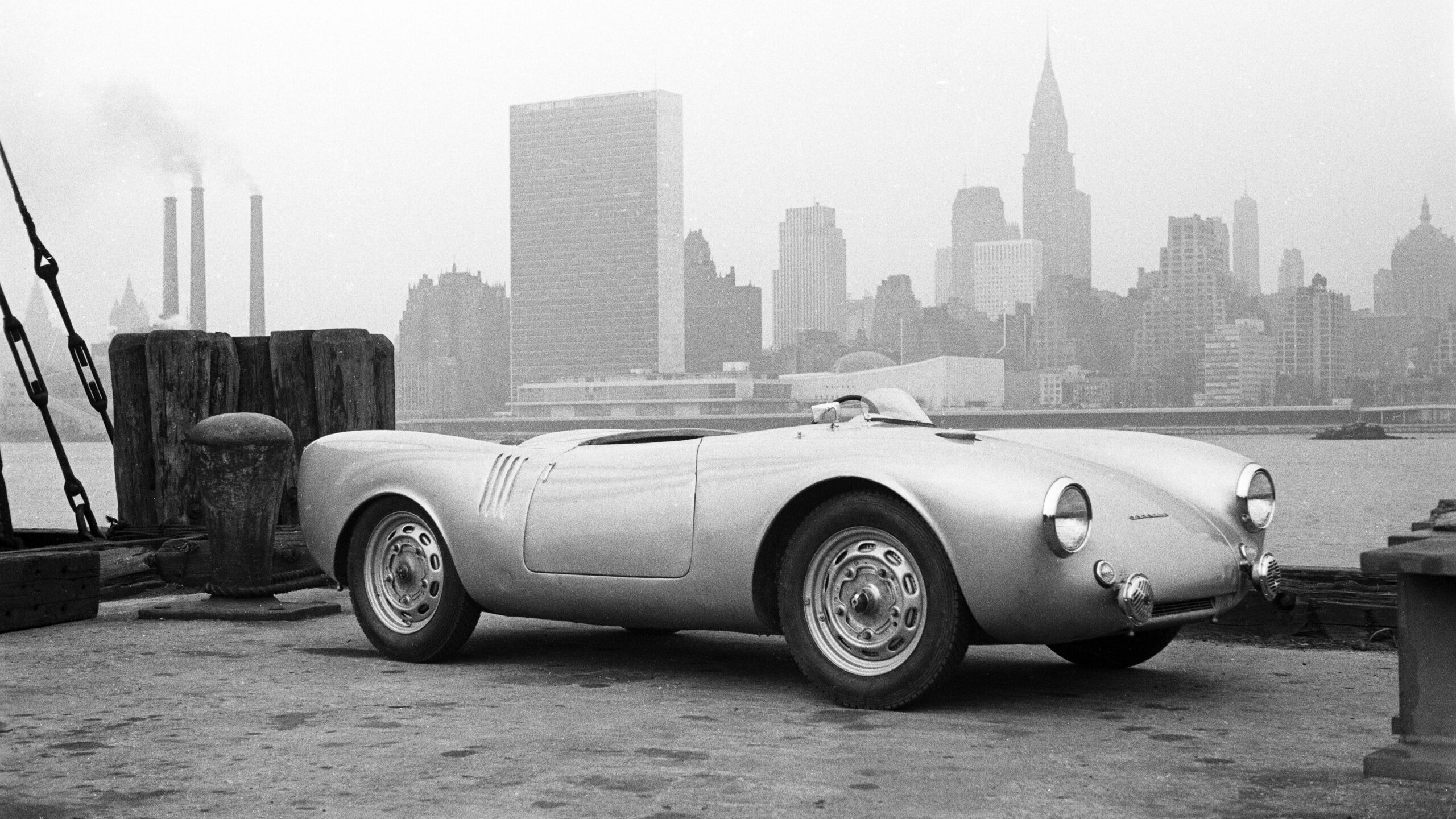
Revealed this afternoon in New York, on the very same pier where the first pictures of the mid-engined Porsche 550 Spyder were taken in 1953, the new Porsche Mission S marks a major milestone for modern Porsche: a newly evolved design identity, and the promise of an all-new and permanently available mid-engine Porsche supercar. While more details on the actual production variant are scarce, the Mission S leaves us with plenty to talk about.
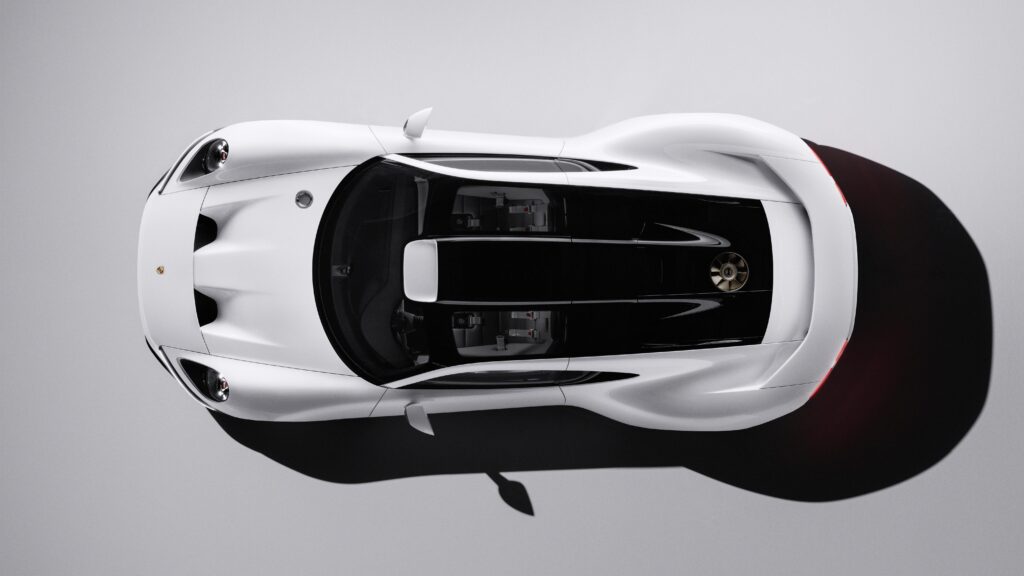
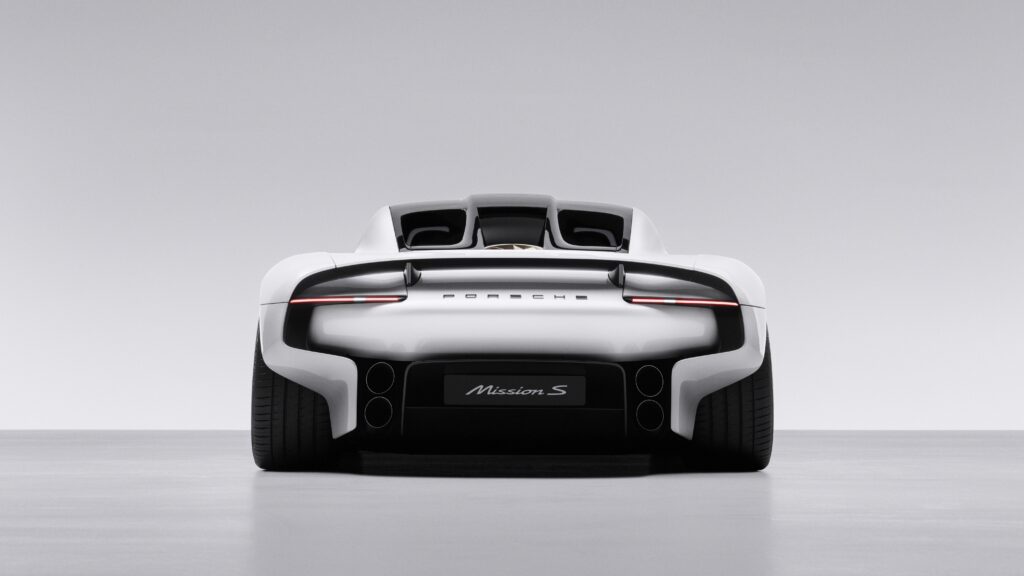
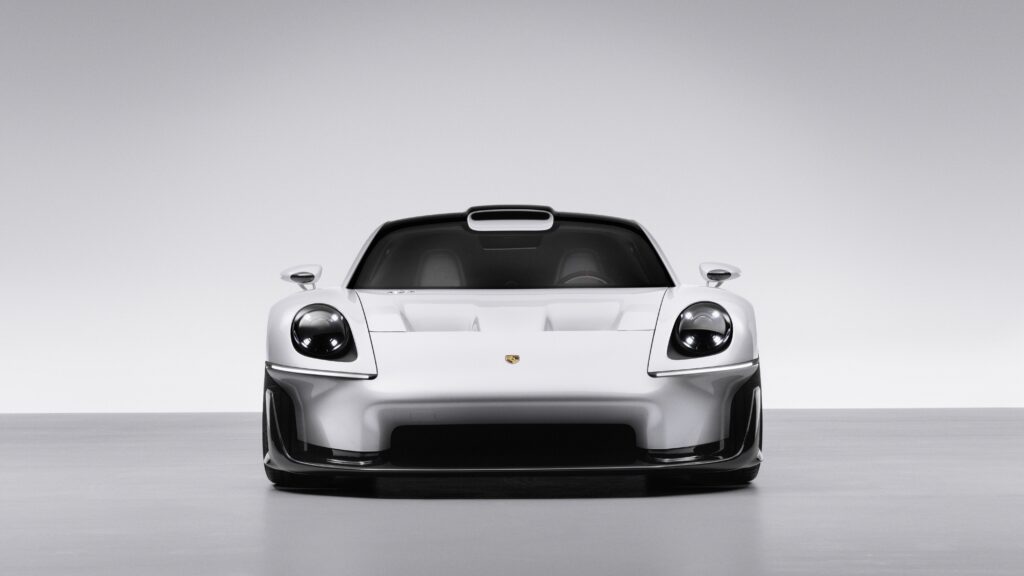
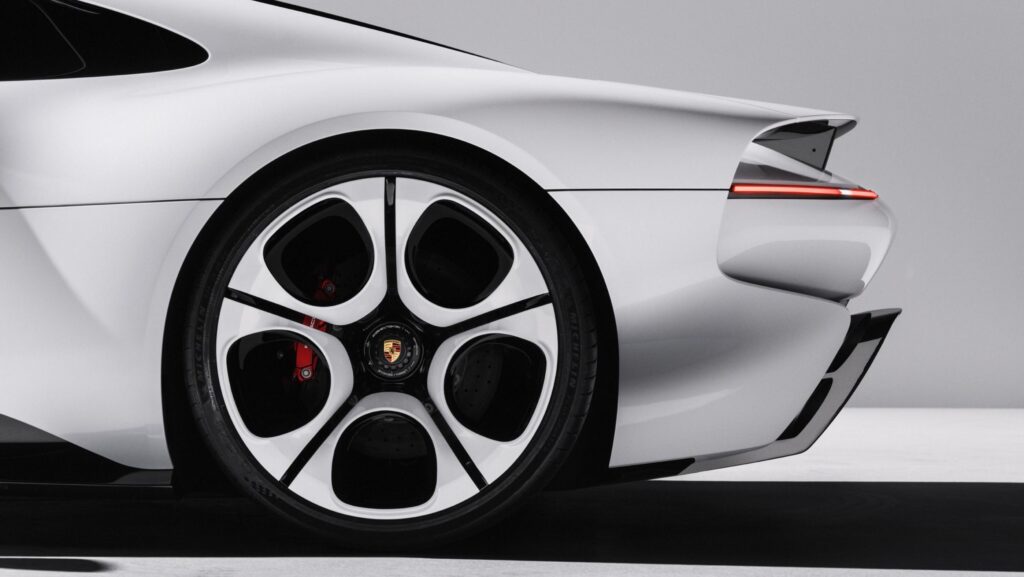
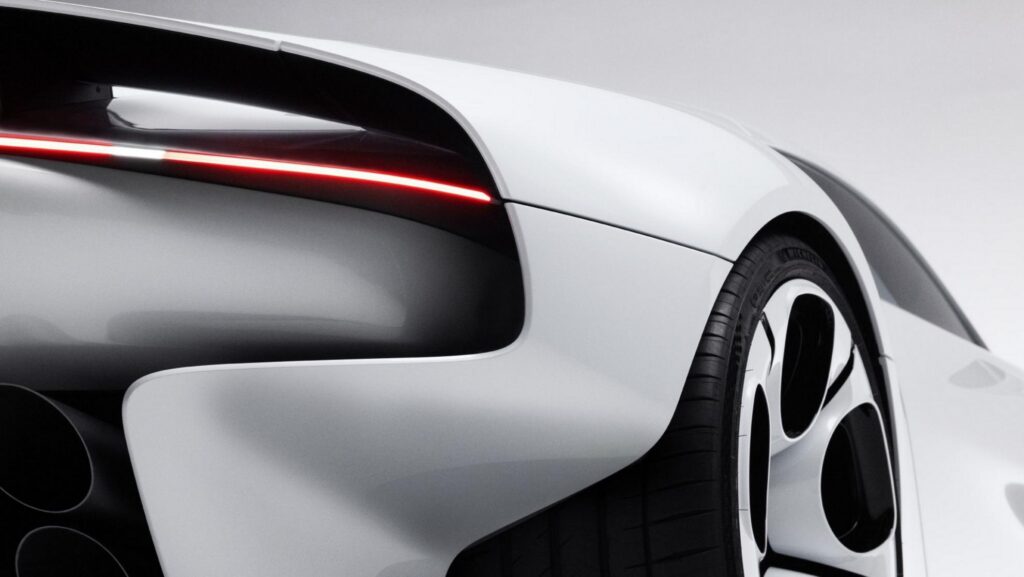
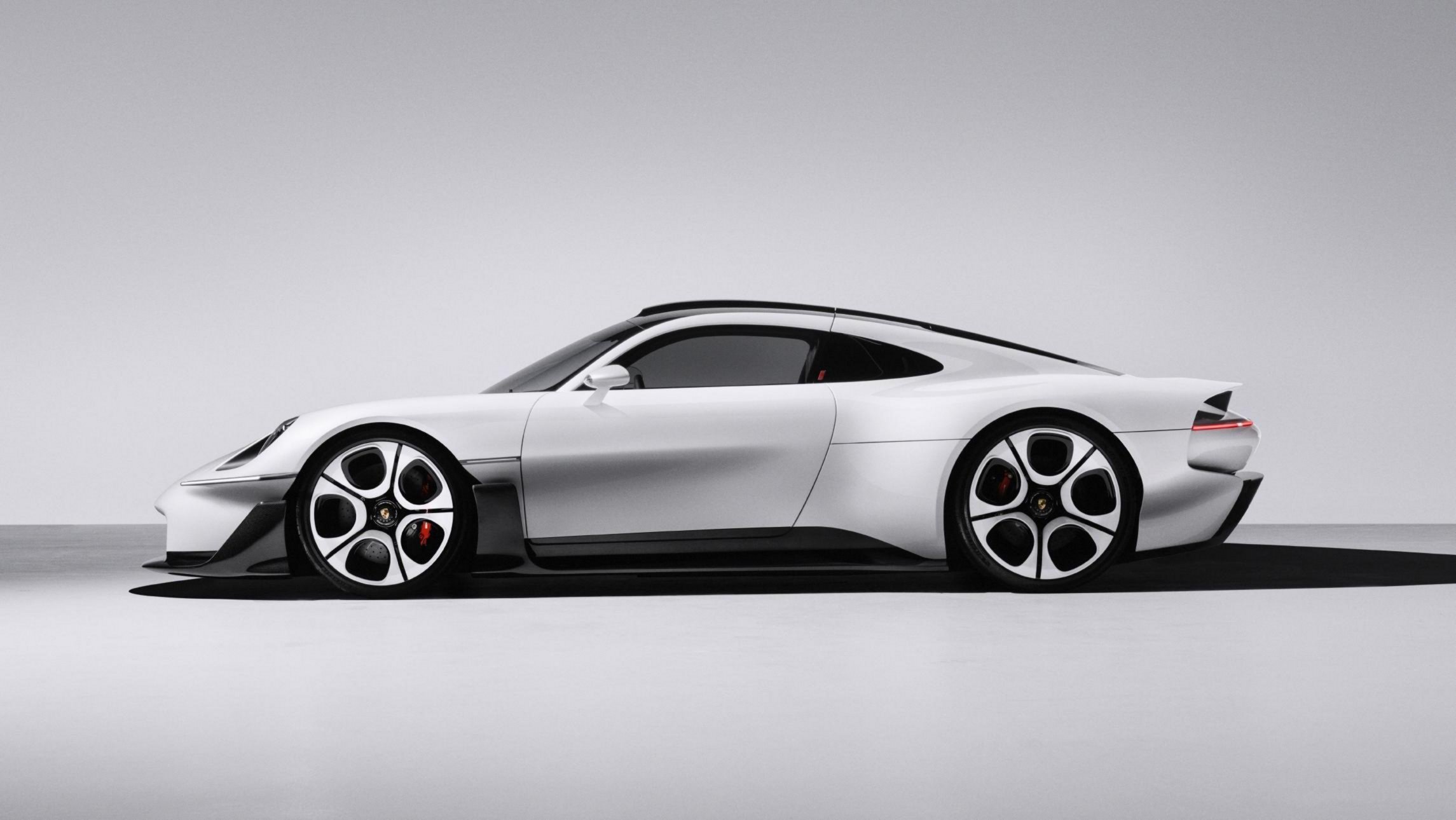
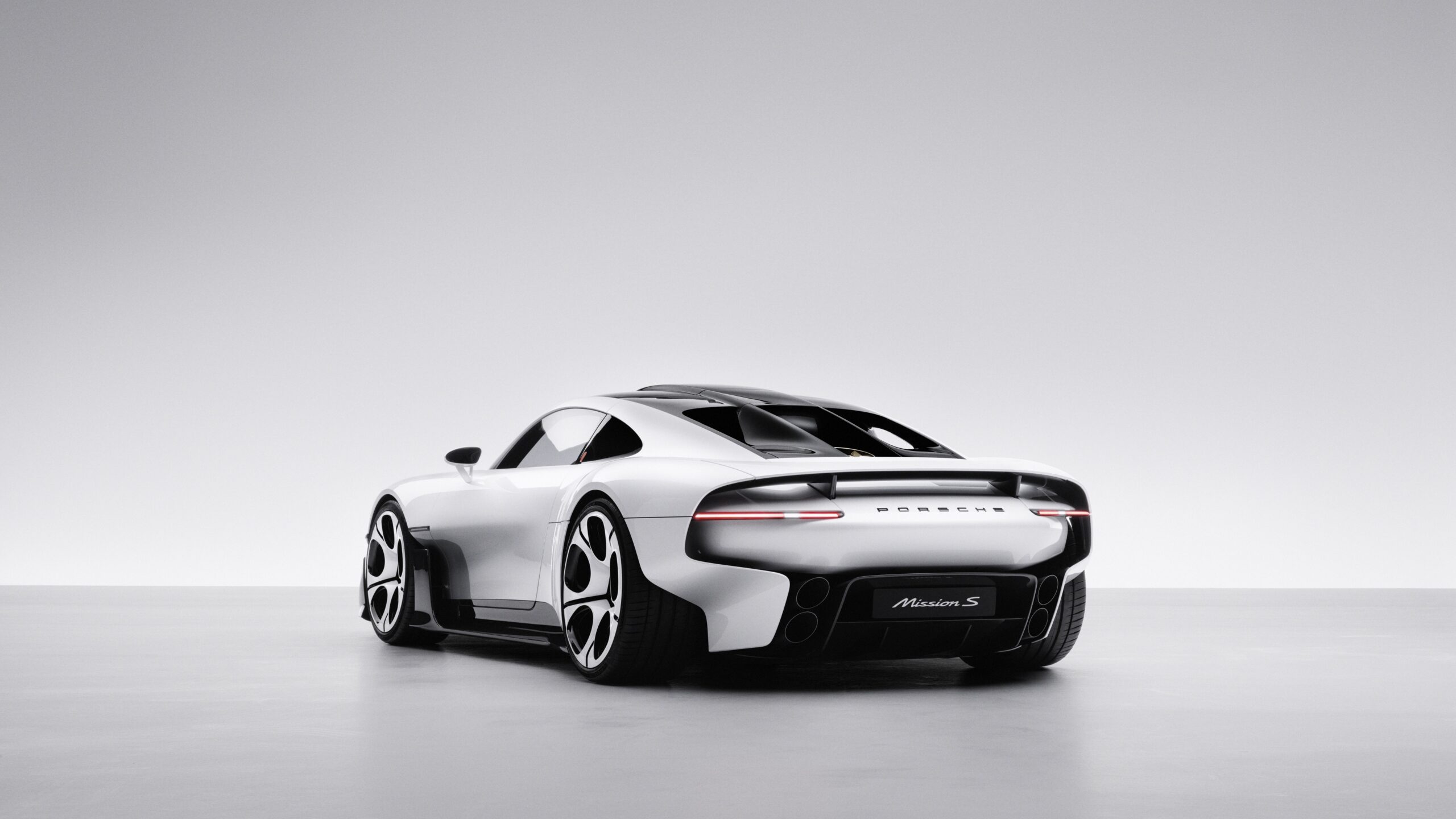
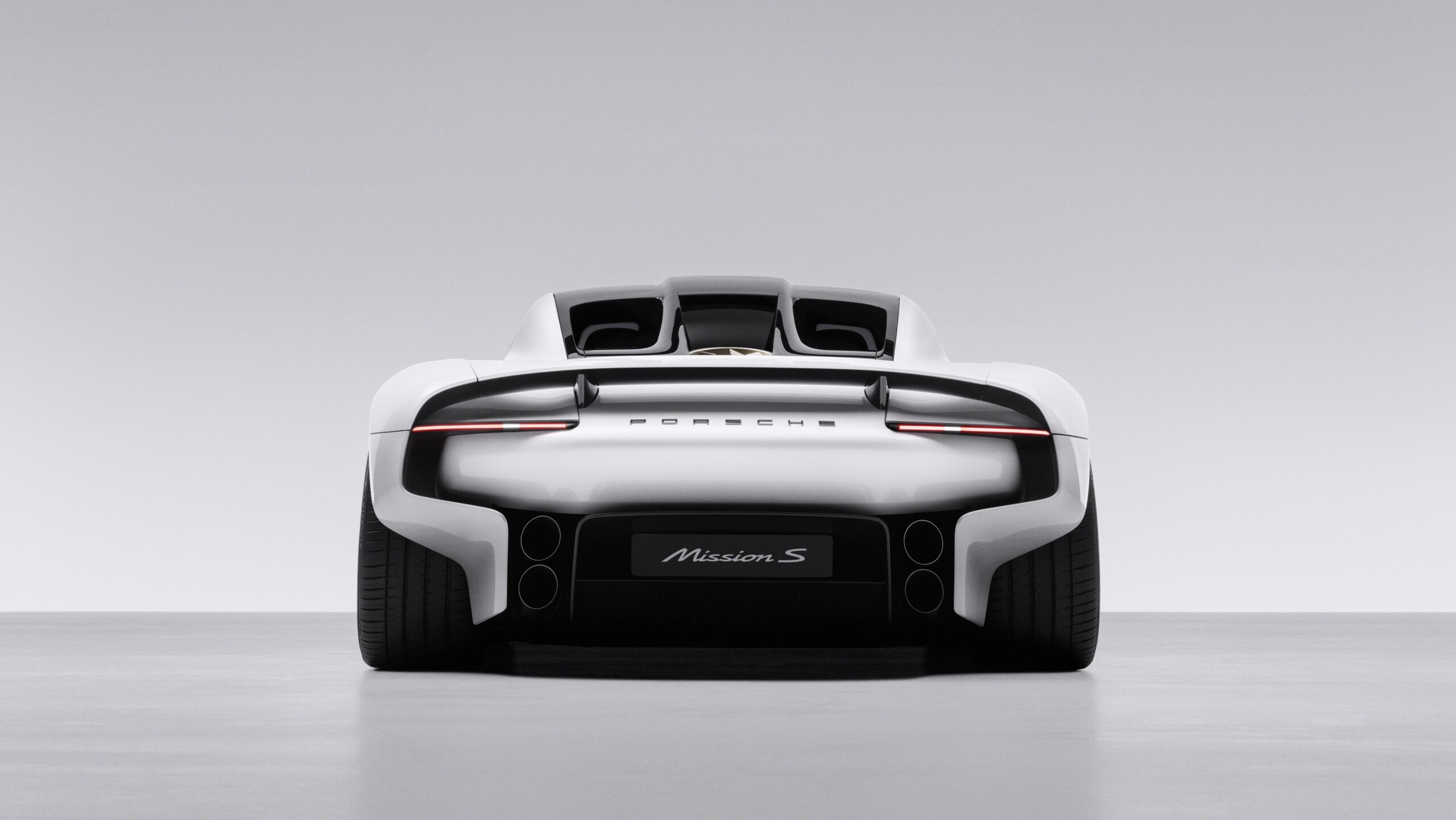
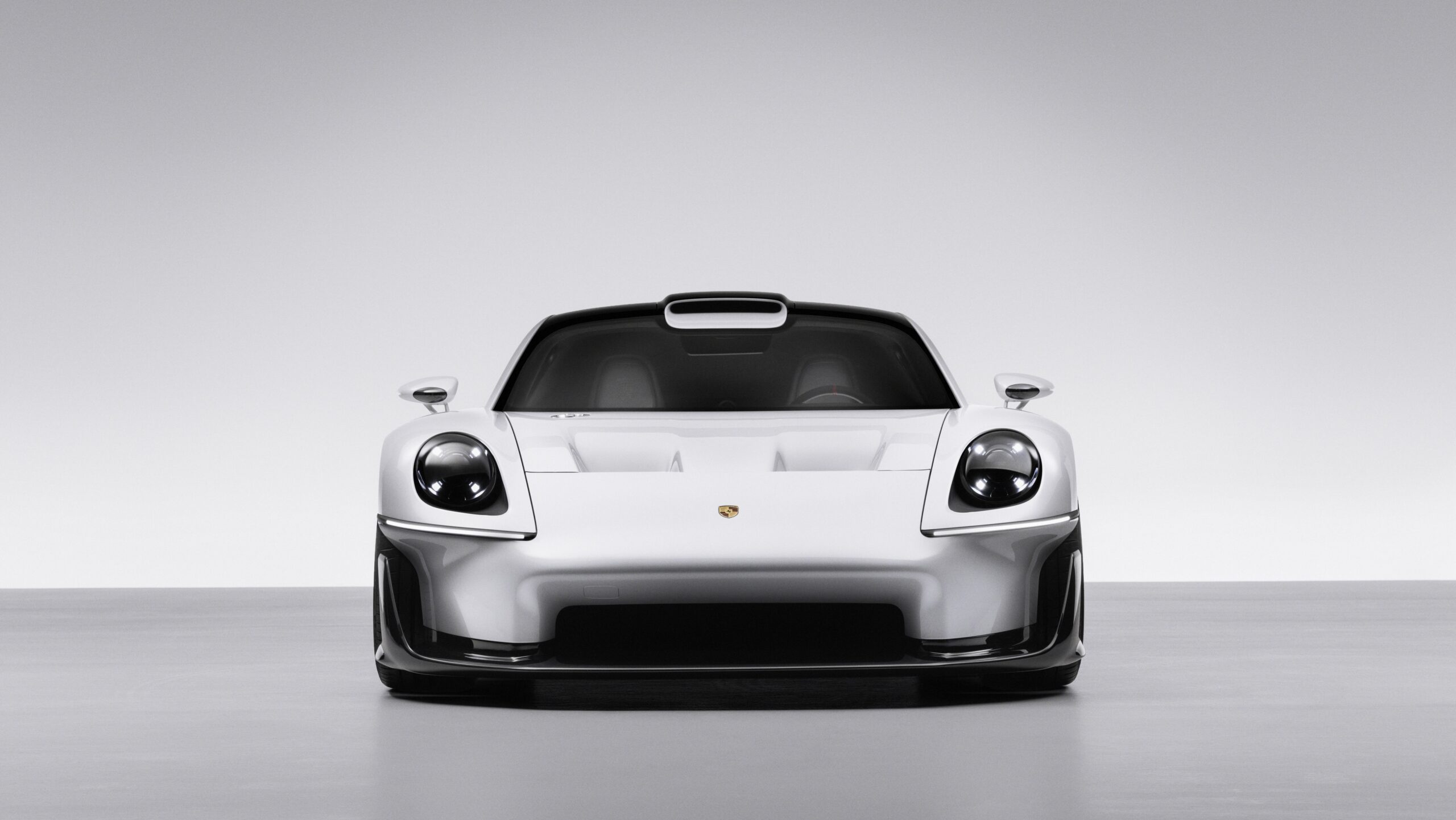
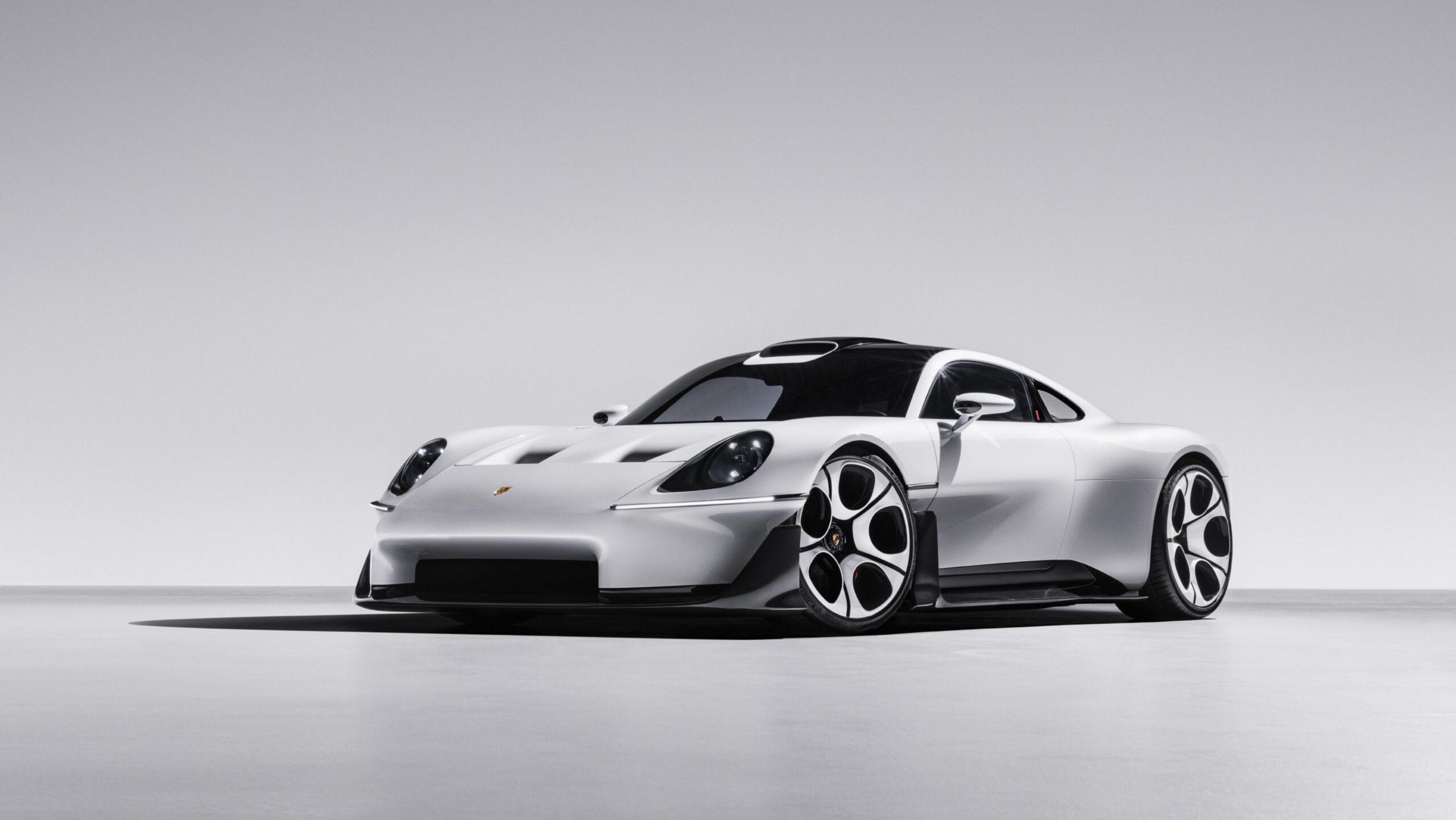
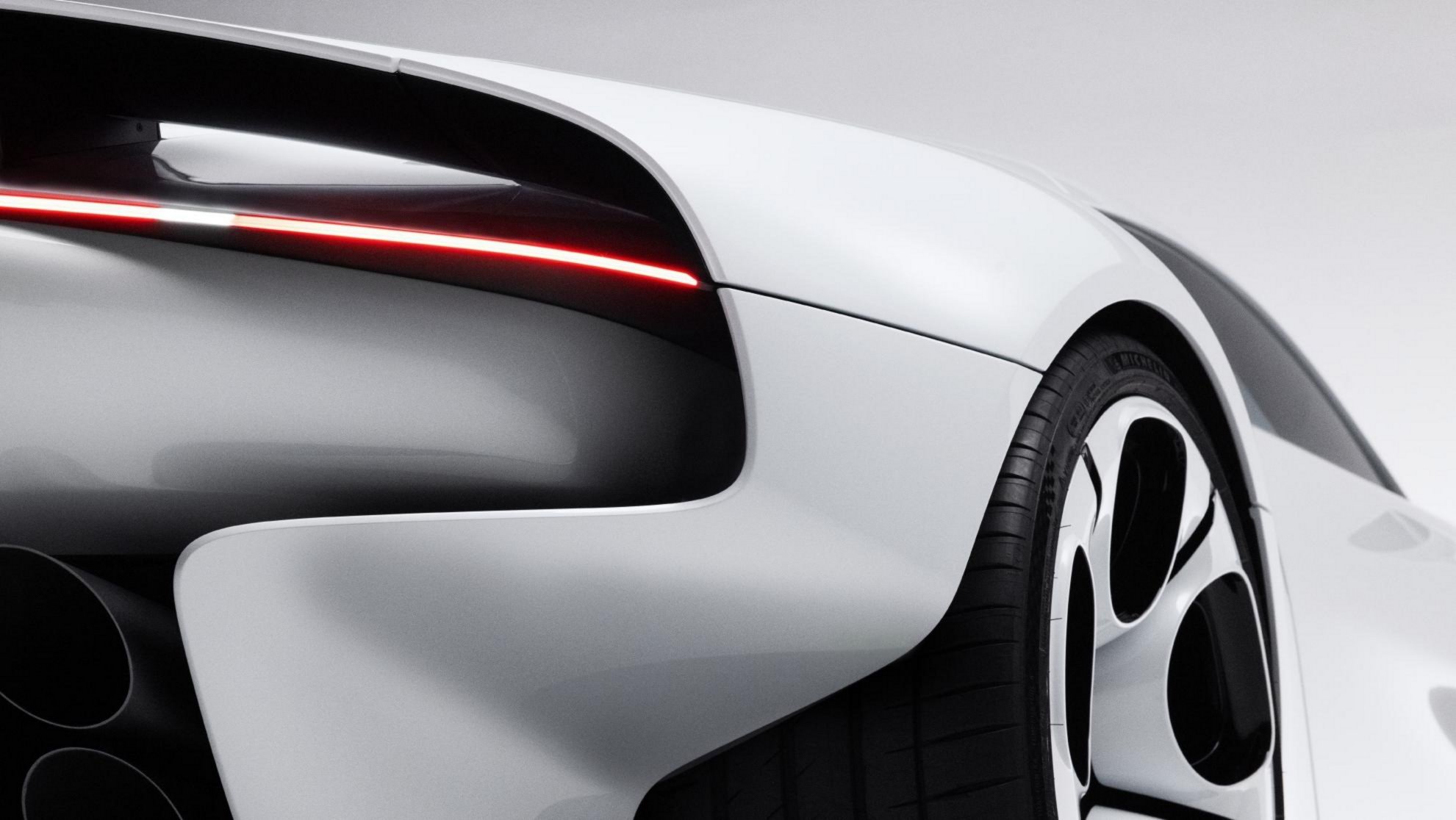
Starting from its exterior shell, the typical Porsche design hallmarks are present, albeit with a futuristic twist. Its fenders and roofline are immediately recognizable, though its roof splits into three panels that stretch to the rear of the car, with a horizontally mounted cooling fan resting in the rear of the central panel. Its rear haunches are equally familiar, with its rear wing nodding to the Porsche 959, complemented by lower rear diffuser forms that build from the sculped lines of its rear fenders.
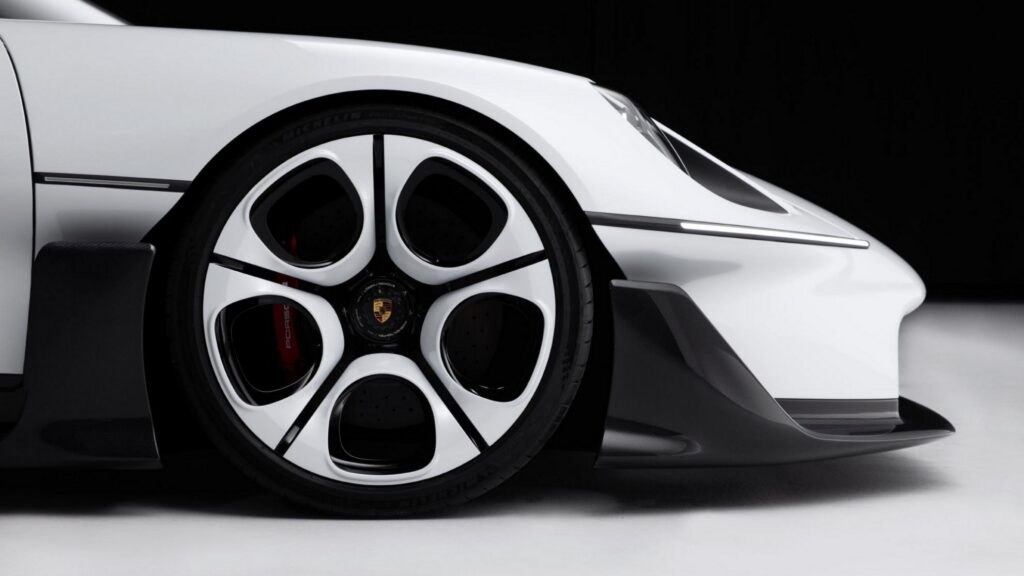
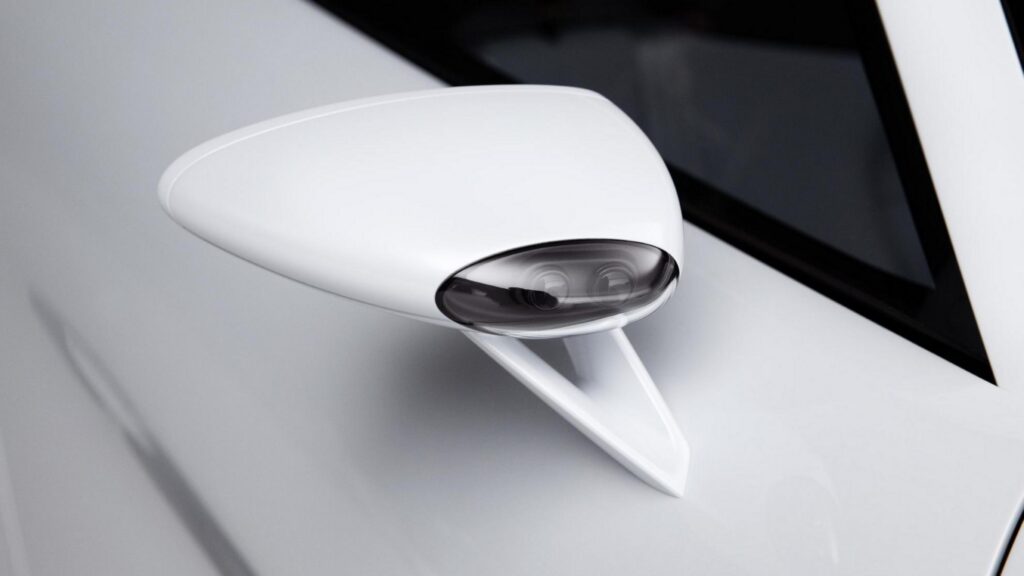
That’s not the only nod to past models here either. parts of both the front and rear shaping are a nod to the GT1, whereas its wheels are derived from the old ‘dial design’ wheels of the Porsche 928. Even that aforementioned cooling fan could to some extent be attributed to the 917. There’s an intention here, we’re told. “A Porsche must be recognisable as a Porsche at first glance,” says Dr Mi-chael Leiters, Chairman of the Executive Board of Porsche AG. “The Mission S provides a glimpse of the ideas and design features that will shape Porsche in the coming years.”
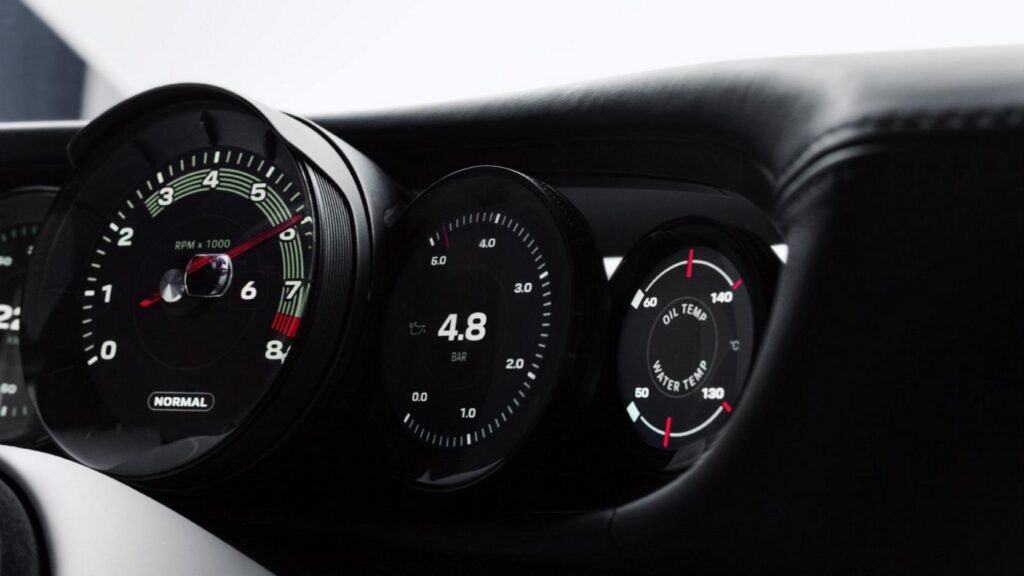
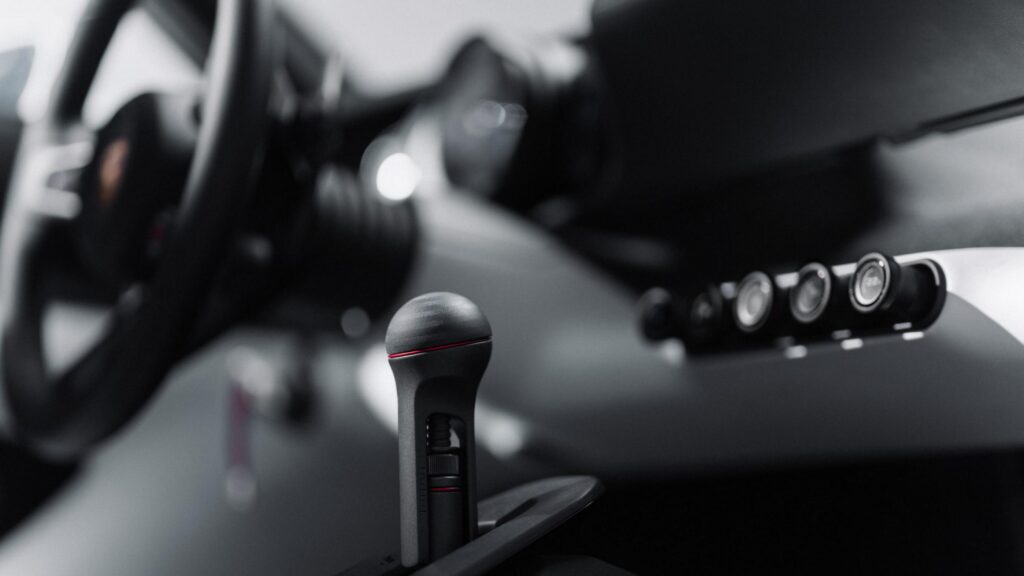
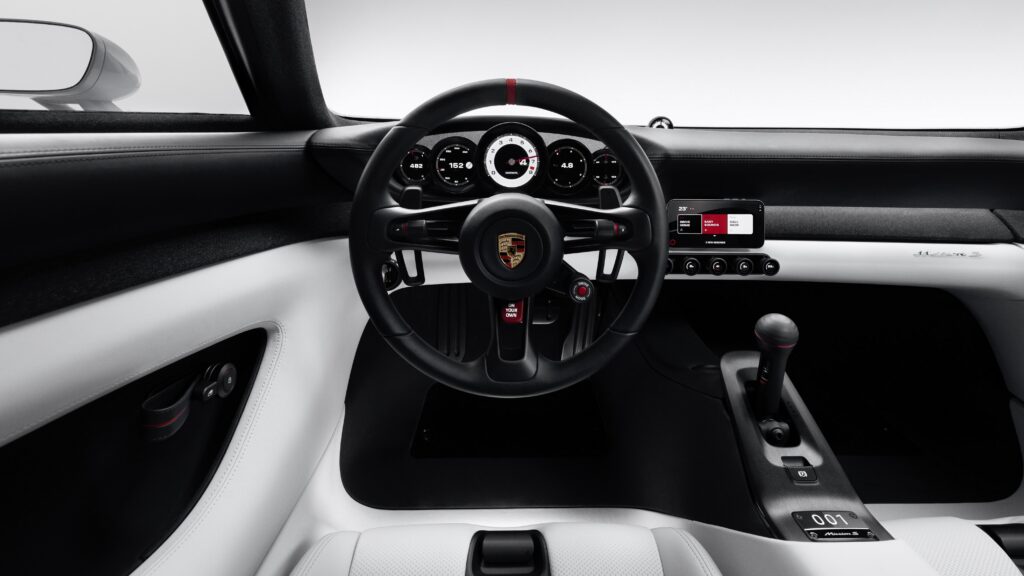
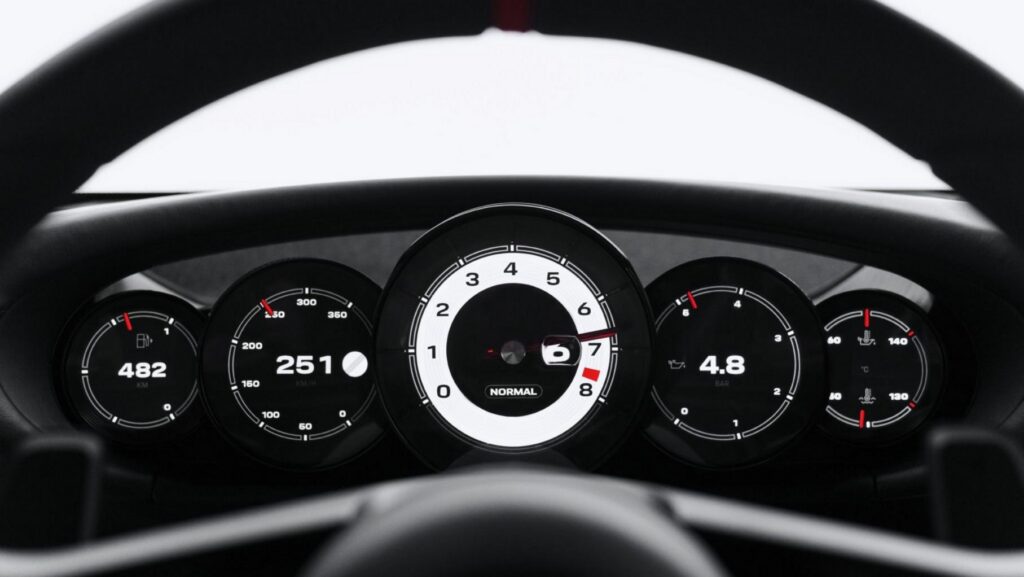
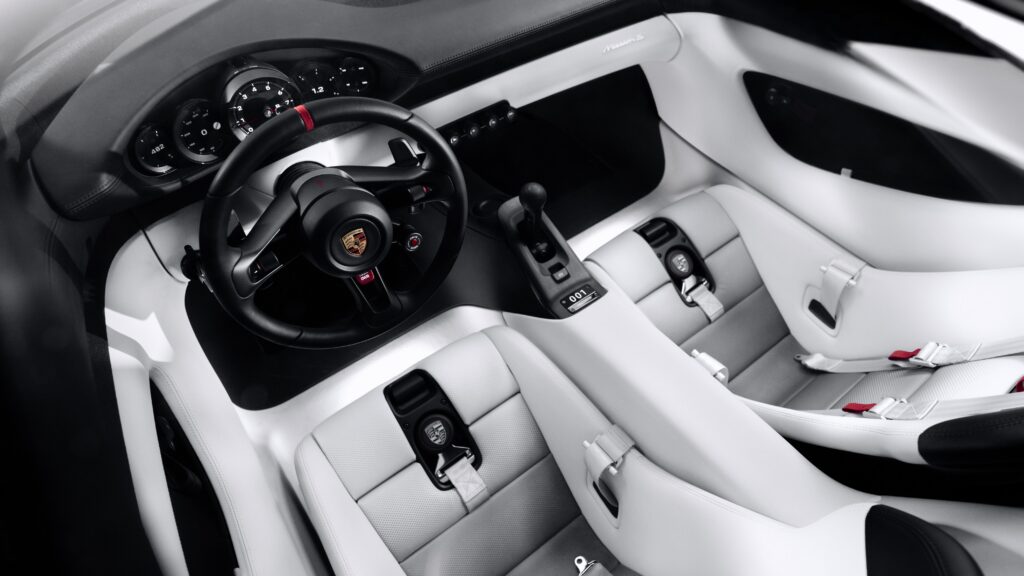
Porsche is quick to call out other historic cues within the interior design of the Mission S. The 550 Spyder and 356 provide the original points of reference here, from design lines, to seating position, to a distinct balance of analog and digital controls. Classic switches and buttons are combined with modern displays, creating an ergonomic layout that combine the familiar with the future. The seats also follow this approach. New technical solutions, such as an integrated seatbelt buckle in the centre panel and repositioned electric adjustment controls, combine comfort, functionality, and motorsport DNA.
Staring in the interior, one key details will hit you immediately; Porsche has deliberately chosen not to include a permanently integrated center display or a fixed passenger display in the dashboard. Instead, a retractable smartphone system has been designed for use as needed. The user’s personal smartphone can serve as a navigation or information display if desired, allowing drivers to return to that screen-less era without shopping for classics. Of course, Porsche’s streamlined My Porsche App will provide any and all connectivity you might desire.
The New Porsche Mission S Hints at a New Mid-Engine Supercar Platform

The New Porsche Mission S Hints at a New Mid-Engine Supercar Platform
The New Porsche Mission S Hints at a New Mid-Engine Supercar Platform
The New Porsche Mission S Hints at a New Mid-Engine Supercar Platform
The New Porsche Mission S Hints at a New Mid-Engine Supercar Platform
The New Porsche Mission S Hints at a New Mid-Engine Supercar Platform
The New Porsche Mission S Hints at a New Mid-Engine Supercar Platform
The New Porsche Mission S Hints at a New Mid-Engine Supercar Platform
So What Don’t We Know?
Unfortunately, all the fun bits. While we know that there’s an upcoming production supercar in the pipeline based around the Mission S, we don’t know what powers it, we don’t know how fast it is, nor do we know how much it will cost. We know it will be positioned above the 911, and we know it will be “standard” or at least constant production rather than a one-off exercise like we’ve seen with the Carrera GT and 918 Spyder. We’ll be tracking the details here.
All photos courtesy of Porsche AG.