For so many, Japan rewards curiosity but punishes poor planning. Tokyo alone can overwhelm with its scale, while Kyoto’s most memorable experiences are often hidden behind discreet doors, centuries of tradition or reservation systems opaque to the uninitiated. The solution is not to see more, but to see better.
My one-week journey was planned by the American Express Concierge, who worked with the concierge teams at two distinctive hotels in the Fine Hotels + Resorts portfolio to arrange a considered progression from contemporary Tokyo to contemplative Kyoto. The result balances private cultural experiences, unforgettable dining and strategically timed moments of recovery — because no true luxury itinerary should feel like an endurance event.
Day One: Tokyo From Above
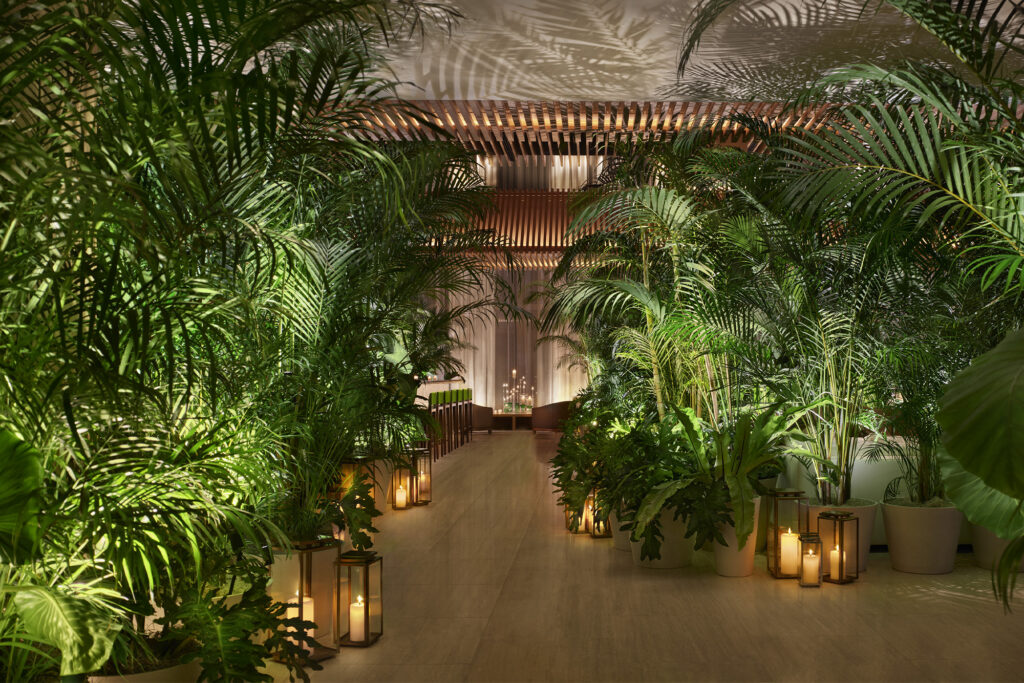
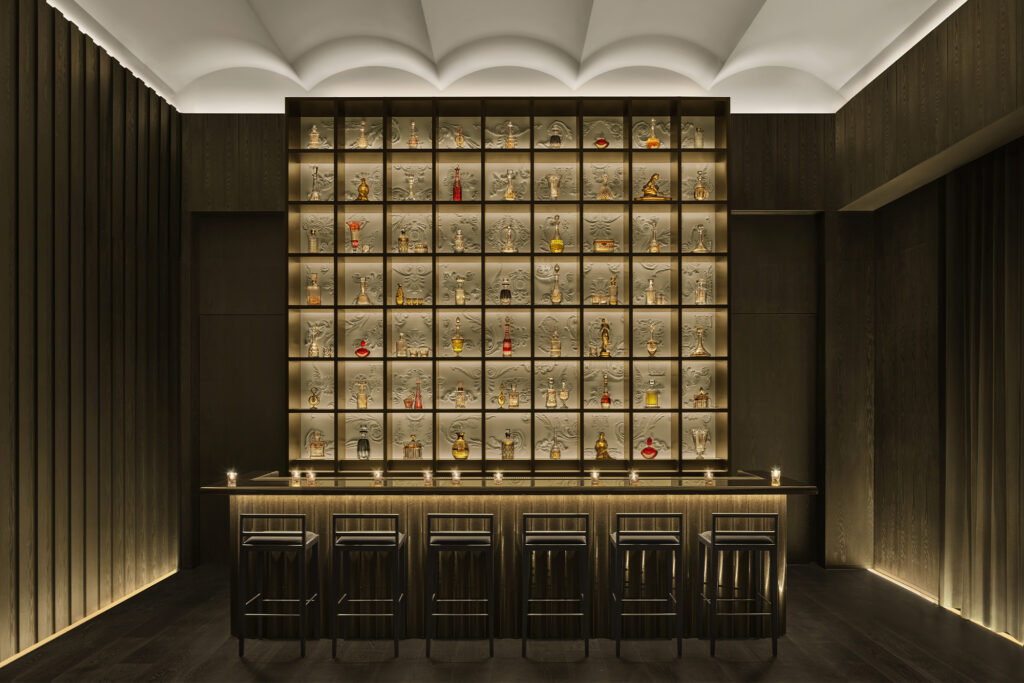
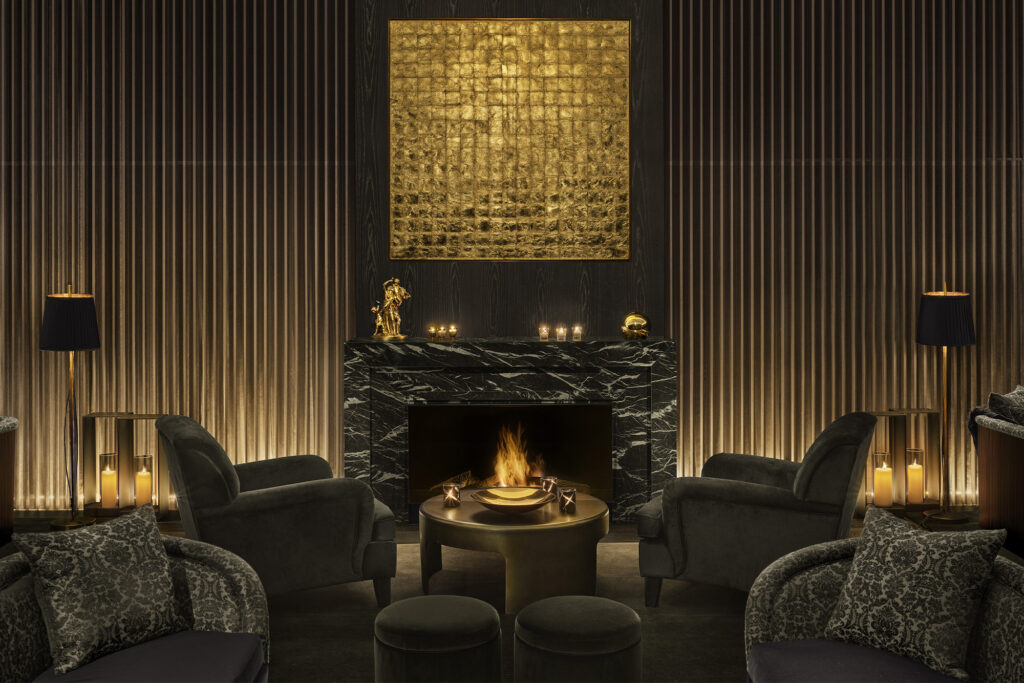
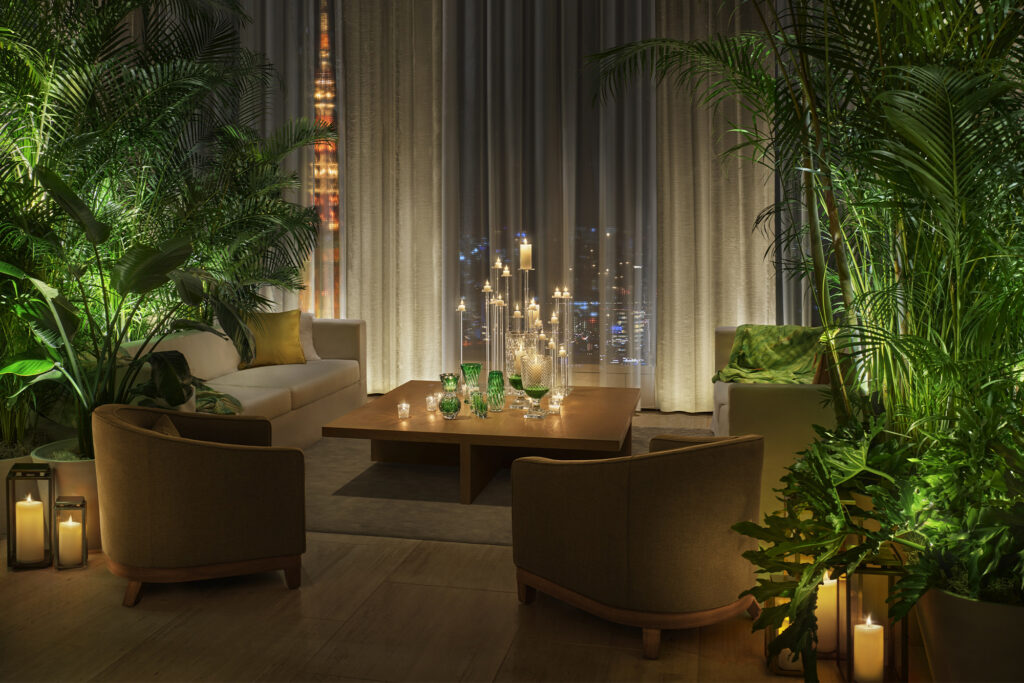
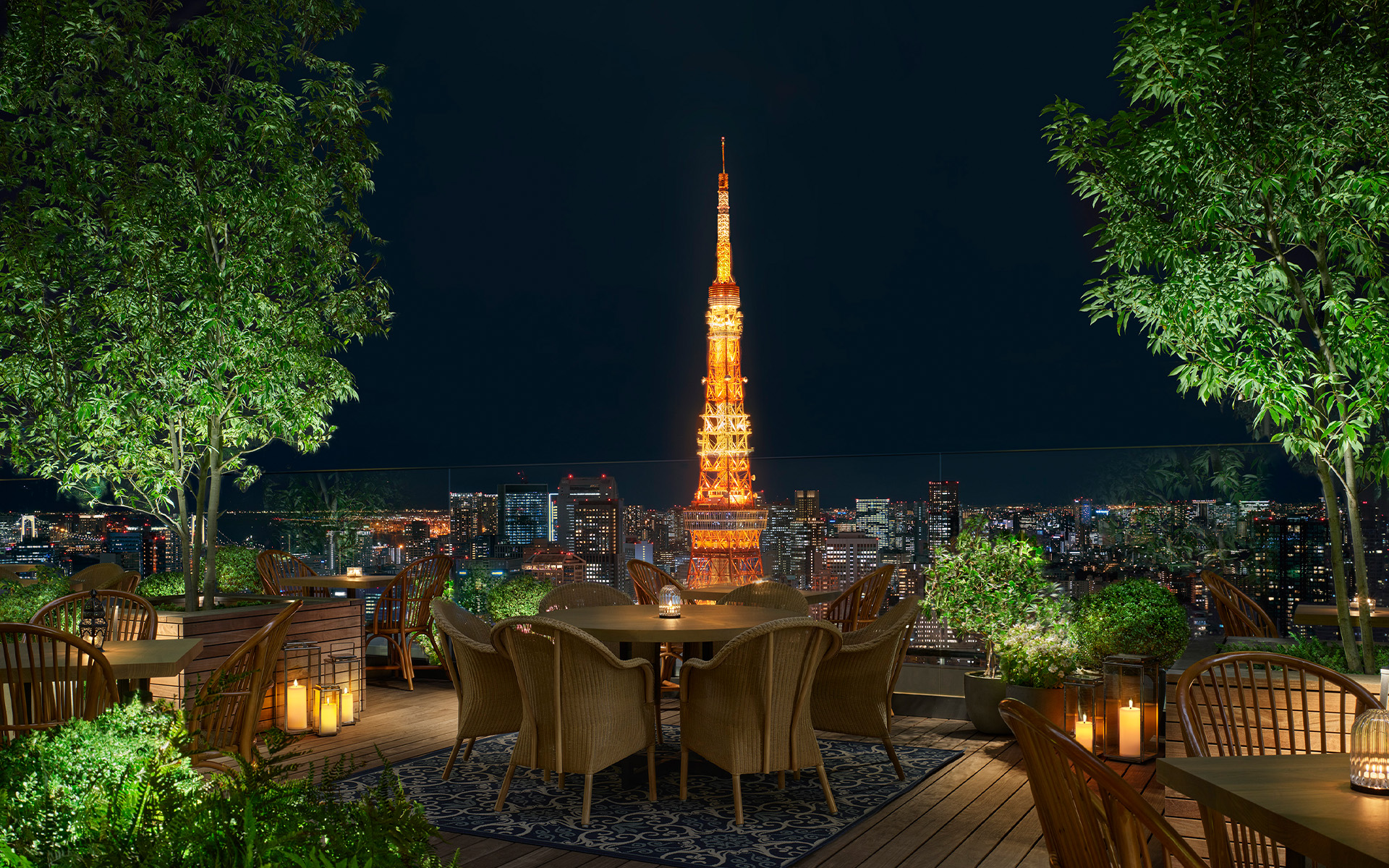
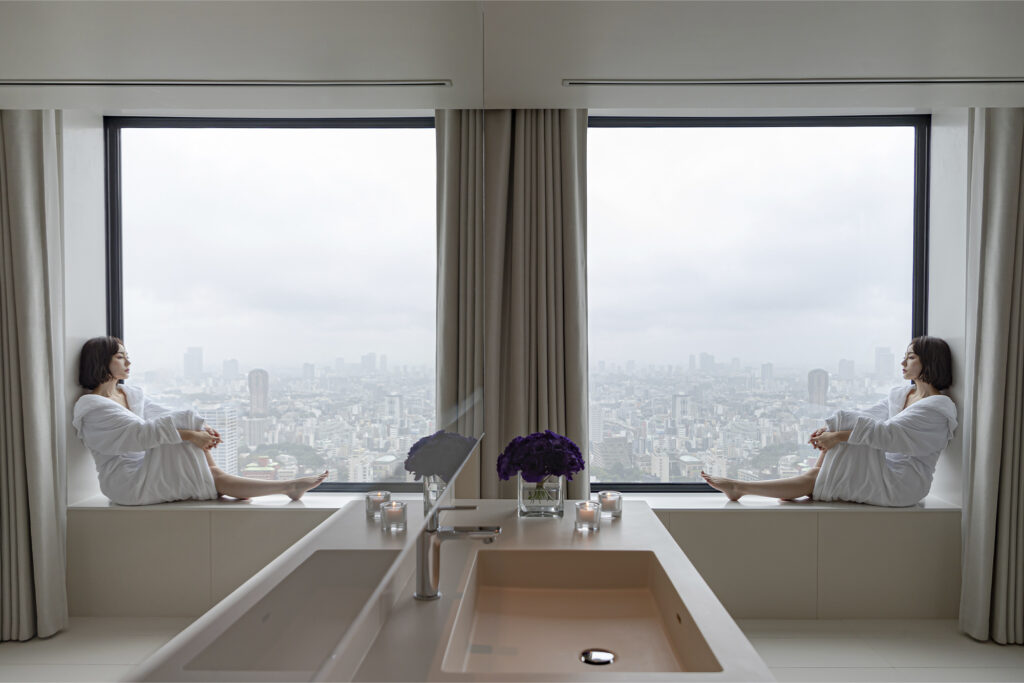
The journey begins at The Tokyo EDITION, Toranomon, a 206-room hotel designed by architect Kengo Kuma with the hospitality vision of hotelier Ian Schrager. Occupying the upper levels of a skyscraper in Minato City, it captures Tokyo’s seductive contradiction: a metropolis of almost incomprehensible density that can still feel composed, intimate and serene.
The hotel’s soaring, fern-filled, and we mean filled, lobby and lobby bar establish the tone of tranquillity and escape. From the lobby lounge, views are dominated by Tokyo Tower, which appears almost close enough to touch, while the city extends to the horizon beyond it. It’s exactly what you want of a swank downtown Tokyo hotel, whimsy and big city swish. After checking in, keep the first afternoon deliberately loose. Walk through Toranomon and neighbouring Azabudai Hills, home to an incredible hidden, park-like setting of luxury brand stores and local artisans, then return for a cocktail and allow the hotel to function as it should: not merely as accommodation, but as a soft landing in one of the world’s most stimulating cities.
Day Two: The Discipline of Sumo and Sushi
Japan’s reverence for mastery becomes tangible at Nakamura Stable in Ryōgoku. Watching sumo wrestlers train at close range strips away the pageantry associated with tournaments and reveals the punishing repetition beneath the sport. Feet strike clay, bodies collide, and apparently simple movements expose extraordinary balance, strength, and discipline. It’s a powerful and humbling experience from a metre or two away, and we left with a deep sense of respect and admiration for the commitment of these athletes.
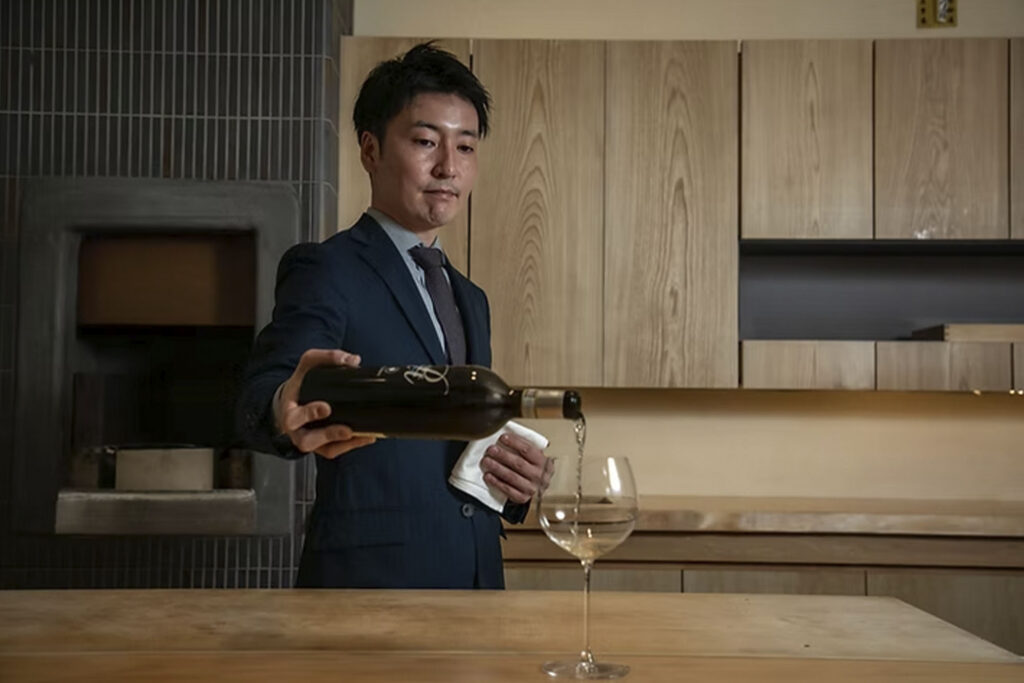
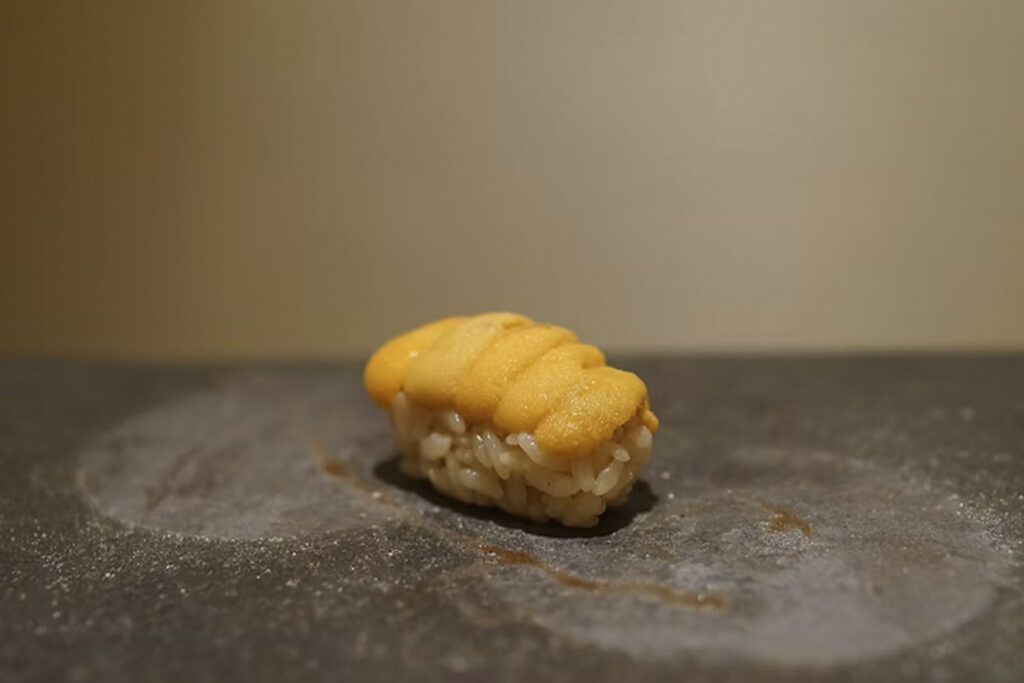
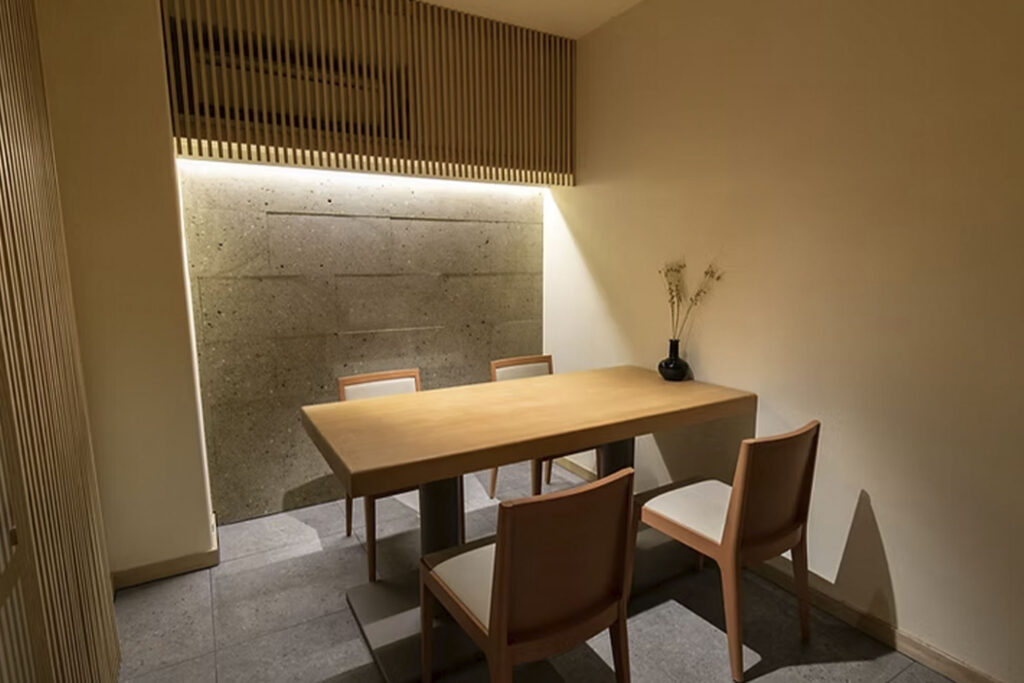
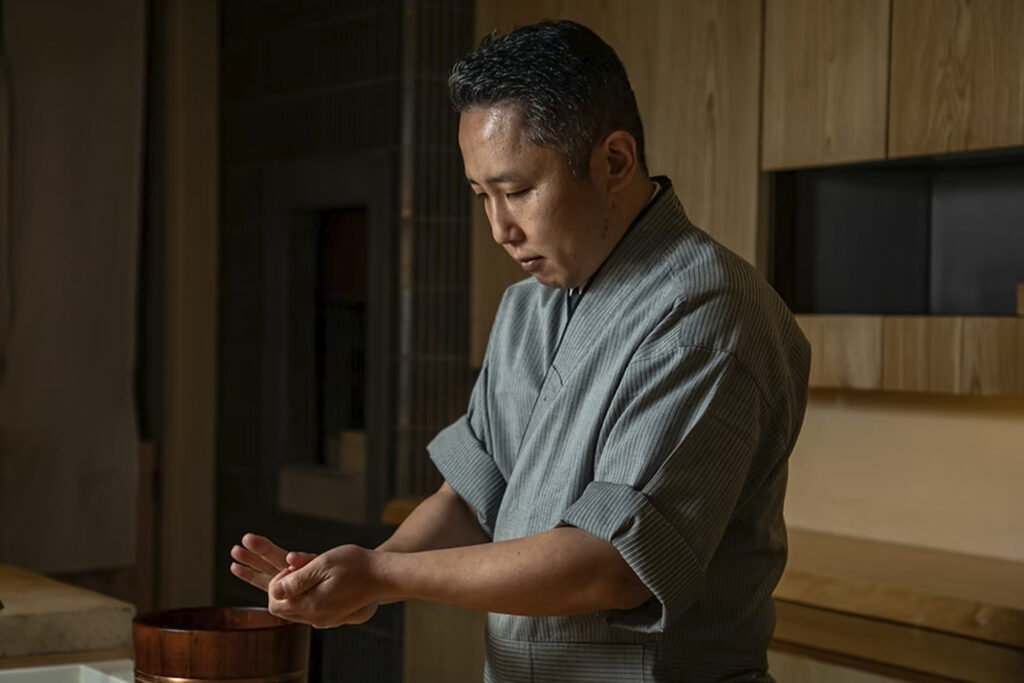
After watching their intense workout, we, ironically, were hungry, so why not enjoy a private sushi-making class at The Sakai, an intimate restaurant near Tokyo Station. Here, the smallest details matter: the temperature and pressure applied to the rice, the angle of the knife, and the restraint required to let exceptional fish speak for itself. Attempting to form a proper piece of nigiri quickly produces a new appreciation for the years of practice concealed within every seemingly effortless gesture. Even mangled by our lack of technique, the pieces we made, and the rest of the meal prepared by the chef was simply the best sushi we’ve ever had, anywhere, and it all comes down to that rice.
Together, the two experiences offer an unusually coherent portrait of Japanese culture. One is physical and explosive, the other quiet and precise, yet both are built on ritual, repetition and respect for the teacher. Both felt uniquely and authentically Japanese and are unforgettable in their own way.
Day Three: Tokyo at a More Civilized Pace
Devote the morning to Tokyo’s polished western districts — Aoyama,Omotesando and Daikanyama — where fashion flagships, independent galleries and immaculate cafés make a persuasive case for travelling without a checklist. Tokyo, and Japan in general, is a culture of collectors, and you can delve deep into luxury, vintage, timepieces, collectibles, antiques, and more. Find your interest and its corresponding district and make a day, or two, or three, of it.
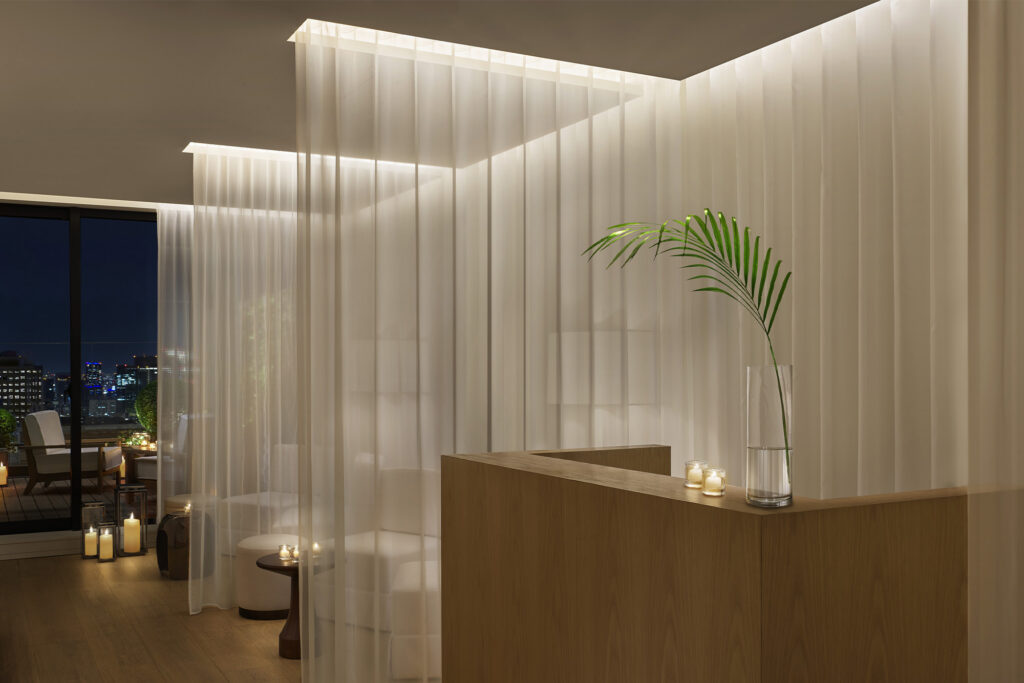
Return to the hotel for an afternoon at the Spa at The Tokyo EDITION. Its six treatment rooms combine minimalist design with treatments using products sourced and made in Japan. After two days spent absorbing the city’s relentless energy, the spa offers something more valuable than another attraction: stillness.
Finish the evening with drinks at Gold Bar at EDITION, with its bold, and sexy-dark interior design, comfortable lounge, and incredible cocktails. Tokyo is particularly compelling after dark, but there are wisdom and anticipation in leaving something undiscovered.
Day Four: The Shinkansen to Kyoto
Board the Shinkansen after breakfast and watch Tokyo’s urban sprawl gradually give way to smaller cities, cultivated fields and, when the weather cooperates, Mount Fuji. By early afternoon, the setting has changed completely.
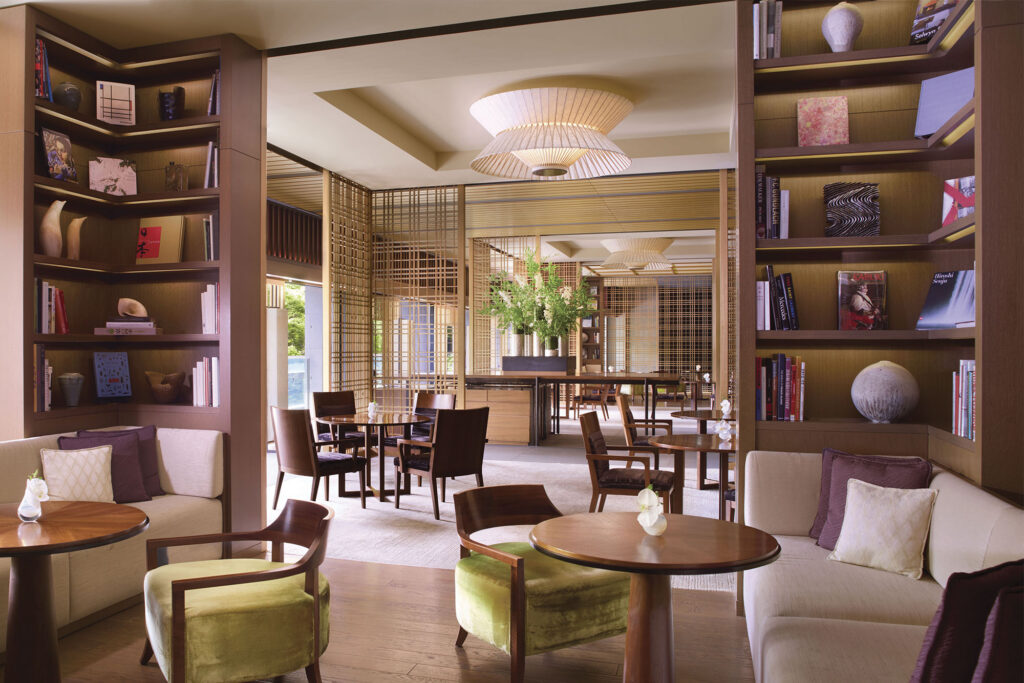
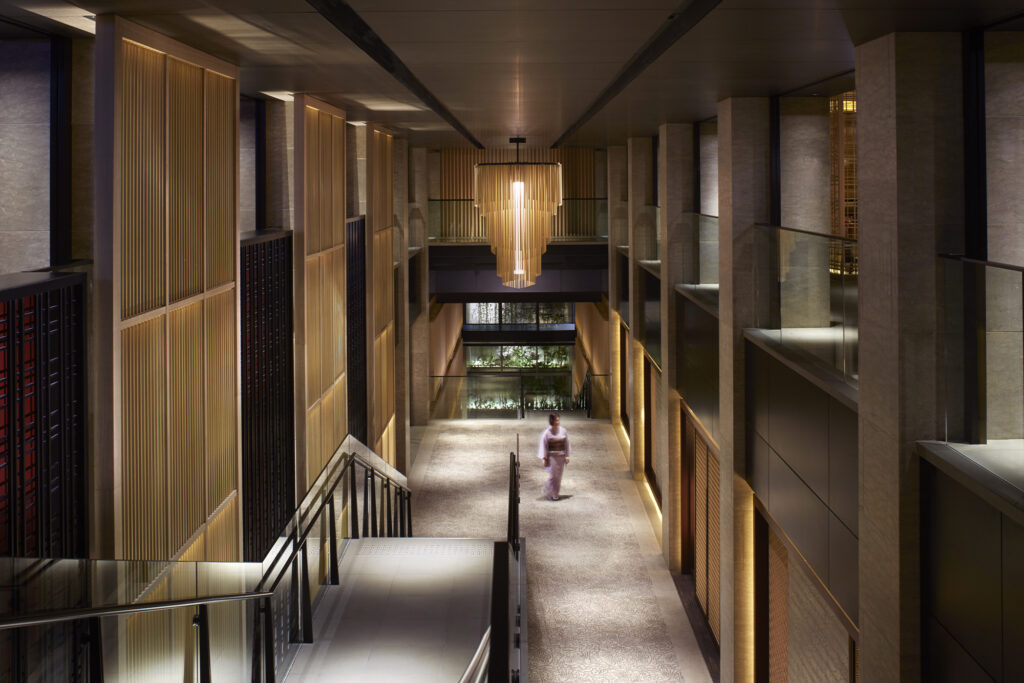
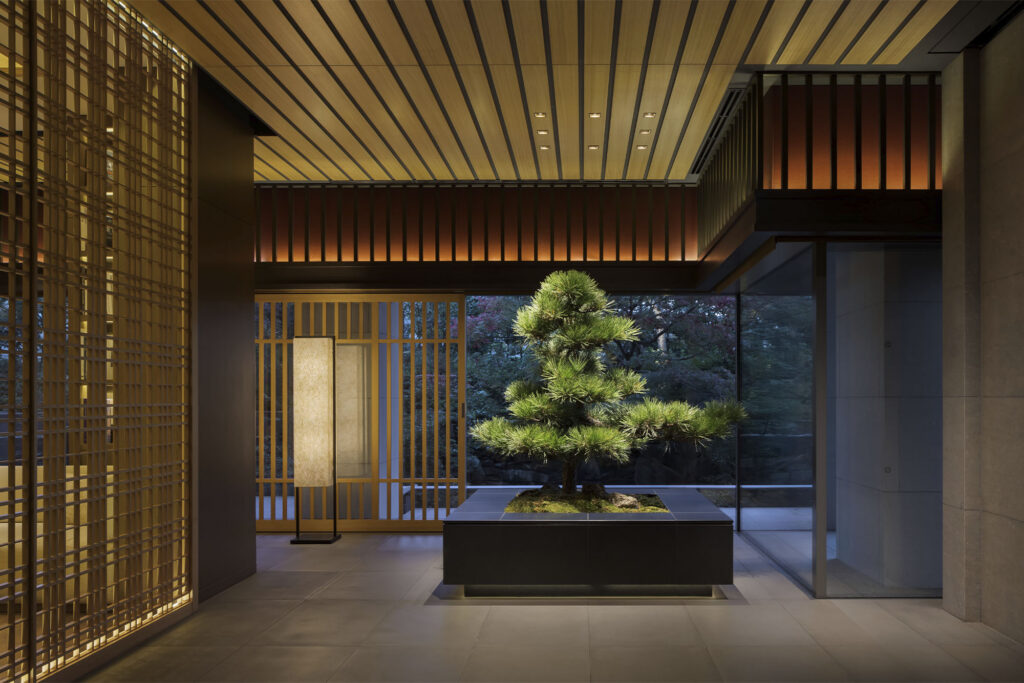
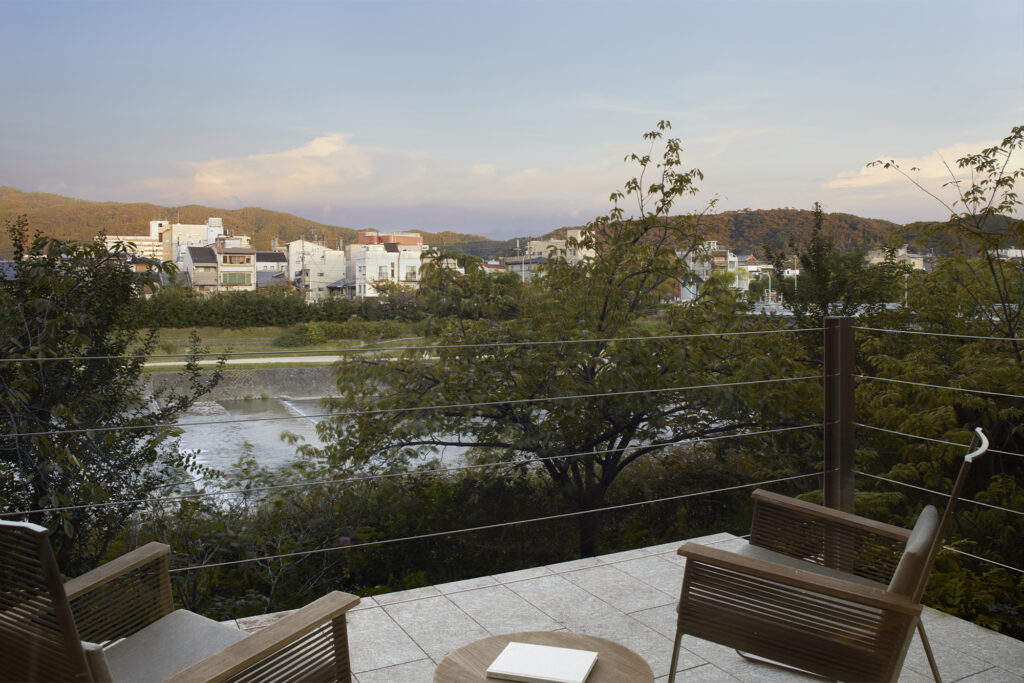
The Ritz-Carlton, Kyoto sits beside the Kamogawa River with views toward the Higashiyama Mountains. Its 134 rooms and suites incorporate Japanese motifs and modern minimalism, while the scale feels deliberately residential and cosseting. It is simply one of the most calming and restorative hotels we’ve ever experienced.
A must-see historical enclave of Kyoto is Gion, and we had a private encounter with geiko and maiko at Mokube, a traditional Kyoto restaurant established in 1928 and now occupying a beautifully crafted space on Hanamikoji Street. Tea ceremony, music, and conversation reveal the intelligence and dedication behind arts too often reduced to their visual splendour and dispel misconceptions about geisha. It was a charming and authentic experience that delighted us all.
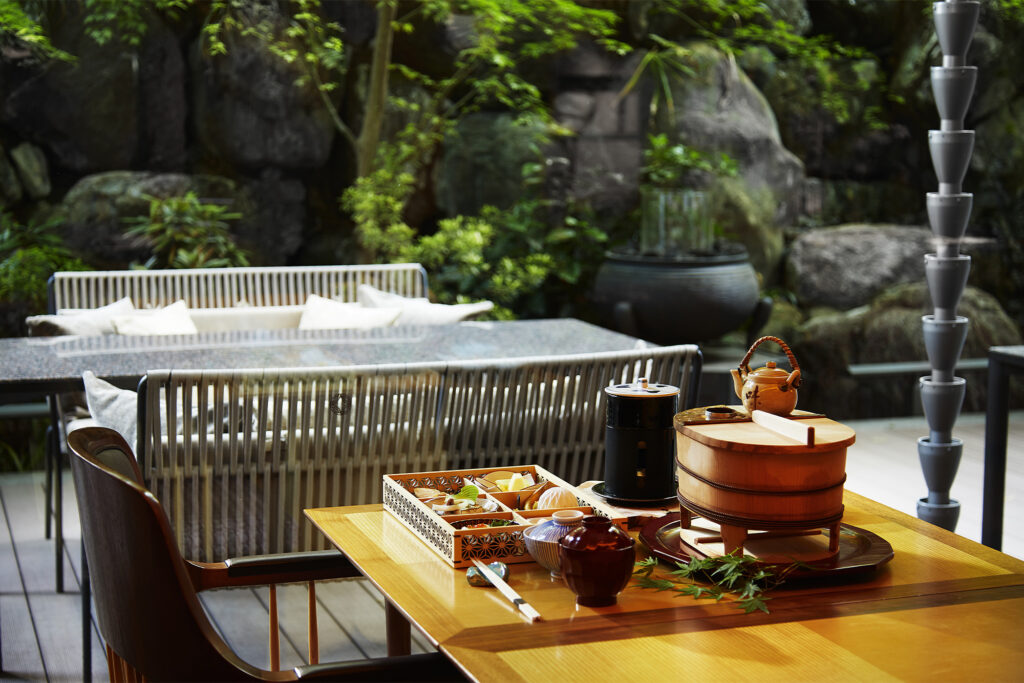
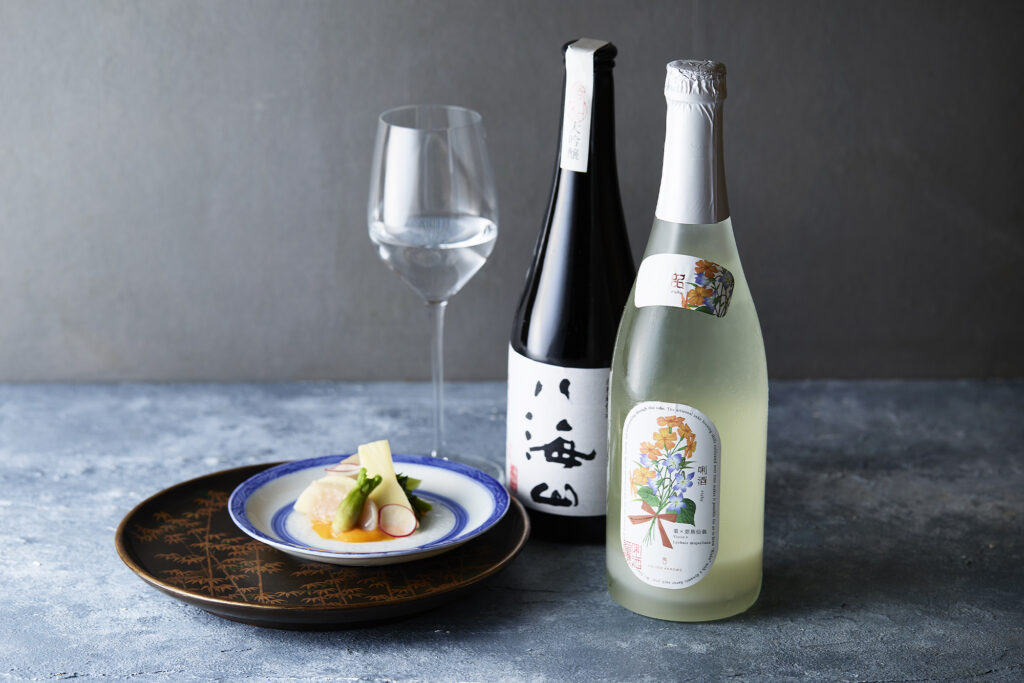
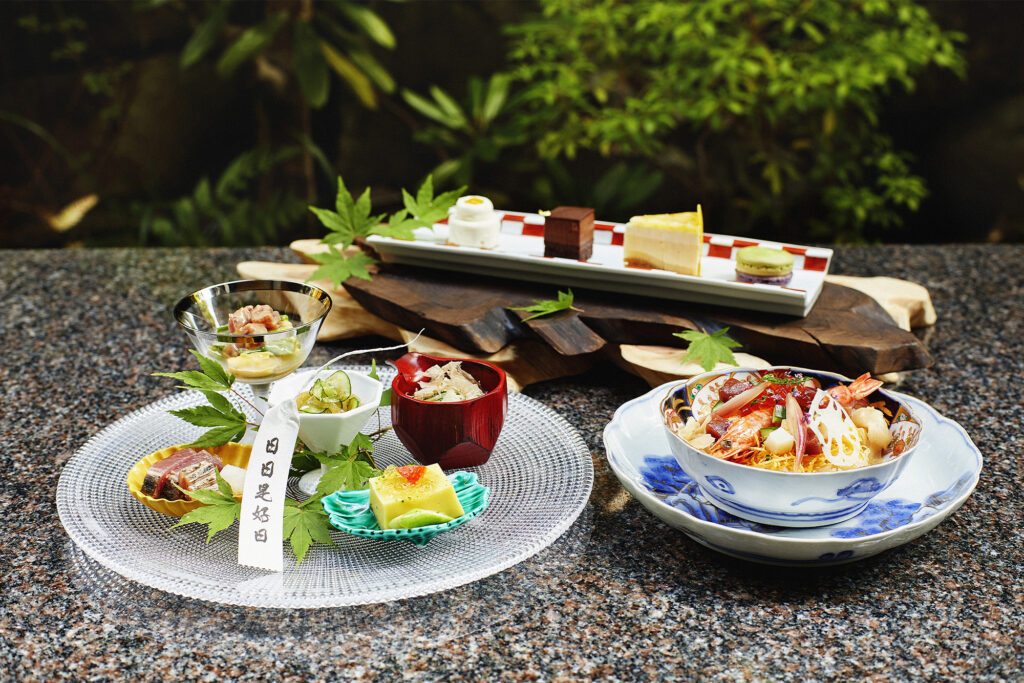
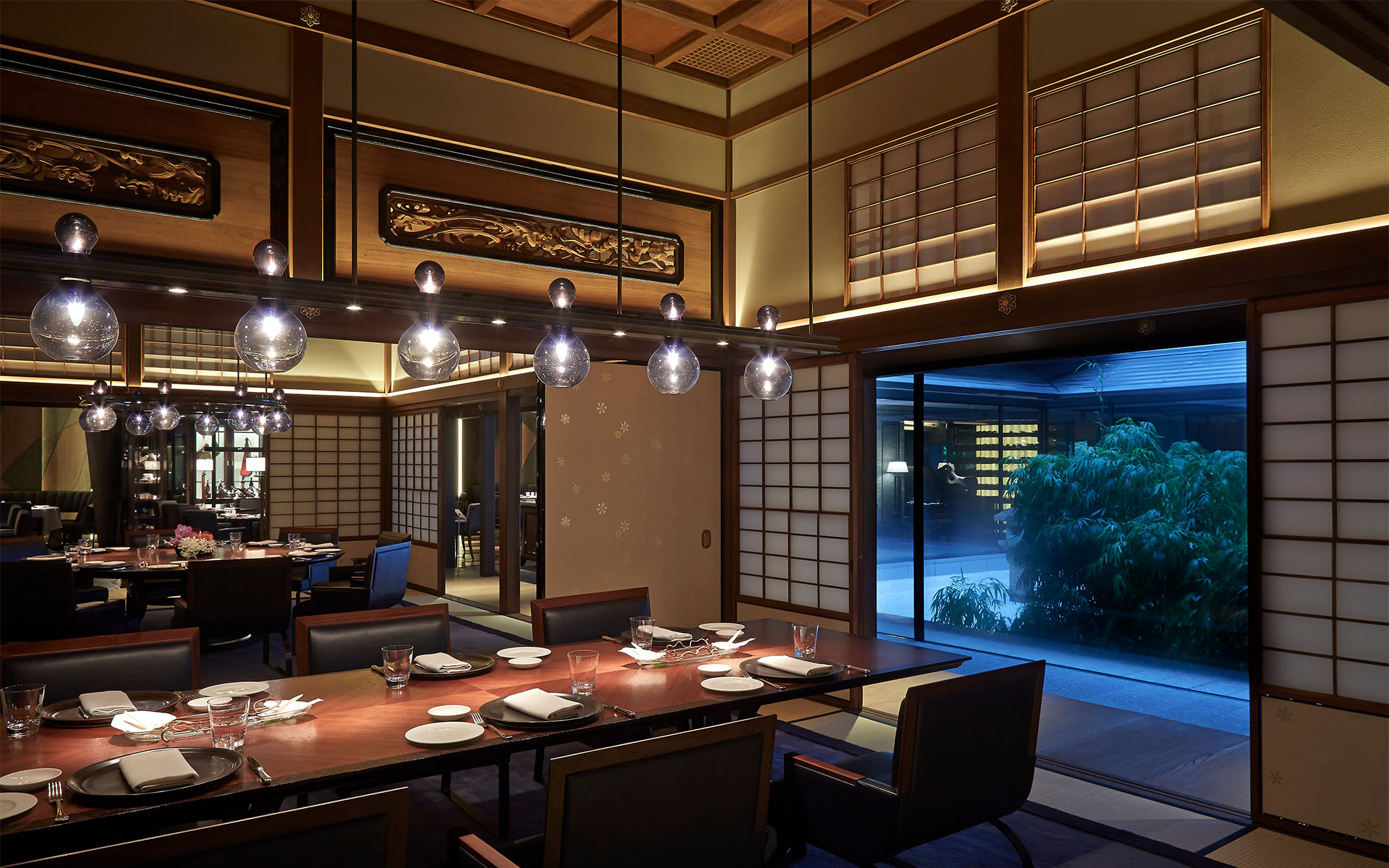
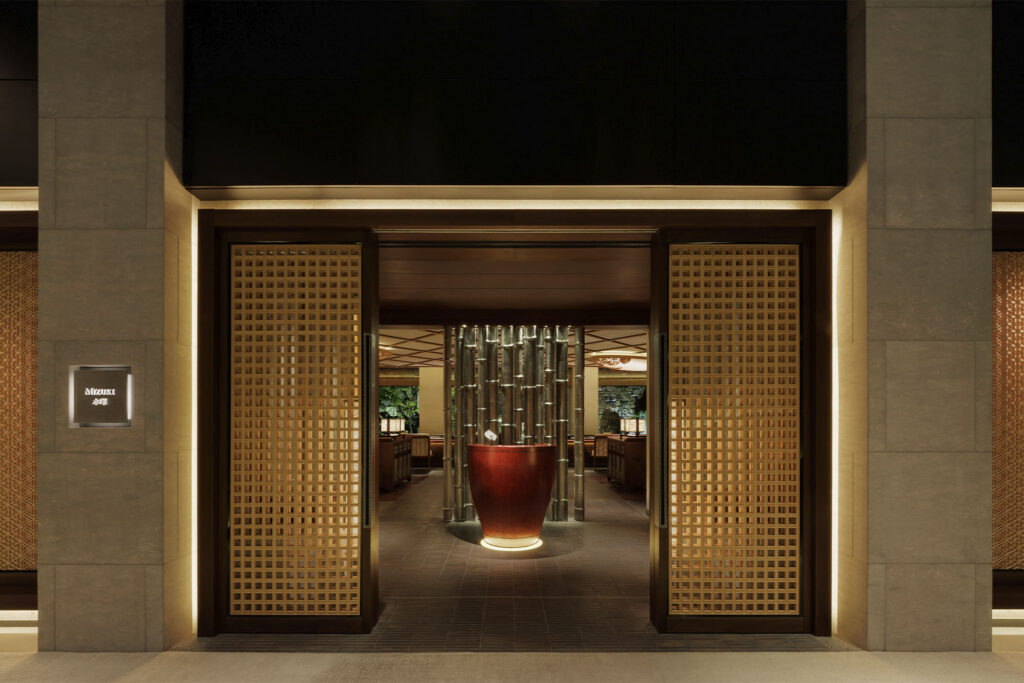
Dinner follows at Mizuki, where you can choose kaiseki for its seasonal narrative, sushi at the long Wajima-lacquered counter, or tempura for a demonstration of how technique can make something fried feel almost weightless. We tucked in for the Kaiseki dinner, which was one of the more memorable dining experiences from our week in Japan. Traditional and meticulous, the dinner was a true fine dining experience.
Day Five: Kyoto Before the Crowds
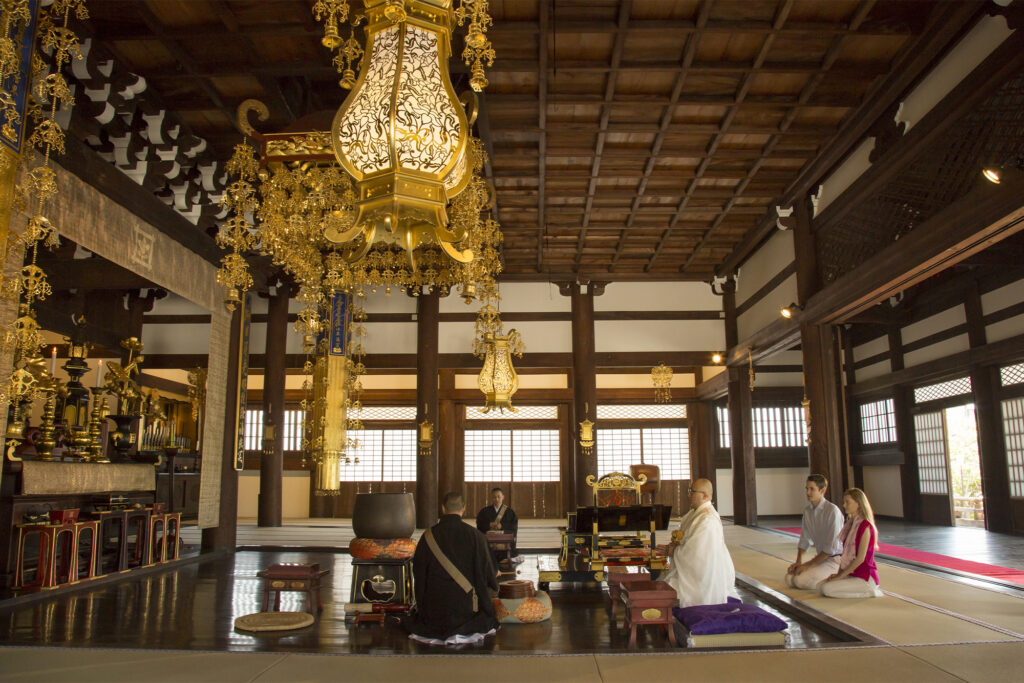
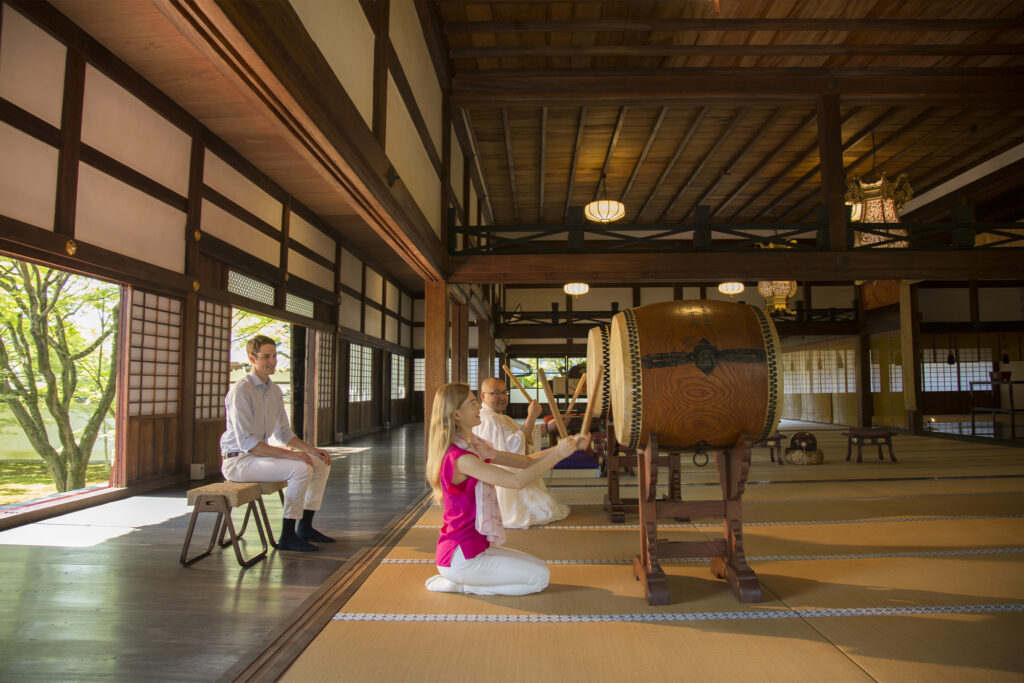
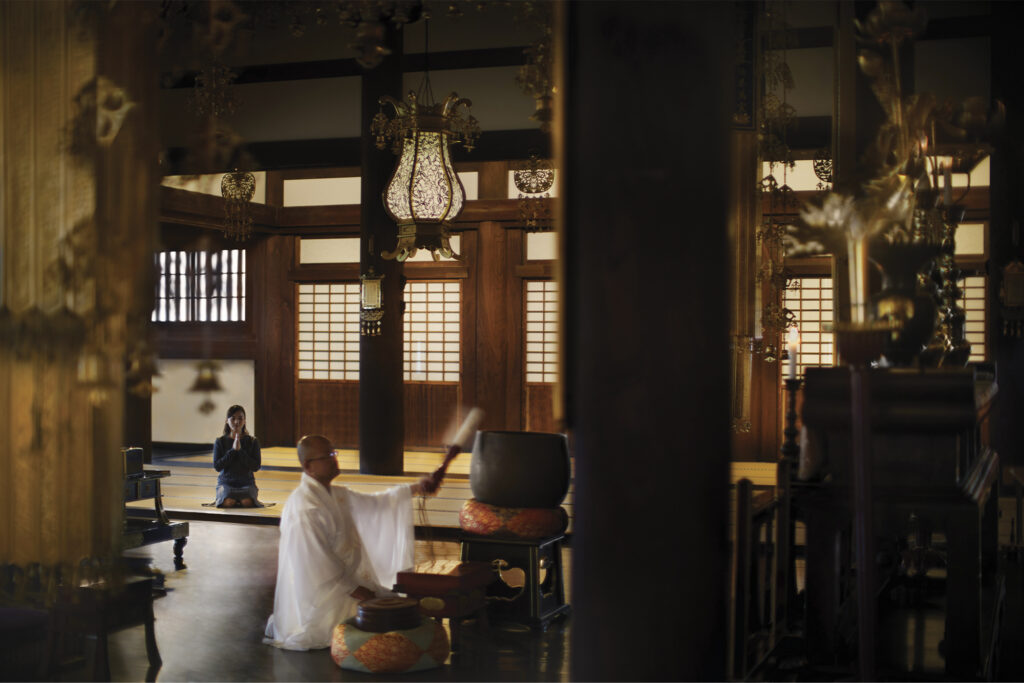
Kyoto’s spiritual character is clearest early in the morning. A private temple visit begins with traditional Buddhist chanting and drumming, its measured voices and reverberating bells creating a sense of time entirely removed from the city beyond the walls.
Continue to Sennyu-ji, the head temple of the Shingon Buddhist Sennyu-ji school and a place so closely connected with Japan’s Imperial Family that it is known as Mitera, or “Imperial Temple.” Special access beyond the areas normally open to visitors transforms the experience from sightseeing into something more intimate: an encounter with living ritual, architecture and history.
Kyoto’s interconnected covered shopping arcades offer another, more animated expression of the city’s character. Teramachi mixes traditional craft stores, specialist tea merchants, booksellers, antiques and independent fashion boutiques, while parallel Shinkyogoku leans toward contemporary clothing, souvenirs, casual food and wonderfully specific Japanese collectibles. Branching west from the arcades is Nishiki Market, the narrow, five-block culinary district known as “Kyoto’s Kitchen,” where vendors sell everything from immaculate seafood and knives to pickles, spices, sake and beautifully presented sweets. The covered streets eventually spill into the busier Kawaramachi retail district, with its department stores and luxury flagships, while Gion’s historic lanes wait just across the river. We spent hours wandering without any agenda — which, in a city that elevates specialization to an art form, is precisely the point.
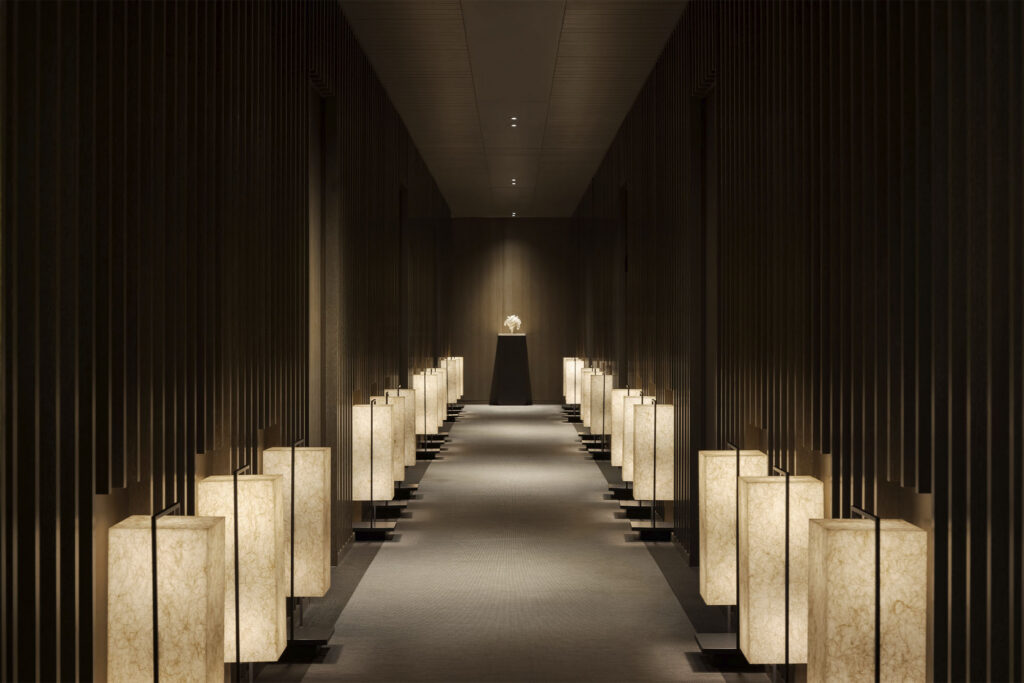
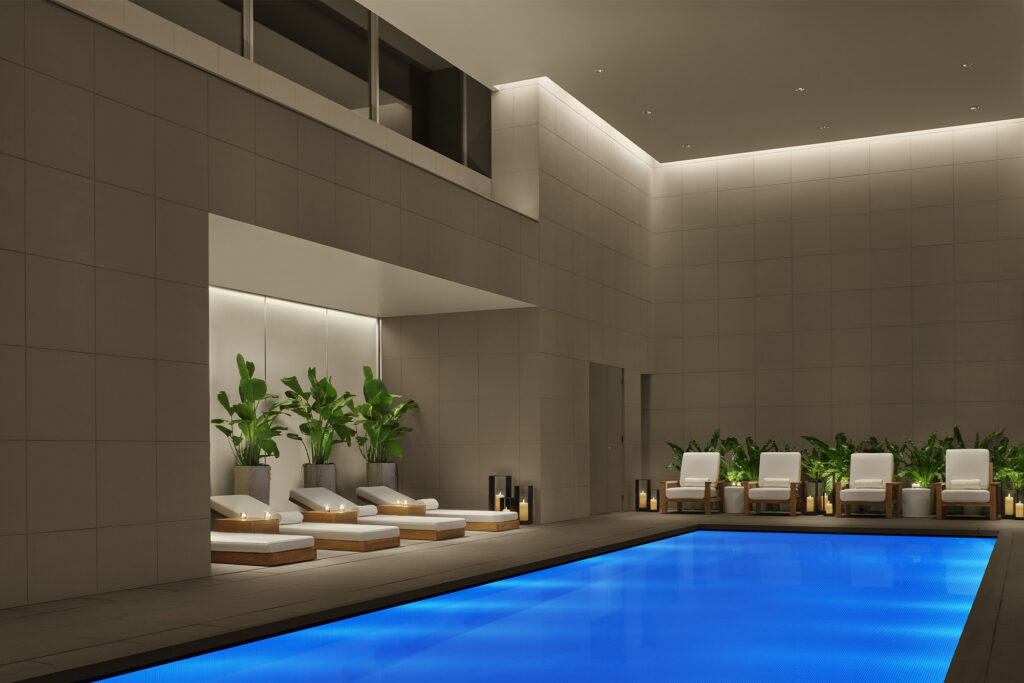
The late afternoon belongs to the hotel’s La Prairie Spa, where heated bamboo, basalt stone, and Japanese notions of balance inform the treatments, not to mention the incredible pool set into a deep light well on the property, with floor-to-ceiling glass walls and a waterfall beyond. Easily the most impressive indoor-outdoor hotel pool we’ve seen.
Day Six: Kyoto, Reimagined
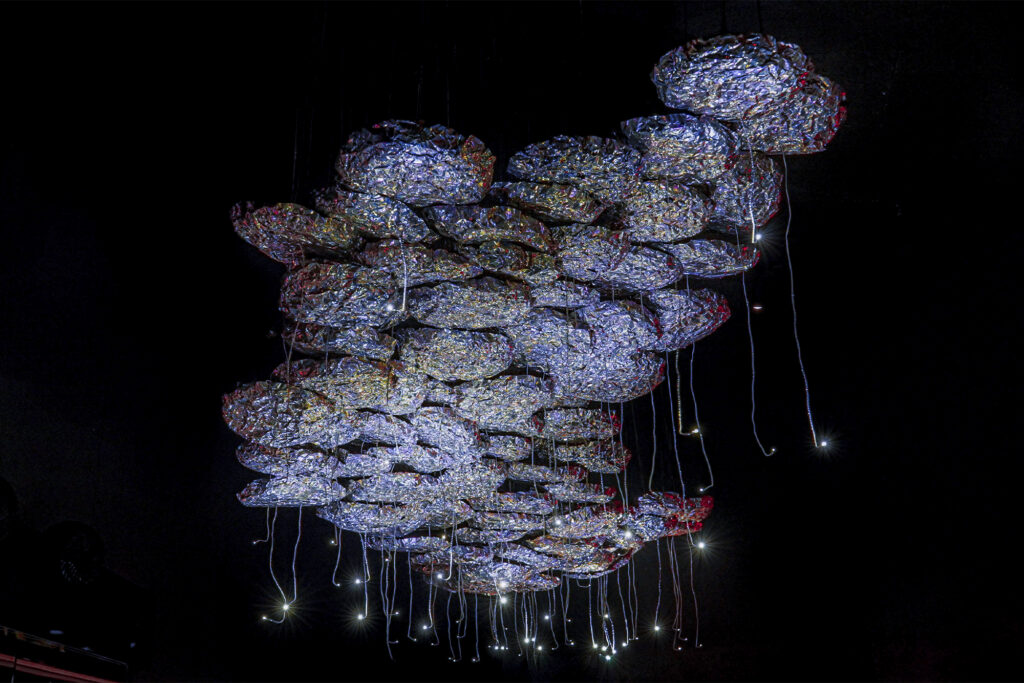
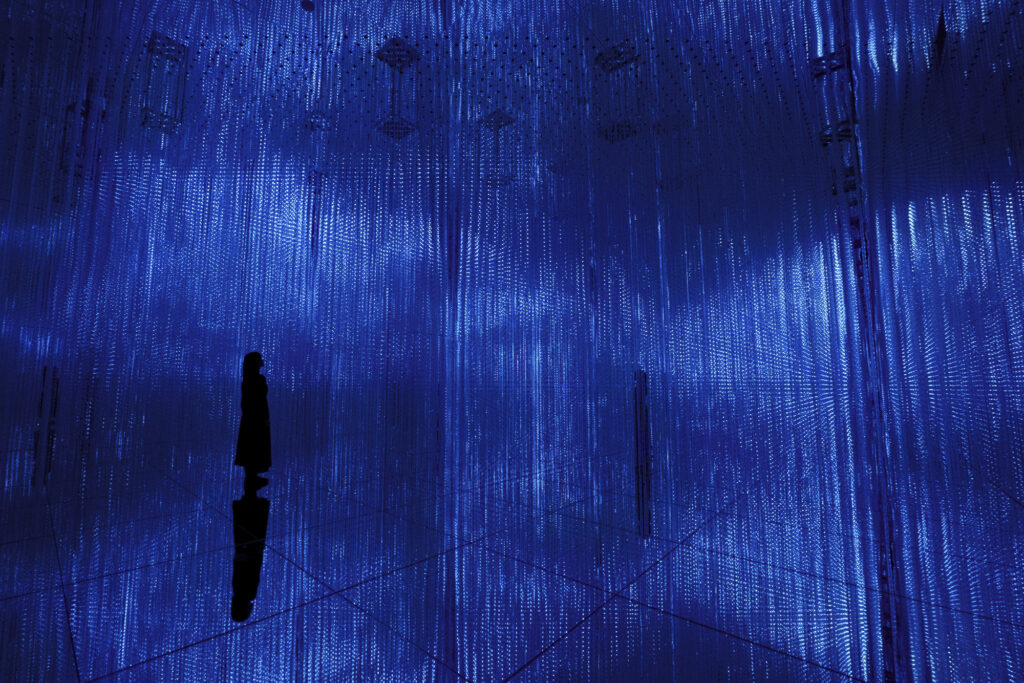
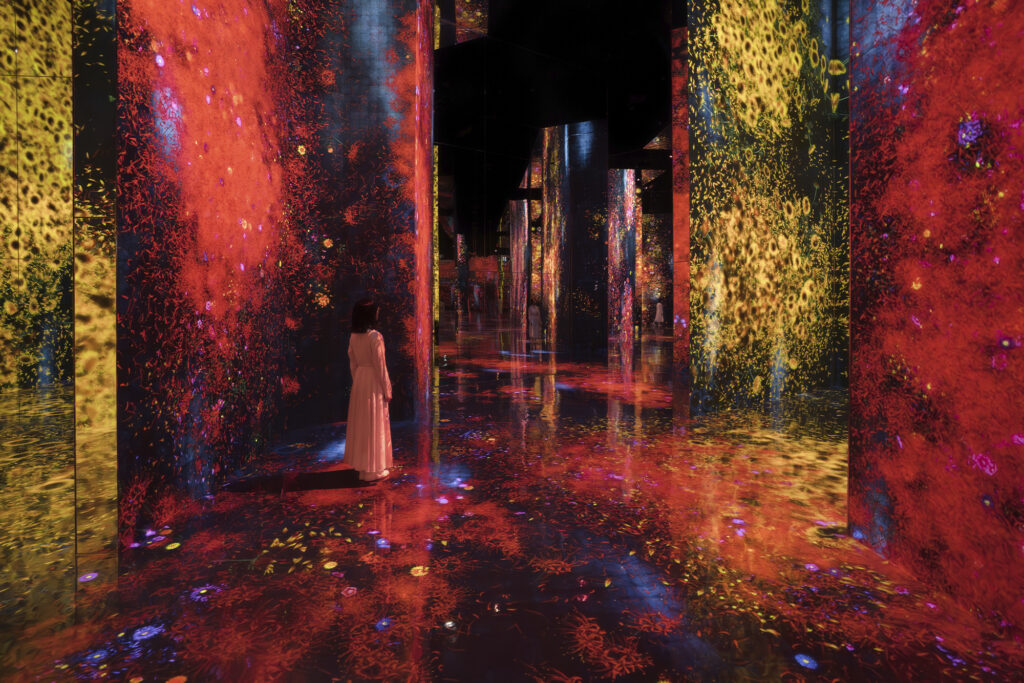
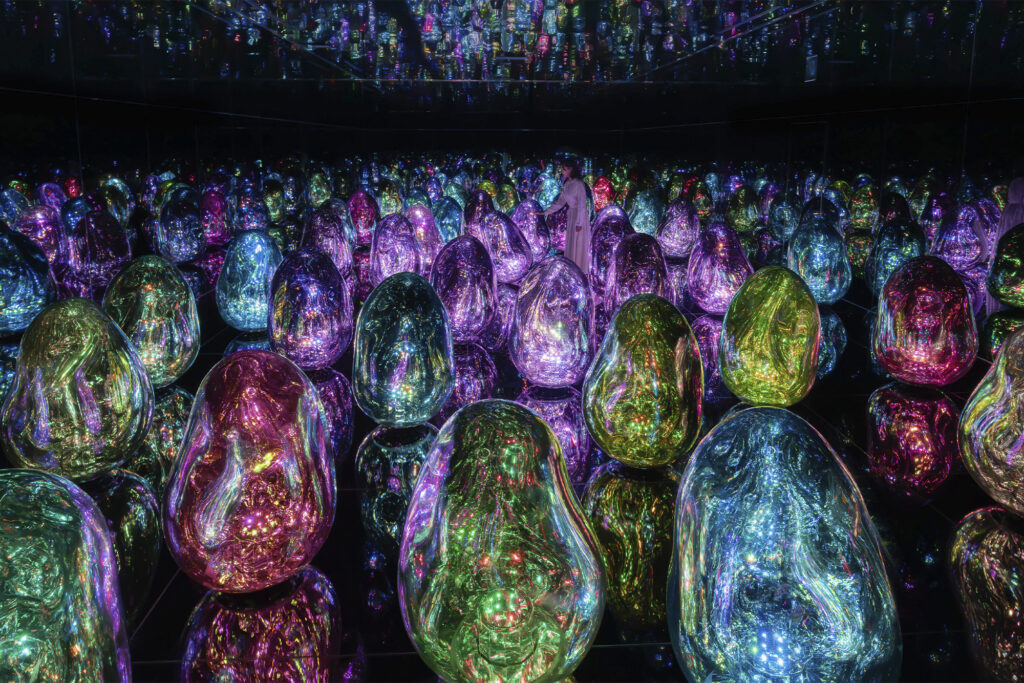
After several days immersed in ancient customs, team Lab Biovortex Kyoto brings the itinerary decisively into the present. The permanent museum spans more than 10,000 square metres and contains over 50 works, including immense, responsive environments that dissolve the usual boundary between viewer and artwork. Immerse yourself, literally, in clouds of bubbles, hurricanes of reflective balls, maze-like trails of otherworldly forms and lights. It’s truly a one-of-its-kind experience, although there are locations in Tokyo as well.
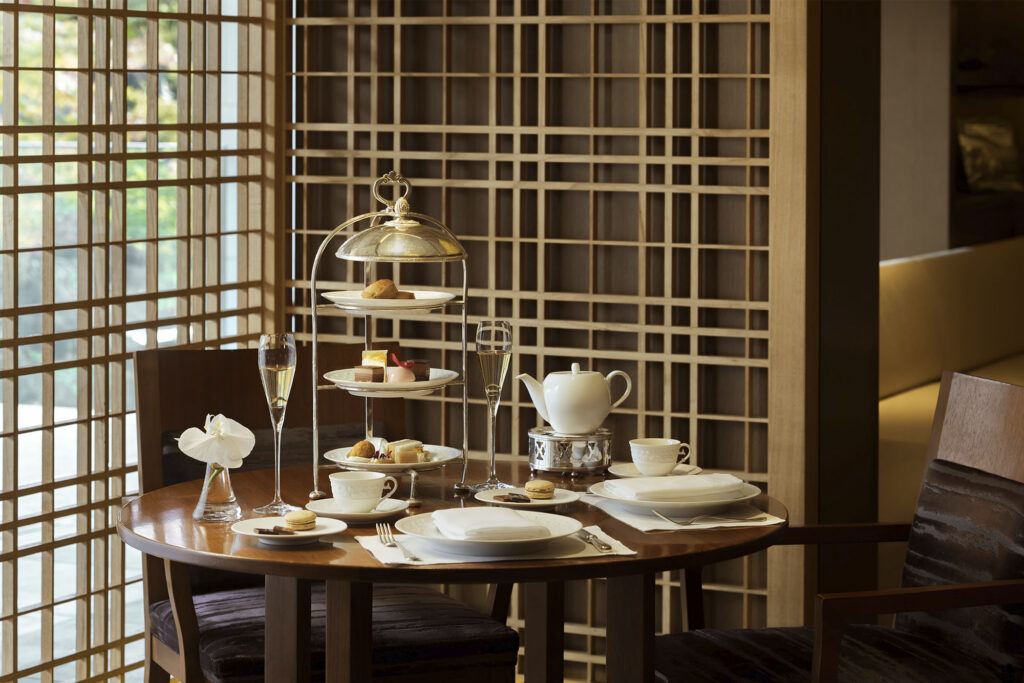
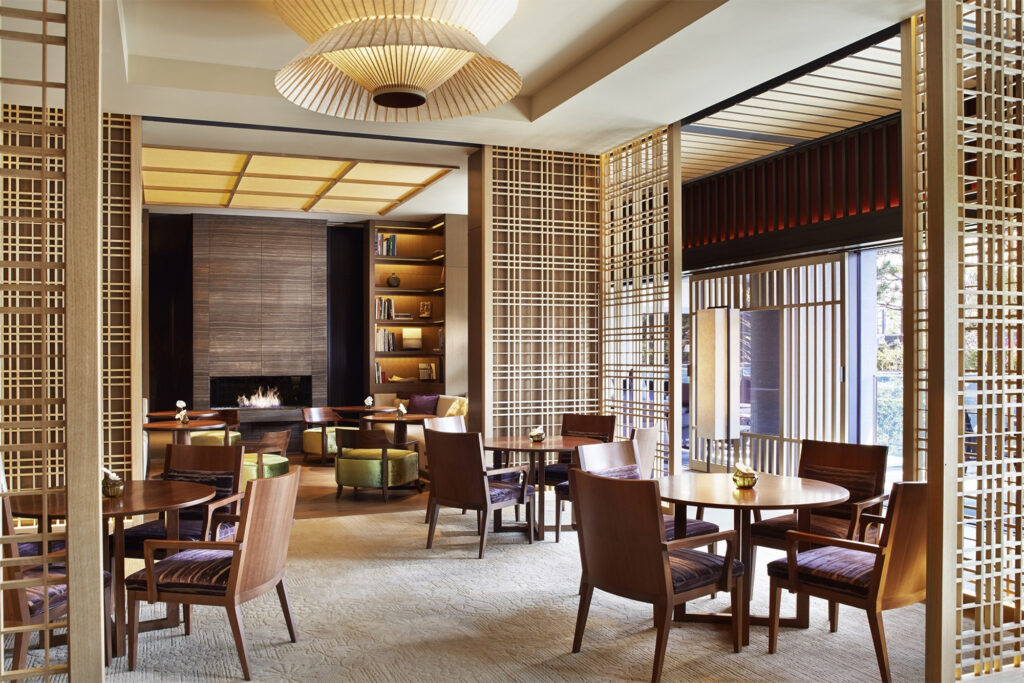
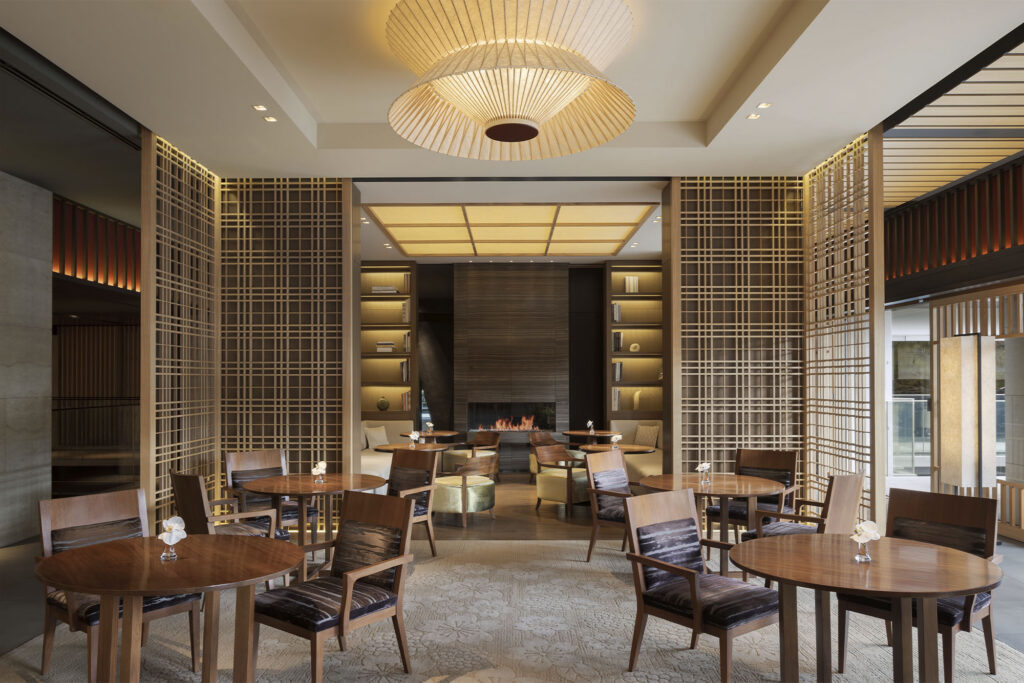
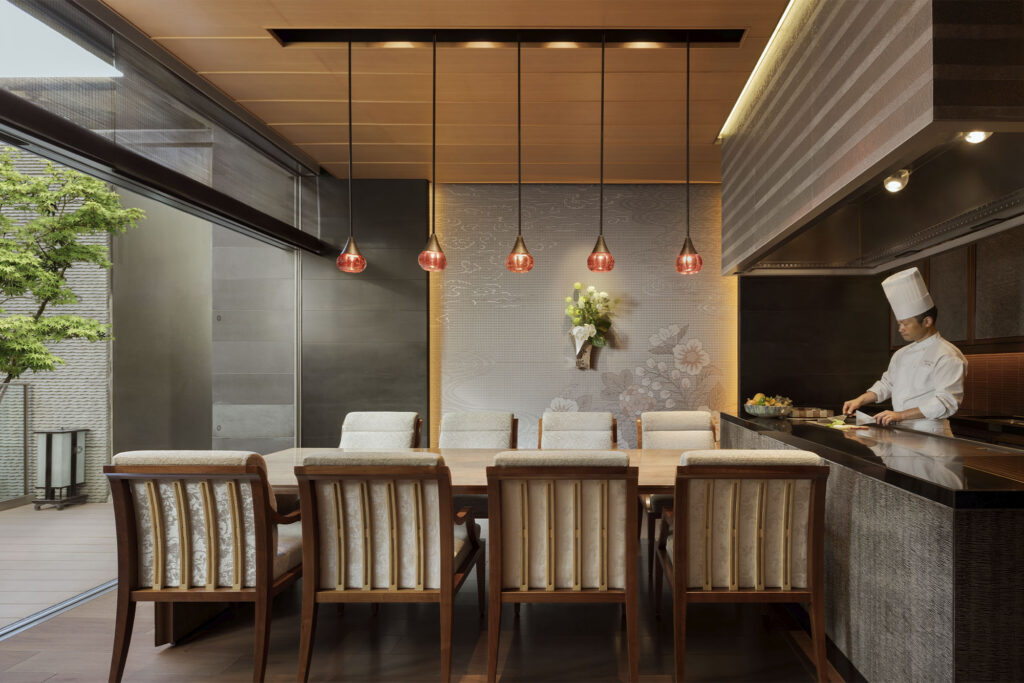
Return to The Ritz-Carlton for afternoon tea in The Lobby Lounge, where Pierre Hermé Paris pastries lend a French accent to the hotel’s Japanese setting. The journey’s final dinner should be at Chef’s Table by Katsuhito Inoue, an intimate kaiseki experience inspired by Kyoto’s 72 micro-seasons. We weren’t able to count them to verify. It is less a conventional meal than a study of place, with ingredients, presentation, and even the room’s decoration responding to subtle changes in nature.
Day Seven: A Quiet Departure
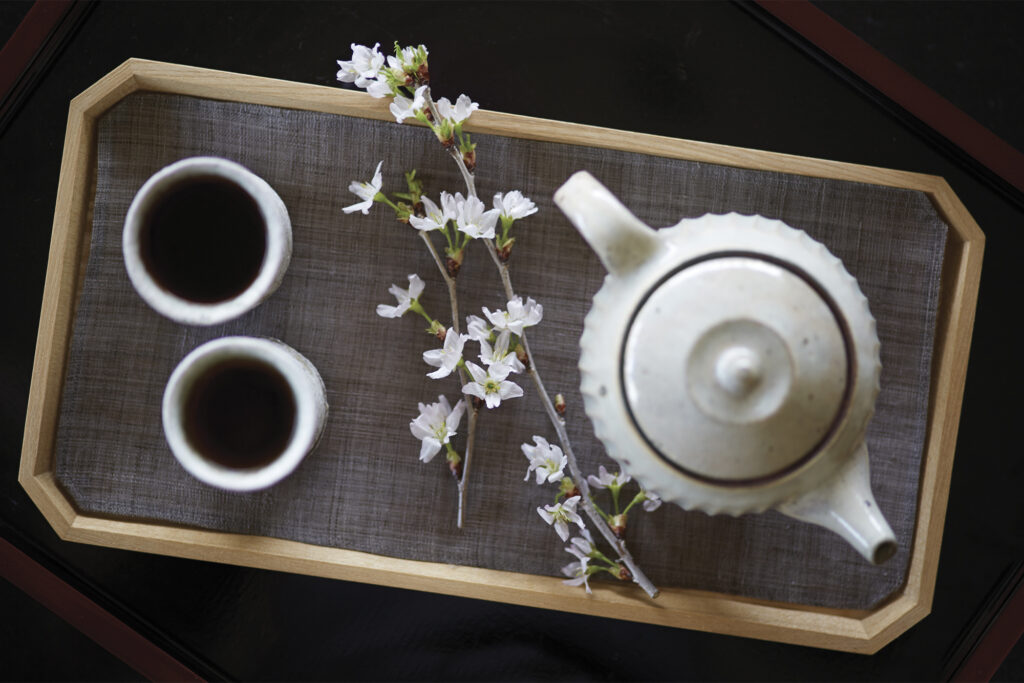
Take one last coffee on the room’s balcony along the Kamogawa River before departure. The temptation with Japan is always to add another temple, restaurant, or neighbourhood, but we’ve all already resolved to return one day and see more, if never all, of Japan.
The defining luxury of this itinerary is not excess. It is access, timing, and context: the unseen orchestration that allows Tokyo’s modern intensity and Kyoto’s ancient rhythms to unfold without friction. You leave having seen only a fraction of Japan but having understood something essential about it: perfection is rarely spontaneous, even when it appears effortless.
Our last indulgence before the flight home was an hour in the AMEX Centurion lounge at Haneda airport. As you might expect, there was more tasty sushi and a serene environment to relax in before long flights home.
With the cultural and language barriers inherent in planning a trip to Japan, especially when you want to discover authentic and not easily found experiences, it’s indispensable to have a travel agent or local experts, and that’s exactly the benefit that the AMEX Platinum travel concierge provides. In collaboration with exceptional hotels and their local knowledge, we experienced Japan in a way that is simply not otherwise available through traditional travel planning methods. All that remains is to go back and see more.
The American Express Platinum Card Experience
A memorable trip starts well before boarding. Thanks to my American Express Platinum Card benefits, the most valuable assistance was personal. The 24/7 Platinum Concierge can help with restaurant reservations and experiences; our visit to Sennyu-ji Temple in Kyoto and the Sumo training experience, both among the trip’s most meaningful moments, were made possible by support from Amex.
Hotel benefits add another layer. Eligible Fine Hotels + Resorts bookings include daily breakfast for two, guaranteed 4 p.m. checkout, upgrades and noon check-in when available, plus a property-specific benefit.
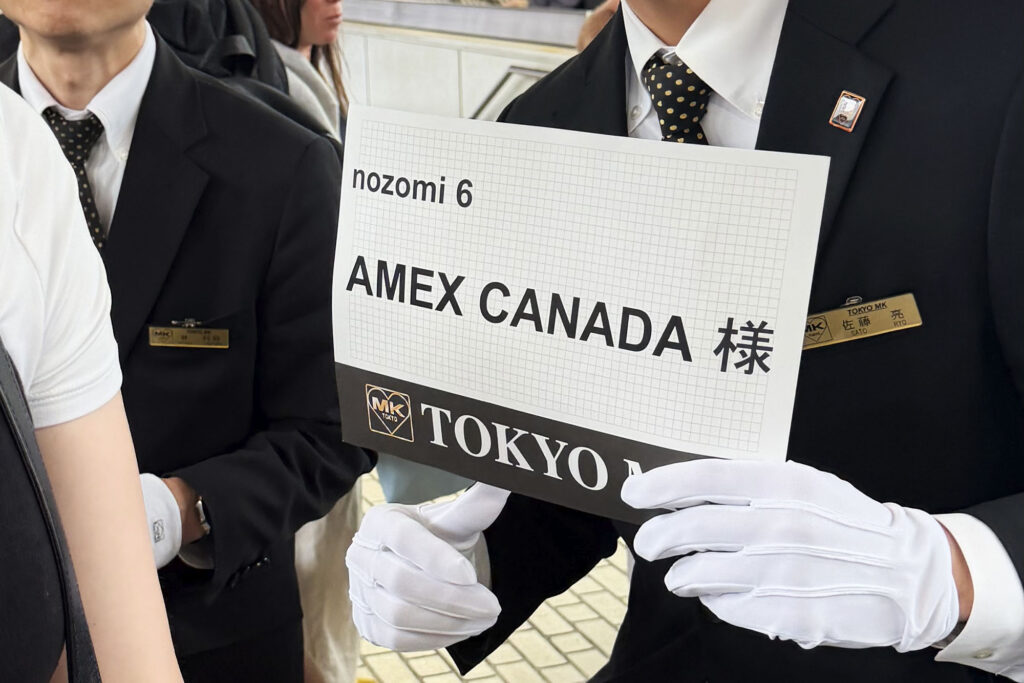
At Toronto Pearson, benefits include priority security access. Abroad, access to more than 1,550 airport lounges includes Japan’s first Centurion Lounge at Haneda, where Japanese art, locally inspired dining and private meditation booths extended our experience until departure.
Other practical advantages include two Membership Rewards points per dollar on eligible travel purchases, up to a $100 CAD NEXUS application or renewal credit every four years, and travel insurance covering eligible medical emergencies, cancellations, interruptions, flight delays and baggage delays. Benefits are subject to applicable eligibility, enrolment, booking and insurance terms. Together, they make a compelling case for keeping Platinum close throughout the journey.