Some good advice about New York City: you’ll never see it all. Just go back. Japan, it seems, demands the same approach. The islands of Japan pack an extraordinary breadth of experiences into a remarkably navigable place: high-tech spectacle, ancient history, urban pleasures and rural escapes. Add a culture that takes collecting, craftsmanship and personal enthusiasms to obsessive heights, and there’s something for everyone. Whether you’re seeking food, music, cars or fictional pirates, you can have it all.
My son and I spent a week divided between Tokyo and Kyoto, curated with help from the Amex travel concierge service (and all the benefits that go with being a Platinum cardholder). We filled every day, crossed centuries between appointments and left with a longer wish list than we’d arrived with. Somewhere along the way, the trip of a lifetime became the genesis of something we wanted to do again and again.
Day One: Tokyo, With a View
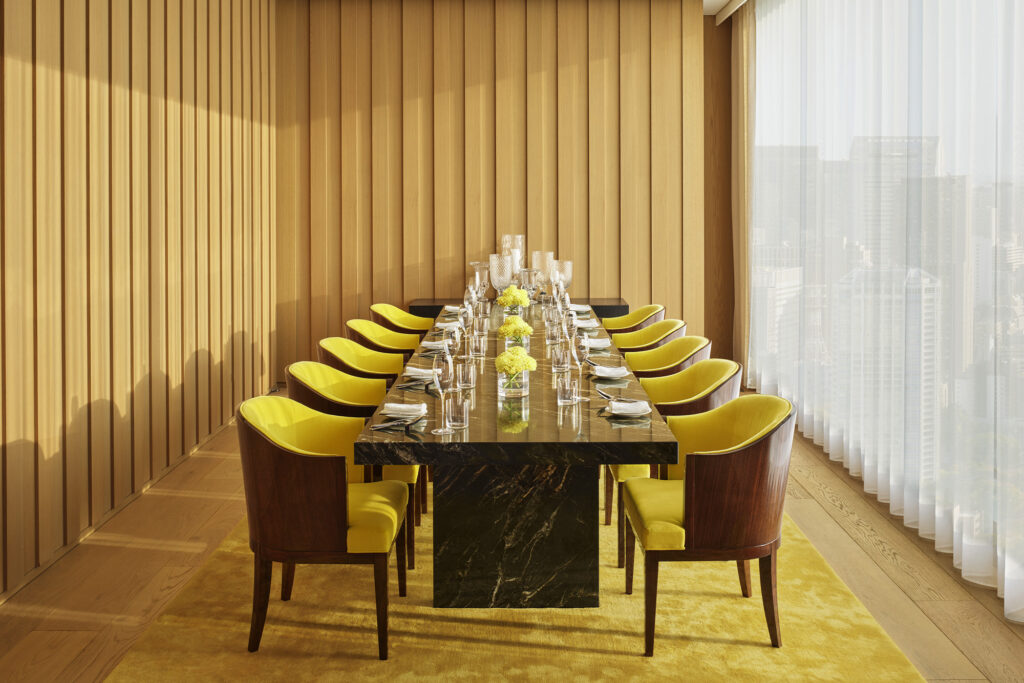
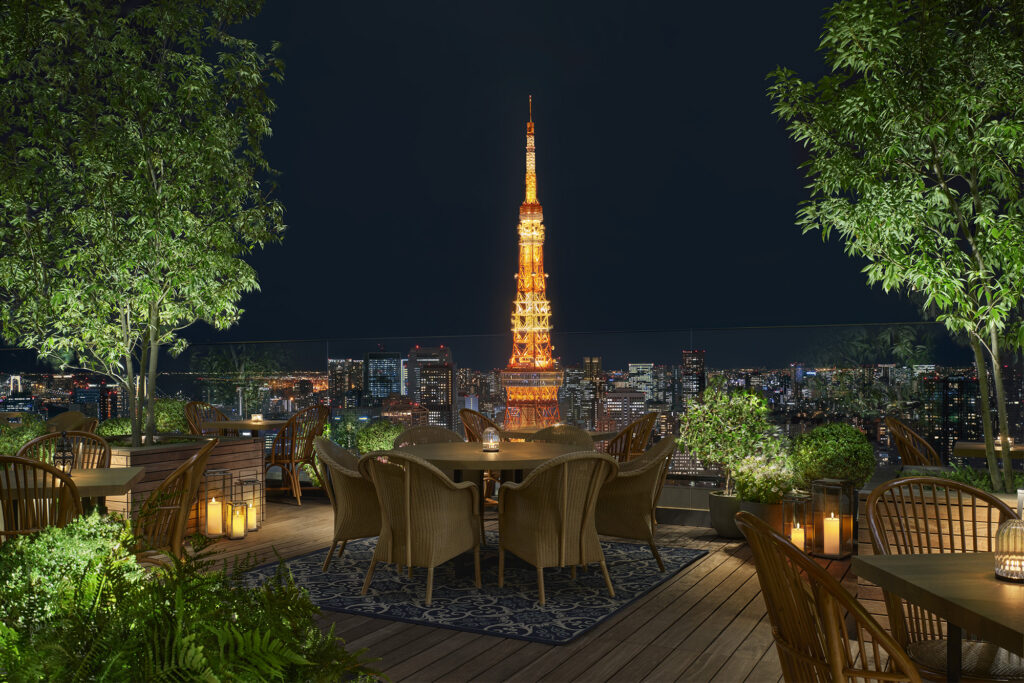
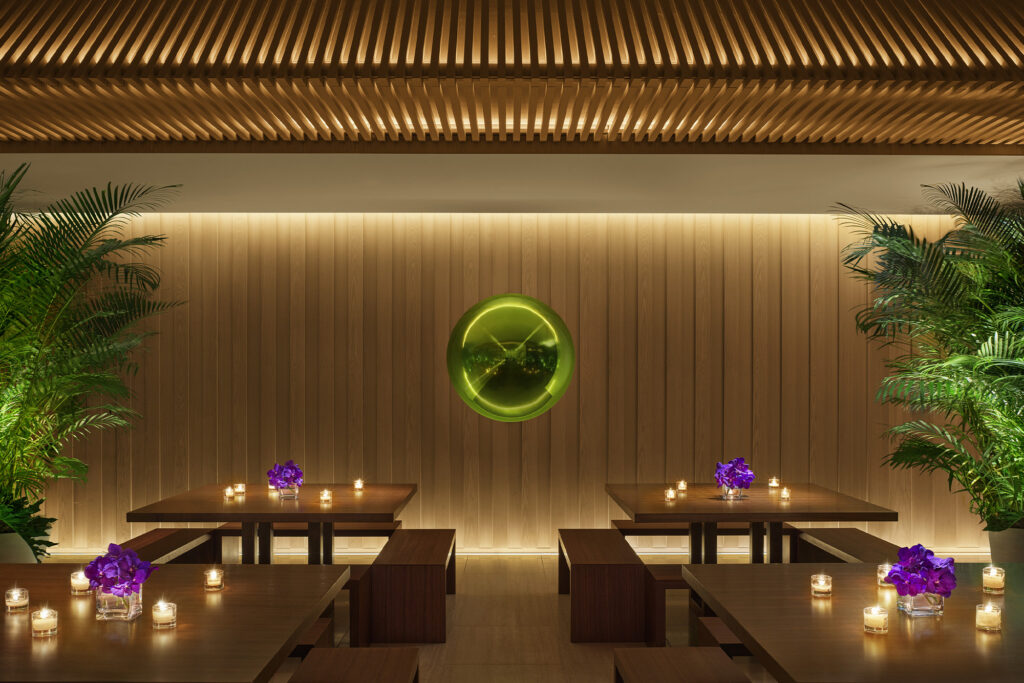
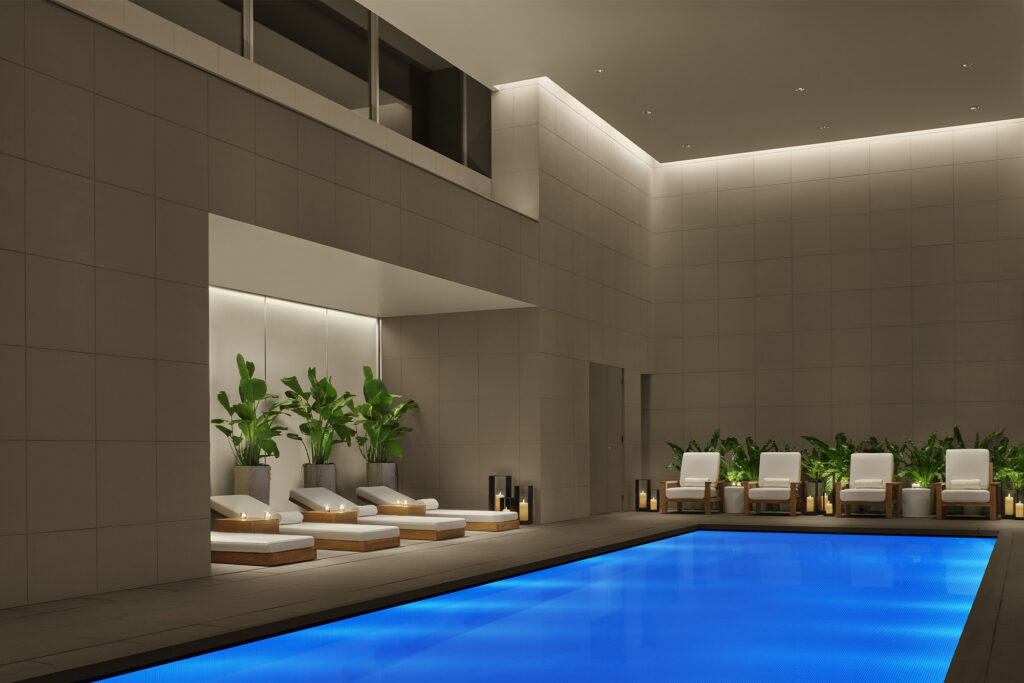
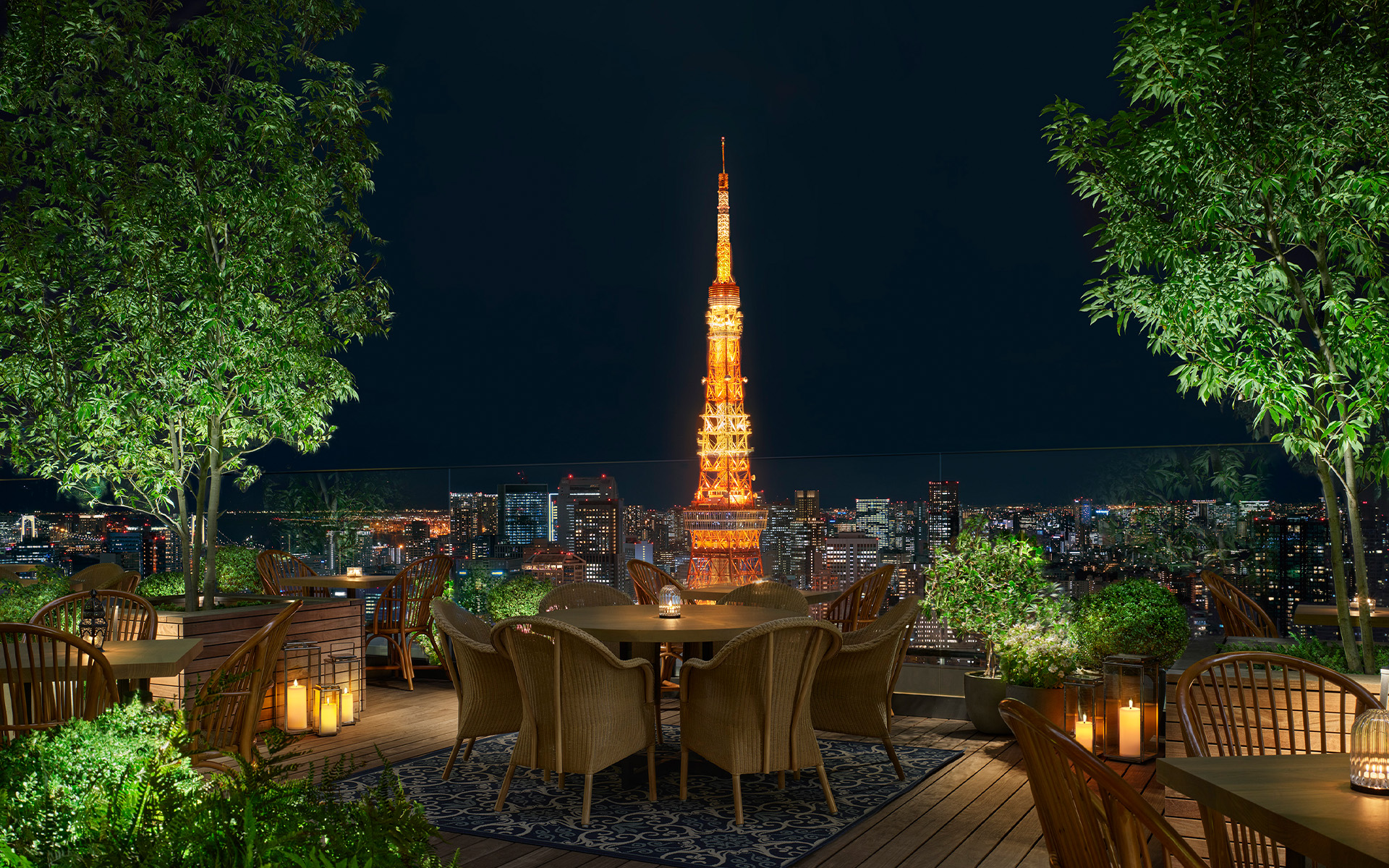
The Tokyo EDITION, Toranomon makes a persuasive case for starting at the top. Its elevated lobby, greenery and views of Tokyo Tower offer a welcome pause before plunging into the city. Designed by Kengo Kuma in collaboration with Ian Schrager, the hotel brings Japanese restraint to the EDITION’s particular brand of relaxed luxury. The skyline provides plenty of encouragement to get outside. Best of all, guaranteed early check-in thanks to being booked with Amex.
Dinner at Pizza 4P’s in nearby Azabudai Hills, an incredible shopping mall built as what can only be described as hills and valleys, is an easy first-night landing. Yes, pizza in Japan, which was truly one of the best Neopolitan pizzas I’ve had — and the burrata with pear was incredible. The menu, in the form of a magazine, was very cool. Overall, it was just a lovely place to eat. A week here needn’t become an endurance test of culinary adventurousness, and a familiar meal gives you time to relax and adjust. There will be plenty of opportunities to expand your dining experiences.
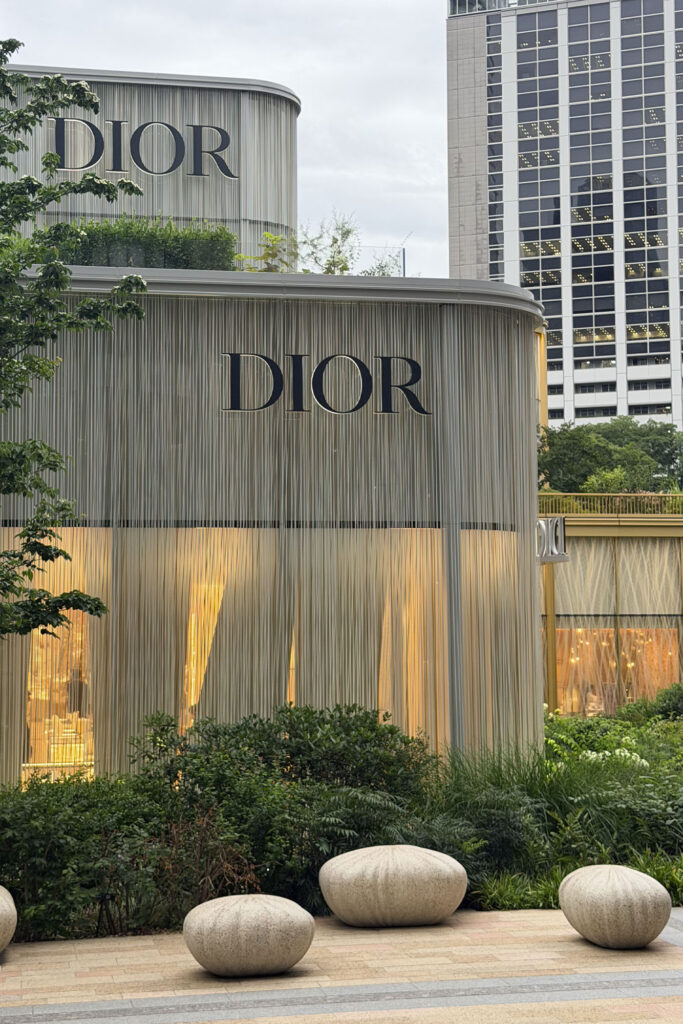
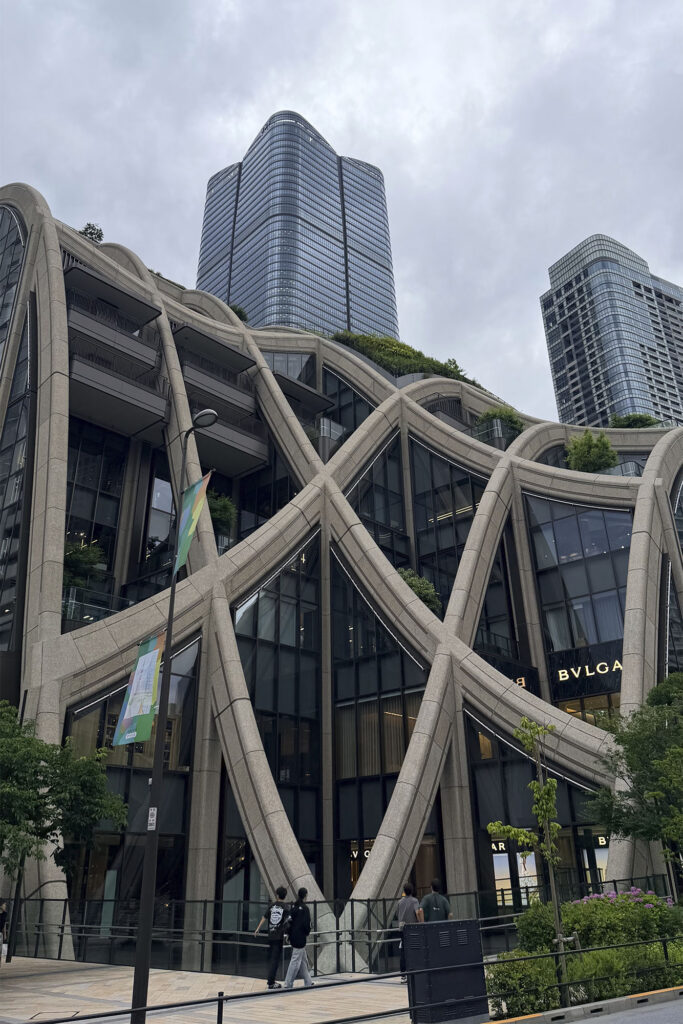
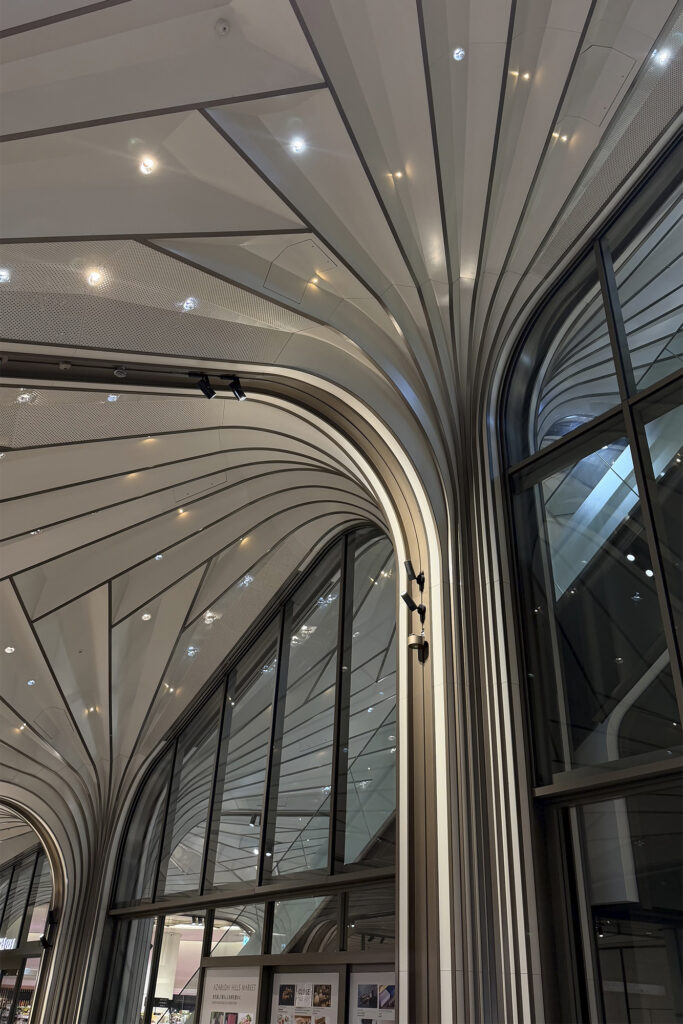
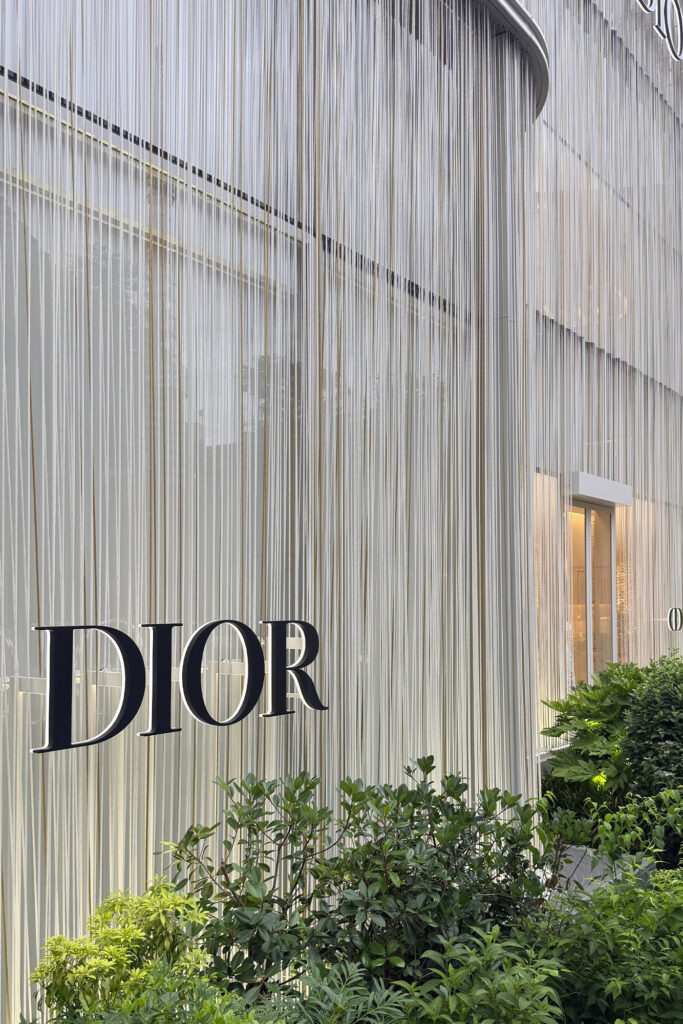
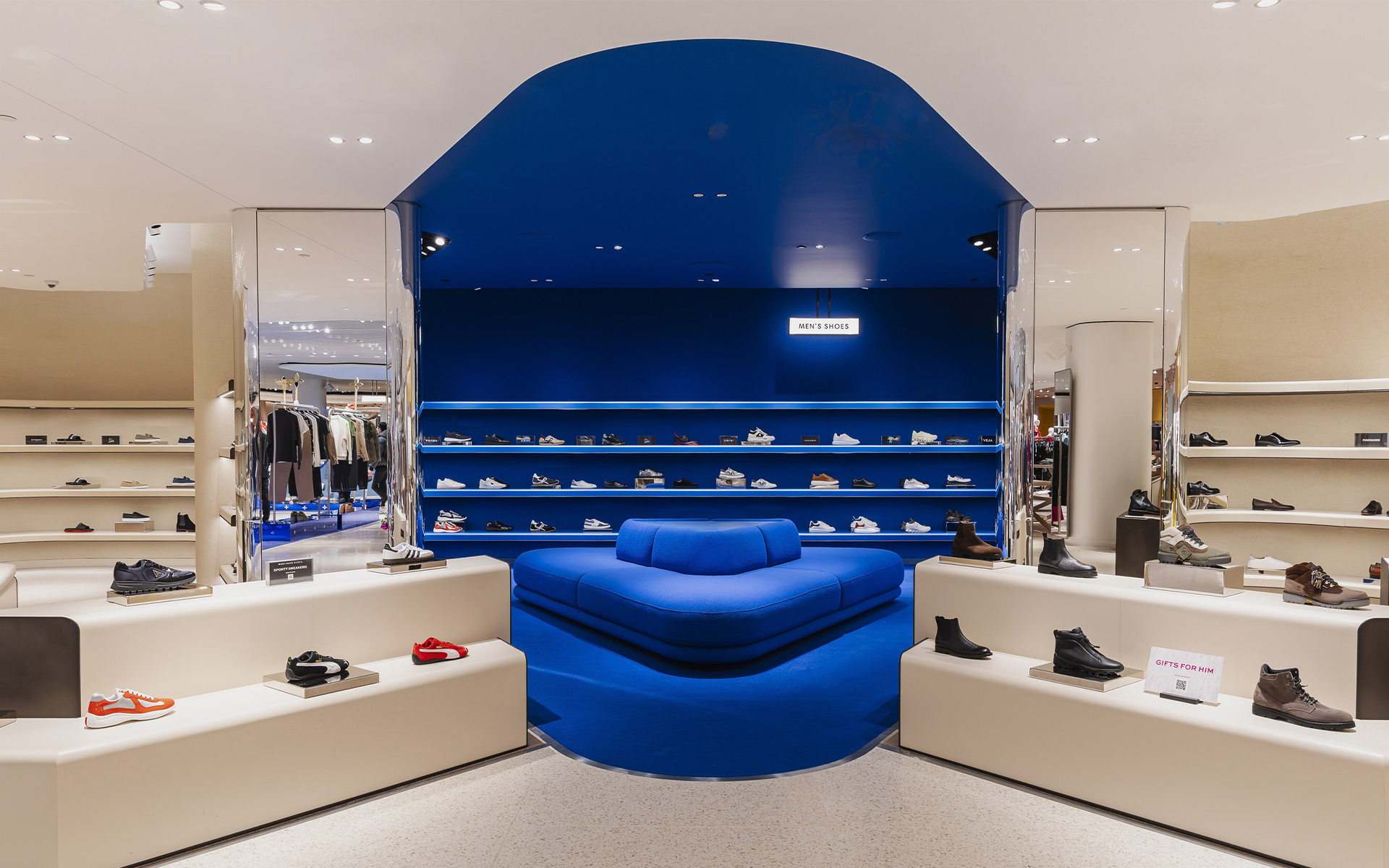
Azabudai Hills’ otherworldly architecture is nearly impossible to describe. It’s both a mall and a village or countryside of luxury boutiques a few stories above the otherwise austere street-level architecture of Toranomon, Tokyo. I wish I’d had more time to explore it, but Cartier and Officine Bully aren’t of particular interest to a 16-year old…another time for this one.
Day Two: Enter His World

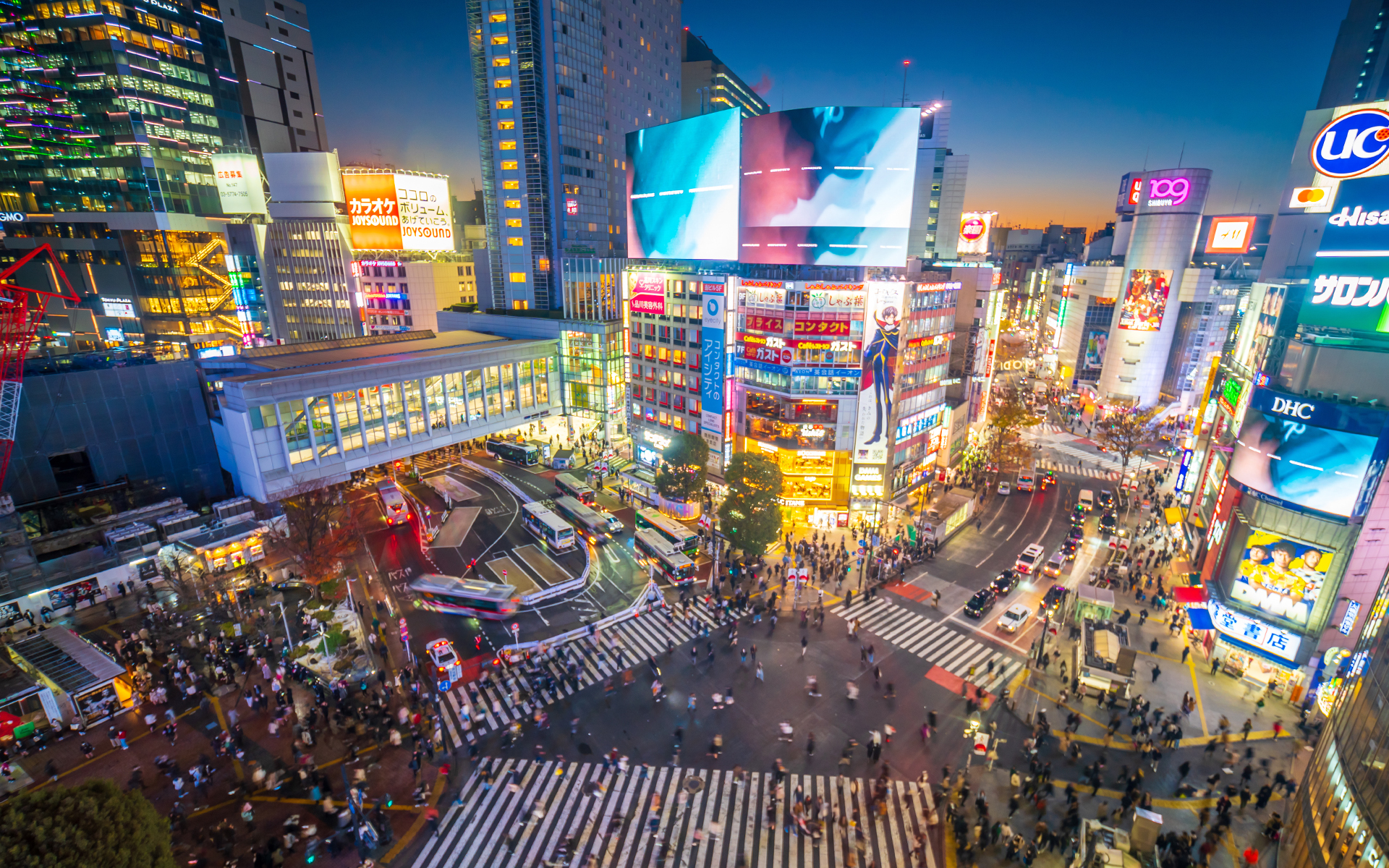
Shibuya rewards curiosity at almost every turn. At the Pokémon Center in Shibuya PARCO, an entire universe of characters becomes merchandise worth inspecting with the seriousness usually reserved for watches. Suffice it to say there’s more Pokémon merch than most can even imagine, and it’s absolutely mobbed. We learned a little late that if you want one of the custom T-shirts the shop appears famous for you need to line up in the morning…as we were informed by the boys in line at five p.m. still waiting for theirs…For a father, it’s a useful opportunity to let his son lead the afternoon. Travel gets more interesting when you occasionally surrender to the curiosity of others.
Beyond Pokémon, PARCO has several other comic-book-themed stores and we indulged heavily in souvenirs from just about all of them. It was fun to compare notes on some as Sonic and Mario cross generations at this point.
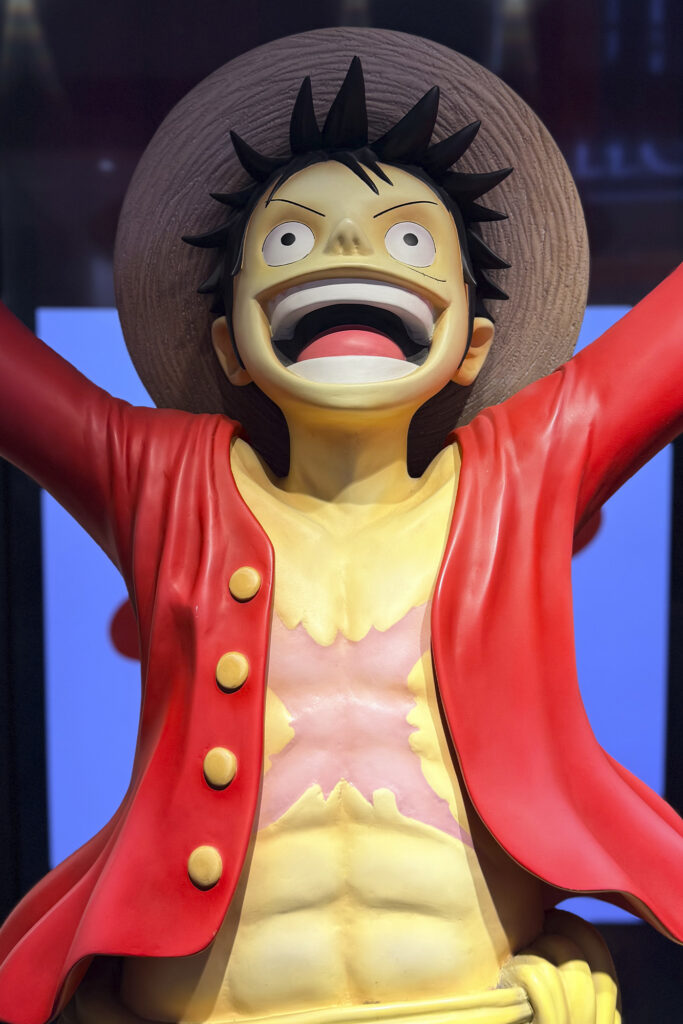
Nearby, One Piece Fitness, by the hilariously named BragMen, takes another manga phenomenon somewhere unexpected: the gym. Themed spaces, equipment and trainers dressed as naval officers from the quirky series bring it to life as a legit gym. Visitors can book a one-time session. This is the weird you come to Japan for.
Together, these stops explain something about Japan’s appeal. Whatever you’re interested in, someone here has probably taken it further than you imagined.
Day Three: Big Robots, Real Cars
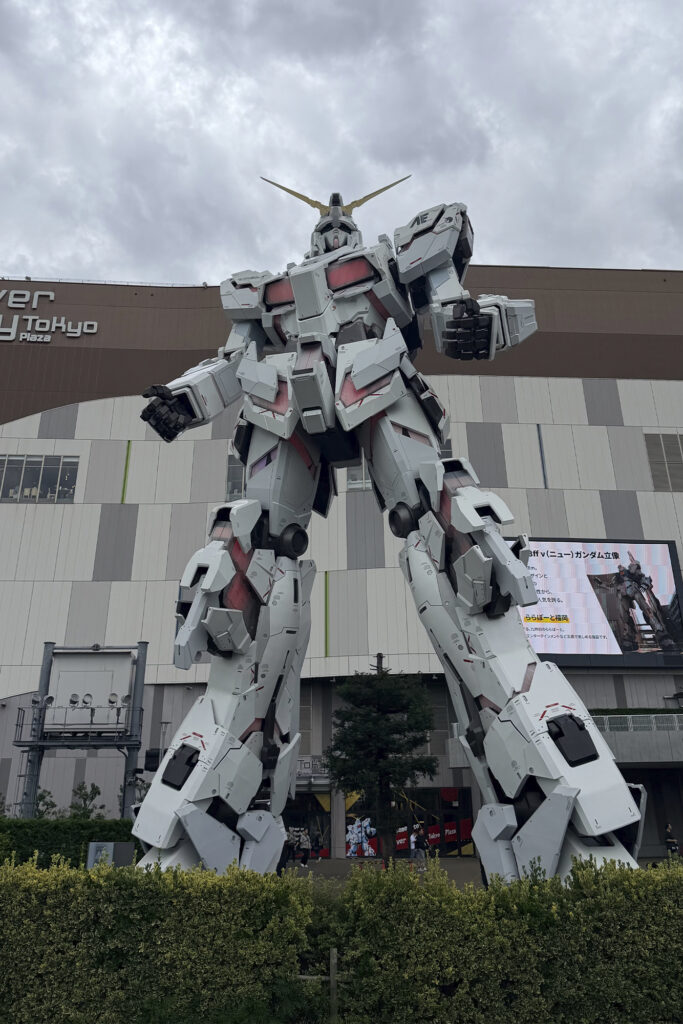
Odaiba supplies a change of scenery and a considerable change of scale. Outside DiverCity Tokyo Plaza, the life-size Unicorn Gundam turns fiction into reality and you don’t even have to know what a Gundam is to be impressed. The Gundam store inside the mall has an overwhelming selection of models. Again, it’s fascinating whether you’re into it or not.
We also took the opportunity to try Japanese McDonald’s at DiverCity. It’s truly remarkable that a Big Mac tastes exactly the same, my son loved the teriyaki burger. A bucket-list item checked off for him.
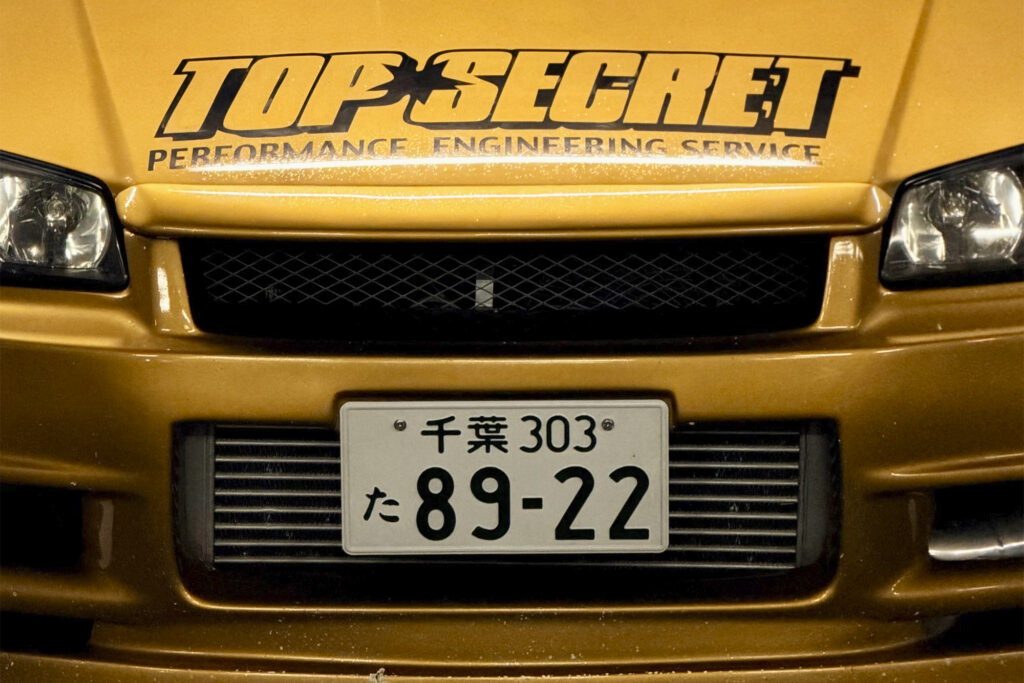
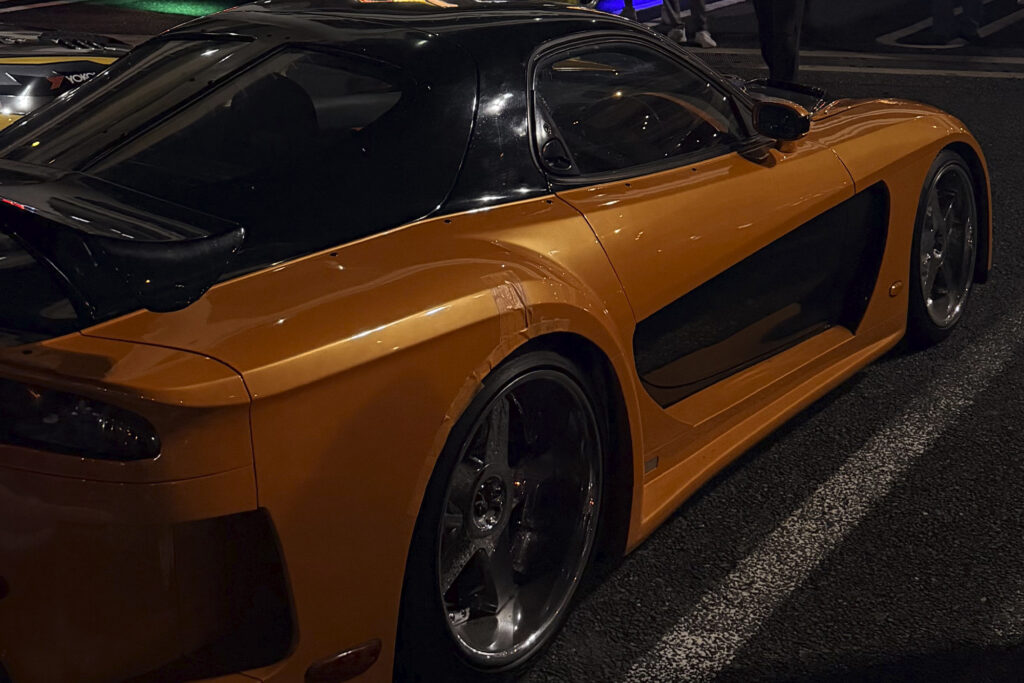
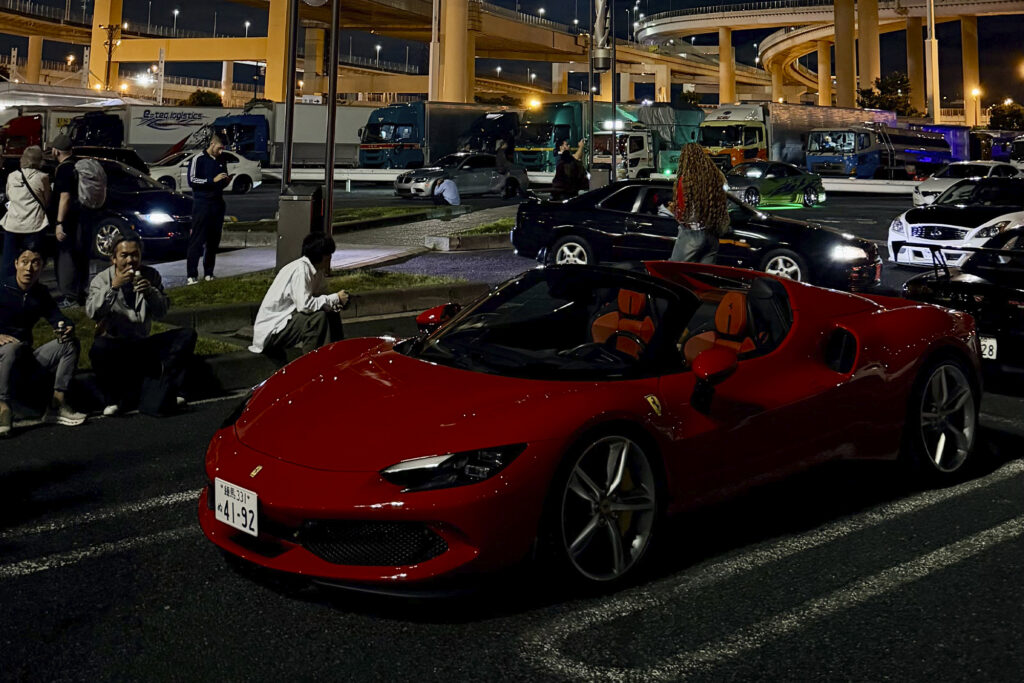
At dusk, also in DiverCity, the Tokyo Drift Experience we found on Viator brought Japanese car culture to life through a JDM — Japanese domestic market — performance car tour of Japan and a couple of car meets. For anyone raised on racing games, automotive magazines or the films, these machines carry their own mythology. very cool to tour Tokyo, rather loudly, at night in a parade of Skylines, EVOs and Supras. “We left DiverCity for a car meet in Yokohama, cruised the highways around Tokyo, and visited Tokyo Tower and Shibuya Crossing.
Cars are familiar territory for me; anime offers another way into my son’s interests. Both reward attention to details that can seem invisible to everyone else and in sharing our respective passions and interests we were finding plenty to enjoy.
Day Four: The Journey Is Part of It
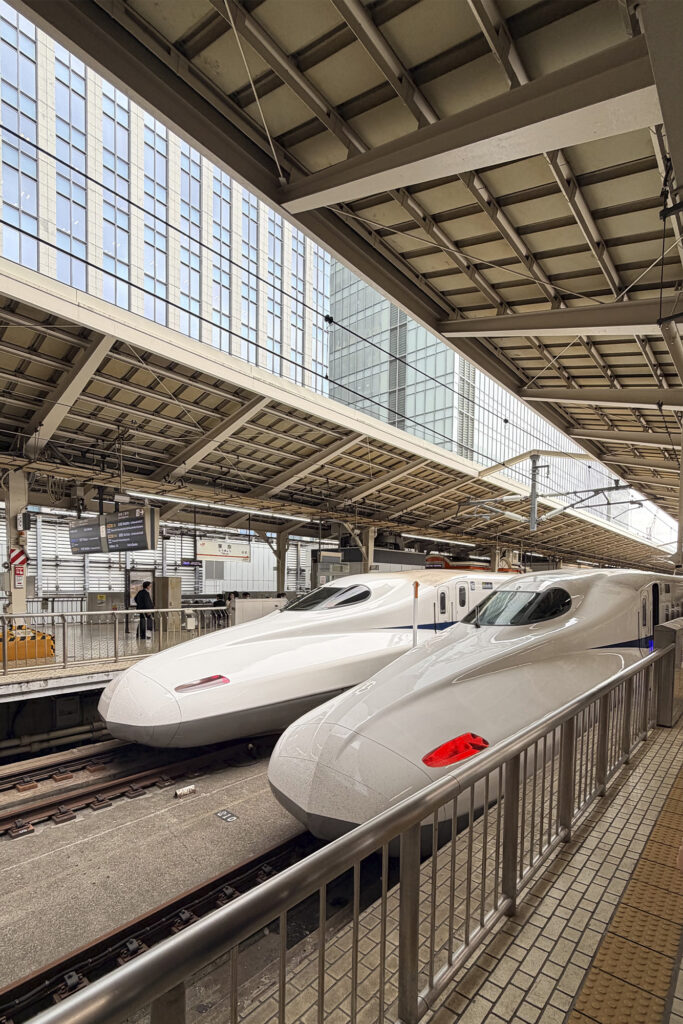
The Shinkansen to Kyoto deserves its place among the experiences. The smooth, swift journey makes moving between two very different cities feel effortless, with the landscape passing by at 300 km/h, it feels like the future compared to our archaic trains and congested roads.
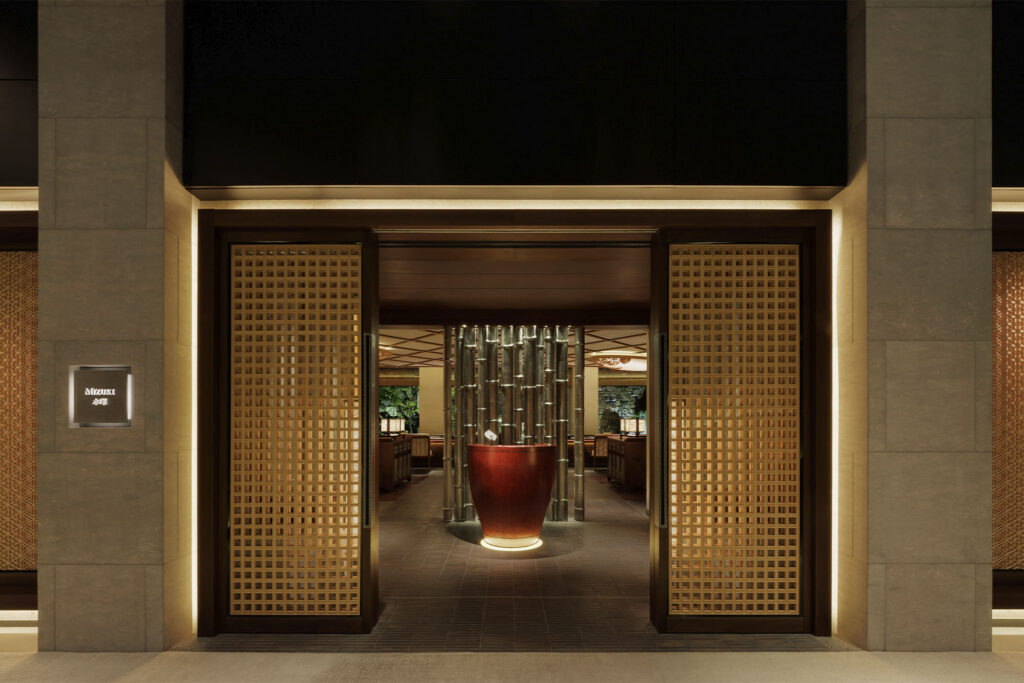
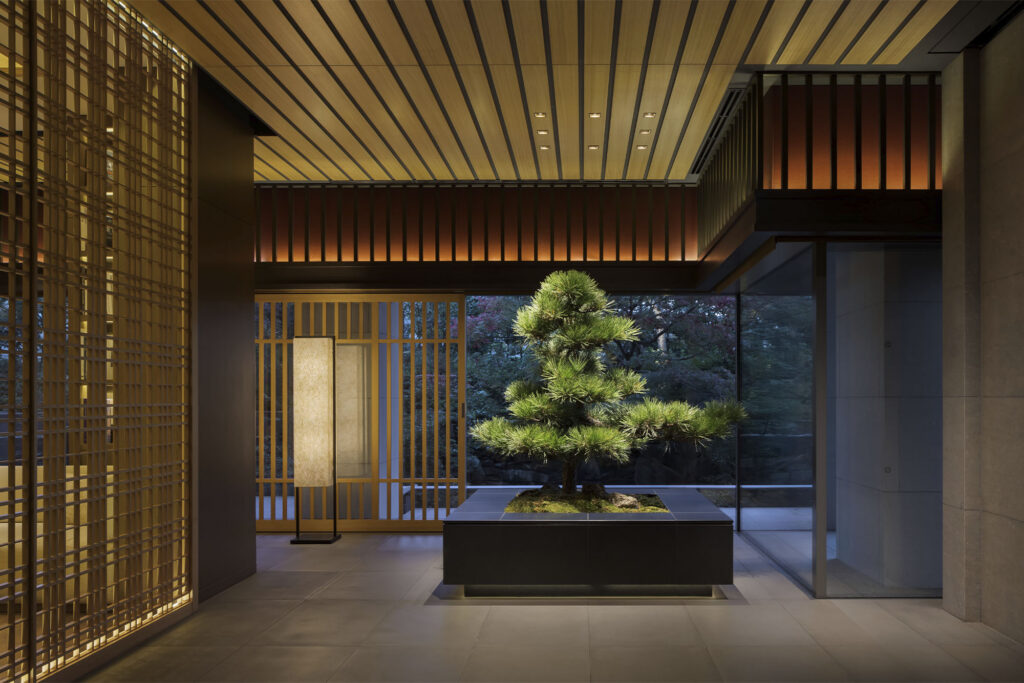
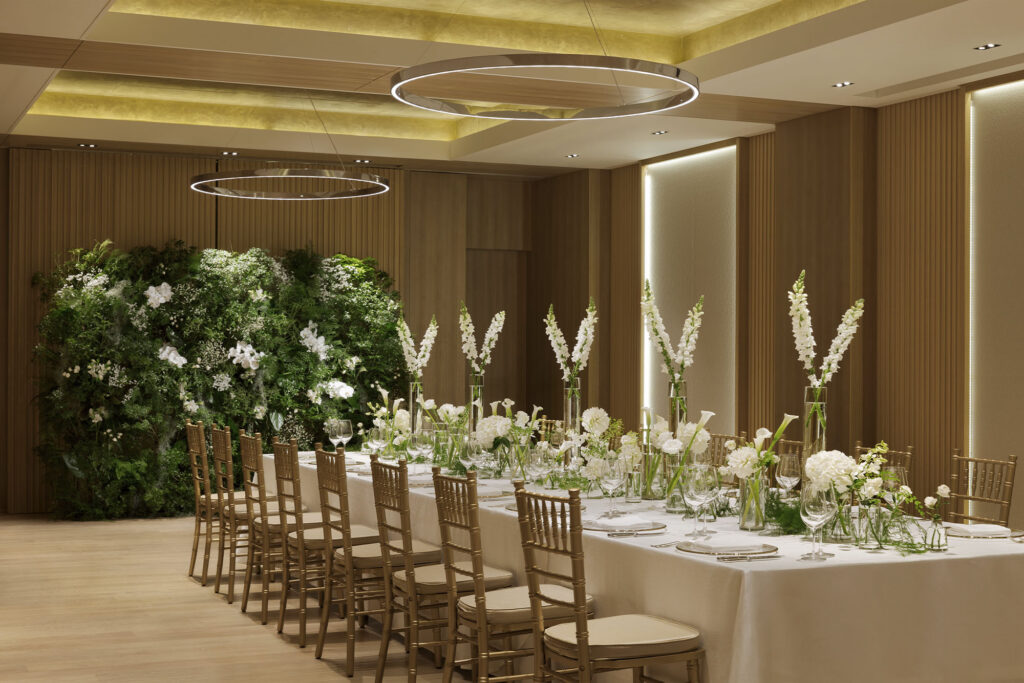
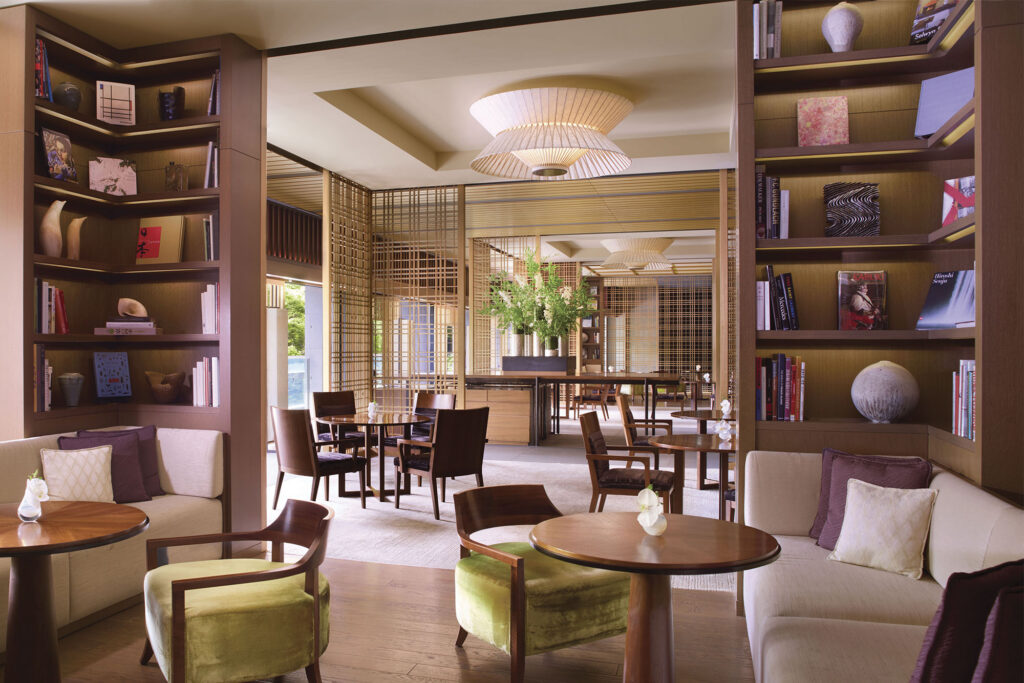
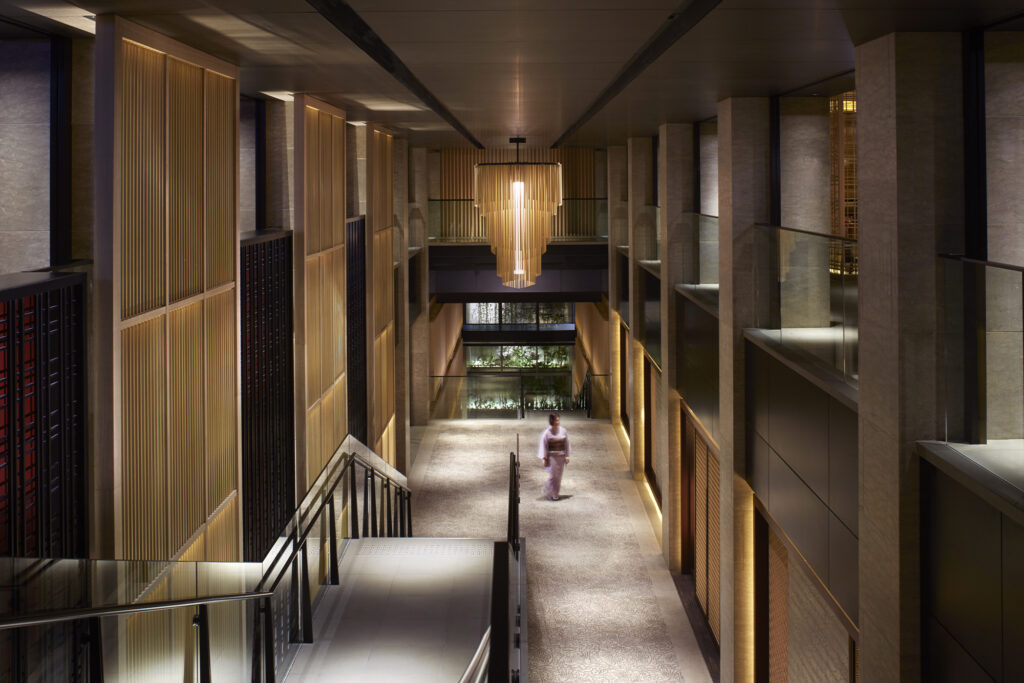
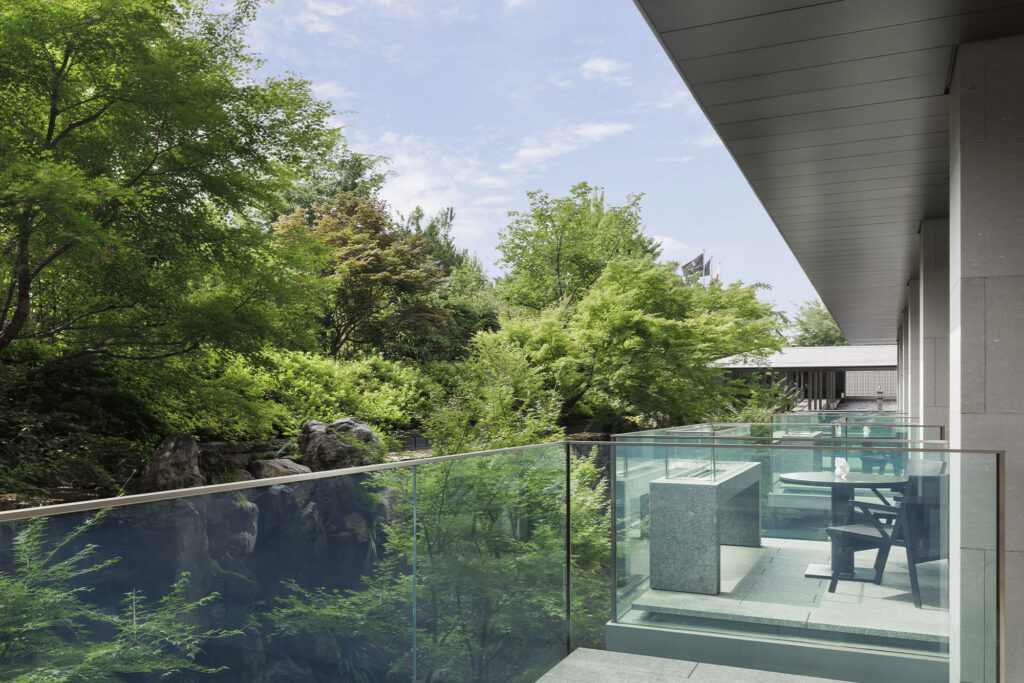
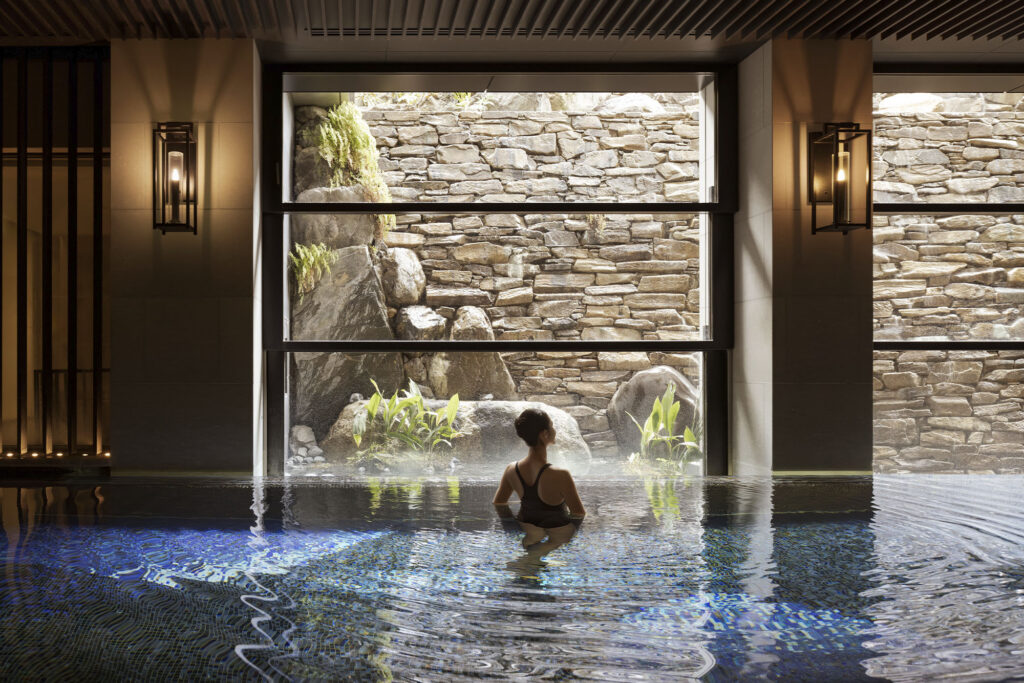
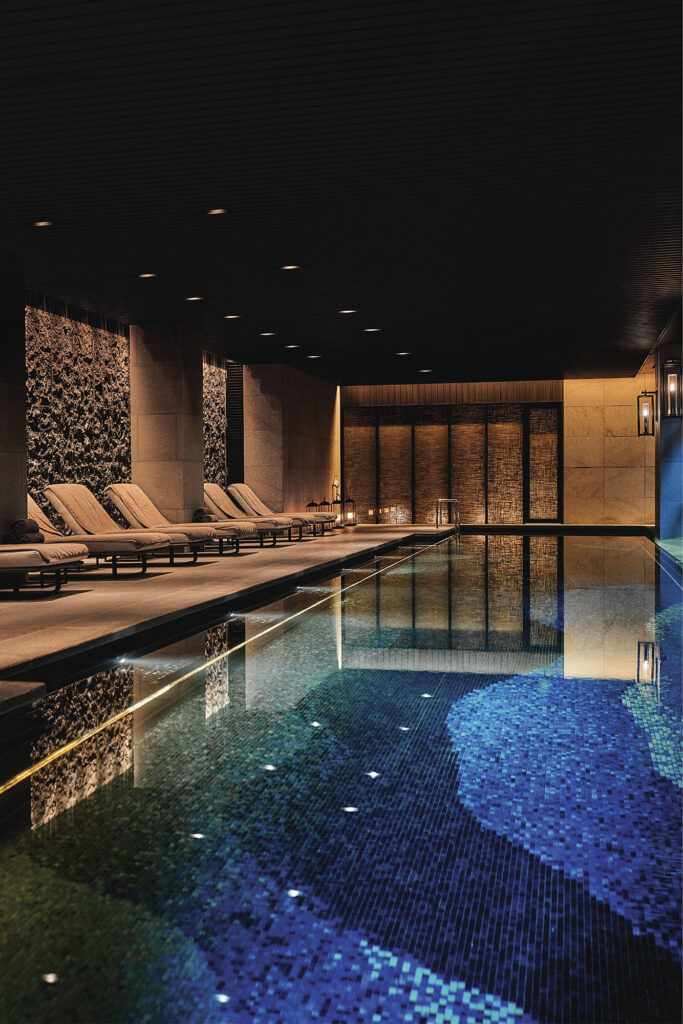
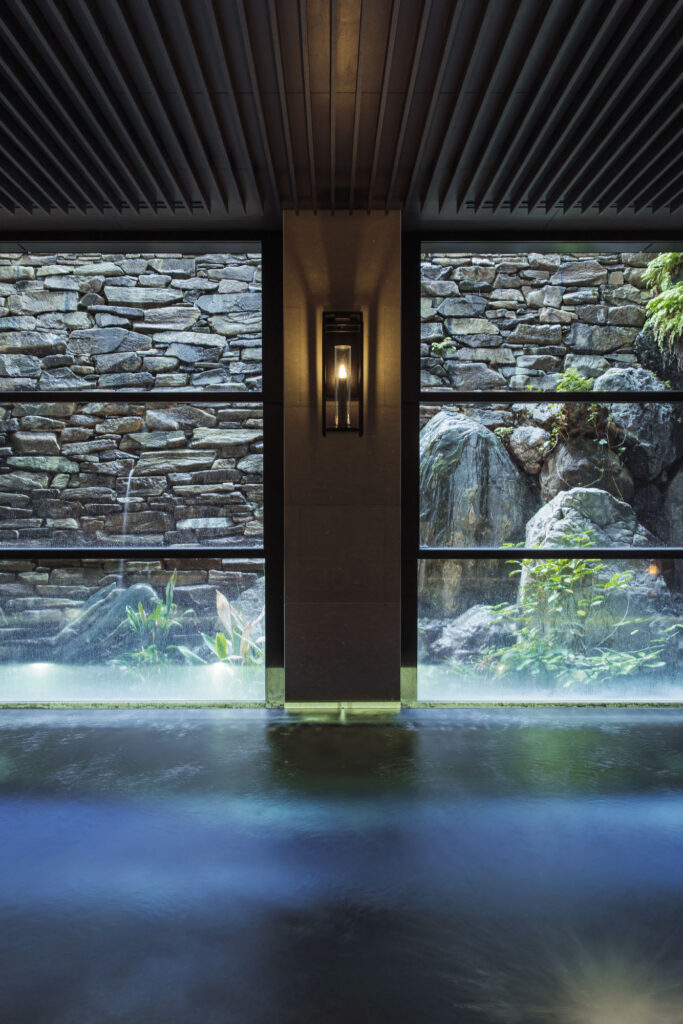
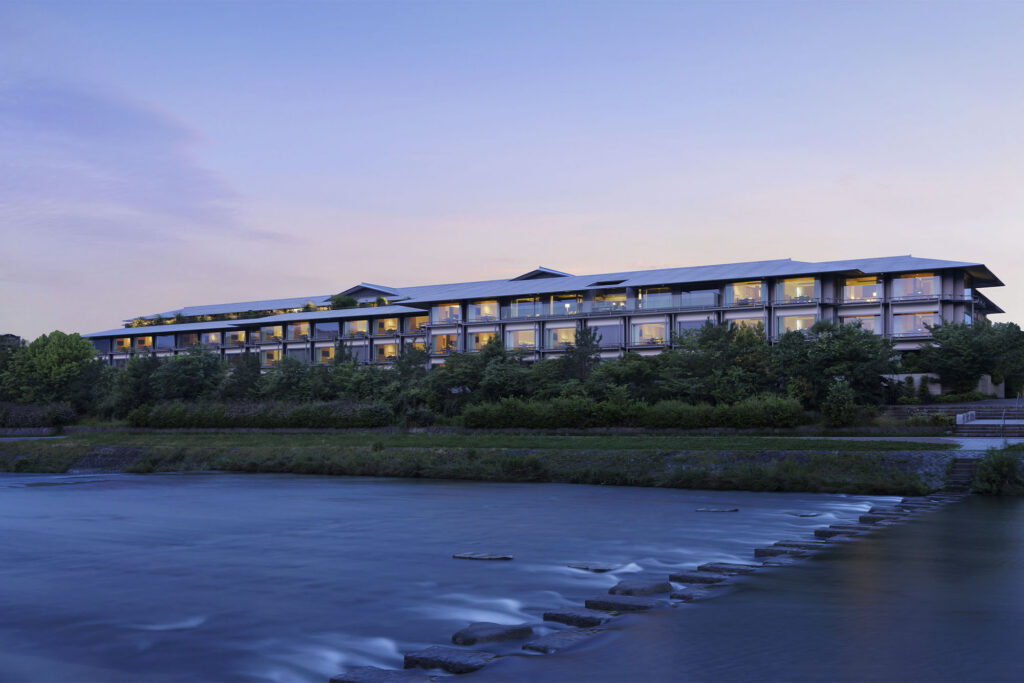
Kyoto changes the rhythm. There’s still a contemporary city at work, but its lanes and traditional architecture invite a slower pace that you notice immediately. Give the first afternoon to walking rather than another appointment. The Ritz-Carlton, Kyoto is the most calming and relaxing hotel I’ve ever stayed in. Set beside the Kamogawa River, it seems to take its rhythm from the water, with architecture that brings traditional Japanese design into a quietly contemporary setting. An extensive art collection rewards a slower pace through the hotel, giving you reasons to pause when you’d ordinarily be heading somewhere. Together, the setting, spaces and artworks create an extraordinary sense of ease. On a trip with so much to see and do, returning here became a pleasure in itself.
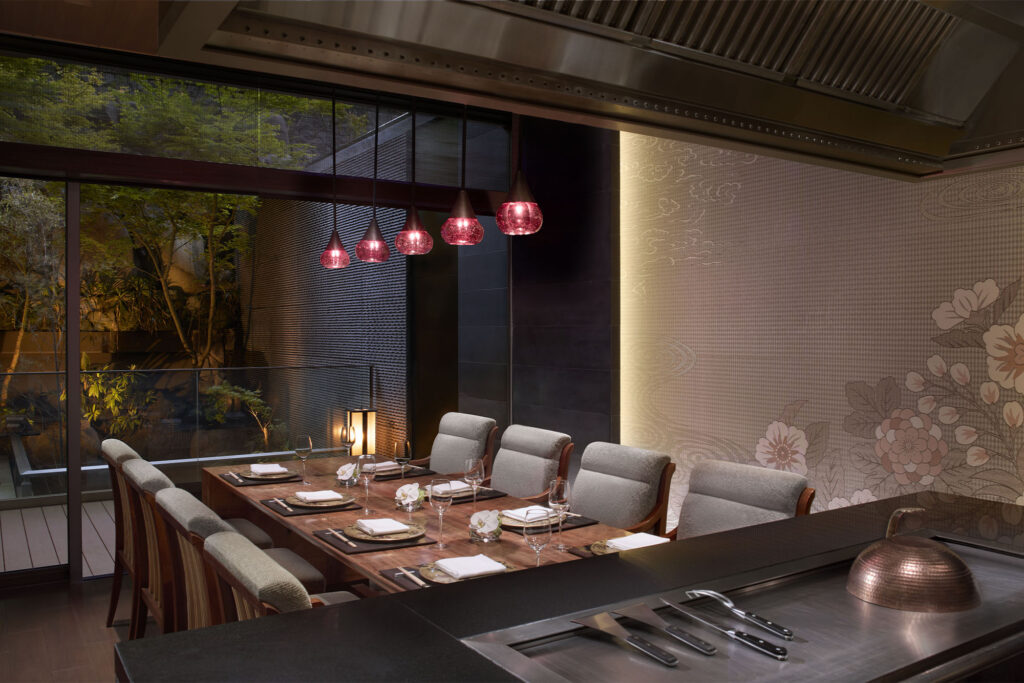
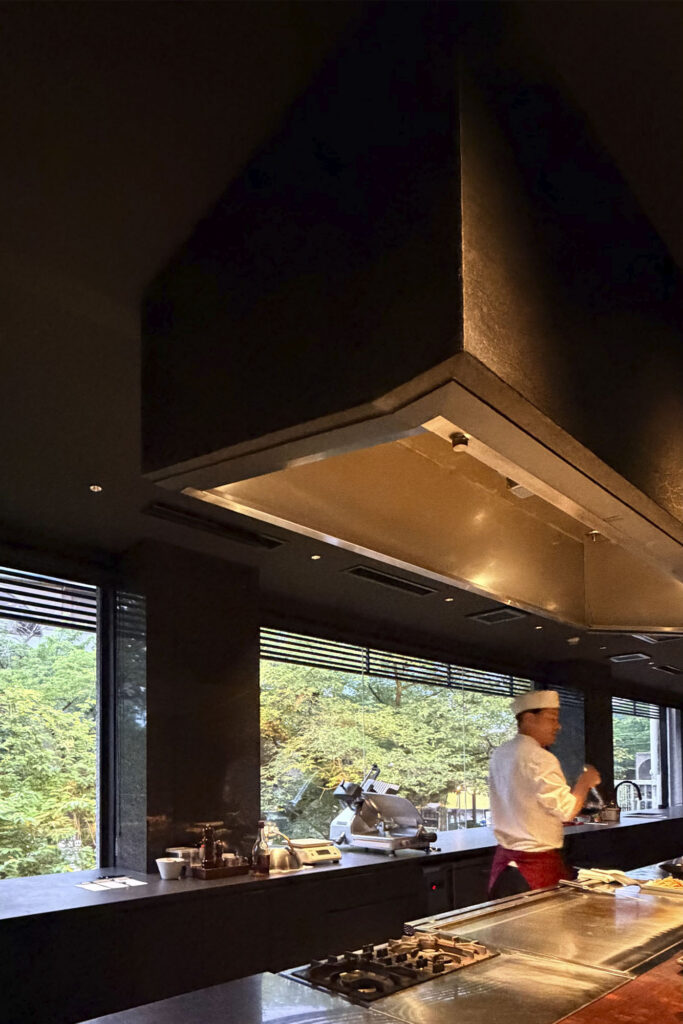
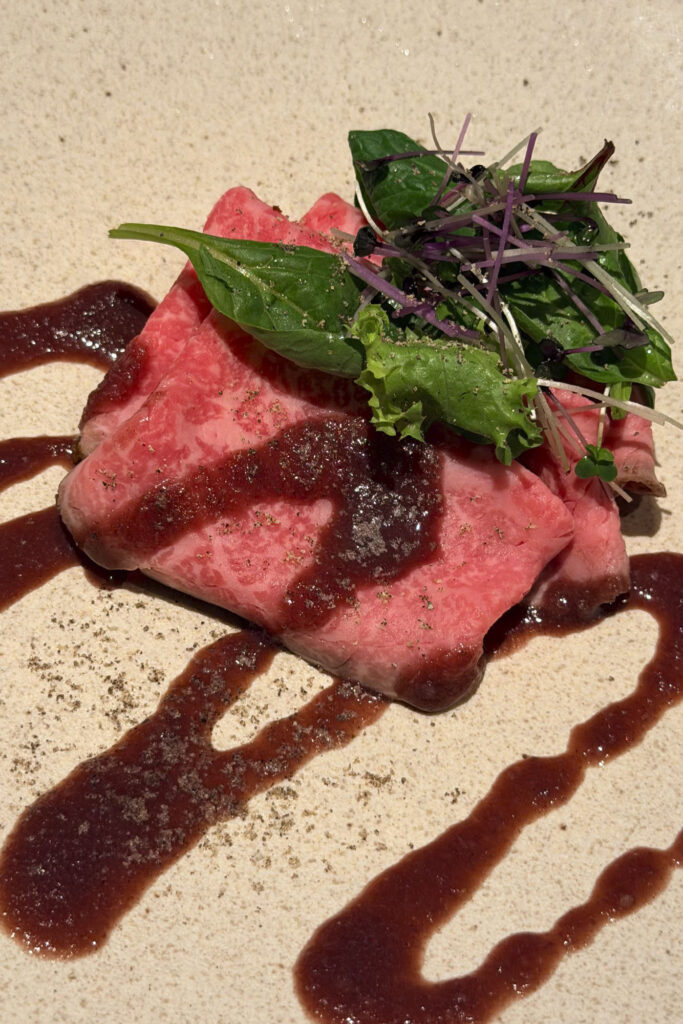
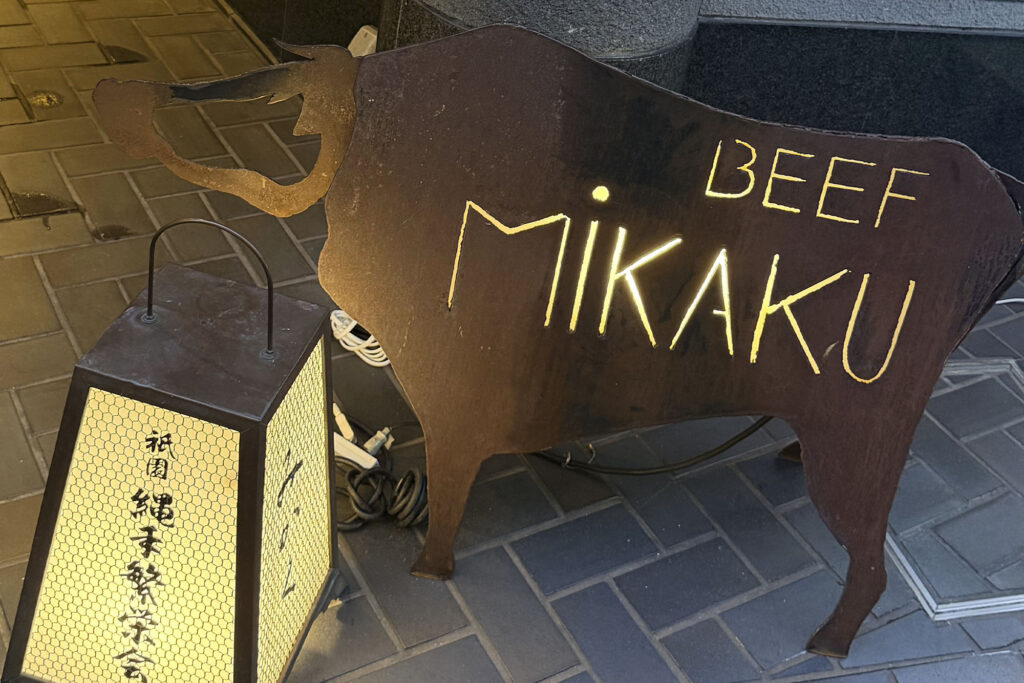
On the recommendation of the concierge, we had dinner at Gion Mikaku. Overlooking the Shirakawa River from the second floor, with a view of treetops, the restaurant is a mind-bending change of pace from the streets below. Mikaku serves teppanyaki beef prepared in front of you and the variety and selection is fantastic. Watching a skilled chef work is its own entertainment and a fantastic experience for a near-adult teen.
Day Five: Make Something, Learn Something
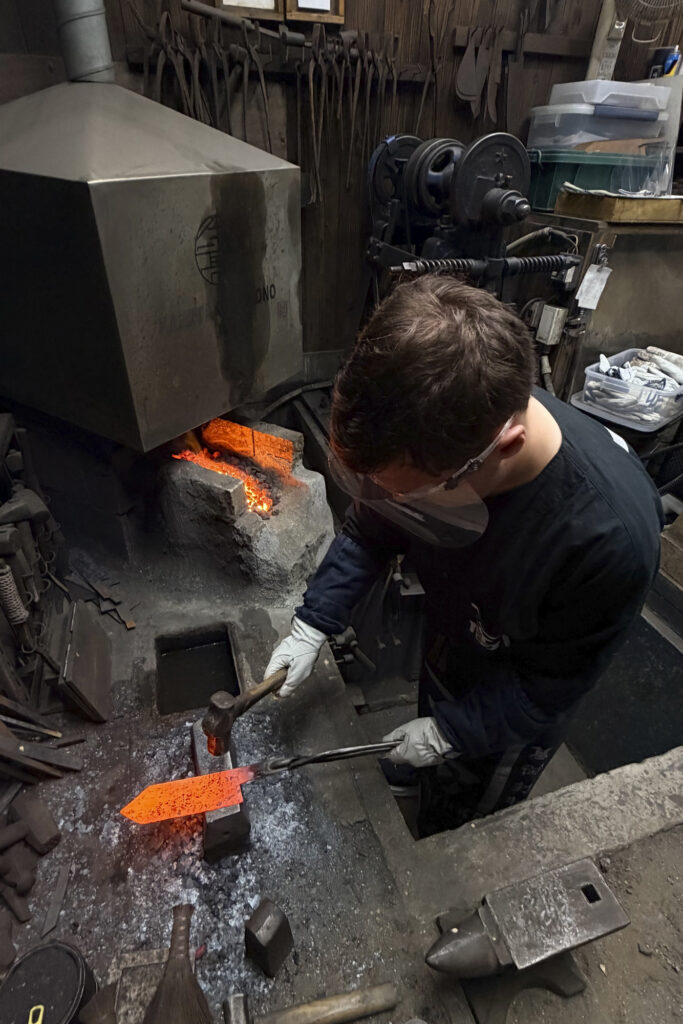
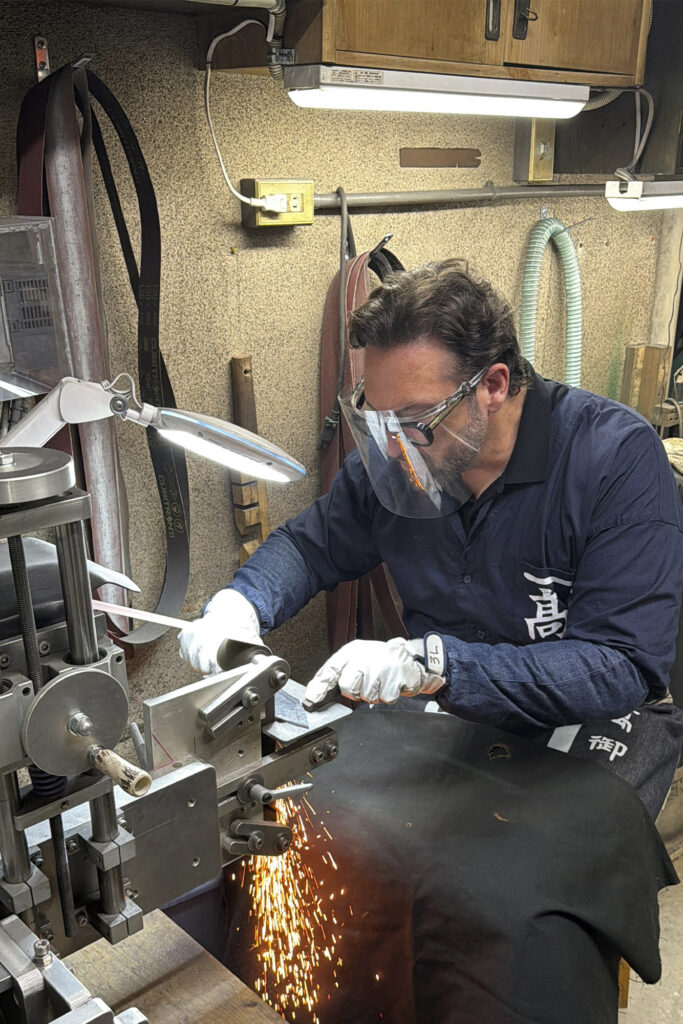
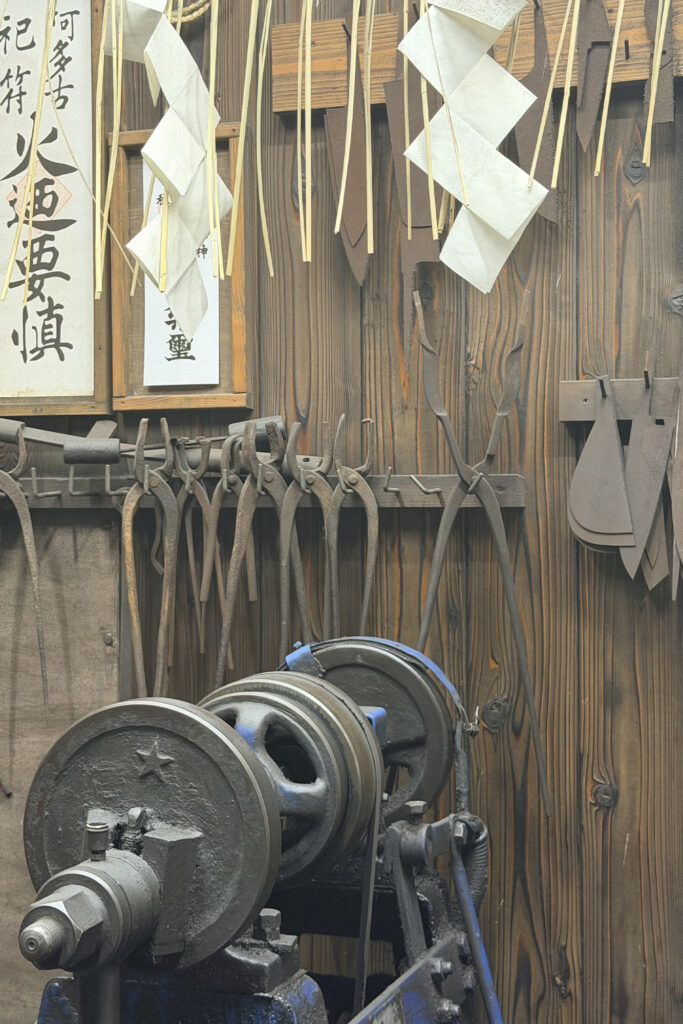
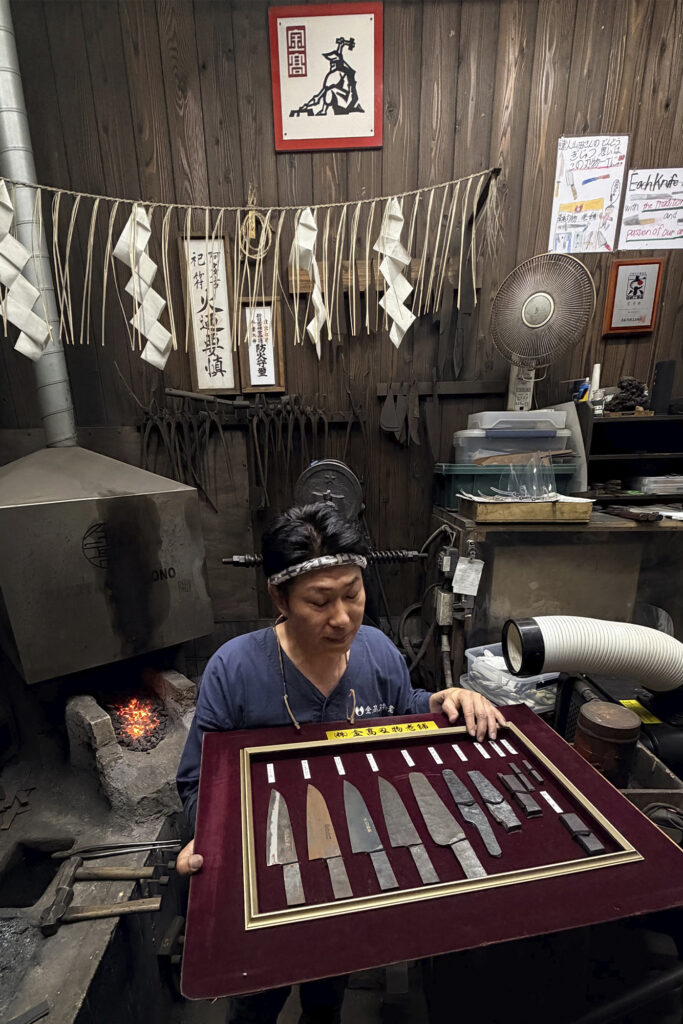
At Kanetaka Hamono, knife-making brings Japanese craftsmanship within reach of your own hands. Seven generations of master knife-makers, preceded by twenty-two generations of katana blacksmiths. Wow. Under expert guidance, forging a blade reveals the work behind an object most of us use without much thought. It’s an absorbing experience to share: in the pit, steel in the forge, hammering over and over again under the watchful eye of the master. Then came grinding the steel to nearly its final shape and selecting handles and inscription details. This is the experience that will be most memorable for me and we both received expertly finished Japanese kitchen knives in the mail about a month later.
The Samurai and Ninja Museum adds historical context to the swords and warriors familiar from popular culture. At first it reads very touristy, which it is, but the museum is several floors of very well-done exhibits and an entire history of authentic samurai artifacts. Katana training brings another opportunity to participate, with attention to technique replacing the apparent ease of the screen version. This was actually a pretty intense hour of sword training made all the more enjoyable by traditional kimono, hakama and obi that we wore. Swords helped too.
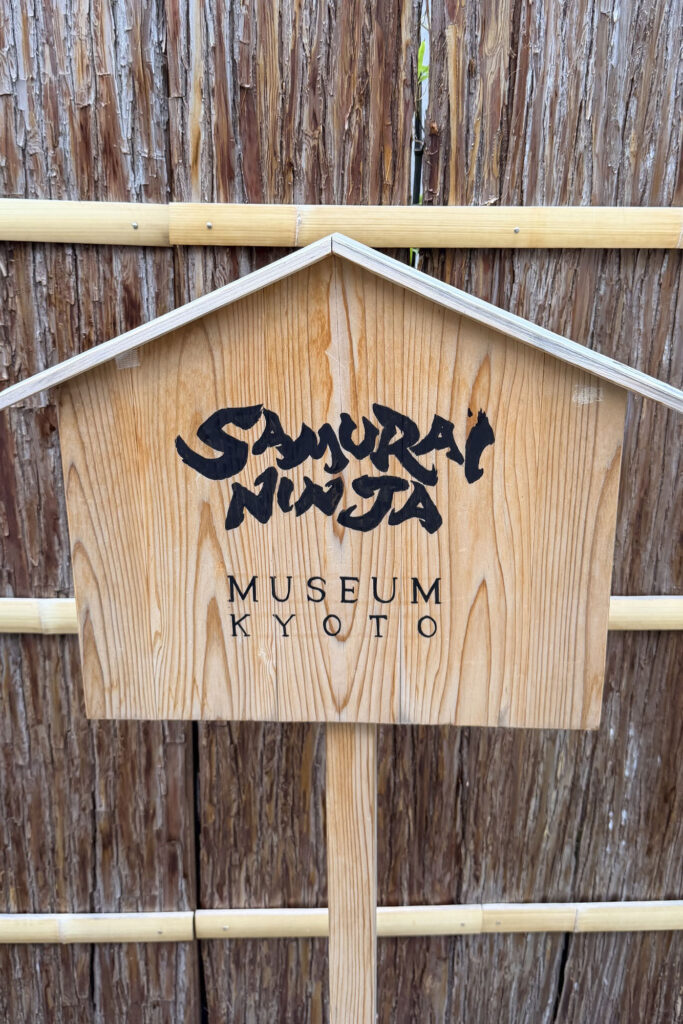
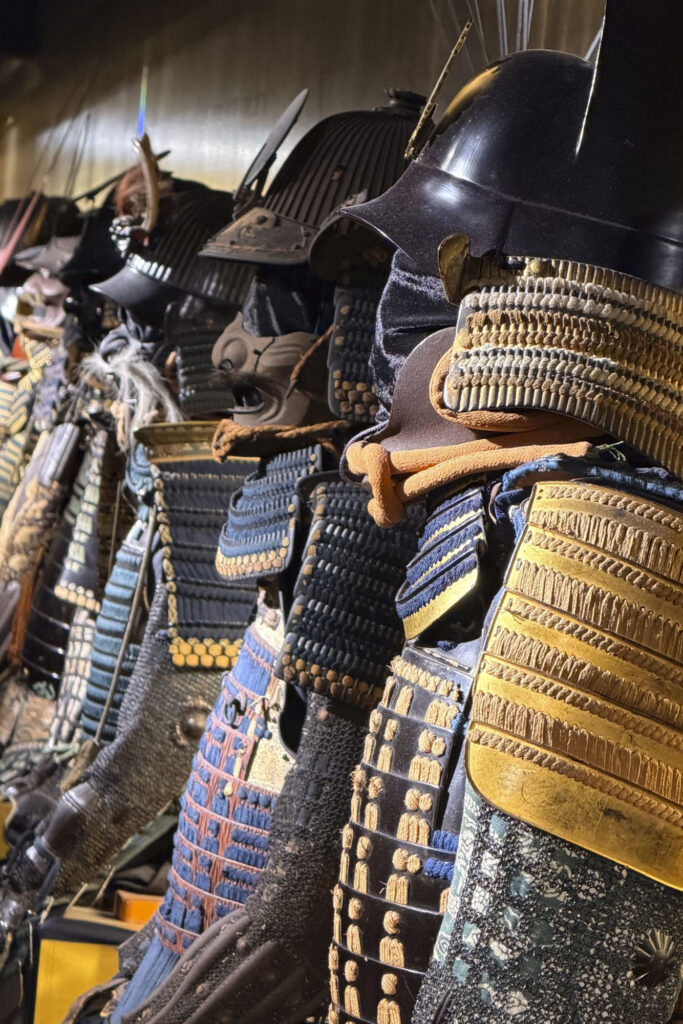
A day spent learning together has a different quality from a day spent sightseeing. You remember the effort as well as the result.
Day Six: Ancient Wood, New Worlds
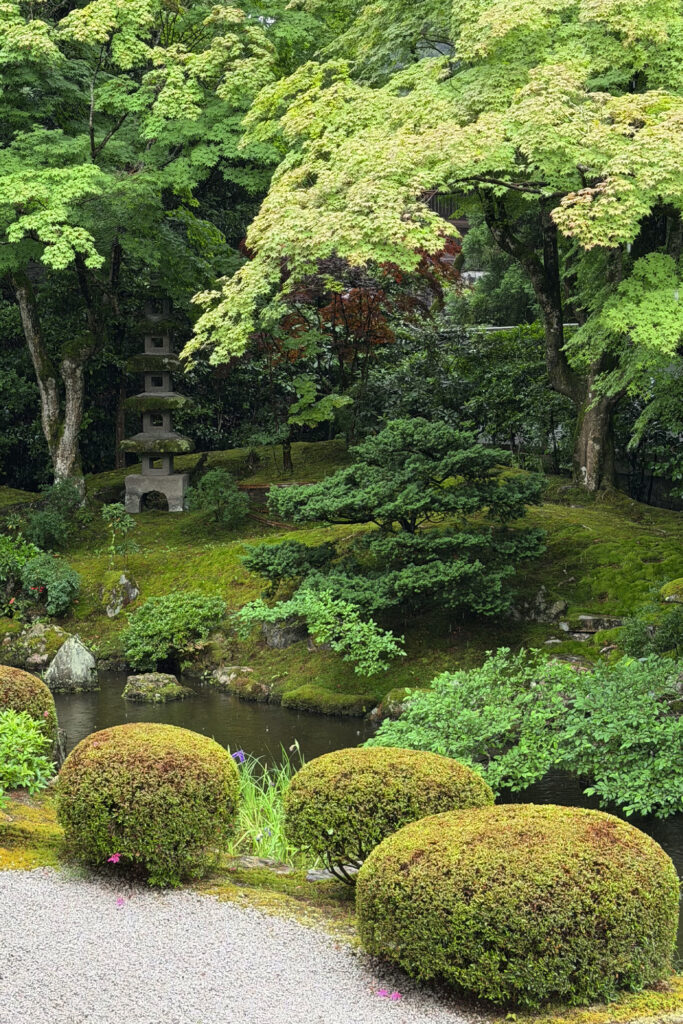
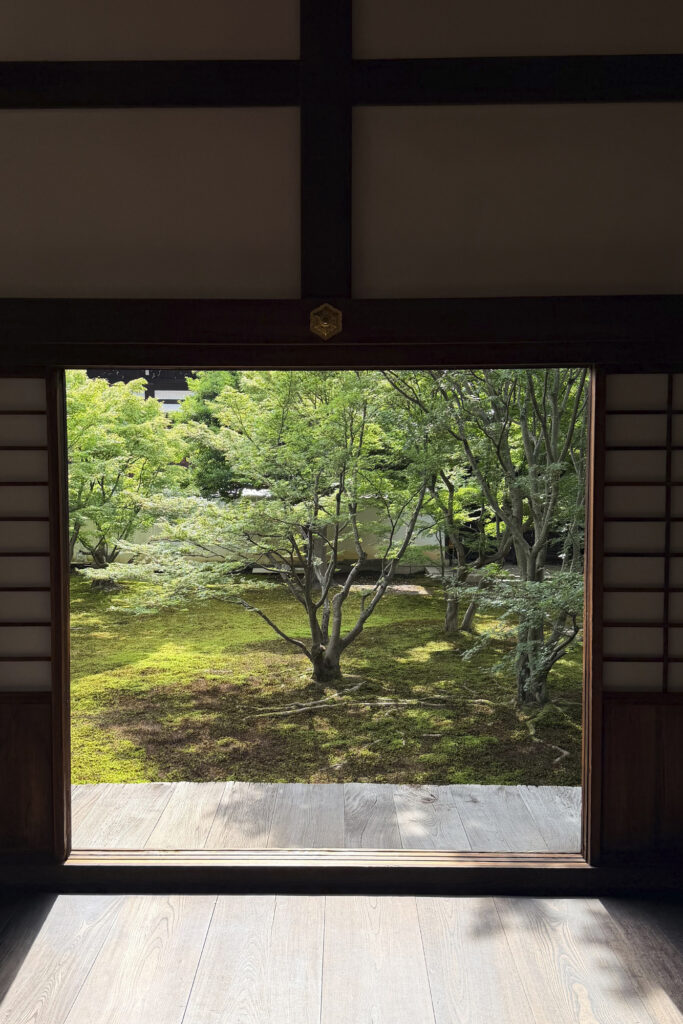
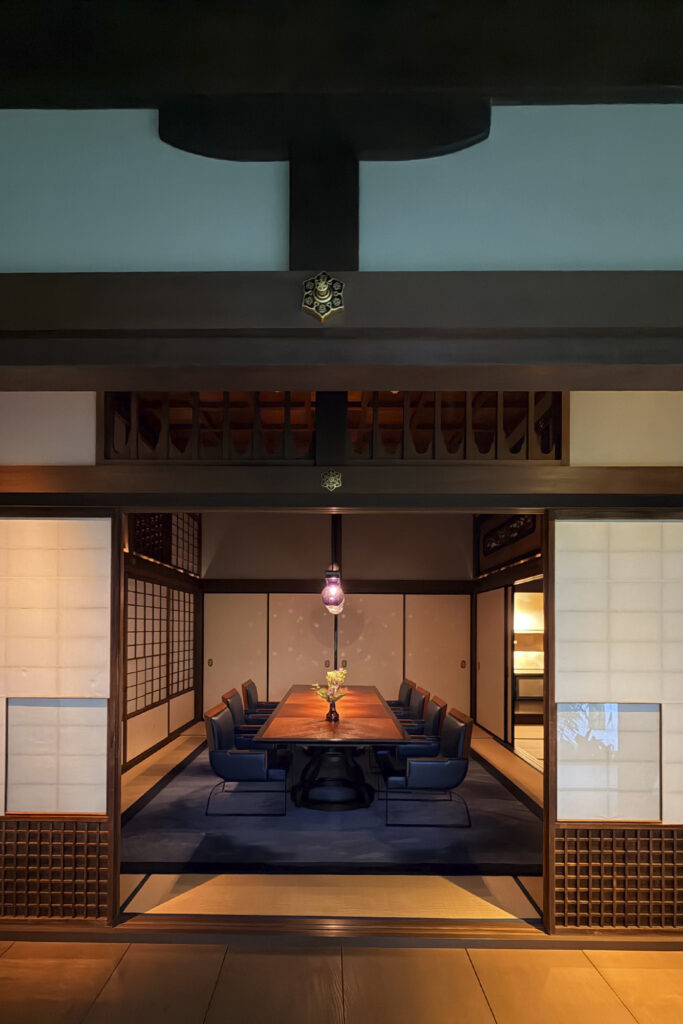
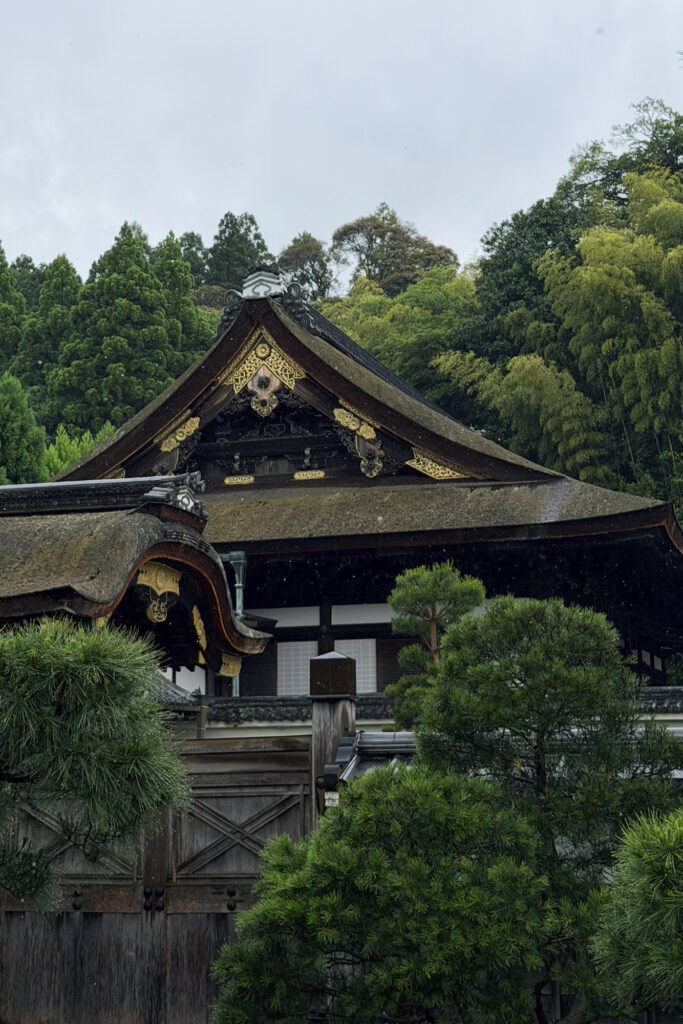
One of our most profound experiences came through the relationship between American Express and The Ritz-Carlton’s concierge team, who secured an exceptional private tour of Sennyu-ji, a temple with centuries-old ties to Japan’s imperial family. Joining in the chants brought a spiritual dimension to the visit that neither architecture nor history alone could convey. You might expect a 16-year-old to grow restless, particularly after the stimulation of Tokyo. Instead, my son seemed captivated by everything: the buildings, the imperial history, the solemn beauty of the grounds and, especially, the chanting ritual. It became one of his favourite experiences of the trip, and one of mine — a reminder to leave room in an itinerary for things you might never have guessed would move you both.
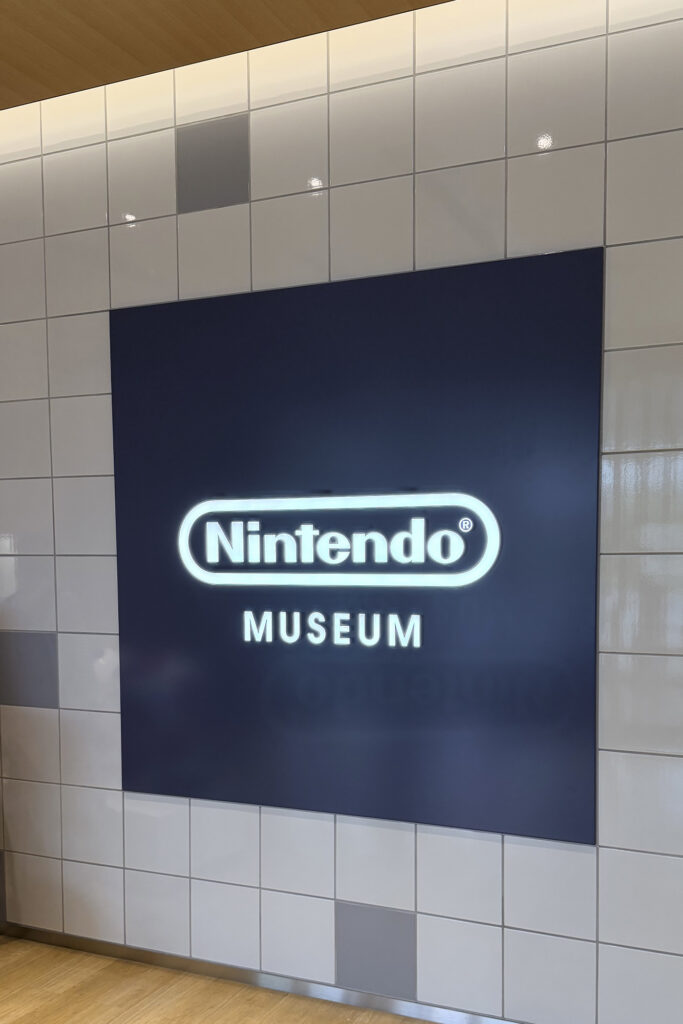
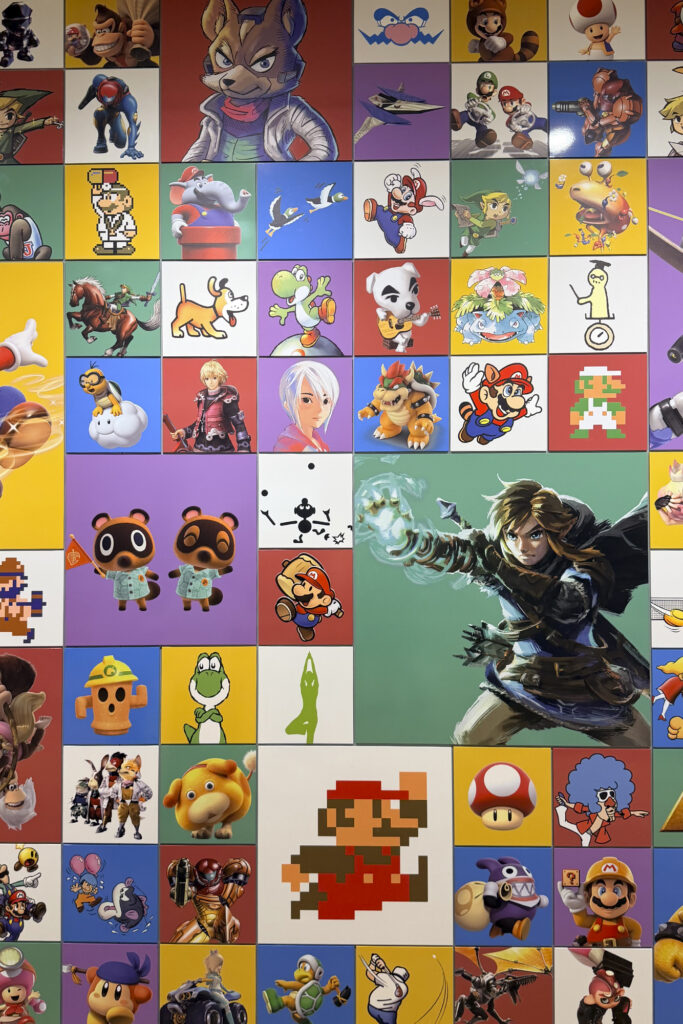
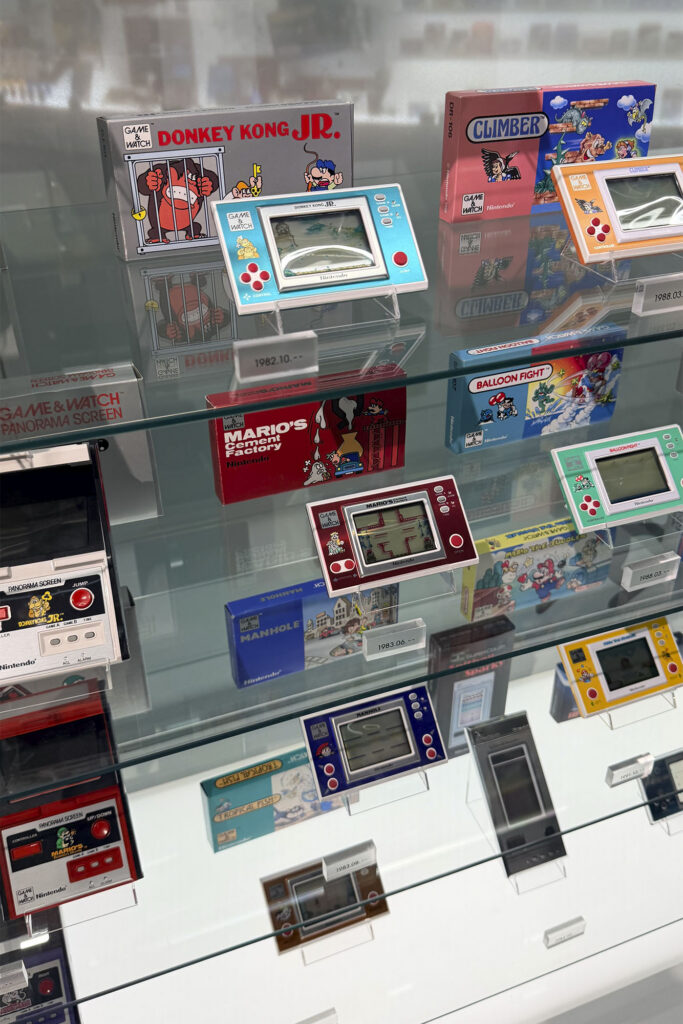
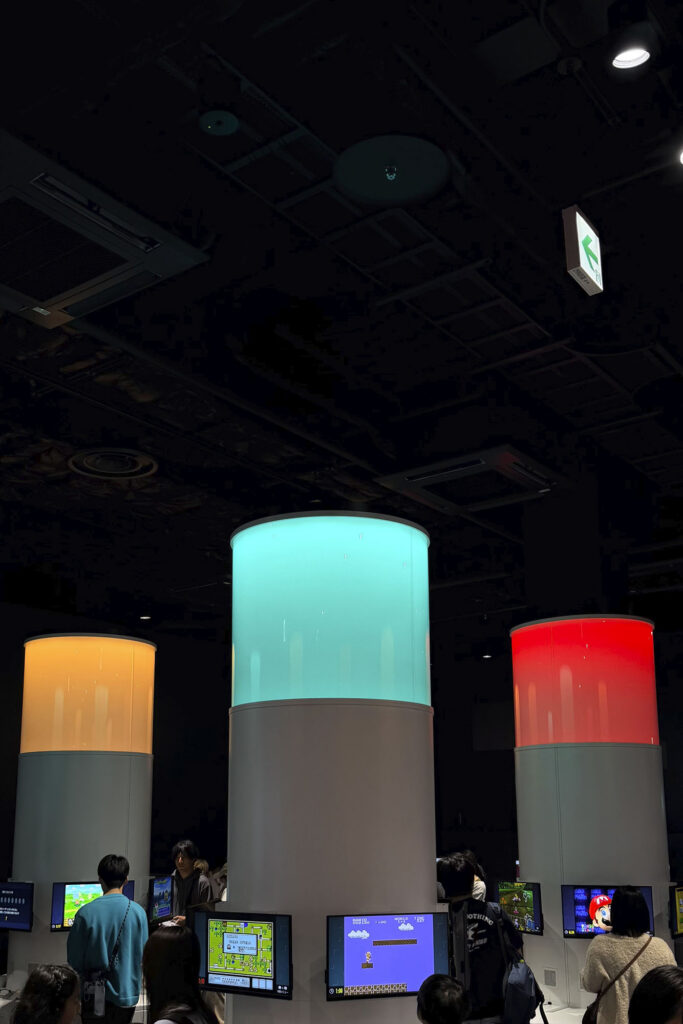
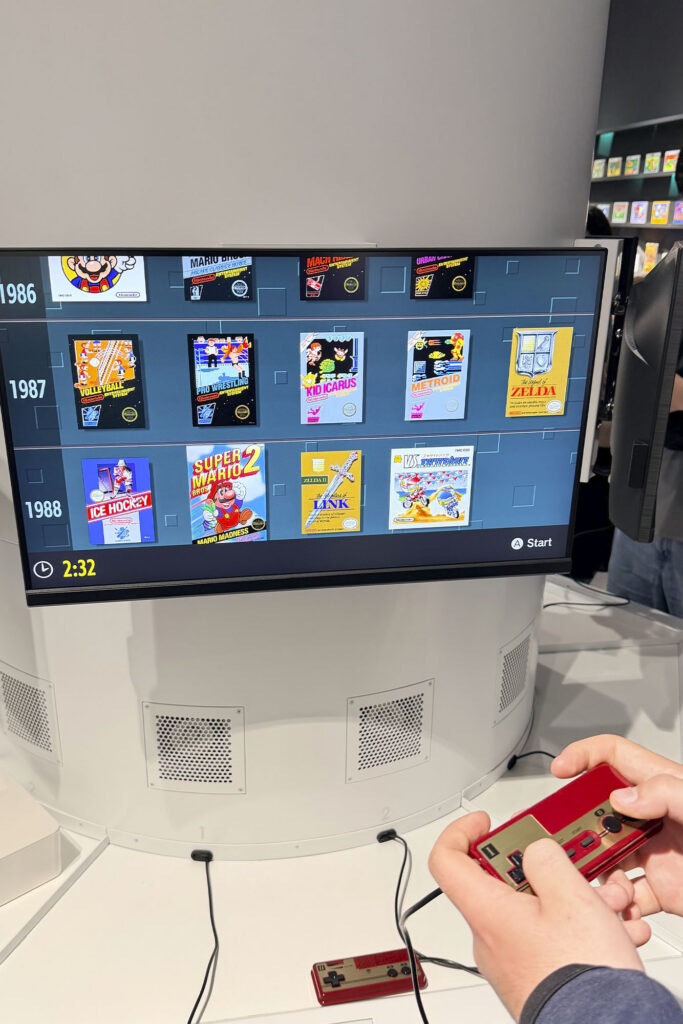
Perhaps the most important destination of our trip for my son was the Nintendo Museum (about 40 minutes from Kyoto), where my 16-year-old naturally assumed the role of tour guide. The extensive collection traces the company’s history through generations of games, consoles and unexpected curiosities, and he seemed to know the story behind almost everything. I was impressed by how much he could teach me about things that predated him by decades. Then we reached familiar territory: the Nintendo of my own youth in the ’80s and ’90s, when these games were new and an afternoon could disappear in front of the television. Suddenly, we were comparing memories and knowledge across generations. It’s a particularly good stop on a father-son itinerary: somewhere his enthusiasm and my nostalgia could meet, with plenty for both of us to discover. Gift shop is awesome, and the burger at Hatena Burger Café is good too.
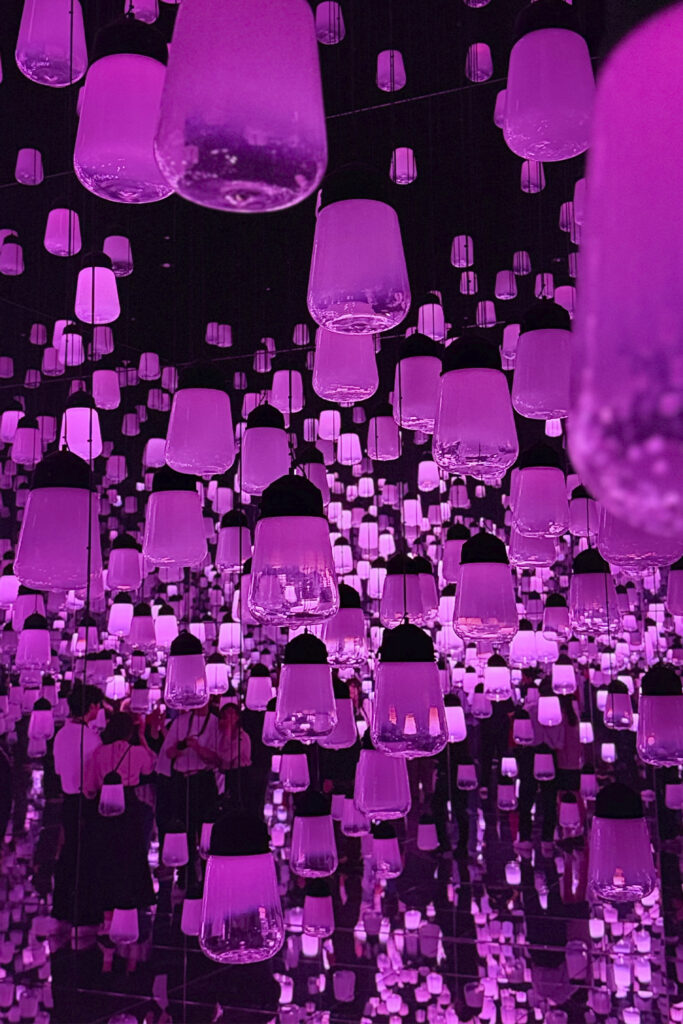
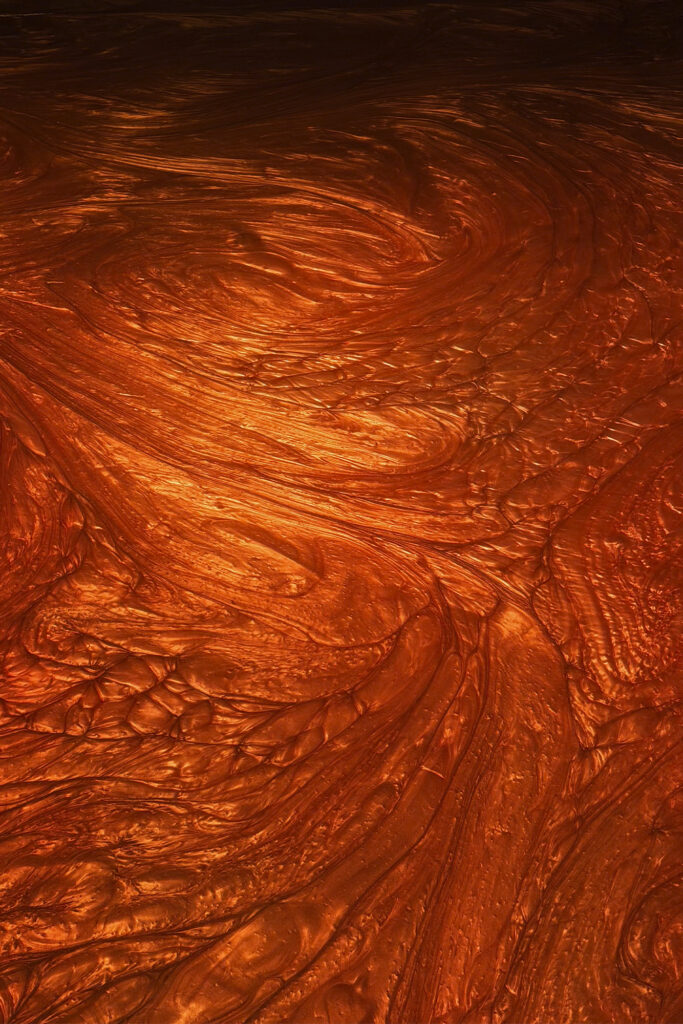
We finished our time in Kyoto at teamLab Biovortex Kyoto, where immersive artworks draw visitors into environments of light, movement and shifting perception. After days of appreciating objects and places, here’s somewhere to become part of the experience. Leave yourself a few hours to see all the spaces and truly experience them. I’ve never seen anything like it.
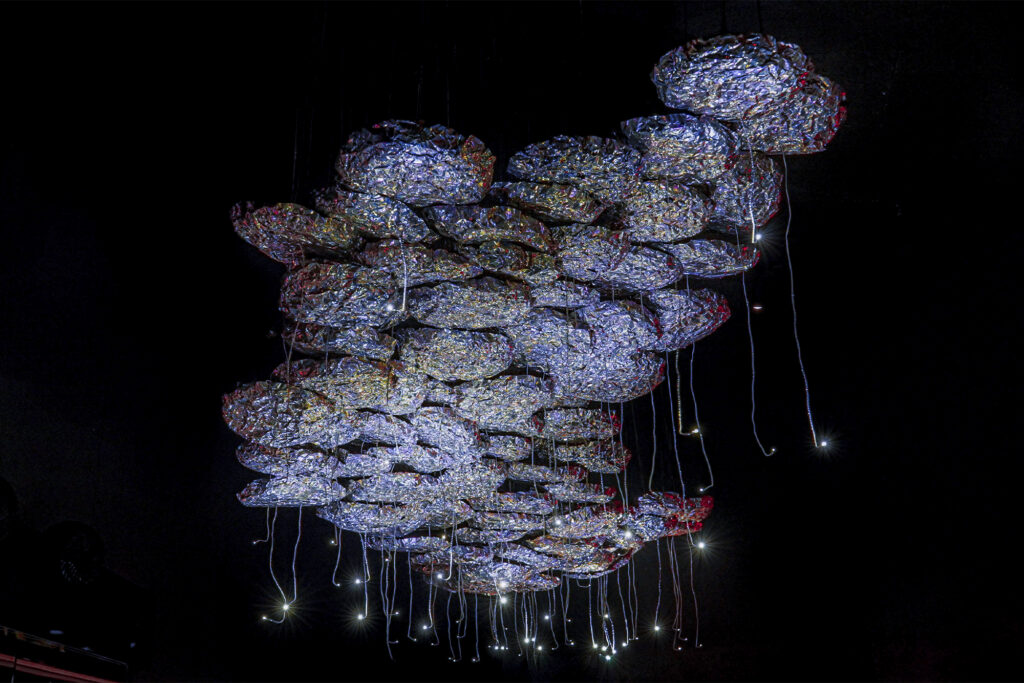
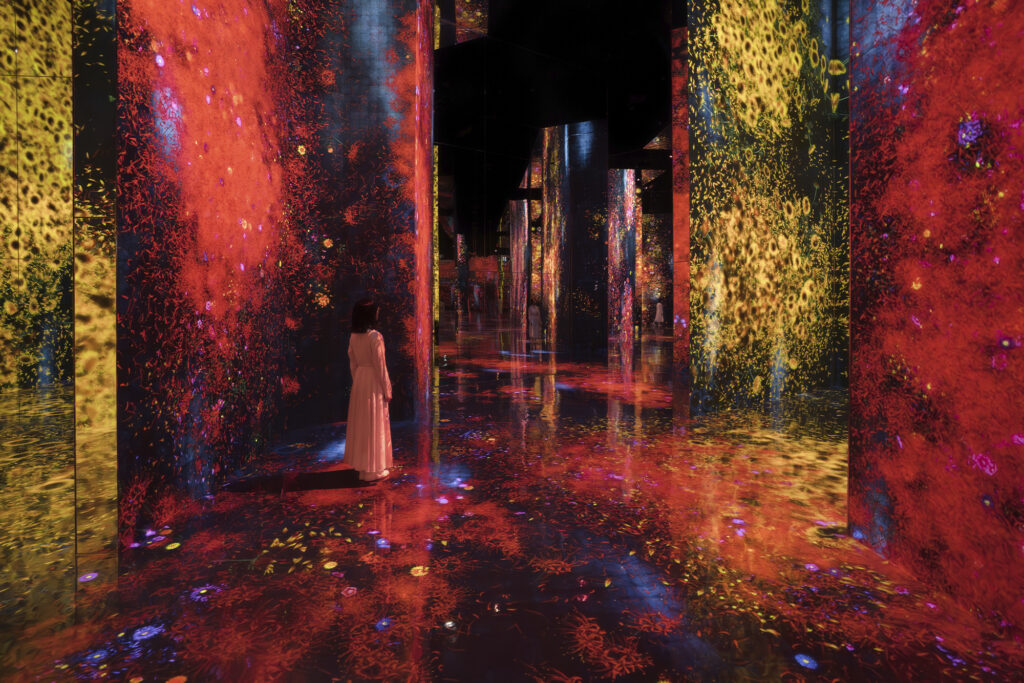
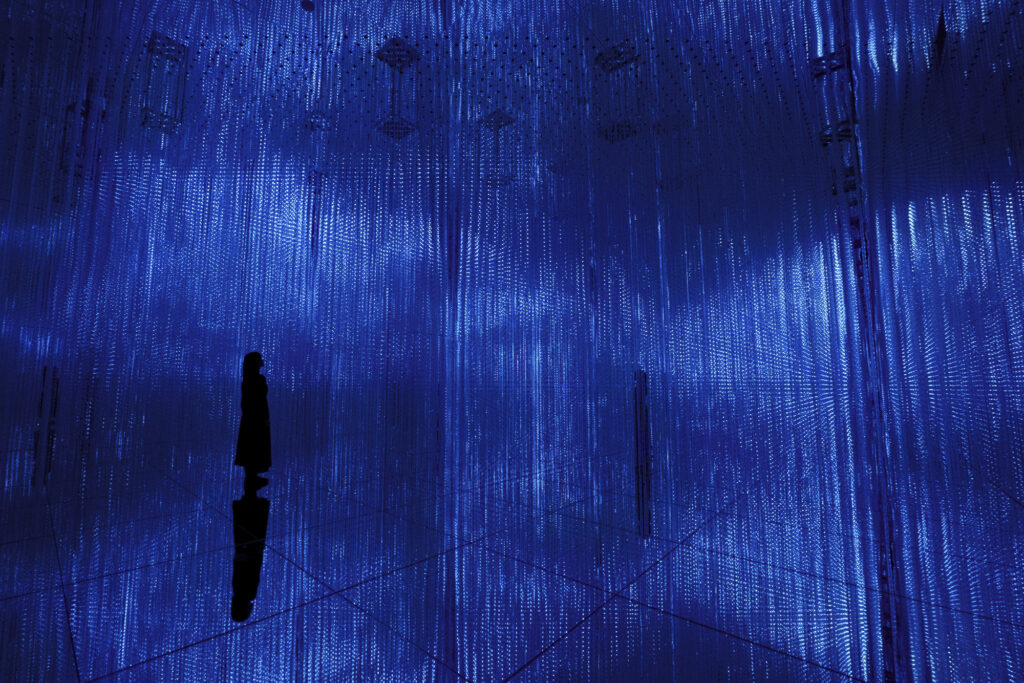
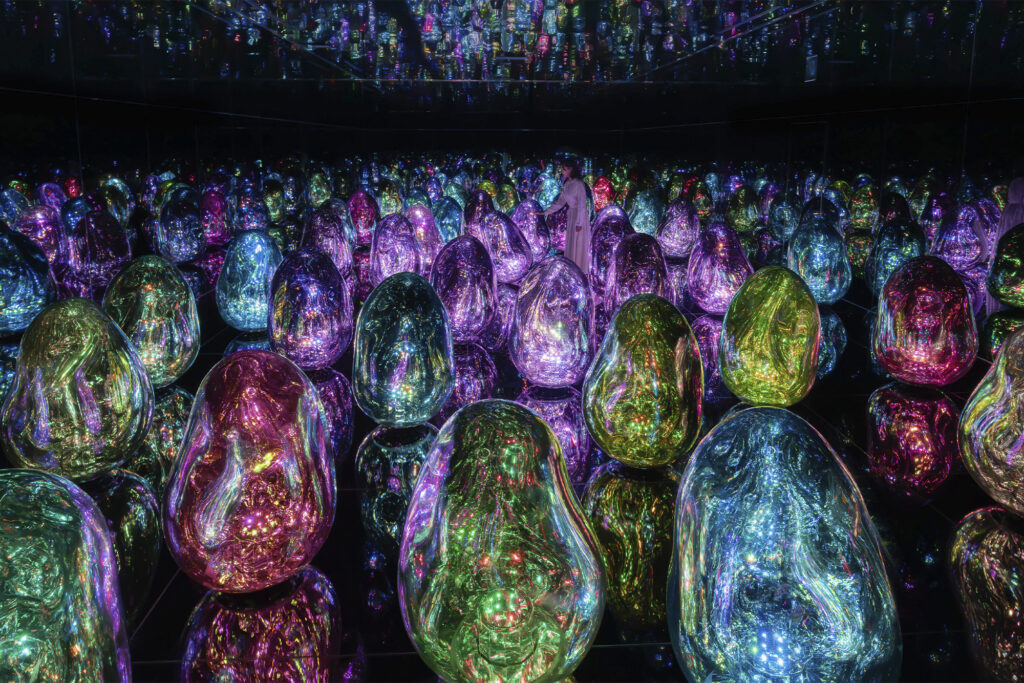
Japan gives a father and son plenty to talk about, and plenty to discover about each other. It also makes a six-day itinerary feel wonderfully inadequate. We’d come for a trip of a lifetime. We left knowing there were more of those waiting here in this country of virtually unlimited enthusiasm and imagination.
The American Express Platinum Card Experience
A memorable trip starts well before boarding. Thanks to my American Express Platinum Card benefits, the most valuable assistance was personal. The 24/7 Platinum Concierge can help with restaurant reservations and experiences; our visit to Sennyu-ji Temple in Kyoto and the Sumo training experience, both among the trip’s most meaningful moments, were made possible by support from Amex.
Hotel benefits add another layer. Eligible Fine Hotels + Resorts bookings include daily breakfast for two, guaranteed 4 p.m. checkout, upgrades and noon check-in when available, plus a property-specific benefit.
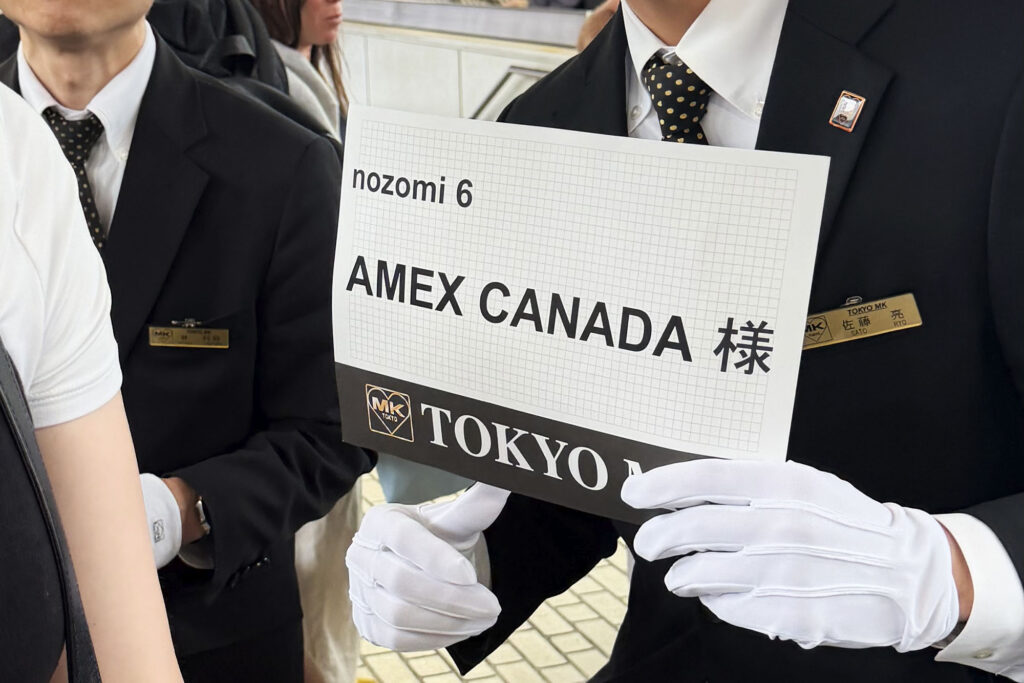
At Toronto Pearson, benefits include priority security access. Abroad, access to more than 1,550 airport lounges includes Japan’s first Centurion Lounge at Haneda, where Japanese art, locally inspired dining and private meditation booths extended our experience until departure.
Other practical advantages include two Membership Rewards points per dollar on eligible travel purchases, up to a $100 CAD NEXUS application or renewal credit every four years, and travel insurance covering eligible medical emergencies, cancellations, interruptions, flight delays and baggage delays. Benefits are subject to applicable eligibility, enrolment, booking and insurance terms. Together, they make a compelling case for keeping Platinum close throughout the journey.
FEATURE PHOTO BY F11PHOTO/ADOBE.