Formula E is the world’s fastest growing motorsport, and for good reason — the racing is thrilling and unpredictable; the cars are state-of-the-art, with the acceleration off the start-line enough to take your breath away; the drivers are elite, and elements like Attack Mode and Pit Boost add to the strategy of it all.
The all-electric series is also setting new benchmarks off-track — having reimagined fun with its fan zones; top echelon hospitality with its Emotion Club, and sustainability, with superb initiatives like its Better Futures Fund that sees a €25,000 (almost C$47,000) grant allocated to a local charity in each of its ten race markets.

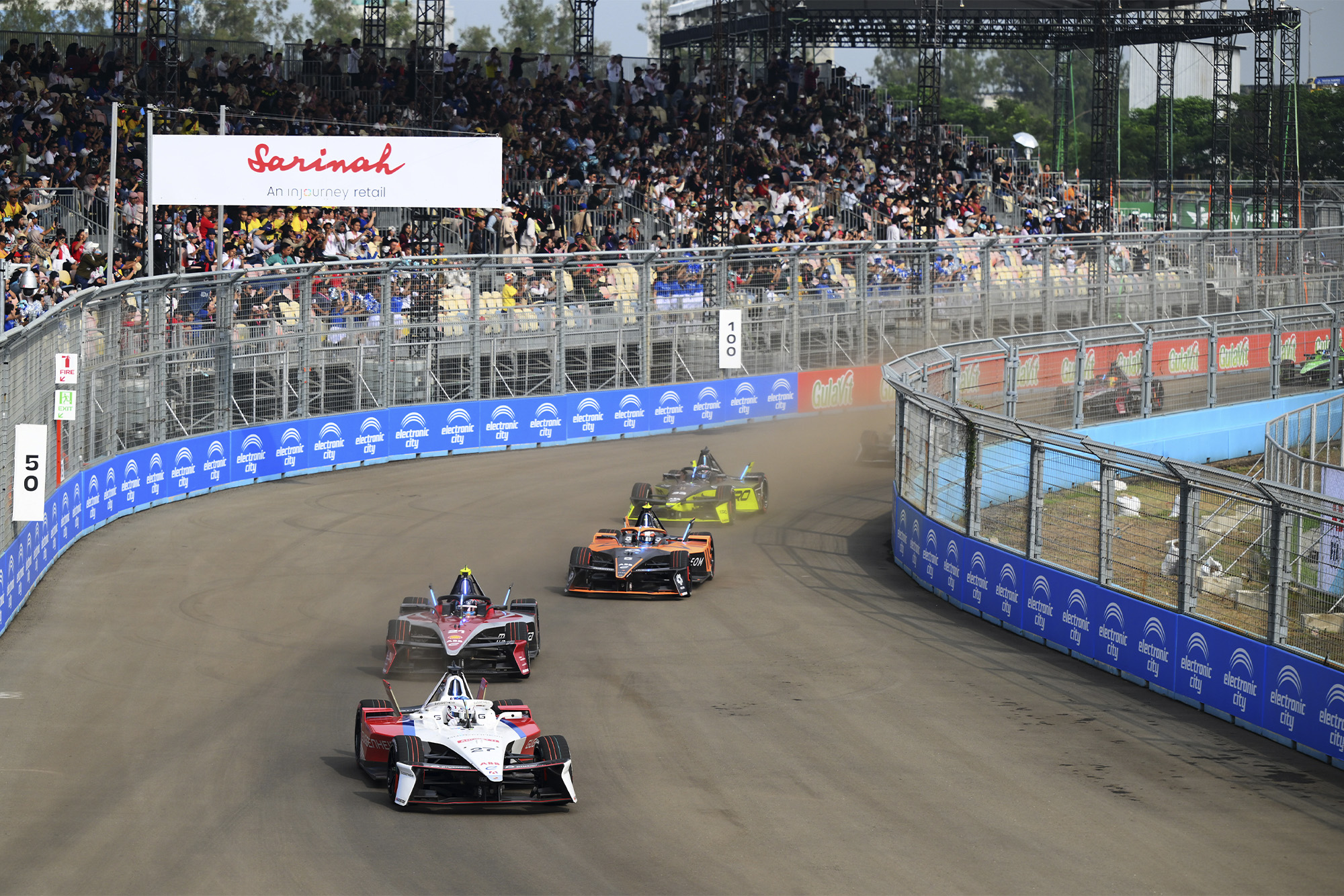
The major automotive manufacturers have, naturally, flocked to the series – given their focus on electric vehicles, with six on the Formula E grid in Nissan, Porsche, Stellantis (via its DS and Maserati brands), Jaguar, Mahindra, and Lola-Yamaha. And it’s easy to see why they’ve joined, especially with such great people driving the sport.
People like CEO Jeff Dodds, who understands Formula E is ahead of the curve.
“If you look at where we are today, compared to when we were launched, there were 300,000 electric vehicles sold in the world that year,” says Dodds, referring to 2014.
“We’re really proud of the number of manufacturers that see [Formula E] as an R&D platform for developing next-gen tech.”
CEO Jeff Dodds
“This year, it’ll be probably between 15 and 20 million [electric vehicles] sold and we’re riding that wave of the energy transition. So we want to be right at the cutting-edge of seeing us move with from a predominantly internal combustion engine car market to a predominantly electric car market.”
Automotive manufacturers also flock to Formula E for the rugged environment, in which they can test and develop their state-of-the-art tech at speeds of over 300km/h in a bid to create real-world solutions for their road-going counterparts.
“If you look at manufacturers in motorsport, Indycar has two today, NASCAR has three, Formula One has four, while we have six invested in this championship, and five of those six are already signed up for Gen 4 (2026-27 technical regulations), the next generation of car, which is a year and a half away,” Dodds says.

“So first thing I’d say is we’re really proud of the number of manufacturers that see this as an R&D platform for developing next-gen tech. There are, if you go up-and-down the paddock here, lots of legitimate examples of where technology is developed in this championship that makes its way into road cars.”
Dodds, one of the most passionate men in racing, especially about his own series, isn’t shy when it comes to showcasing how manufacturers can leverage their involvement in Formula E, in terms of technology transfer.
“Jaguar have some brilliant examples,” Dodds says. “So Jaguar had an example where they learnt something on the track about the way the power train works with the battery to deliver efficiency, and they were able to transfer that into their I-Pace range of cars, and if you’re an I-Pace owner and you went to bed, there was a software upgrade, and you woke up and had an extra 35 km of range available to you through a software upgrade they did from something they learn in the championship.”
“There’s no limitation to updates software — we can do whatever we like and make the cars faster, more efficient; we make them better controlled — and that’s absolutely relevant for the future of EV.”
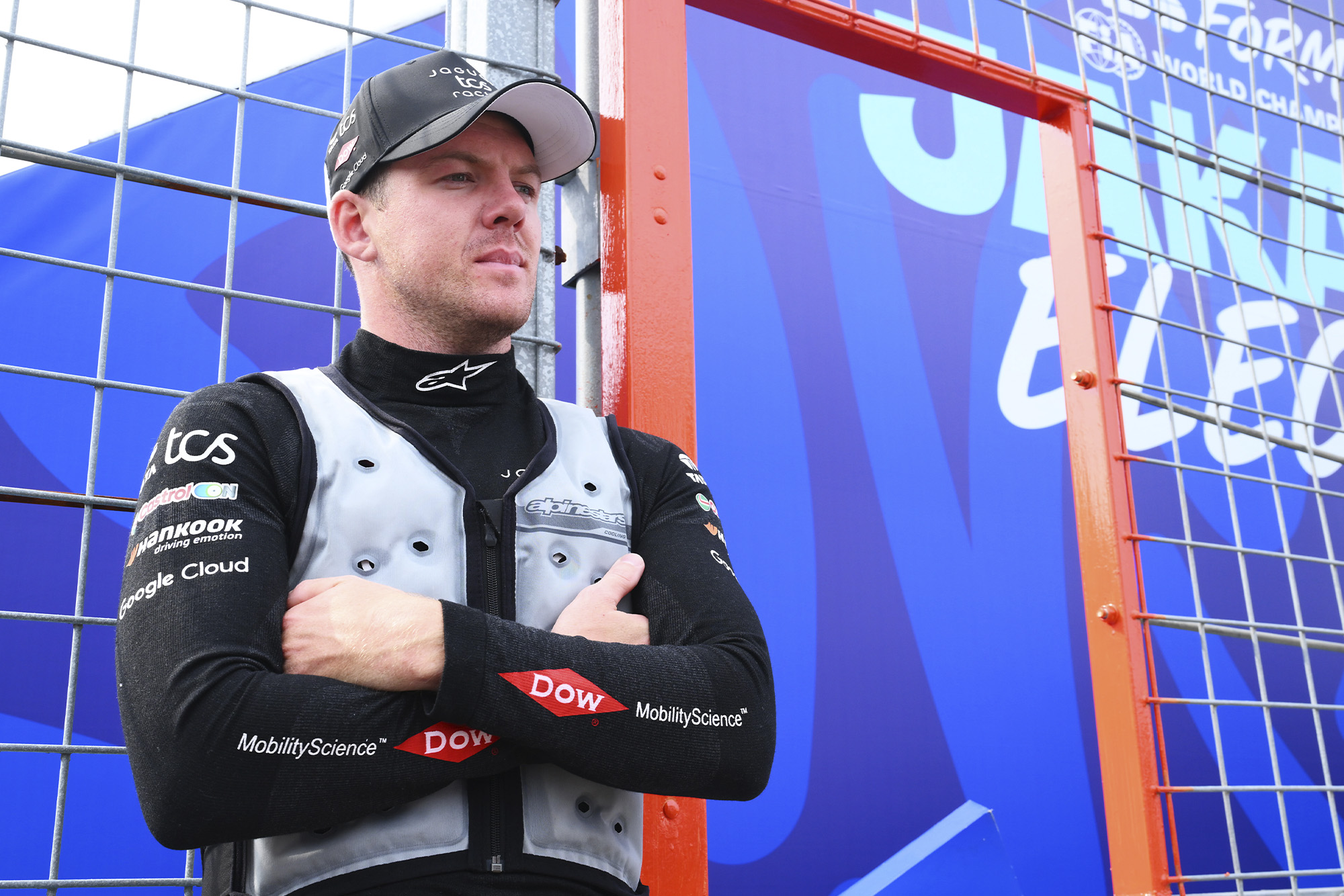
Jaguar Team Director James Barclay.
Speak directly to Jaguar, though, which is the reigning Formula E World Teams Champion, and a two-time manufacturer champion — and the importance of having that rugged test bed for engineering is crucial, along with the halo effect from global promotion.
“Now what we have seen since we’ve been involved since 2016, is that the technology we’re developing here to make the cars more competitive — that is basically driving efficiency, because we can’t make them more powerful as you have a power limit, so this is about making the cars more efficient and having better control, which is really relevant to the future of EVs,” says Jaguar Team Director James Barclay.
“Things like Silicon carbide (SiC), we pioneered here, we use the SiC in our inverters and it was first used here. And then four years later, we announced every future JLRV vehicle will use SiC in their inverters. We have demonstrated circularity with Castrol, we are the first ever team and manufacturer in Formula E to re-refine our oils that we use from gearbox oils, we refine them and re-use them without any performance loss.


“So there’s technology, there’s sustainability learnings, software, the speed at which we update these cars. There’s no limitation to updates software — we can do whatever we like and make the cars faster, more efficient; we make them better controlled — and that’s absolutely relevant for the future of EV.”
The technology transfer works in different ways, too, with Porsche even taking cues from Formula E’s sporting format for its road cars.
“So we have attack boost, attack mode here,” says Formula E CEO Jeff Dodds. “You now have an attack mode button in the new Porsche Taycan [Formula E’s Safety Car], which means you could unlock additional kilowatts from the car by pushing a button, which is something they took from the racing format here.”
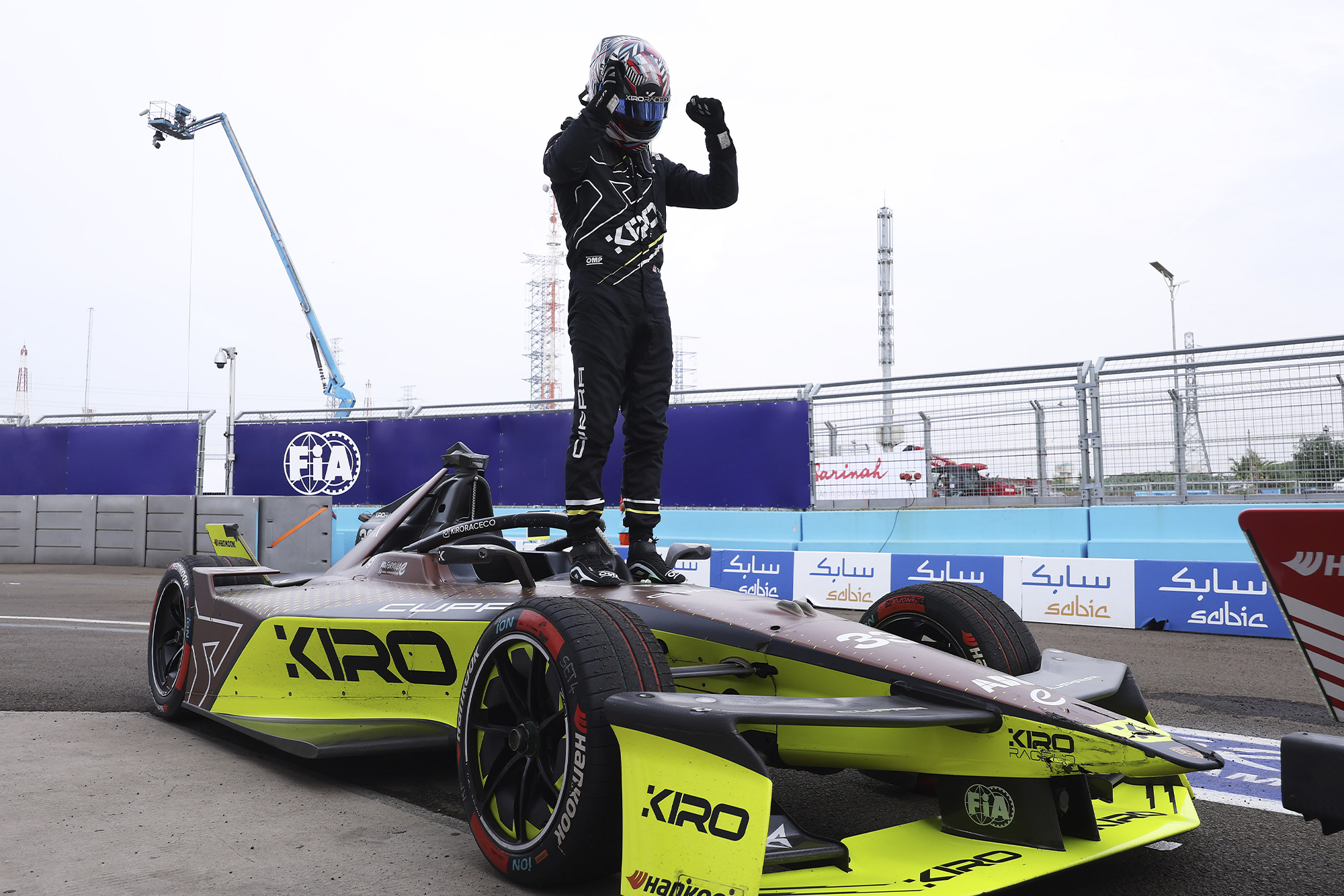

Formula E: Racing, Electrified

Formula E: Racing, Electrified
Formula E: Racing, Electrified
Formula E: Racing, Electrified
The success can have a huge halo effect, especially for a brand’s workforce and morale, like Nissan, which is fighting Porsche for the 2024-25 Teams Championship, with just 12 points between them after Indonesia’s Jakarta ePrix.
“Yeah, I mean, when we were there [in Japan], obviously we had a huge amount of support from Nissan, the fans, the people there,” says Nissan Formula E driver Oliver Rowland, who is on the cusp of a maiden World Championship — with a 69-point advantage over Porsche’s Pascal Wehrlein with two rounds to go. “It’s funny when I’m on a race weekend, I don’t tend to look too much at the comments, social media, all that sort of stuff. So I think we will realize it, should we achieve our goals and understand the magnitude that it would mean for the company, for their fans, for the Japanese people.”
The sport also has big plans for its future Gen 4 cars, which will hit the grid from 2026-27 (Season 13), and will be a huge challenge for all concerned. The Bridgestone-shod cars will have permanent four-wheel-drive; maximum power will double, with the cars going from 350kW to 600kW, while regeneration capability will grow to 700kW.


“I mean, so far on paper, it looks very promising and exciting,” said Maserati Formula E driver Stoffel Vandoorne. “Now we’ll obviously have to see, once the cars get to track, what that’s going look like, first of all, and how fast they’re going to be.
“But from simulations that we’ve been doing, it’s a massive step up, which is going to be very exciting for us. That’s going to be a big step forwards for the championship, but also for us drivers. It’s going to get a lot more exciting.”
It all means Formula E will be the series to watch as the world falls more and more in love with EVs, both on the road — and on the track.