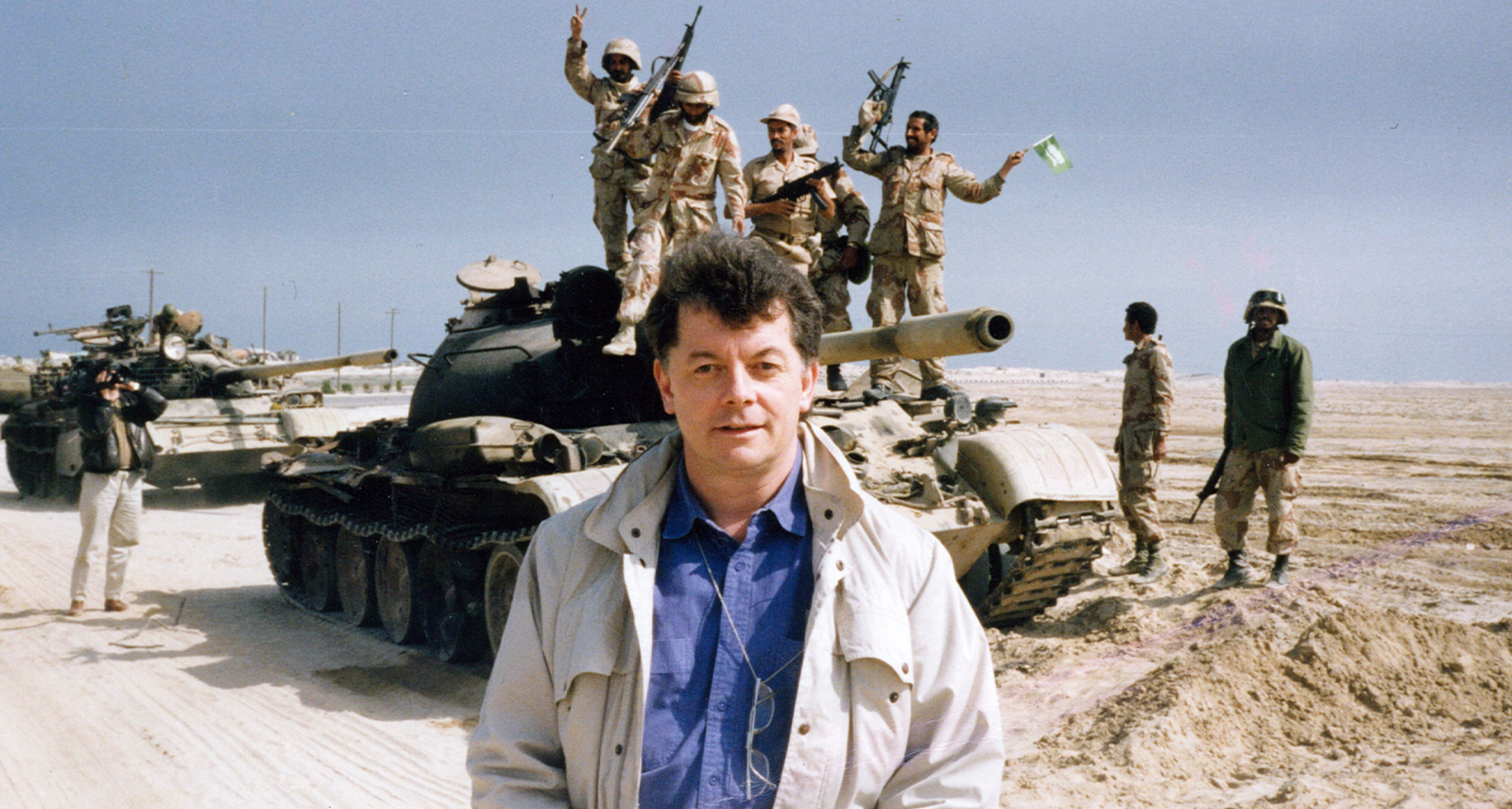
For decades, Brian Stewart was one of Canada’s most revered and trusted voices, delivering groundbreaking stories from around the globe as CBC’s veteran foreign correspondent. Voices like Stewart’s seem rarefied now, free from bias, affiliation, or sensationalism. He was, as he describes it, merely a historian of the moment. His boots-on-the-ground reporting helped break the story on the Ethiopian famine, effectively setting the stage for the historic Live Aid benefit concert. He witnessed the fall of the Berlin Wall, covered the Gulf War, and interviewed the likes of Margaret Thatcher and Nelson Mandela.
His work — which is wonderfully recounted in a new memoir, On the Ground — is defined by its curiosity, empathy, and unwavering faith in humanity. Ahead of the book’s release, we spoke with Stewart about his most impactful stories, the state of today’s journalism, and maintaining hope in the most turbulent of times.
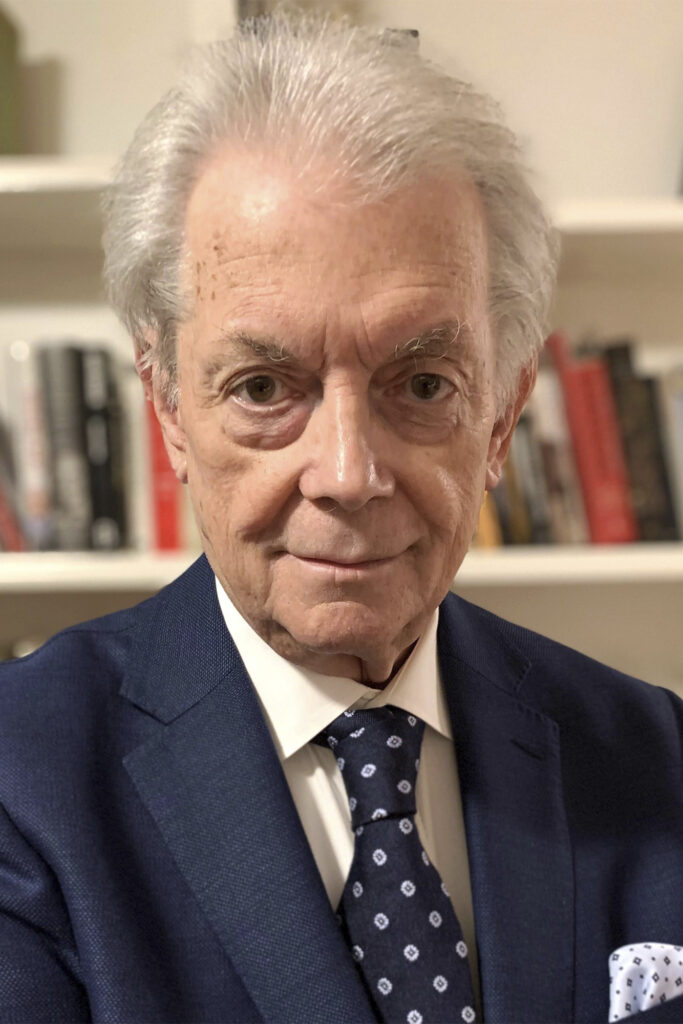
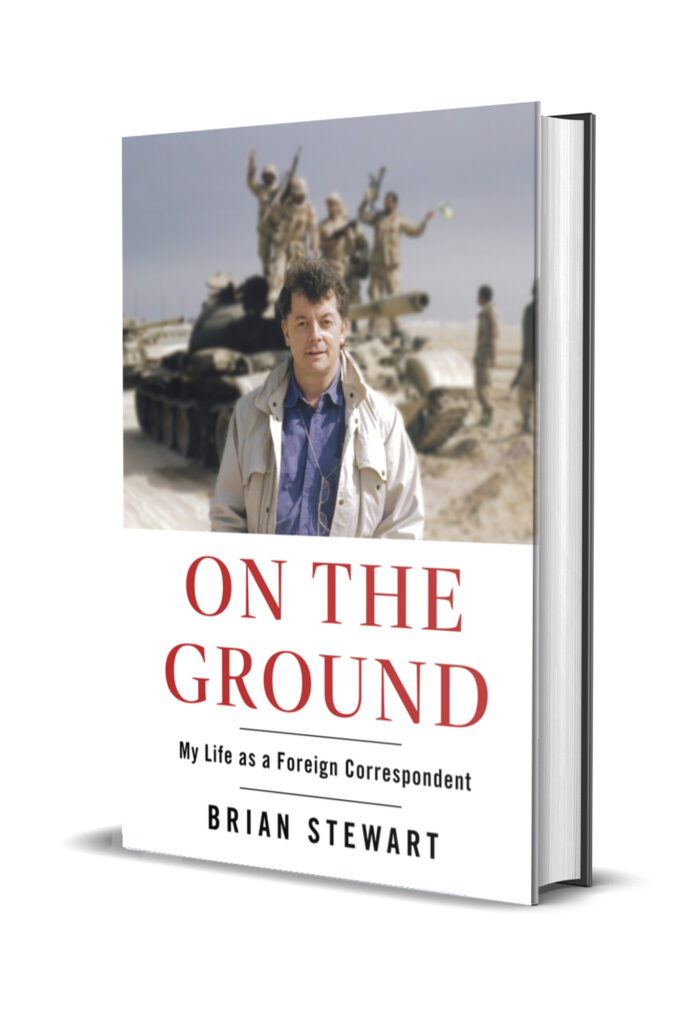
RIGHT: “On the Ground,” photo courtesy of Brian Stewart.
Why did now feel like the right time to look back on your career and tell your story?
I was 82 when I was approached by Simon & Schuster to write a memoir. I enjoyed my retirement enormously. But I’m watching the world go by and putting my feet up, so to speak, and they approached me with the idea and talked me into it. And once I got into it, of course, it really took over my life for a year and three quarters. So, it was something I hadn’t planned, but when I got into it, the stories began to fall into place, and I’m very glad I did it.
“I have the greatest respect for news editors and teams that can even keep their sanity in today’s climate. We all face the hurdle of dangers, but I think in some respects, maybe in many respects, it’s more dangerous today than it was in our time.”
Brian Stewart
Did the recollections change your perspective in how you related to some of those experiences?
I saw it more clearly as an arc. I was a 14-year-old kid in England. My parents were posted there. So, I was in England in the mid-’50s, watching the two TV channels they had. And I saw the Suez War and the Hungarian uprising at the time on television. I was just flabbergasted in wonder at seeing great historical events taking place before my eyes. It suddenly occurred to me that people get paid to go over and watch history be made. So, I wrote in a school essay that when I grew up, I wanted to be a foreign correspondent. That’s the one career I really wanted to pursue from that time on. And what the career became was a kind of arc of watching history in the making, as close as I could possibly get to it. I think it was Albert Camus that called journalists “historians of the moment.” We’re only momentary historians. We write a first draft. And over the many decades doing it, I was enthralled by it, I was battered by it. I was often scared by it. It had great highs, and it had tremendous lows at times, but I look back on it as really the one career I was meant to be involved in.
Veteran CBC Foreign Correspondent Brian Stewart Talks New Memoir, “On the Ground”
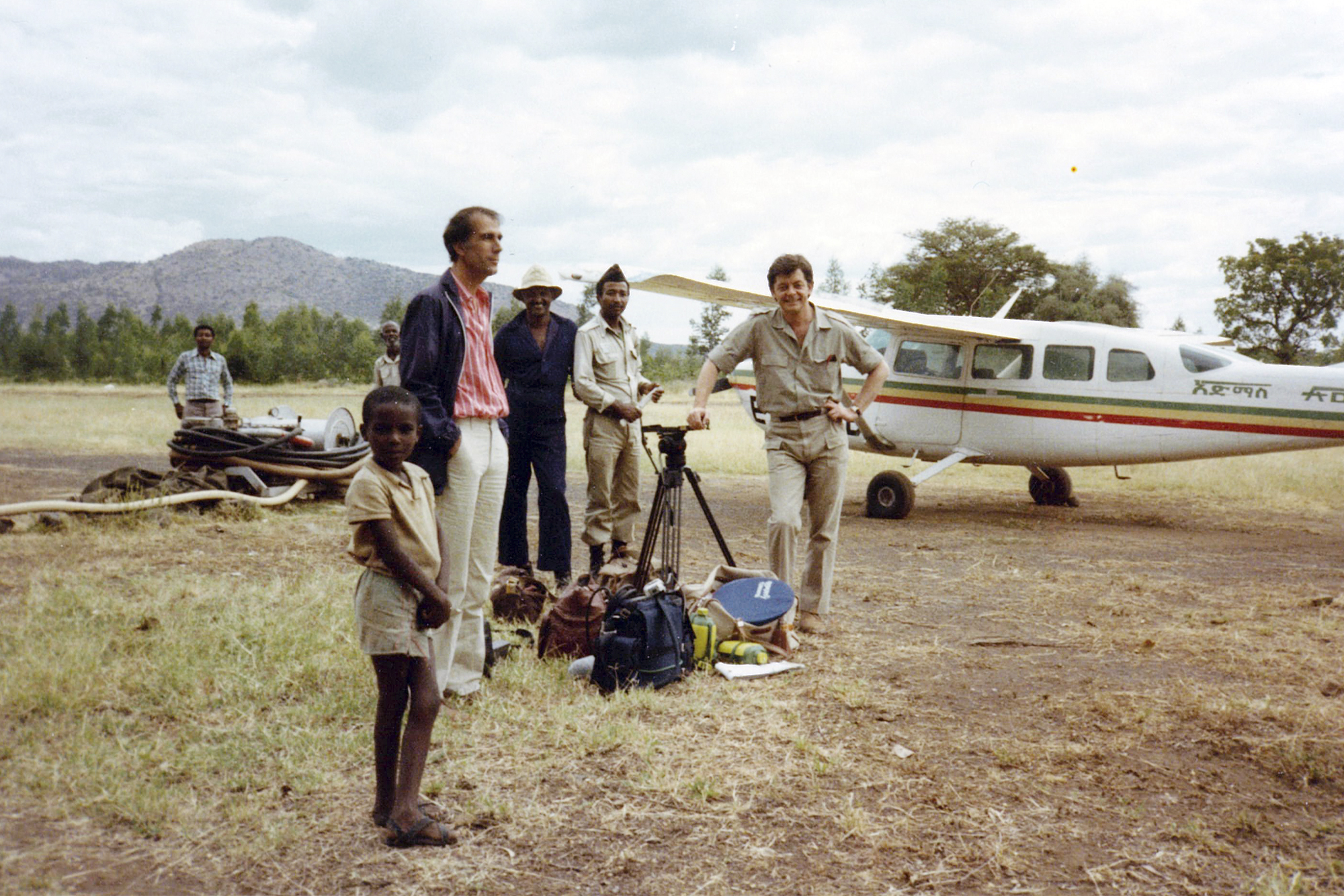
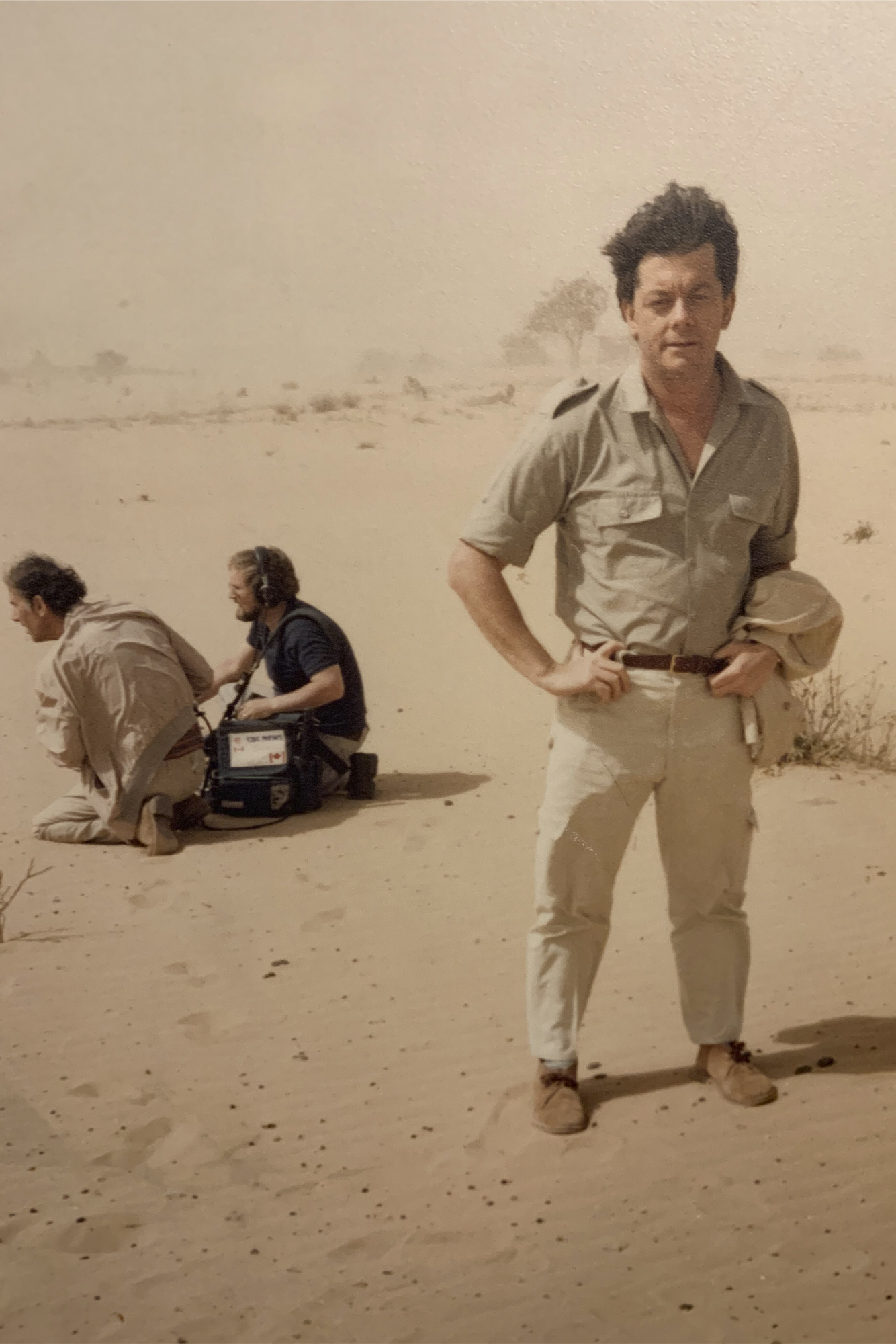
The life had its adventures, including rugged bush flights to hard-to-reach crisis stories in Africa. In the foreground is my brilliant cameraman, the late Phillipe Billard.

Veteran CBC Foreign Correspondent Brian Stewart Talks New Memoir, “On the Ground”
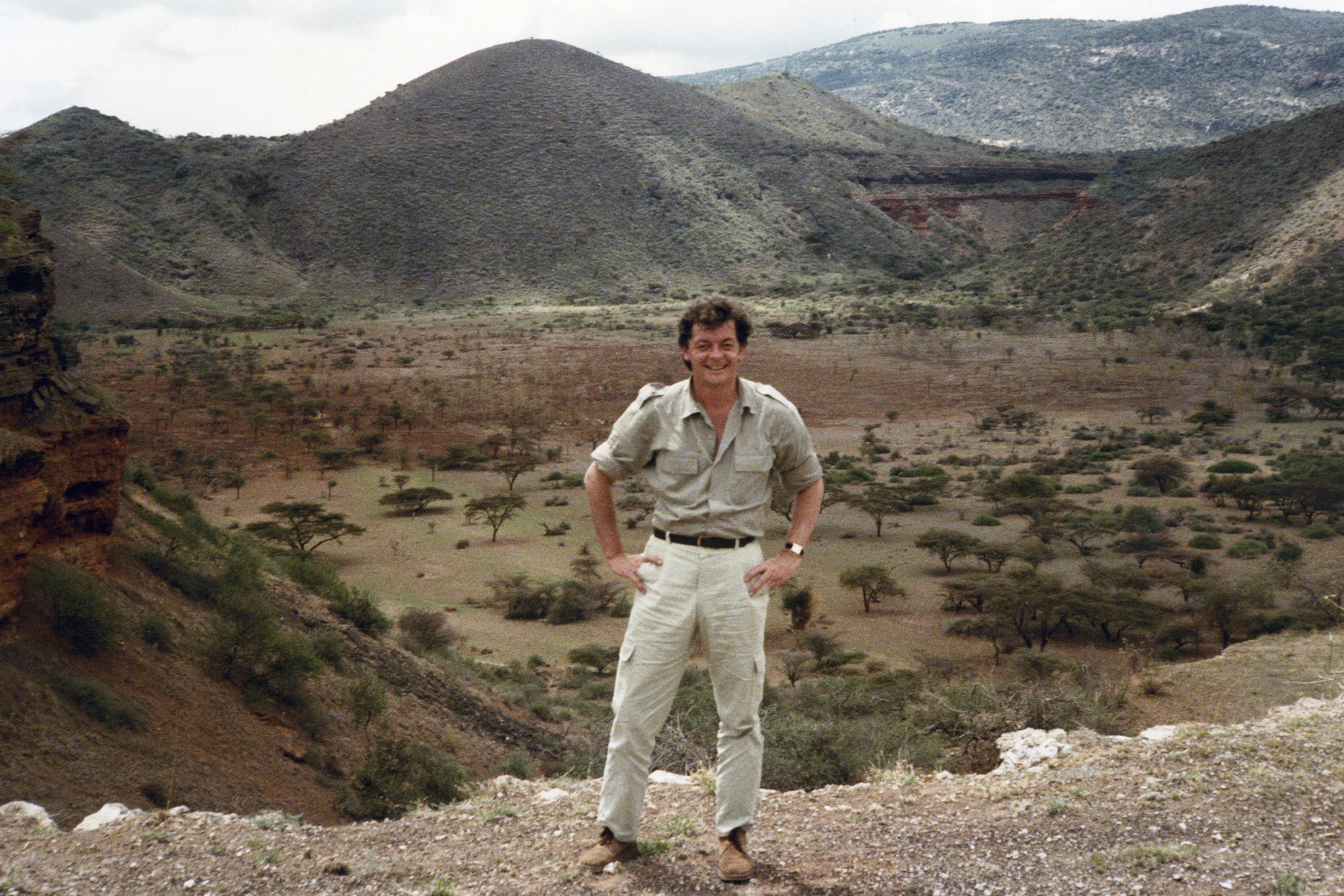
Many destinations were grim, but not all. We occasionally passed through spectacular settings like this one in east Africa. I treasured these inspiring moments all the more, given the tension and sorrows we so often faced.
Veteran CBC Foreign Correspondent Brian Stewart Talks New Memoir, “On the Ground”
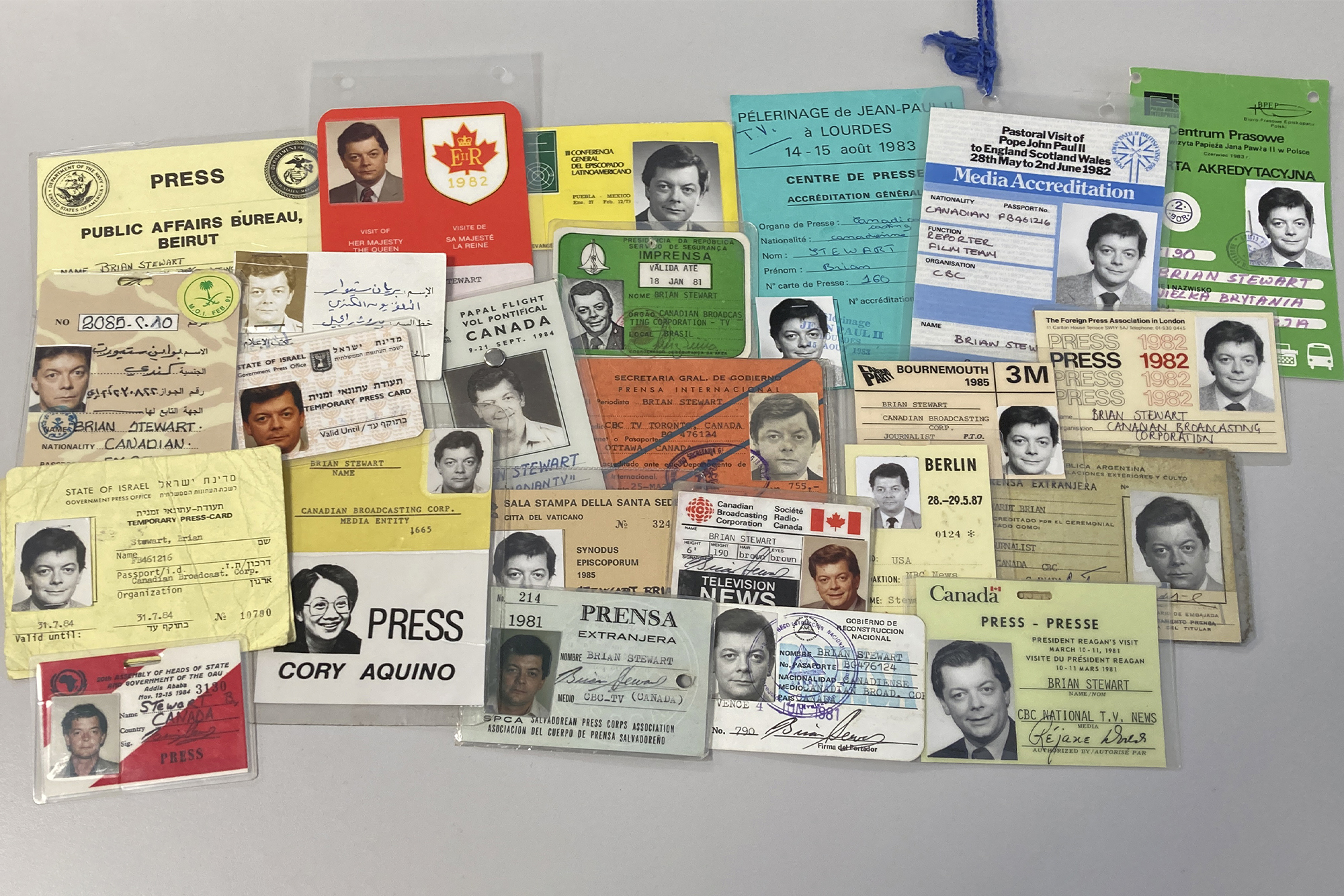
My old media passes evoke strong memories of times and places, some good, others dark – but all part of the career I choose.
Veteran CBC Foreign Correspondent Brian Stewart Talks New Memoir, “On the Ground”
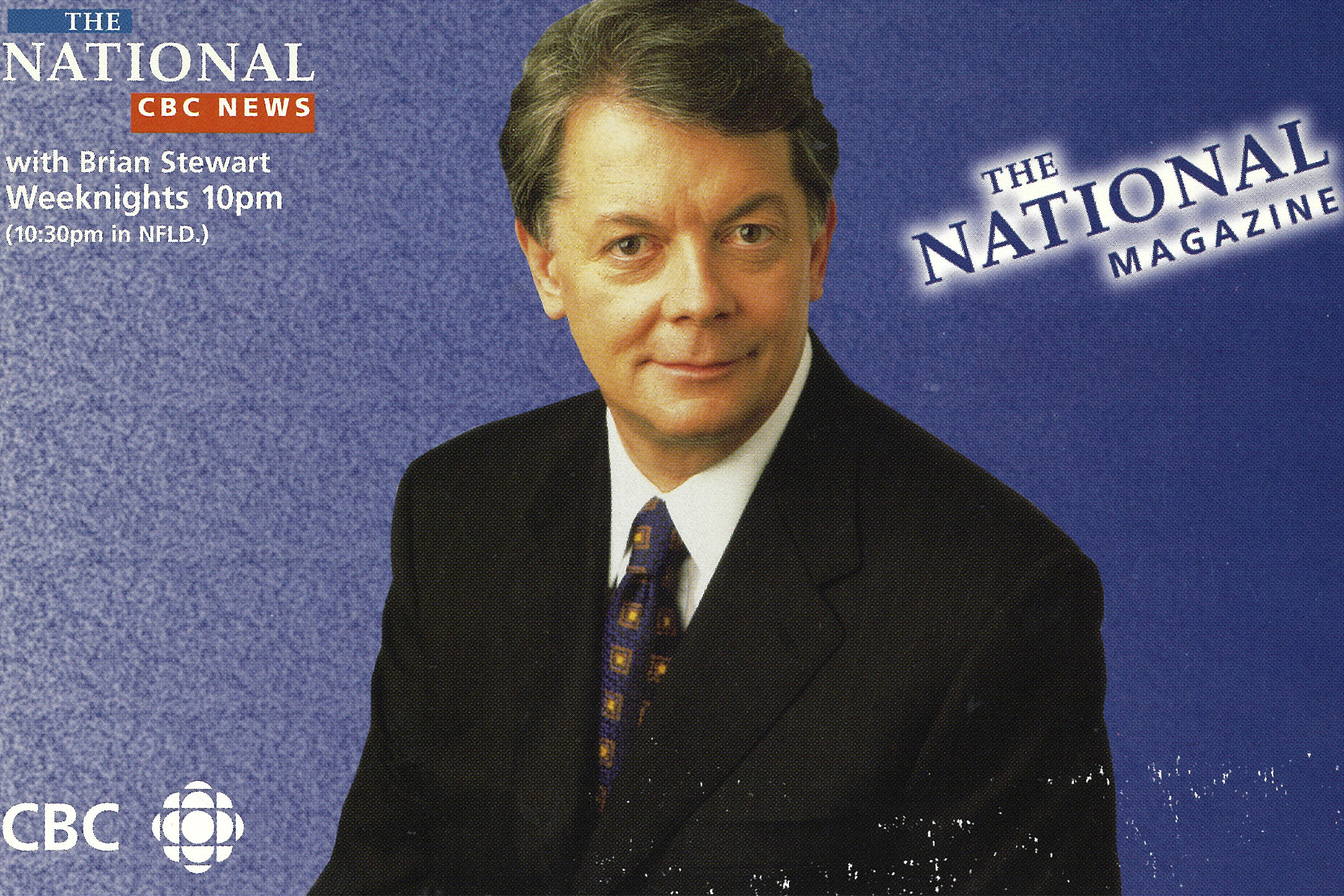
: I also hosted a nightly current affairs show The National Magazine, but so disliked live studio work that I quit after 18 months and asked to return to reporting.
Historians of the moment is such a lovely, poignant way of phrasing it. I really like that.
We shouldn’t get so ahead of ourselves that we think it’s the final draft. But it’s crucial to have a contemporary first draft. […] The other thing too, is I think that being interested in history is a very important thing for foreign correspondents to have, because often the stories you cover can get quite beyond you when you’re washed in the tsunami of events happening. It’s very important to keep perspective and coherence in covering the story. I had to focus on the bigger picture.
“I have seen some things that are evil to a degree I would not ever have imagined. But also, at the same time, I’ve seen angelic people, I’ve seen enormous acts of courage and humanity and giving and saintly acts that just leave me in awe.”
Brian Stewart
In that similar vein of zooming out from your own vantage point, how has the role of foreign correspondents changed since you began your career?
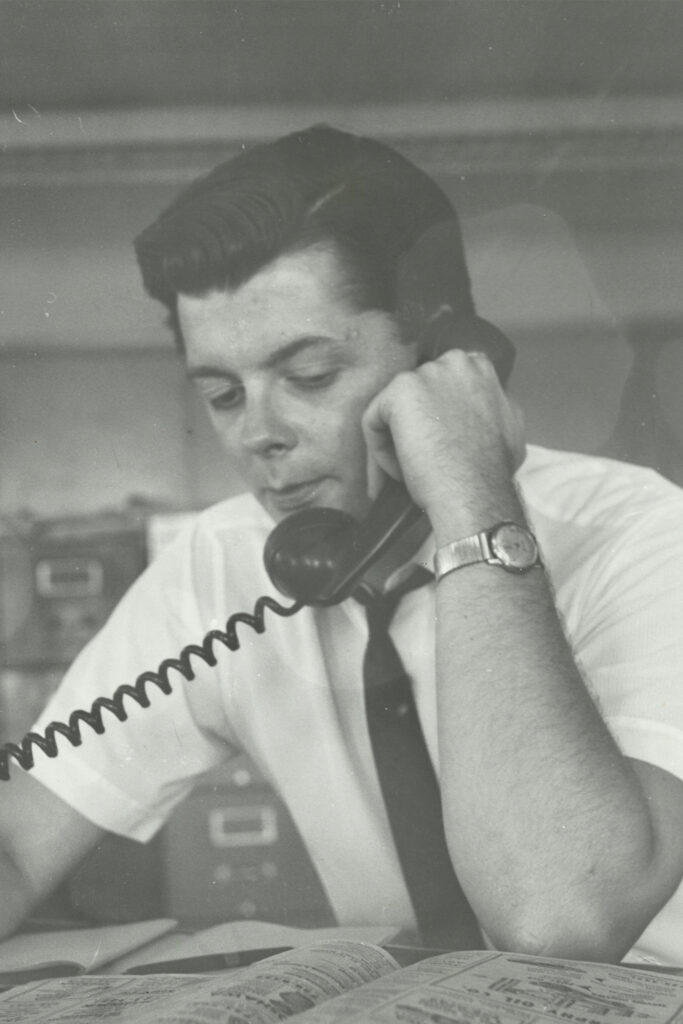
Well, above all, immediacy. Foreign correspondents today work in a much harder milieu. We had more time on our hands to do things. I entered television when they were still using black-and-white film. But the invention of satellites meant that instead of trying to find somebody in the airport to carry your material back to Toronto to be sent in the air two nights later, now you can get it back in hours and you can be in the depths of the darkest corners somewhere of Asia, South Africa, North America, you name it. […] Then, it became a 24-7 exercise.
I have the greatest respect for news editors and teams that can even keep their sanity in today’s climate. We all face the hurdle of dangers, but I think in some respects, maybe in many respects, it’s more dangerous today than it was in our time. The casualty rates among journalists are certainly far higher now and just horrifying to contemplate every year. But you really need an intense effort now to keep things in perspective and not be swept by this tsunami of endless, fragmented news of conspiracy theories and claims and counterclaims. So, it’s a job that needs a high degree of professionalism and a good deal of mental endurance.
Which story helped shape your mental endurance as a journalist?
As a foreign correspondent and fairly early on in my career, the Ethiopian famine was the seminal event of my entire career and, in many ways, my life. The CBC and the BBC were the first networks on the ground in 1984. So, we saw a famine that was threatening seven million people. The scenes were apocalyptic. […] I remember an opening line I gave was along the lines of, “All across northern Ethiopia, famine is at the gates of every town and along every street.” […] We really took that story to the world. And Canada was one of the great responders at that time. Those were wonderful memories of Live Aid, which came about in response to our reporting but before that, there was support from Canadians coast to coast. It really was an age of humanity coming together to support food relief and human rights. But [there’s] another need that’s too often forgotten, I think, and that is to keep covering those same areas after the catastrophes pass.
The great fault of media is to go in, do a week of this, five days of that, and then move on. And it leaves the viewer, understandably, with the impression that these countries are always just falling into horrible catastrophes, and never come out of that. We don’t stay around to see people digging themselves out, coming together as communities, making farmlands work again, and getting kids back to school. CBC fortunately sent me back time after time to Ethiopia to cover the recovery.
In these moments of witnessing some of the darker aspects of the world, what are the moments throughout your career that maintained your sense of hope?
Certainly, there are scenes like standing in front of the Berlin Wall the night it came down and pinching myself, thinking, “I can hardly believe this.” I mean, for decades, the thought of the Cold War ever ending was so absent from our minds. And there it was. Great events like talking to [Nelson] Mandela on the eve of the referendum to end apartheid in South Africa — who ever imagined that 10 years earlier? So, things happen that just seem too good to ever see in reality. And then you see it. That inspires you.

People will often tell me, “You must see an awful lot of evil done in your career.” And yes, that’s true. I have seen some things that are evil to a degree I would not ever have imagined. But also, at the same time, I’ve seen angelic people, I’ve seen enormous acts of courage and humanity and giving and saintly acts that just leave me in awe. […] The human spirit is so awesome when you see it. And I would say I saw a lot more generous, wonderful people in my work than I ever did evil.
All imagery courtesy of Brian Stewart.