It’s a bold move — but then Versace has never done things quietly.
This week, the Prada Group finalized its acquisition of the Italian fashion house for €1.25 billion ($2 billion). Founded in 1978 by Gianni Versace — and long defined by its colourful, maximalist prints — the brand changes hands after several disappointing years with the hope it can reinvigorate its ever-recognizable name. Lorenzo Bertelli, heir to the Prada empire, steps in as executive chairman, adding Versace to a wider Prada Group portfolio that includes Miu Miu and Church’s.
The deal has been a long time coming. Bertelli revealed to Reuters last month that talks first began in 2020. Versace — whose heyday in the ’80s and ’90s saw major stars from Sylvester Stallone to Michael Jackson wearing its opulent prints — has struggled since Capri Holdings bought the house for $2.7 billion in 2018. Much of this downturn has been pinned on the rise of ‘quiet luxury,’ which stands at odds with Versace’s vibrant aesthetic. After all, soft knits and quarter-zips hardly chime with baroque swirls and gold-on-gold.
Still, Bertelli insists Versace is a safe bet. The house met two of his key conditions, he said: minimal, manageable financial risk and a global name recognition that most labels can only dream of. Prada signed the definitive agreement in April and, following the required regulatory clearances, the sale was completed this week.
Donatella Versace, who earlier this year posted on Instagram that she was “absolutely delighted” to see the brand acquired by a fellow “trusted Italian family business,” noted this week that the deal’s completion coincides with her late brother’s birthday. “Today is your day and the day Versace joins the Prada family,” she wrote. “I am thinking of the smile you would have had on your face.”
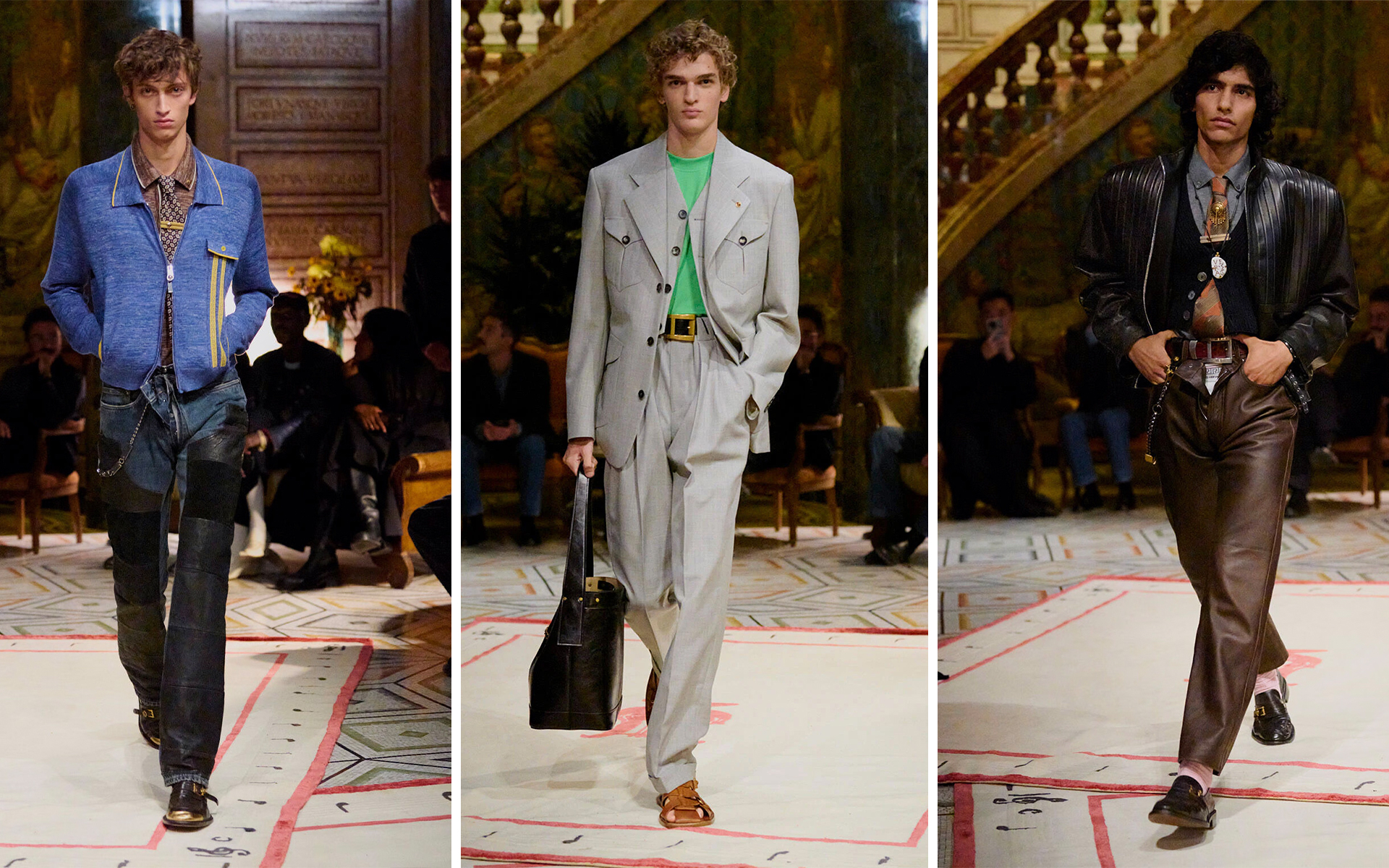
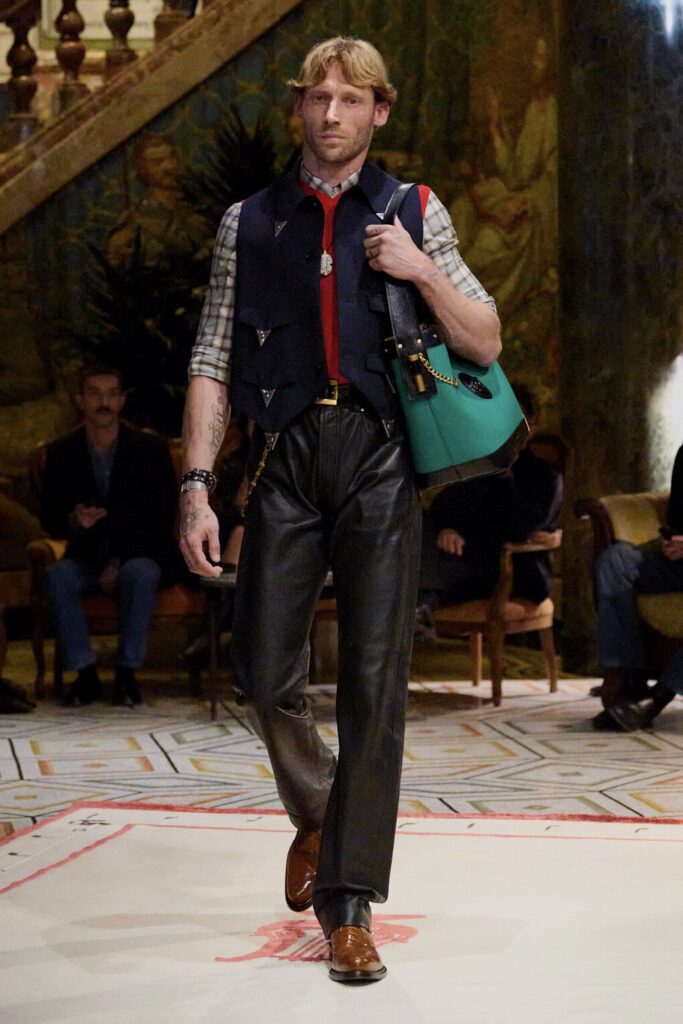
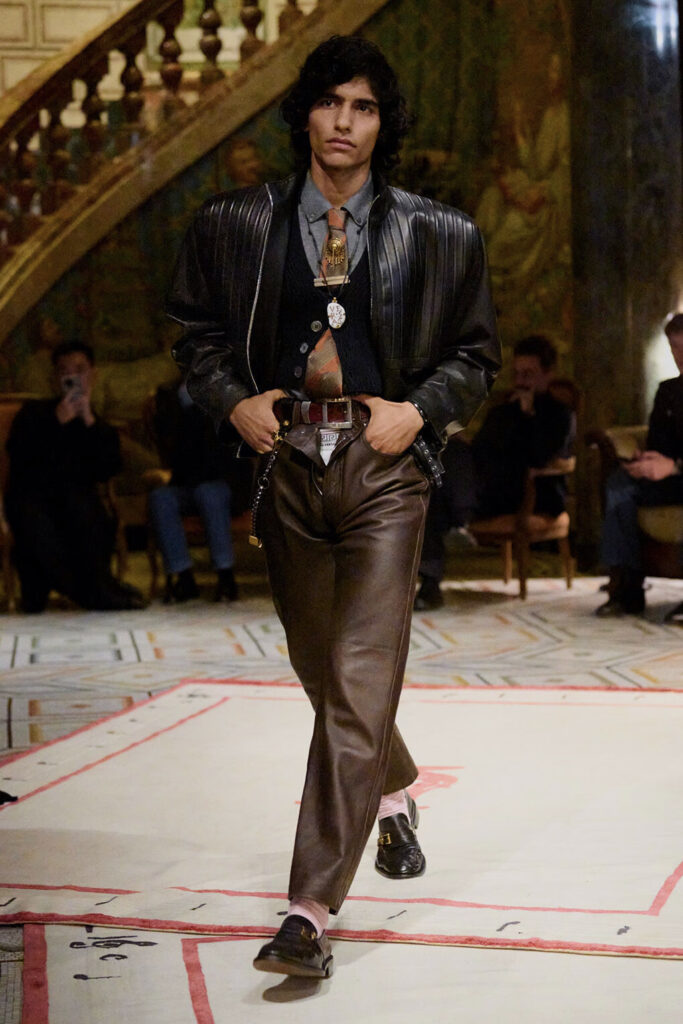
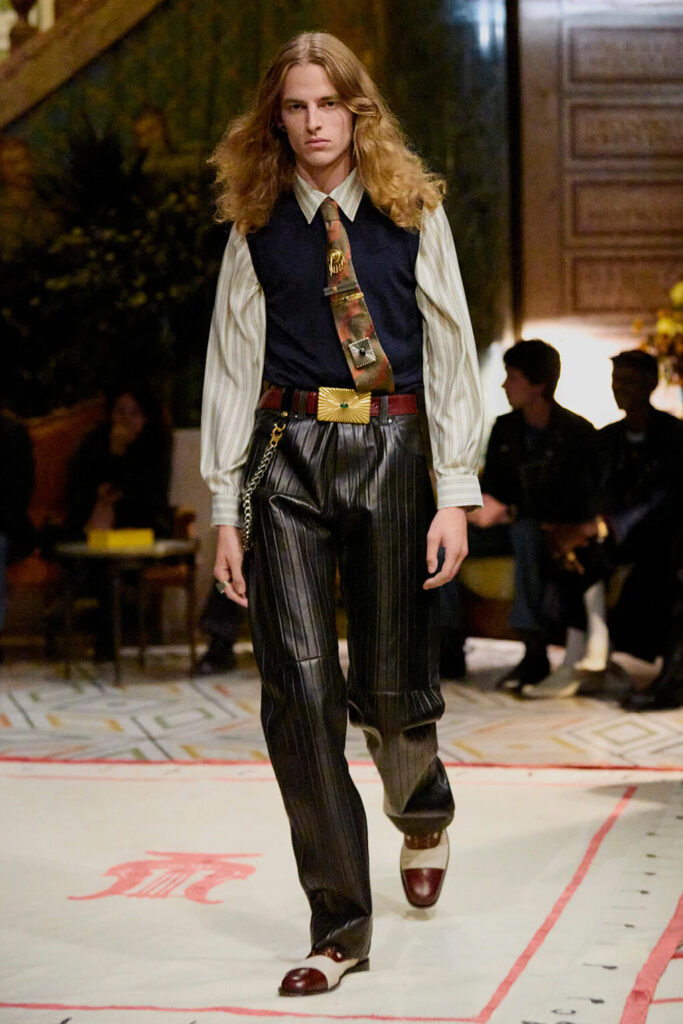
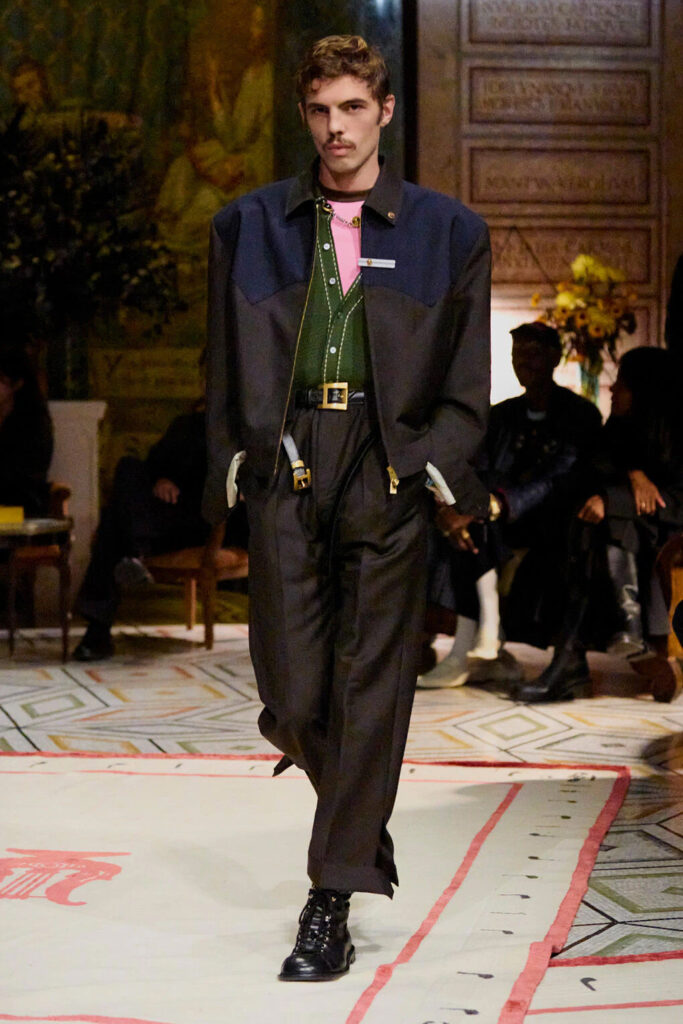
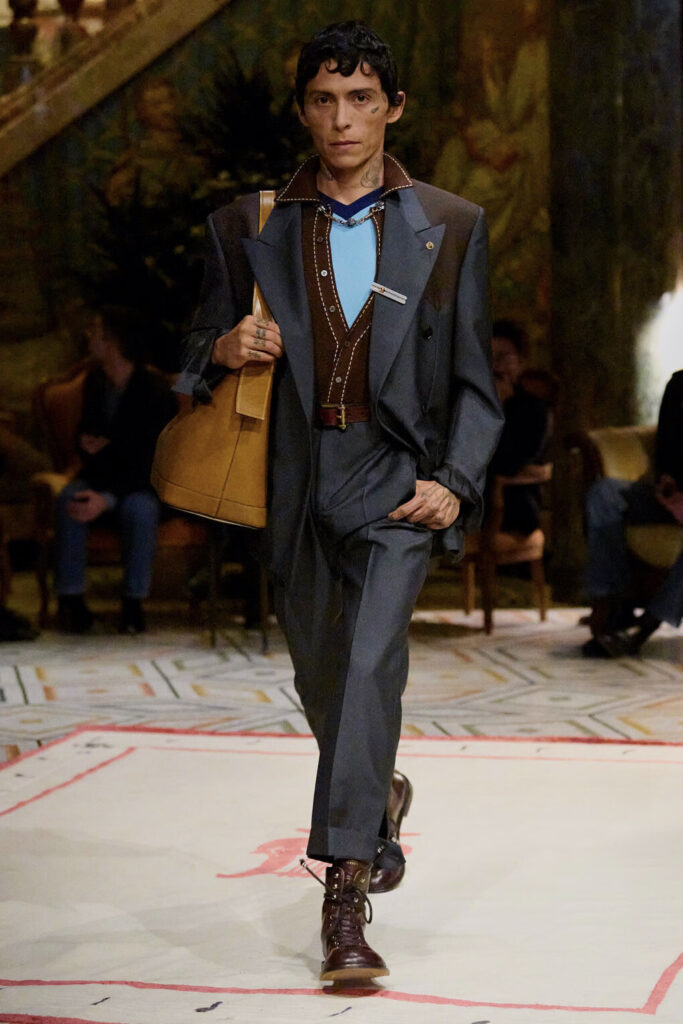
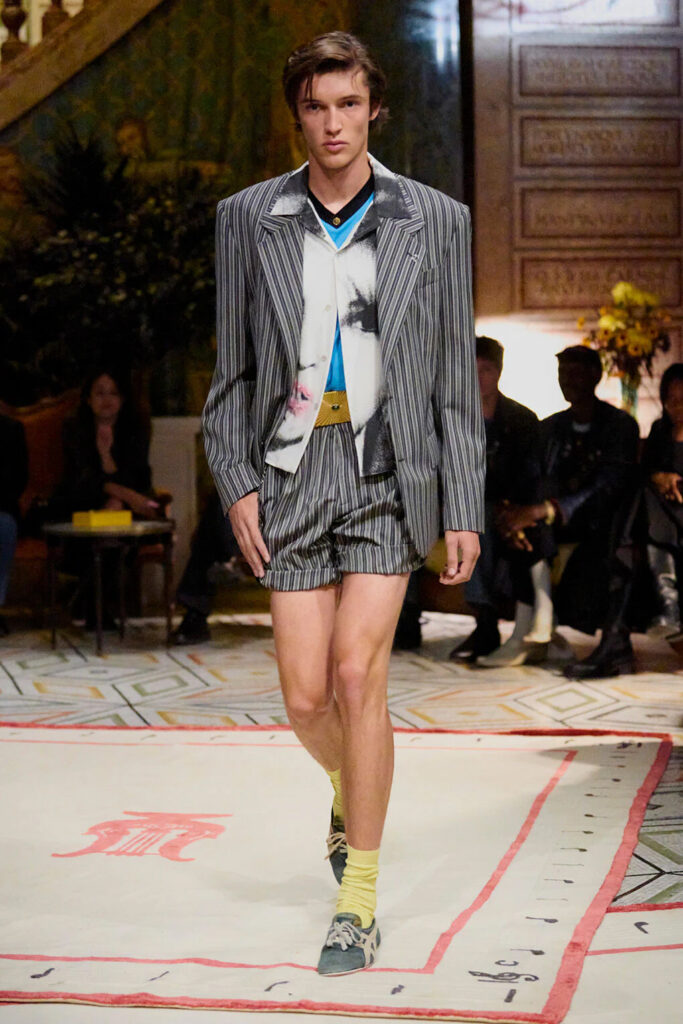
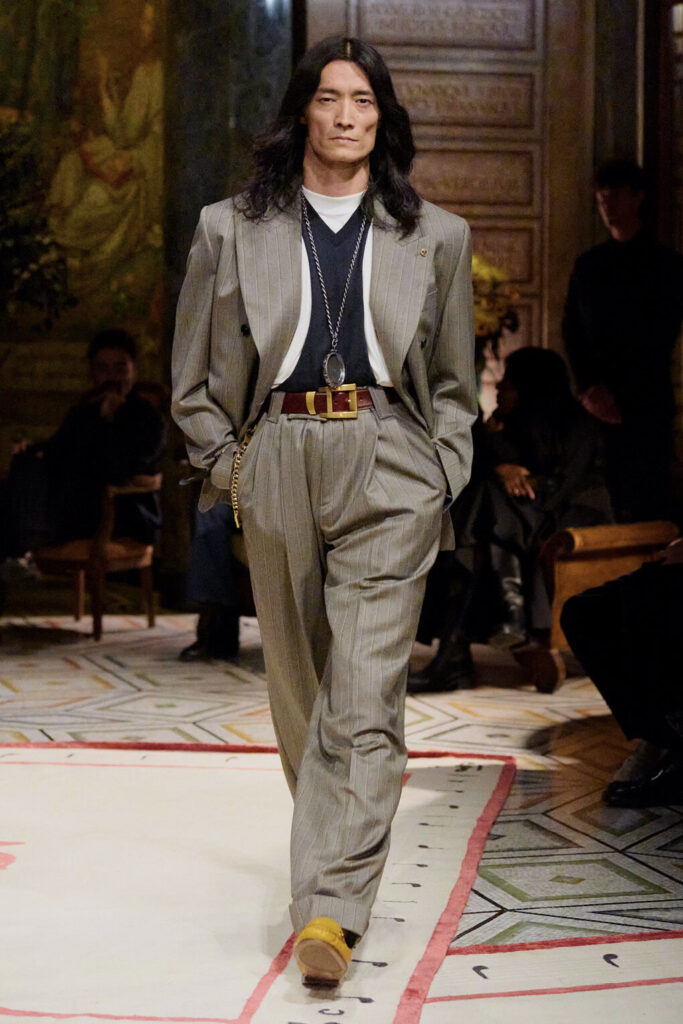
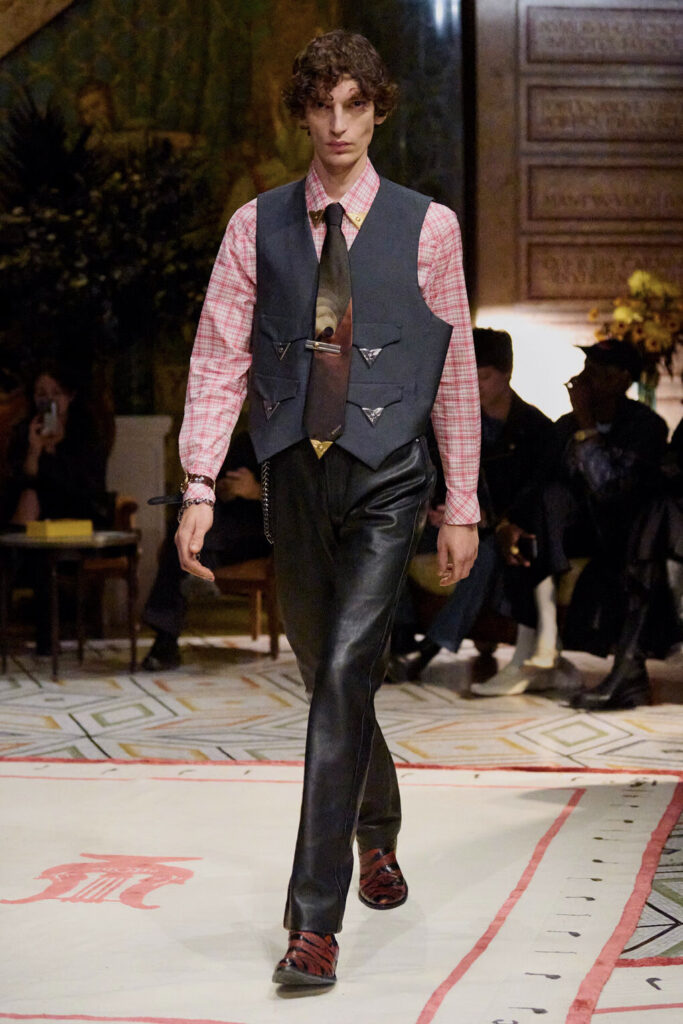
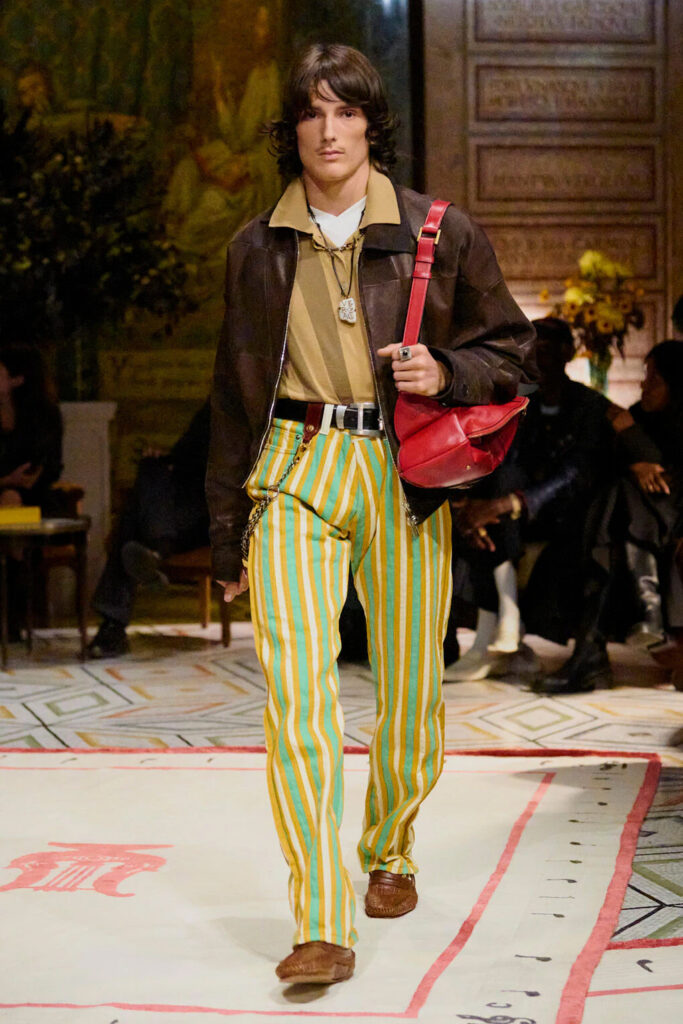
This isn’t the first Versace shake-up of 2025. In March, Donatella ceded her creative director role to Miu Miu’s Dario Vitale. Early glimpses of Vitale’s vision suggest he will temper Versace’s stock extravagance with his own workwear-inflected pragmatism: jeans, blousons, carpenter jackets, and tailoring reimagined with experimental materials. At Miu Miu, Vitale’s pieces were subversive and insouciant — a sensibility he’s now channelling at Versace with subtler, more sensual spins on house signatures. In his SS26 menswear collection, there are recurrences of archival patterns — the mythology-influenced ‘Affresco’ and stalwart ‘Barocco’ print — this time rendered in more subdued tones.
We can also expect new creative voices. The Prada Group’s in-house academy has enrolled a record 152 students this year — a sign of its long-term vision. The company is expanding physically, too, having invested €60 million ($98 million) in new Tuscan and Umbrian factories this year alone.
So, while Versace’s most ostentatious days may be behind it, Prada and Vitale look poised to reposition the famous name in our new, quieter world of luxury fashion. The vivid colours won’t vanish; those Renaissance-inspired prints aren’t going anywhere. But under Prada, Versace seems ready to trade its flamboyant edge for something a little steadier — a new pattern for a new era.