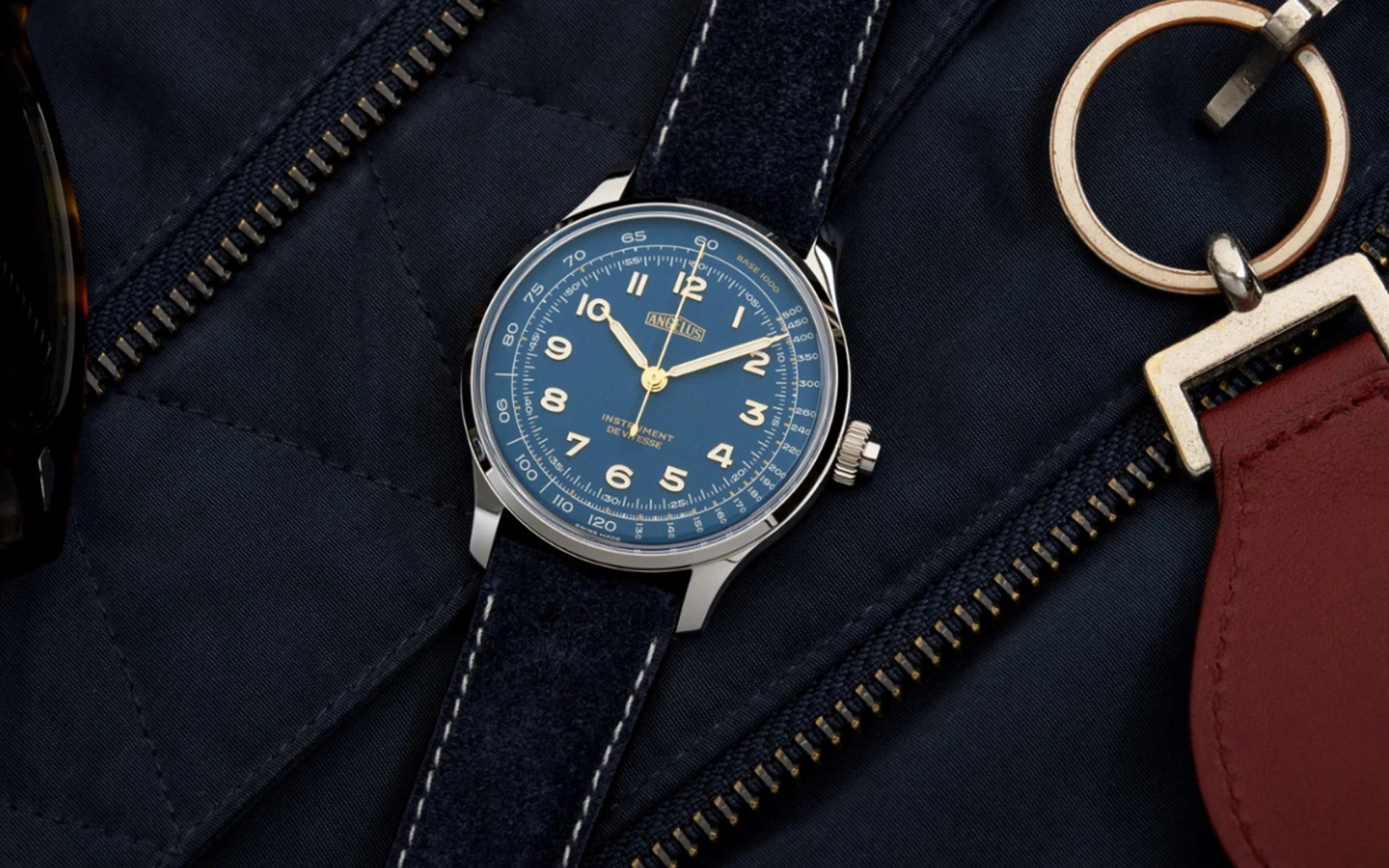
Whether it’s a “heritage” model, a re-edition, or an archival reissue, vintage-inspired watches have become a regular offering across the industry. SHARP’s in-house watch experts debate the merits of this practice.
In Favour of the Reissue: Jeremy Freed, Watch Editor
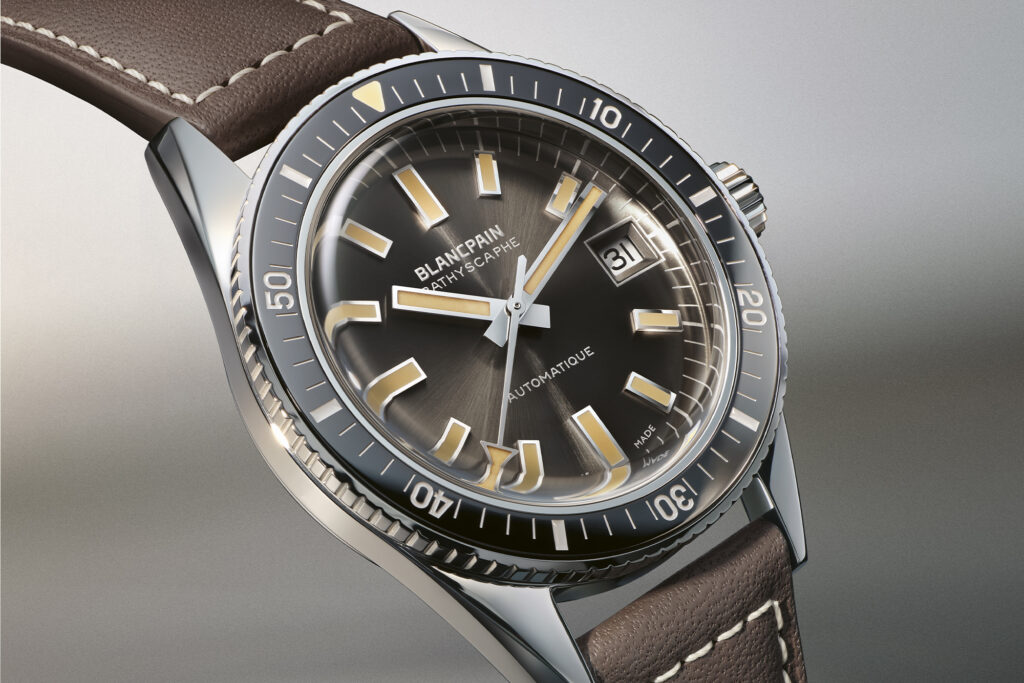
TOP ROW: PHOTOS BY TIM VAUX.
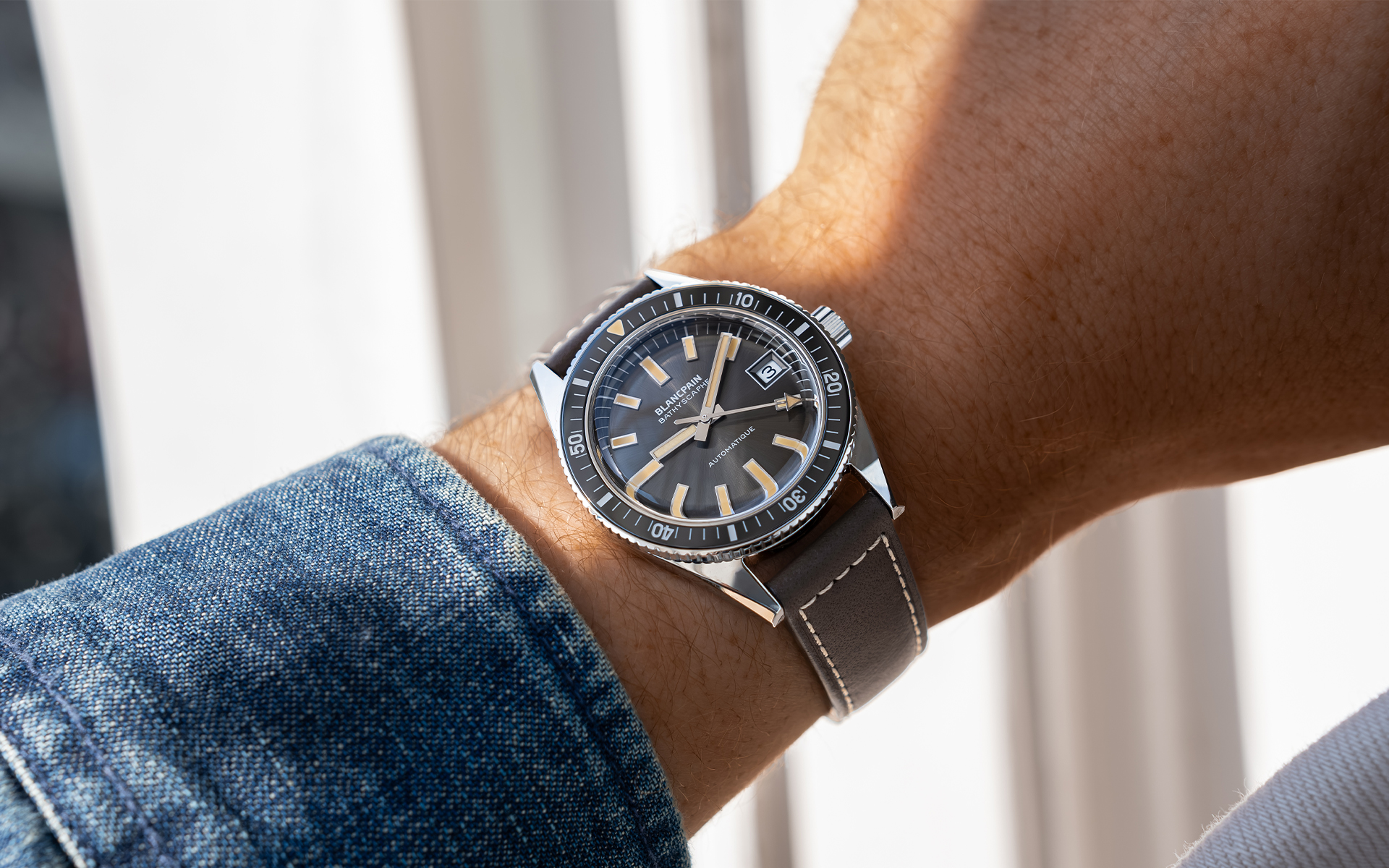
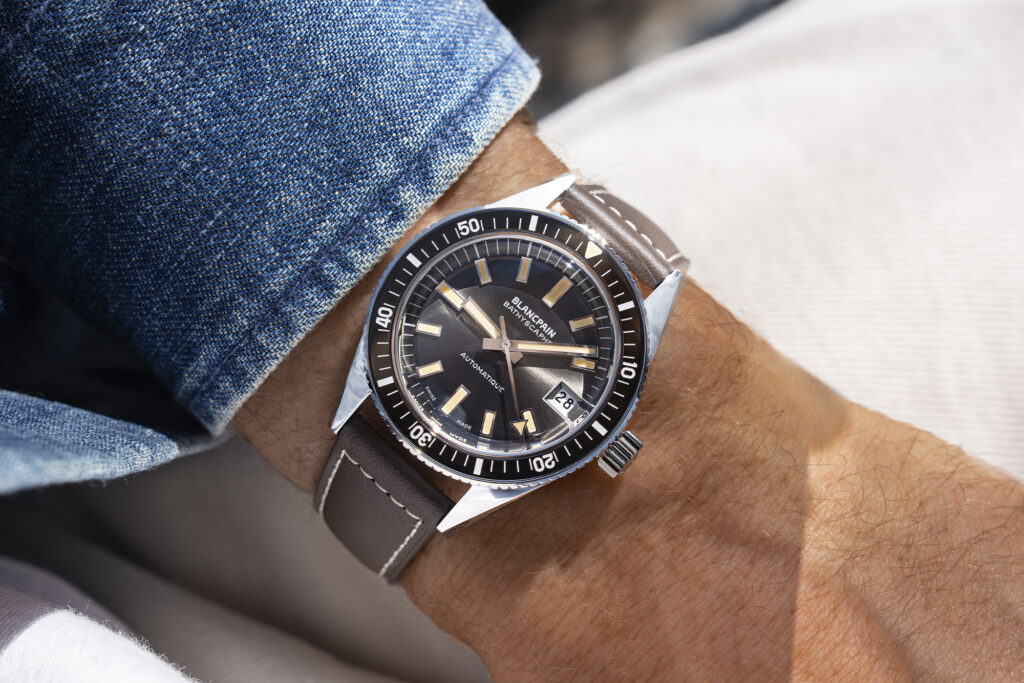
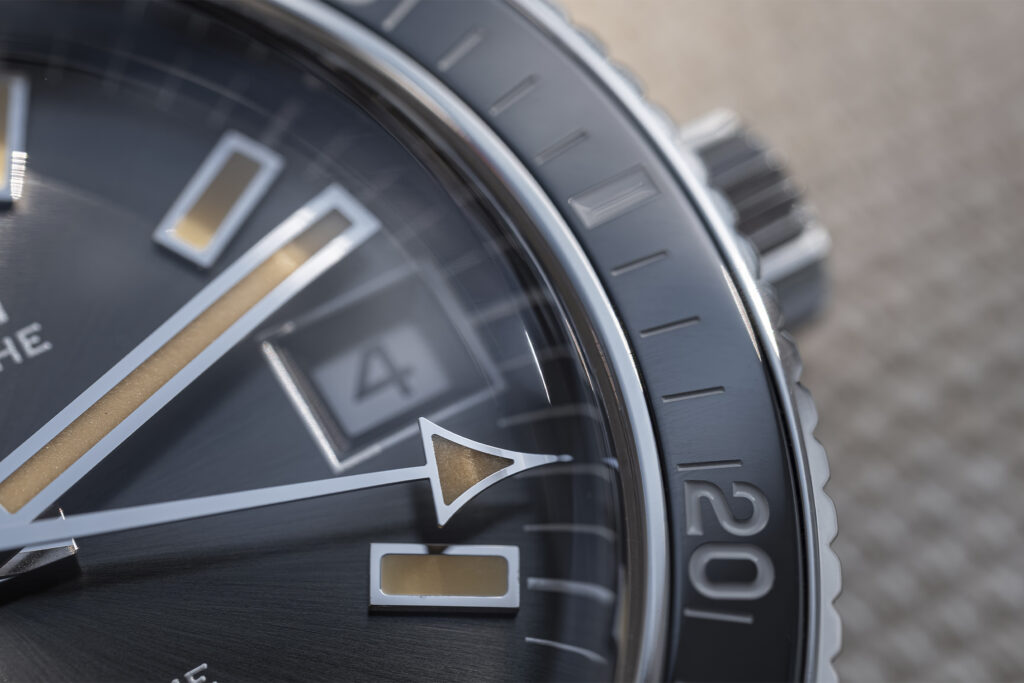
The Blancpain Bathyscaphe 70th Anniversary Limited Edition, which was introduced by the venerable Swiss watchmaker last week, pays homage to the 1968 original, a civilian version of its famed Fifty Fathoms dive watch. Limited to just 300 pieces worldwide, it features a period-correct 37.4 mm case, a meteor grey sunburst dial, a manufacture calibre 1150 movement with a 100-hour power reserve, and a sapphire case back revealing an open-worked 18K gold rotor. Priced at $20,000, it’s a best-of-both-worlds proposition that combines the aesthetics of a classic vintage timepiece with a high-end, modern movement and luxurious details. It’s also the perfect embodiment of what makes vintage-modern re-editions so appealing.
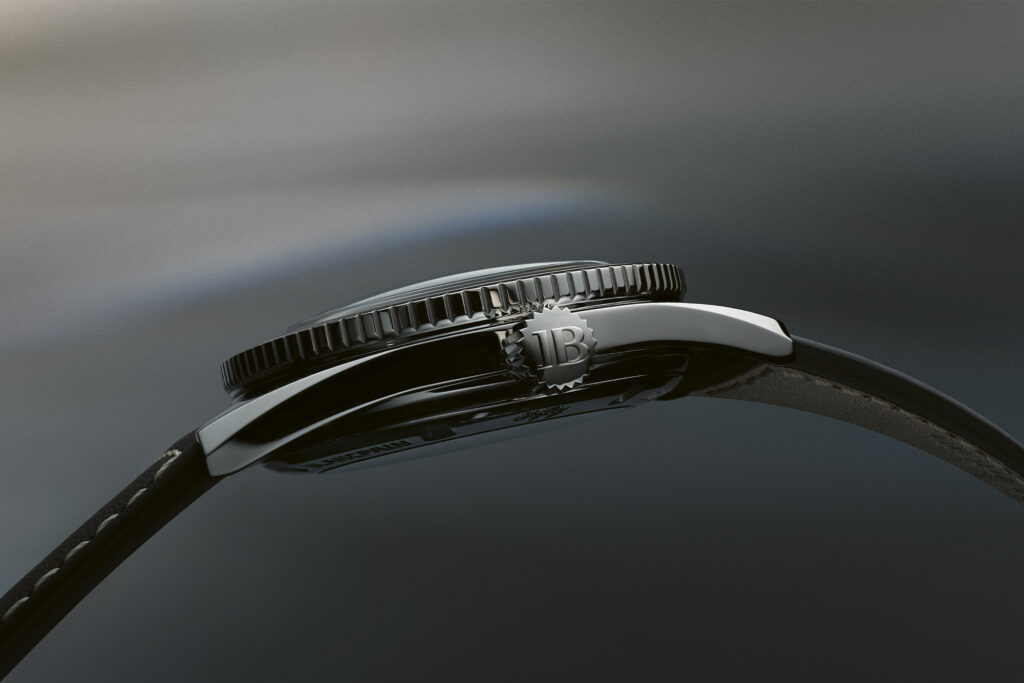
The debate over re-editions cuts to two questions at the heart of watch collecting: what makes a re-edition “authentic”? And how much does that matter, anyway? The answer is a resounding, “It depends.” Some watchmakers go to great pains to reissue versions of their watches that are almost indistinguishable from the original — the best-selling 2017 Timex Marlin, a 34mm manual-wind reproduction of a 1960s classic, is a great example — while others take more creative license, tweaking proportions and redesigning dials to suit modern tastes. As a purist, I have a lot of love for the first category and much less for the second, mostly because of the larger case sizes it usually entails (although, happily, that seems to be changing). As such, I believe a well-executed vintage reedition like the Blancpain Bathyscaphe 70th Anniversary edition (see also: Seiko’s 1965 Diver’s Re-creation from 2023, the Longines Ultra-Chron Classic, and the Vacheron Constantin Historiques American 1921) is easily deserving of a place in any serious watch enthusiast’s collection.
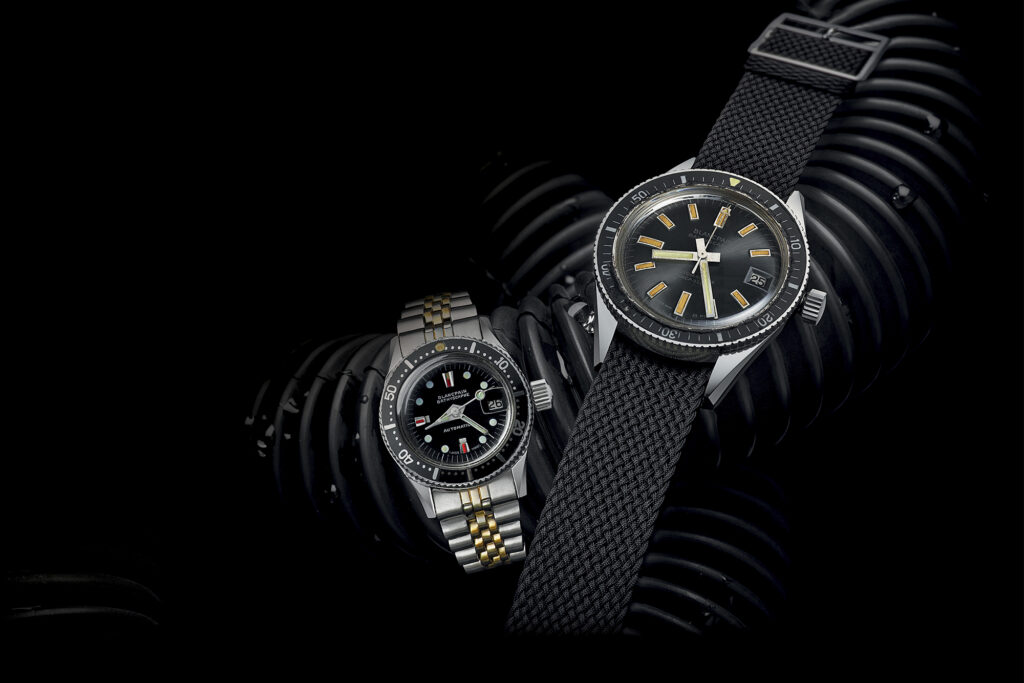
Those who would argue against the validity of such pieces will inevitably cite actual vintage watches as the more authentic choice. They’re not wrong. Who wouldn’t want to own a mint-condition Seiko 62MAS or a 1920s Vacheron? The problem, of course, is that buying and owning a vintage watch requires significant effort (to track one down that’s in good condition and hasn’t been too badly tinkered with over the decades) and expense (the purchase price, plus whatever service it inevitably requires). As gratifying as the process of buying and caring for a vintage watch can be, it’s a labour of love, and one that a lot of people simply don’t have the inclination, the time, or the budget to undertake. There’s also the question of reliability and durability. If you love a classic timepiece, you’ll probably want to wear it often, and nothing ruins the experience of wearing a classic watch like worrying about getting water inside the case at the bathroom sink or the winding crown popping off in your hand. For anyone who isn’t fazed by these considerations (or simply wants the experience of owning a vintage watch), there’s nothing stopping you. For those who want a simpler, more reliable option, the vintage re-edition will provide just as much joy, and probably a lot more time on your wrist.
On The Fence: Justin Mastine-Frost, Director of Digital Content
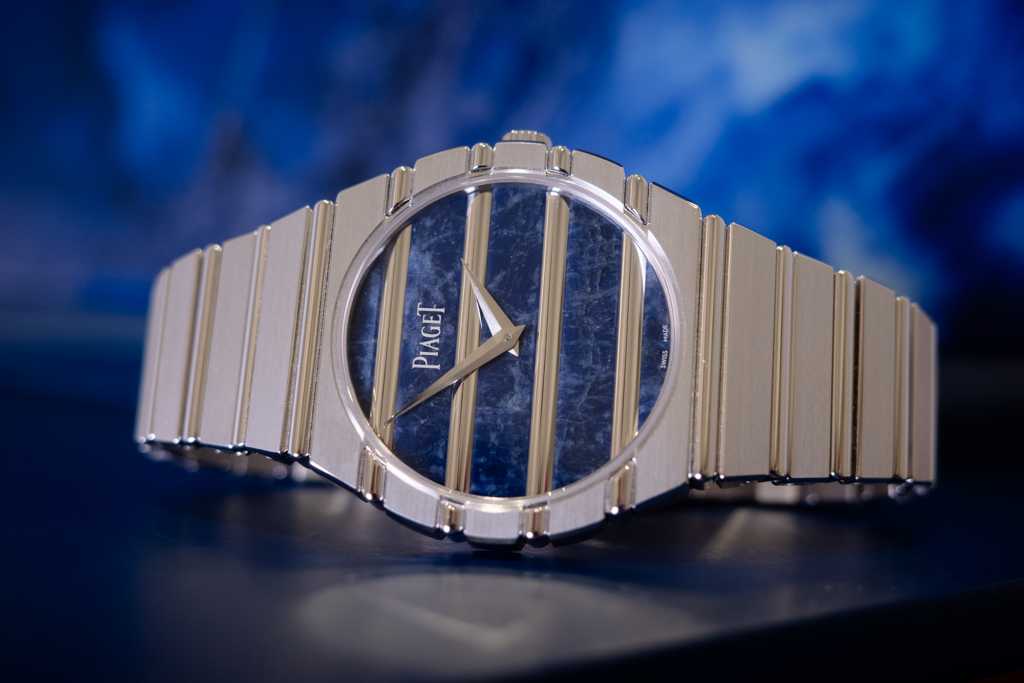
My struggle with this topic isn’t so much that vintage reissues shouldn’t exist, but rather that a fair bit of tact should go into their execution. So often these reissues suck so much oxygen out of watch collecting discourse, and social media feeds are filled to the brim with commentary on all sides about how right or wrong or accurate or special the piece may be. We saw it with this Blancpain, the same way we saw it with things like the Vacheron Constantin 222, the Piaget Polo, and countless others.
They are expensive, they are rare — often released in short production runs — and in the vast majority of cases they’re exceptionally well executed. I’ll give credit where credit is due, and perhaps my waning interest is more a byproduct of the algorithm more than anything. Everyone has a reaction to these watches, and the end result is a fanfare on social media that feels like a heavily-weighted marketing campaign. But that’s not the fault of the brands either; controversy drives engagement, engagement fuels algorithms, and we all end up seeing a watch being discussed long after the edition itself is sold out.
If you want that vintage appeal with modern reliability and finishing, there’s no stopping you, but I often find myself thinking about what sort of interesting new designs and innovations a brand of such magnitude could create if they spent all this time and money stepping away from the past. Imaging for a moment if Rolex had no back-catalog that it needed to align with? Imagine a vast expanse of wildly creative watches that could exist if brands weren’t so busy reviving yet another dive, dress, or pilot’s watch?
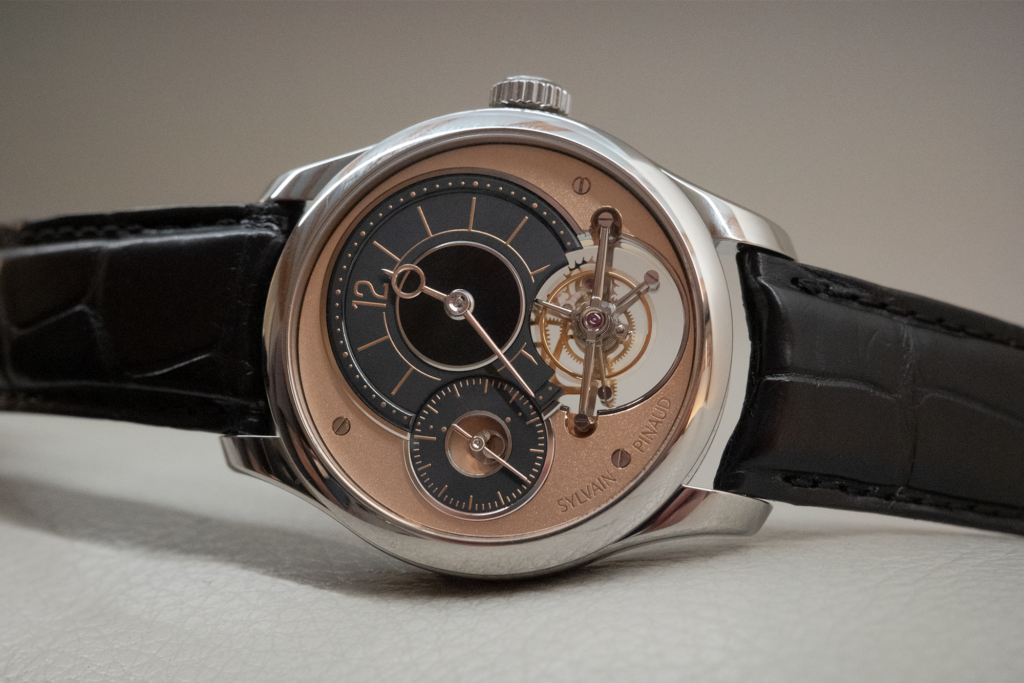
The industry has already shown us what good modern design can be; this stretches from the affordable and incredibly thoughtful designs of Nomos, Ming, and Grand Seiko to the mind-bending creations of makers such as URWERK, MB&F, and Greubel Forsey, to name a few. We’ve seen where creativity can go, but so long as the buying market keeps telling brands to “keep playing the songs we know”, the reissue space is here to stay.
FEATURE PHOTO BY TIM VAUX.