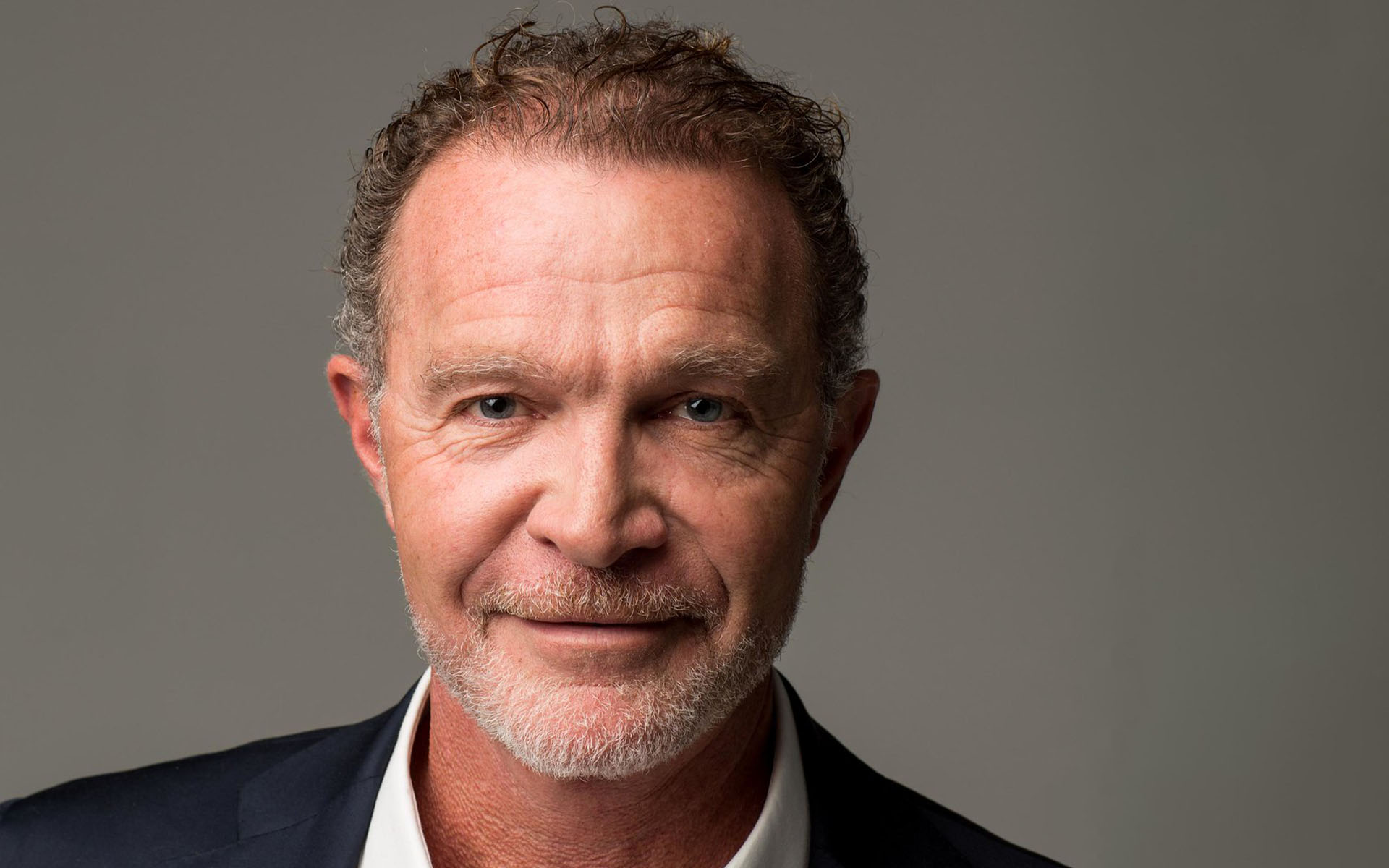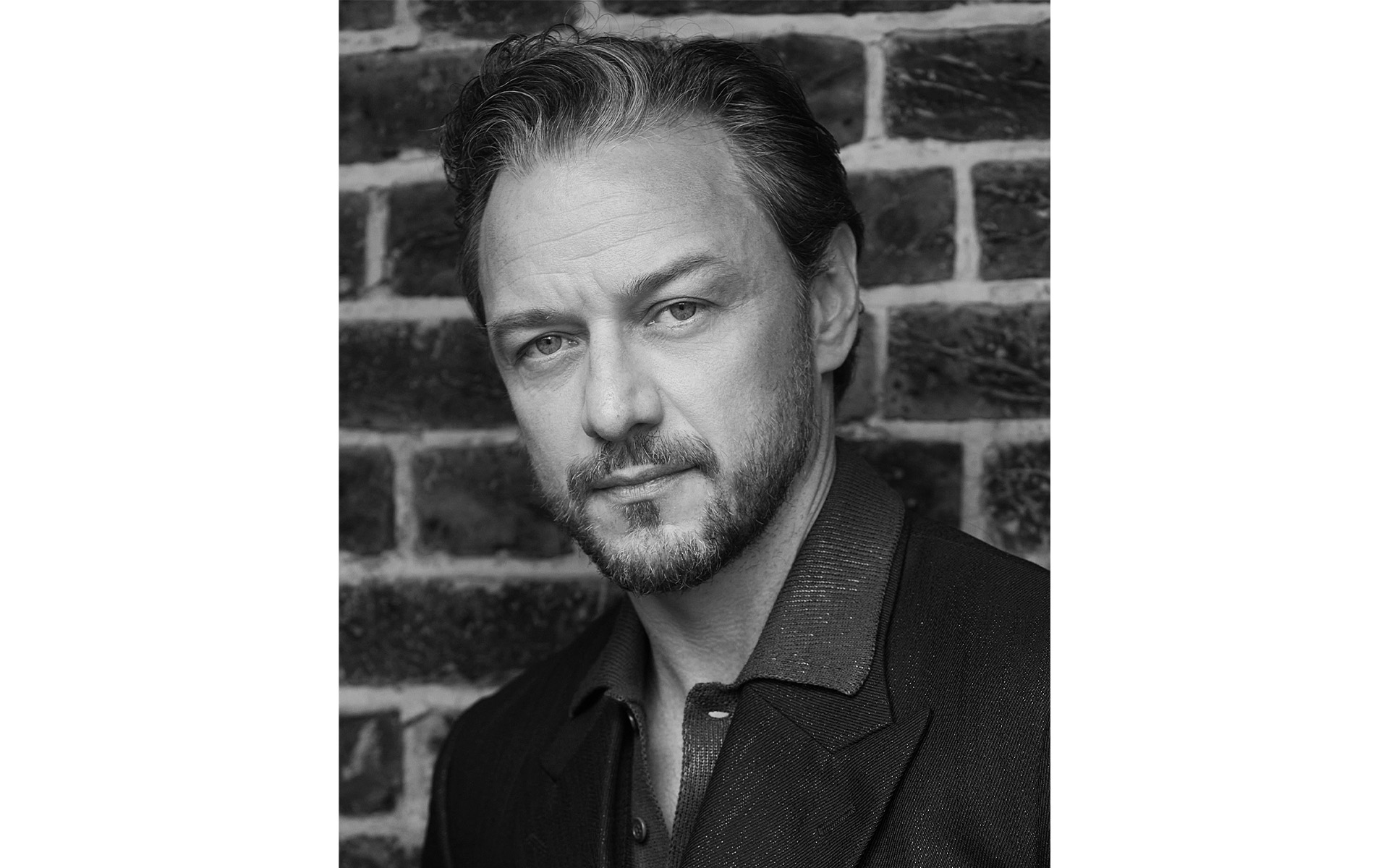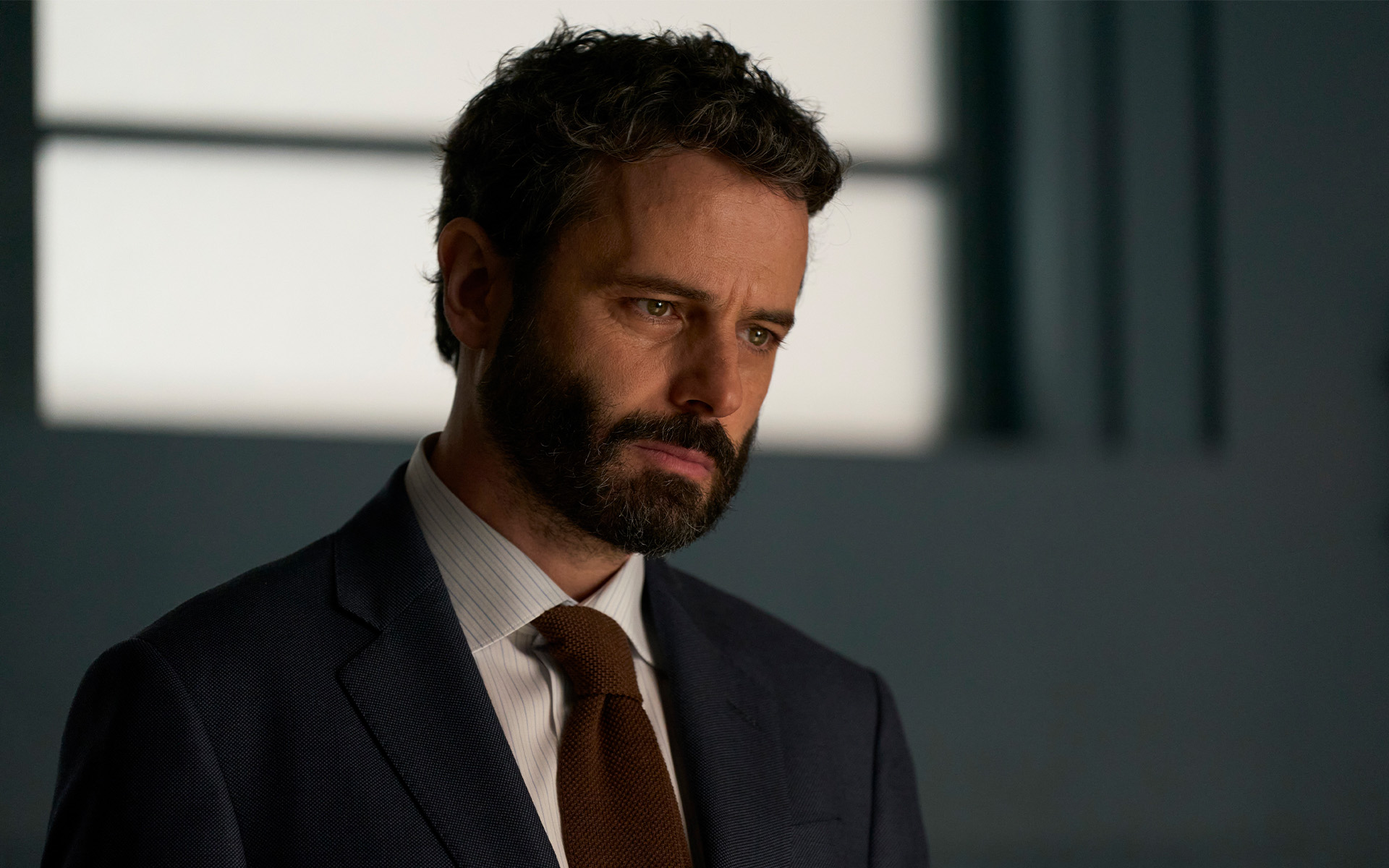
When Law & Order Toronto: Criminal Intent came along, Luke Kirby was simply looking for a challenge. “I really just was kind of looking for something to latch onto that was big and difficult, and you know this looked like a serious challenge,” Kirby says in an interview.
Yet beneath the gritty demands of procedural television, the project was a creative homecoming. The production reunited him with showrunner Tassie Cameron, longtime collaborator Kathleen Munroe, and familiar directors like David Wellington and Winnifred Jong. Add in his friendship with Aden Young — forged during their days on Rectify — and the decision became instinctual. As Kirby puts it, “It all just felt kind of like I had whispers of ‘Go do this.’”
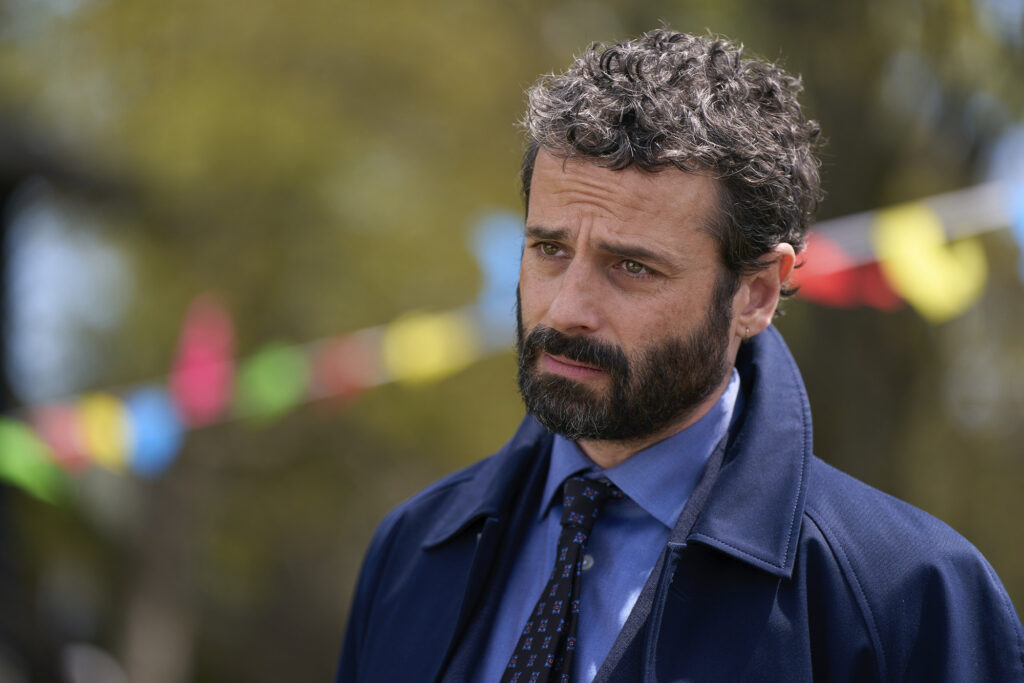
Stepping into the precinct as Detective Sergeant John Darcy in season 4 of the series, Kirby enters homicide with the instincts of an investigator shaped by undercover operations and street units. “I was very aware of his coming from working in guns and gangs and having worked undercover for so long kind of told me that he was somebody who could navigate shifting gears and shifting sands,” Kirby explains. Darcy survived by learning how to read any room instantly, having “adapted a talent or a knack for being able to switch rhythm or switch language depending on who he’s talking to or whoever he was pursuing.” Transitioning into homicide allows him to bring that edge into the interrogation room: “Every time we meet a new character, he’s able to formulate how he can adapt himself to their nature and hopefully pin them down if they’re the right suspect.”
The shift in assignment also signals a welcome reset in Darcy’s headspace. After years on the street, Kirby notes that Darcy arrives “weather-worn by his old job” and eager for a clearer baseline: “The idea of just sort of getting into a kind of a clearer rhythm, being able to just put on a suit and tie, has its appeal to him. There’s a structure that I think is appealing.” Darcy is visibly tired of the street-level crime he left behind, finding renewed focus in the analytical demands of murder investigations. “He has a kind of curiosity and a knack that his old occupation didn’t necessarily satisfy,” Kirby observes, noting that the forensics give the work “a new flair,” even if Darcy remains “not entirely satisfied, but just something that keeps compelling him back to the sphere.”
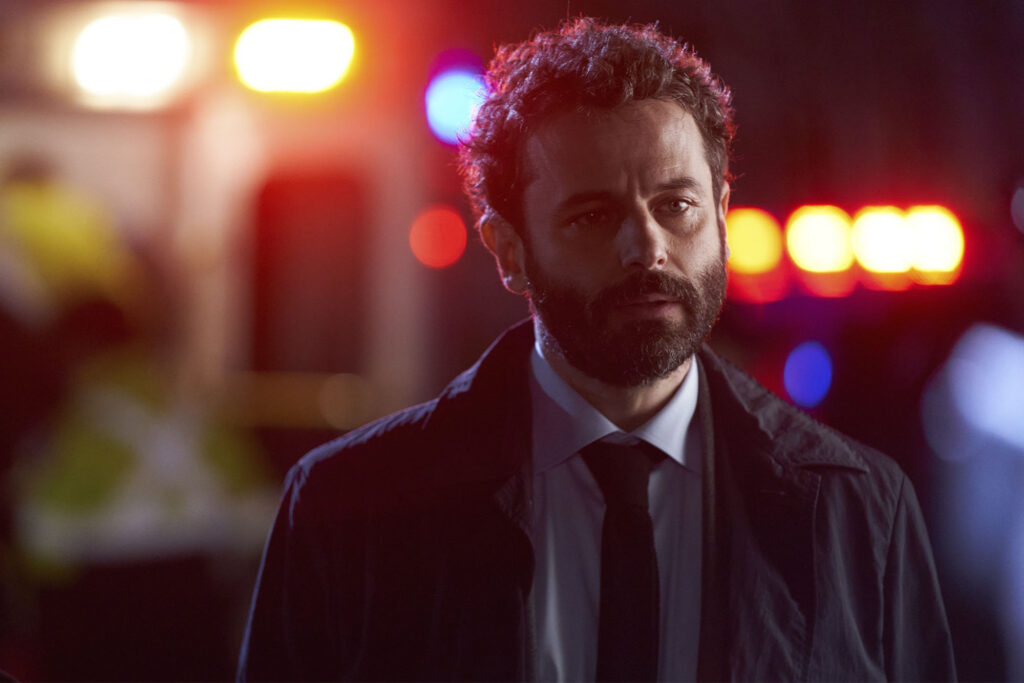

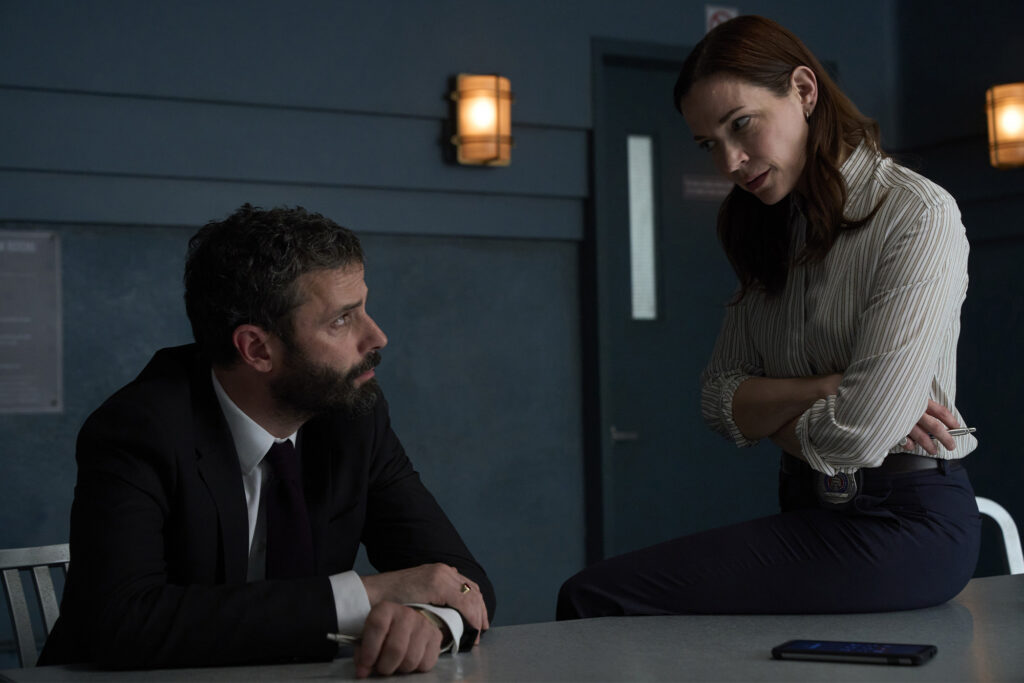
At the heart of the series is Darcy’s dynamic with Detective Sergeant Frankie Bateman, played by Munroe. Because of their history, establishing a lived-in rapport didn’t require a lot of effort. “I’ve known Kathleen a long time and have always felt a kinship with her as a person. I also know that she’s a tremendous actor and can do anything in that regard,” Kirby says. The actors leaned on instinct: “The only thing to do is to just jump into the fire, and so that’s what we did. Over the course of the summer, we just circled each other and found our way as Darcy and Bateman kind of also found their way.”
For the Hamilton-born actor, filming in Toronto carries a personal weight. “Doing it here is really special because it’s close to Guelph, where I grew up, and still have family and a lot of friends,” Kirby says. Asked what it means to anchor a marquee franchise in his home province, he says: “We’ll see. It’s a great challenge… We’re all part of the anchor, I like to believe, so we find gravity together.”
“Toronto has its kind of originality. There’s more room to explore and try, kind of be a little more risky.”Luke Kirby
That connection to place radiates on screen through an unapologetic embrace of local texture. Unlike productions that scrub Toronto of its geography to stand in for generic American metropolises, the series leans directly into the city’s landmarks. Kirby’s quintessential Toronto moment arrived right in the first episode with a scene at Little Italy’s historic Café Diplomatico — the very patio where he spent his early years dreaming and talking shop. Shooting took the production from the residential pockets of the Annex down to industrial corners of Etobicoke, offering the actor a tour of the city’s underbelly.
Darcy’s visual presence is equally defined by his tailored look, crafted alongside costume designer Nicole Manek. “He is a dresser for sure,” Kirby smiles. “I like clothes. I’m not a full fashion head, but I certainly appreciate some good duds. Nicole Manek, our costume designer, also loves clothes… and she was really game to go hard on this guy having some nice threads. We did some shopping together, and we shaped a really classy look for a new homicide detective.”

Kirby sees Darcy’s sharp wardrobe as part of a wider local ethos. “Toronto has its kind of originality. There’s more room to explore and try, kind of be a little more risky. That’s really fun and playful,” he says. Kirby describes his aesthetic as just slightly off the beaten path: classic, comfortable, and currently shedding a few boyish habits in pursuit of something timeless. It’s an ethos that somewhat mirrors this chapter of his career: stepping into classic procedural territory on his own terms, sharp-edged and fully dialed into the rhythm of the city.