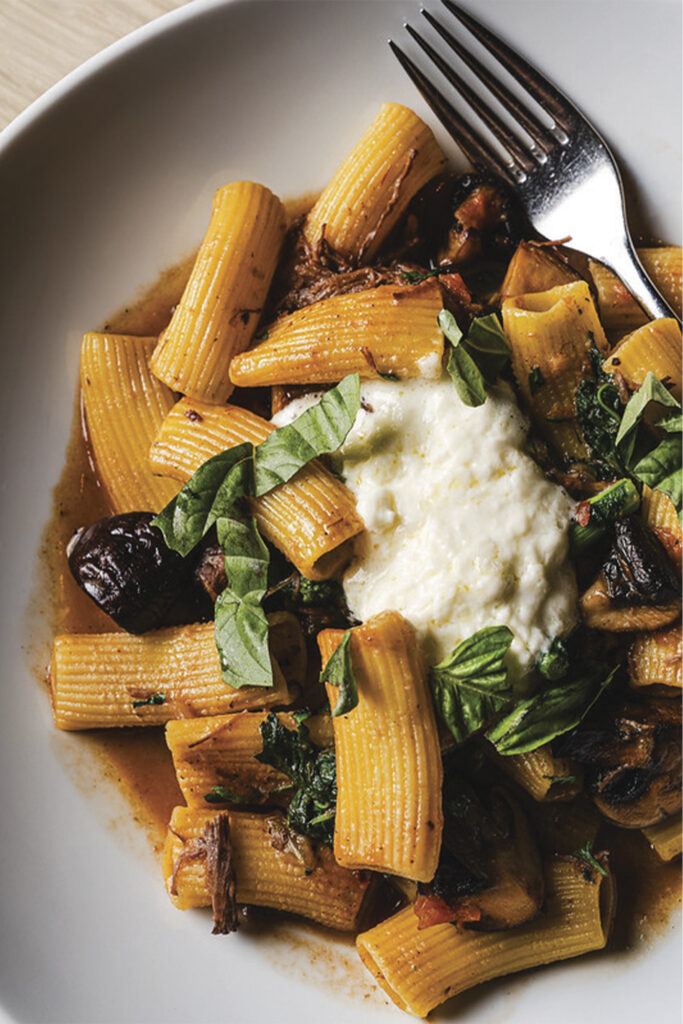
In Canada, delectable dishes come by the dozen: have Jiggs’ dinner in Newfoundland, enjoy authentic Québécois poutine, or grab a Nanaimo bar on the shores of the Pacific. Yet, when it comes to a single culinary style — what is Canadian cuisine? — the answer proves evasive.
“That’s a question no one can answer,” says Top Chef Canada’s Mark McEwan. “People bring their cultures, their talent, and their family values when it comes to food,” he adds. “That is Canada.”
When I speak to McEwan, we’re just a few weeks out from the premiere of Top Chef Canada’s thirteenth season. That’s an eon in reality television — yet the judge says he still learns new things on set. “I’m in my golden years. Young people always have a slightly different focus than you do,” he says. “I’m always very interested to see what another chef does with the same product that I have in front of me, because everybody has their own imagination and their own skill set. You can’t help but learn.”

Apart from the usual culinary discoveries, season thirteen will reintroduce a few familiar flavours: three previous contestants return to compete for the Top Chef Canada title. Plus, the season promises a slew of celebrity guests, including Toronto Tempo stars Brittney Sykes and Marina Mabrey. Thirteen proves a lucky number.
“It was a nail-biter right to the end. It could have gone either way,” McEwan says of the season. “We deliberated very, very hard, which tells you that the calibre of cooking was excellent.” When it comes to specific trends, details are scant. Yet across the board, McEwan notes that today’s chefs are into a “slightly more spontaneous” style of cooking: think three to four ingredients per dish, all fresh and locally sourced.
“That’s why we’re getting better and better-calibre chefs all the time, because they look at [Top Chef Canada] and they realize it’s a fair competition.”Mark McEwan
“Chefs are gravitating away from tasting menus. More regional food — more rustic, simpler in its preparation, fewer elements — is probably the trend right now,” adds McEwan. Regionally minded recipes are en vogue across the country; the chef highlights pork, poultry, and a “robust” beef industry as Canadian classics. Local is logical: “The quicker it gets to market, the better,” says the chef. Plus, he adds, “With all the hostility on the border and problems, it’s amplified further. I think there’s a real push to be sourcing from within Canada.”
Of course, the judging panel is anything but provincial: while all judges boast a global pedigree, McEwan says that each name adds a particular focus to the mix. “Mijune [Pak] brings a real Asian flair for food and love of that culture to the table; Janet [Zuccarini] is Italian; Eden [Grinshpan] is a Jewish-Canadian girl that really knows how to cook,” he says. Meanwhile, McEwan calls David Zilber — who returns for the finale — “a scientist with fermentation.” As for himself, McEwan says he loves rich, “technique-driven” dishes. And, while the ensemble yields lively discussion, they seek the same winner: a memorable, tasty dish with intricate workmanship.

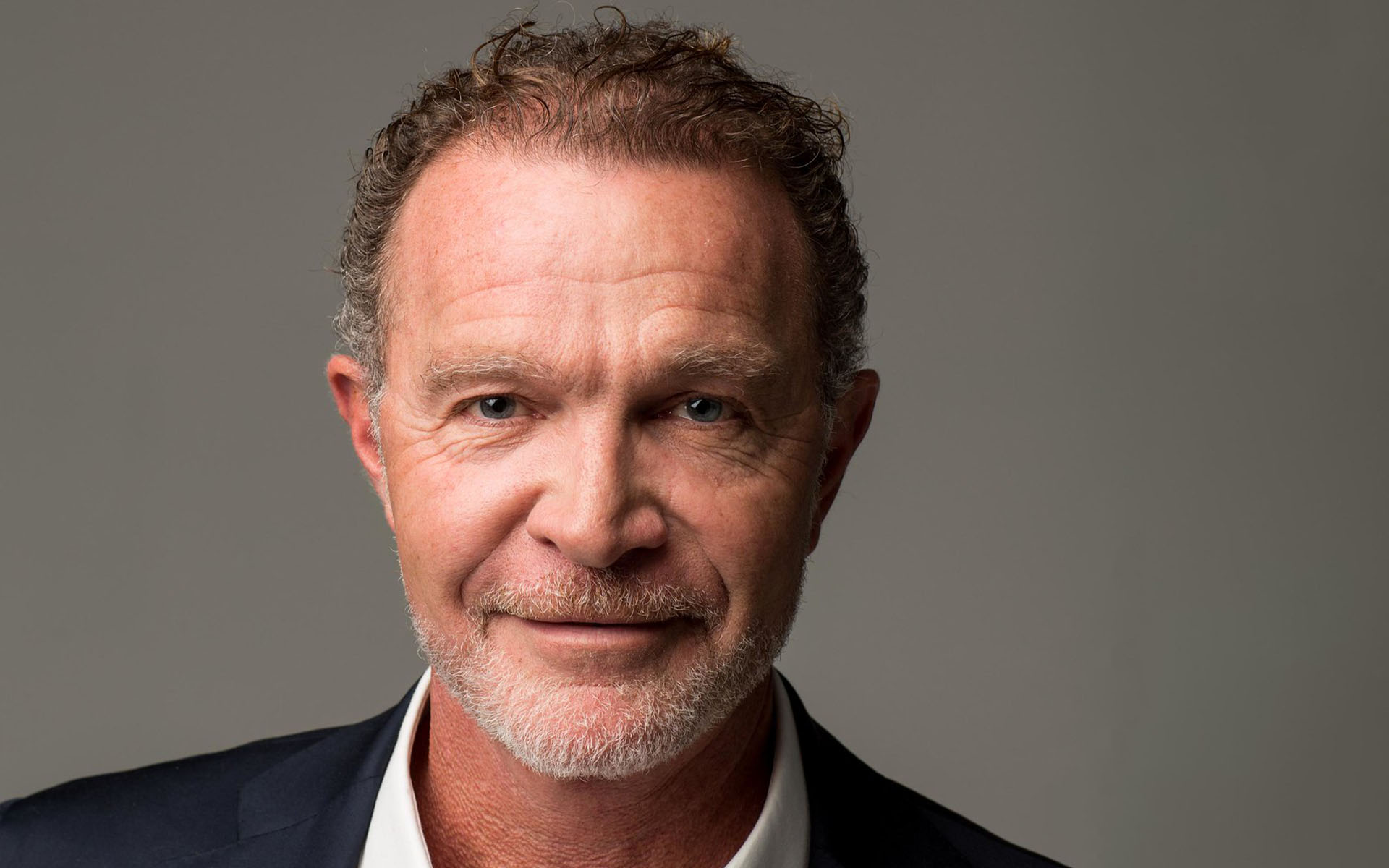
RIGHT: Mark McEwan. Photo courtesy of Flavour Network.
“You watch some [cooking] shows and they make all these outrageous comments. I’ve never adhered to that,” says McEwan. Instead, he aims for constructive, educational critique. “I truly believe that’s why we’re getting better and better-calibre chefs all the time, because they look at it and they realize it’s a fair competition,” he adds.
Perhaps that’s why, thirteen seasons in, Top Chef Canada still resonates. “When the food’s good, the show’s great.”