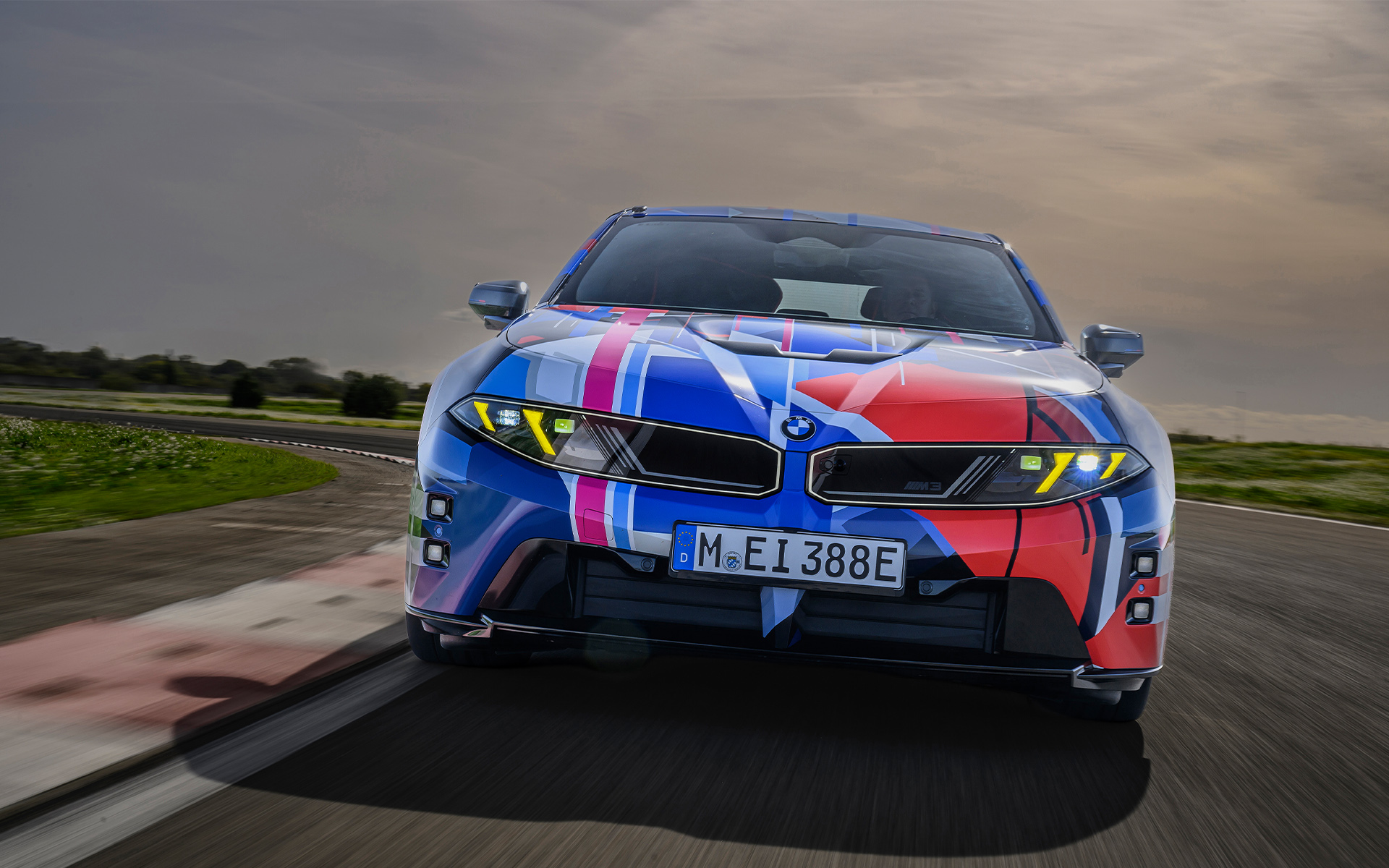
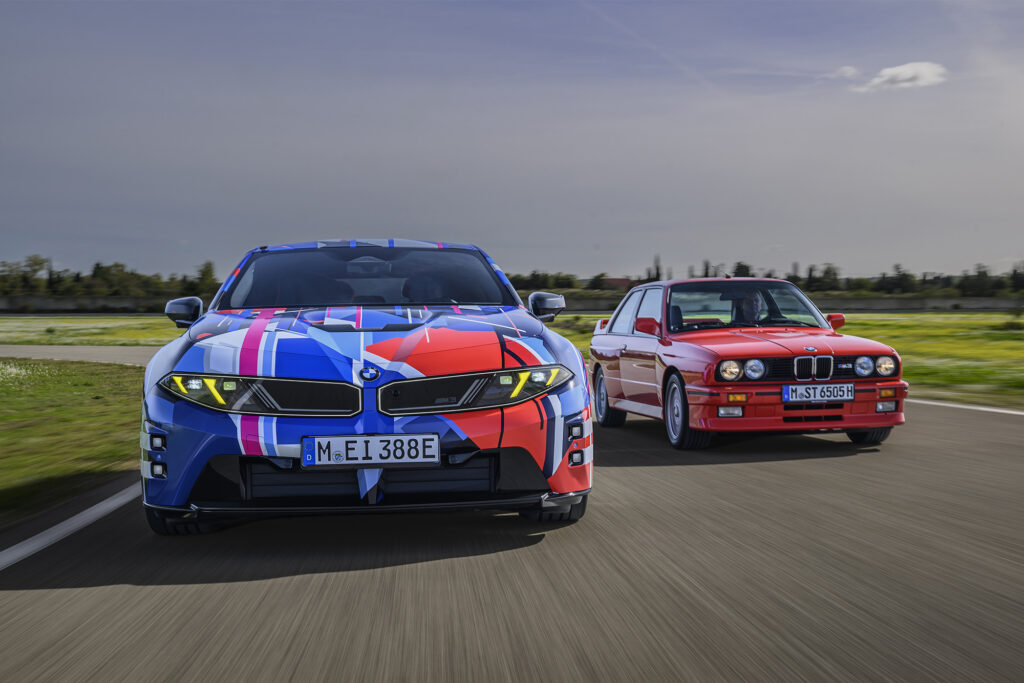
Spoiler alert: we’ve driven the electric M3 and it’s great. Staggering out of the battery-powered 2028 BMW M3, a quad-motor electric sedan with more power than a modern Ferrari, we were almost in shock. Any doubts we had about BMW’s decision to electrify the iconic M3 faded quickly.
An Electric M3? You’re Kidding, Right?
But we understand why some of you might be concerned about the electric M3. You might be thinking M Division has lost the plot, that it’s time to clutch your classic E30s and E46s and never let them go. You might think that the glory days of sports sedans are all in the past.
Listen, we get it. We were worried too, of course. EVs are heavy, and electric motors don’t offer the noise or vibration or drama of a good internal combustion engine. There’s a reason electric sports cars aren’t really a thing yet; the technical challenges are immense.
There’s Still a Straight-Six M3, Relax
The electric 2028 BMW M3 will be sold alongside a new gas-burning M3 as well. BMW hasn’t released any details on the next-gen combustion engine M3 yet, but we’re pretty sure it’ll have a turbocharged straight-six engine (classic) and do without the M5’s (heavy) plug-in hybrid system.
No BMW M3i or iM3
Both the electric and gas models of BMW’s iconic sport sedan will go under the “M3” name. The electric model forgoes the “i” designation of BMW’s other EVs, including the i3 on which the new M model is based.
Power, Range, and Performance of the 2028 BMW M3
Four motors combine to make 838 horsepower and 885 lb-ft of torque. That’s more than a Ferrari 296 for those keeping track at home.
Driving range is provisional at this stage, but BMW’s engineers estimate it’ll do 482 kilometres before needing to recharge. (That’s based on the U.S. EPA test.) Drivers will be pleased to learn the new M3 can charge at up to 420 kW. If you find a suitable charger (which is admittedly not easy) the 100 kWh battery can gain 350 km in just 10 minutes of charging.
The battery pack itself is unique to the M3. It uses different cell chemistry and has twice the cooling of the BMW i3 battery pack.
There are what feels like approximately 1,000,000 different driving modes and options, so we won’t explain all of them here. But they include a simulated six-speed gearbox with traditional paddle shifters, two different “engine” sounds, adaptive suspension, various steering, throttle and brake response settings and much more. If you don’t like anything, there’s a good chance it can be switched on or off, if you’re willing to dig through sub-menus.
As for stats, because this is still a prototype, BMW isn’t giving 0–100 km/h acceleration times or weights just yet. We do know, however, that it’ll weigh more than the 2027 BMW i3 M50 xDrive, which tips the scales at over 2,200 kg.
Why Has It Taken So Long?
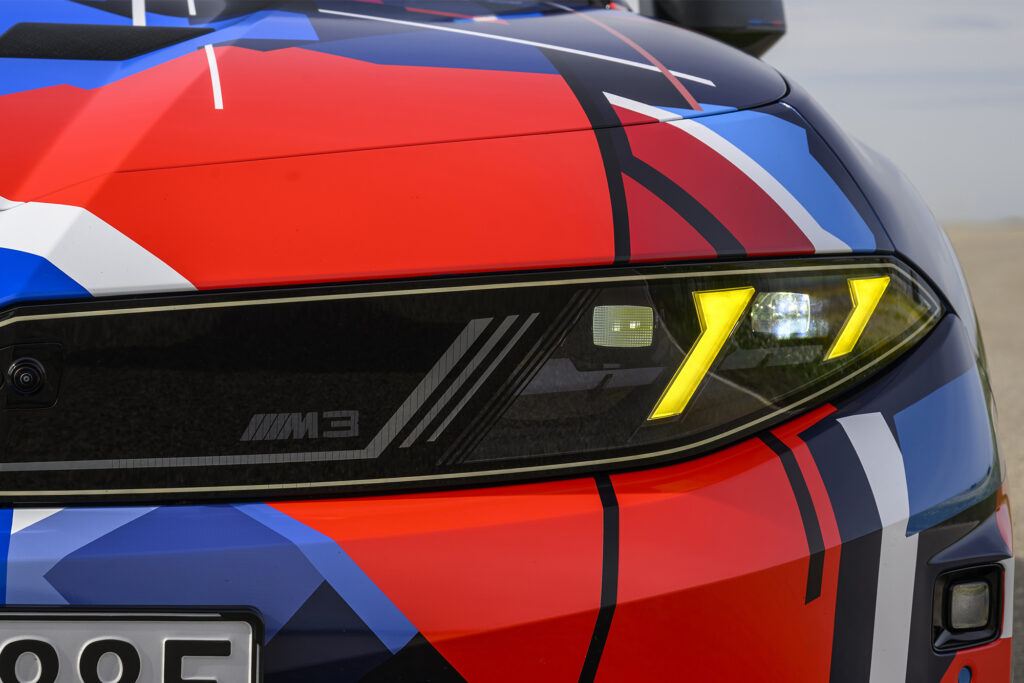
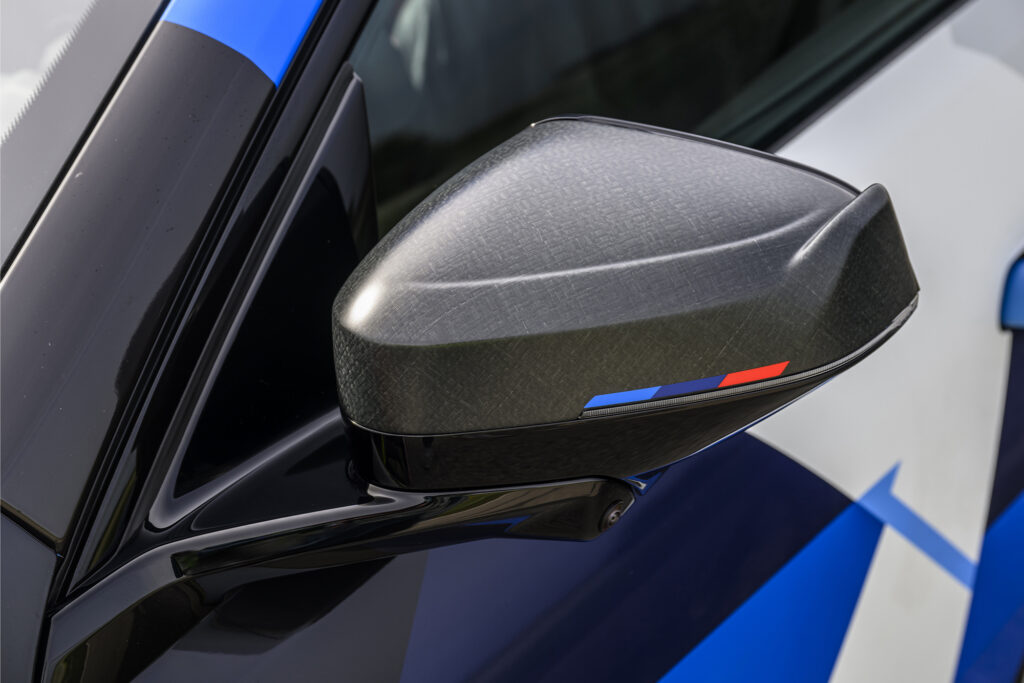
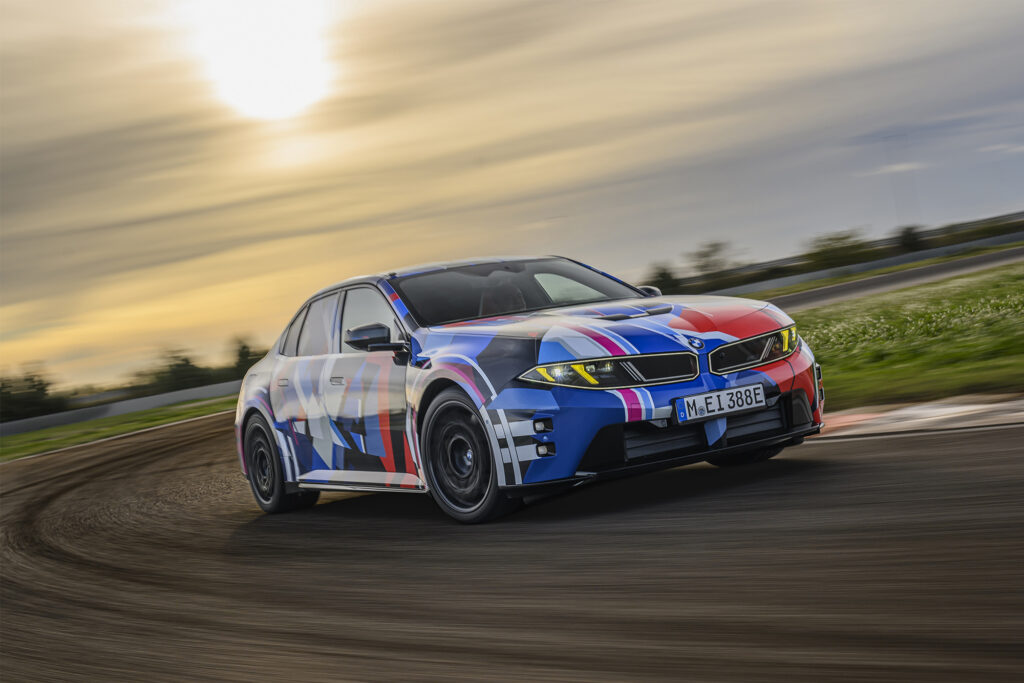
Good question. The short answer: it’s hard. The long answer: BMW revealed a widebody quad-motor i4 prototype back in 2022, and it didn’t take a rocket scientist to figure out engineers were testing an electric M3.
Philipp Brunn, who headed up the electric M3 project, explained that the engineers needed a lot of time — more than usual — for simulation and optimization. As Brunn said, there was nothing to go on, no precedent. Everything had to be done from scratch.
What’s It Like to Drive the Electric M3?
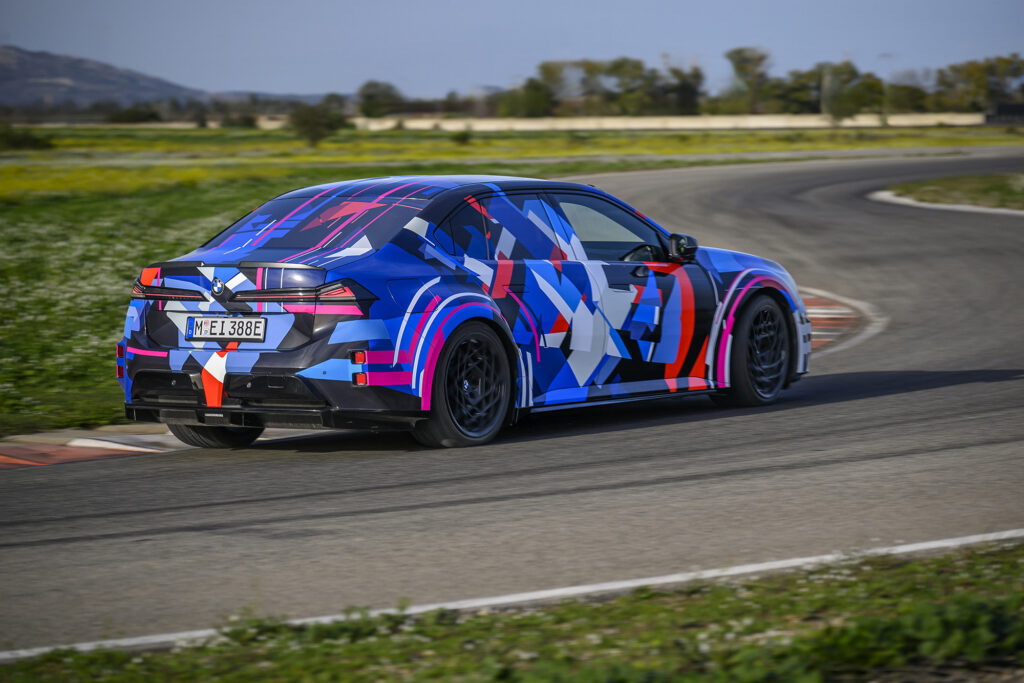
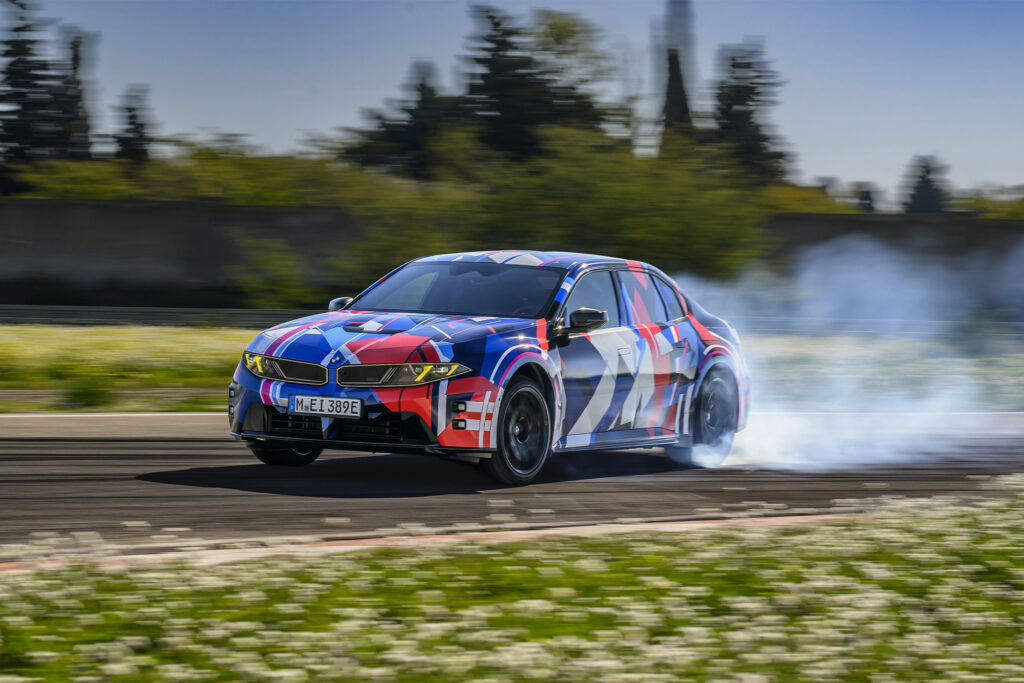
An initial hot lap with Philipp Schmitt behind the wheel was eye-opening. He’s an engineer for vehicle dynamics and driver assistance systems, and he’s done an inordinate number of laps in this M3 at BMW’s secret test track here in southern France. On the second corner, I was sure we were about to crash, but Schmitt got the car to brake and turn on a dime. Later, he had all four tires smoking in a massive drift.
Then it was finally time to get behind the wheel. Obviously, the power is immense. Launch control unleashed violent acceleration that slams you back into the seat. (The new seats, by the way, with inflatable cushions and a lower driving position, are wonderful.)
Once you get over the extreme speed, you notice the brakes. Well, actually it’s a mix of regenerative braking and friction brakes, but they blend together so seamlessly I couldn’t feel the difference. This is not a lightweight car by any means — it’s still got four doors and a good trunk — but it can scrub off speed with incredible force. Braking never faded in the half-dozen laps we did, in large part because so much of the braking is regenerative.
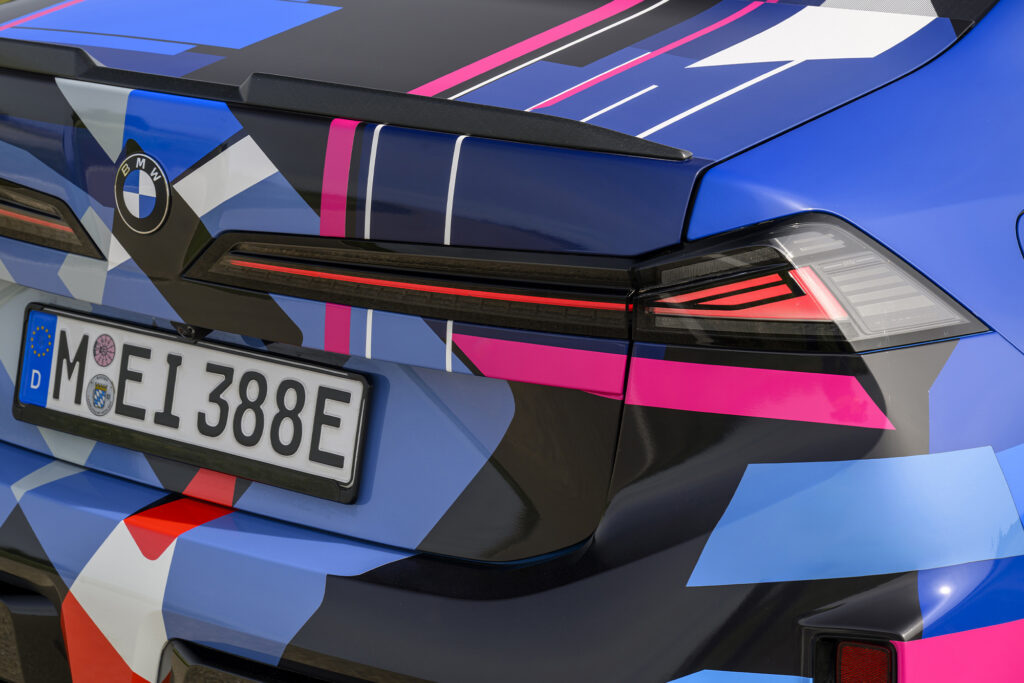
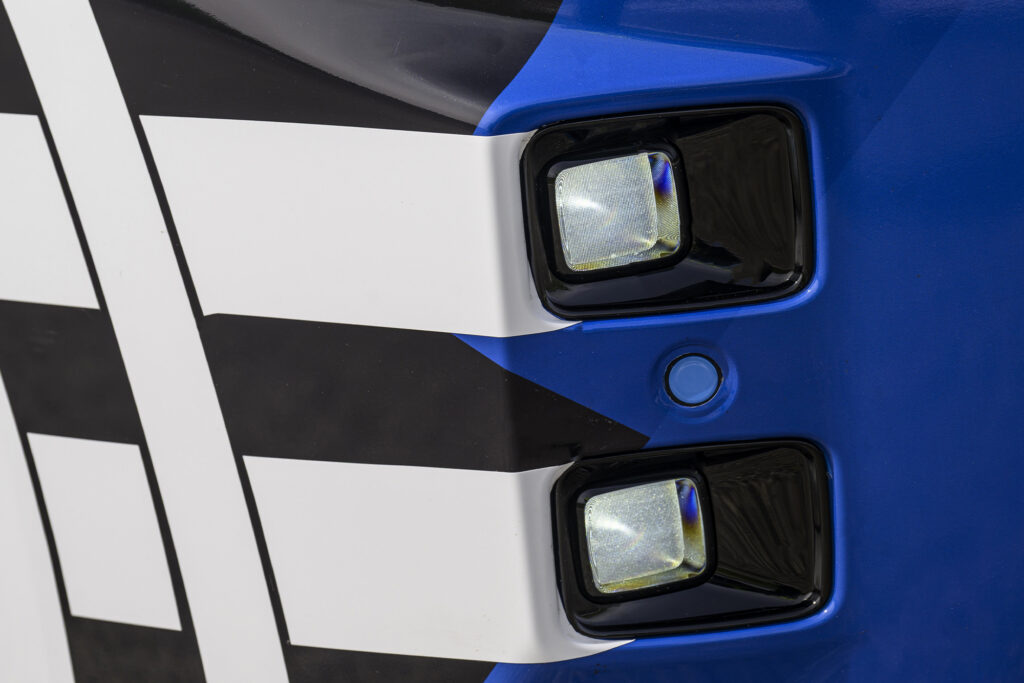
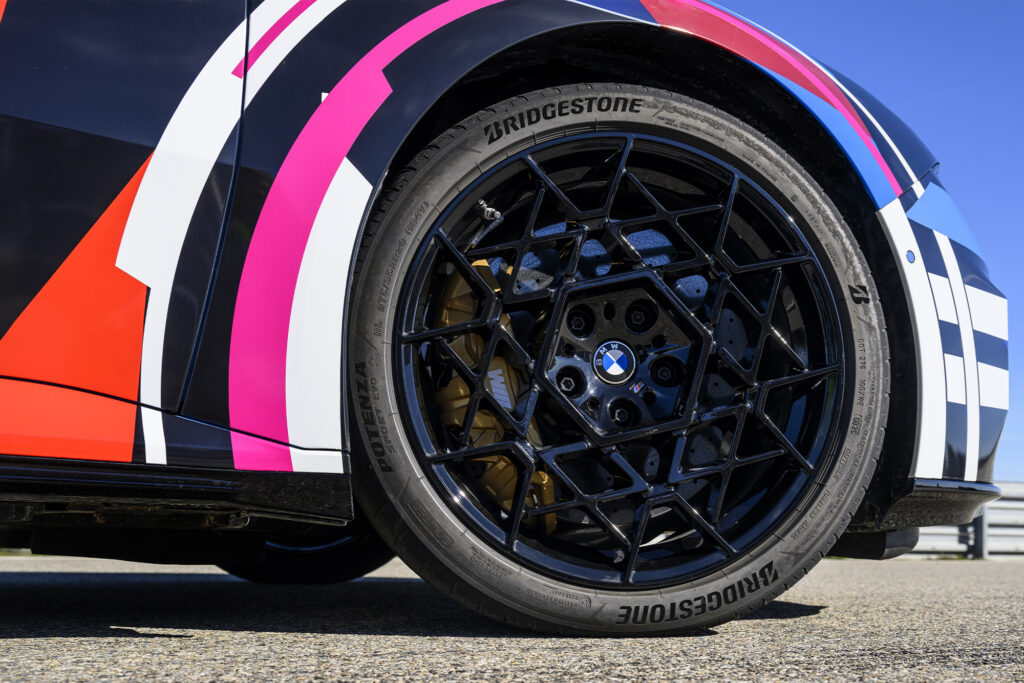
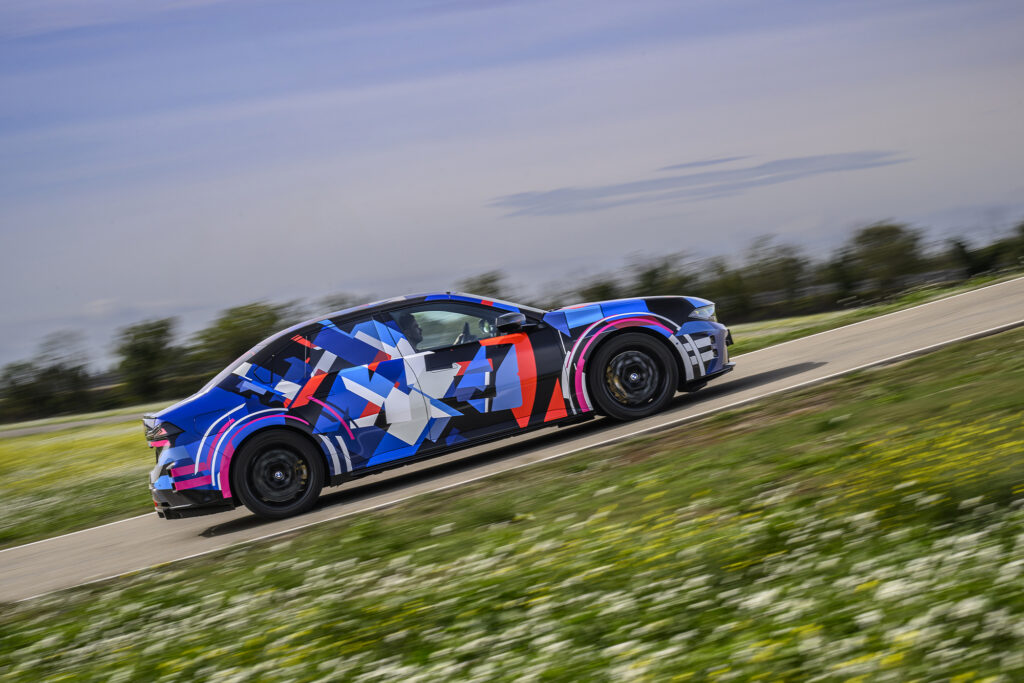
What was most surprising, however, was just how intuitive and playful the electric M3 is. The four electric motors seem to sense what you’re trying to do, and help you do it. Rotate the car on the throttle? Sure. Quick lift to pendulum the rear end through an S-bend? No sweat. It never feels like it’s on rails. It’s still got that classic tail-happy feeling all great M cars have. In fact, it might just be the easiest M3 to slide around yet. It’s so smooth and easy to drive at the limit. Obviously, a car this heavy with this much power should be terrifying, but it’s just not at all. It’s laugh-out-loud fun.
A handful of laps on a proving ground doesn’t give a full picture of the new M3. We still don’t know how it’ll handle potholes and speed bumps, or how many laps of our favourite tracks it’ll do before running out of juice, and we’ve just scratched the surface of its many driving modes and settings.
When Does the 2028 BMW M3 Arrive in Canada?
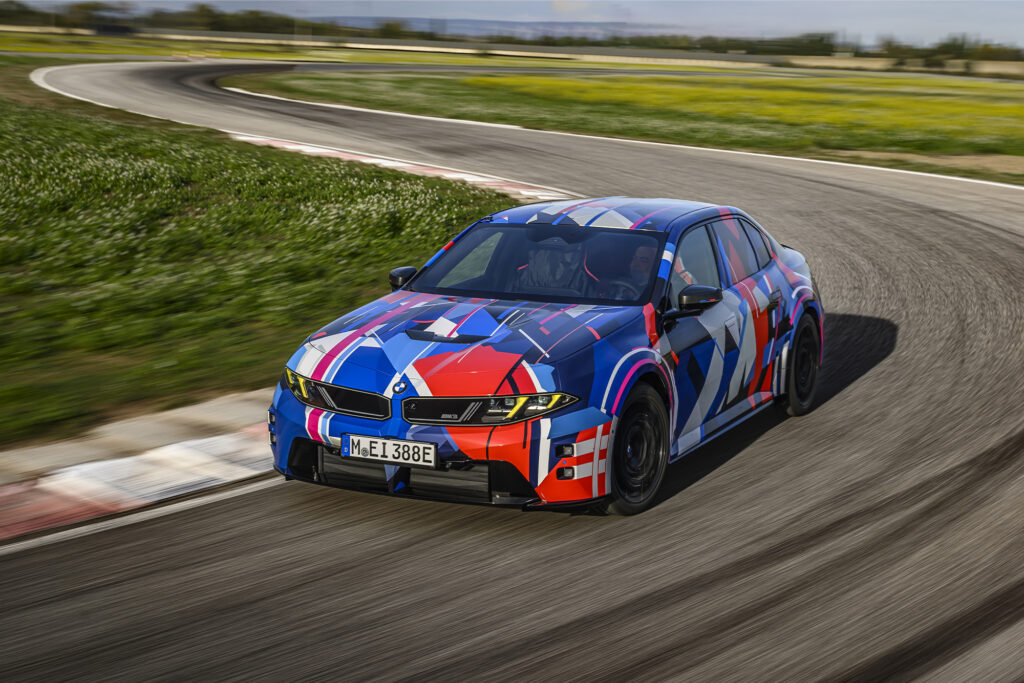
Not soon enough. Buyers in Canada will have to wait until summer 2027 to get their hands on the first-ever electric M3. (Expect full reveal, with un-camouflaged photos, in early 2027.) Prices have yet to be announced, but you can be sure it’ll cost at least $100,000. Are BMW M fans ready for the cost and the battery-powered version of the beloved M3? We’re not so sure. But we do know that once drivers get behind the wheel and test-drive the new M3 for themselves, any skepticism will be left behind in a cloud of tire smoke. It’s a mind-blowing machine.